

Bariatric Surgery Types in Turkey: Your Comparison Guide
Explore bariatric surgery types in Turkey, including gastric sleeve, bypass, and mini gastric bypass. Compare options to find the best weight loss surgery for you.

1. Introduction: Your Journey to a Healthier Life Begins in Turkey
The global fight against obesity is more critical than ever. According to the World Health Organization (WHO), worldwide obesity has nearly tripled since 1975, affecting millions and leading to a cascade of serious health complications such as type 2 diabetes, heart disease, sleep apnea, and certain cancers. For many, traditional weight loss methods like diet and exercise prove insufficient, leaving them trapped in a cycle of frustration and declining health.
This is where bariatric surgery emerges as a powerful, life-changing solution. It’s not just about losing weight; it’s about reclaiming your health, vitality, and quality of life. However, navigating the various bariatric surgery types can be daunting, especially when considering international options.
Turkey has rapidly become a global leader in medical tourism, particularly for weight loss surgery options. Patients from across Europe, the UK, the US, and beyond are choosing Turkey for its exceptional medical standards, highly skilled surgeons, and significantly more affordable prices. If you're exploring bariatric surgery types Turkey, you've come to the right place. This comprehensive guide, crafted by a 10-year veteran in medical tourism, will demystify the options, compare procedures like gastric sleeve vs bypass Turkey, and provide you with all the information you need to make an informed decision about your health journey.
At Clyna, we understand that embarking on this journey can be filled with questions and anxieties. Our mission is to connect you with the best clinics and surgeons in Turkey, ensuring a safe, successful, and transformative experience. Let's delve into the world of bariatric surgery and discover how Turkey can be your gateway to a healthier, happier future.
2. Understanding Bariatric Surgery: A Gateway to Health
Bariatric surgery, often referred to as metabolic and bariatric surgery, encompasses a range of procedures performed on people who are obese. The primary goal is to help patients achieve significant and sustainable weight loss, thereby resolving or improving obesity-related health conditions (co-morbidities). These surgeries work through various mechanisms, including:
- Restriction: Physically limiting the amount of food the stomach can hold.
- Malabsorption: Reducing the absorption of nutrients and calories in the small intestine.
- Hormonal Changes: Altering gut hormones that influence hunger, satiety, and metabolism, leading to improved blood sugar control and reduced appetite.
It's crucial to understand that bariatric surgery is a tool, not a magic bullet. Its success hinges on a lifelong commitment to dietary changes, regular exercise, and consistent follow-up care.
Who is a Candidate for Bariatric Surgery?
Eligibility for bariatric surgery is determined by established medical guidelines, primarily based on Body Mass Index (BMI) and the presence of co-morbidities. Generally, candidates meet one of the following criteria:
- BMI of 40 or higher (extreme obesity).
- BMI of 35 to 39.9 (obesity) with at least one significant obesity-related co-morbidity, such as type 2 diabetes, severe sleep apnea, high blood pressure, or high cholesterol.
- BMI of 30 to 34.9 with uncontrolled type 2 diabetes or metabolic syndrome (in some specific cases and with careful evaluation).
Beyond BMI, a thorough medical and psychological evaluation is essential to ensure the patient is physically and mentally prepared for the surgery and the profound lifestyle changes it entails. This includes assessing their commitment to long-term follow-up and their understanding of the risks and benefits.
The Multidisciplinary Approach
Successful bariatric surgery is never a solo endeavor. It requires a dedicated multidisciplinary team working together to support the patient at every stage. This team typically includes:
- Bariatric Surgeon: The specialist who performs the operation.
- Bariatric Nurse Coordinator: Guides patients through the process.
- Dietitian/Nutritionist: Provides crucial guidance on pre- and post-operative dietary changes.
- Psychologist/Psychiatrist: Assesses mental readiness and provides support for emotional eating or body image issues.
- Anesthesiologist: Manages anesthesia during surgery.
- Internal Medicine Specialist/Endocrinologist: Manages co-morbidities like diabetes.
This comprehensive approach ensures that all aspects of a patient's health are addressed, maximizing the chances of long-term success.
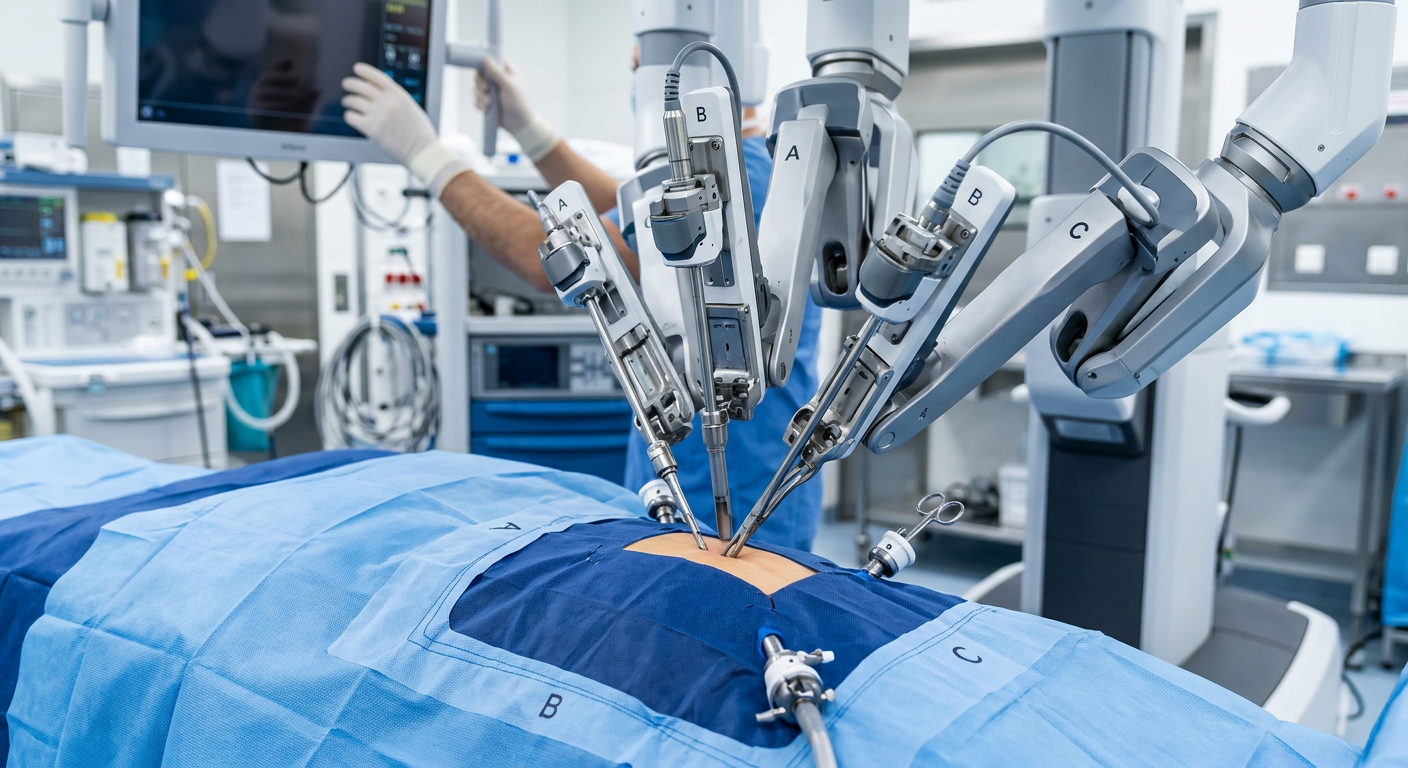
3. Detailed Comparison of Bariatric Surgery Types in Turkey
When considering bariatric surgery types Turkey, it's vital to understand the nuances of each procedure. Each offers distinct advantages and disadvantages, and the "best" option is highly individual, depending on your health profile, weight loss goals, and lifestyle. Let's explore the most common weight loss surgery options Turkey offers.
Gastric Sleeve (Sleeve Gastrectomy)
The Gastric Sleeve, known in Turkish as "tüp mide," is currently the most frequently performed bariatric surgery worldwide, and a highly popular choice for bariatric surgery types Turkey.
- Mechanism: Primarily restrictive. Approximately 80% of the stomach is removed, creating a banana-shaped "sleeve." This significantly reduces the stomach's capacity, meaning you feel full after eating much smaller portions. Crucially, the part of the stomach removed is responsible for producing ghrelin, the "hunger hormone," leading to a significant reduction in appetite.
- Procedure Details: Performed laparoscopically (minimally invasive) under general anesthesia. Several small incisions are made, and a camera and surgical instruments are inserted. The surgeon removes the outer, curved portion of the stomach and staples the remaining section to form the sleeve. The small intestine is not altered.
- Pros:
- Simpler Procedure: Less complex than gastric bypass, with a shorter operating time.
- No Intestinal Rerouting: Reduces the risk of certain malabsorption issues associated with bypass surgeries.
- Significant Weight Loss: Patients typically lose 60-70% of their excess body weight (EWL) within 12-18 months.
- Hormonal Benefits: Reduction in ghrelin often leads to decreased hunger and improved metabolic health, including resolution or improvement of type 2 diabetes.
- Lower Risk of Nutritional Deficiencies: Compared to malabsorptive procedures, though vitamin supplementation is still necessary.
- No Foreign Body: Unlike the gastric band, there's no implant.
- Cons:
- Irreversible: The removed portion of the stomach cannot be replaced.
- Potential for Reflux: Some patients may develop or worsen gastroesophageal reflux disease (GERD) post-surgery.
- Less Effective for Super Obese: While effective, for those with very high BMIs (e.g., >50), other surgeries might offer greater long-term weight loss.
- Stomach Dilation: Over time, the sleeve can stretch, potentially leading to weight regain if dietary guidelines are not followed.
- Typical Weight Loss: 60-70% of Excess Weight Loss (EWL).
- Suitability: Ideal for patients with a BMI of 35-45, or those with co-morbidities, who prefer a less complex procedure with good weight loss and metabolic benefits. Often considered a good first step for patients who might need a second-stage procedure later.
- SEO: "gastric sleeve vs bypass Turkey", "tüp mide mi bypass mı türkiye".
Gastric Bypass (Roux-en-Y Gastric Bypass - RYGB)
The Gastric Bypass is considered the "gold standard" of bariatric surgery due to its long-standing track record and profound results, making it a key option among bariatric surgery types Turkey.
- Mechanism: Both restrictive and malabsorptive. The surgeon creates a small stomach pouch (about the size of an egg) from the upper part of the stomach, effectively bypassing the larger portion. This small pouch is then connected directly to a section of the small intestine (the Roux limb), bypassing the duodenum and a significant part of the jejunum. Food therefore bypasses a large section of the digestive tract, reducing calorie and nutrient absorption.
- Procedure Details: Performed laparoscopically. The stomach is divided, and the small pouch is created. The small intestine is then divided, and one end is brought up to connect to the new stomach pouch (the "Roux limb"). The other end of the divided small intestine (the "biliopancreatic limb," carrying digestive juices) is reconnected further down the Roux limb, allowing digestive enzymes to eventually mix with food.
- Pros:
- Excellent Weight Loss: Patients typically achieve 70-80% EWL, often more, making it highly effective for severe obesity.
- Superior Resolution of Co-morbidities: Particularly effective in resolving or significantly improving type 2 diabetes, often within days or weeks of surgery, due to hormonal changes. Also highly effective for severe acid reflux (GERD).
- Long-Term Data: Extensive research and long-term data support its efficacy and safety.
- Cons:
- More Complex Procedure: Involves more surgical connections (anastomoses) than gastric sleeve, potentially leading to a higher risk of complications like leaks or strictures.
- Higher Risk of Nutritional Deficiencies: Due to the bypassed sections of the small intestine, patients are at a higher risk of deficiencies in iron, vitamin B12, calcium, and fat-soluble vitamins (A, D, E, K). Lifelong supplementation is mandatory.
- Dumping Syndrome: Rapid emptying of undigested food into the small intestine can cause symptoms like nausea, vomiting, diarrhea, sweating, and dizziness, especially after consuming high-sugar or high-fat foods. This can be a deterrent but also acts as a powerful behavioral modification tool.
- Irreversible: While technically reversible, reversal is a complex procedure.
- Marginal Ulcers: A small percentage of patients may develop ulcers at the connection point between the stomach pouch and the small intestine.
- Typical Weight Loss: 70-80% of Excess Weight Loss (EWL).
- Suitability: Often recommended for patients with a BMI of 40 or higher, or those with a BMI of 35-39.9 with severe co-morbidities, especially type 2 diabetes or severe GERD. It's a powerful tool for those committed to strict dietary and supplement adherence.
- SEO: "gastric sleeve vs bypass Turkey", "gastric bypass Turkey", "tüp mide mi bypass mı türkiye".
Mini Gastric Bypass (One-Anastomosis Gastric Bypass - OAGB/MGB)
The Mini Gastric Bypass Turkey, also known as One-Anastomosis Gastric Bypass (OAGB) or Single-Anastomosis Gastric Bypass (SAGB), has gained significant popularity as a simplified alternative to the traditional RYGB.
- Mechanism: Both restrictive and malabsorptive. It involves creating a longer, narrower stomach pouch than the RYGB, which is then connected to a loop of the small intestine via a single anastomosis (connection). This bypasses a greater length of the small intestine compared to RYGB, leading to more significant malabsorption.
- Procedure Details: Performed laparoscopically. A long, narrow gastric pouch is created from the stomach. A loop of the small intestine is then brought up and connected to the end of this pouch. This creates a single connection point, simplifying the procedure compared to RYGB's two connections.
- Pros:
- Simpler and Shorter Surgery: With only one connection, it's technically less complex and generally quicker to perform than RYGB.
- Excellent Weight Loss: Often comparable to or even slightly better than RYGB, with 65-75% EWL.
- Effective for Diabetes: Highly effective in resolving or improving type 2 diabetes due to significant hormonal changes and malabsorption.
- Lower Risk of Internal Hernias: Compared to RYGB, due to fewer intestinal rearrangements.
- Cons:
- Potential for Bile Reflux: Because the biliopancreatic limb (carrying bile) connects directly to the stomach pouch, there's a higher theoretical risk of bile reflux into the esophagus, which can be uncomfortable or, rarely, lead to complications. However, modern surgical techniques and patient selection have mitigated this risk significantly.
- Higher Risk of Nutritional Deficiencies: Due to the longer bypassed segment of the small intestine, the risk of vitamin and mineral deficiencies (especially iron, B12, and fat-soluble vitamins) can be higher than with RYGB. Lifelong supplementation is critical.
- Irreversible: Like RYGB, reversal is complex.
- Newer Procedure: While gaining widespread acceptance, it has a shorter long-term data history compared to RYGB.
- Typical Weight Loss: 65-75% of Excess Weight Loss (EWL).
- Suitability: A strong option for patients seeking significant weight loss and metabolic improvement, particularly those with type 2 diabetes, who may benefit from a simpler surgical procedure than RYGB. It's also increasingly considered for patients with a BMI of 40+ or 35+ with co-morbidities.
- SEO: "mini gastric bypass Turkey", "mini gastrik bypass türkiye".
Biliopancreatic Diversion with Duodenal Switch (BPD/DS)
The Duodenal Switch Turkey (BPD/DS) is the most complex and powerful bariatric procedure, reserved for patients with severe obesity and significant co-morbidities.
- Mechanism: Combines a large gastric sleeve with extensive intestinal rerouting to create significant malabsorption. It involves two main components:
- Sleeve Gastrectomy: A larger gastric sleeve is created than in a standard sleeve gastrectomy, but it still removes a significant portion of the stomach.
- Intestinal Rerouting: The duodenum (the first part of the small intestine) is divided just after the stomach. The small intestine is then divided much further down, and the lower segment is brought up and connected to the duodenum. The bypassed segment of the small intestine (containing bile and pancreatic enzymes) is reconnected to the main digestive tract very close to the large intestine. This leaves a very short common channel for food and digestive juices to mix, leading to extreme malabsorption.
- Procedure Details: This is a more extensive laparoscopic procedure, often performed in two stages for very high-risk patients (first a sleeve, then the bypass). The stomach is sleeved, and then the intricate rerouting of the small intestine is performed to create the common channel.
- Pros:
- Highest Weight Loss: Patients typically achieve 80%+ EWL, making it the most effective surgery for super obese individuals.
- Most Effective for Co-morbidities: Unparalleled resolution or improvement of type 2 diabetes, high cholesterol, and other metabolic diseases.
- Allows for Larger Meals: Compared to other procedures, the larger sleeve allows for slightly more food intake, though still significantly less than before.
- Cons:
- Highest Risk of Nutritional Deficiencies: Due to the extensive malabsorption, patients are at a very high risk of severe deficiencies in protein, iron, calcium, and fat-soluble vitamins (A, D, E, K). Lifelong, rigorous supplementation and monitoring are absolutely critical.
- Most Complex Procedure: Higher surgical risk, longer operating time, and potentially longer hospital stay.
- Higher Risk of Complications: Including leaks, strictures, and severe diarrhea.
- Foul-Smelling Stools and Gas: A common side effect due to malabsorption.
- Irreversible: Extremely difficult to reverse.
- Typical Weight Loss: 80%+ of Excess Weight Loss (EWL).
- Suitability: Primarily recommended for individuals with super obesity (BMI > 50) or those with a BMI of 40-49.9 with severe, uncontrolled co-morbidities, especially type 2 diabetes, who require the most powerful metabolic and weight loss intervention and are committed to rigorous follow-up and supplementation.
- SEO: "duodenal switch Turkey".
Adjustable Gastric Band (Lap-Band)
The Adjustable Gastric Band was once a popular option but has largely fallen out of favor due to lower long-term success rates and higher complication rates compared to other procedures. However, it's still one of the bariatric surgery types and worth mentioning for comparison.
- Mechanism: Purely restrictive. An inflatable silicone band is placed around the upper part of the stomach, creating a small pouch above the band and a larger stomach below. The band is connected to a port placed under the skin, allowing saline to be injected or removed to adjust the tightness of the band, thereby controlling food intake.
- Procedure Details: Performed laparoscopically. The band is placed around the stomach, secured, and connected to the access port. Adjustments are made in an outpatient setting.
- Pros:
- Reversible: The band can be removed, and the stomach typically returns to its original shape.
- Adjustable: The tightness of the band can be modified to suit the patient's needs.
- Less Invasive: No cutting or stapling of the stomach or intestines.
- Shorter Hospital Stay: Often an overnight stay or even outpatient.
- Cons:
- Least Weight Loss: Patients typically achieve only 40-50% EWL, significantly less than other procedures.
- Higher Re-operation Rate: Due to complications like band slippage, erosion into the stomach, port problems, or inadequate weight loss.
- Mechanical Issues: The band can erode, infect, or migrate.
- Less Effective for Co-morbidities: While some improvement can occur, it's generally less effective than other surgeries for resolving conditions like type 2 diabetes.
- Foreign Body: The presence of an implant can lead to long-term issues.
- Requires Frequent Adjustments: Can be inconvenient.
- Typical Weight Loss: 40-50% of Excess Weight Loss (EWL).
- Suitability: Rarely recommended as a primary bariatric procedure today. May be considered for patients with lower BMIs (e.g., 30-35) who are not candidates for or unwilling to undergo more invasive surgeries, and who understand its limitations.
- SEO: "gastric band Turkey".
Which Bariatric Surgery is Right for Me in Turkey?
Choosing the best bariatric surgery for me Turkey is a highly personal decision that must be made in close consultation with an experienced bariatric surgeon and your multidisciplinary team. Key factors influencing this choice include:
- Your BMI: Higher BMIs often warrant more powerful procedures.
- Your Co-morbidities: The presence and severity of conditions like type 2 diabetes, GERD, or high cholesterol can guide the choice. For instance, RYGB is excellent for severe reflux, while BPD/DS is superior for very severe diabetes.
- Your Eating Habits and Lifestyle: Do you tend to graze or binge? Do you have a sweet tooth? Some procedures are more forgiving than others for certain eating patterns, while others (like RYGB with dumping syndrome) can strongly deter unhealthy choices.
- Your Commitment to Follow-up: Procedures with higher malabsorption require stricter adherence to lifelong vitamin supplementation and dietary guidelines.
- Your Personal Preferences: Some patients prefer a less invasive, reversible option, while others prioritize maximum weight loss and co-morbidity resolution.
- Surgeon's Recommendation: An experienced bariatric surgeon will assess all these factors and recommend the most appropriate bariatric surgery types Turkey for your unique situation.
At Clyna, we facilitate this crucial consultation process, connecting you with top Turkish bariatric surgeons who will provide personalized recommendations based on a thorough evaluation of your health profile.
4. The Journey to a New You: Step-by-Step Process in Turkey
Embarking on a bariatric surgery journey in Turkey with Clyna is a streamlined, supportive, and transparent process. We guide you every step of the way, ensuring comfort and confidence from your initial inquiry to your post-operative care.
Step 1: Initial Consultation & Assessment with Clyna
Your journey begins with a confidential and comprehensive online consultation.
- Contact Clyna: Reach out to us via our website Get Free Quote or Browse Clinics.
- Share Your Medical History: You'll provide detailed information about your health, weight history, co-morbidities, medications, and previous weight loss attempts. This may include recent blood tests, medical reports, and a brief questionnaire.
- Virtual Consultation with a Specialist: Based on your profile, Clyna will arrange a virtual consultation with a highly experienced bariatric surgeon from our network of top clinics in Turkey. During this call, you'll discuss your goals, the various bariatric surgery types Turkey offers, and receive a preliminary recommendation tailored to your needs. This is your opportunity to ask all your questions and address any fears.
- Personalized Treatment Plan & Quote: Following the consultation, you'll receive a detailed, transparent treatment plan outlining the recommended procedure, expected outcomes, and an all-inclusive cost estimate.
Step 2: Pre-Operative Preparation at Home
Once you've decided to proceed, the preparation phase begins, often several weeks before your travel date.
- Medical Clearances: Your surgeon may request additional tests (e.g., endoscopy, ultrasound, cardiology evaluation) to ensure you are medically fit for surgery. These can often be done in your home country.
- Dietary Changes: You'll typically start a pre-operative diet, often a low-calorie, high-protein liquid diet for 1-2 weeks. This helps shrink your liver, making the surgery safer and easier.
- Lifestyle Adjustments: You'll be advised to stop smoking, avoid alcohol, and adjust certain medications (e.g., blood thinners) as per your surgeon's instructions.
- Mental Preparation: Engage in psychological counseling if recommended, and prepare yourself mentally for the significant lifestyle changes ahead.
- Travel Arrangements: Clyna's patient coordinators will assist you with booking flights, arranging airport transfers, and securing comfortable accommodation (often included in packages). We ensure all logistical details are handled, so you can focus on your health.
Step 3: Arrival in Turkey & Pre-Surgery Checks
Upon your arrival in Turkey, you'll be met with seamless support.
- Airport Transfer & Accommodation: A dedicated driver will meet you at the airport and transfer you to your hotel or directly to the clinic, depending on your itinerary.
- In-Person Consultations: You'll have face-to-face consultations with your bariatric surgeon, anesthesiologist, and dietitian. This is a crucial opportunity to clarify any remaining questions and build rapport.
- Comprehensive Medical Tests: A full battery of pre-operative tests will be conducted at the hospital, including blood tests, ECG, chest X-ray, and potentially an endoscopy, to ensure you are in optimal condition for the procedure.
- Final Pre-Op Briefing: The medical team will walk you through the entire surgical process, recovery expectations, and discharge instructions.
Step 4: The Bariatric Procedure
The day of your surgery is a significant milestone.
- Admission: You'll be admitted to the hospital, typically on the morning of your surgery.
- Anesthesia: You'll meet the anesthesiologist again, and general anesthesia will be administered.
- Laparoscopic Surgery: Almost all bariatric surgery types Turkey are performed laparoscopically (keyhole surgery), involving small incisions, which leads to less pain, faster recovery, and minimal scarring. The duration of the surgery varies by procedure (e.g., 1-2 hours for gastric sleeve, 2-3 hours for gastric bypass).
- Post-Op Recovery Room: After the surgery, you'll spend a few hours in a recovery room where medical staff will closely monitor your vital signs as you wake up from anesthesia.
Step 5: Hospital Stay & Initial Recovery
Your hospital stay is focused on immediate recovery and monitoring.
- Pain Management: You'll receive medication to manage any post-operative pain or discomfort.
- Monitoring: Nurses will continuously monitor your vital signs, incision sites, and overall well-being.
- Early Mobilization: You'll be encouraged to get up and walk short distances within hours of surgery. This is crucial for preventing blood clots and aiding recovery.
- Fluid Intake: You'll start with small sips of water, gradually progressing to clear liquids as tolerated.
- Dietitian Support: The hospital dietitian will provide detailed instructions on your post-operative liquid diet and the gradual progression to pureed and soft foods.
- Average Stay: Typically 3-5 days, depending on the procedure and your individual recovery.
Step 6: Post-Operative Care & Departure
Before you return home, you'll receive comprehensive guidance for your continued recovery.
- Discharge Instructions: You'll receive detailed instructions on medication, wound care, dietary progression, activity levels, and warning signs to watch for.
- Follow-up Appointments: Your surgeon will schedule a final check-up before your departure to ensure you are stable and ready to travel.
- Clyna Support: Our team will ensure you have all necessary documents, including medical reports and discharge summaries, and arrange your transfer back to the airport.
- Ongoing Support: Clyna provides continued support even after you return home, facilitating communication with your Turkish medical team for any follow-up questions or concerns.
This structured approach ensures that every aspect of your weight loss surgery options Turkey journey is managed with professionalism, care, and expertise.
5. Why Choose Turkey for Bariatric Surgery? Unparalleled Advantages
Turkey has emerged as a premier destination for medical tourism, particularly for bariatric surgery. The reasons are compelling, offering a unique blend of quality, affordability, and a rich cultural experience. When considering bariatric surgery types Turkey, these advantages stand out.
World-Class Medical Expertise
- Highly Experienced Surgeons: Turkish bariatric surgeons are often internationally trained, board-certified, and possess extensive experience, performing a high volume of procedures annually. This high volume contributes to greater expertise and lower complication rates. Many are members of prestigious international surgical associations.
- Specialized Bariatric Centers: Turkey boasts numerous clinics and hospitals dedicated to bariatric and metabolic surgery, equipped with specialized teams including bariatric surgeons, dietitians, psychologists, and nurses.
- JCI-Accredited Hospitals: A significant number of hospitals in major cities like Istanbul and Antalya hold Joint Commission International (JCI) accreditation. JCI is the gold standard in global healthcare, signifying adherence to the highest international patient safety and quality-of-care standards. Turkey ranks among the top countries globally for JCI-accredited facilities, demonstrating its commitment to excellence.
State-of-the-Art Facilities and Technology
- Modern Infrastructure: Turkish hospitals are renowned for their modern infrastructure, often featuring newly built facilities equipped with the latest medical technology.
- Advanced Surgical Equipment: Clinics offering bariatric surgery types Turkey utilize cutting-edge equipment for laparoscopic (minimally invasive) surgery, robotic surgery, and advanced diagnostic imaging, ensuring precision and safety.
- Patient Comfort: Hospitals are designed with patient comfort in mind, offering private rooms, multilingual staff, and amenities that cater to international patients.
Unbeatable Affordability Without Compromise
- Significant Cost Savings: This is one of the most compelling reasons patients choose Turkey. Bariatric surgery costs in Turkey are typically 50-70% lower than in countries like the UK, Germany, or the US, without compromising on the quality of care or surgeon expertise.
- All-Inclusive Packages: Many clinics, facilitated by Clyna, offer comprehensive packages that include the surgery, hospital stay, pre-operative tests, post-operative care, medication, airport transfers, and sometimes even accommodation and interpreter services. This transparency helps patients budget effectively.
- Economic Advantage: The favorable exchange rate of the Turkish Lira against major currencies like EUR, GBP, and USD further enhances affordability for international patients.
Comprehensive Care Packages and Patient-Centric Services
- Personalized Patient Coordination: Platforms like Clyna provide dedicated patient coordinators who assist with every aspect of the journey, from initial inquiry and virtual consultations to travel arrangements, hospital logistics, and post-operative follow-up.
- Multilingual Support: Hospitals and clinics catering to international patients have multilingual staff and professional medical interpreters, ensuring clear communication and understanding.
- Holistic Approach: The care extends beyond the operating room, with robust pre-operative education and crucial post-operative support, including dietary guidance and psychological counseling, vital for long-term success.
A Welcoming Tourist Destination
- Combine Treatment with Tourism: Patients can combine their medical journey with an enriching cultural experience. Cities like Istanbul and Antalya offer a vibrant mix of historical sites, beautiful landscapes, delicious cuisine, and warm hospitality.
- Ease of Travel: Turkey is easily accessible from Europe, Asia, and the Middle East, with numerous direct flights to major cities. Visa processes are often straightforward for many nationalities.
- Recovery in a Relaxing Environment: The opportunity to recover in a pleasant environment, perhaps enjoying the mild climate of Antalya or the historical charm of Istanbul, can contribute positively to the healing process.

Choosing Turkey for your bariatric surgery means opting for a high-quality, safe, and affordable path to a healthier life, supported by a world-class medical infrastructure and a dedicated patient care system.
6. Cost Comparison: Bariatric Surgery in Turkey vs. The World
One of the most significant factors driving patients to consider bariatric surgery types Turkey is the remarkable affordability without compromising on quality. The cost savings can be substantial, making life-changing surgery accessible to many who might otherwise be unable to afford it in their home countries.
Below is an estimated cost comparison for common bariatric procedures in Turkey versus other popular medical destinations. Please note that these are estimated ranges in EUR and can vary based on the clinic, surgeon's experience, specific package inclusions, and individual patient needs. Clyna provides transparent, all-inclusive quotes tailored to your chosen clinic and procedure.
| Procedure Type | Turkey (EUR Range) | Germany (EUR Range) | UK (EUR Range) | US (EUR Range) |
|---|---|---|---|---|
| Gastric Sleeve | €3,500 - €6,500 | €10,000 - €18,000 | €8,000 - €15,000 | €15,000 - €25,000 |
| Gastric Bypass (Roux-en-Y) | €4,500 - €8,000 | €12,000 - €22,000 | €10,000 - €18,000 | €20,000 - €35,000 |
| Mini Gastric Bypass | €4,000 - €7,500 | €11,000 - €20,000 | €9,000 - €17,000 | €18,000 - €30,000 |
| Duodenal Switch | €6,000 - €10,000 | €15,000 - €25,000 | €12,000 - €20,000 | €25,000 - €40,000 |
| Adjustable Gastric Band (if offered) | €2,500 - €4,500 | €7,000 - €12,000 | €6,000 - €10,000 | €10,000 - €20,000 |
What do these costs typically include in Turkey?
Clyna's partner clinics in Turkey often provide comprehensive packages that go beyond just the surgical fee. These typically include:
- The surgical procedure itself (surgeon's fees, anesthesiologist's fees).
- Hospital stay (usually 3-5 nights, depending on the procedure).
- Pre-operative tests and consultations (blood tests, ECG, chest X-ray, internal medicine consultation, dietitian consultation, psychological evaluation).
- Post-operative medications during your hospital stay.
- Post-operative follow-up consultations during your stay.
- Airport transfers (arrival and departure).
- Accommodation (often 1-2 nights in a 4-5 star hotel, depending on the package).
- Interpreter services throughout your medical journey.
- Post-operative support and guidance (dietary plans, vitamin supplementation advice).
Why the significant difference?
The lower costs in Turkey are primarily due to:
- Lower operational costs: Including labor, utilities, and medical supplies.
- Favorable exchange rates: Making services more affordable for international patients.
- Government support for medical tourism: Turkey actively promotes medical tourism, leading to competitive pricing.
- High volume of procedures: Surgeons perform a large number of surgeries, which can lead to economies of scale.
It's important to reiterate that "affordable" does not mean "lower quality." Turkish medical facilities and professionals adhere to high international standards, as evidenced by numerous JCI accreditations. Clyna is committed to connecting you only with reputable clinics that maintain these high standards.
7. Choosing the Right Clinic and Surgeon in Turkey
Selecting the right clinic and surgeon is arguably the most critical decision in your bariatric surgery journey. With so many options for bariatric surgery types Turkey, knowing what to look for can ensure a safe and successful outcome.
Essential Criteria for Selection
- Accreditation and Certifications:
- JCI Accreditation: Prioritize hospitals with Joint Commission International (JCI) accreditation. This is a global benchmark for quality and patient safety.
- Local Health Ministry Approvals: Ensure the clinic is fully licensed and regulated by the Turkish Ministry of Health.
- Surgeon's Board Certification: Verify that your surgeon is board-certified in general surgery and ideally has specialized training and certification in bariatric and metabolic surgery.
- Surgeon's Experience and Specialization:
- Volume of Procedures: Ask about the surgeon's experience specifically with the bariatric surgery types Turkey you are considering (e.g., how many gastric sleeves or gastric bypasses they perform annually). High volume often correlates with better outcomes.
- Specialization: Choose a surgeon who specializes in bariatric surgery, not just general surgery.
- Years in Practice: Look for surgeons with a significant number of years of experience in the field.
- Multidisciplinary Team:
- Comprehensive Support: A reputable bariatric program will have a dedicated multidisciplinary team, including a bariatric surgeon, dietitian, psychologist, and bariatric nurse coordinator. This ensures holistic care before, during, and after surgery.
- Post-Operative Support: Inquire about the long-term follow-up program, including access to dietitians and support groups, which are crucial for sustained weight loss.
- Patient Testimonials and Reviews:
- Real Patient Experiences: Look for genuine patient reviews and testimonials on independent platforms. Pay attention to comments about the surgeon's communication, the clinic's cleanliness, the nursing staff, and the overall patient experience.
- Before & After Photos: While not the sole factor, these can provide a visual indication of successful outcomes.
- Transparency and Communication:
- Clear Information: The clinic and surgeon should provide clear, honest information about the procedure, risks, expected outcomes, and costs.
- Responsiveness: Assess how quickly and thoroughly they respond to your inquiries. Good communication is vital, especially when traveling internationally.
- Language Support: Ensure they offer professional interpreter services if you are not fluent in Turkish.
- Technology and Facilities:
- Modern Equipment: The clinic should utilize modern surgical equipment, preferably for laparoscopic procedures.
- Cleanliness and Safety: The facility should maintain high standards of hygiene and patient safety protocols.
Red Flags to Watch Out For
- Unrealistic Promises: Be wary of clinics that promise guaranteed weight loss, no risks, or miraculous results without emphasizing lifestyle changes.
- Extremely Low Prices: While Turkey offers affordability, prices that are significantly lower than the average range should raise a red flag. This could indicate compromised quality, hidden fees, or inexperienced staff.
- Lack of Transparency: Avoid clinics that are vague about costs, inclusions, or the surgeon's credentials.
- Pressure Tactics: A reputable clinic will allow you ample time to make an informed decision without pressure.
- Poor Communication: If communication is difficult or slow before you even travel, it's a sign that post-operative support might also be lacking.
The Clyna Advantage: Your Trusted Partner
At Clyna, we simplify this crucial selection process for you. We partner only with vetted, JCI-accredited clinics and highly experienced, board-certified bariatric surgeons in Turkey.
- Curated Network: We've done the groundwork, identifying the best medical facilities in Istanbul, Antalya, and other key cities.
- Transparent Information: We provide detailed information about clinics, surgeons, procedures, and all-inclusive pricing upfront.
- Personalized Matching: Based on your medical profile, preferences, and budget, we connect you with the most suitable surgeon and clinic for your specific bariatric surgery types Turkey needs.
- End-to-End Support: From your initial inquiry to post-operative follow-up, our dedicated patient coordinators are with you every step of the way, ensuring a seamless and worry-free experience.
Let Clyna be your guide to finding the perfect match for your life-changing journey. Browse Clinics and discover your options today.
8. Before Treatment: Your Preparation Checklist
Thorough preparation is key to a successful bariatric surgery outcome. This involves not just medical readiness but also logistical and psychological preparation.
Medical Preparation
- Comprehensive Medical Evaluation:
- Diagnostic Tests: Complete all requested blood tests, ECG, chest X-ray, abdominal ultrasound, and potentially an endoscopy or sleep study. These ensure you are medically fit for surgery and help identify any underlying conditions.
- Specialist Consultations: Attend appointments with a cardiologist, pulmonologist, or other specialists if required, to clear you for surgery.
- Dietary Changes:
- Pre-Operative Diet: Adhere strictly to the liquid diet prescribed by your surgeon and dietitian (typically 1-2 weeks before surgery). This is crucial for shrinking your liver, reducing surgical risks, and preparing your body for post-op nutrition.
- Hydration: Drink plenty of water and non-caloric fluids.
- Medication Review:
- Adjustments: Discuss all your current medications, supplements, and herbal remedies with your surgeon. You may need to stop certain medications (e.g., blood thinners, anti-inflammatory drugs) a week or two before surgery.
- New Prescriptions: Ensure you have any necessary pre-operative medications.
- Smoking Cessation: Stop smoking completely at least 4-6 weeks before surgery. Smoking significantly increases the risk of complications, including poor wound healing and blood clots.
- Alcohol Avoidance: Refrain from alcohol consumption for at least 2-4 weeks prior to surgery.
- Physical Activity: Maintain a moderate level of physical activity as advised by your doctor to improve your overall fitness.
Logistical Preparation
- Passport and Visa: Ensure your passport is valid for at least 6 months beyond your planned return date. Check if you need a visa for Turkey and apply well in advance.
- Travel Insurance: Purchase comprehensive travel insurance that specifically covers medical emergencies and, ideally, medical tourism.
- Flights and Accommodation: Confirm all flight details and accommodation bookings. Clyna's team will assist with this.
- Transportation: Arrange airport transfers and transportation to and from the hospital. (Often included in Clyna packages).
- Packing:
- Comfortable Clothing: Pack loose, comfortable clothing, easy to put on and take off.
- Personal Items: Bring toiletries, a book, headphones, and any comfort items.
- Medications: Pack any essential personal medications you regularly take (with doctor's note).
- Documents: Keep your passport, visa, flight tickets, insurance details, and medical documents easily accessible.
- Adapters: Don't forget power adapters for your electronic devices.
- Financial Planning: Ensure you have access to funds for any incidental expenses not covered by your package. Inform your bank of your travel plans to avoid card issues.
Mental and Emotional Preparation
- Educate Yourself: Continue to learn about your chosen procedure, recovery, and long-term lifestyle changes. This guide is a great start!
- Set Realistic Expectations: Understand that surgery is a tool, and sustained success requires lifelong commitment. Weight loss will be gradual, and there will be challenges.
- Psychological Assessment: If recommended, engage in pre-operative psychological counseling to address emotional eating patterns, body image issues, and mental readiness for change.
- Build a Support System: Inform family and friends about your surgery and enlist their support for your recovery and long-term journey.
- Practice Mindfulness: Engage in relaxation techniques, meditation, or deep breathing exercises to manage pre-surgery anxiety.
By diligently following this checklist, you'll be well-prepared for your bariatric surgery types Turkey journey, setting the stage for a smoother procedure and a more successful recovery.
9. After Treatment: Your Recovery Timeline
Recovery from bariatric surgery is a gradual process that requires patience, discipline, and adherence to medical advice. While individual experiences vary, here's a general timeline of what to expect after your weight loss surgery options Turkey.
Day 1-3: Hospital Stay and Immediate Post-Op
- Pain Management: You will receive pain medication to keep you comfortable. Pain is typically manageable and decreases rapidly.
- Fluid Intake: You'll start with small sips of water, gradually progressing to clear liquids (broth, sugar-free gelatin) as tolerated. Strict adherence to fluid intake is crucial to prevent dehydration.
- Early Mobilization: Nurses will encourage you to get out of bed and walk short distances within hours of surgery. This is vital for preventing blood clots, improving circulation, and aiding lung function.
- Monitoring: Your medical team will closely monitor your vital signs, incision sites, and overall well-being for any signs of complications.
- Dietitian Consultation: You'll receive detailed instructions on your post-operative diet progression.
Week 1-2: Initial Recovery at Home/Hotel
- Diet: You will be on a strict liquid diet (protein shakes, thin soups, clear broths, sugar-free drinks). This phase is critical for healing and preventing complications.
- Fatigue: It's normal to feel tired and weak. Rest is important, but continue with light walking.
- Incision Care: Keep your incision sites clean and dry. Follow your surgeon's instructions for dressing changes.
- Pain: Any residual pain should be managed with over-the-counter pain relievers or prescribed medication.
- Hydration: Continue to focus on staying well-hydrated.
- Activity: Avoid heavy lifting and strenuous activities. Light walking is encouraged.
- Return to Home Country: If you had your surgery in Turkey, you'll typically be cleared to fly home around day 5-7, after a final check-up with your surgeon.
Weeks 3-4: Transitioning Your Diet
- Pureed Foods: You'll gradually transition to a pureed diet, consisting of soft, blended foods with no lumps. Focus on high-protein options.
- Soft Foods: Towards the end of this period, you may start introducing very soft, easily chewable foods.
- Chewing: Emphasize thorough chewing and eating slowly.
- Fluid Separation: Continue to separate fluids from meals (drink 30 minutes before or after eating, not with meals) to prevent dumping syndrome and ensure adequate food intake.
- Vitamin Supplements: Your dietitian will guide you on starting lifelong vitamin and mineral supplementation.
- Activity: You can gradually increase your activity level, but still avoid heavy lifting.
Months 2-6: Adapting to Your New Lifestyle
- Solid Foods: You'll gradually introduce solid foods, focusing on lean protein, vegetables, and whole grains. Avoid sugary, fatty, and processed foods.
- Portion Control: Your stomach capacity is significantly reduced, so focus on small, frequent meals.
- Exercise Routine: Establish a regular exercise routine, starting with moderate activities and gradually increasing intensity as your energy levels improve.
- Weight Loss: This period often sees the most rapid and significant weight loss.
- Nutritional Monitoring: Continue lifelong vitamin and mineral supplementation and regular blood tests to check for deficiencies.
- Psychological Adjustment: You may experience emotional changes as your body transforms. Seek support from your psychologist or support groups if needed.
- Loose Skin: You may start noticing loose skin as you lose weight.
6 Months and Beyond: Lifelong Management
- Stabilization: Weight loss typically slows down and eventually stabilizes around 12-18 months post-surgery.
- Regular Follow-ups: Continue regular check-ups with your bariatric team (surgeon, dietitian) to monitor your health, weight, and nutritional status.
- Lifelong Adherence: Maintaining your new lifestyle, including healthy eating, regular exercise, and consistent vitamin supplementation, is crucial for long-term success and preventing weight regain.
- Support Groups: Many patients find ongoing support groups invaluable for sharing experiences and staying motivated.
- Plastic Surgery: If desired, body contouring procedures for loose skin can be considered once your weight has stabilized for at least 6-12 months.
Remember, this is a general guide. Your medical team in Turkey, supported by Clyna, will provide personalized instructions and support tailored to your specific needs and the type of bariatric surgery types Turkey you underwent. Commitment to these guidelines is the cornerstone of your long-term success.
10. Risks, Complications, and How to Minimize Them
While bariatric surgery is generally safe and highly effective, like any major surgical procedure, it carries potential risks and complications. It's crucial to be fully informed about these before undergoing any of the bariatric surgery types Turkey.
General Surgical Risks
These risks are common to most major surgeries, regardless of the procedure type:
- Anesthesia Risks: Reactions to anesthesia, breathing problems.
- Bleeding: Internal bleeding during or after surgery.
- Infection: At the incision sites or internally.
- Blood Clots: Deep vein thrombosis (DVT) in the legs, which can travel to the lungs (pulmonary embolism), a potentially life-threatening complication.
- Heart Attack or Stroke: Rare but possible, especially in patients with pre-existing cardiovascular conditions.
- Hernia: Development of a hernia at incision sites.
Specific Bariatric Risks
These complications are unique to bariatric procedures and vary depending on the bariatric surgery types Turkey performed:
- Leakage (Anastomotic Leak): This is one of the most serious early complications, where digestive fluids leak from a staple line or connection point (anastomosis) into the abdominal cavity. It requires immediate medical attention and often further surgery.
- Strictures (Stenosis): Narrowing of a connection point or the gastric sleeve, making it difficult for food to pass. This can usually be treated with endoscopic dilation.
- Dumping Syndrome: More common with gastric bypass and mini gastric bypass. Occurs when food, especially high-sugar or high-fat items, moves too quickly from the stomach into the small intestine. Symptoms include nausea, vomiting, diarrhea, sweating, dizziness, and rapid heart rate.
- Nutritional Deficiencies: All bariatric surgeries require lifelong vitamin and mineral supplementation, but malabsorptive procedures (Gastric Bypass, Mini Gastric Bypass, Duodenal Switch) carry a higher risk of deficiencies in iron, vitamin B12, calcium, and fat-soluble vitamins (A, D, E, K).
- Gallstones: Rapid weight loss can increase the risk of developing gallstones, which may require gallbladder removal.
- Ulcers: Marginal ulcers can develop at the connection site in gastric bypass patients.
- Internal Hernias: A rare but serious complication, primarily associated with Roux-en-Y Gastric Bypass, where a loop of intestine can become trapped in a defect in the mesentery.
- Bile Reflux: More common with Mini Gastric Bypass, where bile can reflux into the stomach pouch and esophagus, causing discomfort.
- Weight Regain: While not a direct surgical complication, it is a risk if patients do not adhere to the prescribed dietary and lifestyle changes long-term.
- Excess Skin: Significant weight loss often results in loose, sagging skin, which may require body contouring surgery later.
Minimizing Risks: Your Role and Your Surgeon's Expertise
While risks cannot be entirely eliminated, they can be significantly minimized through a combination of patient adherence and expert medical care:
- Choose an Experienced, Board-Certified Surgeon: This is paramount. A highly skilled surgeon with extensive experience in your chosen bariatric surgery types Turkey will have lower complication rates. Clyna rigorously vets all partner surgeons for their credentials and experience.
- Select an Accredited Clinic: Opt for JCI-accredited hospitals that adhere to international safety and quality standards.
- Follow Pre-Operative Instructions Diligently: Adhering to the pre-operative diet, stopping smoking, and adjusting medications as instructed significantly reduces surgical risks.
- Adhere to Post-Operative Guidelines: Strict adherence to the post-operative diet progression, fluid intake, activity restrictions, and lifelong vitamin supplementation is crucial for preventing complications and ensuring long-term success.
- Early Mobilization: Getting up and walking soon after surgery is vital for preventing blood clots and other post-op issues.
- Recognize and Report Symptoms: Be aware of potential warning signs (e.g., severe abdominal pain, fever, persistent nausea/vomiting, rapid heart rate) and report them immediately to your medical team.
- Lifelong Commitment: Bariatric surgery is a tool. Your commitment to a new lifestyle, including healthy eating, regular exercise, and consistent follow-up, is the ultimate factor in minimizing long-term risks and achieving sustainable results.
Clyna is dedicated to connecting you with top-tier medical professionals and facilities in Turkey who prioritize patient safety and provide comprehensive care to minimize risks.
11. Real Patient Journey Stories
Hearing from others who have walked a similar path can be incredibly inspiring and reassuring. Here are a few realistic scenarios of patients who chose bariatric surgery types Turkey through Clyna.

Story 1: Sarah's Gastric Sleeve Success in Istanbul
Patient Profile: Sarah, a 38-year-old marketing professional from the UK, struggled with obesity for over a decade. Her BMI was 42, and she had developed pre-diabetes and severe sleep apnea. She felt constantly tired and her confidence was at an all-time low. She had tried countless diets without lasting success. She was interested in tüp mide mi bypass mı türkiye but leaned towards a simpler procedure.
Clyna's Role: Sarah contacted Clyna looking for weight loss surgery options Turkey. After reviewing her medical history, we connected her with a JCI-accredited clinic in Istanbul known for its high volume of gastric sleeve procedures and excellent patient care. She had a virtual consultation with Dr. Ayşe Yılmaz, who recommended a Gastric Sleeve (tüp mide) due to her BMI and co-morbidities, explaining its benefits in reducing ghrelin and improving metabolic health.
The Journey: Sarah flew to Istanbul, where she was met by a Clyna-arranged driver. Her pre-op tests confirmed her suitability. The laparoscopic gastric sleeve surgery went smoothly. She spent 3 nights in the hospital, recovering well with excellent nursing care and pain management. The dietitian provided a detailed liquid diet plan. Sarah appreciated the interpreter services, which made communication effortless.
Outcome: Within 6 months, Sarah had lost 35 kg (77 lbs). Her pre-diabetes resolved, and her sleep apnea significantly improved. She now enjoys regular walks and feels more energetic and confident. She continues to follow her dietitian's advice and takes her supplements diligently. "Choosing Clyna and Dr. Yılmaz in Istanbul was the best decision I ever made," Sarah shares. "The care was exceptional, and I finally feel like myself again. The cost was a fraction of what it would have been at home."
Story 2: David's Gastric Bypass for Diabetes in Antalya
Patient Profile: David, a 55-year-old retired teacher from Germany, had a BMI of 48 and a long history of uncontrolled type 2 diabetes, high blood pressure, and severe acid reflux. His doctor in Germany suggested bariatric surgery but the waiting lists were long and costs prohibitive. He was specifically looking for gastric bypass Turkey due to its known efficacy for diabetes.
Clyna's Role: David reached out to Clyna, emphasizing his primary concern was resolving his diabetes. We matched him with a renowned bariatric surgeon, Dr. Emre Can, at a leading hospital in Antalya, specializing in complex metabolic surgeries like Roux-en-Y Gastric Bypass. Dr. Can explained how the bypass would not only help with weight loss but also significantly improve his metabolic health and reflux.
The Journey: David traveled to Antalya, enjoying the scenic coastal city. His pre-operative assessment included a detailed cardiology check given his diabetes. The laparoscopic Gastric Bypass procedure was successful. David experienced some initial discomfort and mild dumping syndrome after accidentally consuming a sugary drink, which reinforced the importance of dietary adherence. He stayed 4 nights in the hospital, receiving attentive care.
Outcome: Within weeks of surgery, David's blood sugar levels dramatically improved, and he was able to significantly reduce his diabetes medication. After a year, he had lost 60 kg (132 lbs), and his diabetes was in remission. His acid reflux also disappeared. David now enjoys an active lifestyle, playing with his grandchildren without fatigue. "Clyna made the whole process so easy," David says. "From the first call to my recovery, I felt supported. Dr. Can is a true expert, and getting my gastric bypass Turkey was a life-saver for my diabetes."
Story 3: Elena's Mini Gastric Bypass for a Fresh Start
Patient Profile: Elena, a 45-year-old entrepreneur from the Netherlands, had a BMI of 39 and struggled with emotional eating, leading to weight regain after previous attempts. She was looking for a powerful yet slightly less complex option than a full RYGB, and was specifically researching mini gastric bypass Turkey.
Clyna's Role: Elena contacted Clyna seeking a solution that offered significant weight loss and metabolic benefits. We connected her with Dr. Deniz Aksoy, a highly respected surgeon in Istanbul known for his expertise in Mini Gastric Bypass (OAGB). Dr. Aksoy discussed the procedure's advantages, including its effectiveness for weight loss and metabolic improvement, and addressed her concerns about bile reflux.
The Journey: Elena found the travel and hospital experience in Istanbul seamless. The pre-op team was thorough, and she felt well-informed. Her Mini Gastric Bypass was performed successfully. She recovered quickly, spending 3 nights in the hospital. The dietitian provided a comprehensive post-op plan, emphasizing protein intake and vitamin supplementation.
Outcome: Elena embraced her new lifestyle with determination. She lost 45 kg (99 lbs) in 10 months, transforming her body and her relationship with food. She found the single anastomosis less daunting than a traditional bypass, and with careful eating, she avoided significant bile reflux issues. "The mini gastric bypass Turkey was the perfect choice for me," Elena explains. "Clyna guided me to an amazing surgeon and clinic. I've gained so much more than just weight loss – I've gained control and confidence."
These stories highlight the diverse needs of patients and the successful outcomes achievable through expert care in Turkey, facilitated by Clyna.
12. Frequently Asked Questions (FAQ)
Here are answers to some of the most common questions about bariatric surgery types Turkey and the journey with Clyna.
1. Am I a candidate for bariatric surgery?
Generally, candidates have a BMI of 40 or higher, or a BMI of 35-39.9 with at least one obesity-related co-morbidity (like type 2 diabetes, high blood pressure, severe sleep apnea). In some cases, a BMI of 30-34.9 with uncontrolled type 2 diabetes may also qualify. A thorough medical and psychological evaluation by a bariatric team is required to confirm eligibility.
2. How much weight will I lose?
Weight loss varies by procedure and individual adherence to lifestyle changes.
- Gastric Sleeve: Typically 60-70% of excess body weight (EWL).
- Gastric Bypass: Typically 70-80% EWL.
- Mini Gastric Bypass: Typically 65-75% EWL.
- Duodenal Switch: Typically 80%+ EWL. Long-term success depends heavily on your commitment to diet, exercise, and follow-up care.
3. Is bariatric surgery reversible?
The Adjustable Gastric Band is reversible. However, Gastric Sleeve, Gastric Bypass, Mini Gastric Bypass, and Duodenal Switch are generally considered irreversible procedures, as they involve permanent changes to the stomach and/or intestines. While some can be technically reversed, it's a complex and high-risk undertaking.
4. What is the recovery time?
Most patients spend 3-5 days in the hospital in Turkey. You can typically return to light activities within 1-2 weeks and resume most normal activities, including work, within 2-4 weeks. Full recovery and adaptation to the new lifestyle take several months.
5. Will I have loose skin?
Significant weight loss often results in excess, sagging skin, especially after losing a large amount of weight. The extent varies by individual factors like age, genetics, and skin elasticity. Many patients choose to undergo body contouring surgeries (e.g., tummy tuck, arm lift) once their weight has stabilized, usually 12-18 months after bariatric surgery.
6. Do I need to take vitamins forever?
Yes, lifelong vitamin and mineral supplementation is mandatory after all bariatric surgery types, especially for malabsorptive procedures like Gastric Bypass and Duodenal Switch. Your body's ability to absorb nutrients is altered, making supplementation crucial to prevent deficiencies and associated health problems.
7. Can I get pregnant after bariatric surgery?
Yes, but it's strongly recommended to wait at least 12-18 months after surgery before becoming pregnant. This allows your weight to stabilize, your body to heal, and ensures you are nutritionally sound for a healthy pregnancy. Close monitoring by your bariatric team and obstetrician is essential.
8. What foods can I eat after surgery?
Your diet will progress in stages: clear liquids, full liquids (protein shakes), pureed foods, soft foods, and finally, regular solid foods. The emphasis will always be on high-protein, low-fat, low-sugar foods, eaten in small portions, chewed thoroughly. Your dietitian will provide a detailed plan.
9. How long do I need to stay in Turkey?
Typically, patients stay in Turkey for 5-7 days for bariatric surgery. This includes pre-operative consultations, the surgery itself, hospital recovery (3-5 days), and a final post-operative check-up before flying home.
10. Is bariatric surgery covered by insurance in my country if done in Turkey?
Generally, most national health insurance systems (e.g., NHS in the UK, public insurance in Germany) do not cover elective surgery performed abroad. Private insurance policies vary; you must check with your specific provider regarding coverage for international medical treatment. Clyna provides transparent pricing, which is often significantly lower than out-of-pocket costs in Western countries.
11. What if I regain weight?
Weight regain is possible if you do not adhere to the recommended lifestyle changes. It's crucial to maintain dietary discipline, regular exercise, and consistent follow-up with your bariatric team. If significant regain occurs, your surgeon may discuss revision surgery or other interventions.
12. What is the difference between "tüp mide" and "bypass"?
"Tüp mide" is the Turkish term for Gastric Sleeve surgery, which is primarily restrictive, removing about 80% of the stomach. "Bypass" typically refers to Gastric Bypass (Roux-en-Y), which is both restrictive and malabsorptive, creating a small stomach pouch and rerouting the small intestine. Both are popular bariatrik cerrahi türleri Türkiye, with "tüp mide" being more common. The choice between "tüp mide mi bypass mı türkiye" depends on individual health factors.
13. How does Clyna help with my journey?
Clyna acts as your trusted partner, connecting you with top JCI-accredited clinics and experienced surgeons in Turkey. We provide personalized treatment plans, transparent pricing, assist with travel logistics (transfers, accommodation), offer multilingual support, and ensure end-to-end coordination for a seamless and safe medical tourism experience.
14. What are the long-term success rates?
Long-term success rates for bariatric surgery are generally high, with studies showing significant and sustained weight loss (50-70% EWL) for many years, alongside resolution or improvement of co-morbidities. However, success is highly dependent on patient adherence to lifestyle changes and follow-up care.
15. Can I drink alcohol after surgery?
It's generally recommended to avoid alcohol for at least 6 months after surgery, and to consume it very sparingly thereafter. Alcohol is rapidly absorbed after bariatric surgery, leading to quicker intoxication and potentially higher blood alcohol levels. It also contains empty calories and can interfere with nutrient absorption.
13. Conclusion: Your Path to a Healthier Future Starts Here
Embarking on a bariatric surgery journey is a profound decision, a commitment to a healthier, more vibrant future. As this guide has demonstrated, Turkey stands out as an exceptional destination for bariatric surgery types, offering world-class medical expertise, state-of-the-art facilities, and unparalleled affordability. Whether you're considering a gastric sleeve vs bypass Turkey, exploring mini gastric bypass Turkey, or evaluating the powerful duodenal switch Turkey, you can be assured of receiving top-tier care.
At Clyna, we understand the hopes, fears, and questions that come with such a life-altering step. Our mission is to simplify this journey for you, providing transparent information, connecting you with the most reputable clinics and experienced surgeons, and offering comprehensive support every step of the way. We believe that everyone deserves access to high-quality healthcare, and Turkey makes that a reality.
Don't let obesity define your life any longer. Take the first step towards reclaiming your health, energy, and confidence. Your transformation awaits.
Ready to explore your options and get a personalized plan?
Get Free Quote from Clyna today and let us guide you to a healthier tomorrow. You can also Browse Clinics to see our network of trusted bariatric surgery providers in Turkey.
Related Guides

Ready to Start Your Medical Journey?
Get free personalized quotes from Turkey's top clinics.
Get Free Quote