

Hair Transplant Turkey: Methods, Costs & Top Clinics Guide
Discover the definitive guide to hair transplant in Turkey. Explore FUE, DHI, and Sapphire methods, understand costs, and find the best clinics for your hair restoration journey.
Introduction: Rediscover Your Confidence with Hair Transplant in Turkey
Hair loss is more than just a cosmetic concern; it's an emotional journey that can significantly impact self-esteem, social interactions, and overall quality of life. For millions worldwide, the receding hairline, thinning crown, or diffuse hair loss can feel like an irreversible march towards an older, less confident self. But what if there was a definitive solution that offered natural, lasting results, performed by world-class experts, and at a fraction of the cost found in Western countries?
Welcome to the world of hair transplant Turkey. Over the past decade, Turkey has emerged as the undisputed global leader in hair restoration, attracting hundreds of thousands of international patients annually. This isn't just a trend; it's a testament to the country's unparalleled combination of medical expertise, cutting-edge technology, competitive pricing, and a patient-centric approach that transforms lives.
At Clyna, we understand the anxieties and hopes that come with considering a hair transplant. This comprehensive guide is meticulously crafted to be your ultimate resource, demystifying every aspect of getting a hair transplant in Turkey. We'll delve into the intricate methods like FUE DHI Sapphire Turkey, break down the hair transplant cost Turkey, help you identify the best hair transplant clinics Turkey, and guide you through every step of your hair restoration Turkey journey.
Whether you're just beginning your research or are ready to take the next step, this guide, informed by over a decade of medical tourism expertise, will equip you with the knowledge and confidence to make an informed decision. Prepare to rediscover not just your hair, but your confidence, in the vibrant and medically advanced landscape of Turkey.

Understanding Hair Loss: The Foundation for Restoration
Before diving into the solutions, it's crucial to understand the common causes of hair loss. The vast majority of cases, particularly in men, are due to Androgenetic Alopecia, commonly known as male or female pattern baldness. This genetic condition is influenced by hormones (specifically DHT) and leads to the miniaturization of hair follicles, eventually causing them to stop producing hair.
Other causes can include:
- Alopecia Areata: An autoimmune condition causing patchy hair loss.
- Telogen Effluvium: Temporary hair shedding due to stress, illness, medication, or hormonal changes.
- Traction Alopecia: Hair loss caused by constant pulling on the hair follicles (e.g., tight hairstyles).
- Nutritional Deficiencies: Lack of essential vitamins and minerals.
- Medical Conditions: Thyroid disorders, lupus, etc.
Hair transplant surgery primarily addresses Androgenetic Alopecia by relocating healthy, DHT-resistant hair follicles from the back and sides of the head (the donor area) to the balding or thinning areas (the recipient area). Understanding your specific type and pattern of hair loss is the first critical step in determining your suitability for a hair transplant and planning the most effective treatment. This is where an expert consultation becomes invaluable.
The Science of Hair Restoration: Detailed Explanation of Hair Transplant Procedures
Modern hair transplant surgery has evolved dramatically from the "hair plug" era, now focusing on natural-looking results through micro-grafting techniques. The core principle remains the same: transplanting healthy hair follicles from a donor area (typically the back of the head, resistant to balding) to the recipient area (where hair is thinning or absent). The key advancements lie in the precision of extraction and implantation.
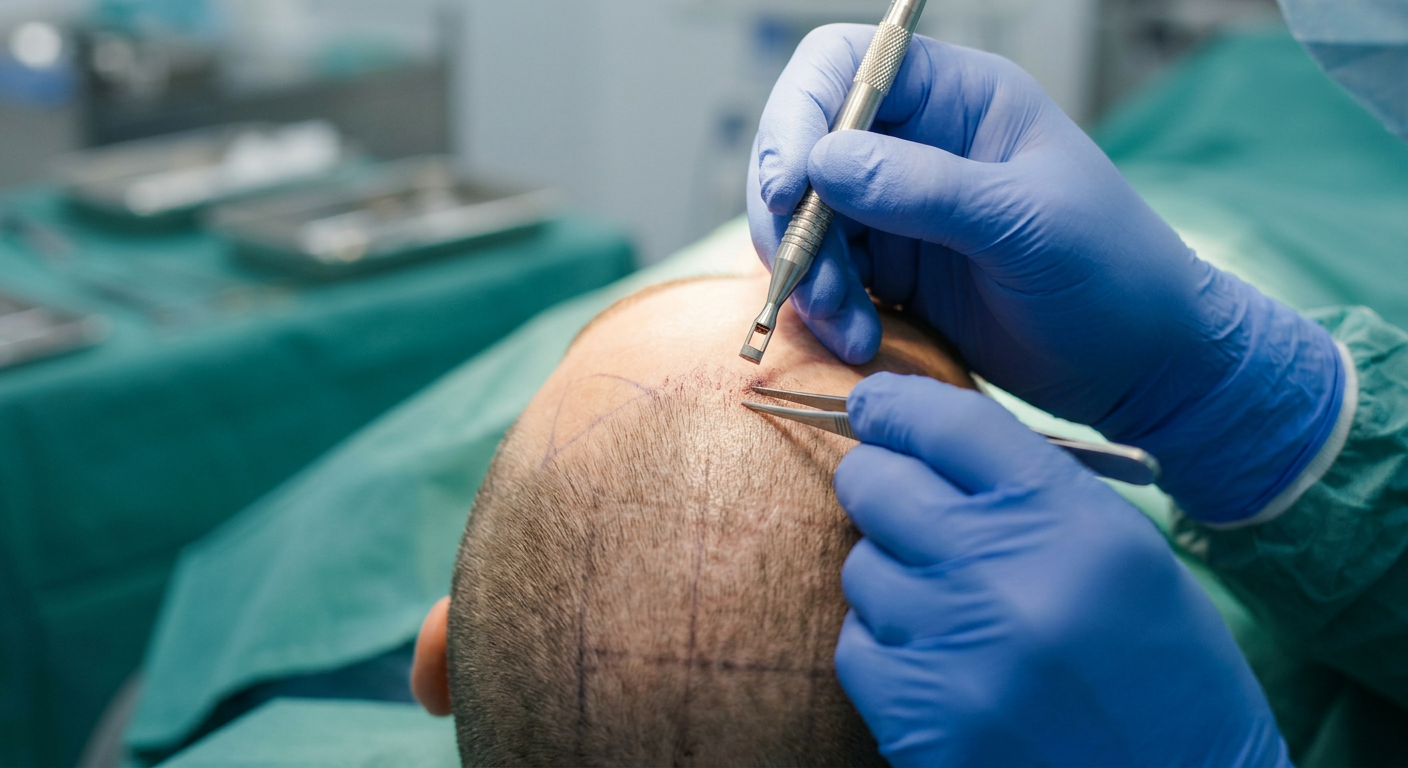
Follicular Unit Extraction (FUE): The Gold Standard
FUE is the most widely performed and recognized method for hair restoration Turkey. It revolutionized hair transplantation by offering a minimally invasive approach with natural results and reduced scarring compared to older techniques like FUT (Follicular Unit Transplantation).
How FUE Works:
- Donor Area Preparation: The donor area (usually the back and sides of the head) is shaved to allow for precise extraction. Local anesthesia is administered to ensure a pain-free experience.
- Follicular Unit Extraction: Using a specialized micro-punch tool (typically 0.6mm to 1.0mm in diameter), individual follicular units (groups of 1-4 hairs) are carefully extracted directly from the donor area. This leaves tiny, almost invisible punctate scars, unlike the linear scar of FUT.
- Graft Preservation: The extracted follicular units (grafts) are meticulously collected and stored in a special solution at a controlled temperature to maintain their viability until implantation.
- Recipient Area Incisions: The surgeon creates tiny incisions or channels in the recipient area, determining the direction, angle, and density of the new hair growth. This step is crucial for achieving a natural-looking result.
- Graft Implantation: Each individual graft is carefully placed into the prepared incisions in the recipient area.
Advantages of FUE:
- Minimally Invasive: No linear scar, faster healing in the donor area.
- Natural Results: When performed by skilled surgeons, the transplanted hair blends seamlessly with existing hair.
- Reduced Discomfort: Less post-operative pain compared to FUT.
- Versatility: Suitable for various hair loss patterns and can be used for beard or eyebrow transplants.
Sapphire FUE: Precision with Advanced Blades
Sapphire FUE is an advanced variation of the traditional FUE technique, distinguished by the type of blades used to create the incisions in the recipient area. Instead of steel blades, surgeons utilize blades made from a precious gemstone, sapphire.
How Sapphire FUE Works: The extraction process for Sapphire FUE is identical to standard FUE. The key difference lies in the incision phase:
- Micro-Channel Creation: Instead of traditional steel blades, V-shaped or U-shaped sapphire blades are used to create much finer, smoother, and more precise micro-channels in the recipient area. These channels are incredibly small, allowing for higher density and more accurate placement.
Advantages of Sapphire FUE:
- Increased Density: The finer channels allow for grafts to be placed closer together, potentially achieving a denser look.
- Reduced Tissue Trauma: Sapphire blades cause less damage to surrounding tissues due to their smooth, sharp, and durable surface. This can lead to less bleeding and swelling.
- Faster Healing: Less trauma to the scalp often translates to a quicker recovery time and reduced post-operative discomfort.
- Reduced Risk of Complications: The precision of sapphire blades can minimize the risk of complications like pitting or an unnatural appearance.
- Enhanced Naturalness: The ability to control the angle and direction with greater precision contributes to a more natural hair growth pattern.
Direct Hair Implantation (DHI): The Choi Implanter Pen Advantage
DHI is another advanced FUE variant that offers a unique approach to graft implantation. It's often favored for its ability to achieve high density and minimize the time grafts spend outside the body.
How DHI Works:
- Donor Area Preparation & Extraction: Similar to FUE, individual follicular units are extracted from the donor area using a micro-punch.
- Direct Implantation: This is where DHI differs significantly. Instead of creating separate incisions and then implanting grafts, the extracted grafts are loaded one by one into a specialized tool called a Choi Implanter Pen.
- Simultaneous Incision and Implantation: The surgeon then uses the Choi Pen to directly implant the graft into the recipient area. The pen creates the incision and simultaneously pushes the graft into place, controlling the depth, angle, and direction of each hair follicle.
Advantages of DHI:
- Reduced Trauma to Grafts: Grafts spend less time outside the body, potentially increasing their survival rate.
- Higher Density: The precision of the Choi Pen allows for very dense packing of grafts, especially in smaller areas.
- No Pre-made Incisions: This can lead to less bleeding and potentially faster healing in the recipient area.
- No Shaving Required (for recipient area): In some cases, DHI can be performed without shaving the recipient area, making it a discreet option for those who want to keep their existing hair length.
- Precise Control: The Choi Pen offers excellent control over the angle and direction of implantation, leading to very natural results.
Comparing FUE, Sapphire FUE, and DHI: Which Method is Right for You?
| Feature | Standard FUE | Sapphire FUE | DHI (Direct Hair Implantation) |
|---|---|---|---|
| Extraction | Micro-punch | Micro-punch | Micro-punch |
| Incision Tool | Steel blades | Sapphire blades | Choi Implanter Pen (no separate incision) |
| Implantation | Grafts placed into pre-made incisions | Grafts placed into pre-made sapphire channels | Grafts loaded into pen, then directly implanted |
| Precision | Good | Excellent (finer channels) | Excellent (direct control with pen) |
| Density Potential | Good | Very Good (allows closer packing) | Excellent (highest density potential) |
| Healing Time | Moderate | Potentially faster (less tissue trauma) | Potentially faster (less tissue trauma) |
| Scarring | Minimal punctate scars in donor area | Minimal punctate scars in donor area | Minimal punctate scars in donor area |
| Recipient Shaving | Usually required | Usually required | Often not required for recipient area |
| Cost | Standard | Slightly higher than standard FUE | Generally higher than FUE/Sapphire FUE |
| Best For | General hair loss, large areas | Patients seeking higher density, faster healing | Patients seeking maximum density, specific areas, or no-shave option |
The choice between these methods depends on several factors: your specific hair loss pattern, the quality and quantity of your donor hair, your desired density, your budget, and the surgeon's recommendation. A thorough consultation with a qualified specialist in Turkey will help determine the most suitable technique for your individual needs.
Other Considerations: PRP and Mesotherapy
Many hair transplant Turkey clinics offer supplementary treatments like Platelet-Rich Plasma (PRP) therapy or Mesotherapy to enhance the results of the transplant.
- PRP (Platelet-Rich Plasma) Therapy: This involves drawing a small amount of your blood, processing it to concentrate the platelets (which are rich in growth factors), and then injecting this plasma into the scalp. PRP can stimulate dormant follicles, promote healing, and encourage stronger growth of transplanted and existing hairs. It's often done during or shortly after the transplant.
- Mesotherapy: This involves injecting a cocktail of vitamins, minerals, amino acids, and other nutrients directly into the scalp's mesoderm layer. It aims to nourish hair follicles, improve blood circulation, and promote healthier hair growth.
These treatments are often included in comprehensive packages and can significantly contribute to the overall success and vitality of your new hair.
Your Journey to Hair Restoration: A Step-by-Step Process
Embarking on a hair restoration Turkey journey might seem daunting, but with Clyna, it's a streamlined, supportive, and transparent process. Here’s a detailed breakdown of what you can expect:
Step 1: The Initial Consultation and Diagnosis
Your journey begins long before you set foot in Turkey.
- Online Inquiry: You'll typically start by contacting Clyna, providing basic information about your hair loss concerns.
- Photo Submission: You'll be asked to submit clear photos of your scalp (front, top, sides, back) to allow the medical team in Turkey to assess your condition remotely.
- Medical History Form: A comprehensive medical history form will be provided to gather information about your general health, medications, allergies, and previous surgeries.
- Expert Assessment: Our partner clinics' experienced surgeons and medical coordinators will review your photos and medical history. They will:
- Diagnose your type and extent of hair loss (often using the Norwood scale for men).
- Estimate the number of grafts required for optimal coverage and density.
- Recommend the most suitable hair transplant technique (FUE, Sapphire FUE, DHI).
- Provide a personalized treatment plan and a transparent quote for your hair transplant cost Turkey.
- Virtual Consultation: Often, a video call with a medical coordinator or even the surgeon will be arranged to discuss your expectations, answer your questions, and finalize the treatment plan. This is your opportunity to address any fears or concerns directly.
Step 2: Pre-Travel Preparation
Once you've accepted the treatment plan and quote, Clyna and the clinic will assist you with the logistical arrangements.
- Booking Flights & Accommodation: While you book your flights, most premium hair transplant Turkey packages include 2-3 nights of accommodation in a reputable hotel and all ground transfers.
- Visa Requirements: Check if you need a visa for Turkey based on your nationality. Many countries have visa-free entry or offer easy e-visas. Clyna can provide guidance.
- Medical Tests: You might be advised to undergo certain blood tests or medical checks in your home country before travel, though most clinics perform comprehensive tests upon your arrival.
- Medication Adjustments: Your clinic will provide specific instructions regarding medications to avoid (e.g., blood thinners like Aspirin, Ibuprofen) for at least a week before the procedure, as they can increase bleeding.
- Lifestyle Changes: You'll be advised to avoid alcohol and smoking for at least a week prior to the surgery to optimize healing.
- Packing: Pack comfortable, loose-fitting clothes, especially button-up shirts or zip-up hoodies, to avoid pulling anything over your head after the procedure.
Step 3: Arrival in Turkey and Pre-Procedure Checks
Your seamless experience begins the moment you land.
- Airport Transfer: A private VIP transfer will meet you at the airport and take you directly to your hotel.
- Clinic Visit & In-Person Consultation: The day before or on the morning of your procedure, you'll visit the clinic for a thorough in-person consultation.
- The surgeon will re-evaluate your donor and recipient areas, draw your new hairline, and confirm the graft count and technique. This is a critical step to ensure alignment between your expectations and the surgeon's plan.
- Blood tests will be conducted to check for any underlying conditions (e.g., hepatitis, HIV) and ensure you are fit for surgery.
- You'll have another opportunity to ask any remaining questions.
Step 4: The Hair Transplant Procedure Day
This is the main event, typically lasting 6-8 hours, depending on the number of grafts.
- Arrival at Clinic: You'll be picked up from your hotel and taken to the clinic.
- Final Preparations: Your hair in the donor area will be shaved (if not already done). You'll change into a surgical gown.
- Local Anesthesia: The surgeon or a trained technician will administer local anesthesia to both the donor and recipient areas. This is usually the only part of the procedure that involves mild discomfort, after which the entire process is pain-free.
- Graft Extraction: The medical team will meticulously extract individual follicular units from your donor area using the chosen FUE method (standard, Sapphire, or DHI).
- Lunch Break: A light meal is usually provided during a break.
- Recipient Area Preparation (FUE/Sapphire FUE): For FUE and Sapphire FUE, the surgeon will create tiny channels in the recipient area, carefully determining the angle, direction, and depth for natural hair growth.
- Graft Implantation: The extracted grafts are then carefully implanted into the recipient channels (FUE/Sapphire FUE) or directly implanted using the Choi Implanter Pen (DHI).
- Post-Procedure Briefing: Once the procedure is complete, your scalp will be cleaned, and a protective bandage will be applied to the donor area. You'll receive detailed verbal and written post-operative instructions, including medication schedules, washing protocols, and sleeping positions.
- Transfer Back to Hotel: You'll be driven back to your hotel to rest.
Step 5: Post-Procedure Care and First Wash
The days immediately following the transplant are crucial for graft survival and healing.
- Rest Day: The day after the procedure is typically a rest day. You'll need to follow medication instructions (painkillers, antibiotics, anti-swelling medication) and sleep with your head elevated to minimize swelling.
- First Wash: On day 2 or 3, you'll return to the clinic for your first professional hair wash. The medical team will gently wash your scalp, demonstrate the correct technique for future washes, and check on your healing progress. This is a vital step to remove scabs and ensure proper hygiene.
- Final Check-up: Any final checks or questions will be addressed before your departure.
Step 6: Departure and Ongoing Aftercare
- Airport Transfer: You'll be transferred back to the airport for your flight home.
- Remote Follow-up: Clyna and the clinic will maintain contact with you, providing ongoing support and guidance throughout your recovery and growth phases. You'll typically be asked to send progress photos at regular intervals (e.g., 1 month, 3 months, 6 months, 12 months) for evaluation.
- Long-Term Support: Even after a year, you'll have access to expert advice for any concerns regarding your transplanted hair.
This comprehensive, patient-centric approach ensures that your hair transplant Turkey experience is not just a medical procedure, but a transformative journey supported every step of the way.
Why Turkey Reigns Supreme for Hair Transplant Tourism
Turkey's meteoric rise as the global hub for hair transplantation is no accident. It's a carefully cultivated ecosystem of medical excellence, economic advantage, and unparalleled patient care. When considering hair restoration Turkey, you're choosing a destination that offers a unique blend of benefits unmatched anywhere else.

Unmatched Cost-Effectiveness Without Compromising Quality
This is often the primary draw for international patients. The hair transplant cost Turkey is significantly lower than in Western Europe, the UK, or North America, typically 50-70% less.
- Favorable Exchange Rates: The Turkish Lira's exchange rate against major currencies like EUR, GBP, and USD makes medical services incredibly affordable.
- Lower Operating Costs: General overheads, labor costs, and medical supply expenses are considerably lower in Turkey compared to many developed nations.
- Government Support: The Turkish government actively promotes medical tourism, offering incentives and support that help keep prices competitive.
- High Volume, Lower Unit Cost: The sheer volume of procedures performed allows clinics to operate efficiently and offer more attractive pricing per graft or per package. Crucially, this affordability does not equate to lower quality. Turkish clinics maintain high international standards, using the same advanced techniques and equipment found in leading clinics worldwide.
World-Class Expertise and High Volume of Procedures
Turkish surgeons and medical teams are among the most experienced globally.
- Specialized Expertise: Due to the high demand, many surgeons and technicians specialize exclusively in hair transplantation, leading to an exceptional level of skill and refinement in their techniques. They perform thousands of procedures annually, honing their craft.
- International Training: Many Turkish doctors receive training in Europe and the US, bringing back cutting-edge knowledge and practices.
- Innovation: The competitive environment fosters innovation, with Turkish clinics often at the forefront of adopting and refining new techniques like Sapphire FUE and DHI.
State-of-the-Art Facilities and Advanced Technology
Turkish clinics are equipped with the latest medical technology and boast modern, comfortable facilities.
- Advanced Equipment: Clinics invest heavily in state-of-the-art equipment, including high-precision micro-punches, sapphire blades, Choi Implanter Pens, and advanced imaging systems for meticulous planning.
- Modern Infrastructure: Many clinics are housed in newly built or recently renovated facilities designed with patient comfort and safety in mind, featuring sterile operating rooms and comfortable recovery areas.
- Comprehensive Care: Beyond the transplant itself, many clinics offer supplementary treatments like PRP therapy and laser therapy to enhance results and accelerate healing.
JCI Accreditation: A Benchmark for Safety and Quality
Turkey is home to a significant number of hospitals and clinics accredited by the Joint Commission International (JCI).
- Global Standard: JCI accreditation is a globally recognized gold standard for patient safety and quality of care. It signifies that a medical institution meets rigorous international benchmarks for clinical practices, patient rights, infection control, and facility management.
- Patient Assurance: Choosing a JCI-accredited clinic provides an extra layer of assurance regarding the quality and safety of your hair transplant Turkey experience. Turkey has more JCI-accredited hospitals than almost any other country outside the US.
All-Inclusive Packages for a Seamless Experience
One of the most appealing aspects of getting a hair transplant in Turkey is the prevalence of all-inclusive packages. These packages typically cover:
- The Procedure Itself: Including all necessary medical supplies and medications.
- Surgeon's Fees: For the entire medical team.
- Accommodation: 2-3 nights in a reputable 4 or 5-star hotel.
- VIP Transfers: All ground transportation, including airport pick-up and drop-off, and transfers between the hotel and clinic.
- Pre-operative Tests: Blood tests and medical evaluations.
- Post-operative Care Kit: Medications, special shampoo, lotion, and a protective hat.
- Language Support: Dedicated patient coordinators and translators to ensure clear communication. This comprehensive approach eliminates logistical stress, allowing patients to focus solely on their recovery and results.
Strategic Locations: Istanbul, Antalya, and Beyond
Turkey offers a choice of vibrant cities, each with its own appeal.
- Istanbul: As the largest city and a major global hub, Istanbul is the epicenter of hair transplant Turkey. It boasts the highest concentration of clinics, surgeons, and medical tourism infrastructure. Patients benefit from excellent flight connections, a rich cultural experience, and a vast array of accommodation options. Istanbul clinics often specialize in high-volume, advanced procedures.
- Antalya: Located on the Mediterranean coast, Antalya combines world-class medical facilities with a popular tourist destination. Patients can recover in a beautiful, relaxing environment, often extending their stay for a holiday. Antalya is known for its luxurious resorts and serene atmosphere, appealing to those who wish to blend their medical journey with leisure.
- Other Cities: While Istanbul and Antalya are the main hubs, other cities like Izmir and Ankara also offer reputable clinics, providing more options for patients.
In summary, Turkey's dominance in the hair transplant sector is a result of its strategic investment in medical infrastructure, highly skilled professionals, competitive pricing, and a deep understanding of the international patient's needs. It's a destination where quality, affordability, and a holistic patient experience converge.
Hair Transplant Cost Turkey: A Global Comparison
The significant cost advantage is a major factor driving patients to seek hair transplant in Turkey. While the exact hair transplant cost Turkey varies based on the number of grafts, the chosen technique (FUE, Sapphire FUE, DHI), the clinic's reputation, and the comprehensiveness of the package, it consistently offers superior value compared to Western countries.
Here's an estimated cost comparison (in EUR) for a typical hair transplant procedure (e.g., 2500-4000 grafts) across different regions:
| Region | Estimated Cost Range (EUR) | Key Factors Influencing Cost Hair Transplant in Turkey: Methods, Costs, and Top Clinics
Introduction: Rediscover Your Confidence with Hair Transplant in Turkey
Hair loss can be a deeply personal and often distressing experience, impacting self-esteem and confidence. For many, the thought of restoring a fuller head of hair seems out of reach, either due to perceived high costs or the complexity of the procedure. However, over the past decade, Turkey has emerged as the undisputed global leader in hair transplantation, offering a beacon of hope for individuals seeking effective, natural, and affordable hair restoration Turkey.
This comprehensive guide, meticulously crafted by the experts at Clyna, is designed to be your definitive resource for understanding every facet of getting a hair transplant in Turkey. We'll delve into the sophisticated methods like FUE DHI Sapphire Turkey, provide transparent insights into the hair transplant cost Turkey, guide you on how to choose among the best hair transplant clinics Turkey, and walk you through every step of your journey – from initial consultation to full recovery and beyond.
Our aim is to demystify the process, address common concerns, and empower you with the knowledge to make an informed decision. With a focus on medical accuracy, patient safety, and exceptional results, Turkey offers a truly transformative experience. Prepare to rediscover not just your hair, but your renewed confidence and zest for life.
Understanding Hair Loss: The Foundation for Restoration
Before exploring the solutions, it's essential to grasp the common causes of hair loss. The vast majority of cases, particularly in men, are attributed to Androgenetic Alopecia, commonly known as male or female pattern baldness. This genetic condition is influenced by hormones, specifically dihydrotestosterone (DHT), which leads to the gradual miniaturization of hair follicles, eventually causing them to stop producing hair.
Other significant causes of hair loss include:
- Alopecia Areata: An autoimmune disorder resulting in patchy hair loss.
- Telogen Effluvium: A temporary condition characterized by excessive hair shedding, often triggered by severe stress, illness, certain medications, or hormonal imbalances.
- Traction Alopecia: Hair loss caused by constant pulling or tension on the hair follicles, frequently seen with tight hairstyles.
- Nutritional Deficiencies: Insufficient intake of vital vitamins and minerals (e.g., iron, zinc, biotin) can impair hair growth.
- Medical Conditions: Underlying health issues such as thyroid disorders, lupus, or scalp infections can contribute to hair loss.
- Medication Side Effects: Certain drugs, including those for cancer, arthritis, depression, heart problems, and high blood pressure, can cause hair thinning or loss.
Hair transplant surgery primarily targets Androgenetic Alopecia by relocating healthy, DHT-resistant hair follicles from the back and sides of the head (the donor area) to the balding or thinning areas (the recipient area). A thorough understanding of your specific type and pattern of hair loss is the crucial first step in determining your suitability for a hair transplant and planning the most effective treatment strategy. This initial assessment, often conducted remotely, is where expert medical guidance becomes invaluable.
The Science of Hair Restoration: Detailed Explanation of Hair Transplant Procedures
Modern hair transplant surgery has undergone a remarkable evolution, moving far beyond the outdated "hair plug" methods to deliver incredibly natural and aesthetically pleasing results. The fundamental principle remains consistent: healthy, genetically robust hair follicles are harvested from a donor area (typically the back of the head, where hair is resistant to balding) and meticulously transplanted to the recipient areas experiencing thinning or baldness. The significant advancements lie in the precision, minimally invasiveness, and sophisticated techniques used for both extraction and implantation.
Follicular Unit Extraction (FUE): The Gold Standard
FUE stands as the most popular and widely adopted method for hair restoration Turkey. It represents a significant leap forward from older techniques like FUT (Follicular Unit Transplantation), offering a minimally invasive approach that yields natural-looking results with virtually undetectable scarring.
How FUE Works in Detail:
- Donor Area Preparation: The process begins with the careful preparation of the donor area, typically the back and sides of the head. This area is usually shaved to a very short length (0.5-1mm) to allow the surgeon precise visibility and access for extraction. Local anesthesia is then administered to thoroughly numb the area, ensuring the patient experiences no pain during the extraction phase.
- Follicular Unit Extraction: Using a specialized micro-punch tool, ranging in diameter from 0.6mm to 1.0mm, the surgeon individually extracts follicular units. Each follicular unit is a naturally occurring cluster of 1 to 4 hairs, along with its sebaceous gland, arrector pili muscle, and surrounding tissue. The micro-punch creates a tiny circular incision around each unit, allowing it to be gently pulled out. This method leaves behind tiny, pinprick-sized scars that are almost imperceptible once the surrounding hair grows, a stark contrast to the linear scar associated with FUT.
- Graft Preservation: As each follicular unit (graft) is extracted, it is immediately collected and carefully stored in a specialized hypothermic solution (e.g., HypoThermosol, Saline, or PRP solution) at a controlled, cool temperature. This critical step maintains the viability and health of the grafts, maximizing their survival rate while they await implantation.
- Recipient Area Incisions (Channel Creation): This is an art form that dictates the final aesthetic outcome. The surgeon meticulously creates tiny incisions or "channels" in the recipient area where the new hair will grow. The skill lies in determining the correct angle (typically 30-45 degrees), direction, and depth of each incision to mimic natural hair growth patterns. The density of these channels is also crucial for achieving a full and natural appearance.
- Graft Implantation: Finally, each individual graft is carefully and precisely placed into the prepared incisions in the recipient area using fine forceps or specialized implanter tools. This step requires immense patience and dexterity to ensure each graft is correctly oriented and securely seated.
Key Advantages of FUE:
- Minimally Invasive: No large incisions, no stitches, and no linear scar.
- Natural Results: When performed by highly skilled surgeons, the transplanted hair blends seamlessly with existing hair, making it virtually indistinguishable.
- Reduced Post-operative Discomfort: Patients typically experience less pain and a quicker recovery in the donor area compared to FUT.
- Versatility: Suitable for various hair loss patterns, and can also be used for beard, eyebrow, or mustache transplants.
- Donor Area Flexibility: Allows for harvesting from a wider area, and even from body hair in some cases, though scalp hair is preferred.
Sapphire FUE: Precision with Advanced Blades
Sapphire FUE is an innovative refinement of the traditional FUE technique, distinguished by the use of specialized blades made from sapphire, a precious gemstone, for creating the recipient site incisions. This advancement significantly enhances precision and minimizes tissue trauma.
How Sapphire FUE Works in Detail: The initial steps of donor area preparation, follicular unit extraction, and graft preservation are identical to standard FUE. The critical difference and advantage of Sapphire FUE emerge during the channel creation phase:
- Micro-Channel Creation with Sapphire Blades: Instead of conventional steel blades, the surgeon utilizes V-shaped or U-shaped blades crafted from pure sapphire. These blades are incredibly sharp, smooth, and durable, allowing for the creation of much finer, more precise, and consistently sized micro-channels in the recipient area. The V-shaped tip enables the surgeon to create incisions that are perfectly aligned with the natural direction of hair growth, leading to a more natural and dense appearance.
Key Advantages of Sapphire FUE:
- Superior Precision and Density: The ultra-fine sapphire blades allow for the creation of smaller, closer-together channels. This enables the surgeon to achieve a higher density of transplanted hair, resulting in a fuller and more robust look.
- Reduced Tissue Trauma: The smooth, sharp edge of sapphire blades causes less damage to surrounding tissues compared to steel blades. This minimizes bleeding, reduces swelling, and promotes faster healing in the recipient area.
- Minimized Scabbing and Faster Recovery: Less trauma means less inflammation and scabbing, contributing to a quicker and more comfortable recovery period.
- Reduced Risk of Complications: The precision of sapphire blades can lower the risk of complications such as pitting (small indentations) or an unnatural texture in the transplanted area.
- Enhanced Naturalness: The ability to control the angle, direction, and depth of each micro-channel with greater accuracy ensures that the new hair grows in a natural pattern, seamlessly blending with existing hair.
- Hypoallergenic Properties: Sapphire is a non-metallic, anti-bacterial material, which can further reduce the risk of infection or allergic reactions in sensitive patients.
Direct Hair Implantation (DHI): The Choi Implanter Pen Advantage
DHI is another advanced FUE variant that offers a unique, one-step approach to graft implantation. It is often preferred for its ability to achieve high density, minimize graft exposure time, and provide exceptional control over hair direction.
How DHI Works in Detail:
- Donor Area Preparation & Extraction: Similar to FUE, individual follicular units are meticulously extracted from the donor area using a micro-punch tool after local anesthesia is applied.
- Direct Implantation with Choi Implanter Pen: This is the defining characteristic of DHI. Instead of creating separate incisions and then manually implanting grafts, the extracted grafts are immediately loaded one by one into a specialized, pen-like instrument known as the Choi Implanter Pen.
- Simultaneous Incision and Implantation: The surgeon then uses the Choi Pen to directly implant the graft into the recipient area. The pen has a sharp, hollow needle at its tip. When pressed onto the scalp, it creates the incision and simultaneously pushes the graft into place, all in a single, fluid motion. This allows the surgeon to precisely control the depth, angle (typically 40-45 degrees for the front, 60-70 degrees for the crown), and direction of each hair follicle, ensuring optimal aesthetic results.
Key Advantages of DHI:
- Minimized Graft Trauma and Maximized Survival: Grafts spend significantly less time outside the body, as they are implanted almost immediately after extraction. This reduces exposure to air and potential damage, leading to a higher survival rate of the transplanted follicles.
- Exceptional Density: The precision of the Choi Pen allows for very dense packing of grafts, making it an excellent choice for patients seeking maximum fullness, especially in specific areas like the hairline or crown.
- Reduced Bleeding and Faster Healing: Because there are no pre-made incisions, the trauma to the scalp is often less, leading to reduced bleeding during the procedure and potentially a quicker healing process.
- No Shaving Required (for recipient area): In many DHI cases, particularly for smaller transplant areas or for patients with longer existing hair, the recipient area does not need to be shaved. This makes DHI a more discreet option for those who wish to maintain their current hair length.
- Precise Control over Hair Direction: The Choi Pen offers unparalleled control over the angle and direction of each implanted hair, which is crucial for achieving a natural-looking hair pattern that matches the patient's existing hair growth.
- Suitable for Specific Cases: DHI is particularly effective for patients with softer hair, smaller balding areas, or those seeking to increase density among existing hairs without damaging them.
Comparing FUE, Sapphire FUE, and DHI: Which Method is Right for You?
The choice between these advanced methods is a critical decision that should be made in close consultation with an experienced surgeon. It depends on several individual factors:
- Your Hair Loss Pattern and Extent: The size of the balding area and the desired coverage.
- Donor Hair Characteristics: The density, thickness, and texture of your donor hair.
- Desired Density and Aesthetic Goals: How dense you want the results to be and the naturalness of the hairline.
- Budget: DHI and Sapphire FUE are generally more premium options due to the specialized tools and increased surgical time.
- Surgeon's Expertise: Some surgeons may have more experience or preference for a particular technique.
| Feature | Standard FUE | Sapphire FUE | DHI (Direct Hair Implantation) |
|---|---|---|---|
| Extraction Method | Manual or Micro-motor FUE | Manual or Micro-motor FUE | Manual or Micro-motor FUE |
| Incision Tool | Steel blades (U-shaped) | Sapphire blades (V-shaped or U-shaped) | Choi Implanter Pen (simultaneous) |
| Implantation | Grafts placed into pre-made incisions | Grafts placed into pre-made sapphire channels | Grafts loaded into pen, then directly implanted |
| Precision | Good | Excellent (finer, smoother channels) | Excellent (direct control over angle/depth) |
| Density Potential | Good | Very Good (allows closer packing) | Excellent (highest density potential) |
| Healing Time | Moderate | Potentially faster (less tissue trauma) | Potentially faster (less tissue trauma) |
| Scarring | Minimal punctate scars in donor area | Minimal punctate scars in donor area | Minimal punctate scars in donor area |
| Recipient Shaving | Usually required | Usually required | Often not required for recipient area |
| Cost | Standard | Slightly higher than standard FUE | Generally higher than FUE/Sapphire FUE |
| Best For | General hair loss, large areas, budget-conscious | Patients seeking higher density, faster healing, minimal swelling | Patients seeking maximum density, specific areas, or no-shave option, minimal graft trauma |
A thorough, personalized consultation with a qualified hair transplant specialist in Turkey, facilitated by Clyna, will be instrumental in determining the most suitable technique for your unique needs and desired outcomes.
Other Considerations: PRP and Mesotherapy
Many leading hair transplant Turkey clinics integrate supplementary treatments like Platelet-Rich Plasma (PRP) therapy or Mesotherapy into their comprehensive packages to significantly enhance the overall success and longevity of the transplant results.
-
PRP (Platelet-Rich Plasma) Therapy: This advanced regenerative treatment involves drawing a small sample of your own blood, which is then processed in a centrifuge to separate and concentrate the platelets. Platelets are rich in powerful growth factors that play a crucial role in wound healing and cell regeneration. The concentrated PRP is then injected directly into the scalp, both in the donor and recipient areas. PRP can:
- Stimulate dormant hair follicles and strengthen existing ones.
- Accelerate the healing process of the scalp after transplantation.
- Promote stronger, thicker, and healthier growth of both transplanted and native hairs.
- Reduce post-operative shock loss. PRP is often performed either during the transplant procedure itself or in subsequent sessions over the following months.
-
Mesotherapy: This involves injecting a bespoke cocktail of vitamins, minerals, amino acids, enzymes, and other nourishing compounds directly into the mesoderm layer of the scalp (the middle layer of the skin). The goal of mesotherapy is to:
- Directly deliver essential nutrients to the hair follicles, bypassing systemic circulation.
- Improve local blood circulation to the scalp, enhancing nutrient and oxygen supply to follicles.
- Stimulate hair growth, reduce hair shedding, and improve hair quality. Mesotherapy can be beneficial both before and after a hair transplant to prepare the scalp and support the growth of new grafts.
These complementary treatments are often included in premium packages, reflecting a holistic approach to hair restoration Turkey that focuses not just on transplanting hair, but on creating an optimal environment for robust, healthy, and lasting growth.
Your Journey to Hair Restoration: A Step-by-Step Process
Embarking on a hair restoration Turkey journey is a significant decision, and at Clyna, we are committed to making it a seamless, transparent, and supportive experience. Here’s a detailed, step-by-step breakdown of what you can expect, from your initial inquiry to your full recovery.
Step 1: The Initial Consultation and Diagnosis
Your transformative journey begins long before you travel to Turkey, with a thorough remote assessment.
- Online Inquiry via Clyna: Your first step is to reach out to Clyna. You can submit an inquiry through our website, providing basic contact information and a brief description of your hair loss concerns.
- Detailed Information Request: Our dedicated patient coordinators will then guide you to provide more specific details. This typically includes:
- High-Quality Photos: You'll be asked to submit clear, well-lit photographs of your scalp from various angles (front, top, back, both sides, and crown). These images are crucial for the initial visual assessment.
- Comprehensive Medical History Form: You'll complete a detailed questionnaire covering your general health, any existing medical conditions (e.g., diabetes, heart disease), current medications (prescription and over-the-counter), known allergies, previous surgeries, and family history of hair loss. This ensures a complete understanding of your health profile.
- Expert Medical Team Assessment: The submitted information is then rigorously reviewed by the highly experienced surgeons and medical coordinators at our partner clinics in Turkey. They will:
- Diagnose Hair Loss Type and Extent: Based on your photos and medical history, they will identify the type of hair loss (e.g., Androgenetic Alopecia) and assess its severity, often using standardized scales like the Norwood scale for men.
- Estimate Graft Count: A precise estimation of the number of grafts required to achieve your desired coverage and density will be determined. This is a critical factor influencing the procedure's scope and cost.
- Recommend Optimal Technique: The most suitable hair transplant technique (FUE, Sapphire FUE, or DHI) will be recommended, tailored to your specific hair characteristics, donor area capacity, and aesthetic goals.
- Personalized Treatment Plan and Transparent Quote: You will receive a detailed, personalized treatment plan outlining the recommended procedure, expected outcomes, and a transparent, all-inclusive quote for your hair transplant cost Turkey.
- Virtual Consultation (Optional but Recommended): Many clinics offer a video call with a medical coordinator or even the surgeon. This invaluable opportunity allows you to discuss your expectations, ask any remaining questions, address fears, and gain a clear understanding of the proposed plan directly from the experts.
Step 2: Pre-Travel Preparation
Once you've reviewed and approved your personalized treatment plan and quote, Clyna and the chosen clinic will assist you with all necessary pre-travel arrangements.
- Flight and Accommodation Booking: While you are responsible for booking your international flights, most premium hair transplant Turkey packages include 2-3 nights of accommodation in a reputable 4 or 5-star hotel, strategically located near the clinic, along with all necessary ground transfers.
- Visa Requirements: Clyna will provide guidance on visa requirements based on your nationality. Many countries have visa-free entry to Turkey, or offer convenient e-visa options. It's crucial to check and secure your visa well in advance if required.
- Pre-Travel Medical Tests: You may be advised to undergo certain routine blood tests (e.g., for blood count, clotting factors, infectious diseases) in your home country before travel. However, most comprehensive tests are typically performed upon your arrival in Turkey.
- Medication Adjustments: You will receive strict instructions regarding medications to avoid. It is imperative to stop taking blood-thinning medications (e.g., Aspirin, Ibuprofen, Warfarin, certain herbal supplements like Ginkgo Biloba) for at least 7-10 days prior to the procedure, as they can significantly increase bleeding risk during and after surgery.
- Lifestyle Modifications:
- Alcohol and Smoking: Abstain from alcohol consumption and smoking for at least one week before the procedure. Both can impair healing and affect graft survival.
- Caffeine: Reduce caffeine intake a few days before the surgery.
- Hair Washing: Wash your hair thoroughly the day before the procedure, using a regular shampoo, but avoid applying any styling products.
- Packing Essentials: Pack comfortable, loose-fitting clothing, especially button-up shirts or zip-up hoodies, to avoid having to pull anything over your head after the procedure, which could dislodge newly implanted grafts. Bring any personal medications you regularly take.
Step 3: Arrival in Turkey and Pre-Procedure Checks
Your seamless experience truly begins the moment you land in Turkey.
- Airport Transfer: A professional, private VIP transfer will be waiting for you at the airport, holding a sign with your name. You will be comfortably driven directly to your pre-booked hotel.
- Clinic Visit and In-Person Consultation: Typically, on the day before or the morning of your procedure, you will be transported to the clinic for a crucial in-person consultation.
- Final Surgeon Consultation: The hair transplant surgeon will conduct a thorough physical examination of your donor and recipient areas. They will meticulously draw your new hairline, taking into account your facial structure, age, and natural hair growth patterns, ensuring it aligns with your aesthetic goals. This is the final opportunity to confirm the graft count and chosen technique.
- Comprehensive Blood Tests: A full panel of blood tests will be performed at the clinic to check for any underlying medical conditions (e.g., hepatitis B/C, HIV, blood clotting disorders) and to confirm you are in optimal health for the surgery.
- Anesthesia Consultation: The anesthesiologist or medical team will discuss the local anesthesia process and address any concerns you may have.
- Final Questions: This is your last chance to ask any remaining questions or clarify any details with the medical team.
Step 4: The Hair Transplant Procedure Day
This is the main event, a meticulous process typically lasting between 6 to 8 hours, depending on the number of grafts and the chosen technique.
- Arrival at Clinic: You will be picked up from your hotel and comfortably transported to the clinic.
- Final Preparations: Your hair in the donor area will be shaved to the appropriate length (if not already done). You will change into a sterile surgical gown.
- Local Anesthesia Administration: The surgeon or a highly trained technician will carefully administer local anesthesia to both the donor and recipient areas of your scalp. This is generally the only part of the procedure that involves mild, temporary discomfort (a stinging sensation). Once the anesthesia takes effect, the entire remainder of the procedure will be pain-free.
- Graft Extraction Phase: The medical team will meticulously extract individual follicular units from your donor area using the pre-determined FUE method (standard FUE, Sapphire FUE, or DHI). This phase requires precision and patience to ensure maximum graft viability.
- Lunch Break: A light, nutritious meal is usually provided during a scheduled break to keep your energy levels up.
- Recipient Area Preparation (for FUE/Sapphire FUE): For FUE and Sapphire FUE techniques, the surgeon will then proceed to create the tiny channels in the recipient area, carefully mapping out the future direction, angle, and density of your new hair.
- Graft Implantation Phase: The extracted grafts are then carefully and precisely implanted into the prepared recipient channels (for FUE/Sapphire FUE) or directly implanted using the Choi Implanter Pen (for DHI). This is a highly skilled process that determines the naturalness and density of the final result.
- Post-Procedure Briefing: Once all grafts are implanted, your scalp will be gently cleaned. A protective bandage will be applied to the donor area, and you will receive comprehensive verbal and written post-operative instructions. These instructions will cover medication schedules (painkillers, antibiotics, anti-swelling medication), specific hair washing protocols, recommended sleeping positions, and activities to avoid.
- Transfer Back to Hotel: You will be comfortably driven back to your hotel to rest and begin your recovery.
Step 5: Post-Procedure Care and First Wash
The immediate days following your transplant are crucial for ensuring the survival and proper integration of the newly implanted grafts.
- Rest Day (Day 1 Post-Op): The day after your procedure is typically a dedicated rest day. It is vital to strictly follow all medication instructions and sleep with your head elevated (using a neck pillow or multiple pillows) to minimize swelling. Avoid touching or rubbing the transplanted area.
- First Professional Hair Wash (Day 2 or 3 Post-Op): You will return to the clinic for your first professional hair wash. The medical team will gently and carefully wash your scalp, demonstrating the correct, delicate technique for your subsequent washes at home. This step is crucial for removing any scabs or crusts that have formed and ensuring proper hygiene without dislodging the grafts. They will also conduct a final check on your healing progress and address any immediate concerns.
- Final Check-up and Instructions: Any final checks or questions will be addressed, and you will receive your post-operative care kit, typically including special shampoo, lotion, medications, and a protective hat.
Step 6: Departure and Ongoing Aftercare
- Airport Transfer: On your scheduled departure day, you will be transferred back to the airport for your flight home, feeling confident and well-prepared for your recovery.
- Remote Follow-up and Support: Clyna and the clinic will maintain consistent contact with you throughout your recovery and hair growth phases. You will typically be asked to send progress photos at regular intervals (e.g., 1 month, 3 months, 6 months, 12 months) for evaluation by the medical team. This remote monitoring ensures your healing is on track and allows for timely advice.
- Long-Term Guidance: Even after a year, you will have access to expert advice and support for any concerns regarding the long-term health and appearance of your transplanted hair.
This comprehensive, patient-centric approach ensures that your hair transplant Turkey experience is not merely a medical procedure, but a transformative journey supported by expertise, care, and transparency every step of the way.
Why Turkey Reigns Supreme for Hair Transplant Tourism
Turkey's ascent as the global leader in hair transplantation is a remarkable success story, built on a foundation of strategic investment, medical excellence, and an unwavering commitment to patient care. When considering hair restoration Turkey, you are choosing a destination that offers a unique and compelling blend of advantages unmatched by any other country.
Unmatched Cost-Effectiveness Without Compromising Quality
This is undoubtedly the most significant draw for international patients. The hair transplant cost Turkey is dramatically lower than in Western Europe, the UK, or North America, typically ranging from 50% to 70% less for comparable procedures. This affordability is rooted in several economic factors:
- Favorable Exchange Rates: The Turkish Lira's exchange rate against major international currencies (EUR, GBP, USD) makes medical services exceptionally affordable for foreign visitors.
- Lower Operating Costs: General overheads, including clinic rent, utility costs, and labor expenses for medical staff and support personnel, are substantially lower in Turkey compared to many developed nations.
- Government Support and Incentives: The Turkish government actively promotes medical tourism through various incentives, tax breaks, and supportive policies, which helps clinics maintain competitive pricing while investing in quality.
- High Volume, Economies of Scale: The sheer volume of hair transplant procedures performed annually in Turkey allows clinics to achieve significant economies of scale. This high turnover enables them to offer more attractive pricing per graft or as part of comprehensive packages without compromising on the quality of materials, technology, or expertise. It is crucial to emphasize that this cost-effectiveness does not come at the expense of quality. Turkish clinics adhere to high international standards, utilizing the same advanced techniques, state-of-the-art equipment, and sterile environments found in leading clinics worldwide.
World-Class Expertise and High Volume of Procedures
Turkish surgeons and medical teams are recognized globally for their exceptional skill and extensive experience in hair transplantation.
- Specialized Expertise: Due to the immense demand and high volume of procedures, many surgeons and their dedicated teams in Turkey specialize exclusively in hair transplantation. This singular focus allows them to develop an unparalleled level of skill, precision, and refinement in their techniques, performing thousands of procedures annually.
- International Training and Exposure: A significant number of Turkish doctors receive advanced medical training in prestigious institutions across Europe and the United States. They bring back cutting-edge knowledge, best practices, and a global perspective to their clinics.
- Continuous Innovation: The highly competitive and dynamic environment within the Turkish hair transplant sector fosters continuous innovation. Clinics are often at the forefront of adopting and refining the latest techniques, such as Sapphire FUE and DHI, and integrating complementary therapies like PRP.
State-of-the-Art Facilities and Advanced Technology
Turkish clinics are characterized by their modern infrastructure and commitment to utilizing the latest medical technology.
- Advanced Equipment: Clinics invest heavily in state-of-the-art equipment, including high-precision micro-punches, specialized sapphire blades, sophisticated Choi Implanter Pens, and advanced imaging systems for meticulous pre-operative planning and post-operative analysis.
- Modern Infrastructure: Many clinics are housed in newly built or recently renovated, purpose-built facilities designed to meet international standards of hygiene, patient comfort, and safety. They feature sterile operating rooms, comfortable waiting areas, and dedicated recovery suites.
- Comprehensive Technological Integration: Beyond the core transplant tools, many clinics integrate technologies for supplementary treatments like PRP therapy, low-level laser therapy (LLLT), and advanced diagnostic tools to ensure a holistic approach to hair restoration.
JCI Accreditation: A Benchmark for Safety and Quality
Turkey boasts an impressive number of hospitals and clinics accredited by the Joint Commission International (JCI), a testament to its commitment to global healthcare standards.
- Globally Recognized Gold Standard: JCI accreditation is an internationally recognized symbol of excellence in patient safety and quality of care. It signifies that a medical institution has met rigorous international benchmarks across various domains, including clinical practices, patient rights, infection control, facility management, and staff qualifications.
- Enhanced Patient Assurance: Choosing a JCI-accredited clinic provides international patients with an invaluable layer of assurance regarding the safety, ethical practices, and high quality of their hair transplant Turkey experience. Turkey has one of the highest numbers of JCI-accredited facilities outside of the United States.
All-Inclusive Packages for a Seamless Experience
One of the most attractive features of medical tourism in Turkey is the prevalence of comprehensive, all-inclusive packages designed to eliminate logistical stress for international patients. These packages typically cover:
- The Hair Transplant Procedure: Including all necessary medical supplies, medications during the procedure, and the surgeon's fees.
- Accommodation: Usually 2-3 nights in a reputable 4 or 5-star hotel, ensuring comfort and convenience.
- VIP Transfers: Seamless ground transportation, including airport pick-up and drop-off, and all transfers between your hotel and the clinic.
- Pre-operative Medical Tests: All necessary blood tests and medical evaluations conducted at the clinic.
- Post-operative Care Kit: A complete kit including prescribed medications (antibiotics, painkillers, anti-swelling), special shampoo and lotion for post-wash care, and a protective hat.
- Language Support: Dedicated patient coordinators and professional translators who provide continuous support and ensure clear communication throughout your stay. This comprehensive approach allows patients to focus entirely on their recovery and the anticipation of their results, knowing that all practical aspects are expertly managed.
Strategic Locations: Istanbul, Antalya, and Beyond
Turkey offers a choice of vibrant cities, each with its unique appeal, hosting world-class hair transplant clinics.
- Istanbul: As Turkey's largest city, economic powerhouse, and a major global travel hub, Istanbul is the undisputed epicenter of hair transplant Turkey. It boasts the highest concentration of clinics, highly experienced surgeons, and a robust medical tourism infrastructure. Patients benefit from excellent international flight connections, a rich historical and cultural experience, and a vast array of accommodation options. Istanbul's clinics are often at the forefront of high-volume, advanced procedures.
- Antalya: Situated on the picturesque Mediterranean coast, Antalya seamlessly combines world-class medical facilities with a popular tourist destination. Patients can choose to recover in a beautiful, relaxing environment, often extending their stay to enjoy a holiday. Antalya is renowned for its luxurious resorts, stunning beaches, and serene atmosphere, appealing to those who wish to blend their medical journey with leisure and recuperation.
- Other Cities: While Istanbul and Antalya are the primary hubs, other cities like Izmir and Ankara also host reputable clinics, providing additional options for patients seeking quality care.
In essence, Turkey's unparalleled dominance in the hair transplant sector is a direct result of its strategic investment in cutting-edge medical infrastructure, its cadre of highly skilled and experienced professionals, its highly competitive pricing structure, and a deep, empathetic understanding of the international patient's needs. It is a destination where uncompromising quality, remarkable affordability, and a truly holistic patient experience converge to deliver life-changing results.
Hair Transplant Cost Turkey: A Global Comparison
The significant cost advantage is a primary, yet not the only, reason why hundreds of thousands of patients choose hair transplant in Turkey each year. While the exact hair transplant cost Turkey is influenced by several variables – including the number of grafts required, the specific technique chosen (FUE, Sapphire FUE, DHI), the clinic's reputation, the surgeon's experience, and the comprehensiveness of the all-inclusive package – it consistently offers superior value compared to Western countries.
Turkish clinics are able to provide these competitive prices due to lower operational costs, a favorable exchange rate for foreign currencies, and a high volume of procedures that create economies of scale. Crucially, this affordability does not imply a compromise on quality, safety, or the use of advanced techniques.
Here's an estimated cost comparison (in EUR) for a typical hair transplant procedure (e.g., 2500-4000 grafts) across different regions. Please note that these are broad ranges and actual prices will vary based on individual needs and clinic specifics.
| Region | Estimated Cost Range (EUR) | Key Factors Influencing Cost Hair loss is a common concern for both men and women, often leading to decreased self-confidence. While various factors contribute to hair loss, including genetics, hormonal changes, medical conditions, and lifestyle, modern medicine offers effective solutions. Among these, hair transplantation stands out as a permanent and natural-looking solution for restoring hair in areas of thinning or baldness.
In recent years, Turkey has emerged as a global leader in hair transplant surgery, attracting hundreds of thousands of international patients annually. This guide will explore the intricacies of hair loss and the revolutionary procedures available to address it.
The Science of Hair Restoration: Detailed Explanation of Hair Transplant Procedures
Modern hair transplant surgery has evolved significantly from the "hair plug" era, now focusing on natural-looking results through micro-grafting techniques. The core principle remains the same: transplanting healthy hair follicles from a donor area (typically the back of the head, resistant to balding) to the recipient area (where hair is thinning or absent). The key advancements lie in the precision of extraction and implantation.
Follicular Unit Extraction (FUE): The Gold Standard
FUE is the most widely performed and recognized method for hair restoration Turkey. It revolutionized hair transplantation by offering a minimally invasive approach with natural results and reduced scarring compared to older techniques like FUT (Follicular Unit Transplantation).
How FUE Works:
- Donor Area Preparation: The donor area (usually the back and sides of the head) is shaved to allow for precise extraction. Local anesthesia is administered to ensure a pain-free experience.
- Follicular Unit Extraction: Using a specialized micro-punch tool (typically 0.6mm to 1.0mm in diameter), individual follicular units (groups of 1-4 hairs) are carefully extracted directly from the donor area. This leaves tiny, almost invisible punctate scars, unlike the linear scar of FUT.
- Graft Preservation: The extracted follicular units (grafts) are meticulously collected and stored in a special solution at a controlled temperature to maintain their viability until implantation.
- Recipient Area Incisions: The surgeon creates tiny incisions or channels in the recipient area, determining the direction, angle, and density of the new hair growth. This step is crucial for achieving a natural-looking result.
- Graft Implantation: Each individual graft is carefully placed into the prepared incisions in the recipient area.
Advantages of FUE:
- Minimally Invasive: No linear scar, faster healing in the donor area.
- Natural Results: When performed by skilled surgeons, the transplanted hair blends seamlessly with existing hair.
- Reduced Discomfort: Less post-operative pain compared to FUT.
- Versatility: Suitable for various hair loss patterns and can be used for beard or eyebrow transplants.
Sapphire FUE: Precision with Advanced Blades
Sapphire FUE is an advanced variation of the traditional FUE technique, distinguished by the type of blades used to create the incisions in the recipient area. Instead of steel blades, surgeons utilize blades made from a precious gemstone, sapphire.
How Sapphire FUE Works: The extraction process for Sapphire FUE is identical to standard FUE. The key difference lies in the incision phase:
- Micro-Channel Creation: Instead of traditional steel blades, V-shaped or U-shaped sapphire blades are used to create much finer, smoother, and more precise micro-channels in the recipient area. These channels are incredibly small, allowing for higher density and more accurate placement.
Advantages of Sapphire FUE:
- Increased Density: The finer channels allow for grafts to be placed closer together, potentially achieving a denser look.
- Reduced Tissue Trauma: Sapphire blades cause less damage to surrounding tissues due to their smooth, sharp, and durable surface. This can lead to less bleeding and swelling.
- Faster Healing: Less trauma to the scalp often translates to a quicker recovery time and reduced post-operative discomfort.
- Reduced Risk of Complications: The precision of sapphire blades can minimize the risk of complications like pitting or an unnatural appearance.
- Enhanced Naturalness: The ability to control the angle and direction with greater precision contributes to a more natural hair growth pattern.
Direct Hair Implantation (DHI): The Choi Implanter Pen Advantage
DHI is another advanced FUE variant that offers a unique approach to graft implantation. It's often favored for its ability to achieve high density and minimize the time grafts spend outside the body.
How DHI Works:
- Donor Area Preparation & Extraction: Similar to FUE, individual follicular units are extracted from the donor area using a micro-punch.
- Direct Implantation: This is where DHI differs significantly. Instead of creating separate incisions and then implanting grafts, the extracted grafts are loaded one by one into a specialized tool called a Choi Implanter Pen.
- Simultaneous Incision and Implantation: The surgeon then uses the Choi Pen to directly implant the graft into the recipient area. The pen creates the incision and simultaneously pushes the graft into place, controlling the depth, angle, and direction of each hair follicle.
Advantages of DHI:
- Reduced Trauma to Grafts: Grafts spend less time outside the body, potentially increasing their survival rate.
- Higher Density: The precision of the Choi Pen allows for very dense packing of grafts, especially in smaller areas.
- No Pre-made Incisions: This can lead to less bleeding and potentially faster healing in the recipient area.
- No Shaving Required (for recipient area): In some cases, DHI can be performed without shaving the recipient area, making it a discreet option for those who want to keep their existing hair length.
- Precise Control: The Choi Pen offers excellent control over the angle and direction of implantation, leading to very natural results.
Comparing FUE, Sapphire FUE, and DHI: Which Method is Right for You?
| Feature | Standard FUE | Sapphire FUE | DHI (Direct Hair Implantation) |
|---|---|---|---|
| Extraction | Micro-punch | Micro-punch | Micro-punch |
| Incision Tool | Steel blades | Sapphire blades | Choi Implanter Pen (no separate incision) |
| Implantation | Grafts placed into pre-made incisions | Grafts placed into pre-made sapphire channels | Grafts loaded into pen, then directly implanted |
| Precision | Good | Excellent (finer channels) | Excellent (direct control with pen) |
| Density Potential | Good | Very Good (allows closer packing) | Excellent (highest density potential) |
| Healing Time | Moderate | Potentially faster (less tissue trauma) | Potentially faster (less tissue trauma) |
| Scarring | Minimal punctate scars in donor area | Minimal punctate scars in donor area | Minimal punctate scars in donor area |
| Recipient Shaving | Usually required | Usually required | Often not required for recipient area |
| Cost | Standard | Slightly higher than standard FUE | Generally higher than FUE/Sapphire FUE |
| Best For | General hair loss, large areas | Patients seeking higher density, faster healing | Patients seeking maximum density, specific areas, or no-shave option |
The choice between these methods depends on several factors: your specific hair loss pattern, the quality and quantity of your donor hair, your desired density, your budget, and the surgeon's recommendation. A thorough consultation with a qualified specialist in Turkey will help determine the most suitable technique for your individual needs.
Other Considerations: PRP and Mesotherapy
Many hair transplant Turkey clinics offer supplementary treatments like Platelet-Rich Plasma (PRP) therapy or Mesotherapy to enhance the results of the transplant.
- PRP (Platelet-Rich Plasma) Therapy: This involves drawing a small amount of your blood, processing it to concentrate the platelets (which are rich in growth factors), and then injecting this plasma into the scalp. PRP can stimulate dormant follicles, promote healing, and encourage stronger growth of transplanted and existing hairs. It's often done during or shortly after the transplant.
- Mesotherapy: This involves injecting a cocktail of vitamins, minerals, amino acids, and other nutrients directly into the scalp's mesoderm layer. It aims to nourish hair follicles, improve blood circulation, and promote healthier hair growth.
These treatments are often included in comprehensive packages and can significantly contribute to the overall success and vitality of your new hair.
Your Journey to Hair Restoration: A Step-by-Step Process
Embarking on a hair restoration Turkey journey might seem daunting, but with Clyna, it's a streamlined, supportive, and transparent process. Here’s a detailed breakdown of what you can expect:
Step 1: The Initial Consultation and Diagnosis
Your journey begins long before you set foot in Turkey.
- Online Inquiry: You'll typically start by contacting Clyna, providing basic information about your hair loss concerns.
- Photo Submission: You'll be asked to submit clear photos of your scalp (front, top, sides, back) to allow the medical team in Turkey to assess your condition remotely.
- Medical History Form: A comprehensive medical history form will be provided to gather information about your general health, medications, allergies, and previous surgeries.
- Expert Assessment: Our partner clinics' experienced surgeons and medical coordinators will review your photos and medical history. They will:
- Diagnose your type and extent of hair loss (often using the Norwood scale for men).
- Estimate the number of grafts required for optimal coverage and density.
- Recommend the most suitable hair transplant technique (FUE, Sapphire FUE, DHI).
- Provide a personalized treatment plan and a transparent quote for your hair transplant cost Turkey.
- Virtual Consultation: Often, a video call with a medical coordinator or even the surgeon will be arranged to discuss your expectations, answer your questions, and finalize the treatment plan. This is your opportunity to address any fears or concerns directly.
Step 2: Pre-Travel Preparation
Once you've accepted the treatment plan and quote, Clyna and the clinic will assist you with the logistical arrangements.
- Booking Flights & Accommodation: While you book your flights, most premium hair transplant Turkey packages include 2-3 nights of accommodation in a reputable hotel and all ground transfers.
- Visa Requirements: Check if you need a visa for Turkey based on your nationality. Many countries have visa-free entry or offer easy e-visas. Clyna can provide guidance.
- Medical Tests: You might be advised to undergo certain blood tests or medical checks in your home country before travel, though most clinics perform comprehensive tests upon your arrival.
- Medication Adjustments: Your clinic will provide specific instructions regarding medications to avoid (e.g., blood thinners like Aspirin, Ibuprofen) for at least a week before the procedure, as they can increase bleeding.
- Lifestyle Changes: You'll be advised to avoid alcohol and smoking for at least a week prior to the surgery to optimize healing.
- Packing: Pack comfortable, loose-fitting clothes, especially button-up shirts or zip-up hoodies, to avoid pulling anything over your head after the procedure.
Step 3: Arrival in Turkey and Pre-Procedure Checks
Your seamless experience begins the moment you land.
- Airport Transfer: A private VIP transfer will meet you at the airport and take you directly to your hotel.
- Clinic Visit & In-Person Consultation: The day before or on the morning of your procedure, you'll visit the clinic for a thorough in-person consultation.
- The surgeon will re-evaluate your donor and recipient areas, draw your new hairline, and confirm the graft count and technique. This is a critical step to ensure alignment between your expectations and the surgeon's plan.
- Blood tests will be conducted to check for any underlying conditions (e.g., hepatitis, HIV) and ensure you are fit for surgery.
- You'll have another opportunity to ask any remaining questions.
Step 4: The Hair Transplant Procedure Day
This is the main event, typically lasting 6-8 hours, depending on the number of grafts.
- Arrival at Clinic: You'll be picked up from your hotel and taken to the clinic.
- Final Preparations: Your hair in the donor area will be shaved (if not already done). You'll change into a surgical gown.
- Local Anesthesia: The surgeon or a trained technician will administer local anesthesia to both the donor and recipient areas. This is usually the only part of the procedure that involves mild discomfort, after which the entire process is pain-free.
- Graft Extraction: The medical team will meticulously extract individual follicular units from your donor area using the chosen FUE method (standard, Sapphire, or DHI).
- Lunch Break: A light meal is usually provided during a break.
- Recipient Area Preparation (FUE/Sapphire FUE): For FUE and Sapphire FUE, the surgeon will create tiny channels in the recipient area, carefully determining the angle, direction, and depth for natural hair growth.
- Graft Implantation: The extracted grafts are then carefully implanted into the recipient channels (FUE/Sapphire FUE) or directly implanted using the Choi Implanter Pen (DHI).
- Post-Procedure Briefing: Once the procedure is complete, your scalp will be cleaned, and a protective bandage will be applied to the donor area. You'll receive detailed verbal and written post-operative instructions, including medication schedules, washing protocols, and sleeping positions.
- Transfer Back to Hotel: You'll be driven back to your hotel to rest.
Step 5: Post-Procedure Care and First Wash
The days immediately following the transplant are crucial for graft survival and healing.
- Rest Day: The day after the procedure is typically a rest day. You'll need to follow medication instructions (painkillers, antibiotics, anti-swelling medication) and sleep with your head elevated to minimize swelling.
- First Wash: On day 2 or 3, you'll return to the clinic for your first professional hair wash. The medical team will gently wash your scalp, demonstrate the correct technique for future washes, and check on your healing progress. This is a vital step to remove scabs and ensure proper hygiene.
- Final Check-up: Any final checks or questions will be addressed before your departure.
Step 6: Departure and Ongoing Aftercare
- Airport Transfer: You'll be transferred back to the airport for your flight home.
- Remote Follow-up: Clyna and the clinic will maintain contact with you, providing ongoing support and guidance throughout your recovery and growth phases. You'll typically be asked to send progress photos at regular intervals (e.g., 1 month, 3 months, 6 months, 12 months) for evaluation.
- Long-Term Support: Even after a year, you'll have access to expert advice for any concerns regarding your transplanted hair.
This comprehensive, patient-centric approach ensures that your hair transplant Turkey experience is not just a medical procedure, but a transformative journey supported every step of the way.
Why Turkey Reigns Supreme for Hair Transplant Tourism
Turkey's meteoric rise as the global hub for hair transplantation is no accident. It's a carefully cultivated ecosystem of medical excellence, economic advantage, and unparalleled patient care. When considering hair restoration Turkey, you're choosing a destination that offers a unique blend of benefits unmatched anywhere else.
Unmatched Cost-Effectiveness Without Compromising Quality
This is often the primary draw for international patients. The hair transplant cost Turkey is significantly lower than in Western Europe, the UK, or North America, typically 50-70% less.
- Favorable Exchange Rates: The Turkish Lira's exchange rate against major currencies like EUR, GBP, and USD makes medical services incredibly affordable.
- Lower Operating Costs: General overheads, labor costs, and medical supply expenses are considerably lower in Turkey compared to many developed nations.
- Government Support: The Turkish government actively promotes medical tourism, offering incentives and support that help keep prices competitive.
- High Volume, Lower Unit Cost: The sheer volume of procedures performed allows clinics to operate efficiently and offer more attractive pricing per graft or per package. Crucially, this affordability does not equate to lower quality. Turkish clinics maintain high international standards, using the same advanced techniques and equipment found in leading clinics worldwide.
World-Class Expertise and High Volume of Procedures
Turkish surgeons and medical teams are among the most experienced globally.
- Specialized Expertise: Due to the high demand, many surgeons and technicians specialize exclusively in hair transplantation, leading to an exceptional level of skill and refinement in their techniques. They perform thousands of procedures annually, honing their craft.
- International Training: Many Turkish doctors receive training in Europe and the US, bringing back cutting-edge knowledge and practices.
- Innovation: The competitive environment fosters innovation, with Turkish clinics often at the forefront of adopting and refining new techniques like Sapphire FUE and DHI.
State-of-the-Art Facilities and Advanced Technology
Turkish clinics are equipped with the latest medical technology and boast modern, comfortable facilities.
- Advanced Equipment: Clinics invest heavily in state-of-the-art equipment, including high-precision micro-punches, sapphire blades, Choi Implanter Pens, and advanced imaging systems for meticulous planning.
- Modern Infrastructure: Many clinics are housed in newly built or recently renovated facilities designed with patient comfort and safety in mind, featuring sterile operating rooms and comfortable recovery areas.
- Comprehensive Care: Beyond the transplant itself, many clinics offer supplementary treatments like PRP therapy and laser therapy to enhance results and accelerate healing.
JCI Accreditation: A Benchmark for Safety and Quality
Turkey is home to a significant number of hospitals and clinics accredited by the Joint Commission International (JCI).
- Global Standard: JCI accreditation is a globally recognized gold standard for patient safety and quality of care. It signifies that a medical institution meets rigorous international benchmarks for clinical practices, patient rights, infection control, and facility management.
- Patient Assurance: Choosing a JCI-accredited clinic provides an extra layer of assurance regarding the quality and safety of your hair transplant Turkey experience. Turkey has more JCI-accredited hospitals than almost any other country outside the US.
All-Inclusive Packages for a Seamless Experience
One of the most appealing aspects of getting a hair transplant in Turkey is the prevalence of all-inclusive packages. These packages typically cover:
- The Procedure Itself: Including all necessary medical supplies and medications.
- Surgeon's Fees: For the entire medical team.
- Accommodation: 2-3 nights in a reputable 4 or 5-star hotel.
- VIP Transfers: All ground transportation, including airport pick-up and drop-off, and transfers between the hotel and clinic.
- Pre-operative Tests: Blood tests and medical evaluations.
- Post-operative Care Kit: Medications, special shampoo, lotion, and a protective hat.
- Language Support: Dedicated patient coordinators and translators to ensure clear communication. This comprehensive approach eliminates logistical stress, allowing patients to focus solely on their recovery and results.
Strategic Locations: Istanbul, Antalya, and Beyond
Turkey offers a choice of vibrant cities, each with its own appeal.
- Istanbul: As the largest city and a major global hub, Istanbul is the epicenter of hair transplant Turkey. It boasts the highest concentration of clinics, surgeons, and medical tourism infrastructure. Patients benefit from excellent flight connections, a rich cultural experience, and a vast array of accommodation options. Istanbul clinics often specialize in high-volume, advanced procedures.
- Antalya: Located on the Mediterranean coast, Antalya combines world-class medical facilities with a popular tourist destination. Patients can recover in a beautiful, relaxing environment, often extending their stay for a holiday. Antalya is known for its luxurious resorts and serene atmosphere, appealing to those who wish to blend their medical journey with leisure.
- Other Cities: While Istanbul and Antalya are the main hubs, other cities like Izmir and Ankara also offer reputable clinics, providing more options for patients.
In summary, Turkey's dominance in the hair transplant sector is a result of its strategic investment in medical infrastructure, highly skilled professionals, competitive pricing, and a deep understanding of the international patient's needs. It's a destination where quality, affordability, and a holistic patient experience converge.
Hair Transplant Cost Turkey: A Global Comparison
The significant cost advantage is a major factor driving patients to seek hair transplant in Turkey. While the exact hair transplant cost Turkey varies based on the number of grafts, the chosen technique (FUE, Sapphire FUE, DHI), the clinic's reputation, and the comprehensiveness of the package, it consistently offers superior value compared to Western countries.
Here's an estimated cost comparison (in EUR) for a typical hair transplant procedure (e.g., 2500-4000 grafts) across different regions:
| Region | Estimated Cost Range (EUR) | Key Factors Influencing Cost Hair loss is a common concern for both men and women, often leading to decreased self-confidence. While various factors contribute to hair loss, including genetics, hormonal changes, medical conditions, and lifestyle, modern medicine offers effective solutions. Among these, hair transplantation stands out as a permanent and natural-looking solution for restoring hair in areas of thinning or baldness.
In recent years, Turkey has emerged as a global leader in hair transplant surgery, attracting hundreds of thousands of international patients annually. This guide will explore the intricacies of hair loss and the revolutionary procedures available to address it.
The Science of Hair Restoration: Detailed Explanation of Hair Transplant Procedures
Modern hair transplant surgery has evolved significantly from the "hair plug" era, now focusing on natural-looking results through micro-grafting techniques. The core principle remains the same: transplanting healthy hair follicles from a donor area (typically the back of the head, resistant to balding) to the recipient area (where hair is thinning or absent). The key advancements lie in the precision of extraction and implantation.
Follicular Unit Extraction (FUE): The Gold Standard
FUE is the most widely performed and recognized method for hair restoration Turkey. It revolutionized hair transplantation by offering a minimally invasive approach with natural results and reduced scarring compared to older techniques like FUT (Follicular Unit Transplantation).
How FUE Works:
- Donor Area Preparation: The donor area (usually the back and sides of the head) is shaved to allow for precise extraction. Local anesthesia is administered to ensure a pain-free experience.
- Follicular Unit Extraction: Using a specialized micro-punch tool (typically 0.6mm to 1.0mm in diameter), individual follicular units (groups of 1-4 hairs) are carefully extracted directly from the donor area. This leaves tiny, almost invisible punctate scars, unlike the linear scar of FUT.
- Graft Preservation: The extracted follicular units (grafts) are meticulously collected and stored in a special solution at a controlled temperature to maintain their viability until implantation.
- Recipient Area Incisions: The surgeon creates tiny incisions or channels in the recipient area, determining the direction, angle, and density of the new hair growth. This step is crucial for achieving a natural-looking result.
- Graft Implantation: Each individual graft is carefully placed into the prepared incisions in the recipient area.
Advantages of FUE:
- Minimally Invasive: No linear scar, faster healing in the donor area.
- Natural Results: When performed by skilled surgeons, the transplanted hair blends seamlessly with existing hair.
- Reduced Discomfort: Less post-operative pain compared to FUT.
- Versatility: Suitable for various hair loss patterns and can be used for beard or eyebrow transplants.
Sapphire FUE: Precision with Advanced Blades
Sapphire FUE is an advanced variation of the traditional FUE technique, distinguished by the type of blades used to create the incisions in the recipient area. Instead of steel blades, surgeons utilize blades made from a precious gemstone, sapphire.
How Sapphire FUE Works: The extraction process for Sapphire FUE is identical to standard FUE. The key difference lies in the incision phase:
- Micro-Channel Creation: Instead of traditional steel blades, V-shaped or U-shaped sapphire blades are used to create much finer, smoother, and more precise micro-channels in the recipient area. These channels are incredibly small, allowing for higher density and more accurate placement.
Advantages of Sapphire FUE:
- Increased Density: The finer channels allow for grafts to be placed closer together, potentially achieving a denser look.
- Reduced Tissue Trauma: Sapphire blades cause less damage to surrounding tissues due to their smooth, sharp, and durable surface. This can lead to less bleeding and swelling.
- Faster Healing: Less trauma to the scalp often translates to a quicker recovery time and reduced post-operative discomfort.
- Reduced Risk of Complications: The precision of sapphire blades can minimize the risk of complications like pitting or an unnatural appearance.
- Enhanced Naturalness: The ability to control the angle and direction with greater precision contributes to a more natural hair growth pattern.
Direct Hair Implantation (DHI): The Choi Implanter Pen Advantage
DHI is another advanced FUE variant that offers a unique approach to graft implantation. It's often favored for its ability to achieve high density and minimize the time grafts spend outside the body.
How DHI Works:
- Donor Area Preparation & Extraction: Similar to FUE, individual follicular units are extracted from the donor area using a micro-punch.
- Direct Implantation: This is where DHI differs significantly. Instead of creating separate incisions and then implanting grafts, the extracted grafts are loaded one by one into a specialized tool called a Choi Implanter Pen.
- Simultaneous Incision and Implantation: The surgeon then uses the Choi Pen to directly implant the graft into the recipient area. The pen creates the incision and simultaneously pushes the graft into place, controlling the depth, angle, and direction of each hair follicle.
Advantages of DHI:
- Reduced Trauma to Grafts: Grafts spend less time outside the body, potentially increasing their survival rate.
- Higher Density: The precision of the Choi Pen allows for very dense packing of grafts, especially in smaller areas.
- No Pre-made Incisions: This can lead to less bleeding and potentially faster healing in the recipient area.
- No Shaving Required (for recipient area): In some cases, DHI can be performed without shaving the recipient area, making it a discreet option for those who want to keep their existing hair length.
- Precise Control: The Choi Pen offers excellent control over the angle and direction of implantation, leading to very natural results.
Comparing FUE, Sapphire FUE, and DHI: Which Method is Right for You?
| Feature | Standard FUE | Sapphire FUE | DHI (Direct Hair Implantation) |
|---|---|---|---|
| Extraction | Micro-punch | Micro-punch | Micro-punch |
| Incision Tool | Steel blades | Sapphire blades | Choi Implanter Pen (no separate incision) |
| Implantation | Grafts placed into pre-made incisions | Grafts placed into pre-made sapphire channels | Grafts loaded into pen, then directly implanted |
| Precision | Good | Excellent (finer channels) | Excellent (direct control with pen) |
| Density Potential | Good | Very Good (allows closer packing) | Excellent (highest density potential) |
| Healing Time | Moderate | Potentially faster (less tissue trauma) | Potentially faster (less tissue trauma) |
| Scarring | Minimal punctate scars in donor area | Minimal punctate scars in donor area | Minimal punctate scars in donor area |
| Recipient Shaving | Usually required | Usually required | Often not required for recipient area |
| Cost | Standard | Slightly higher than standard FUE | Generally higher than FUE/Sapphire FUE |
| Best For | General hair loss, large areas | Patients seeking higher density, faster healing | Patients seeking maximum density, specific areas, or no-shave option |
The choice between these methods depends on several factors: your specific hair loss pattern, the quality and quantity of your donor hair, your desired density, your budget, and the surgeon's recommendation. A thorough consultation with a qualified specialist in Turkey will help determine the most suitable technique for your individual needs.
Other Considerations: PRP and Mesotherapy
Many hair transplant Turkey clinics offer supplementary treatments like Platelet-Rich Plasma (PRP) therapy or Mesotherapy to enhance the results of the transplant.
- PRP (Platelet-Rich Plasma) Therapy: This involves drawing a small amount of your blood, processing it to concentrate the platelets (which are rich in growth factors), and then injecting this plasma into the scalp. PRP can stimulate dormant follicles, promote healing, and encourage stronger growth of transplanted and existing hairs. It's often done during or shortly after the transplant.
- Mesotherapy: This involves injecting a cocktail of vitamins, minerals, amino acids, and other nutrients directly into the scalp's mesoderm layer. It aims to nourish hair follicles, improve blood circulation, and promote healthier hair growth.
These treatments are often included in comprehensive packages and can significantly contribute to the overall success and vitality of your new hair.
Your Journey to Hair Restoration: A Step-by-Step Process
Embarking on a hair restoration Turkey journey might seem daunting, but with Clyna, it's a streamlined, supportive, and transparent process. Here’s a detailed breakdown of what you can expect:
Step 1: The Initial Consultation and Diagnosis
Your journey begins long before you set foot in Turkey.
- Online Inquiry: You'll typically start by contacting Clyna, providing basic information about your hair loss concerns.
- Photo Submission: You'll be asked to submit clear photos of your scalp (front, top, sides, back) to allow the medical team in Turkey to assess your condition remotely.
- Medical History Form: A comprehensive medical history form will be provided to gather information about your general health, medications, allergies, and previous surgeries.
- Expert Assessment: Our partner clinics' experienced surgeons and medical coordinators will review your photos and medical history. They will:
- Diagnose your type and extent of hair loss (often using the Norwood scale for men).
- Estimate the number of grafts required for optimal coverage and density.
- Recommend the most suitable hair transplant technique (FUE, Sapphire FUE, DHI).
- Provide a personalized treatment plan and a transparent quote for your hair transplant cost Turkey.
- Virtual Consultation: Often, a video call with a medical coordinator or even the surgeon will be arranged to discuss your expectations, answer your questions, and finalize the treatment plan. This is your opportunity to address any fears or concerns directly.
Step 2: Pre-Travel Preparation
Once you've accepted the treatment plan and quote, Clyna and the clinic will assist you with the logistical arrangements.
- Booking Flights & Accommodation: While you book your flights, most premium hair transplant Turkey packages include 2-3 nights of accommodation in a reputable hotel and all ground transfers.
- Visa Requirements: Check if you need a visa for Turkey based on your nationality. Many countries have visa-free entry or offer easy e-visas. Clyna can provide guidance.
- Medical Tests: You might be advised to undergo certain blood tests or medical checks in your home country before travel, though most clinics perform comprehensive tests upon your arrival.
- Medication Adjustments: Your clinic will provide specific instructions regarding medications to avoid (e.g., blood thinners like Aspirin, Ibuprofen) for at least a week before the procedure, as they can increase bleeding.
- Lifestyle Changes: You'll be advised to avoid alcohol and smoking for at least a week prior to the surgery to optimize healing.
- Packing: Pack comfortable, loose-fitting clothes, especially button-up shirts or zip-up hoodies, to avoid pulling anything over your head after the procedure.
Step 3: Arrival in Turkey and Pre-Procedure Checks
Your seamless experience begins the moment you land.
- Airport Transfer: A private VIP transfer will meet you at the airport and take you directly to your hotel.
- Clinic Visit & In-Person Consultation: The day before or on the morning of your procedure, you'll visit the clinic for a thorough in-person consultation.
- The surgeon will re-evaluate your donor and recipient areas, draw your new hairline, and confirm the graft count and technique. This is a critical step to ensure alignment between your expectations and the surgeon's plan.
- Blood tests will be conducted to check for any underlying conditions (e.g., hepatitis, HIV) and ensure you are fit for surgery.
- You'll have another opportunity to ask any remaining questions.
Step 4: The Hair Transplant Procedure Day
This is the main event, typically lasting 6-8 hours, depending on the number of grafts.
- Arrival at Clinic: You'll be picked up from your hotel and taken to the clinic.
- Final Preparations: Your hair in the donor area will be shaved (if not already done). You'll change into a surgical gown.
- Local Anesthesia: The surgeon or a trained technician will administer local anesthesia to both the donor and recipient areas. This is usually the only part of the procedure that involves mild discomfort, after which the entire process is pain-free.
- Graft Extraction: The medical team will meticulously extract individual follicular units from your donor area using the chosen FUE method (standard, Sapphire, or DHI).
- Lunch Break: A light meal is usually provided during a break.
- Recipient Area Preparation (FUE/Sapphire FUE): For FUE and Sapphire FUE, the surgeon will create tiny channels in the recipient area, carefully determining the angle, direction, and depth for natural hair growth.
- Graft Implantation: The extracted grafts are then carefully implanted into the recipient channels (FUE/Sapphire FUE) or directly implanted using the Choi Implanter Pen (DHI).
- Post-Procedure Briefing: Once the procedure is complete, your scalp will be cleaned, and a protective bandage will be applied to the donor area. You'll receive detailed verbal and written post-operative instructions, including medication schedules, washing protocols, and sleeping positions.
- Transfer Back to Hotel: You'll be driven back to your hotel to rest.
Step 5: Post-Procedure Care and First Wash
The days immediately following the transplant are crucial for graft survival and healing.
- Rest Day: The day after the procedure is typically a rest day. You'll need to follow medication instructions (painkillers, antibiotics, anti-swelling medication) and sleep with your head elevated to minimize swelling.
- First Wash: On day 2 or 3, you'll return to the clinic for your first professional hair wash. The medical team will gently wash your scalp, demonstrate the correct technique for future washes, and check on your healing progress. This is a vital step to remove scabs and ensure proper hygiene.
- Final Check-up: Any final checks or questions will be addressed before your departure.
Step 6: Departure and Ongoing Aftercare
- Airport Transfer: You'll be transferred back to the airport for your flight home.
- Remote Follow-up: Clyna and the clinic will maintain contact with you, providing ongoing support and guidance throughout your recovery and growth phases. You'll typically be asked to send progress photos at regular intervals (e.g., 1 month, 3 months, 6 months, 12 months) for evaluation.
- Long-Term Support: Even after a year, you'll have access to expert advice for any concerns regarding your transplanted hair.
This comprehensive, patient-centric approach ensures that your hair transplant Turkey experience is not just a medical procedure, but a transformative journey supported every step of the way.
Why Turkey Reigns Supreme for Hair Transplant Tourism
Turkey's meteoric rise as the global hub for hair transplantation is no accident. It's a carefully cultivated ecosystem of medical excellence, economic advantage, and unparalleled patient care. When considering hair restoration Turkey, you're choosing a destination that offers a unique blend of benefits unmatched anywhere else.
Unmatched Cost-Effectiveness Without Compromising Quality
This is often the primary draw for international patients. The hair transplant cost Turkey is significantly lower than in Western Europe, the UK, or North America, typically 50-70% less.
- Favorable Exchange Rates: The Turkish Lira's exchange rate against major currencies like EUR, GBP, and USD makes medical services incredibly affordable.
- Lower Operating Costs: General overheads, labor costs, and medical supply expenses are considerably lower in Turkey compared to many developed nations.
- Government Support: The Turkish government actively promotes medical tourism, offering incentives and support that help keep prices competitive.
- High Volume, Lower Unit Cost: The sheer volume of procedures performed allows clinics to operate efficiently and offer more attractive pricing per graft or per package. Crucially, this affordability does not equate to lower quality. Turkish clinics maintain high international standards, using the same advanced techniques and equipment found in leading clinics worldwide.
World-Class Expertise and High Volume of Procedures
Turkish surgeons and medical teams are among the most experienced globally.
- Specialized Expertise: Due to the high demand, many surgeons and technicians specialize exclusively in hair transplantation, leading to an exceptional level of skill and refinement in their techniques. They perform thousands of procedures annually, honing their craft.
- International Training: Many Turkish doctors receive training in Europe and the US, bringing back cutting-edge knowledge and practices.
- Innovation: The competitive environment fosters innovation, with Turkish clinics often at the forefront of adopting and refining new techniques like Sapphire FUE and DHI.
State-of-the-Art Facilities and Advanced Technology
Turkish clinics are equipped with the latest medical technology and boast modern, comfortable facilities.
- Advanced Equipment: Clinics invest heavily in state-of-the-art equipment, including high-precision micro-punches, sapphire blades, Choi Implanter Pens, and advanced imaging systems for meticulous planning.
- Modern Infrastructure: Many clinics are housed in newly built or recently renovated facilities designed with patient comfort and safety in mind, featuring sterile operating rooms and comfortable recovery areas.
- Comprehensive Care: Beyond the transplant itself, many clinics offer supplementary treatments like PRP therapy and laser therapy to enhance results and accelerate healing.
JCI Accreditation: A Benchmark for Safety and Quality
Turkey is home to a significant number of hospitals and clinics accredited by the Joint Commission International (JCI).
- Global Standard: JCI accreditation is a globally recognized gold standard for patient safety and quality of care. It signifies that a medical institution meets rigorous international benchmarks for clinical practices, patient rights, infection control, and facility management.
- Patient Assurance: Choosing a JCI-accredited clinic provides an extra layer of assurance regarding the quality and safety of your hair transplant Turkey experience. Turkey has more JCI-accredited hospitals than almost any other country outside the US.
All-Inclusive Packages for a Seamless Experience
One of the most appealing aspects of getting a hair transplant in Turkey is the prevalence of all-inclusive packages. These packages typically cover:
- The Procedure Itself: Including all necessary medical supplies and medications.
- Surgeon's Fees: For the entire medical team.
- Accommodation: 2-3 nights in a reputable 4 or 5-star hotel.
- VIP Transfers: All ground transportation, including airport pick-up and drop-off, and transfers between the hotel and clinic.
- Pre-operative Tests: Blood tests and medical evaluations.
- Post-operative Care Kit: Medications, special shampoo, lotion, and a protective hat.
- Language Support: Dedicated patient coordinators and translators to ensure clear communication. This comprehensive approach eliminates logistical stress, allowing patients to focus solely on their recovery and results.
Strategic Locations: Istanbul, Antalya, and Beyond
Turkey offers a choice of vibrant cities, each with its own appeal.
- Istanbul: As the largest city and a major global hub, Istanbul is the epicenter of hair transplant Turkey. It boasts the highest concentration of clinics, surgeons, and medical tourism infrastructure. Patients benefit from excellent flight connections, a rich cultural experience, and a vast array of accommodation options. Istanbul clinics often specialize in high-volume, advanced procedures.
- Antalya: Located on the Mediterranean coast, Antalya combines world-class medical facilities with a popular tourist destination. Patients can recover in a beautiful, relaxing environment, often extending their stay for a holiday. Antalya is known for its luxurious resorts and serene atmosphere, appealing to those who wish to blend their medical journey with leisure.
- Other Cities: While Istanbul and Antalya are the main hubs, other cities like Izmir and Ankara also offer reputable clinics, providing more options for patients.
In summary, Turkey's dominance in the hair transplant sector is a result of its strategic investment in medical infrastructure, highly skilled professionals, competitive pricing, and a deep understanding of the international patient's needs. It's a destination where quality, affordability, and a holistic patient experience converge.
Hair Transplant Cost Turkey: A Global Comparison
The significant cost advantage is a major factor driving patients to seek hair transplant in Turkey. While the exact hair transplant cost Turkey varies based on the number of grafts, the chosen technique (FUE, Sapphire FUE, DHI), the clinic's reputation, and the comprehensiveness of the package, it consistently offers superior value compared to Western countries.
Here's an estimated cost comparison (in EUR) for a typical hair transplant procedure (e.g., 2500-4000 grafts) across different regions:
| Region | Estimated Cost Range (EUR) | Key Factors Influencing Cost Hair loss is a common concern for both men and women, often leading to decreased self-confidence. While various factors contribute to hair loss, including genetics, hormonal changes, medical conditions, and lifestyle, modern medicine offers effective solutions. Among these, hair transplantation stands out as a permanent and natural-looking solution for restoring hair in areas of thinning or baldness.
In recent years, Turkey has emerged as a global leader in hair transplant surgery, attracting hundreds of thousands of international patients annually. This guide will explore the intricacies of hair loss and the revolutionary procedures available to address it.
The Science of Hair Restoration: Detailed Explanation of Hair Transplant Procedures
Modern hair transplant surgery has evolved significantly from the "hair plug" era, now focusing on natural-looking results through micro-grafting techniques. The core principle remains the same: transplanting healthy hair follicles from a donor area (typically the back of the head, resistant to balding) to the recipient area (where hair is thinning or absent). The key advancements lie in the precision of extraction and implantation.
Follicular Unit Extraction (FUE): The Gold Standard
FUE is the most widely performed and recognized method for hair restoration Turkey. It revolutionized hair transplantation by offering a minimally invasive approach with natural results and reduced scarring compared to older techniques like FUT (Follicular Unit Transplantation).
How FUE Works:
- Donor Area Preparation: The donor area (usually the back and sides of the head) is shaved to allow for precise extraction. Local anesthesia is administered to ensure a pain-free experience.
- Follicular Unit Extraction: Using a specialized micro-punch tool (typically 0.6mm to 1.0mm in diameter), individual follicular units (groups of 1-4 hairs) are carefully extracted directly from the donor area. This leaves tiny, almost invisible punctate scars, unlike the linear scar of FUT.
- Graft Preservation: The extracted follicular units (grafts) are meticulously collected and stored in a special solution at a controlled temperature to maintain their viability until implantation.
- Recipient Area Incisions: The surgeon creates tiny incisions or channels in the recipient area, determining the direction, angle, and density of the new hair growth. This step is crucial for achieving a natural-looking result.
- Graft Implantation: Each individual graft is carefully placed into the prepared incisions in the recipient area.
Advantages of FUE:
- Minimally Invasive: No linear scar, faster healing in the donor area.
- Natural Results: When performed by skilled surgeons, the transplanted hair blends seamlessly with existing hair.
- Reduced Discomfort: Less post-operative pain compared to FUT.
- Versatility: Suitable for various hair loss patterns and can be used for beard or eyebrow transplants.
Sapphire FUE: Precision with Advanced Blades
Sapphire FUE is an advanced variation of the traditional FUE technique, distinguished by the type of blades used to create the incisions in the recipient area. Instead of steel blades, surgeons utilize blades made from a precious gemstone, sapphire.
How Sapphire FUE Works: The extraction process for Sapphire FUE is identical to standard FUE. The key difference lies in the incision phase:
- Micro-Channel Creation: Instead of traditional steel blades, V-shaped or U-shaped sapphire blades are used to create much finer, smoother, and more precise micro-channels in the recipient area. These channels are incredibly small, allowing for higher density and more accurate placement.
Advantages of Sapphire FUE:
- Increased Density: The finer channels allow for grafts to be placed closer together, potentially achieving a denser look.
- Reduced Tissue Trauma: Sapphire blades cause less damage to surrounding tissues due to their smooth, sharp, and durable surface. This can lead to less bleeding and swelling.
- Faster Healing: Less trauma to the scalp often translates to a quicker recovery time and reduced post-operative discomfort.
- Reduced Risk of Complications: The precision of sapphire blades can minimize the risk of complications like pitting or an unnatural appearance.
- Enhanced Naturalness: The ability to control the angle and direction with greater precision contributes to a more natural hair growth pattern.
Direct Hair Implantation (DHI): The Choi Implanter Pen Advantage
DHI is another advanced FUE variant that offers a unique approach to graft implantation. It's often favored for its ability to achieve high density and minimize the time grafts spend outside the body.
How DHI Works:
- Donor Area Preparation & Extraction: Similar to FUE, individual follicular units are extracted from the donor area using a micro-punch.
- Direct Implantation: This is where DHI differs significantly. Instead of creating separate incisions and then implanting grafts, the extracted grafts are loaded one by one into a specialized tool called a Choi Implanter Pen.
- Simultaneous Incision and Implantation: The surgeon then uses the Choi Pen to directly implant the graft into the recipient area. The pen creates the incision and simultaneously pushes the graft into place, controlling the depth, angle, and direction of each hair follicle.
Advantages of DHI:
- Reduced Trauma to Grafts: Grafts spend less time outside the body, potentially increasing their survival rate.
- Higher Density: The precision of the Choi Pen allows for very dense packing of grafts, especially in smaller areas.
- No Pre-made Incisions: This can lead to less bleeding and potentially faster healing in the recipient area.
- No Shaving Required (for recipient area): In some cases, DHI can be performed without shaving the recipient area, making it a discreet option for those who want to keep their existing hair length.
- Precise Control: The Choi Pen offers excellent control over the angle and direction of implantation, leading to very natural results.
Comparing FUE, Sapphire FUE, and DHI: Which Method is Right for You?
| Feature | Standard FUE | Sapphire FUE | DHI (Direct Hair Implantation) |
|---|---|---|---|
| Extraction | Micro-punch | Micro-punch | Micro-punch |
| Incision Tool | Steel blades | Sapphire blades | Choi Implanter Pen (no separate incision) |
| Implantation | Grafts placed into pre-made incisions | Grafts placed into pre-made sapphire channels | Grafts loaded into pen, then directly implanted |
| Precision | Good | Excellent (finer channels) | Excellent (direct control with pen) |
| Density Potential | Good | Very Good (allows closer packing) | Excellent (highest density potential) |
| Healing Time | Moderate | Potentially faster (less tissue trauma) | Potentially faster (less tissue trauma) |
| Scarring | Minimal punctate scars in donor area | Minimal punctate scars in donor area | Minimal punctate scars in donor area |
| Recipient Shaving | Usually required | Usually required | Often not required for recipient area |
| Cost | Standard | Slightly higher than standard FUE | Generally higher than FUE/Sapphire FUE |
| Best For | General hair loss, large areas | Patients seeking higher density, faster healing | Patients seeking maximum density, specific areas, or no-shave option |
The choice between these methods depends on several factors: your specific hair loss pattern, the quality and quantity of your donor hair, your desired density, your budget, and the surgeon's recommendation. A thorough consultation with a qualified specialist in Turkey will help determine the most suitable technique for your individual needs.
Other Considerations: PRP and Mesotherapy
Many hair transplant Turkey clinics offer supplementary treatments like Platelet-Rich Plasma (PRP) therapy or Mesotherapy to enhance the results of the transplant.
- PRP (Platelet-Rich Plasma) Therapy: This involves drawing a small amount of your blood, processing it to concentrate the platelets (which are rich in growth factors), and then injecting this plasma into the scalp. PRP can stimulate dormant follicles, promote healing, and encourage stronger growth of transplanted and existing hairs. It's often done during or shortly after the transplant.
- Mesotherapy: This involves injecting a cocktail of vitamins, minerals, amino acids, and other nutrients directly into the scalp's mesoderm layer. It aims to nourish hair follicles, improve blood circulation, and promote healthier hair growth.
These treatments are often included in comprehensive packages and can significantly contribute to the overall success and vitality of your new hair.
Your Journey to Hair Restoration: A Step-by-Step Process
Embarking on a hair restoration Turkey journey might seem daunting, but with Clyna, it's a streamlined, supportive, and transparent process. Here’s a detailed breakdown of what you can expect:
Step 1: The Initial Consultation and Diagnosis
Your journey begins long before you set foot in Turkey.
- Online Inquiry: You'll typically start by contacting Clyna, providing basic information about your hair loss concerns.
- Photo Submission: You'll be asked to submit clear photos of your scalp (front, top, sides, back) to allow the medical team in Turkey to assess your condition remotely.
- Medical History Form: A comprehensive medical history form will be provided to gather information about your general health, medications, allergies, and previous surgeries.
- Expert Assessment: Our partner clinics' experienced surgeons and medical coordinators will review your photos and medical history. They will:
- Diagnose your type and extent of hair loss (often using the Norwood scale for men).
- Estimate the number of grafts required for optimal coverage and density.
- Recommend the most suitable hair transplant technique (FUE, Sapphire FUE, DHI).
- Provide a personalized treatment plan and a transparent quote for your hair transplant cost Turkey.
- Virtual Consultation: Often, a video call with a medical coordinator or even the surgeon will be arranged to discuss your expectations, answer your questions, and finalize the treatment plan. This is your opportunity to address any fears or concerns directly.
Step 2: Pre-Travel Preparation
Once you've accepted the treatment plan and quote, Clyna and the clinic will assist you with the logistical arrangements.
- Booking Flights & Accommodation: While you book your flights, most premium hair transplant Turkey packages include 2-3 nights of accommodation in a reputable hotel and all ground transfers.
- Visa Requirements: Check if you need a visa for Turkey based on your nationality. Many countries have visa-free entry or offer easy e-visas. Clyna can provide guidance.
- Medical Tests: You might be advised to undergo certain blood tests or medical checks in your home country before travel, though most clinics perform comprehensive tests upon your arrival.
- Medication Adjustments: Your clinic will provide specific instructions regarding medications to avoid (e.g., blood thinners like Aspirin, Ibuprofen) for at least a week before the procedure, as they can increase bleeding.
- Lifestyle Changes: You'll be advised to avoid alcohol and smoking for at least a week prior to the surgery to optimize healing.
- Packing: Pack comfortable, loose-fitting clothes, especially button-up shirts or zip-up hoodies, to avoid pulling anything over your head after the procedure.
Step 3: Arrival in Turkey and Pre-Procedure Checks
Your seamless experience begins the moment you land.
- Airport Transfer: A private VIP transfer will meet you at the airport and take you directly to your hotel.
- Clinic Visit & In-Person Consultation: The day before or on the morning of your procedure, you'll visit the clinic for a thorough in-person consultation.
- The surgeon will re-evaluate your donor and recipient areas, draw your new hairline, and confirm the graft count and technique. This is a critical step to ensure alignment between your expectations and the surgeon's plan.
- Blood tests will be conducted to check for any underlying conditions (e.g., hepatitis, HIV) and ensure you are fit for surgery.
- You'll have another opportunity to ask any remaining questions.
Step 4: The Hair Transplant Procedure Day
This is the main event, typically lasting 6-8 hours, depending on the number of grafts.
- Arrival at Clinic: You'll be picked up from your hotel and taken to the clinic.
- Final Preparations: Your hair in the donor area will be shaved (if not already done). You'll change into a surgical gown.
- Local Anesthesia: The surgeon or a trained technician will administer local anesthesia to both the donor and recipient areas. This is usually the only part of the procedure that involves mild discomfort, after which the entire process is pain-free.
- Graft Extraction: The medical team will meticulously extract individual follicular units from your donor area using the chosen FUE method (standard, Sapphire, or DHI).
- Lunch Break: A light meal is usually provided during a break.
- Recipient Area Preparation (FUE/Sapphire FUE): For FUE and Sapphire FUE, the surgeon will create tiny channels in the recipient area, carefully determining the angle, direction, and depth for natural hair growth.
- Graft Implantation: The extracted grafts are then carefully implanted into the recipient channels (FUE/Sapphire FUE) or directly implanted using the Choi Implanter Pen (DHI).
- Post-Procedure Briefing: Once the procedure is complete, your scalp will be cleaned, and a protective bandage will be applied to the donor area. You'll receive detailed verbal and written post-operative instructions, including medication schedules, washing protocols, and sleeping positions.
- Transfer Back to Hotel: You'll be driven back to your hotel to rest.
Step 5: Post-Procedure Care and First Wash
The days immediately following the transplant are crucial for graft survival and healing.
- Rest Day: The day after the procedure is typically a rest day. You'll need to follow medication instructions (painkillers, antibiotics, anti-swelling medication) and sleep with your head elevated to minimize swelling.
- First Wash: On day 2 or 3, you'll return to the clinic for your first professional hair wash. The medical team will gently wash your scalp, demonstrate the correct technique for future washes, and check on your healing progress. This is a vital step to remove scabs and ensure proper hygiene.
- Final Check-up: Any final checks or questions will be addressed before your departure.
Step 6: Departure and Ongoing Aftercare
- Airport Transfer: You'll be transferred back to the airport for your flight home.
- Remote Follow-up: Clyna and the clinic will maintain contact with you, providing ongoing support and guidance throughout your recovery and growth phases. You'll typically be asked to send progress photos at regular intervals (e.g., 1 month, 3 months, 6 months, 12 months) for evaluation.
- Long-Term Support: Even after a year, you'll have access to expert advice for any concerns regarding your transplanted hair.
This comprehensive, patient-centric approach ensures that your hair transplant Turkey experience is not just a medical procedure, but a transformative journey supported every step of the way.
Why Turkey Reigns Supreme for Hair Transplant Tourism
Turkey's meteoric rise as the global hub for hair transplantation is no accident. It's a carefully cultivated ecosystem of medical excellence, economic advantage, and unparalleled patient care. When considering hair restoration Turkey, you're choosing a destination that offers a unique blend of benefits unmatched anywhere else.
Unmatched Cost-Effectiveness Without Compromising Quality
This is often the primary draw for international patients. The hair transplant cost Turkey is significantly lower than in Western Europe, the UK, or North America, typically 50-70% less.
- Favorable Exchange Rates: The Turkish Lira's exchange rate against major currencies like EUR, GBP, and USD makes medical services incredibly affordable.
- Lower Operating Costs: General overheads, labor costs, and medical supply expenses are considerably lower in Turkey compared to many developed nations.
- Government Support: The Turkish government actively promotes medical tourism, offering incentives and support that help keep prices competitive.
- High Volume, Lower Unit Cost: The sheer volume of procedures performed allows clinics to operate efficiently and offer more attractive pricing per graft or per package. Crucially, this affordability does not equate to lower quality. Turkish clinics maintain high international standards, using the same advanced techniques and equipment found in leading clinics worldwide.
World-Class Expertise and High Volume of Procedures
Turkish surgeons and medical teams are among the most experienced globally.
- Specialized Expertise: Due to the high demand, many surgeons and technicians specialize exclusively in hair transplantation, leading to an exceptional level of skill and refinement in their techniques. They perform thousands of procedures annually, honing their craft.
- International Training: Many Turkish doctors receive training in Europe and the US, bringing back cutting-edge knowledge and practices.
- Innovation: The competitive environment fosters innovation, with Turkish clinics often at the forefront of adopting and refining new techniques like Sapphire FUE and DHI.
State-of-the-Art Facilities and Advanced Technology
Turkish clinics are equipped with the latest medical technology and boast modern, comfortable facilities.
- Advanced Equipment: Clinics invest heavily in state-of-the-art equipment, including high-precision micro-punches, sapphire blades, Choi Implanter Pens, and advanced imaging systems for meticulous planning.
- Modern Infrastructure: Many clinics are housed in newly built or recently renovated facilities designed with patient comfort and safety in mind, featuring sterile operating rooms and comfortable recovery areas.
- Comprehensive Care: Beyond the transplant itself, many clinics offer supplementary treatments like PRP therapy and laser therapy to enhance results and accelerate healing.
JCI Accreditation: A Benchmark for Safety and Quality
Turkey is home to a significant number of hospitals and clinics accredited by the Joint Commission International (JCI).
- Global Standard: JCI accreditation is a globally recognized gold standard for patient safety and quality of care. It signifies that a medical institution meets rigorous international benchmarks for clinical practices, patient rights, infection control, and facility management.
- Patient Assurance: Choosing a JCI-accredited clinic provides an extra layer of assurance regarding the quality and safety of your hair transplant Turkey experience. Turkey has more JCI-accredited hospitals than almost any other country outside the US.
All-Inclusive Packages for a Seamless Experience
One of the most appealing aspects of getting a hair transplant in Turkey is the prevalence of all-inclusive packages. These packages typically cover:
- The Procedure Itself: Including all necessary medical supplies and medications.
- Surgeon's Fees: For the entire medical team.
- Accommodation: 2-3 nights in a reputable 4 or 5-star hotel.
- VIP Transfers: All ground transportation, including airport pick-up and drop-off, and transfers between the hotel and clinic.
- Pre-operative Tests: Blood tests and medical evaluations.
- Post-operative Care Kit: Medications, special shampoo, lotion, and a protective hat.
- Language Support: Dedicated patient coordinators and translators to ensure clear communication. This comprehensive approach eliminates logistical stress, allowing patients to focus solely on their recovery and results.
Strategic Locations: Istanbul, Antalya, and Beyond
Turkey offers a choice of vibrant cities, each with its own appeal.
- Istanbul: As the largest city and a major global hub, Istanbul is the epicenter of hair transplant Turkey. It boasts the highest concentration of clinics, surgeons, and medical tourism infrastructure. Patients benefit from excellent flight connections, a rich cultural experience, and a vast array of accommodation options. Istanbul clinics often specialize in high-volume, advanced procedures.
- Antalya: Located on the Mediterranean coast, Antalya combines world-class medical facilities with a popular tourist destination. Patients can recover in a beautiful, relaxing environment, often extending their stay for a holiday. Antalya is known for its luxurious resorts and serene atmosphere, appealing to those who wish to blend their medical journey with leisure.
- Other Cities: While Istanbul and Antalya are the main hubs, other cities like Izmir and Ankara also offer reputable clinics, providing more options for patients.
In summary, Turkey's dominance in the hair transplant sector is a result of its strategic investment in medical infrastructure, highly skilled professionals, competitive pricing, and a deep understanding of the international patient's needs. It's a destination where quality, affordability, and a holistic patient experience converge.
Hair Transplant Cost Turkey: A Global Comparison
The significant cost advantage is a major factor driving patients to seek hair transplant in Turkey. While the exact hair transplant cost Turkey varies based on the number of grafts, the chosen technique (FUE, Sapphire FUE, DHI), the clinic's reputation, and the comprehensiveness of the package, it consistently offers superior value compared to Western countries.
Here's an estimated cost comparison (in EUR) for a typical hair transplant procedure (e.g., 2500-4000 grafts) across different regions:
| Region | Estimated Cost Range (EUR) | Key Factors Influencing Cost Hair loss is a common concern for both men and women, often leading to decreased self-confidence. While various factors contribute to hair loss, including genetics, hormonal changes, medical conditions, and lifestyle, modern medicine offers effective solutions. Among these, hair transplantation stands out as a permanent and natural-looking solution for restoring hair in areas of thinning or baldness.
In recent years, Turkey has emerged as a global leader in hair transplant surgery, attracting hundreds of thousands of international patients annually. This guide will explore the intricacies of hair loss and the revolutionary procedures available to address it.
The Science of Hair Restoration: Detailed Explanation of Hair Transplant Procedures
Modern hair transplant surgery has evolved significantly from the "hair plug" era, now focusing on natural-looking results through micro-grafting techniques. The core principle remains the same: transplanting healthy hair follicles from a donor area (typically the back of the head, resistant to balding) to the recipient area (where hair is thinning or absent). The key advancements lie in the precision of extraction and implantation.
Follicular Unit Extraction (FUE): The Gold Standard
FUE is the most widely performed and recognized method for hair restoration Turkey. It revolutionized hair transplantation by offering a minimally invasive approach with natural results and reduced scarring compared to older techniques like FUT (Follicular Unit Transplantation).
How FUE Works:
- Donor Area Preparation: The donor area (usually the back and sides of the head) is shaved to allow for precise extraction. Local anesthesia is administered to ensure a pain-free experience.
- Follicular Unit Extraction: Using a specialized micro-punch tool (typically 0.6mm to 1.0mm in diameter), individual follicular units (groups of 1-4 hairs) are carefully extracted directly from the donor area. This leaves tiny, almost invisible punctate scars, unlike the linear scar of FUT.
- Graft Preservation: The extracted follicular units (grafts) are meticulously collected and stored in a special solution at a controlled temperature to maintain their viability until implantation.
- Recipient Area Incisions: The surgeon creates tiny incisions or channels in the recipient area, determining the direction, angle, and density of the new hair growth. This step is crucial for achieving a natural-looking result.
- Graft Implantation: Each individual graft is carefully placed into the prepared incisions in the recipient area.
Advantages of FUE:
- Minimally Invasive: No linear scar, faster healing in the donor area.
- Natural Results: When performed by skilled surgeons, the transplanted hair blends seamlessly with existing hair.
- Reduced Discomfort: Less post-operative pain compared to FUT.
- Versatility: Suitable for various hair loss patterns and can be used for beard or eyebrow transplants.
Sapphire FUE: Precision with Advanced Blades
Sapphire FUE is an advanced variation of the traditional FUE technique, distinguished by the type of blades used to create the incisions in the recipient area. Instead of steel blades, surgeons utilize blades made from a precious gemstone, sapphire.
How Sapphire FUE Works: The extraction process for Sapphire FUE is identical to standard FUE. The key difference lies in the incision phase:
- Micro-Channel Creation: Instead of traditional steel blades, V-shaped or U-shaped sapphire blades are used to create much finer, smoother, and more precise micro-channels in the recipient area. These channels are incredibly small, allowing for higher density and more accurate placement.
Advantages of Sapphire FUE:
- Increased Density: The finer channels allow for grafts to be placed closer together, potentially achieving a denser look.
- Reduced Tissue Trauma: Sapphire blades cause less damage to surrounding tissues due to their smooth, sharp, and durable surface. This can lead to less bleeding and swelling.
- Faster Healing: Less trauma to the scalp often translates to a quicker recovery time and reduced post-operative discomfort.
- Reduced Risk of Complications: The precision of sapphire blades can minimize the risk of complications like pitting or an unnatural appearance.
- Enhanced Naturalness: The ability to control the angle and direction with greater precision contributes to a more natural hair growth pattern.
Direct Hair Implantation (DHI): The Choi Implanter Pen Advantage
DHI is another advanced FUE variant that offers a unique approach to graft implantation. It's often favored for its ability to achieve high density and minimize the time grafts spend outside the body.
How DHI Works:
- Donor Area Preparation & Extraction: Similar to FUE, individual follicular units are extracted from the donor area using a micro-punch.
- Direct Implantation: This is where DHI differs significantly. Instead of creating separate incisions and then implanting grafts, the extracted grafts are loaded one by one into a specialized tool called a Choi Implanter Pen.
- Simultaneous Incision and Implantation: The surgeon then uses the Choi Pen to directly implant the graft into the recipient area. The pen creates the incision and simultaneously pushes the graft into place, controlling the depth, angle, and direction of each hair follicle.
Advantages of DHI:
- Reduced Trauma to Grafts: Grafts spend less time outside the body, potentially increasing their survival rate.
- Higher Density: The precision of the Choi Pen allows for very dense packing of grafts, especially in smaller areas.
- No Pre-made Incisions: This can lead to less bleeding and potentially faster healing in the recipient area.
- No Shaving Required (for recipient area): In some cases, DHI can be performed without shaving the recipient area, making it a discreet option for those who want to keep their existing hair length.
- Precise Control: The Choi Pen offers excellent control over the angle and direction of implantation, leading to very natural results.
Comparing FUE, Sapphire FUE, and DHI: Which Method is Right for You?
| Feature | Standard FUE | Sapphire FUE | DHI (Direct Hair Implantation) |
|---|---|---|---|
| Extraction | Micro-punch | Micro-punch | Micro-punch |
| Incision Tool | Steel blades | Sapphire blades | Choi Implanter Pen (no separate incision) |
| Implantation | Grafts placed into pre-made incisions | Grafts placed into pre-made sapphire channels | Grafts loaded into pen, then directly implanted |
| Precision | Good | Excellent (finer channels) | Excellent (direct control with pen) |
| Density Potential | Good | Very Good (allows closer packing) | Excellent (highest density potential) |
| Healing Time | Moderate | Potentially faster (less tissue trauma) | Potentially faster (less tissue trauma) |
| Scarring | Minimal punctate scars in donor area | Minimal punctate scars in donor area | Minimal punctate scars in donor area |
| Recipient Shaving | Usually required | Usually required | Often not required for recipient area |
| Cost | Standard | Slightly higher than standard FUE | Generally higher than FUE/Sapphire FUE |
| Best For | General hair loss, large areas | Patients seeking higher density, faster healing | Patients seeking maximum density, specific areas, or no-shave option |
The choice between these methods depends on several factors: your specific hair loss pattern, the quality and quantity of your donor hair, your desired density, your budget, and the surgeon's recommendation. A thorough consultation with a qualified specialist in Turkey will help determine the most suitable technique for your individual needs.
Other Considerations: PRP and Mesotherapy
Many hair transplant Turkey clinics offer supplementary treatments like Platelet-Rich Plasma (PRP) therapy or Mesotherapy to enhance the results of the transplant.
- PRP (Platelet-Rich Plasma) Therapy: This involves drawing a small amount of your blood, processing it to concentrate the platelets (which are rich in growth factors), and then injecting this plasma into the scalp. PRP can stimulate dormant follicles, promote healing, and encourage stronger growth of transplanted and existing hairs. It's often done during or shortly after the transplant.
- Mesotherapy: This involves injecting a cocktail of vitamins
Related Guides

Ready to Start Your Medical Journey?
Get free personalized quotes from Turkey's top clinics.
Get Free Quote