

Hair Transplant Recovery: Your Guide to Optimal Results in Turkey
Navigate your hair transplant recovery journey with our complete guide. Learn about aftercare, healing, what to expect, washing, scabs, shock loss, and results stages for optimal outcomes in Turkey.
Embarking on a hair transplant journey is a significant decision, a step towards regaining confidence and a fuller head of hair. While the procedure itself is crucial, the period that follows – the hair transplant recovery and hair transplant aftercare – is equally, if not more, vital for achieving the best possible outcome. For international patients traveling to Turkey, understanding every facet of the post hair transplant care is paramount. It ensures not only the successful integration of your new grafts but also a smooth, worry-free experience in a foreign country.
This comprehensive guide, crafted by the experts at Clyna, is designed to demystify the hair transplant healing process, providing you with a complete roadmap from the moment your procedure concludes through the exciting stages of growth. We'll address your concerns, manage your expectations, and empower you with the knowledge to navigate your recovery with confidence, ensuring your investment in yourself yields truly optimal results.

Introduction
The decision to undergo a hair transplant is often a deeply personal one, driven by a desire for renewed self-confidence and a more youthful appearance. For many, Turkey has emerged as the global leader in hair restoration, attracting hundreds of thousands of international patients each year. While the allure of experienced surgeons, cutting-edge technology, and competitive pricing is undeniable, the true success of your hair transplant hinges significantly on the quality of your hair transplant recovery and diligent hair transplant aftercare.
This guide is specifically tailored for you, the international patient, who is considering or has already chosen Turkey for this life-changing procedure. We understand that traveling for medical treatment brings unique considerations, from navigating a new environment to ensuring continuous care once you return home. That's why we've meticulously compiled this resource, covering every aspect of the post hair transplant care journey.
From understanding the intricate hair transplant healing process to knowing precisely what to expect after hair transplant day-by-day, we aim to equip you with comprehensive, medically accurate information. We'll delve into the critical hair transplant recovery timeline, explain the nuances of hair wash after transplant, address concerns about hair transplant scabs and the phenomenon of shock loss after hair transplant, and finally, guide you through the exciting hair transplant results stages.
At Clyna, we believe that informed patients are empowered patients. By providing you with this in-depth knowledge, we hope to alleviate any anxieties and ensure you feel confident and prepared for a smooth recovery, ultimately leading to the optimal, natural-looking results you envision.
Understanding the Hair Transplant Procedure: FUE & DHI
Before diving into recovery, it's essential to have a foundational understanding of the hair transplant procedures themselves. This knowledge will help you appreciate the delicate nature of the grafts and the importance of meticulous aftercare. The two most common and advanced techniques offered in Turkey are Follicular Unit Extraction (FUE) and Direct Hair Implantation (DHI).
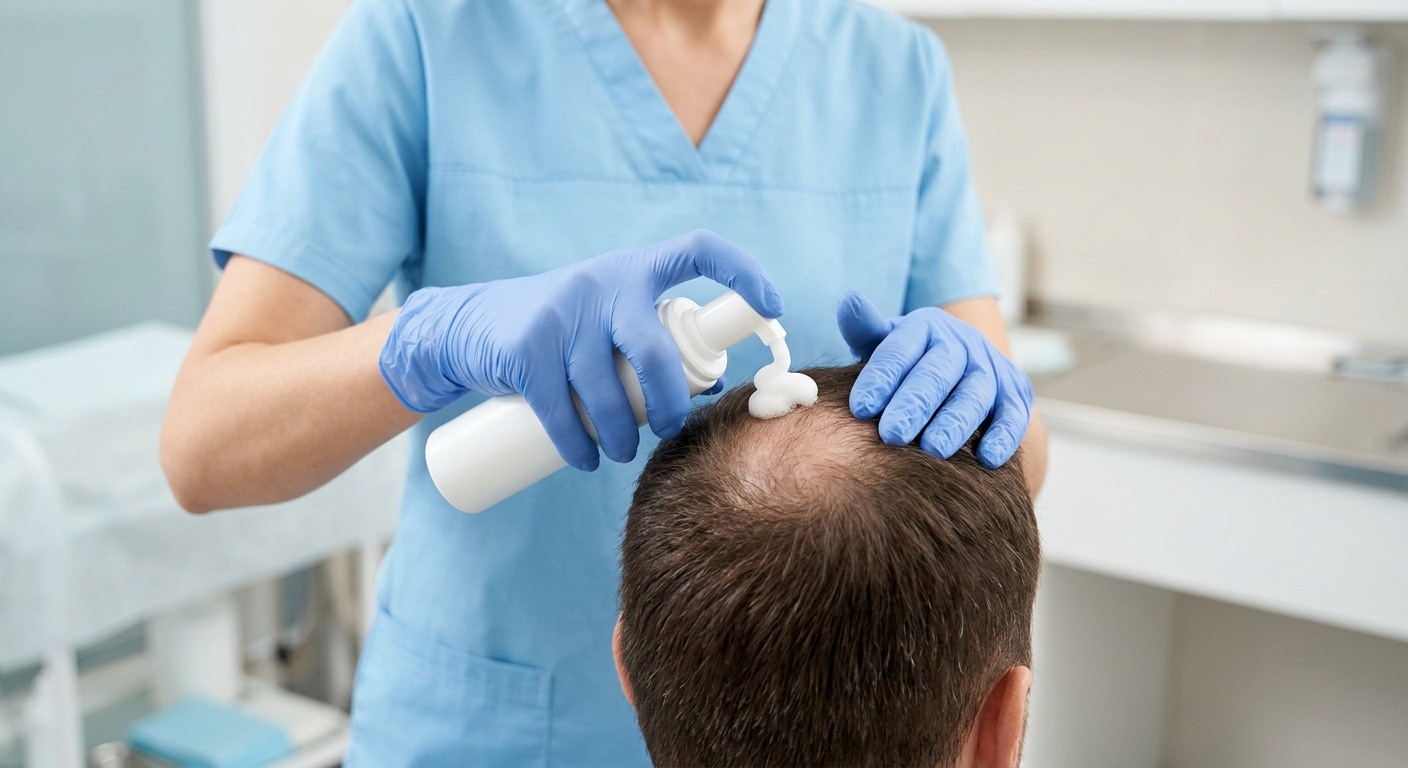
Follicular Unit Extraction (FUE)
FUE is the most widely performed hair transplant technique globally, renowned for its minimally invasive nature and natural-looking results.
-
The Process:
- Donor Area Preparation: The back and sides of the head (the donor area) are typically shaved. Local anesthesia is administered to numb the area completely.
- Extraction: Using a specialized micro-punch tool (usually 0.6mm to 1.0mm in diameter), individual follicular units (groups of 1-4 hairs) are carefully extracted directly from the donor area. These units are then meticulously sorted and preserved in a special solution to maintain their viability.
- Recipient Area Preparation: Local anesthesia is applied to the recipient area (where hair loss has occurred). The surgeon then creates tiny incisions or channels using fine blades or needles, determining the angle, direction, and density of the new hair growth. This step is crucial for achieving a natural appearance.
- Implantation: The extracted follicular units are carefully placed into these pre-made channels.
-
Key Characteristics:
- Leaves tiny, almost invisible dot scars in the donor area, rather than a linear scar.
- Faster healing in the donor area compared to older methods like FUT.
- Allows for a larger number of grafts to be extracted in a single session.
- Versatile for various hair loss patterns and suitable for body hair transplantation in some cases.
Direct Hair Implantation (DHI)
DHI is a variation of FUE that offers a slightly different implantation method, often preferred for its precision and potentially higher graft survival rates in specific scenarios.
-
The Process:
- Donor Area Preparation & Extraction: Similar to FUE, the donor area is prepared, and individual follicular units are extracted using a micro-punch tool.
- Simultaneous Implantation: Unlike FUE, where channels are pre-made, DHI uses a specialized tool called a "Choi Implanter Pen." This pen allows the surgeon to create the incision and implant the follicular unit simultaneously. The graft is loaded into the pen, and then the pen is used to directly implant the graft into the recipient area.
-
Key Characteristics:
- No need for pre-made incisions, potentially reducing trauma to the scalp.
- Allows for greater control over the depth, angle, and direction of each implanted hair, leading to very natural density and aesthetic.
- Often results in less bleeding and quicker recovery in the recipient area, as the grafts are exposed to the outside environment for a shorter period.
- May allow for transplantation without fully shaving the recipient area in some cases (though the donor area usually still needs to be shaved).
Both FUE and DHI are highly effective techniques. The choice between them often depends on the patient's specific needs, hair loss pattern, hair characteristics, and the surgeon's expertise and preference. Regardless of the method, the core principle remains: healthy hair follicles are moved from a donor-rich area to an area experiencing thinning or baldness, where they will continue to grow naturally for a lifetime. Understanding this process underscores the importance of the delicate hair transplant healing process that follows.
The Complete Hair Transplant Journey: A Step-by-Step Process
Your hair transplant journey is a multi-stage process, meticulously planned to ensure the best possible outcome. Understanding each step, from initial consultation to the crucial recovery phase, will help you feel more prepared and in control.
Step 1: Initial Consultation and Assessment
This is the foundational step, often conducted remotely for international patients via photos and video calls with Clyna's expert team and the chosen clinic's medical professionals.
- Medical History Review: The surgeon will assess your general health, any underlying conditions, medications you're taking, and family history of hair loss.
- Hair Loss Analysis: A thorough examination of your scalp, hair type, density, and pattern of hair loss (e.g., Norwood scale for men, Ludwig scale for women) is performed.
- Donor Area Assessment: The quality and quantity of your donor hair (typically at the back and sides of the head) are evaluated to determine how many grafts can be safely extracted.
- Goal Setting & Design: You'll discuss your aesthetic goals, and the surgeon will design a natural-looking hairline and determine the optimal density for the recipient area. This is where expertise in facial aesthetics is crucial.
- Technique Recommendation: Based on the assessment, the surgeon will recommend the most suitable technique (FUE or DHI) and explain the expected results.
- Quotation: You'll receive a detailed treatment plan and a transparent cost estimate.
Step 2: Pre-Procedure Preparation
Once you've decided to proceed, Clyna will assist you with all necessary arrangements, and the clinic will provide specific instructions.
- Medical Instructions:
- Avoid alcohol and smoking for at least a week prior.
- Stop blood-thinning medications (e.g., Aspirin, Ibuprofen) and certain vitamins/supplements (e.g., Vitamin E, B vitamins, herbal remedies) as advised by your doctor, typically 7-10 days before.
- Avoid caffeine on the day of the procedure.
- Arrange for any necessary pre-operative blood tests.
- Logistical Preparations:
- Book flights and accommodation (often part of Clyna's package).
- Arrange airport transfers and local transportation.
- Pack loose, button-up shirts or zip-up hoodies to avoid pulling clothing over your head post-op.
- Ensure you have a comfortable neck pillow for sleeping.
- Inform your employer about your recovery period.
Step 3: The Hair Transplant Procedure
On the day of the procedure, you'll be guided through each step by the clinic's professional staff.
- Arrival & Final Consultation: A final check-up, blood tests, and a detailed discussion with the surgeon to confirm the hairline design.
- Shaving & Anesthesia: The donor area (and often the recipient area) will be shaved. Local anesthesia will be administered, making the entire procedure virtually pain-free.
- Graft Extraction: The surgeon will meticulously extract individual follicular units from the donor area using the chosen technique (FUE or DHI).
- Channel Opening (FUE) / Direct Implantation (DHI): For FUE, tiny incisions are created in the recipient area. For DHI, grafts are directly implanted using the Choi pen.
- Graft Implantation: The extracted grafts are carefully placed into the recipient sites, ensuring natural angle and direction.
- Post-Procedure Briefing: Once the procedure is complete (typically 6-8 hours), you'll receive detailed instructions for immediate post hair transplant care, including medication, sleeping positions, and the first hair wash after transplant.
Step 4: Immediate Post-Procedure Care & Recovery
This is where the focus of this guide truly begins. The first few days are critical for graft survival and setting the stage for successful hair transplant recovery.
- Bandaging: A light bandage may be applied to the donor area. The recipient area is usually left open.
- Swelling: You may experience some swelling on the forehead and around the eyes, which is normal and usually subsides within a few days.
- Pain Management: Mild discomfort is common, managed with prescribed pain relievers.
- Sleeping Position: You'll be advised to sleep in a semi-upright position (45-degree angle) for the first 5-7 nights to minimize swelling and protect the grafts.
- First Wash: The clinic will typically perform your first hair wash after transplant 24-48 hours post-op, demonstrating the correct technique.
- Follow-up: A follow-up appointment is usually scheduled before you return home to check the grafts and provide further aftercare instructions.
Understanding this entire process helps you appreciate the delicate nature of the newly transplanted grafts and the critical role of diligent hair transplant aftercare in ensuring their survival and growth.
Why Choose Turkey for Your Hair Transplant? Unmatched Advantages
Turkey has solidified its reputation as the global capital for hair transplantation, drawing patients from every corner of the world. This isn't merely a trend; it's a testament to a robust medical tourism infrastructure built on quality, expertise, and value.

World-Class Expertise and Technology
- Experienced Surgeons: Turkish surgeons are among the most experienced globally, performing thousands of hair transplant procedures annually. This high volume translates into unparalleled expertise in graft extraction, channel creation, and aesthetic design, leading to consistently natural and satisfying results. Many surgeons have specialized training and international certifications.
- Modern Technology: Clinics in Turkey invest heavily in the latest hair transplant technologies, including advanced FUE and DHI techniques, micro-motor devices, Choi Implanter Pens, and sophisticated imaging systems for precise hairline design. This commitment to innovation ensures patients receive the most effective and least invasive treatments available.
Accreditation and Safety Standards
- JCI-Accredited Hospitals: A significant number of clinics and hospitals in Turkey hold Joint Commission International (JCI) accreditation. JCI is the gold standard in global healthcare accreditation, signifying a commitment to rigorous patient safety and quality of care standards. This provides international patients with immense peace of mind, knowing they are receiving treatment in facilities that meet the highest international benchmarks.
- Government Regulation: The Turkish Ministry of Health strictly regulates medical tourism, ensuring clinics adhere to specific quality and safety protocols.
Unbeatable Affordability
- Cost-Effectiveness: This is arguably one of Turkey's biggest draws. Hair transplant procedures in Turkey are significantly more affordable than in Western Europe or North America, often costing 50-70% less without compromising on quality. For example, a procedure that might cost €10,000-€15,000 in the UK or US could be €2,500-€5,000 in Turkey. This affordability allows patients to access premium care that might otherwise be out of reach.
- All-Inclusive Packages: Many Turkish clinics, facilitated by platforms like Clyna, offer comprehensive packages that include the procedure, accommodation, airport transfers, post-operative care kits, and even interpreter services, simplifying the travel and treatment process for international patients.
A Hub for Medical Tourism
- Integrated Services: Turkey has developed a highly sophisticated medical tourism ecosystem. From specialized travel agencies to dedicated patient coordinators and multilingual staff, every aspect of the international patient's journey is catered for, making the experience seamless and stress-free.
- High Patient Satisfaction: The combination of expert care, advanced facilities, and excellent value consistently leads to high patient satisfaction rates, fueling positive word-of-mouth and Turkey's continued growth in this sector.
Iconic Cities: Istanbul and Antalya
- Istanbul: As a vibrant metropolis bridging two continents, Istanbul is the epicenter of Turkey's hair transplant industry. It boasts the highest concentration of world-class clinics, offering a vast choice of experienced surgeons and state-of-the-art facilities. Patients can combine their medical journey with an unforgettable cultural experience, exploring historical sites, bustling bazaars, and exquisite cuisine.
- Antalya: Located on Turkey's Mediterranean coast, Antalya offers a more relaxed, resort-like experience. While perhaps not as densely packed with clinics as Istanbul, it features several highly reputable centers known for their quality care and serene recovery environments. It's an excellent choice for patients who prefer to recuperate in a beautiful, tranquil setting, often combining their treatment with a short holiday.
Choosing Turkey means opting for a blend of medical excellence, economic advantage, and a rich cultural experience, all contributing to a holistic and successful hair restoration journey.
Cost Comparison: Hair Transplant Prices (EUR)
One of the most compelling reasons international patients choose Turkey for hair transplantation is the significant cost advantage. While prices can vary based on the number of grafts, the chosen technique (FUE vs. DHI), the clinic's reputation, and the surgeon's experience, the general ranges below illustrate the substantial savings.
| Country | Estimated Price Range (EUR) | Notes |
|---|---|---|
| Turkey | €2,500 - €5,000 | All-inclusive packages often include accommodation, transfers, and post-op care. |
| Germany | €6,000 - €12,000 | High-quality clinics, but significantly higher labor and operational costs. |
| United Kingdom | €7,000 - €14,000 | Similar to Germany, premium pricing for comparable services. |
| United States | €8,000 - €18,000 | Highest cost due to high medical expenses and insurance structures. |
Note: These ranges are estimates and can fluctuate. It's always best to get a personalized quote from a clinic.
The cost difference in Turkey does not reflect a compromise in quality. Instead, it's attributed to lower operational costs, a favorable exchange rate, and a competitive market driven by the high volume of procedures performed. This allows Turkish clinics to offer world-class treatment at a fraction of the price, making it an accessible option for many seeking effective hair restoration.
How to Choose the Right Clinic in Turkey
Selecting the right clinic is the most critical decision you'll make on your hair transplant journey. It directly impacts the safety of your procedure, the quality of your hair transplant recovery, and ultimately, the naturalness and longevity of your results. With numerous clinics in Turkey, especially in cities like Istanbul and Antalya, knowing what to look for is essential.
Key Criteria for Selection
-
Surgeon's Experience and Qualifications:
- Specialization: Ensure the surgeon is a medical doctor specializing in hair restoration (dermatology or plastic surgery background is a plus).
- Experience: How many years has the surgeon been performing hair transplants? How many procedures have they personally overseen? A high volume of experience is crucial.
- Portfolio: Request to see before-and-after photos of previous patients, paying attention to cases similar to yours. Look for natural-looking hairlines and density.
- Team Expertise: The surgeon is vital, but the entire medical team (technicians, nurses) also plays a significant role in graft handling and implantation. Inquire about their experience.
-
Clinic Accreditation and Facilities:
- Accreditation: Prioritize clinics that are accredited by international bodies like JCI (Joint Commission International) or local health authorities. This ensures adherence to global standards of safety and quality.
- Facility Standards: The clinic should be modern, clean, and equipped with state-of-the-art technology. A sterile environment is paramount to prevent infection.
- Operating Room: Confirm that the procedure is performed in a fully equipped operating room, not just a consultation room.
-
Transparency and Communication:
- Clear Information: The clinic should provide clear, detailed information about the procedure, potential risks, hair transplant recovery timeline, and hair transplant aftercare.
- Patient Coordinator: A dedicated, multilingual patient coordinator is invaluable for international patients, assisting with travel, accommodation, and all queries.
- Post-Operative Support: Inquire about the level of follow-up care and support offered once you return home. Will there be remote consultations? Who can you contact with questions about your hair transplant healing process?
-
Pricing and Inclusions:
- All-Inclusive Packages: Many reputable clinics offer comprehensive packages covering the procedure, accommodation, transfers, medications, and post-op care kits. Understand exactly what is included to avoid hidden costs.
- Transparent Quoting: The quote should be clear, detailing the number of grafts, technique, and any additional services.
Certifications and Accreditations
- JCI (Joint Commission International): The most prestigious international accreditation for healthcare organizations. A JCI-accredited clinic signifies adherence to the highest global standards in patient safety and quality of care.
- Turkish Ministry of Health: All clinics must be licensed and regulated by the Turkish Ministry of Health.
- International Society of Hair Restoration Surgery (ISHRS): While not a direct accreditation for clinics, membership in organizations like ISHRS indicates a surgeon's commitment to ethical practices and ongoing education in the field.
Red Flags to Watch Out For
- Unrealistically Low Prices: If a price seems too good to be true, it often is. Extremely low prices can indicate a compromise on surgeon experience, facility quality, or graft handling.
- Guaranteed Results: No reputable medical procedure can guarantee 100% results. Be wary of clinics that make such promises.
- High-Pressure Sales Tactics: A trustworthy clinic will provide information and allow you time to make an informed decision, without pressure.
- Lack of Transparency: Vague answers about the surgeon's qualifications, the procedure, or aftercare are red flags.
- No Face-to-Face (or Video) Consultation with the Surgeon: While initial assessments can be remote, a direct consultation (even via video) with the actual surgeon who will perform your procedure is crucial.
- Overly Aggressive Graft Counts: An ethical surgeon will prioritize the health of your donor area and natural density over simply transplanting the maximum possible grafts.
Clyna's Role in Your Choice
Clyna acts as your trusted partner in this process. We meticulously vet clinics and surgeons in Turkey based on all the criteria mentioned above. Our platform connects you only with reputable, accredited clinics that meet international standards of excellence. We facilitate transparent communication, provide comprehensive information, and help you compare options to make an informed decision, ensuring your journey is safe, successful, and stress-free.
Before Treatment: Your Preparation Checklist for Optimal Recovery
Proper preparation is the cornerstone of a smooth procedure and an optimal hair transplant recovery. For international patients, this checklist extends beyond medical readiness to include crucial travel and logistical considerations.
Medical Preparations
- Consult Your GP: Discuss your decision to undergo a hair transplant with your local doctor. Inform them about your travel plans and any existing medical conditions.
- Medication Review:
- Blood Thinners: Stop taking Aspirin, Ibuprofen, and other blood-thinning medications (including herbal supplements like Ginkgo Biloba, Vitamin E, fish oil) at least 7-10 days before your procedure, only after consulting your doctor.
- Prescription Medications: Inform your hair transplant clinic about all prescription medications you are currently taking. They will advise if any need to be paused or adjusted.
- Minoxidil/Finasteride: If you are using topical Minoxidil, you will likely be advised to stop 1-2 weeks prior to the surgery. Oral Finasteride can usually be continued.
- Alcohol & Smoking:
- Alcohol: Avoid alcohol for at least 7 days before the procedure, as it can thin the blood and interfere with anesthesia.
- Smoking: Stop smoking at least 2 weeks before and ideally 2 weeks after the procedure. Smoking significantly impairs blood flow, which is crucial for graft survival and proper hair transplant healing process.
- Caffeine: Avoid caffeine (coffee, tea, energy drinks) on the day of your surgery.
- Hair Washing: Wash your hair thoroughly the night before or the morning of the procedure with your regular shampoo. Do not apply any styling products.
- Diet: Eat a light, healthy breakfast on the day of the surgery. Avoid heavy or greasy foods.
- Blood Tests: Be prepared for pre-operative blood tests (e.g., for HIV, Hepatitis B/C) upon arrival at the clinic.
Travel & Logistics Preparations
- Flights & Accommodation: Confirm all bookings. Clyna often handles these as part of your package.
- Visa & Passport: Ensure your passport is valid for at least 6 months beyond your intended stay and check if you need a visa for Turkey.
- Travel Insurance: Purchase comprehensive travel insurance that covers medical emergencies and trip cancellations.
- Clothing: Pack loose-fitting, button-up shirts or zip-up hoodies. This is crucial for the first week post-op to avoid rubbing or dislodging grafts when dressing. Avoid pullovers.
- Comfort Items:
- Neck Pillow: Essential for sleeping in an elevated position to protect grafts and reduce swelling.
- Hat/Cap: A loose-fitting, wide-brimmed hat or a surgical cap (provided by the clinic) to protect your scalp from sun and dust after the first few days and with clinic approval. Avoid tight hats.
- Sunglasses: To protect your eyes, especially if you experience swelling.
- Communication: Ensure your phone works internationally or get a local SIM card. Inform family/friends of your travel plans and clinic contact details.
- Cash/Cards: Have some local currency (Turkish Lira) for small expenses, though credit cards are widely accepted.
- Hydration: Bring a reusable water bottle for your journey and stay well-hydrated.
Mental & Emotional Preparation
- Realistic Expectations: Understand that hair transplant results stages take time. Be patient and trust the process.
- Research: Read guides like this one to familiarize yourself with the hair transplant recovery timeline and what to expect after hair transplant.
- Ask Questions: Don't hesitate to ask your Clyna coordinator or clinic staff any questions or express concerns.
- Relax: Try to relax and get good rest before your procedure. A calm mind contributes to a smoother experience.
By diligently following this checklist, you'll set yourself up for a successful procedure and a significantly more comfortable and effective hair transplant healing process.
After Treatment: Your Detailed Hair Transplant Recovery Timeline
The hair transplant recovery timeline is a journey of patience and diligent care. Understanding what to expect after hair transplant at each stage is crucial for managing expectations and ensuring optimal results. This detailed breakdown covers the typical hair transplant healing process from day one to the final hair transplant results stages.
Immediate Post-Op: Days 1-3
- Day 1 (Procedure Day):
- Feeling: You'll likely feel groggy from sedation (if used) and local anesthesia. The scalp will be numb.
- Appearance: The recipient area will have tiny red dots (where grafts were implanted) and may show some dried blood. The donor area will be red and may have a bandage.
- Care: You'll receive pain medication, antibiotics, and anti-inflammatory drugs. You must sleep in a semi-upright position (45 degrees) to minimize swelling and protect grafts. Avoid touching the recipient area.
- Day 2:
- Feeling: Numbness may persist. Swelling might begin on the forehead, possibly extending to the eyes. Mild discomfort in the donor area.
- Appearance: Scabs will start to form on the recipient area. Donor area redness continues.
- Care: Often, the first hair wash after transplant is performed at the clinic. They will teach you the gentle technique using a special foam and shampoo. Continue medications and elevated sleeping.
- Day 3:
- Feeling: Swelling might peak, especially around the eyes. Donor area may feel tight or itchy.
- Appearance: Hair transplant scabs become more prominent.
- Care: Continue gentle washing as instructed. Avoid any rubbing or scratching. Stay hydrated.
The First Week: Days 4-7
- Days 4-7:
- Feeling: Swelling should start to subside. Itching in both donor and recipient areas is common as healing progresses. Numbness may still be present.
- Appearance: Hair transplant scabs will continue to harden. The transplanted hairs will be visible, but the scalp will still look red and dotted. Donor area healing well.
- Care: Continue daily gentle hair wash after transplant to soften scabs. Avoid direct sun exposure. Wear a loose-fitting hat if going outside. Avoid strenuous activities, sweating, and any contact with the recipient area.
Weeks 2-4: The Scab & Initial Healing Phase
- Week 2:
- Feeling: Itching may intensify as scabs dry and prepare to fall off.
- Appearance: Most hair transplant scabs should start to flake off naturally, often taking some transplanted hairs with them. This is normal and part of the hair transplant healing process. The recipient area will look less red.
- Care: Continue gentle washing. You may be advised to gently massage the recipient area during washing to help remove stubborn scabs, but only if instructed by your clinic.
- Weeks 3-4:
- Feeling: Itching should decrease.
- Appearance: Most, if not all, hair transplant scabs should be gone. The transplanted hairs will begin to shed (this is shock loss after hair transplant). The scalp may look somewhat sparse again.
- Care: You can typically resume light exercise. Continue to protect your scalp from direct sun. You might be able to switch to a milder, regular shampoo as advised by your clinic.
Month 2-3: Understanding Shock Loss After Hair Transplant
- Feeling: Minimal discomfort.
- Appearance: This is the phase of shock loss after hair transplant. Most of the transplanted hairs will shed, and some existing native hairs might also temporarily fall out due to the trauma of the surgery. This is a completely normal and expected part of the hair transplant healing process. The follicles themselves are still intact and resting.
- Care: Continue to follow your clinic's aftercare instructions. Be patient; new growth is coming. Some clinics may recommend PRP (Platelet-Rich Plasma) treatments during this phase to stimulate growth.
Month 4-6: The Growth Spurt Begins
- Feeling: Normal scalp sensation returns.
- Appearance: New, fine hairs will begin to emerge from the transplanted follicles. Initially, these hairs may be thin and light, but they will gradually thicken and darken. The growth may appear patchy at first.
- Care: You can typically resume all normal activities, including more vigorous exercise. Continue to use gentle hair products.
Month 7-12: Maturation and Density
- Feeling: Completely normal.
- Appearance: The new hairs will continue to grow, thicken, and blend with your existing hair. You'll notice increasing density and coverage. This is where the hair transplant results stages become truly exciting.
- Care: You can treat your hair normally, including styling and cutting. Continue to nourish your hair with a healthy diet.
12-18 Months: Final Hair Transplant Results Stages
- Appearance: By 12 months, most patients will see about 80% of their final results. For some, especially those with slower growth cycles or larger transplant areas, full maturity and density may take up to 18 months. The hair will be fully grown, thick, and natural-looking.
- Care: Enjoy your new hair! Continue good hair care practices. Periodic follow-ups with your clinic (often remotely) can be beneficial.
This detailed hair transplant recovery timeline highlights the importance of patience and adherence to post hair transplant care instructions. Each stage is a step towards your ultimate goal of a fuller, natural head of hair.
Essential Hair Transplant Aftercare Practices
Diligent hair transplant aftercare is non-negotiable for ensuring the survival of your delicate grafts and achieving the best possible aesthetic outcome. These practices are crucial throughout your hair transplant recovery journey.
Hair Wash After Transplant: A Step-by-Step Guide
This is one of the most critical aspects of early post hair transplant care. Your clinic will provide specific products (special shampoo and foam/lotion) and demonstrate the technique.
- Frequency: Usually daily, starting 24-48 hours post-op, for the first 10-14 days.
- Materials: Special foam/lotion, pH-neutral shampoo, lukewarm water, soft towel.
- Steps:
- Apply Lotion/Foam: Gently apply the prescribed lotion or foam to the recipient area. Let it sit for 15-30 minutes to soften hair transplant scabs. Do not rub.
- Rinse Lotion: Using a cup or a very low-pressure shower head, gently rinse the lotion off with lukewarm water. Do not let the water hit the recipient area directly with force.
- Shampoo Application: Pour a small amount of the special shampoo into your hands, lather it gently, and then dab it onto the recipient area. Do not rub or scrub.
- Donor Area: You can gently massage the donor area with shampoo to clean it.
- Rinse Shampoo: Again, use lukewarm water and a gentle pouring motion to rinse the shampoo from both areas. Ensure no residue is left.
- Drying: Gently pat the recipient area dry with a very soft towel or allow it to air dry. Do NOT rub. Do not use a hairdryer on hot settings.
- Purpose: The gentle washing helps remove dried blood and hair transplant scabs, preventing infection and allowing the grafts to breathe. It also helps to keep the scalp clean and promotes healing.
Sleeping Post-Transplant
- Position: For the first 5-7 nights, sleep in a semi-upright position (45-degree angle) using a neck pillow. This prevents contact between the recipient area and the pillow, minimizes swelling, and protects the newly implanted grafts.
- Pillow: A travel neck pillow is ideal to support your head and keep it elevated.
- Sheets: Use clean pillowcases to minimize infection risk.
Medication and Supplements
- Prescribed Medications: Take all prescribed medications (antibiotics, pain relievers, anti-inflammatories) exactly as directed by your clinic.
- Supplements: Your clinic may recommend specific vitamins (e.g., Biotin) or supplements to support hair growth. Discuss any other supplements you plan to take.
- PRP (Platelet-Rich Plasma): Some clinics offer PRP sessions post-transplant to stimulate healing and growth. Discuss this option with your surgeon.
Diet and Hydration
- Healthy Diet: Maintain a balanced diet rich in protein, vitamins (especially C, D, B vitamins), and minerals (zinc, iron). These nutrients are vital for hair transplant healing process and new hair growth.
- Hydration: Drink plenty of water to aid healing and reduce swelling. Avoid excessive caffeine and sugary drinks.
Avoiding Sun Exposure and Trauma
- Sun Protection: For at least the first month, avoid direct sun exposure on your scalp. Wear a loose-fitting, wide-brimmed hat when outdoors. UV rays can damage delicate grafts and cause hyperpigmentation.
- Physical Trauma: Avoid any rubbing, scratching, or bumping of the recipient area for at least 2 weeks. Be extremely careful when dressing, showering, and getting into cars.
Exercise and Physical Activity
- First Week: Absolutely no strenuous exercise, heavy lifting, or activities that cause sweating. Increased blood pressure can dislodge grafts or cause bleeding.
- Weeks 2-4: Light exercise (e.g., gentle walking) can usually be resumed, but avoid anything that causes significant sweating or head impact.
- After 4 Weeks: Most normal exercise routines can be gradually resumed, but always consult your clinic first.
Alcohol and Smoking
- Alcohol: Avoid alcohol for at least 2 weeks post-op. It can thin the blood and impair healing.
- Smoking: Continue to avoid smoking for at least 2 weeks post-op, and ideally longer. Smoking severely restricts blood flow, which is detrimental to graft survival.
Hair Styling and Products
- First Month: Avoid any styling products (gels, sprays, mousses) and heat styling (blow dryers, straighteners).
- After 1 Month: You can generally start using mild, natural hair products. Avoid harsh chemicals or products with strong fragrances.
- Haircuts: Wait at least 1 month before getting a haircut. Inform your barber about your transplant and ask them to be gentle, especially around the recipient area. Avoid clippers on the recipient area for several months.
Adhering to these post hair transplant care guidelines will significantly contribute to a successful hair transplant recovery and the best possible long-term results.
Risks, Complications, and How to Minimize Them
While hair transplants are generally safe procedures with high success rates, especially when performed by experienced surgeons in accredited clinics, it's important to be aware of potential risks and complications. Understanding these and knowing how to minimize them through proper hair transplant aftercare is part of being an informed patient.
Common and Minor Side Effects
These are usually temporary and resolve within days or weeks.
- Swelling (Edema): Common on the forehead and around the eyes, usually peaking on day 2-3 and subsiding by day 5-7.
- Minimization: Sleep elevated, apply cold compresses (indirectly, not on grafts), stay hydrated, avoid strenuous activity.
- Pain and Discomfort: Mild pain in both donor and recipient areas.
- Minimization: Managed with prescribed pain relievers.
- Numbness/Tingling: The scalp may feel numb or tingly for several weeks or months as nerves heal.
- Minimization: This is a normal part of the hair transplant healing process and usually resolves on its own.
- Itching: Common as the scalp heals and hair transplant scabs form and fall off.
- Minimization: Do NOT scratch. Use saline sprays or prescribed anti-itch lotions. Gentle hair wash after transplant helps.
- Redness: Both donor and recipient areas will be red for a few weeks.
- Minimization: Avoid sun exposure. It will fade naturally.
- Hair Transplant Scabs: Small scabs will form around each graft.
- Minimization: Gentle daily hair wash after transplant as instructed by your clinic will help them shed naturally. Do not pick them.
- Shock Loss After Hair Transplant: Temporary shedding of transplanted and sometimes existing native hairs.
- Minimization: This is normal and expected. Patience is key; new growth will follow.
Less Common but Serious Complications
These are rare, especially in reputable clinics, but require immediate medical attention if they occur.
- Infection: Though rare with proper hygiene and antibiotics, it's a possibility. Symptoms include increased pain, redness, swelling, pus, or fever.
- Minimization: Strict adherence to post hair transplant care instructions, taking prescribed antibiotics, and maintaining excellent hygiene during hair wash after transplant. Choose a JCI-accredited clinic with sterile environments.
- Folliculitis: Inflammation of hair follicles, appearing as small pimples.
- Minimization: Usually treated with warm compresses or topical antibiotics. Can be prevented by proper hygiene.
- Poor Graft Growth/Survival: If grafts don't take, results will be sparse.
- Minimization: Choose an experienced surgeon and follow hair transplant aftercare diligently. Avoid smoking and alcohol.
- Scarring: While FUE minimizes visible scarring, tiny white dots can occur in the donor area. Keloid scarring is very rare but possible in predisposed individuals.
- Minimization: An experienced surgeon will ensure proper extraction techniques. Inform your surgeon about any history of keloids.
- Cysts: Small cysts can form if a hair follicle is implanted too deeply.
- Minimization: Usually resolve on their own or can be easily drained by a doctor. Proper implantation technique by the surgeon minimizes this.
- Allergic Reaction: To anesthesia or medications.
- Minimization: Inform your clinic of all allergies during your consultation.
Minimizing Risks Through Proper Aftercare
The vast majority of complications can be prevented or significantly reduced by:
- Choosing a Reputable Clinic: As highlighted earlier, selecting a JCI-accredited clinic with experienced, certified surgeons is your first and most important step. Clyna helps you find such clinics.
- Strict Adherence to Aftercare Instructions: Every instruction given by your clinic, from medication schedules to hair wash after transplant techniques, is designed to protect your grafts and promote healing. Do not deviate.
- Open Communication: If you experience anything unusual or concerning during your hair transplant recovery, contact your clinic immediately. Don't self-diagnose or wait.
- Healthy Lifestyle: Avoiding smoking and excessive alcohol, maintaining a healthy diet, and staying hydrated significantly boost your body's healing capabilities.
By being proactive and diligent, you can navigate your hair transplant healing process safely and effectively, maximizing your chances for an excellent outcome.
Real Patient Journey Stories: From Consultation to Confidence
Hearing about others' experiences can provide valuable insights and reassurance. Here are three realistic patient journey stories, highlighting different scenarios and the transformative power of a successful hair transplant in Turkey.

Patient Story 1: Ahmed, 34, London – The Young Professional's Transformation
Ahmed, a marketing executive from London, had been experiencing significant hair thinning at his temples and crown since his late twenties. It affected his confidence in professional settings and social interactions. After extensive research, he decided Turkey offered the best combination of quality and affordability.
The Journey: Ahmed contacted Clyna, who connected him with a highly-rated clinic in Istanbul specializing in FUE. His initial online consultation involved sending photos and a video call with a patient coordinator and the surgeon. They recommended 4000 grafts to restore his hairline and add density to his crown.
He flew to Istanbul, where Clyna had arranged his airport transfers and a comfortable hotel. The clinic staff were welcoming and spoke excellent English. The procedure itself took about 7 hours. Ahmed found the local anesthesia effective, making the process pain-free, though a bit long.
Recovery & Results: The first few days of hair transplant recovery involved some swelling and mild discomfort, managed with prescribed medication. The clinic performed his first hair wash after transplant, demonstrating the gentle technique. Ahmed diligently followed all post hair transplant care instructions, including sleeping elevated and avoiding sun exposure.
Around week 3, he experienced shock loss after hair transplant, which he was prepared for thanks to his pre-op briefing. "It was a bit disheartening to see the new hairs fall out, but I reminded myself it was part of the process," he recalled. By month 4, tiny new hairs started to emerge. Over the next few months, they thickened, and by his 10-month mark, Ahmed was thrilled. His hairline was natural, and his crown had significantly more density.
"It's been a game-changer," Ahmed shared. "I feel so much more confident. The whole experience, from Clyna's support to the clinic's professionalism, was top-notch. The hair transplant results stages were exactly as explained, and the wait was absolutely worth it."
Patient Story 2: Sarah, 42, Berlin – Restoring Confidence in Female Hair Loss
Sarah, a graphic designer from Berlin, had been struggling with diffuse thinning across her scalp, particularly noticeable at her part line. This type of hair loss, common in women, made her self-conscious and limited her styling options. She sought a solution that would be discreet and provide natural density.
The Journey: Sarah chose a clinic in Antalya through Clyna, attracted by its reputation for female hair transplants and the serene recovery environment. Her consultation focused on DHI, as it allowed for more precise implantation without extensive shaving of the recipient area, which was important for her existing long hair. The plan was for 2500 grafts to increase overall density.
Her trip to Antalya was smooth, and she appreciated the calm atmosphere of the coastal city. The procedure was meticulously performed, with the surgeon paying close attention to the direction of her existing hair to ensure a seamless blend.
Recovery & Results: Sarah's hair transplant recovery was relatively mild. She experienced less visible scabbing due to the DHI technique and minimal swelling. Her biggest challenge was the initial tenderness in the donor area. She followed the hair wash after transplant instructions carefully, which helped manage the hair transplant scabs discreetly.
Unlike men, female shock loss can sometimes be less dramatic, but Sarah did experience some shedding around month 2. "It was tough, but I knew it was temporary," she said. By month 6, she noticed significant new growth, and by 14 months, her hair felt thicker and fuller than it had in years. Her part line was less visible, and she could style her hair with renewed confidence.
"I'm so glad I chose Turkey and DHI," Sarah reflected. "The team was incredibly understanding of my concerns as a woman, and the results are so natural. Clyna made the entire process easy, and the post hair transplant care guidance was invaluable."
Patient Story 3: Michael, 58, New York – A Natural-Looking Revival
Michael, a retired teacher from New York, had a receding hairline and a bald spot on his crown that had bothered him for decades. He wanted a natural-looking solution that would turn back the clock without looking artificial. He was initially hesitant about traveling abroad but was convinced by the quality and cost-effectiveness offered in Turkey.
The Journey: Michael opted for a well-established clinic in Istanbul, recommended by Clyna, known for its expertise in creating age-appropriate, natural hairlines. His consultation focused on achieving a soft, realistic front line and filling in his crown, requiring around 3500 FUE grafts.
He found the travel arrangements seamless, and the clinic's patient coordinator was instrumental in guiding him through the process. The procedure was comfortable, and Michael appreciated the breaks provided throughout the day.
Recovery & Results: Michael's hair transplant recovery was textbook. He followed all hair transplant aftercare instructions diligently, particularly focusing on gentle hair wash after transplant to ensure the hair transplant scabs cleared without issue. He managed the initial swelling with cold compresses and kept his head elevated while sleeping.
His hair transplant healing process progressed steadily. He experienced the expected shock loss after hair transplant around 2-3 months, followed by the gradual emergence of new hairs. "The most exciting part was seeing those little hairs poke through," Michael shared. By 8 months, he had a noticeable improvement, and by 15 months, his transformation was complete. His hairline was soft and natural, and his crown was well-covered, blending perfectly with his existing hair.
"My friends and family can't believe the difference," Michael beamed. "They say I look years younger. I was nervous about going to Turkey, but Clyna and the clinic made it so easy and safe. The hair transplant results stages were a journey, but the outcome is truly fantastic. I highly recommend it."
These stories underscore the importance of choosing a reputable clinic, adhering to hair transplant aftercare, and having realistic expectations about the hair transplant recovery timeline. With the right support, a successful and transformative outcome is well within reach.
Frequently Asked Questions (FAQ)
Navigating the hair transplant recovery process can bring up many questions. Here are answers to some of the most common queries international patients have, providing detailed insights into post hair transplant care and what to expect after hair transplant.
1. How long does hair transplant recovery take?
The initial hair transplant healing process (swelling, scabs, tenderness) typically takes 1-2 weeks. However, the full hair transplant recovery timeline for seeing final results is much longer. You'll experience shock loss after hair transplant around 2-3 months, new growth from 4-6 months, and significant density by 8-12 months. Final hair transplant results stages can take up to 12-18 months as the hair fully matures and thickens.
2. When can I wash my hair after a hair transplant?
You can typically perform your first hair wash after transplant 24-48 hours after the procedure. Your clinic will either perform it for you or provide detailed instructions and special products (foam/lotion and gentle shampoo). It's crucial to follow their specific guidance, using a gentle dabbing motion and lukewarm water to avoid dislodging grafts.
3. What are hair transplant scabs and how do I remove them?
Hair transplant scabs are small crusts of dried blood and tissue that form around each newly implanted graft. They are a normal part of the hair transplant healing process. You should not pick or scratch them. Gentle daily hair wash after transplant with the prescribed foam/lotion and shampoo will soften them, allowing them to fall off naturally, usually within 10-14 days. Forceful removal can dislodge grafts.
4. Is shock loss after hair transplant normal?
Yes, shock loss after hair transplant is a completely normal and expected part of the recovery process. It typically occurs 2-8 weeks post-procedure, where the newly transplanted hairs (and sometimes some existing native hairs) shed. This is because the follicles enter a resting phase due to the trauma of surgery. The follicles remain intact, and new, permanent hair will begin to grow from them in a few months.
5. When will I see the final hair transplant results stages?
While initial growth may be visible around 4-6 months, the final hair transplant results stages are typically achieved between 12 and 18 months post-procedure. This is when the transplanted hairs have fully matured, thickened, and blended seamlessly with your existing hair, providing the desired density and aesthetic.
6. Can I wear a hat after a hair transplant?
You should avoid wearing any tight hats for at least 10-14 days to prevent friction on the delicate grafts. After this period, a loose-fitting, wide-brimmed hat can be worn to protect your scalp from sun exposure. Always consult your clinic for specific advice on when and what type of headwear is safe.
7. What should I avoid eating after a hair transplant?
There are no strict dietary restrictions, but it's advisable to avoid excessive alcohol and highly processed foods for the first few weeks as they can hinder healing. Focus on a healthy, balanced diet rich in proteins, vitamins, and minerals to support the hair transplant healing process. Stay well-hydrated.
8. When can I resume exercise after a hair transplant?
Avoid strenuous exercise, heavy lifting, and activities that cause excessive sweating or increase blood pressure for at least 2 weeks. Light walking can usually be resumed after the first week. After 4 weeks, most normal exercise routines can be gradually reintroduced, but always get clearance from your clinic.
9. How do I sleep comfortably after a hair transplant?
For the first 5-7 nights, you must sleep in a semi-upright position (45-degree angle) to minimize swelling and protect the grafts. Using a travel neck pillow can help maintain this position and prevent accidental contact with the recipient area.
10. Will my transplanted hair fall out?
Yes, the transplanted hairs will fall out during the shock loss after hair transplant phase (2-8 weeks post-op). This is normal. The hair follicles, however, remain in place and will begin to produce new, permanent hair around 3-4 months after the procedure.
11. How do I manage swelling after the procedure?
Swelling on the forehead and around the eyes is common and usually peaks on days 2-3. To manage it, sleep in an elevated position, avoid bending over, apply cold compresses to your forehead (not directly on the grafts), and stay hydrated. It typically subsides within a week.
12. Is it safe to fly after a hair transplant?
Most clinics recommend waiting at least 24-48 hours after the procedure before flying. The change in cabin pressure is generally not an issue, but it's important to be past the immediate post-op period. Always confirm with your clinic based on your specific case.
13. What products should I use for hair wash after transplant?
Your clinic will provide or recommend specific pH-neutral shampoos and a special foam or lotion for the first 10-14 days. These products are gentle and designed to aid healing and soften hair transplant scabs. After this initial period, you can gradually switch to a mild, regular shampoo as advised by your clinic.
14. How long do I need to take prescribed medications?
You will typically take antibiotics for 5-7 days to prevent infection and anti-inflammatory/pain medication for a few days as needed. Any other medications or supplements will be prescribed for a duration determined by your surgeon. Always follow your clinic's instructions precisely.
15. Can I get a second hair transplant?
Yes, if you have sufficient donor hair and further hair loss occurs or if you desire more density, a second hair transplant is possible. It's usually recommended to wait at least 12-18 months after your first procedure to allow the scalp to fully heal and to assess the final results before considering another session.
Conclusion: Your Journey to a Fuller Head of Hair Starts Here
Your decision to undergo a hair transplant in Turkey is an investment in your confidence and well-being. As this comprehensive guide has detailed, the success of this investment hinges not just on the skill of your surgeon, but equally on your commitment to diligent hair transplant recovery and hair transplant aftercare.
From understanding the intricate hair transplant healing process to navigating the hair transplant recovery timeline and managing expectations through the hair transplant results stages, you are now equipped with the knowledge to ensure the best possible outcome. We've explored the unparalleled advantages of choosing Turkey – from its world-class, JCI-accredited clinics and experienced surgeons in vibrant cities like Istanbul and Antalya, to its state-of-the-art technology and unbeatable affordability.
Remember, patience is your greatest ally during this journey. The initial days of post hair transplant care, the shedding phase of shock loss after hair transplant, and the gradual emergence of new growth are all natural steps towards your goal. By meticulously following your clinic's instructions, especially regarding hair wash after transplant and managing hair transplant scabs, you actively contribute to the health and longevity of your new hair.
At Clyna, we are dedicated to making your medical tourism experience seamless, safe, and successful. We connect you with only the most reputable clinics in Turkey, ensuring you receive exceptional care every step of the way.
Are you ready to take the first step towards a fuller, more confident you?
Get a Free Quote from Clyna Today!
Browse Our Network of Top Clinics in Turkey
Let Clyna be your trusted partner in achieving the hair restoration results you've always dreamed of.
Related Guides

Ready to Start Your Medical Journey?
Get free personalized quotes from Turkey's top clinics.
Get Free Quote