
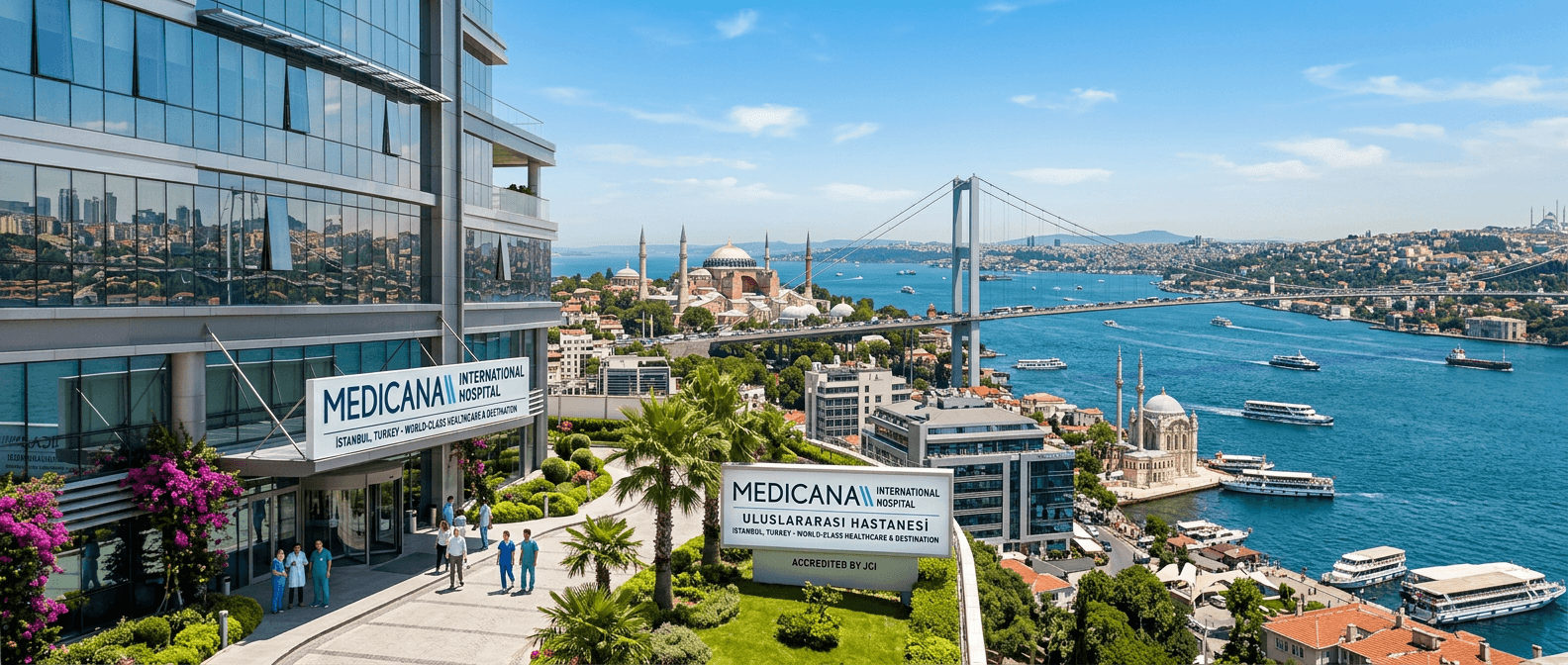
Medical Tourism Turkey: Your Ultimate Guide to Safe Travel
Planning medical tourism in Turkey? Our guide covers everything: choosing top clinics, ensuring patient safety, and navigating your medical travel journey with confidence.
Welcome to Clyna's comprehensive guide to medical tourism Turkey. As a leading platform connecting international patients with world-class clinics in Turkey, we understand the profound impact that informed decisions can have on your health journey. This guide is meticulously crafted to be your indispensable Turkey medical travel guide, offering deep insights, practical advice, and expert recommendations to ensure your experience is seamless, safe, and successful.
Turkey has rapidly emerged as a global hub for medical tourism, attracting millions of patients seeking high-quality, affordable healthcare. From advanced surgical procedures to aesthetic enhancements and dental treatments, the country offers a diverse array of medical services delivered by highly skilled professionals in state-of-the-art facilities. However, embarking on a medical journey abroad can feel daunting. This guide aims to demystify the process, addressing your concerns about how to choose a medical clinic Turkey, ensuring patient safety medical tourism Turkey, and meticulously outlining every step of your medical treatment Turkey planning.
Whether you're considering a life-changing surgery, a smile makeover, or a wellness retreat, this guide will equip you with the knowledge and confidence to navigate your medical travel with clarity and peace of mind. Let's embark on this journey together.
1. Introduction: Why Turkey is a Global Leader in Medical Tourism
In an increasingly globalized world, the pursuit of high-quality, affordable healthcare often transcends national borders. This phenomenon, known as medical tourism, has seen a dramatic rise, with millions of patients annually seeking treatments abroad. Among the myriad destinations vying for this growing market, Turkey has unequivocally established itself as a premier global leader. This guide serves as your definitive Turkey medical travel guide, designed to illuminate every facet of planning your journey, selecting the ideal clinic, and ensuring your safety and satisfaction.
Why has Turkey become such a magnet for international patients? The reasons are multifaceted and compelling. Firstly, the country boasts a modern healthcare infrastructure that rivals, and often surpasses, that of many Western nations. Investment in cutting-edge medical technology, state-of-the-art hospitals, and highly specialized clinics has been a national priority. Secondly, Turkish medical professionals are renowned for their expertise, often holding international certifications and extensive experience gained both domestically and abroad. Thirdly, and perhaps most significantly for many, the cost of medical procedures in Turkey is remarkably competitive, offering savings of up to 70% compared to prices in the UK, US, or Western Europe, without any compromise on quality.
Beyond the clinical advantages, Turkey offers a unique blend of rich history, vibrant culture, and breathtaking natural beauty. Patients often find that their recovery journey is enhanced by the opportunity to recuperate in a stimulating yet serene environment, transforming a medical necessity into a holistic wellness experience. This guide will delve into the specifics of medical tourism Turkey, providing you with the tools to make informed decisions about your medical treatment Turkey planning. We will address critical questions such as how to choose a medical clinic Turkey and the paramount importance of patient safety medical tourism Turkey, ensuring that your path to better health is clear, confident, and secure.
Your health is your most valuable asset, and choosing to seek treatment abroad is a significant decision. Clyna is committed to empowering you with accurate, comprehensive, and empathetic information, guiding you every step of the way.
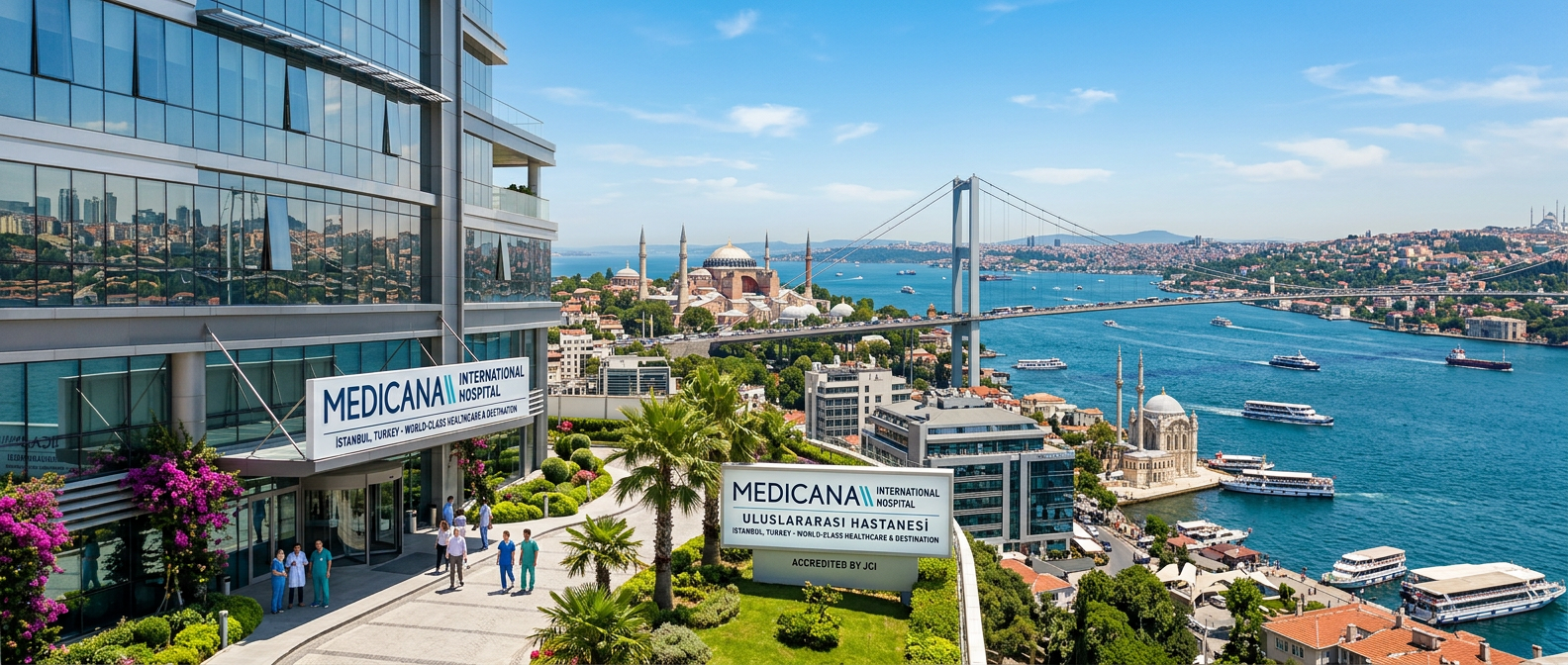
2. Understanding Medical Tourism in Turkey: A Deep Dive into Services and Infrastructure
Medical tourism in Turkey is not merely about cost savings; it's about accessing a sophisticated healthcare ecosystem designed to cater to international patients. This section will provide a detailed explanation of the types of treatments available and the robust infrastructure that supports this burgeoning industry.
Popular Medical Specialties and Treatments
Turkey's medical tourism sector is incredibly diverse, offering a wide array of treatments across numerous specialties. The most sought-after procedures include:
- Hair Transplantation: Turkey is globally recognized as the capital of hair transplantation, particularly for FUE (Follicular Unit Extraction) and DHI (Direct Hair Implantation) techniques. Clinics in Istanbul, in particular, perform thousands of successful procedures annually, attracting patients from all corners of the world due to their expertise, advanced technology, and competitive pricing.
- Dental Treatments: From routine check-ups and cleanings to complex dental implants, veneers, crowns, and full mouth restorations, Turkish dentists offer comprehensive solutions. The quality of materials, advanced diagnostic tools, and cosmetic dentistry expertise are major draws.
- Plastic and Aesthetic Surgery: Procedures like rhinoplasty (nose job), breast augmentation/reduction, liposuction, tummy tucks, facelifts, and BBL (Brazilian Butt Lift) are highly popular. Turkish plastic surgeons are known for their artistic approach and ability to deliver natural-looking results.
- Ophthalmology (Eye Care): Laser eye surgery (LASIK, PRK), cataract surgery, and treatments for various eye conditions are performed with high success rates using the latest laser technologies.
- Oncology (Cancer Treatment): Turkey offers advanced cancer treatments, including chemotherapy, radiation therapy (IMRT, SBRT), immunotherapy, and surgical oncology, often incorporating multidisciplinary approaches and personalized treatment plans.
- Cardiology and Cardiovascular Surgery: Complex heart surgeries, angioplasty, stent placement, and bypass surgeries are performed in highly equipped cardiac centers with excellent outcomes.
- Orthopedics: Joint replacements (hip, knee), spinal surgeries, and sports injury treatments are common, with many clinics specializing in minimally invasive techniques.
- IVF and Fertility Treatments: Turkey has a strong reputation for fertility clinics offering a range of services, including IVF, ICSI, egg freezing, and genetic screening, with high success rates.
- Organ Transplantation: Turkey is one of the few countries where organ transplantation (kidney, liver, bone marrow) is performed for international patients, adhering to strict ethical guidelines.
- Bariatric Surgery: Procedures like gastric sleeve and gastric bypass are offered for weight loss, supported by comprehensive pre- and post-operative care programs.
- Thermal Tourism and Wellness: Beyond acute medical care, Turkey's rich natural hot springs offer therapeutic benefits for various conditions, integrating medical treatment with wellness and rehabilitation.
The Turkish Healthcare Infrastructure
The backbone of Turkey's success in medical tourism is its robust and rapidly evolving healthcare infrastructure.
- Modern Hospitals and Clinics: Turkey boasts over 1,500 hospitals, a significant number of which are private, state-of-the-art facilities designed with international patients in mind. These hospitals feature modern architecture, spacious patient rooms, advanced diagnostic imaging centers, and fully equipped operating theaters.
- Accreditation and Quality Standards: A substantial number of Turkish hospitals hold international accreditations, most notably from the Joint Commission International (JCI). Turkey ranks second globally in the number of JCI-accredited hospitals, a testament to its commitment to global standards of patient safety and quality of care. This accreditation ensures that hospitals meet rigorous benchmarks for patient care, infection control, facility management, and staff qualifications.
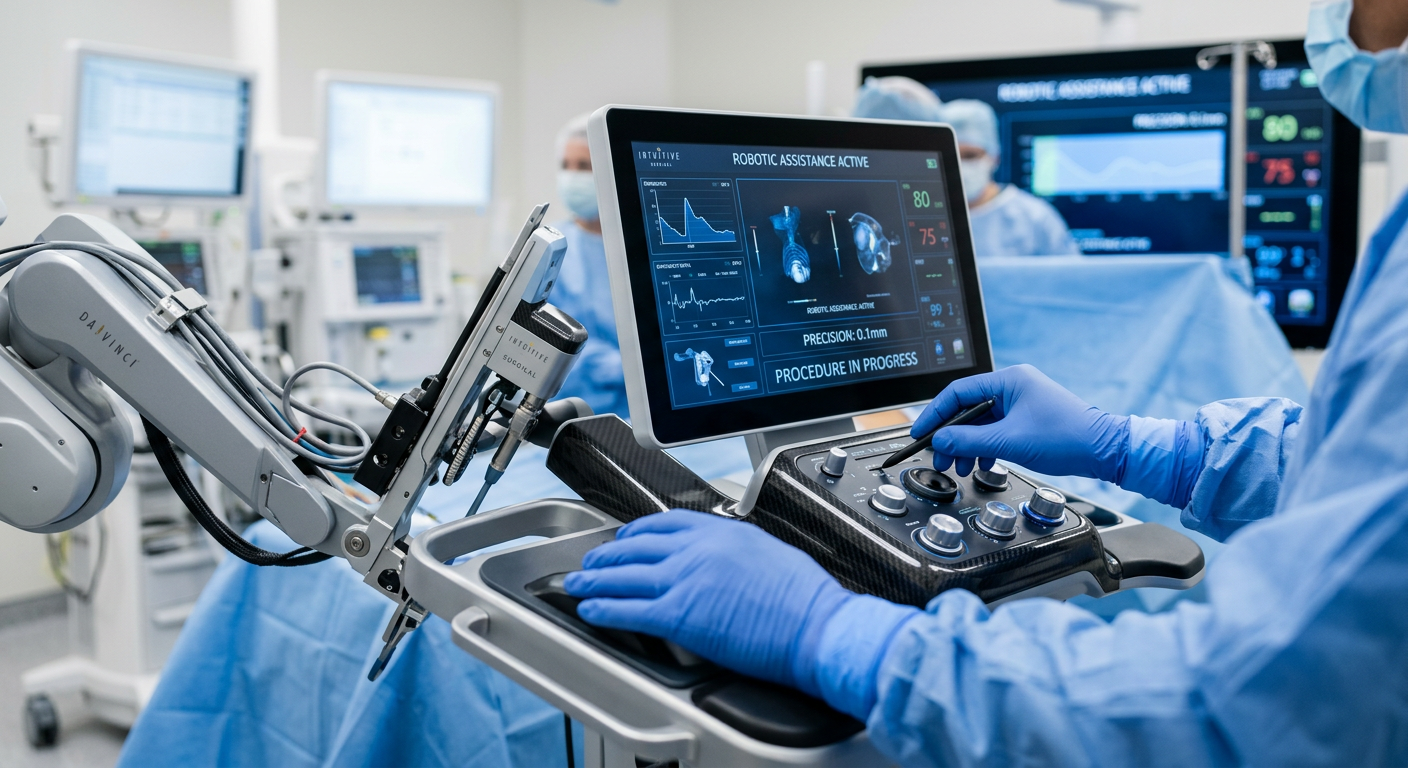
- Technological Advancement: Turkish clinics and hospitals are equipped with the latest medical technologies, including robotic surgery systems (e.g., Da Vinci Surgical System), advanced imaging modalities (MRI, CT, PET-CT), linear accelerators for radiation therapy, and sophisticated laboratory equipment. This commitment to technology ensures precise diagnostics and effective treatments.
- Highly Qualified Medical Professionals: Turkish doctors, surgeons, and nurses are highly educated and often receive training from prestigious universities both in Turkey and abroad (Europe, USA). Many are members of international medical associations, participate in global conferences, and publish in peer-reviewed journals, staying at the forefront of medical advancements.
- Government Support and Regulation: The Turkish government actively supports the medical tourism sector through various initiatives, including promoting international patient services, establishing specialized departments within hospitals for foreign patients, and implementing regulations to ensure quality and safety. The Ministry of Health plays a crucial role in overseeing and licensing healthcare facilities.
- Patient-Centric Services: Recognizing the unique needs of international patients, many Turkish hospitals offer comprehensive services such as dedicated international patient departments, multilingual staff, translation services, airport transfers, accommodation arrangements, and visa assistance. This holistic approach aims to minimize stress and maximize comfort for patients traveling from afar.
This sophisticated infrastructure, combined with a wide range of specialized treatments, positions Turkey as an undeniable leader in the global medical tourism landscape.
3. Your Step-by-Step Medical Journey in Turkey
Embarking on a medical journey abroad requires careful planning and a clear understanding of the process. This section outlines a typical step-by-step journey for patients considering medical treatment Turkey planning, from initial inquiry to post-treatment follow-up.
Step 1: Initial Consultation and Treatment Planning
This is the foundational stage where your medical journey begins.
- Initial Inquiry and Information Gathering: Your first step is to reach out to a reputable medical tourism facilitator like Clyna. You'll typically provide basic information about your desired treatment, medical history, and any specific concerns. Clyna's platform allows you to Browse Clinics and submit your initial request.
- Medical Document Submission: You will be asked to provide relevant medical records. This usually includes recent test results, diagnostic images (X-rays, MRIs, CT scans), doctor's reports, a summary of your medical history, and a list of current medications. Ensure these documents are in English or professionally translated.
- Remote Consultation with Turkish Specialists: Based on your medical records, Clyna will connect you with qualified specialists from our network of top Turkish clinics. These doctors will review your case and provide a preliminary treatment plan, including recommended procedures, expected outcomes, potential risks, and a detailed cost estimate. This consultation can often be conducted virtually via video call.
- Personalized Treatment Plan and Quote: You will receive a comprehensive treatment proposal. This plan should clearly outline the proposed procedure(s), the duration of stay required, the specific clinic and surgeon, and a transparent breakdown of all costs (medical fees, accommodation, transfers, interpreter services, etc.). This is your opportunity to ask as many questions as needed to fully understand your options.
- Decision Making: Take your time to review the proposal, discuss it with your family or local doctor, and compare it with other options. Clyna's patient advisors are available to answer any further questions and provide unbiased guidance. Once you are comfortable and confident, you can confirm your decision to proceed.
Step 2: Pre-Travel and Pre-Treatment Preparation
Once you've decided to proceed, the focus shifts to logistics and pre-treatment requirements.
- Travel Arrangements:
- Passport and Visa: Ensure your passport is valid for at least six months beyond your intended stay. Check Turkey's visa requirements for your nationality well in advance. Many countries have visa-free access or can obtain an e-visa online.
- Flights: Book your flights to the most convenient international airport (e.g., Istanbul Airport (IST), Sabiha Gökçen Airport (SAW) for Istanbul; Antalya Airport (AYT) for Antalya).
- Accommodation: Your medical tourism package often includes accommodation (hotel or serviced apartment) arranged by the clinic or facilitator. Confirm the details and proximity to the clinic.
- Transfers: Most packages include VIP airport transfers and daily transfers between your accommodation and the clinic/hospital.
- Medical Preparations:
- Pre-Operative Instructions: Your doctor will provide specific instructions regarding diet, medication adjustments (e.g., stopping blood thinners), smoking, and alcohol consumption before your procedure. Adhere to these strictly.
- Local Medical Check-up (if required): In some cases, your Turkish doctor might request specific tests to be done in your home country before travel.
- Pack Medical Documents: Carry all original medical records, prescriptions, and contact information for your local doctor.
- Financial Preparations:
- Payment: Understand the payment schedule (deposit, final payment). Most clinics accept international bank transfers, credit cards, or cash.
- Travel Insurance: Consider purchasing comprehensive travel insurance that includes medical emergencies and trip cancellation. Some specialized medical tourism insurance options are also available.
- Personal Preparations:
- Packing: Pack comfortable clothing, essential toiletries, any personal medications, and entertainment for your recovery period.
- Communication: Ensure your phone is set up for international roaming or plan to purchase a local SIM card upon arrival.
Step 3: Arrival, Admission, and Procedure
This is the core of your medical journey.
- Arrival in Turkey: Upon arrival at the airport, you will typically be met by a designated driver for your transfer to your accommodation.
- Initial Clinic Visit and In-Person Consultation: The day before your procedure (or on the day itself, depending on the treatment), you will have an in-person consultation with your surgeon and medical team. This is a crucial opportunity to discuss the treatment plan again, ask any last-minute questions, and undergo final pre-operative examinations (blood tests, ECG, etc.).
- Hospital/Clinic Admission: On the day of your procedure, you will be admitted to the hospital or clinic. The international patient coordinator or interpreter will assist you with the admission process, ensuring all paperwork is completed smoothly.
- The Procedure: The medical team will prepare you for the procedure. Anesthesia will be administered, and the surgery or treatment will be performed by your chosen specialist.
- Immediate Post-Operative Care: After the procedure, you will be monitored closely in a recovery room. The duration of your hospital stay will depend on the complexity of the treatment.
Step 4: Post-Procedure Care and Recovery
Recovery is a critical phase for optimal results.
- Hospital Stay and Monitoring: During your hospital stay, nurses and doctors will monitor your vital signs, manage pain, and provide initial wound care. You will receive detailed instructions for post-operative care.
- Discharge and Accommodation: Once medically cleared, you will be discharged and transferred back to your accommodation. Your international patient coordinator will ensure you have all necessary medications, follow-up appointments, and contact information.
- Local Recovery Period: This period is crucial for healing. You will attend follow-up appointments at the clinic for wound checks, dressing changes, and removal of stitches (if applicable). Adhere strictly to all post-operative instructions regarding activity levels, diet, medication, and hygiene. Many patients use this time to explore local sights if their condition allows, or simply relax and recuperate.
- Interpreter Services: Throughout your stay, an interpreter will facilitate communication between you and the medical staff, ensuring you understand all instructions and can express any concerns.
Step 5: Return Home and Ongoing Follow-up
Your journey doesn't end when you leave Turkey.
- Final Check-up and Medical Report: Before your departure, you will have a final check-up with your surgeon. You will receive a comprehensive medical report detailing your procedure, post-operative instructions, and any necessary prescriptions.
- Travel Back Home: Once cleared for travel, you will be transferred to the airport for your return flight.
- Remote Follow-up: Many Turkish clinics offer remote follow-up consultations via video call or email after you return home. This allows you to discuss your recovery progress, ask questions, and receive ongoing guidance from your Turkish medical team.
- Local Doctor Communication: It's advisable to share your medical report with your local doctor upon your return, ensuring continuity of care.
By understanding each step of this comprehensive process, you can approach your medical treatment Turkey planning with confidence and clarity, knowing what to expect at every turn.
4. Unparalleled Benefits and Advantages of Medical Treatment in Turkey
Turkey's meteoric rise as a global medical tourism destination is no accident. It's the result of a deliberate strategy, significant investment, and a unique combination of factors that offer distinct advantages to international patients. When considering medical tourism Turkey, these benefits stand out prominently.
Cost-Effectiveness Without Compromising Quality
One of the most compelling reasons patients choose Turkey is the significant cost savings. Procedures that might be prohibitively expensive in Western countries are offered at a fraction of the price in Turkey, often without the long waiting lists. These savings, typically ranging from 50% to 70%, are not due to lower quality but rather to lower operational costs, favorable exchange rates, and government incentives for the medical tourism sector. This affordability makes high-quality care accessible to a broader demographic.
World-Class Quality and Accreditation
Turkey is home to a remarkable number of hospitals and clinics that meet stringent international quality standards. The most prominent accreditation is from the Joint Commission International (JCI), a US-based organization that certifies healthcare organizations worldwide for patient safety and quality of care. Turkey ranks second globally in the number of JCI-accredited hospitals, with over 50 facilities holding this prestigious certification. This means that these hospitals adhere to the same rigorous protocols and benchmarks as leading hospitals in the US and Europe, ensuring patient safety medical tourism Turkey is a top priority. Beyond JCI, many clinics also hold ISO certifications, further demonstrating their commitment to quality management systems.
Highly Experienced and Internationally Trained Surgeons
Turkish medical professionals are highly skilled and experienced. Many surgeons and specialists have received their education and training in Europe or the United States, bringing a global perspective and advanced techniques to their practice. They are often members of international medical associations, regularly attend global conferences, and contribute to medical research. This exposure to diverse medical environments ensures that patients receive care from practitioners who are at the forefront of their respective fields. The sheer volume of procedures performed, especially in specialties like hair transplantation and aesthetic surgery, means Turkish surgeons gain unparalleled practical experience.
State-of-the-Art Technology and Facilities
The Turkish healthcare sector has invested heavily in modern infrastructure and cutting-edge medical technology. Hospitals and clinics are equipped with the latest diagnostic tools (e.g., 3T MRI, 256-slice CT scanners, PET-CT), advanced surgical equipment (e.g., robotic surgery systems like Da Vinci, high-definition endoscopic systems), and sophisticated treatment modalities (e.g., advanced radiation therapy machines, hybrid operating rooms). This commitment to technological advancement ensures accurate diagnoses, minimally invasive procedures, and effective treatments, contributing significantly to positive patient outcomes.
Geographic Accessibility and Strategic Location
Turkey's unique geographical position, bridging Europe and Asia, makes it easily accessible from a vast number of countries. Major cities like Istanbul and Antalya are served by numerous international airlines, offering direct flights from Europe, the Middle East, North Africa, and even parts of Asia and North America. The relatively short flight times and efficient visa processes (many nationalities are visa-free or can obtain an e-visa) significantly reduce the logistical burden of international travel for medical purposes.
Integrated Tourism and Recovery Experience
One of Turkey's unique selling points is the seamless integration of medical treatment with a rich cultural and leisure experience. Patients often combine their medical journey with a vacation, allowing them to recover in a beautiful and stimulating environment. From the historical wonders of Istanbul to the Mediterranean beaches of Antalya or the therapeutic thermal springs of Izmir, Turkey offers diverse options for relaxation and recuperation. This "med-holiday" approach can significantly enhance the patient's overall well-being and recovery process.

Cultural Hospitality and Patient-Centric Care
Turkish culture is renowned for its hospitality, warmth, and emphasis on guest satisfaction. This translates into a highly patient-centric approach in healthcare. International patient departments in Turkish hospitals are specifically designed to cater to the needs of foreign visitors, offering multilingual staff, dedicated patient coordinators, translation services, and assistance with all non-medical logistics (accommodation, transfers, local guidance). The goal is to make patients feel comfortable, understood, and well-cared for throughout their stay.
Key Medical Hubs: Istanbul, Antalya, and Beyond
While medical facilities are spread across the country, certain cities have emerged as prominent medical tourism hubs, each with its own specialties:
- Istanbul: As the largest city and a global metropolis, Istanbul is the undisputed capital of medical tourism Turkey. It offers the widest range of specialties, particularly excelling in hair transplantation, plastic surgery, dental treatments, ophthalmology, and complex surgeries. Its two international airports provide unparalleled connectivity.
- Antalya: Located on the Mediterranean coast, Antalya is famous for its stunning beaches and resorts, making it an ideal destination for patients seeking a more relaxed recovery environment. It is particularly strong in dental tourism, aesthetic procedures, and eye surgeries, often combining treatment with a holiday experience.
- Ankara: The capital city, Ankara, hosts many reputable university hospitals and research centers, making it a strong contender for more complex medical procedures and specialized treatments, including oncology and organ transplantation.
- Izmir: Situated on the Aegean coast, Izmir is known for its thermal springs and wellness tourism, alongside offering quality general medical and dental services.
These advantages collectively make Turkey an incredibly attractive and reliable choice for anyone considering medical treatment Turkey planning. The combination of affordability, quality, expertise, and a welcoming environment creates a truly unique and beneficial medical tourism experience.
5. Cost Comparison: Turkey vs. Western Countries
One of the most significant drivers for patients choosing medical tourism Turkey is the substantial cost savings. While the quality of care and technology often matches or exceeds that in Western nations, the prices for procedures can be dramatically lower. This section provides a comparative overview of typical cost ranges for popular medical treatments in Turkey versus Germany, the UK, and the US (all figures are approximate and can vary based on clinic, surgeon's experience, complexity of the case, and included services).
Disclaimer: These figures are estimates and represent average ranges. Actual costs can vary significantly. It's crucial to obtain a personalized quote from your chosen clinic or through a facilitator like Clyna for an accurate assessment. The costs in Turkey often include comprehensive packages (consultation, procedure, medication, accommodation, transfers, interpreter), while in Western countries, these might be billed separately or not included.
| Procedure | Turkey (EUR) | Germany (EUR) | UK (EUR) | US (EUR) |
|---|---|---|---|---|
| Hair Transplant (FUE) | €1,800 - €4,500 | €4,000 - €10,000 | €4,500 - €12,000 | €6,000 - €15,000 |
| Dental Implants (per implant) | €400 - €800 | €1,500 - €3,000 | €1,800 - €3,500 | €2,500 - €5,000 |
| Porcelain Veneers (per tooth) | €200 - €400 | €600 - €1,200 | €700 - €1,500 | €1,000 - €2,000 |
| Rhinoplasty (Nose Job) | €2,500 - €5,500 | €4,000 - €8,000 | €5,000 - €9,000 | €6,000 - €12,000 |
| Breast Augmentation | €3,000 - €6,000 | €5,000 - €9,000 | €6,000 - €10,000 | €7,000 - €15,000 |
| Liposuction (1 area) | €1,500 - €3,500 | €3,000 - €6,000 | €3,500 - €7,000 | €4,000 - €8,000 |
| Gastric Sleeve Surgery | €3,500 - €7,000 | €8,000 - €15,000 | €9,000 - €18,000 | €12,000 - €25,000 |
| LASIK Eye Surgery (both eyes) | €800 - €1,800 | €1,500 - €3,000 | €1,800 - €3,500 | €2,000 - €4,000 |
| IVF Treatment Cycle | €2,500 - €4,500 | €4,000 - €8,000 | €5,000 - €10,000 | €8,000 - €15,000 |
| Hip Replacement Surgery | €7,000 - €12,000 | €15,000 - €25,000 | €18,000 - €30,000 | €25,000 - €50,000 |
| Cardiac Bypass Surgery | €10,000 - €20,000 | €25,000 - €45,000 | €30,000 - €50,000 | €40,000 - €100,000 |
As you can see from the table, the cost differential is substantial across almost all procedures. For example, a hair transplant in Turkey can be 2-3 times cheaper than in Germany or the UK, and even more affordable compared to the US. Similarly, major surgeries like hip replacement or cardiac bypass can offer savings of 50-70%.
These significant savings allow patients to access high-quality care that might otherwise be financially out of reach, or to allocate funds towards a more comfortable recovery experience, extended stay, or even combining their treatment with a well-deserved holiday. This cost-effectiveness, coupled with the high standards of care, solidifies Turkey's position as a leading destination for medical tourism Turkey.
6. How to Choose the Right Medical Clinic in Turkey: A Critical Guide
Choosing the right medical clinic is arguably the most crucial step in your medical treatment Turkey planning. It directly impacts your safety, the quality of your treatment, and your overall experience. With numerous clinics vying for international patients, knowing how to choose a medical clinic Turkey effectively is paramount. This section provides a detailed framework to guide your decision-making process.
Essential Criteria for Clinic Selection
- Accreditation and Certifications: This is non-negotiable. Look for international accreditations like Joint Commission International (JCI). JCI accreditation signifies that the hospital or clinic meets stringent global standards for patient safety and quality of care. Also, check for ISO certifications (e.g., ISO 9001 for quality management). These external validations are strong indicators of a clinic's commitment to excellence.
- Surgeon's Qualifications and Experience:
- Board Certification: Ensure your surgeon is board-certified in their specialty. This indicates they have met rigorous educational and training standards.
- Experience: Inquire about the surgeon's experience with the specific procedure you need. How many times have they performed it? What are their success rates?
- Specialization: Choose a surgeon who specializes in your particular treatment area. A general surgeon might not have the same expertise as a specialist.
- International Training/Affiliations: Surgeons with international training or affiliations with global medical societies often bring a broader perspective and advanced techniques.
- Technology and Facilities:
- Modern Equipment: The clinic should be equipped with state-of-the-art diagnostic and surgical technology. Ask about the specific equipment used for your procedure.
- Operating Room Standards: Ensure the operating rooms meet international sterile environment standards.
- Intensive Care Unit (ICU): For complex surgeries, confirm the availability of a well-equipped ICU and experienced critical care staff.
- Patient Safety Protocols:
- Infection Control: Inquire about their infection prevention and control measures.
- Anesthesia Safety: Understand the qualifications of the anesthesiologist and the safety protocols for anesthesia administration.
- Emergency Preparedness: The clinic should have clear protocols for managing medical emergencies.
- Transparency in Pricing and Services:
- All-Inclusive Packages: Reputable clinics and facilitators offer transparent, all-inclusive packages that cover medical fees, hospital stay, medications, accommodation, transfers, and interpreter services.
- No Hidden Costs: Ensure there are no hidden fees. Get a detailed breakdown of costs in writing.
- Communication and Language Support:
- Multilingual Staff: The clinic should have dedicated international patient coordinators and interpreters who can communicate fluently in your language.
- Clear Communication: Ensure all pre-operative instructions, post-operative care plans, and consent forms are clearly explained and understood.
- Patient Reviews and Testimonials:
- Independent Platforms: Look for reviews on independent platforms (e.g., Google Reviews, Trustpilot, dedicated medical tourism forums).
- Before & After Photos: For aesthetic procedures, request to see a portfolio of the surgeon's previous work.
- Video Testimonials: These can offer a more authentic insight into patient experiences.
- Post-Operative Care and Follow-up:
- Comprehensive Aftercare Plan: The clinic should provide a detailed post-operative care plan, including medication schedules, activity restrictions, and wound care instructions.
- Remote Follow-up: Inquire about options for remote follow-up consultations once you return home.
Key Certifications and Accreditations to Look For
- Joint Commission International (JCI): The gold standard for international healthcare accreditation. A JCI-accredited facility has undergone rigorous evaluation and meets global benchmarks for quality and patient safety.
- ISO Certifications (e.g., ISO 9001:2015): These indicate a commitment to quality management systems across various aspects of the clinic's operations.
- Turkish Ministry of Health Licensing: Ensure the clinic is fully licensed and regulated by the Turkish Ministry of Health.
Understanding the Role of Medical Tourism Facilitators like Clyna
Navigating the complexities of medical tourism Turkey can be overwhelming. This is where a reputable facilitator like Clyna becomes invaluable.
- Vetting and Network: Clyna pre-screens and partners only with top-tier, accredited clinics and experienced surgeons in Turkey. We do the heavy lifting of due diligence for you, ensuring you connect with reliable providers.
- Personalized Matching: Based on your medical needs, preferences, and budget, Clyna matches you with the most suitable clinics and specialists.
- Comprehensive Support: We assist with every step: obtaining quotes, reviewing treatment plans, arranging virtual consultations, coordinating travel logistics (flights, accommodation, transfers), providing interpreters, and offering ongoing support throughout your journey.
- Advocacy and Peace of Mind: Clyna acts as your advocate, ensuring transparency, addressing concerns, and providing a layer of security, significantly enhancing patient safety medical tourism Turkey.
Red Flags and Warning Signs to Avoid
Be cautious of clinics or facilitators that exhibit any of the following:
- Unrealistic Promises: Be wary of guarantees of "perfect results" or claims that sound too good to be true. All medical procedures carry inherent risks.
- Lack of Transparency: Avoid clinics that are vague about pricing, treatment plans, or surgeon qualifications.
- Pressure Sales Tactics: A reputable clinic will give you ample time to make an informed decision without undue pressure.
- No Pre-Operative Consultation: Insist on a thorough consultation with the actual surgeon who will perform your procedure, even if it's virtual initially.
- Poor Communication: If communication is difficult, slow, or unclear from the outset, it's a warning sign.
- Lack of Accreditation: If a clinic cannot provide evidence of reputable accreditations (like JCI), proceed with extreme caution.
- Requiring Full Payment Upfront: While a deposit is standard, be wary of demands for full payment far in advance without clear terms and conditions.
By meticulously evaluating these criteria and leveraging the expertise of platforms like Clyna, you can confidently choose the right medical clinic in Turkey, ensuring a safe, effective, and positive medical tourism experience.
7. Before Treatment: Your Comprehensive Preparation Checklist
Thorough preparation is key to a smooth and stress-free medical treatment Turkey planning. This checklist covers essential aspects to address before you depart for Turkey, ensuring you're ready for your medical journey.
Medical Documentation and History
- Compile All Relevant Medical Records: Gather all previous diagnostic reports (X-rays, MRIs, CT scans, ultrasounds), blood test results, pathology reports, doctor's notes, discharge summaries, and a list of any chronic conditions or allergies.
- Medication List: Prepare a comprehensive list of all medications you are currently taking, including prescription drugs, over-the-counter medications, supplements, and herbal remedies. Include dosages and frequency.
- Vaccination Records: Ensure your routine vaccinations are up-to-date.
- Dental Records (if applicable): For dental treatments, bring any previous dental X-rays or records.
- Translation: Ensure all critical medical documents are translated into English. Your medical tourism facilitator can often assist with this.
- Emergency Contact Information: Have contact details for your local doctor and emergency contacts readily available.
Travel Logistics: Passport, Visa, and Flights
- Valid Passport: Ensure your passport is valid for at least six months beyond your intended return date.
- Visa Requirements: Check the visa requirements for Turkish entry based on your nationality. Many countries are visa-exempt or can obtain an e-visa online through the official Turkish government portal. Apply well in advance if a visa is required.
- Flight Bookings: Book your round-trip flights to the appropriate international airport (e.g., Istanbul (IST/SAW), Antalya (AYT)). Confirm baggage allowances, especially if you anticipate needing extra space for medical supplies or souvenirs.
- Travel Insurance: Purchase comprehensive travel insurance that covers medical emergencies, trip cancellation, and ideally, specific medical tourism coverage. Review the policy carefully to understand what is covered.
- Airport Transfers: Confirm that your clinic or facilitator has arranged airport transfers upon arrival and departure.
Accommodation and Local Transportation
- Accommodation Details: Confirm your hotel or serviced apartment booking, including check-in/check-out dates, address, and contact information. Ensure it's conveniently located near your clinic.
- Clinic Transfers: Verify that daily transfers between your accommodation and the clinic/hospital for appointments and procedures are arranged.
- Local SIM Card/Roaming: Plan for communication. Either activate international roaming on your phone or plan to purchase a local Turkish SIM card upon arrival (available at airports or mobile provider stores).
Financial Planning and Payment Methods
- Payment Schedule: Understand the clinic's payment schedule (e.g., deposit, final payment).
- Payment Methods: Confirm accepted payment methods (bank transfer, credit card, cash). Be aware of any transaction fees for international payments.
- Currency: Turkey uses the Turkish Lira (TL). While EUR and USD are often accepted for medical payments, you'll need local currency for daily expenses. Plan to exchange some currency or use ATMs.
- Budget for Incidentals: Allocate extra funds for meals, personal expenses, local sightseeing (if permitted), and any unforeseen needs.
Communication and Language Support
- Interpreter Services: Confirm that an interpreter will be available for all critical medical consultations and procedures.
- Contact Information: Have the contact details of your international patient coordinator, interpreter, and clinic readily accessible.
- Basic Turkish Phrases (Optional): Learning a few basic Turkish phrases (hello, thank you, please) can enhance your experience, though English is widely spoken in medical tourism settings.
Personal Items and Comfort
- Comfortable Clothing: Pack loose, comfortable clothing, especially for post-operative recovery.
- Personal Toiletries: Bring your preferred toiletries, as some specific brands might not be readily available.
- Entertainment: Pack books, e-readers, tablets, or other forms of entertainment for your recovery period.
- Adapter/Converter: Bring a universal travel adapter if your electronic devices have different plug types (Turkey uses Type F and Type C sockets, 230V).
- Medications: Bring a sufficient supply of any personal medications you take regularly, along with their prescriptions.
- Snacks: Pack some non-perishable snacks for your journey and initial days, especially if you have dietary restrictions.
Pre-Treatment Medical Instructions
- Dietary Restrictions: Adhere strictly to any dietary guidelines provided by your surgeon (e.g., fasting before surgery).
- Medication Adjustments: Follow instructions regarding stopping or adjusting medications, particularly blood thinners or certain supplements, before surgery.
- Smoking/Alcohol: Abstain from smoking and alcohol for the recommended period before and after your procedure, as these can impair healing.
- Hygiene: Follow any specific hygiene instructions, such as using antiseptic washes before surgery.
By diligently working through this checklist, you can significantly reduce anxiety and ensure a well-organized and positive experience for your medical treatment Turkey planning.
8. After Treatment: Your Recovery Timeline and Post-Operative Care
The recovery phase is as crucial as the procedure itself for achieving optimal results and ensuring patient safety medical tourism Turkey. While specific recovery timelines vary greatly depending on the type and complexity of the treatment, this section provides a general overview of what to expect during your post-operative period in Turkey and upon your return home.
Immediate Post-Operative Period (Day 1-3)
- Hospital Stay: For most surgical procedures, you will spend at least one night, and often several days, in the hospital. During this time, medical staff will closely monitor your vital signs, pain levels, and any immediate post-operative complications.
- Pain Management: You will receive medication to manage pain and discomfort. Do not hesitate to communicate your pain levels to the nursing staff.
- Wound Care: Initial wound dressings will be applied, and nurses will provide basic wound care. You'll receive instructions on how to care for your wound once discharged.
- Mobility: Depending on the procedure, you may be encouraged to start gentle movement (e.g., walking short distances) to prevent complications like blood clots.
- Diet: You'll gradually progress from clear liquids to soft foods, then to a regular diet as tolerated.
- Discharge: Once your medical team deems you stable and safe to leave, you will be discharged from the hospital and transferred back to your accommodation. You will receive a discharge summary, prescriptions, and detailed post-operative instructions.
Early Recovery Phase (Week 1-2)
- Rest and Recuperation: This period is primarily focused on rest. Avoid strenuous activities, heavy lifting, and excessive exertion.
- Follow-up Appointments: You will have scheduled follow-up appointments at the clinic. These are crucial for the surgeon to check your healing progress, remove stitches or drains (if applicable), and address any concerns.
- Medication Adherence: Continue taking prescribed medications (antibiotics, pain relievers) as directed.
- Wound Care: Meticulously follow the wound care instructions provided by your medical team to prevent infection and promote proper healing.
- Swelling and Bruising: Expect some swelling, bruising, and discomfort, which will gradually subside. Cold compresses can often help.
- Diet and Hydration: Maintain a healthy diet rich in nutrients and stay well-hydrated to support the healing process.
- Light Activity: Depending on the procedure, you may be cleared for light walks or gentle activities.
Mid-Term Recovery (Week 3-6)
- Increased Activity: As healing progresses, you can gradually increase your activity levels, but still avoid anything strenuous without your doctor's approval.
- Reduced Swelling/Bruising: Most significant swelling and bruising should have resolved, though some subtle swelling might persist for longer.
- Scar Care: If applicable, your doctor might recommend specific scar care techniques (e.g., massage, silicone sheets) to minimize scarring.
- Return to Work/Normal Activities: Depending on the nature of your job and the procedure, you may be cleared to return to work or resume more normal daily activities.
- Physical Therapy (if needed): For orthopedic or reconstructive surgeries, physical therapy might begin during this phase to regain strength and mobility.
Long-Term Recovery and Follow-up
- Full Recovery: Complete healing can take several months to a year, especially for major surgeries. Be patient with your body's healing process.
- Remote Follow-up: Many Turkish clinics offer remote follow-up consultations via video call or email. Take advantage of these to discuss your progress and address any lingering questions with your surgeon.
- Communication with Local Doctor: Share your comprehensive medical report and post-operative instructions with your local primary care physician upon your return. This ensures continuity of care and allows your local doctor to monitor your long-term recovery.
- Lifestyle Adjustments: For procedures like bariatric surgery, long-term lifestyle changes in diet and exercise are essential for sustained results.
General Recovery Guidelines
- Listen to Your Body: Pay attention to any unusual pain, fever, redness, or discharge from the wound, and report it immediately to your medical team.
- Stay Hydrated: Drink plenty of water.
- Eat Nutritious Foods: A balanced diet aids healing.
- Avoid Smoking and Alcohol: These can significantly impair healing and increase complication risks.
- Follow All Instructions: Adhere strictly to all post-operative instructions regarding medication, activity, and wound care.
- Manage Expectations: Understand that recovery is a process, and results may not be immediately apparent or perfect.
By diligently following these guidelines and maintaining open communication with your medical team, you can optimize your recovery and ensure the best possible outcome from your medical treatment Turkey planning.
9. Risks, Potential Complications, and How to Minimize Them
While medical tourism Turkey offers numerous advantages, it's crucial to approach any medical procedure with a clear understanding of potential risks and complications. Being informed and taking proactive steps to minimize these risks is a cornerstone of ensuring patient safety medical tourism Turkey.
General Medical Risks
All medical procedures, whether performed at home or abroad, carry inherent risks. These can include:
- Infection: Any surgical incision carries a risk of infection, which can range from superficial to deep-seated.
- Bleeding/Hematoma: Excessive bleeding during or after surgery, or the formation of a blood clot (hematoma), can occur.
- Anesthesia Complications: Adverse reactions to anesthesia, though rare, can range from nausea to severe allergic reactions or respiratory issues.
- Nerve Damage: Temporary or permanent nerve damage can occur, leading to numbness, tingling, or weakness.
- Scarring: All surgical incisions result in some form of scarring, though techniques are used to minimize their appearance.
- Unsatisfactory Aesthetic Outcome: For cosmetic procedures, there's always a subjective risk that the final result may not fully meet personal expectations.
- Deep Vein Thrombosis (DVT) / Pulmonary Embolism (PE): Blood clots can form in the legs (DVT) and potentially travel to the lungs (PE), especially after prolonged immobility.
- Allergic Reactions: Reactions to medications, sutures, or other materials used during the procedure.
Risks Specific to Medical Tourism
Beyond general medical risks, seeking treatment abroad introduces additional considerations:
- Communication Barriers: Misunderstandings can arise if there's a language barrier between the patient and medical staff, even with interpreters.
- Continuity of Care: Coordinating follow-up care with your local doctor after returning home can sometimes be challenging if communication between the Turkish clinic and your local physician is not seamless.
- Travel-Related Complications: Long flights, especially after surgery, can increase the risk of DVT or other travel-related health issues.
- Legal Recourse: In the rare event of medical malpractice or a dispute, seeking legal recourse in a foreign country can be complex and expensive.
- Unforeseen Complications After Returning Home: If a complication arises after you've returned to your home country, managing it remotely or having to travel back can be difficult and costly.
- Lack of Familiarity with Local Healthcare System: Navigating a foreign healthcare system can be confusing without adequate support.
Strategies to Minimize Risks
Proactive measures can significantly mitigate these risks, ensuring a safer and more successful medical tourism Turkey experience.
-
Thorough Research and Vetting:
- Choose Accredited Clinics: Prioritize clinics with international accreditations like JCI. This is the single most important step for ensuring quality and safety.
- Verify Surgeon Credentials: Confirm your surgeon's board certification, experience, and specialization in your procedure.
- Read Reviews: Consult independent patient reviews and testimonials.
- Utilize a Reputable Facilitator: Platforms like Clyna meticulously vet clinics and surgeons, providing an added layer of security and expertise in how to choose a medical clinic Turkey.
-
Clear and Comprehensive Communication:
- Ask Questions: Do not hesitate to ask your surgeon, clinic, or facilitator any questions, no matter how small. Ensure you fully understand the procedure, risks, benefits, and recovery process.
- Provide Full Medical History: Be completely honest and thorough when providing your medical history, including all medications, allergies, and pre-existing conditions.
- Use Interpreters: Always use professional interpreters for critical discussions if there's any language barrier.
- Get Everything in Writing: Ensure treatment plans, cost breakdowns, and consent forms are clear and in writing.
-
Pre-Operative Preparation:
- Follow Instructions: Adhere strictly to all pre-operative instructions regarding diet, medication adjustments, smoking, and alcohol.
- Pre-Travel Check-ups: Undergo any recommended pre-travel medical check-ups in your home country.
- Travel Insurance: Invest in comprehensive medical travel insurance that covers potential complications and extended stays.
-
During Your Stay in Turkey:
- Extended Stay: Plan for an adequate recovery period in Turkey before traveling home. Rushing back can increase risks.
- Adhere to Post-Operative Instructions: Diligently follow all post-operative care instructions, including medication, wound care, and activity restrictions.
- Stay Connected: Maintain open communication with your medical team and international patient coordinator. Report any unusual symptoms immediately.
- Avoid Unnecessary Activities: During your recovery, prioritize rest and avoid strenuous activities or excessive sightseeing that could compromise your healing.
-
Post-Return Home:
- Share Medical Records: Provide your local doctor with a copy of your full medical report and post-operative instructions from the Turkish clinic.
- Remote Follow-up: Utilize any remote follow-up options offered by your Turkish clinic.
- Know When to Seek Local Care: Understand when a symptom warrants immediate attention from your local doctor or emergency services.
By being informed, vigilant, and proactive, patients can significantly minimize the inherent and specific risks associated with medical treatment Turkey planning, thereby enhancing their overall safety and ensuring a positive outcome.
10. Real Patient Journey Stories: Experiences from Turkey
Hearing about the experiences of others can provide invaluable insight and reassurance when considering medical tourism Turkey. These realistic scenarios illustrate the diverse motivations and successful outcomes achieved by patients who chose Turkey for their medical treatments.
Story 1: Sarah's Smile Transformation (Dental Implants)
Sarah, a 48-year-old marketing executive from Manchester, UK, had been self-conscious about her missing teeth for years. Several dental issues in her youth had led to extractions, leaving her with gaps that affected her confidence and made eating uncomfortable. Her local dentist quoted her an exorbitant price for dental implants – over £15,000 for three implants and crowns – a sum she simply couldn't afford.
Searching online, Sarah discovered medical tourism Turkey and Clyna. She submitted her dental X-rays and a brief medical history. Within 48 hours, Clyna connected her with a highly-rated dental clinic in Antalya, known for its expertise in implantology and cosmetic dentistry. The proposed package for three high-quality dental implants, including bone grafting, crowns, accommodation for two trips, and airport transfers, came to just €4,500 – a fraction of the UK cost.
Sarah was initially apprehensive but impressed by the clinic's JCI accreditation and the surgeon's extensive experience, which Clyna verified. Her first trip involved the implant placement. She spent a week in Antalya, enjoying the beautiful Mediterranean weather while attending her appointments. The clinic provided a dedicated English-speaking coordinator who ensured all her questions were answered and her comfort was prioritized. After a successful surgery, she spent a few days recovering in her hotel, taking gentle walks along the beach.
Four months later, she returned for the final crowns. The results were transformative. Sarah's new smile was natural, beautiful, and fully functional. "It wasn't just about the cost," Sarah recounted. "It was the quality of care, the modern clinic, and the genuine warmth of the staff. I felt completely safe and supported. Clyna made the whole Turkey medical travel guide process so easy, from finding the right clinic to arranging everything." Sarah returned home with a radiant smile and newfound confidence, recommending Turkey to all her friends.
Story 2: Michael's Hair Restoration (FUE Hair Transplant)
Michael, a 35-year-old software engineer from Dublin, Ireland, had been experiencing significant hair loss for the past five years. His receding hairline and thinning crown were impacting his self-esteem. He researched hair transplant options in Ireland but found the costs prohibitive, often exceeding €8,000 for a single procedure, with limited availability for advanced techniques.
A friend who had successfully undergone a hair transplant in Istanbul recommended exploring medical tourism Turkey. Michael contacted Clyna, expressing his desire for a natural-looking FUE (Follicular Unit Extraction) hair transplant. Clyna provided him with profiles of several top-tier clinics in Istanbul, highlighting their surgeons' expertise and patient success rates. He chose a clinic with a strong reputation for high graft survival rates and excellent post-operative care. The all-inclusive package, covering the FUE procedure, a two-night hotel stay, airport transfers, and post-operative medications, was quoted at €2,800.
Michael flew to Istanbul, where he was met by a clinic representative. The initial consultation with the surgeon was thorough, mapping out his new hairline and discussing the expected density. The procedure itself took a full day, performed by a skilled team under the supervision of the lead surgeon. Michael found the clinic to be exceptionally clean and modern, with a professional and reassuring atmosphere.
During his recovery, he followed all instructions carefully, using the provided aftercare products. The clinic's patient coordinator checked in with him daily. "The level of care was incredible," Michael shared. "They were meticulous, and the communication was flawless. I never felt alone. The city itself was fascinating, even though I mostly stayed in my hotel to recover."
Six months later, Michael's new hair began to grow in thick and natural. A year on, he had a full head of hair, completely transforming his appearance and boosting his confidence. "It was one of the best decisions I've ever made," he said. "Clyna helped me navigate the entire medical treatment Turkey planning, ensuring I picked a reputable clinic and had a smooth journey. I felt completely secure in my choice for patient safety medical tourism Turkey."
Story 3: Elena's Orthopedic Relief (Knee Replacement)
Elena, a 62-year-old retired teacher from Berlin, Germany, suffered from severe osteoarthritis in her left knee. The pain had become debilitating, limiting her mobility and enjoyment of life. Her orthopedic surgeon in Germany recommended a total knee replacement, but the waiting list was long, and she was concerned about the high costs not fully covered by her insurance.
Elena's daughter, familiar with the concept of medical tourism Turkey, suggested looking into options abroad. They reached out to Clyna, providing Elena's MRI scans and medical history. Clyna connected them with a JCI-accredited hospital in Izmir, renowned for its orthopedic department and experienced surgeons. The comprehensive package for a total knee replacement, including hospital stay, surgeon's fees, implant costs, physical therapy sessions, and a week of post-operative hotel stay with transfers, was quoted at €10,500 – less than half the estimated cost in Germany, and with immediate availability.
Elena and her daughter traveled to Izmir. The hospital was impressive – modern, clean, and equipped with the latest technology. The orthopedic surgeon, who had trained in both Germany and the US, explained the procedure in detail, addressing all of Elena's concerns. The surgery was successful, and Elena spent five days recovering in the hospital, receiving excellent care from the nursing staff and daily visits from her surgeon.
Post-discharge, she stayed in a comfortable hotel, attending daily physical therapy sessions arranged by the clinic. "The physical therapists were amazing," Elena recalled. "They pushed me gently, and I could feel my strength returning each day. The patient coordinator was always there to translate and help with anything we needed."
After two weeks, Elena was able to walk with the aid of crutches and felt significantly less pain. She returned to Germany with a detailed medical report and a personalized physical therapy plan. "I was so worried about going abroad for such a major surgery," Elena admitted, "but the professionalism, the quality of the hospital, and the compassionate care I received were truly outstanding. Clyna's guidance throughout the medical treatment Turkey planning process was invaluable. I regained my mobility and my quality of life, thanks to medical tourism Turkey."
These stories highlight the diverse range of treatments available and the consistent theme of high-quality care, affordability, and dedicated patient support that defines the Turkey medical travel guide experience.
11. Frequently Asked Questions (FAQ)
Navigating the world of medical tourism Turkey can bring up many questions. Here, we address some of the most common concerns and inquiries from international patients, providing detailed answers to help you plan your medical treatment Turkey planning with confidence.
Q1: Is medical treatment in Turkey safe and reliable?
A1: Yes, absolutely. Turkey has invested heavily in its healthcare infrastructure, boasting modern hospitals and clinics equipped with state-of-the-art technology. Many facilities hold international accreditations, most notably from the Joint Commission International (JCI), which signifies adherence to rigorous global standards for patient safety and quality of care. Turkish surgeons are highly qualified, often internationally trained, and have extensive experience due to the high volume of procedures performed. Choosing an accredited clinic through a reputable facilitator like Clyna further enhances patient safety medical tourism Turkey.
Q2: How do I choose the right clinic and surgeon in Turkey?
A2: This is a critical step. Look for clinics with JCI or ISO accreditations. Research the surgeon's qualifications, experience, and specialization in your specific procedure. Read patient reviews and ask for before-and-after photos for aesthetic treatments. Ensure transparency in pricing and services, and that the clinic offers comprehensive patient support, including interpreters. Using a trusted platform like Clyna simplifies this process, as we pre-vet clinics and connect you with qualified specialists based on your needs. For more details, refer to our "How to Choose the Right Medical Clinic" section.
Q3: What are the typical costs of medical procedures in Turkey compared to my home country?
A3: Medical procedures in Turkey are significantly more affordable, often 50-70% less expensive than in Western Europe, the UK, or the US. This cost-effectiveness is due to lower operational costs, favorable exchange rates, and government support for the medical tourism sector, not a compromise on quality. Our "Cost Comparison" section provides detailed estimates for popular treatments.
Q4: What about language barriers? Will I be able to communicate with the medical staff?
A4: Most clinics catering to international patients have dedicated international patient departments with multilingual staff. Professional interpreters are typically provided for all critical consultations, procedures, and follow-up appointments, ensuring clear communication between you and your medical team. Clyna ensures that language support is a standard part of your package.
Q5: Do I need a visa to travel to Turkey for medical treatment?
A5: Visa requirements vary depending on your nationality. Many countries have visa-free access for short stays, while others can obtain an e-visa online through the official Turkish government website (www.evisa.gov.tr ↗) prior to travel. It's essential to check the specific requirements for your country well in advance of your trip. Your medical tourism facilitator can often provide guidance on this.
Q6: What documents do I need to bring for my medical treatment?
A6: You should bring your valid passport, any necessary visa documentation, and all relevant medical records (recent test results, diagnostic images, doctor's reports, medication list, allergy information). Ensure these documents are in English or professionally translated. Also, carry your travel insurance policy details and contact information for your local doctor.
Q7: What is included in a typical medical tourism package in Turkey?
A7: A comprehensive package usually includes the medical procedure itself, surgeon's fees, hospital stay, necessary medications during your stay, post-operative care, accommodation (hotel or serviced apartment), airport transfers, local transportation between the hotel and clinic, and interpreter services. Always clarify exactly what is included in your specific quote.
Q8: How long do I need to stay in Turkey for my treatment and recovery?
A8: The duration of your stay depends entirely on the type and complexity of your procedure. For minor procedures like dental veneers or hair transplants, 5-7 days might suffice. For more complex surgeries like joint replacements or bariatric surgery, you might need to stay for 2-3 weeks or even longer for initial recovery and physical therapy. Your personalized treatment plan will specify the recommended duration.
Q9: What happens if I experience complications after returning home?
A9: Reputable Turkish clinics offer remote follow-up consultations via video call or email to monitor your recovery and address any concerns after you return home. It's crucial to share your full medical report and post-operative instructions with your local doctor upon your return to ensure continuity of care. In rare cases of severe complications, your travel insurance might cover emergency treatment in your home country, or you might need to travel back to Turkey, which is why a comprehensive insurance policy is recommended.
Q10: Can I combine my medical trip with a holiday or sightseeing?
A10: Yes, many patients choose to combine their medical treatment with tourism, especially during their recovery phase. Turkey offers a rich cultural heritage, beautiful landscapes, and vibrant cities like Istanbul and Antalya. However, it's vital to prioritize your recovery and only engage in sightseeing or strenuous activities if cleared by your surgeon.
Q11: How do I handle payment for my treatment?
A11: Most clinics accept international bank transfers, major credit cards, and cash (EUR, USD, or Turkish Lira). You will typically pay a deposit upfront, with the remaining balance due upon arrival or before the procedure. Always confirm the accepted payment methods and currency with your clinic or facilitator.
Q12: Is my personal and medical information kept confidential?
A12: Yes, reputable clinics in Turkey adhere to strict patient confidentiality laws and international data protection standards. Your personal and medical information will be handled with the utmost privacy and security.
Q13: What support does Clyna offer throughout my medical journey?
A13: Clyna acts as your trusted partner, providing end-to-end support. We help you: * Find and vet JCI-accredited clinics and experienced surgeons. * Obtain personalized treatment plans and transparent quotes. * Arrange virtual consultations with specialists. * Coordinate all travel logistics (flights, accommodation, transfers). * Ensure interpreter services are available. * Offer ongoing guidance and support from your initial inquiry until your return home. * Our goal is to make your medical treatment Turkey planning seamless, safe, and stress-free.
Q14: Can I bring a companion with me?
A14: Yes, it is highly recommended to bring a companion, especially for major surgeries. A companion can provide emotional support, assist with daily tasks during your recovery, and help with communication. Most clinics and hotels can accommodate companions, and their presence can significantly enhance your comfort and peace of mind.
Q15: What if I need to cancel or postpone my treatment?
A15: Each clinic and facilitator will have a cancellation and postponement policy. It's crucial to understand these terms before making any payments. Travel insurance can often cover non-refundable expenses in case of unforeseen circumstances leading to cancellation.
12. Conclusion: Your Journey to Health and Wellness Starts with Clyna
You've now navigated the comprehensive landscape of medical tourism Turkey, understanding its unparalleled advantages, the meticulous planning required, and the critical steps to ensure your safety and satisfaction. From the world-class JCI-accredited hospitals and highly experienced surgeons to the state-of-the-art technology and significant cost savings, Turkey stands as a beacon of excellence in global healthcare.
We've explored the vibrant medical hubs of Istanbul and Antalya, delved into the specifics of how to choose a medical clinic Turkey, emphasized the paramount importance of patient safety medical tourism Turkey, and provided a detailed roadmap for your medical treatment Turkey planning. The stories of Sarah, Michael, and Elena underscore the life-changing potential of choosing Turkey for your medical needs, demonstrating that quality, affordability, and a supportive experience can indeed go hand-in-hand.
Embarking on a medical journey abroad is a significant decision, and it's natural to have questions and concerns. Clyna is here to demystify the process, connect you with the best medical professionals, and provide unwavering support every step of the way. Our commitment is to your health, safety, and peace of mind.
Don't let geographical boundaries or prohibitive costs stand between you and the healthcare you deserve. Turkey offers a gateway to world-class medical treatment, combined with an enriching cultural experience.
Take the first step towards a healthier, happier you.
Ready to explore your options and receive a personalized treatment plan?
Or, browse our curated selection of top-tier clinics and specialists in Turkey:
Your journey to health and wellness in Turkey begins here, with Clyna – your trusted partner in medical tourism.

Related Guides

Ready to Start Your Medical Journey?
Get free personalized quotes from Turkey's top clinics.
Get Free Quote