

Turkey Medical Visa & Insurance: Your Guide to Treatment
Planning medical treatment in Turkey? Understand the essential requirements for a medical visa and navigate health insurance options for international patients. Get your complete guide here.
Embarking on a medical journey abroad can be a life-changing decision, offering access to world-class care, experienced specialists, and significant cost savings. Turkey has rapidly emerged as a global leader in medical tourism, attracting hundreds of thousands of international patients annually. However, navigating the practicalities of international travel for medical purposes – specifically securing the correct Turkey medical visa and appropriate health insurance Turkey medical tourism – can seem daunting.
This comprehensive guide, crafted by a 10-year veteran in medical tourism consulting, is designed to demystify these crucial aspects. We'll walk you through every step, from understanding medical visa requirements Turkey to selecting the best travel insurance for medical treatment Turkey, ensuring your focus remains on your health and recovery. With Clyna, your journey to exceptional care in Turkey is seamless and secure.
Introduction: Why This Topic Matters for Medical Tourists
The decision to seek medical treatment abroad is often driven by a desire for high-quality care, specialized procedures, or more affordable options. Turkey, in particular, has become a beacon for international patients, offering a compelling blend of advanced medical technology, highly skilled professionals, and competitive pricing. However, the excitement of planning your medical trip can quickly turn into apprehension when confronted with the administrative hurdles of international travel.
Two critical components often overlooked or misunderstood by prospective medical tourists are the Turkey medical visa process and securing appropriate health insurance Turkey medical tourism. These aren't mere formalities; they are foundational pillars that ensure your journey is smooth, compliant, and protected against unforeseen circumstances. Without a clear understanding of medical visa requirements Turkey, you risk travel delays or even denial of entry. Similarly, neglecting comprehensive travel insurance for medical treatment Turkey can lead to significant financial burdens if complications arise or your travel plans are disrupted.
At Clyna, we understand these concerns. Our mission is to simplify this complex landscape, providing you with all the information and support you need to confidently pursue your treatment in Turkey. This guide will serve as your definitive resource, empowering you with the knowledge to navigate visa applications, choose the right insurance, and prepare for a successful medical journey.

Understanding Medical Visas for Turkey
The term "medical visa" can be a source of confusion for many international patients. While some countries have a specific visa category explicitly labeled "medical visa," Turkey's approach is often integrated into its existing visa framework. Understanding this distinction is the first crucial step.
Is There a Specific "Medical Visa" for Turkey?
For most nationalities, Turkey does not have a distinct, separate visa category officially named "Medical Visa." Instead, international patients typically apply for a standard tourist visa (e-Visa or sticker visa) and provide additional supporting documents that clearly state the purpose of their visit is medical treatment.
The Turkish government's visa policy is designed to be flexible, accommodating various travel purposes under broader categories. The key is to be transparent about your medical intentions and provide all necessary documentation to support your claim. This ensures that immigration authorities understand your purpose of stay and can facilitate your entry.
General Visa Categories for Medical Treatment
Depending on your nationality, you will generally fall into one of two categories:
- e-Visa Eligible Nationalities: Citizens of many countries, including the USA, Canada, Australia, most European Union member states, and others, can obtain an e-Visa online in a matter of minutes. This is the simplest and fastest method. When applying for an e-Visa, you select "Tourism or Business" as your purpose of visit. While there isn't an explicit "medical" option, your supporting documents (clinic invitation letter, appointment confirmation) will clarify your intent upon arrival or if requested by authorities.
- Sticker Visa Required Nationalities: Citizens of some countries (e.g., certain African, Asian, and Middle Eastern nations) must apply for a traditional sticker visa at a Turkish Embassy or Consulate in their home country. In this scenario, you will typically apply for a "Tourist Visa" or "Short Stay Visa," and your medical purpose will be clearly articulated through your application form and supporting documents. The embassy may have specific requirements for medical travelers, so it's essential to check their official website.
Crucial Point: Regardless of the visa type, the underlying principle is to demonstrate to Turkish authorities that your primary purpose of travel is medical treatment, you have a confirmed appointment with a recognized medical facility, and you intend to return to your home country after your treatment and recovery.
Step-by-Step: Applying for Your Turkish Visa
The visa application process can vary slightly based on your nationality and the type of visa required. Here’s a general step-by-step guide:
-
Determine Your Visa Type:
- Visit the official Turkish Ministry of Foreign Affairs e-Visa website (www.evisa.gov.tr ↗) or consult the nearest Turkish Embassy/Consulate website to determine if you are eligible for an e-Visa or if you need a sticker visa.
- Clyna can assist you in understanding your specific visa requirements based on your nationality.
-
Gather Required Documents:
- This is the most critical step. Prepare all necessary documents meticulously (detailed in the next section). Clyna will provide you with an official invitation letter from your chosen clinic, which is a key document.
-
e-Visa Application (If Eligible):
- Go to www.evisa.gov.tr ↗.
- Fill out the online application form accurately.
- Upload any requested documents (though often not required for e-Visas unless specifically flagged).
- Pay the e-Visa fee online using a credit/debit card.
- Receive your e-Visa via email, usually within minutes. Print a copy and keep it with your travel documents.
-
Sticker Visa Application (If Required):
- Locate the nearest Turkish Embassy or Consulate in your country.
- Check their website for specific application procedures, required documents, and appointment booking. Many embassies use external visa application centers.
- Complete the visa application form (often online, then printed).
- Schedule an appointment for submission of documents and biometric data (fingerprints, photo).
- Attend your appointment with all original documents and photocopies.
- Pay the visa fee.
- Wait for processing. This can take several weeks, so apply well in advance.
- Collect your passport with the sticker visa once approved.
-
Travel with Confidence:
- Always carry your passport, visa (e-Visa printout or sticker), clinic invitation letter, appointment confirmations, and proof of accommodation when traveling to Turkey. Be prepared to present these to immigration officers upon arrival.
Essential Documents for Your Turkey Medical Visa Application
Whether applying for an e-Visa or a sticker visa, having these documents ready is crucial for a smooth process. Clyna will assist you in obtaining the necessary clinic-specific documents.
- Valid Passport: Your passport must be valid for at least six months beyond your intended stay in Turkey and have at least two blank pages.
- Visa Application Form: Duly completed and signed (for sticker visas).
- Biometric Photographs: Recent passport-sized photos meeting specific requirements (for sticker visas).
- Official Invitation Letter from the Turkish Clinic: This is paramount for a Turkey medical visa. The letter, provided by Clyna from your chosen clinic, should include:
- Your full name and passport details.
- The name of the medical facility.
- The type of treatment you will receive.
- The estimated duration of your treatment and stay.
- Contact details of the clinic.
- Confirmation of your appointment.
- Proof of Accommodation: Hotel booking confirmation for the duration of your stay. Clyna often assists with accommodation arrangements.
- Flight Itinerary: Round-trip flight bookings demonstrating your intent to return home.
- Proof of Financial Means: Bank statements, salary slips, or a letter from your sponsor to show you can cover your treatment costs and living expenses in Turkey.
- Medical Reports/Diagnosis: Relevant medical documents from your home country outlining your condition and the need for treatment.
- Proof of Health Insurance: Documentation of your travel insurance for medical treatment Turkey or international patient insurance Turkey covering your stay and medical expenses. This is often a mandatory requirement.
- Letter of Consent (for minors): If the patient is a minor, a notarized consent letter from parents/guardians and their passports.
- Visa Fee Payment Receipt: Proof that you have paid the applicable visa fee.
Clyna's Role: We facilitate the connection with accredited clinics that will provide the official invitation letter, a cornerstone of your medical visa requirements Turkey. We also guide you on the specific documentation needed for your nationality.
Visa Duration, Extensions, and Special Considerations
- Visa Duration: Tourist visas (including those used for medical purposes) typically grant a stay of 30, 60, or 90 days within a 180-day period, depending on your nationality. Ensure your planned treatment and recovery period fit within this timeframe.
- Visa Extensions: If your treatment or recovery requires a longer stay than your initial visa permits, you may be able to apply for an extension at the Provincial Directorate of Migration Management (Göç İdaresi) in Turkey. This process requires strong justification (e.g., a doctor's letter stating further treatment is necessary) and is not guaranteed. It's always best to plan for your entire stay within the initial visa validity.
- Accompanying Persons: If a family member or caregiver is traveling with you, they will also need to apply for a standard tourist visa. Their application should clearly state their purpose is to accompany a patient receiving medical treatment, and they should also provide a copy of your clinic invitation letter and medical documents.
- Transit Visas: If you have a layover in Turkey but are not entering the country, you typically do not need a visa. However, always check the specific rules for your nationality and transit duration.
Understanding and meticulously preparing for your Turkey medical visa application is a critical first step towards a successful medical journey.
Navigating Health Insurance for Medical Treatment in Turkey
While the visa ensures your legal entry, comprehensive health insurance provides the financial security and peace of mind necessary for international medical travel. This is not an area to cut corners.
Why Health Insurance is Non-Negotiable
Seeking medical treatment abroad, even in highly affordable destinations like Turkey, still involves significant costs. While the primary procedure cost might be lower, unforeseen circumstances can quickly escalate expenses. Health insurance Turkey medical tourism protects you against:
- Medical Complications: Post-operative infections, adverse reactions, or unexpected complications requiring extended hospital stays or additional procedures.
- Emergency Medical Evacuation: In severe cases, you might need to be transported back to your home country or to another facility, which can cost tens of thousands of Euros.
- Trip Interruption/Cancellation: Unforeseen events (e.g., family emergency, illness before travel) that force you to cancel or cut short your trip.
- Lost Luggage/Travel Delays: While not directly medical, these can add stress and cost to your journey.
- Repatriation of Remains: In the unfortunate event of death abroad, insurance covers the significant costs of returning remains home.
Without adequate coverage, you could face immense financial strain, undermining the very cost-saving benefits of seeking treatment in Turkey.
Types of Insurance Relevant for Medical Tourists
When considering health insurance Turkey medical tourism, several types of policies come into play:
Travel Insurance for Medical Treatment Turkey
This is the most common type of insurance for medical tourists. Standard travel insurance policies often have limited medical coverage, so it's crucial to look for policies specifically designed for or explicitly covering medical tourism.
Key features to look for:
- High Medical Expense Limits: Ensure the policy covers a substantial amount for medical treatment, hospital stays, and doctor fees. A minimum of €100,000-€250,000 is often recommended, but higher is better.
- Emergency Medical Evacuation and Repatriation: This is critical. Confirm that the policy covers transport to the nearest appropriate medical facility or back to your home country if medically necessary.
- Coverage for the Specific Procedure: Some policies might exclude elective procedures or specific treatments. Read the fine print carefully.
- Post-Operative Care: Does it cover follow-up consultations, medication, or complications arising after your primary treatment?
- Trip Cancellation/Interruption: Covers non-refundable expenses if your trip is canceled or cut short due due to covered reasons (e.g., illness, family emergency).
- Personal Liability: Covers costs if you accidentally injure someone or damage property.
International Patient Insurance Turkey
For patients planning extended stays, multiple treatments, or those who frequently travel for medical care, a dedicated international patient insurance Turkey plan might be more suitable. These are typically comprehensive health insurance policies designed for expatriates and global citizens, offering broader and longer-term coverage.
Key features:
- Comprehensive Medical Coverage: Often includes inpatient, outpatient, prescription drugs, and sometimes even dental or vision.
- Global Coverage: Covers treatment in multiple countries, not just Turkey.
- Direct Billing: Many international plans have networks of hospitals that can directly bill the insurer, reducing out-of-pocket expenses.
- Higher Limits: Generally offer much higher annual limits compared to standard travel insurance.
- Long-Term Validity: Designed for longer periods, often renewable annually.
Existing Domestic Health Insurance
It's important to check with your current health insurance provider in your home country.
- Will it cover international treatment? Most domestic policies have very limited or no coverage for elective medical procedures performed outside your home country.
- Emergency-only coverage: Some policies might cover emergency medical care abroad, but this typically excludes planned treatments.
- Reimbursement basis: Even if covered, you might have to pay upfront and seek reimbursement later, which can be a significant financial burden.
Conclusion: For medical tourism, relying solely on domestic insurance is often insufficient. A dedicated travel insurance for medical treatment Turkey or international patient insurance Turkey is almost always recommended.
What to Look for in a Health Insurance Policy
When comparing policies, pay close attention to these details:
- Coverage Limits: How much will the insurance pay for medical expenses, evacuation, etc.? Ensure it's adequate for potential worst-case scenarios.
- Exclusions: What is not covered? This is where pre-existing conditions, specific procedures, or certain types of complications might be listed.
- Deductibles/Excess: The amount you have to pay out-of-pocket before the insurance kicks in.
- Policy Duration: Does it cover your entire stay, including recovery?
- Direct Billing vs. Reimbursement: Direct billing is preferable as the insurer pays the clinic directly. With reimbursement, you pay upfront and claim later.
- 24/7 Emergency Assistance: A good policy will offer a helpline for emergencies, claim assistance, and medical advice.
- Reputation of the Insurer: Choose a reputable insurer with a strong track record in handling international claims.
Understanding Exclusions and Pre-Existing Conditions
This is a critical area for medical tourists:
- Pre-Existing Conditions: Most standard travel insurance policies will either exclude coverage for pre-existing conditions (any medical condition you had before purchasing the policy) or charge a significantly higher premium to cover them. If your reason for travel is related to a pre-existing condition, you must declare it and ensure your policy explicitly covers it. Failure to do so can invalidate your claim.
- Elective Procedures: Some policies might exclude "elective" or "cosmetic" procedures. If your treatment falls into these categories, ensure the policy specifically covers it.
- Alcohol/Drug-Related Incidents: Injuries or illnesses resulting from alcohol or drug abuse are almost universally excluded.
- High-Risk Activities: If you plan on engaging in adventure sports during your recovery, check if these are excluded.
Always read the Policy Wording (Product Disclosure Statement) thoroughly before purchasing. If in doubt, contact the insurer directly for clarification.
The Claims Process: What You Need to Know
Understanding how to make a claim is vital:
- Notify Your Insurer Immediately: In case of an emergency or a situation requiring a claim, contact your insurer's 24/7 emergency assistance line as soon as possible. They will guide you on the next steps.
- Keep All Documentation: Retain all medical reports, invoices, receipts, prescriptions, and any other relevant documents. These are essential for your claim.
- Follow Instructions: Adhere to your insurer's instructions regarding medical providers, treatment plans, and necessary approvals.
- Direct Billing: If your policy allows for direct billing, the clinic will communicate directly with your insurer. You may only need to pay the deductible.
- Reimbursement: If you pay upfront, you will need to submit a claim form along with all supporting documents to your insurer upon your return home. Be prepared for this process to take some time.
Clyna can provide guidance on the types of insurance suitable for your specific treatment and help you understand the documentation needed for potential claims.
Your Step-by-Step Medical Journey with Clyna
Clyna streamlines your entire medical tourism experience in Turkey, ensuring every stage, from initial consultation to post-recovery, is managed with expertise and care.
Phase 1: Initial Consultation & Treatment Planning
- Contact Clyna: Reach out to us through our website Get Free Quote. Share your medical needs, desired treatment, and any initial questions.
- Medical Information Gathering: Our patient advisors will request your medical history, diagnostic reports, and any relevant scans or images. This allows our partner clinics to accurately assess your case.
- Clinic & Specialist Matching: Based on your specific requirements, we connect you with highly reputable, JCI-accredited clinics and experienced specialists in Turkey. We consider their expertise, success rates, and patient reviews.
- Personalized Treatment Plan & Quote: You'll receive detailed treatment plans from selected clinics, including proposed procedures, estimated duration, and a transparent cost breakdown. This is your opportunity to compare options and ask questions.
- Virtual Consultation: We facilitate virtual consultations with your chosen specialist, allowing you to discuss your case directly, address concerns, and build trust before you travel.
Phase 2: Visa & Insurance Preparation
- Official Invitation Letter: Once you confirm your treatment plan, the chosen clinic, through Clyna, will issue an official invitation letter. This is a crucial document for your Turkey medical visa application.
- Visa Guidance: Clyna provides comprehensive guidance on medical visa requirements Turkey based on your nationality, helping you understand whether you need an e-Visa or a sticker visa and outlining the necessary documentation.
- Insurance Advice: We advise on suitable health insurance Turkey medical tourism options, emphasizing the importance of dedicated travel insurance for medical treatment Turkey or international patient insurance Turkey. We guide you on what to look for in a policy to ensure adequate coverage.
- Application Support: While we don't process visas or insurance directly, we ensure you have all the necessary clinic-related documents and information to complete your applications successfully.
Phase 3: Travel & Pre-Treatment Logistics
- Flight & Accommodation Booking: Clyna assists with booking flights and arranging comfortable accommodation (hotels, serviced apartments) that suit your budget and recovery needs. We ensure your lodging is conveniently located near the clinic.
- Airport Transfer: Upon your arrival at Istanbul (IST/SAW) or Antalya (AYT) airport, a private transfer will be arranged to take you directly to your accommodation.
- Pre-Treatment Appointments: Your itinerary will include initial consultations, pre-operative tests, and any necessary diagnostic imaging at the clinic before your procedure.
- Language Support: If needed, a translator will be available to ensure clear communication between you, the medical staff, and during your local interactions.
Phase 4: Treatment & Immediate Post-Procedure Care
- The Procedure: You will undergo your planned medical treatment at the state-of-the-art facility. Turkish medical teams are known for their professionalism and advanced techniques.
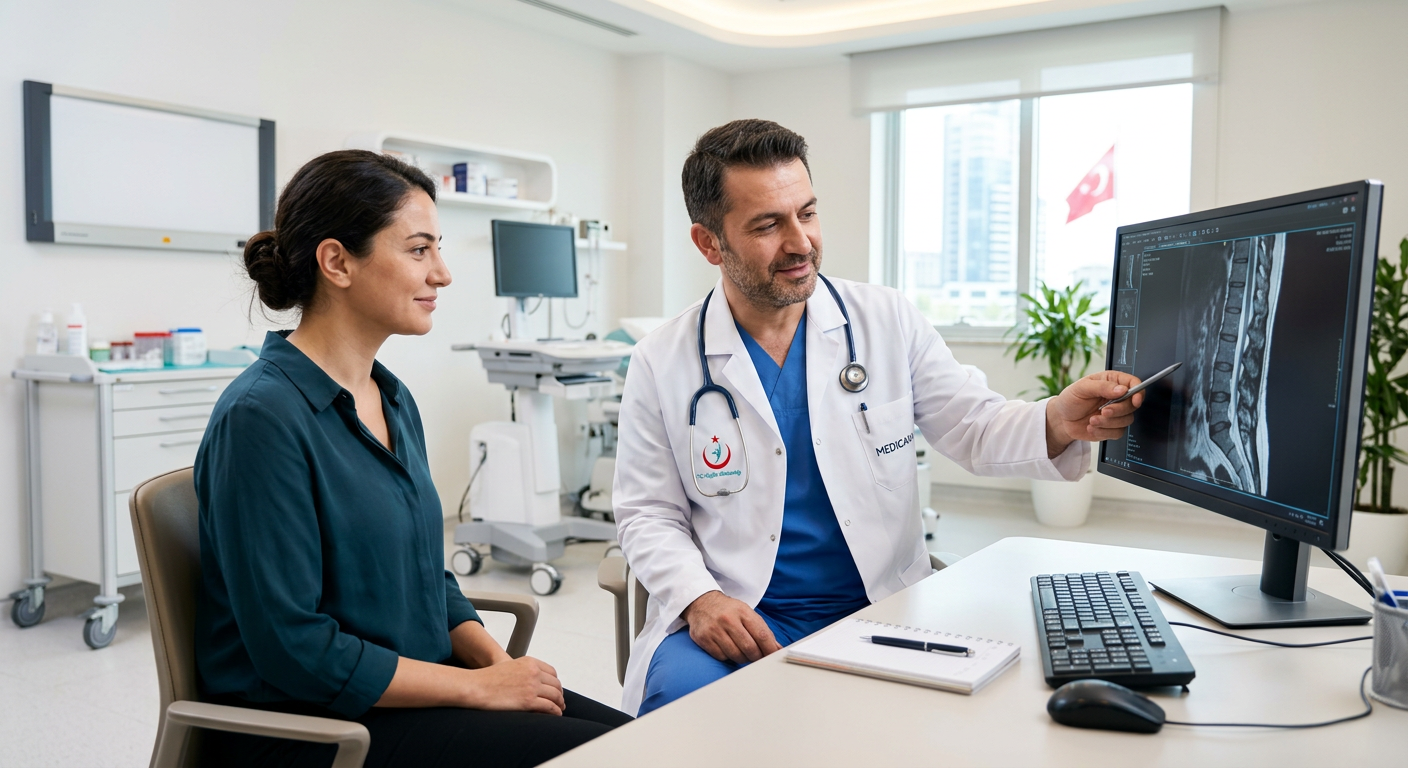
procedure - Hospital Stay: Depending on the procedure, you may have a hospital stay, where you'll receive attentive post-operative care from dedicated nursing staff.
- Post-Operative Instructions: You'll receive detailed instructions for your immediate recovery, including medication schedules, wound care, and activity restrictions.
- Clyna Support: Our local team remains available to you throughout your treatment, addressing any concerns or providing assistance.
Phase 5: Recovery & Return Home
- Recovery Period: You'll spend a crucial recovery period in Turkey, allowing for initial healing and follow-up appointments. This could be days or weeks, depending on your treatment.
- Follow-up Consultations: Scheduled follow-up appointments with your surgeon will ensure your recovery is progressing as expected and address any post-operative questions.
- Medication & Aftercare: You'll receive necessary prescriptions and guidance for continued aftercare upon your return home.
- Final Check-up & Departure: Before your departure, a final check-up ensures you are fit to travel. Your private transfer will take you back to the airport.
- Post-Treatment Support: Clyna's support doesn't end when you return home. We remain available for remote follow-ups and to facilitate communication with your Turkish medical team.
With Clyna, your medical journey to Turkey is meticulously planned and supported every step of the way, allowing you to focus solely on your health and recovery.
Benefits and Advantages of Medical Treatment in Turkey
Turkey has solidified its position as a global medical tourism powerhouse, and for good reason. The advantages extend far beyond just cost savings.
World-Class Quality and Accreditation
Turkey boasts an impressive number of internationally accredited hospitals. It ranks among the top countries globally for Joint Commission International (JCI) accredited healthcare facilities. JCI accreditation signifies adherence to the highest international standards in patient safety and quality of care. This commitment to excellence ensures that patients receive care comparable to, or even exceeding, that found in leading Western nations.
Highly Experienced Medical Professionals
Turkish doctors and surgeons are highly educated, many having trained in Europe and the USA. They are often specialized in various fields and have extensive experience with international patients, performing a high volume of procedures annually. This high patient volume contributes to their expertise and refined skills, particularly in popular fields like cosmetic surgery, hair transplantation, dental treatments, and fertility.
Cutting-Edge Technology and Modern Facilities
Turkish hospitals are equipped with state-of-the-art medical technology, including advanced diagnostic imaging, robotic surgery systems, and modern operating theaters. Significant investments have been made in infrastructure, resulting in luxurious, patient-centric facilities that prioritize comfort and efficiency. These modern environments contribute to better patient outcomes and a more pleasant treatment experience.
Significant Cost Savings
Perhaps the most compelling advantage for many international patients is the affordability. Medical treatments in Turkey can be 50% to 70% less expensive than comparable procedures in the US, UK, or Western Europe, without compromising on quality. These savings apply across a wide range of specialties, from complex surgeries to aesthetic enhancements. This cost-effectiveness, combined with high standards, makes Turkey an incredibly attractive destination.
Geographic Accessibility and Hospitality
Strategically located at the crossroads of Europe and Asia, Turkey is easily accessible from a vast number of countries, with direct flights to major cities like Istanbul and Antalya. The Turkish people are renowned for their warm hospitality, making international patients feel welcome and comfortable. Many clinics offer comprehensive packages that include airport transfers, accommodation, and translation services, further enhancing the patient experience.
Key Medical Hubs: Istanbul and Antalya
- Istanbul: As a vibrant metropolis, Istanbul is a major hub for complex surgeries, advanced aesthetic procedures, hair transplantation, and dental work. It offers a vast array of JCI-accredited hospitals and highly specialized clinics. Patients can combine their treatment with exploring the city's rich history and culture.
- Antalya: Located on the Mediterranean coast, Antalya is famous for its resort-style recovery options, particularly popular for dental treatments, eye surgeries, and aesthetic procedures. Patients can enjoy a relaxing recovery in a beautiful setting, often combining their medical trip with a rejuvenating holiday.

The combination of high-quality care, experienced professionals, advanced technology, affordability, and exceptional hospitality makes Turkey an unrivaled destination for medical tourism.
Cost Comparison Table: Turkey vs. Western Countries (EUR Ranges)
One of the primary drivers for medical tourism to Turkey is the significant cost advantage. Below is a comparison of estimated price ranges (in EUR) for common procedures in Turkey versus Germany, the UK, and the US. These are approximate ranges and can vary based on clinic, surgeon experience, complexity of the case, and specific techniques used.
| Procedure | Turkey (EUR) | Germany (EUR) | UK (EUR) | US (EUR) |
|---|---|---|---|---|
| Hair Transplant (FUE) | €2,000 - €5,000 | €5,000 - €10,000 | €6,000 - €12,000 | €8,000 - €15,000+ |
| Dental Implant (per unit) | €400 - €800 | €1,500 - €3,000 | €2,000 - €4,000 | €2,500 - €5,000+ |
| Rhinoplasty | €2,500 - €5,000 | €4,000 - €8,000 | €5,000 - €10,000 | €6,000 - €12,000+ |
| IVF Cycle | €2,500 - €4,500 | €4,000 - €8,000 | €5,000 - €10,000 | €10,000 - €20,000+ |
| Breast Augmentation | €3,000 - €6,000 | €5,000 - €9,000 | €6,000 - €11,000 | €7,000 - €14,000+ |
| Gastric Sleeve Surgery | €3,500 - €7,000 | €8,000 - €15,000 | €9,000 - €18,000 | €12,000 - €25,000+ |
| Cataract Surgery (per eye) | €1,000 - €2,000 | €2,500 - €4,500 | €3,000 - €5,000 | €3,500 - €7,000+ |
Note: These figures are estimates and can vary. They generally include the procedure itself, surgeon's fees, anesthesia, and hospital stay (if applicable). They may not include flights, accommodation, or extensive post-operative care unless specified in a package.
As evident from the table, Turkey consistently offers significantly lower prices, making high-quality medical care accessible to a broader international audience. These savings, combined with the high standards of care, underscore Turkey's appeal as a leading medical tourism destination.
How to Choose the Right Clinic and Medical Professional
Selecting the right clinic and medical professional is paramount for a successful and safe medical journey. With Clyna, you gain access to a curated network of top-tier facilities, but understanding the criteria yourself empowers your decision-making.
Accreditation and Certifications
- JCI Accreditation: This is the gold standard for international healthcare quality. Hospitals with Joint Commission International (JCI) accreditation meet rigorous global standards for patient safety and quality of care. Turkey has a high number of JCI-accredited facilities, a testament to its commitment to excellence. Always prioritize JCI-accredited hospitals.
- Local Ministry of Health Licenses: Ensure the clinic and its practitioners are fully licensed and regulated by the Turkish Ministry of Health.
- Specialty-Specific Certifications: For certain procedures (e.g., fertility, organ transplantation), look for additional certifications or specialized units.
Surgeon Qualifications and Experience
- Board Certification: Verify that the surgeon is board-certified in their specialty. This indicates they have met high standards of training and expertise.
- Experience Level: Inquire about the surgeon's experience, specifically how many times they have performed the procedure you are seeking. A high volume of procedures often correlates with greater skill and better outcomes.
- Specialization: Choose a surgeon who specializes in your specific treatment area. For example, a plastic surgeon for rhinoplasty, a hair transplant specialist for FUE, or a dental prosthodontist for complex dental implants.
- International Training/Affiliations: Many Turkish surgeons have trained or worked in leading institutions in Europe or the USA, bringing a global perspective to their practice.
Technology and Facilities
- Modern Equipment: Ensure the clinic uses up-to-date technology and equipment relevant to your procedure. For example, advanced imaging for diagnostics, robotic systems for surgery, or modern laser technology for eye treatments.
- Cleanliness and Hygiene: A clean, well-maintained facility is crucial for preventing infections and ensuring patient safety.
- Patient-Centric Design: Look for facilities that prioritize patient comfort, privacy, and accessibility.
Patient Reviews and Testimonials
- Online Reviews: Read reviews on independent platforms (Google, Trustpilot, dedicated medical tourism forums). Look for consistent positive feedback regarding patient care, results, and overall experience.
- Before & After Photos: For aesthetic procedures, review the clinic's portfolio of before and after photos to assess the quality of their work.
- Clyna's Vetted Network: Clyna works only with highly-rated clinics and specialists, leveraging our extensive experience and patient feedback to ensure quality.
Communication and Support Services
- Language Support: Ensure the clinic offers multilingual staff or professional translation services, especially for medical consultations and post-operative instructions.
- Patient Coordinator: A dedicated international patient coordinator can be invaluable for managing logistics, appointments, and communication. Clyna provides this level of support.
- Post-Operative Care Plan: A clear plan for follow-up care, both in Turkey and remotely after your return home, is essential.
Red Flags to Watch Out For
- Unrealistic Promises: Be wary of clinics promising guaranteed results or overly aggressive discounts that seem too good to be true.
- Lack of Transparency: Avoid clinics that are vague about costs, treatment plans, or surgeon qualifications.
- Pressure Tactics: A reputable clinic will allow you time to make an informed decision without undue pressure.
- Poor Communication: Difficulty getting clear answers or slow response times can be an indicator of broader organizational issues.
- No JCI Accreditation (for complex procedures): While smaller clinics might not have JCI, for hospital-based or complex treatments, its absence should raise questions.
By carefully considering these factors, ideally with the guidance of a trusted partner like Clyna, you can make an informed decision and choose a clinic and medical professional that aligns with your expectations for safety, quality, and successful outcomes. Browse Clinics on Clyna to see our carefully selected partners.
Before Treatment: Your Comprehensive Preparation Checklist
Thorough preparation is key to a stress-free and successful medical trip. Use this checklist to ensure you've covered all essential aspects before you depart for Turkey.
Medical Documentation
- Original Medical Reports: Gather all relevant diagnostic reports, doctor's notes, X-rays, MRI/CT scans, and blood test results.
- Medication List: A detailed list of all current medications, including dosage and frequency.
- Allergies: A clear list of any known allergies (medications, food, environmental).
- Vaccination Records: Ensure your routine vaccinations are up-to-date.
- Doctor's Letter: A letter from your home doctor outlining your condition and confirming you are fit for travel and the planned procedure.
- Emergency Contact Information: Keep a list of emergency contacts both in your home country and in Turkey (Clyna's local representative).
Travel and Visa Documents
- Valid Passport: Check validity (at least 6 months beyond your return date) and ensure it has blank pages.
- Turkish Visa: Printout of your e-Visa or physical sticker visa in your passport.
- Clinic Invitation Letter: The official letter from your Turkish clinic.
- Flight Tickets: Round-trip flight confirmations.
- Accommodation Booking: Hotel or apartment reservation details.
- Travel Insurance Policy: Printout or digital copy of your travel insurance for medical treatment Turkey policy, including emergency contact numbers.
- Driver's License/ID: A secondary form of identification.
Financial Preparations
- Treatment Payment: Confirm payment schedule with Clyna and the clinic. Have funds ready for deposits or full payment.
- Currency: Exchange some local currency (Turkish Lira - TRY) for immediate expenses. Inform your bank of your travel plans to avoid card issues.
- Credit/Debit Cards: Ensure your cards are activated for international use.
- Emergency Funds: Have access to extra funds for unforeseen expenses.
- Budget: Create a realistic budget for food, local transport, tourism (if applicable), and personal spending.
Accommodation and Local Transport
- Clyna Arrangements: Confirm airport transfers, clinic transfers, and accommodation details arranged by Clyna.
- Local SIM Card: Consider purchasing a local SIM card upon arrival for easier communication, or ensure your international roaming plan is active.
Medications and Personal Items
- Prescription Medications: Pack enough of your regular prescription medications for your entire stay, in their original packaging, with a doctor's note.
- Over-the-Counter Essentials: Pain relievers, antiseptic wipes, bandages, etc., for minor issues.
- Comfort Items: Comfortable clothing (especially for post-op), toiletries, entertainment (books, tablet).
- Adapter/Converter: For electronic devices.
Communication Plan
- Inform Family/Friends: Let loved ones know your itinerary, contact details in Turkey, and clinic information.
- Clyna Contact: Save Clyna's local emergency contact number.
- Translator: Confirm translator availability if needed.
By meticulously going through this checklist, you can significantly reduce stress and focus on your upcoming treatment and recovery. Clyna's patient advisors will also guide you through this preparation phase, ensuring nothing is overlooked.
After Treatment: A General Recovery Timeline
Recovery timelines are highly individual and vary significantly based on the type of procedure, your overall health, and how well you follow post-operative instructions. This general timeline provides an overview of typical recovery phases, emphasizing the importance of patience and adherence to medical advice.
Immediate Post-Procedure (Day 0-3)
- Hospital Stay: For most surgical procedures, you will spend 1-3 days in the hospital under direct medical supervision.
- Pain Management: Pain medication will be administered to manage discomfort.
- Monitoring: Medical staff will closely monitor your vital signs, wound sites, and overall condition for any immediate complications.
- Rest: Absolute rest is crucial during this phase. Avoid strenuous activity.
- Mobility: Depending on the procedure, gentle movement (e.g., short walks) may be encouraged to prevent blood clots.
- Diet: You'll gradually transition from liquids to soft foods, then to a regular diet as tolerated.
- Initial Follow-up: Your surgeon will conduct initial check-ups to assess your immediate recovery.
Early Recovery (Day 4-14)
- Discharge: You'll typically be discharged from the hospital to your accommodation, with detailed instructions for home care.
- Swelling & Bruising: Expect continued swelling and bruising, which will gradually subside.
- Wound Care: You'll be instructed on how to care for your incision sites or treated areas.
- Medication: Continue prescribed medications (painkillers, antibiotics) as directed.
- Rest & Light Activity: Continue to prioritize rest. Light walking is generally encouraged, but avoid lifting heavy objects or strenuous exercise.
- Follow-up Appointments: Scheduled follow-up visits with your surgeon to remove stitches (if applicable), assess healing, and provide further guidance.
- Diet: Maintain a healthy, balanced diet to support healing.
- Travel Readiness: For many less invasive procedures (e.g., hair transplant, some dental work), you may be cleared to travel home within this timeframe.
Mid-Term Recovery (Week 3 - Month 2)
- Decreased Swelling/Bruising: Most visible swelling and bruising will have significantly reduced, and you'll start to see the initial results of your procedure.
- Gradual Return to Activity: You can gradually reintroduce light activities and exercise, but always follow your surgeon's specific recommendations. Avoid activities that put stress on the treated area.
- Scar Management: If applicable, your surgeon may advise on scar management techniques.
- Emotional Well-being: It's normal to experience emotional fluctuations during recovery. Maintain open communication with your support system and medical team.
- Remote Follow-ups: For patients who have returned home, remote consultations with your Turkish surgeon (facilitated by Clyna) are common to monitor progress.
Long-Term Healing (Month 3 onwards)
- Full Healing: Depending on the procedure, complete healing can take several months to a year or more.
- Final Results: The final results of your treatment will become more apparent as swelling fully resolves and tissues settle.
- Continued Care: Adhere to any long-term aftercare instructions, such as specific exercises, dietary changes, or follow-up appointments with your local doctor.
- Lifestyle Adjustments: For procedures like bariatric surgery, long-term lifestyle changes are paramount for sustained success.
Important Note: This is a general guide. Your medical team in Turkey will provide a personalized recovery plan tailored to your specific procedure and individual needs. Always prioritize their advice and communicate any concerns promptly. Clyna will help facilitate this communication even after you return home.
Risks, Complications, and How to Minimize Them
While medical procedures in Turkey are performed to high international standards, all medical treatments carry inherent risks. Being informed about potential complications and understanding how to minimize them is crucial for patient safety and peace of mind.
General Surgical Risks
These risks are common to almost any surgical procedure, regardless of location:
- Anesthesia Risks: Allergic reactions, respiratory problems, or cardiovascular issues related to anesthesia.
- Infection: Despite sterile environments, there's always a small risk of infection at the surgical site.
- Bleeding/Hematoma: Excessive bleeding during or after surgery, potentially leading to a collection of blood (hematoma).
- Scarring: All incisions result in some form of scarring, though techniques are used to minimize visibility.
- Nerve Damage: Temporary or, in rare cases, permanent nerve damage, leading to numbness, tingling, or weakness.
- Adverse Reaction to Medication: Allergic reactions or side effects from prescribed drugs.
- Unsatisfactory Aesthetic Outcome: For cosmetic procedures, there's a risk that the results may not fully meet expectations.
Anesthesia Risks
Modern anesthesia is very safe, but risks exist, especially for individuals with pre-existing health conditions. These can include nausea, vomiting, sore throat, muscle aches, and in very rare cases, more serious complications like heart attack, stroke, or allergic reactions.
Infection
Infections can occur post-surgery. Symptoms include redness, swelling, pus, fever, and increased pain. Prompt identification and treatment with antibiotics are essential.
Travel-Related Risks
Beyond the medical procedure itself, traveling for treatment introduces additional risks:
- Deep Vein Thrombosis (DVT): Long flights can increase the risk of blood clots, especially for post-surgical patients.
- Jet Lag and Fatigue: Can impact your immune system and overall recovery.
- Communication Barriers: Misunderstandings due to language differences, though Clyna provides translation services.
- Post-Operative Travel: Traveling too soon after surgery can exacerbate swelling, discomfort, or increase complication risks.
Minimizing Risks with Clyna
Clyna is committed to minimizing these risks through several key strategies:
- Vetted Clinics and Surgeons: We partner exclusively with JCI-accredited hospitals and highly experienced, board-certified surgeons with proven track records. This significantly reduces the risk of substandard care.
- Comprehensive Pre-Assessment: We ensure a thorough review of your medical history and diagnostic tests to identify any contraindications or potential risks before treatment.
- Clear Communication: Clyna facilitates clear communication between you and your medical team, ensuring all your questions are answered and you understand the procedure, risks, and recovery plan.
- Detailed Pre- and Post-Operative Instructions: You'll receive comprehensive guidelines for preparation and recovery, including advice on managing travel-related risks like DVT.
- Appropriate Recovery Time: We emphasize the importance of adequate recovery time in Turkey before traveling home, aligning with your surgeon's recommendations.
- Emergency Support: Our local team is available to provide immediate assistance in case of any unexpected issues or emergencies during your stay.
- Insurance Guidance: We strongly recommend and guide you in securing comprehensive travel insurance for medical treatment Turkey to cover unforeseen medical complications, emergency evacuation, and trip disruptions. This financial safety net is crucial.
- Follow-up Care: Clyna facilitates remote follow-up consultations with your Turkish surgeon after you return home, ensuring continuity of care.
By choosing Clyna, you are opting for a partner dedicated to your safety and successful outcome, actively working to mitigate risks at every stage of your medical journey.
Real Patient Journey Stories
Hearing from others who have successfully navigated the medical tourism journey can provide invaluable insight and reassurance. Here are a few realistic scenarios of patients who chose Turkey for their treatment, highlighting their experiences with visas, insurance, and the overall process.

Story 1: Sarah's Hair Transplant Journey from the UK
Sarah, a 32-year-old marketing professional from London, had been considering a hair transplant for years but found the costs in the UK prohibitive. After researching online, she discovered Turkey's reputation for high-quality, affordable hair restoration.
- Clyna's Role: Sarah contacted Clyna, who connected her with a leading hair transplant clinic in Istanbul, renowned for its FUE technique and experienced surgeons. Clyna facilitated a virtual consultation, provided a detailed treatment plan, and a transparent quote.
- Visa & Insurance: As a UK citizen, Sarah was eligible for a Turkish e-Visa, which she obtained online within minutes. For insurance, Clyna advised her on a specialized travel insurance for medical treatment Turkey policy that explicitly covered elective cosmetic procedures and emergency medical evacuation. She declared her pre-existing condition (androgenetic alopecia) to ensure full coverage.
- The Journey: Clyna arranged her flights, a comfortable hotel near the clinic, and airport transfers. Upon arrival, she had her in-person consultation and pre-op tests. The procedure itself was smooth, lasting about 8 hours. The clinic staff, with translator support, provided clear post-op instructions.
- Recovery & Return: Sarah spent 7 days in Istanbul for initial recovery and follow-up checks. Her scalp was a bit swollen and red, but she followed all instructions diligently. She returned to the UK feeling confident and excited about her results. Clyna facilitated remote follow-ups with her Turkish surgeon over the next year.
- Outcome: Sarah was thrilled with her natural-looking results and the significant cost savings. Her insurance policy gave her peace of mind, though thankfully, she didn't need to make a claim for medical complications.
Story 2: Michael's Dental Makeover from the USA
Michael, a 55-year-old retired teacher from New York, needed extensive dental work, including multiple implants and veneers. The quotes he received in the US were astronomical, prompting him to explore international options.
- Clyna's Role: Michael reached out to Clyna, who matched him with a highly-rated dental clinic in Antalya, known for its expertise in full mouth restorations and its beautiful coastal location for recovery. Clyna arranged for his dental records and X-rays to be reviewed, and a comprehensive treatment plan was developed.
- Visa & Insurance: As a US citizen, Michael easily obtained an e-Visa. For insurance, he opted for an international patient insurance Turkey plan, recommended by Clyna, which offered comprehensive dental coverage for procedures performed abroad, as well as general medical emergencies. This was crucial given the multi-stage nature of his treatment.
- The Journey: Michael's treatment required two trips to Turkey, several months apart. For each trip, Clyna handled all logistics: flights, a comfortable resort hotel in Antalya, and transfers. During his first visit, he had extractions and implant placements. The clinic provided excellent care, and the staff were fluent in English.
- Recovery & Return: After each stage, Michael enjoyed a relaxing recovery period in Antalya, taking advantage of the mild climate. His insurance provided reassurance, especially during the implant healing phase. He returned home after each trip, with Clyna facilitating communication with his dentist for any questions.
- Outcome: Michael now boasts a perfect smile, achieved at a fraction of the cost he would have paid in the US. The comprehensive insurance coverage meant he didn't have to worry about unexpected dental issues during his treatment phases.
Story 3: Anya and Ben's IVF Treatment from Germany
Anya and Ben, a couple from Berlin, had been struggling with infertility for years. After several unsuccessful and expensive IVF cycles in Germany, they looked for alternatives and found Turkey's advanced fertility clinics.
- Clyna's Role: Clyna connected Anya and Ben with a top-tier IVF center in Istanbul, known for its high success rates and advanced reproductive technologies. Clyna helped them gather their medical history, facilitated detailed consultations with the fertility specialists, and provided a clear understanding of the IVF process and costs.
- Visa & Insurance: As German citizens, they did not require a visa for short stays in Turkey. However, Clyna strongly advised them to purchase travel insurance for medical treatment Turkey that specifically covered complications related to fertility treatments and potential emergency medical needs during their stay. They ensured the policy had high medical expense limits.
- The Journey: Anya and Ben traveled to Istanbul for their IVF cycle. Clyna arranged their accommodation and transfers, ensuring they were comfortable and close to the clinic. The clinic staff were incredibly supportive and empathetic, guiding them through each step of the treatment, from medication protocols to embryo transfer.
- Recovery & Return: After the embryo transfer, Anya rested for a few days in Istanbul before they returned to Germany. The waiting period for the pregnancy test was anxious, but they felt supported by the clinic's remote follow-up.
- Outcome: A few weeks later, Anya received the wonderful news – she was pregnant! They were overjoyed and incredibly grateful for the accessible, high-quality care they received in Turkey. Their insurance provided a safety net, allowing them to focus on the emotional journey of IVF without added financial stress.
These stories underscore the importance of proper planning, understanding visa and insurance requirements, and the invaluable support that a platform like Clyna provides for a successful medical tourism experience in Turkey.
Frequently Asked Questions (FAQ)
Here are answers to common questions about medical visas and insurance for treatment in Turkey, designed to provide clarity and peace of mind.
Visa-Related Questions
1. Do I need a special "medical visa" to get treatment in Turkey? For most nationalities, Turkey does not have a specific "medical visa" category. You will typically apply for a standard tourist visa (e-Visa online or a sticker visa from an embassy/consulate) and provide supporting documents from your Turkish clinic (invitation letter, appointment confirmation) to clarify your medical purpose.
2. How do I know if I need an e-Visa or a sticker visa? You can check your visa requirements on the official Turkish Ministry of Foreign Affairs e-Visa website (www.evisa.gov.tr ↗) or by consulting the website of the nearest Turkish Embassy/Consulate in your country. Clyna can also provide guidance based on your nationality.
3. What is the most important document for a medical purpose visa application? An official invitation letter from the Turkish clinic where you will receive treatment is paramount. This letter should detail your treatment, its duration, and the clinic's contact information. Clyna will help you obtain this from your chosen clinic.
4. How long does it take to get a Turkish visa? An e-Visa is usually issued within minutes. A sticker visa applied through an embassy/consulate can take several weeks (e.g., 2-4 weeks or more), so it's crucial to apply well in advance of your planned travel date.
5. Can my family member accompany me on my medical trip? Do they need a separate visa? Yes, family members or caregivers can accompany you. They will need to apply for their own standard tourist visa. Their application should mention that their purpose is to accompany a patient receiving medical treatment, and they should also include a copy of your clinic invitation letter.
6. What if my treatment requires me to stay longer than my visa allows? Turkish tourist visas typically allow stays of 30, 60, or 90 days within a 180-day period. If your treatment or recovery necessitates a longer stay, you may apply for a short-term residence permit (extension) at the Provincial Directorate of Migration Management (Göç İdaresi) in Turkey. This requires strong medical justification from your doctor and is not guaranteed. It's always best to plan your initial visa duration carefully.
Insurance-Related Questions
7. Is health insurance mandatory for medical treatment in Turkey? While not always legally mandatory for all visa types, having comprehensive health insurance Turkey medical tourism is highly recommended and often a requirement for visa applications. It protects you financially against unforeseen medical complications, emergencies, and travel disruptions.
8. Will my regular health insurance from my home country cover treatment in Turkey? In most cases, no. Standard domestic health insurance policies typically have very limited or no coverage for elective medical procedures performed outside your home country. They might cover only emergency care, and often on a reimbursement basis. It's essential to check with your provider, but a dedicated travel insurance for medical treatment Turkey is usually necessary.
9. What should I look for in a travel insurance policy for medical treatment in Turkey? Look for high medical expense limits (at least €100,000-€250,000), coverage for emergency medical evacuation and repatriation, explicit coverage for your specific medical procedure (especially if it's elective or cosmetic), and coverage for pre-existing conditions if applicable. Also, check for trip cancellation/interruption benefits.
10. What are "pre-existing conditions" and how do they affect my insurance? A pre-existing condition is any medical condition you had before purchasing your insurance policy. Most standard travel insurance policies will exclude coverage for these conditions unless you declare them and pay an additional premium, or purchase a specialized policy that covers them. Failing to declare a pre-existing condition can invalidate your claim.
11. What is the difference between "direct billing" and "reimbursement" for insurance claims? With direct billing, your insurance company pays the clinic or hospital directly for covered services. With reimbursement, you pay the costs upfront and then submit a claim to your insurance company for repayment. Direct billing is generally more convenient as it reduces your out-of-pocket expenses.
12. What if I have a medical emergency or complication during my stay? Immediately contact your insurance provider's 24/7 emergency assistance line. They will guide you on the nearest approved medical facilities and the claims process. Also, inform your clinic and Clyna's local representative for immediate support.
General Questions
13. How does Clyna help with visa and insurance? Clyna provides the necessary official invitation letter from your chosen clinic, offers guidance on specific medical visa requirements Turkey for your nationality, and advises you on suitable health insurance Turkey medical tourism options. While we don't process applications directly, we ensure you have all the information and documents needed for a smooth process.
14. Is it safe to travel to Turkey for medical treatment? Yes, Turkey is a safe and popular destination for medical tourism. Its medical facilities adhere to international standards, and major cities like Istanbul and Antalya are accustomed to international visitors. Clyna partners with reputable clinics and ensures your travel logistics are managed for your safety and comfort.
15. What are the main advantages of getting treatment in Turkey? Key advantages include world-class medical quality (many JCI-accredited hospitals), highly experienced surgeons, state-of-the-art technology, significant cost savings (50-70% less than Western countries), and excellent patient hospitality.
Conclusion: Your Health Journey Starts Here with Clyna
Navigating the complexities of international medical travel, from securing your Turkey medical visa to choosing the right health insurance Turkey medical tourism, can feel overwhelming. However, with the right information and a trusted partner, this journey can be seamless, safe, and incredibly rewarding.
Turkey stands as a beacon of excellence in medical tourism, offering world-class care, cutting-edge technology, and highly skilled professionals at a fraction of the cost found in many Western countries. By understanding the medical visa requirements Turkey and investing in comprehensive travel insurance for medical treatment Turkey, you are laying the groundwork for a worry-free experience.
At Clyna, we are more than just a platform; we are your dedicated guide and advocate. Our expertise, empathy, and commitment to your well-being ensure that every aspect of your medical journey in Turkey is meticulously planned and supported. We connect you with JCI-accredited clinics, experienced surgeons, and provide end-to-end assistance, allowing you to focus on what truly matters: your health and recovery.
Don't let logistical concerns deter you from accessing the best possible care. Take the first step towards a healthier, happier you.
Ready to explore your treatment options in Turkey?
Get Free Quote and let Clyna guide you to world-class medical care.
Browse Clinics to discover our network of top-tier medical facilities.
Related Guides

Ready to Start Your Medical Journey?
Get free personalized quotes from Turkey's top clinics.
Get Free Quote