
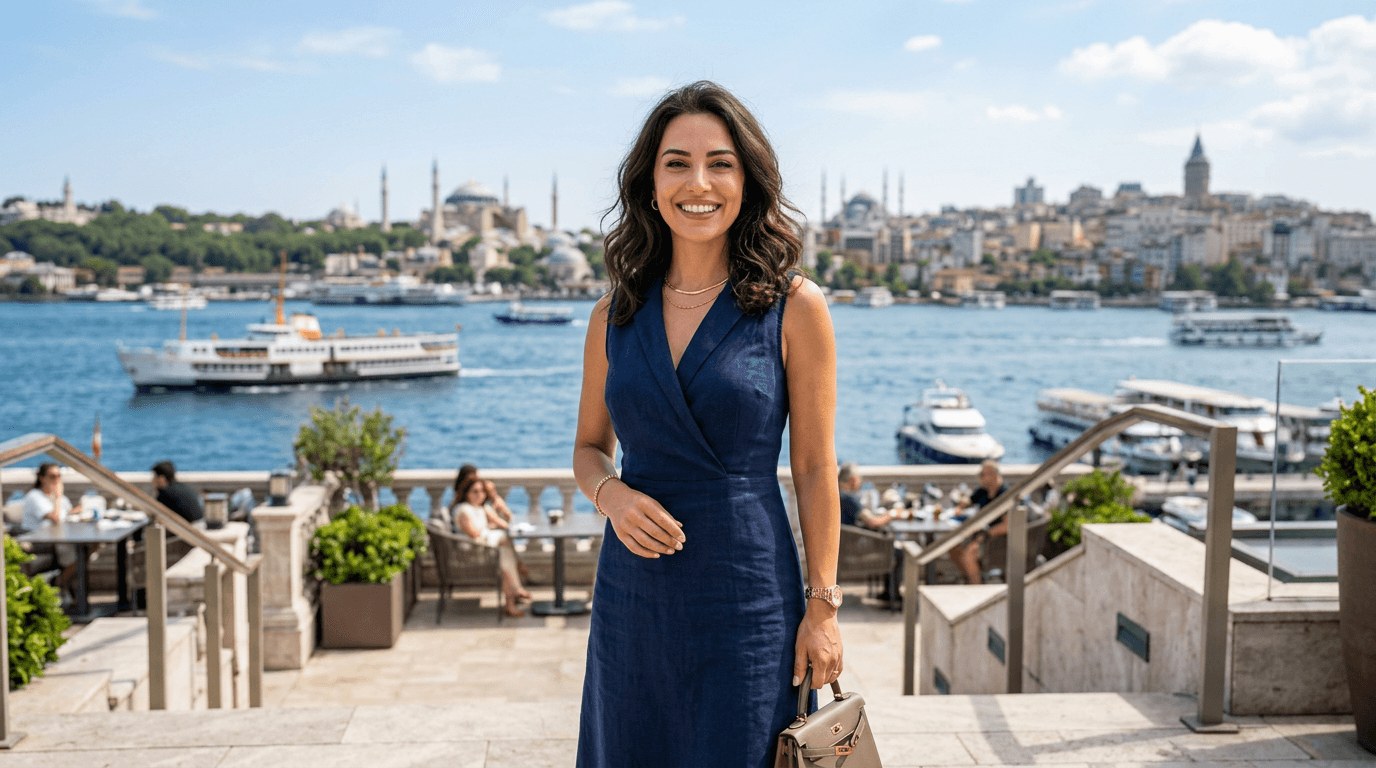
Dental Treatment in Turkey: Your Ultimate Smile Guide
Discover why Turkey is the top destination for dental treatment. This guide helps you plan your perfect smile journey, covering costs, clinics, and holidays.
Introduction: Unveiling Your Perfect Smile in Turkey
In an increasingly interconnected world, the quest for high-quality, affordable healthcare has led millions to explore medical tourism. Among the most popular and rapidly growing sectors is dental treatment Turkey. For those dreaming of a perfect smile but deterred by exorbitant costs and long waiting lists in their home countries, Turkey has emerged as a beacon of hope, offering world-class dental care combined with an unforgettable travel experience.
This comprehensive guide, brought to you by Clyna, is designed to be your ultimate resource for planning your dental tourism Turkey journey. We understand that embarking on a medical trip abroad can feel daunting, filled with questions about quality, safety, logistics, and cost. Our mission is to demystify the process, provide deeply researched insights, and empower you to make an informed decision about getting your teeth done in Turkey.
From intricate dental implants to dazzling veneers, full mouth rehabilitations to routine check-ups, Turkey's dental clinics are equipped with cutting-edge technology and staffed by highly skilled, internationally trained professionals. The allure isn't just the significant savings on dentist Turkey cost; it's the promise of exceptional care, personalized attention, and the opportunity to transform your smile while enjoying a vibrant Turkey dental holiday.
Join us as we explore every facet of dental treatment in Turkey, guiding you through procedures, preparation, recovery, and everything in between, ensuring your journey to a perfect smile is seamless, safe, and truly rewarding.
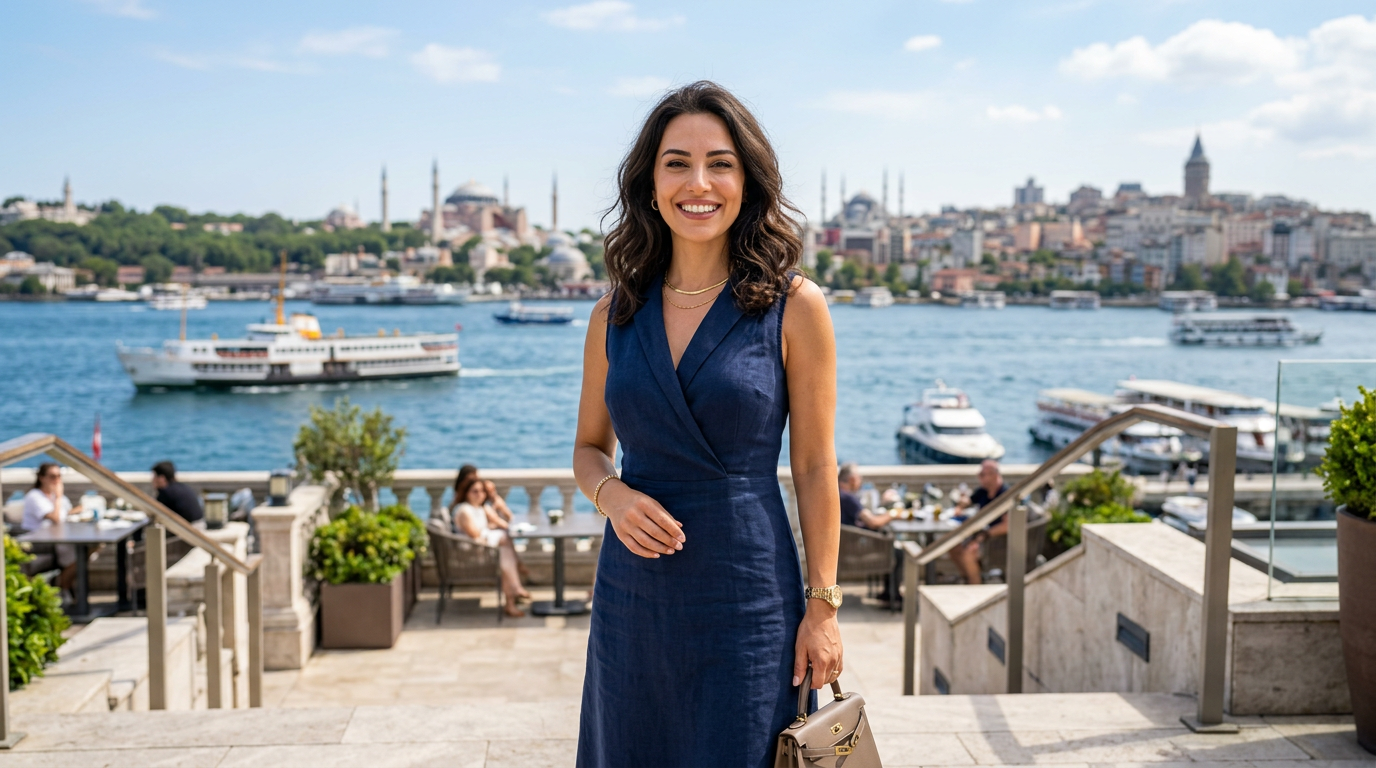
Understanding Dental Treatment in Turkey: A Deep Dive into Procedures
Turkey's dental clinics offer a vast array of treatments, catering to every need from cosmetic enhancements to complex restorative procedures. Here, we delve into the most sought-after dental treatments, explaining what they entail, who they are for, and what makes them effective.
Dental Implants: The Gold Standard for Missing Teeth
What they are: Dental implants are artificial tooth roots, typically made of biocompatible titanium, surgically placed into the jawbone beneath the gum line. Once integrated with the bone (a process called osseointegration), they provide a sturdy foundation for replacement teeth, such as crowns, bridges, or dentures.
Who needs them: Individuals who have lost one or more teeth due to decay, gum disease, injury, or other reasons. They are an excellent option for those seeking a permanent, stable solution that feels and functions like natural teeth, avoiding the drawbacks of removable dentures or traditional bridges that rely on adjacent teeth.
The procedure:
- Initial Assessment: Comprehensive examination, X-rays, and 3D CT scans to assess bone density and plan implant placement.
- Implant Placement: A minor surgical procedure where the titanium implant post is inserted into the jawbone. This is usually done under local anesthesia.
- Healing Period (Osseointegration): A crucial period of 3-6 months where the implant fuses with the jawbone. During this time, a temporary crown or denture may be worn.
- Abutment Placement: Once osseointegration is complete, a small connector piece (abutment) is attached to the implant, extending above the gum line.
- Crown/Prosthesis Placement: A custom-made crown, bridge, or denture is fabricated and securely attached to the abutment, completing the restoration.
Benefits: Long-lasting (often lifelong with proper care), preserves jawbone integrity, prevents adjacent teeth from shifting, provides superior chewing function and aesthetics compared to other options.
Dental Veneers: Crafting Your Dream Smile
What they are: Dental veneers are thin, custom-made shells of tooth-colored material (usually porcelain or composite resin) designed to cover the front surface of teeth. They are bonded to the teeth, changing their color, shape, size, or length, and creating a uniform, aesthetically pleasing smile.
Who needs them: Individuals looking to correct cosmetic concerns such as:
- Severely discolored or stained teeth that don't respond to whitening.
- Chipped or broken teeth.
- Misaligned, uneven, or irregularly shaped teeth.
- Gaps between teeth.
- Worn-down teeth.
The procedure:
- Consultation: Discussion of desired outcome, smile design, and selection of veneer material and shade.
- Preparation: A small amount of enamel (typically 0.3-0.7 mm) is removed from the tooth surface to allow for veneer placement. Impressions are taken.
- Temporary Veneers: In some cases, temporary veneers may be placed while the permanent ones are being fabricated in a dental lab.
- Bonding: Once the custom veneers arrive, they are carefully bonded to the prepared teeth using a special adhesive and light-curing process. The dentist ensures proper fit, bite, and aesthetics.
Benefits: Dramatically improves smile aesthetics, durable, stain-resistant (especially porcelain), minimally invasive compared to crowns, natural-looking results.
Dental Crowns and Bridges: Restoring Function and Aesthetics
What they are:
- Dental Crowns: A crown (or "cap") is a tooth-shaped cover placed over a damaged or weakened tooth to restore its shape, size, strength, and appearance. They can be made from various materials, including porcelain, ceramic, metal, or a combination (PFM - porcelain-fused-to-metal).
- Dental Bridges: A dental bridge is used to "bridge" the gap created by one or more missing teeth. It consists of two or more crowns for the teeth on either side of the gap (abutment teeth) and a false tooth (pontic) in between.
Who needs them:
- Crowns: Teeth with large fillings, fractured teeth, teeth that have undergone root canal treatment, severely discolored or misshapen teeth, or to cover a dental implant.
- Bridges: Individuals with one or more missing teeth, who prefer a fixed solution over a removable partial denture, and have healthy adjacent teeth to support the bridge.
The procedure:
- Preparation: The tooth (or teeth for a bridge) is reshaped to accommodate the crown/bridge. Impressions are taken.
- Temporary Restoration: A temporary crown or bridge is placed to protect the prepared teeth while the permanent one is being fabricated.
- Placement: Once the custom crown/bridge is ready, the temporary is removed, and the permanent restoration is cemented into place, ensuring proper fit and bite.
Benefits: Restores chewing function, improves speech, enhances aesthetics, protects weakened teeth, prevents adjacent teeth from shifting.
Full Mouth Rehabilitation: A Comprehensive Transformation
What it is: Full mouth rehabilitation, also known as full mouth reconstruction or restoration, is a highly individualized treatment plan that combines multiple dental procedures to restore the health, function, and aesthetics of an entire mouth. It addresses extensive dental problems involving teeth, gums, and bite.
Who needs it: Patients with widespread dental issues such as:
- Multiple missing teeth.
- Severely worn, damaged, or decayed teeth.
- Extensive gum disease.
- Chronic jaw pain (TMJ disorders).
- Significant bite problems.
- Those seeking a complete smile makeover.
The procedure: This is a multi-stage process, often involving:
- Diagnosis and Planning: Thorough examination, X-rays, CT scans, bite analysis, and digital smile design.
- Foundation Treatments: Addressing underlying issues like gum disease (periodontal treatment) or infections (root canals).
- Restorative Procedures: Dental implants, crowns, bridges, veneers, and fillings to rebuild teeth.
- Orthodontic Treatment: If necessary, to correct bite issues before final restorations.
- Aesthetic Enhancements: Whitening or other cosmetic touches.
Benefits: Complete restoration of oral health and function, significant improvement in aesthetics, relief from pain, improved quality of life, and a renewed sense of confidence.
Teeth Whitening: Brightening Your Smile
What it is: Professional teeth whitening is a cosmetic dental procedure designed to lighten the shade of natural teeth, removing stains and discoloration caused by food, drinks, tobacco, and aging.
Who needs it: Individuals with healthy teeth and gums who desire a brighter, whiter smile.
The procedure:
- Preparation: The dentist cleans the teeth and protects the gums and soft tissues.
- Application: A professional-grade whitening gel (containing hydrogen peroxide or carbamide peroxide) is applied to the tooth surfaces.
- Activation: A special light or laser may be used to activate the gel and accelerate the whitening process.
- Rinse: After a specified time, the gel is removed, and the mouth is rinsed. The process may be repeated for optimal results.
Benefits: Quick, effective, safe when performed by a professional, significantly enhances smile aesthetics.
Orthodontic Treatments: Aligning Your Smile
What they are: Orthodontic treatments focus on correcting misaligned teeth and jaws (malocclusion) to improve bite function, oral health, and aesthetics. This includes traditional braces (metal, ceramic) and clear aligners (e.g., Invisalign).
Who needs them: Individuals with crooked teeth, overcrowding, gaps, overbites, underbites, or crossbites.
The procedure:
- Consultation: Examination, X-rays, and impressions to diagnose the issue and plan treatment.
- Appliance Placement: Braces are bonded to teeth, or clear aligners are custom-fabricated.
- Adjustments: Regular visits for adjustments (braces) or switching to new aligner sets.
- Retention: After treatment, retainers are worn to maintain the new tooth positions.
Benefits: Improved bite, easier cleaning, reduced risk of dental problems, enhanced smile aesthetics and confidence.
Root Canal Treatment: Saving Your Natural Teeth
What it is: Root canal treatment (endodontics) is a procedure to remove infected or inflamed pulp (the soft tissue inside the tooth) from the root canal system, clean and disinfect the area, and then fill and seal it. This saves the natural tooth from extraction.
Who needs it: Patients with deep decay, cracks, or trauma that has led to infection or inflammation of the tooth pulp, causing severe pain, sensitivity, or swelling.
The procedure:
- Access: A small opening is made in the crown of the tooth.
- Pulp Removal: The infected or damaged pulp is carefully removed.
- Cleaning and Shaping: The root canals are cleaned, disinfected, and shaped.
- Filling: The cleaned canals are filled with a biocompatible material (gutta-percha) and sealed.
- Restoration: A crown is typically placed over the treated tooth to protect it and restore its function.
Benefits: Saves the natural tooth, prevents further infection, eliminates pain, maintains chewing function.
Gum Disease Treatment (Periodontology): Foundation for a Healthy Smile
What it is: Periodontology focuses on the health of the gums and supporting structures of the teeth. Treatments range from non-surgical deep cleaning (scaling and root planing) to surgical procedures for advanced gum disease.
Who needs it: Individuals with gingivitis (early gum inflammation) or periodontitis (advanced gum disease leading to bone loss, loose teeth, and potential tooth loss).
The procedure:
- Diagnosis: Examination, probing gum pockets, and X-rays.
- Scaling and Root Planing: Deep cleaning below the gum line to remove plaque and tartar and smooth root surfaces.
- Medications: Antibiotics or antimicrobial rinses may be prescribed.
- Surgical Options: For advanced cases, procedures like flap surgery, bone grafting, or soft tissue grafting may be performed.
Benefits: Halts the progression of gum disease, reduces inflammation and bleeding, preserves teeth, improves overall oral health and breath.
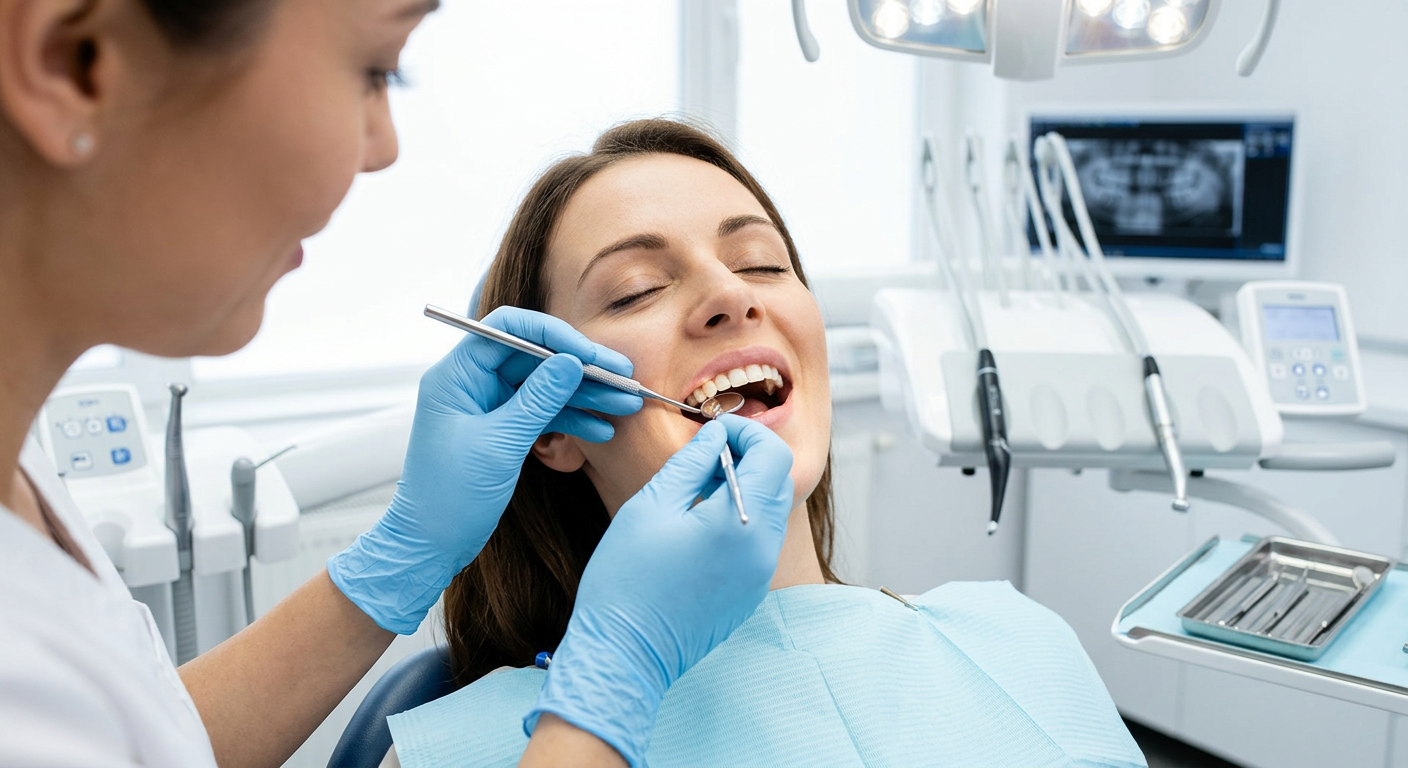
Your Step-by-Step Journey: From Consultation to Recovery
Embarking on dental treatment Turkey is a well-structured process designed for your convenience and peace of mind. Clyna streamlines this journey, ensuring you receive exceptional care every step of the way.
Step 1: Initial Consultation and Treatment Planning (Remote)
Your journey begins long before you set foot in Turkey.
- Contact Clyna: Reach out to us via our website Get Free Quote or Browse Clinics. You'll be connected with a dedicated patient coordinator.
- Share Your Needs: Provide details about your dental concerns, desired treatments, and any existing dental records (X-rays, photos, previous treatment plans). The more information you provide, the more accurate the initial assessment will be.
- Virtual Consultation: Clyna will facilitate a virtual consultation (video call) with a highly qualified Turkish dentist or specialist. This allows the dentist to assess your case, discuss your goals, and answer your initial questions.
- Personalized Treatment Plan & Quote: Based on the consultation and your records, the clinic will prepare a detailed, personalized treatment plan, outlining the recommended procedures, the timeline, and a transparent dentist Turkey cost breakdown. This quote will be significantly more affordable than what you'd find in many Western countries.
- Review and Decision: Take your time to review the plan, ask any follow-up questions, and confirm your decision. Clyna is here to support you through this process.
Step 2: Pre-Travel Preparation
Once you've accepted your treatment plan, it's time for logistics.
- Travel Arrangements: Clyna can assist with booking flights and arranging accommodation (often partnering with hotels near clinics). Many clinics offer package deals that include airport transfers and hotel stays.
- Visa Requirements: Check if you need a visa for Turkey based on your nationality. Most Western citizens can enter Turkey without a visa or obtain an e-visa online.
- Medical History & Medications: Compile a comprehensive list of your medical history, allergies, and current medications. Inform your dentist of any changes before your arrival.
- Financial Planning: Ensure you have sufficient funds for your treatment, accommodation, and personal expenses. While dental treatment Turkey is affordable, planning your budget is key.
- Travel Insurance: Consider purchasing comprehensive travel insurance that covers medical emergencies and trip cancellations.
Step 3: Arrival in Turkey and In-Person Consultation
Your arrival marks the beginning of your Turkey dental holiday.
- Airport Transfer: Many clinics, arranged through Clyna, offer complimentary airport transfers, ensuring a smooth arrival at your accommodation.
- Clinic Visit & In-Person Consultation: Your first appointment will involve a thorough in-person examination, including new X-rays (panoramic, cephalometric) and 3D CT scans if needed. This confirms the initial diagnosis and allows the dentist to finalize your treatment plan. You'll have another opportunity to discuss any concerns and ask questions.
- Language Support: Clinics catering to international patients often have English-speaking staff or dedicated translators to ensure clear communication.
Step 4: The Dental Treatment Procedure
This is where your smile transformation truly begins.
- Procedure Day(s): Depending on the complexity of your treatment (e.g., veneers might take 2-3 days, implants might require multiple visits over a week or two), you'll attend your scheduled appointments.
- Comfort and Care: Turkish clinics prioritize patient comfort. You'll receive local anesthesia, and for more extensive procedures, sedation options may be available. The dental team will guide you through each step, ensuring you feel at ease.
- Advanced Technology: Expect to see modern dental equipment, including digital scanners, CAD/CAM technology for same-day crowns/veneers, and advanced sterilization protocols.
- Breaks and Recovery: For longer sessions, breaks will be provided. After each session, you'll receive detailed post-procedure instructions.
Step 5: Post-Procedure Care and Follow-up
Immediate care is crucial for optimal results.
- Immediate Instructions: Your dentist will provide specific instructions on pain management, diet restrictions, oral hygiene, and any medications (antibiotics, pain relievers).
- Follow-up Appointments: You'll have scheduled follow-up appointments during your stay to monitor your healing, remove sutures (if any), and make any necessary adjustments.
- Temporary Restorations: If your treatment involves multiple stages (like implants), you'll likely receive temporary restorations to maintain aesthetics and function until your permanent ones are ready.
Step 6: Enjoying Your Turkey Dental Holiday
Between appointments, you'll have the opportunity to explore.
- Tourism: Whether you're in vibrant Istanbul, with its historical wonders and bustling bazaars, or sunny Antalya, known for its stunning beaches and ancient ruins, you can combine your dental journey with a memorable vacation.
- Relaxation: Take advantage of Turkey's renowned hospitality, delicious cuisine, and beautiful landscapes. This blend of treatment and tourism is a key aspect of dental tourism Turkey.
Step 7: Returning Home and Long-Term Care
Your journey doesn't end when you leave Turkey.
- Aftercare Instructions: You'll receive comprehensive written aftercare instructions for long-term maintenance of your new smile.
- Guarantees: Many reputable clinics offer guarantees on their work (e.g., for implants or veneers), providing peace of mind.
- Remote Support: Clyna and your chosen clinic will remain available for remote follow-up questions or concerns.
- Regular Check-ups: Continue with regular dental check-ups and cleanings with your local dentist to ensure the longevity of your dental treatment Turkey.
Why Choose Turkey for Your Dental Treatment? Unbeatable Advantages
Turkey has solidified its position as a global leader in medical tourism, particularly for dental care. The reasons are compelling, offering a unique blend of quality, affordability, and an enriching cultural experience.
Exceptional Quality and Expertise
- Highly Qualified Dentists: Turkish dentists undergo rigorous training, often pursuing specialized postgraduate studies. Many have international experience, are members of global dental associations, and continuously update their skills through international conferences and workshops.
- Specialized Care: From implantologists and orthodontists to cosmetic dentists and periodontists, you'll find specialists for every dental need, ensuring expert care for even the most complex cases.
- Patient-Centric Approach: Turkish clinics are renowned for their warm hospitality and patient-focused care. They prioritize clear communication, comfort, and personalized treatment plans, often going the extra mile to make international patients feel at home.
State-of-the-Art Technology and Facilities
- Modern Infrastructure: Turkish dental clinics and hospitals boast modern, often newly built facilities designed to international standards. They are equipped with advanced diagnostic and treatment technologies.
- Cutting-Edge Equipment: Expect to find digital X-rays, 3D CT scanners (CBCT), intraoral cameras, CAD/CAM technology for same-day restorations (like CEREC), laser dentistry, and advanced sterilization systems. This ensures precision, efficiency, and superior outcomes for your dental treatment Turkey.
- High-Quality Materials: Clinics use internationally recognized, high-quality dental materials and brands for implants, veneers, crowns, and other prosthetics, often sourced from leading European and American manufacturers.
Significant Cost Savings
- Affordability without Compromise: This is arguably the biggest draw. The dentist Turkey cost is significantly lower – often 50-70% less – than equivalent treatments in the UK, USA, Canada, Australia, and Western European countries. This cost-effectiveness does not come at the expense of quality but is due to lower operating costs, labor, and overheads.
- Value for Money: The savings are so substantial that even when factoring in travel, accommodation, and a Turkey dental holiday, the total cost remains considerably less than treatment at home. This makes getting your teeth done in Turkey an incredibly attractive financial proposition.
Accreditation and Safety Standards
- JCI-Accredited Hospitals: Turkey is home to numerous Joint Commission International (JCI) accredited hospitals, signifying adherence to the highest international standards in patient safety and quality of care. While dental clinics may not always be JCI-accredited themselves, many operate within or in close association with these high-standard medical facilities.
- National Regulations: The Turkish Ministry of Health strictly regulates dental practices, ensuring clinics meet national health and safety protocols.
- Sterilization and Hygiene: Reputable clinics adhere to stringent sterilization and hygiene protocols, mirroring international best practices to prevent infections and ensure patient safety.
World-Class Patient Experience and Hospitality
- Dedicated International Patient Departments: Many clinics have specialized teams dedicated to international patients, offering services like language assistance, accommodation booking, airport transfers, and itinerary planning.
- Seamless Logistics: From your first inquiry to your departure, the process is often managed with remarkable efficiency and personalized care, making your dental tourism Turkey experience stress-free.
- Cultural Warmth: Turkish hospitality is legendary. Patients often report feeling genuinely welcomed and cared for, adding a positive dimension to their medical journey.
The Allure of a Turkey Dental Holiday
- Combine Treatment with Tourism: One of the most unique advantages is the opportunity to combine your dental care with a fantastic vacation. Turkey offers a rich tapestry of history, culture, and natural beauty.
- Diverse Destinations: Whether you prefer the historical grandeur of Istanbul, the Mediterranean beaches of Antalya, the unique landscapes of Cappadocia, or the ancient ruins scattered across the country, there's a destination to suit every taste. This transforms a necessary medical procedure into an enjoyable travel experience.
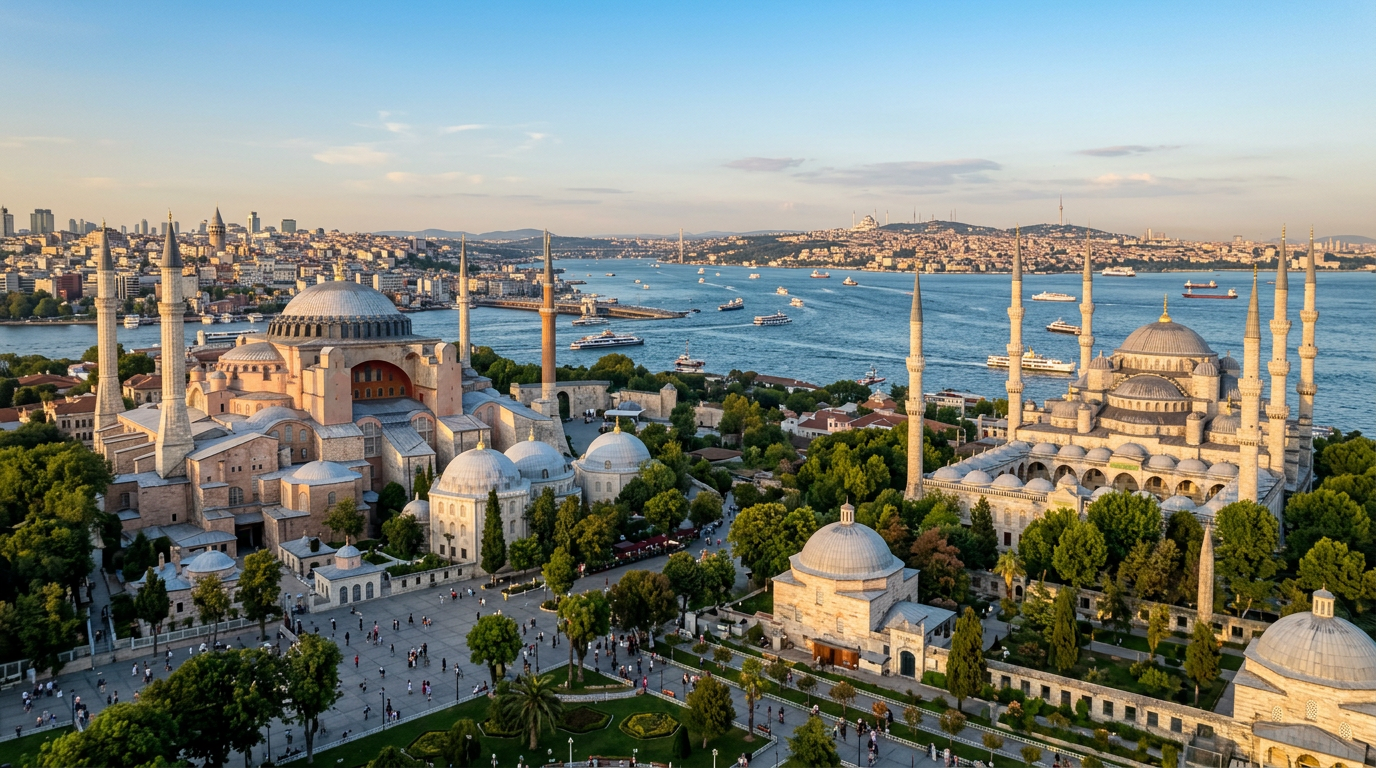
Strategic Locations: Istanbul and Antalya
- Istanbul: As a vibrant metropolis straddling two continents, Istanbul is a hub for medical tourism. It offers a vast selection of high-tech dental clinics, often located in modern, easily accessible districts. Patients benefit from excellent flight connections, a wide range of accommodation options, and endless cultural attractions to explore between appointments. Istanbul is particularly known for high-volume, complex cases and a wide array of specialists.
- Antalya: Located on the stunning Mediterranean coast, Antalya is perfect for those seeking a more relaxed, holiday-integrated dental experience. It combines top-tier dental facilities with beautiful beaches, resorts, and historical sites. Many patients choose Antalya to recover in a serene environment, turning their dental treatment Turkey into a true Turkey dental holiday.
These advantages collectively make Turkey an unparalleled choice for anyone considering dental treatment Turkey, promising not just a new smile, but a memorable and rewarding experience.
Cost Comparison: Dental Treatment in Turkey vs. Europe & USA
One of the most compelling reasons to consider dental treatment Turkey is the significant cost savings without compromising on quality. The table below illustrates typical price ranges (in EUR) for common dental procedures in Turkey compared to Germany, the UK, and the USA. Please note that these are approximate ranges and can vary based on clinic, materials used, complexity of the case, and individual patient needs.
| Procedure | Turkey (EUR) | Germany (EUR) | UK (EUR) | USA (EUR) |
|---|---|---|---|---|
| Dental Implant (per unit) | €500 - €900 | €1,800 - €3,500 | €2,000 - €4,000 | €3,000 - €6,000 |
| Porcelain Veneer (per unit) | €200 - €450 | €600 - €1,200 | €500 - €1,000 | €800 - €2,000 |
| Zirconium Crown (per unit) | €180 - €400 | €500 - €1,000 | €450 - €900 | €700 - €1,500 |
| E-max Crown (per unit) | €250 - €550 | €600 - €1,300 | €550 - €1,100 | €850 - €1,800 |
| Dental Bridge (3 units) | €550 - €1,200 | €1,500 - €3,000 | €1,400 - €2,800 | €2,000 - €4,500 |
| Full Mouth Implants (All-on-4/6) | €4,000 - €8,000 | €12,000 - €25,000 | €10,000 - €22,000 | €15,000 - €30,000+ |
| Teeth Whitening (in-clinic) | €150 - €300 | €300 - €700 | €250 - €600 | €400 - €1,000 |
| Root Canal Treatment (per tooth) | €100 - €250 | €400 - €800 | €350 - €750 | €600 - €1,200 |
Note: Prices are estimates and can fluctuate. They generally do not include flights or accommodation, though many Turkish clinics offer packages that bundle these services.
As evident from the table, the dentist Turkey cost offers substantial savings across the board. For complex procedures like full mouth implants or multiple veneers, the difference can amount to tens of thousands of Euros, making getting teeth done in Turkey a financially sound decision. These savings allow patients to access high-quality care that might otherwise be unaffordable in their home countries, often enabling them to combine their treatment with a relaxing Turkey dental holiday.
How to Choose the Right Dental Clinic in Turkey
Selecting the right clinic is paramount to a successful and satisfying dental treatment Turkey experience. With many options available, knowing what to look for and what to avoid is crucial. Clyna simplifies this process by pre-vetting clinics, but understanding these criteria empowers you further.
Essential Criteria for Selection
- Dentist's Qualifications and Experience:
- Specialization: Ensure the dentist performing your specific procedure (e.g., implantologist for implants, orthodontist for braces) is a qualified specialist.
- Years of Experience: Look for dentists with a proven track record and many years of experience in the procedures you require.
- International Training/Memberships: Dentists with international training or memberships in global dental associations often demonstrate a commitment to high standards and continuous learning.
- Clinic Accreditation and Standards:
- National Accreditation: Verify that the clinic is licensed and regulated by the Turkish Ministry of Health.
- International Standards: While not all dental clinics are JCI-accredited (which is more common for hospitals), many adhere to similar international quality and safety standards. Inquire about their sterilization protocols and hygiene practices.
- Technology and Equipment:
- Modern Facilities: A reputable clinic will invest in state-of-the-art technology (3D CT scans, digital X-rays, CAD/CAM, laser dentistry). This indicates a commitment to precision, efficiency, and advanced care.
- Quality of Materials: Ask about the brands and origin of materials used (e.g., implant brands, veneer materials). Reputable clinics use internationally recognized, high-quality products.
- Patient Reviews and Testimonials:
- Online Reputation: Check independent review platforms (Google Reviews, Trustpilot, social media) for feedback from previous international patients. Look for consistent positive experiences regarding treatment outcomes, patient care, and communication.
- Before & After Photos: Request to see a portfolio of the dentist's previous work, especially for cosmetic procedures like veneers and smile makeovers.
- Communication and Language Support:
- English-Speaking Staff: Ensure the clinic has English-speaking dentists, nurses, and patient coordinators to facilitate clear communication throughout your journey.
- Dedicated International Patient Services: Clinics that cater to medical tourists often have dedicated departments to assist with travel, accommodation, and local support.
- Transparency in Pricing and Treatment Plan:
- Detailed Quote: The clinic should provide a clear, itemized quote with no hidden costs. Understand what is included (e.g., consultations, X-rays, temporary restorations, follow-ups).
- Comprehensive Treatment Plan: The plan should clearly outline all recommended procedures, their rationale, timeline, and expected outcomes.
- Aftercare and Guarantees:
- Post-Treatment Support: Inquire about the aftercare instructions, follow-up procedures, and how the clinic handles post-treatment queries once you return home.
- Warranty/Guarantee: Ask about any guarantees or warranties offered on procedures like implants or veneers.
Certifications and Accreditations to Look For
- Turkish Ministry of Health License: This is a fundamental requirement for any legitimate dental practice in Turkey.
- ISO Certifications: ISO (International Organization for Standardization) certifications (e.g., ISO 9001 for quality management) indicate a commitment to quality processes.
- International Dental Associations: Membership in organizations like the FDI World Dental Federation or European dental associations can be a good sign.
- Specialty Board Certifications: For specialists, look for board certifications in their respective fields (e.g., Turkish Association of Oral and Maxillofacial Surgeons).
Red Flags to Watch Out For
- Unrealistically Low Prices: While dentist Turkey cost is affordable, prices that seem too good to be true often are. Be wary of clinics offering significantly lower prices than the general market average, as this might indicate compromises on material quality or expertise.
- Lack of Transparency: Avoid clinics that are vague about their treatment plans, materials, or pricing.
- Pressure Sales Tactics: A reputable clinic will give you time to consider your options without undue pressure.
- Poor Communication: Difficulty communicating or getting clear answers to your questions before booking is a major red flag.
- No Online Presence or Poor Reviews: A lack of professional website, social media presence, or a history of negative reviews should raise concerns.
- Unlicensed or Uncertified Staff: Ensure all dental professionals are properly licensed and qualified.
The Role of Clyna in Your Choice
Clyna acts as your trusted partner, pre-vetting clinics in Turkey to ensure they meet stringent quality, safety, and ethical standards. We connect you only with reputable clinics that excel in patient care, technology, and professional expertise. By using Clyna, you gain:
- Access to a Curated Network: We've done the groundwork, identifying top-tier clinics.
- Personalized Matching: We help you find a clinic that best suits your specific needs and budget.
- Transparent Information: We facilitate clear communication and detailed quotes.
- Support Throughout Your Journey: From initial inquiry to post-treatment follow-up, Clyna is there to assist you.
Browse Clinics with confidence, knowing Clyna has your best interests at heart.
Before Treatment: Your Comprehensive Preparation Checklist
Thorough preparation is key to a smooth and successful dental treatment Turkey experience. This checklist covers medical, logistical, financial, and emotional aspects to ensure you're ready for your journey.
Medical Preparation
- Comprehensive Dental Records:
- Gather recent X-rays (panoramic, periapical), CT scans, and any existing dental models.
- Obtain a detailed history of your past dental treatments, including any complications.
- Take clear, well-lit photos of your teeth and smile from various angles.
- Send all these to Clyna for your initial remote consultation.
- Medical History & Medications:
- Prepare a complete list of your current medications (prescription and over-the-counter), including dosages.
- List all known allergies (medications, latex, food).
- Document any pre-existing medical conditions (diabetes, heart conditions, autoimmune diseases, blood disorders) and past surgeries.
- Inform your dentist if you are pregnant or breastfeeding.
- Consult Your Local Doctor:
- Discuss your plans for dental treatment Turkey with your family doctor or local dentist. They can provide a medical clearance letter if required by the Turkish clinic, especially for complex procedures or if you have underlying health issues.
- Ask about any necessary vaccinations for travel to Turkey (though generally, no special vaccinations are required for most Western travelers).
- Dental Hygiene:
- Ensure your oral hygiene is optimal before your trip. A professional cleaning at home might be beneficial if you haven't had one recently.
- Dietary Restrictions:
- If you have any specific dietary needs or allergies, make a note to inform your clinic and accommodation providers.
Travel and Logistics Preparation
- Passport and Visa:
- Ensure your passport is valid for at least 6 months beyond your planned departure date from Turkey.
- Check visa requirements for your nationality. Many countries can enter Turkey without a visa or obtain an e-visa online prior to travel.
- Flights and Accommodation:
- Book your flights well in advance for better prices and availability.
- Confirm your accommodation near the clinic. Clyna or your chosen clinic can often assist with this, sometimes offering package deals.
- Arrange airport transfers (often provided by the clinic).
- Travel Insurance:
- Purchase comprehensive travel insurance that includes medical coverage for emergencies and trip cancellation. Ensure it covers medical tourism specifically, if possible.
- Clothing and Comfort:
- Pack comfortable, loose-fitting clothing.
- Bring layers, as temperatures can vary, especially in Istanbul.
- Consider a small pillow or neck rest for comfort during longer dental appointments.
- Entertainment:
- Bring books, headphones, or other forms of entertainment for waiting times or during procedures if you're comfortable.
- Important Documents:
- Keep copies of your passport, visa, flight tickets, accommodation details, insurance policy, and clinic contact information in both digital and physical formats.
- Carry your treatment plan and any medical clearances from your local doctor.
Financial Preparation
- Budgeting:
- Factor in the cost of treatment, flights, accommodation, food, local transportation, and any sightseeing or shopping you plan to do during your Turkey dental holiday.
- Remember that while dentist Turkey cost is low, you'll still have daily expenses.
- Payment Methods:
- Confirm accepted payment methods with your clinic (credit card, bank transfer, cash).
- Inform your bank of your travel plans to avoid issues with card usage abroad.
- Consider carrying some local currency (Turkish Lira) for small purchases.
- Currency Exchange:
- Research current exchange rates and consider exchanging some currency before you leave or withdrawing from ATMs in Turkey.
Mental and Emotional Preparation
- Research and Understanding:
- Read through this guide thoroughly and research your chosen procedures. Understanding the process will reduce anxiety.
- Watch patient testimonials or clinic videos to familiarize yourself with the environment.
- Manage Expectations:
- Understand that dental transformations take time, and initial recovery might involve some discomfort.
- Be realistic about the outcomes, and discuss any aesthetic concerns openly with your dentist.
- Communicate Concerns:
- Don't hesitate to voice any fears or anxieties to your Clyna coordinator or the clinic staff. They are there to support you.
- Relax and Enjoy:
- Remember that you're also embarking on a Turkey dental holiday. Plan some enjoyable activities around your treatment schedule to make the most of your trip.
By diligently following this checklist, you'll be well-prepared for a smooth, safe, and successful dental treatment Turkey experience.
After Treatment: Recovery Timeline and Post-Care
The recovery phase is crucial for the success and longevity of your dental treatment Turkey. While specific timelines vary depending on the procedure, here's a general guide to what you can expect and how to care for your new smile.
Immediate Post-Procedure (Day 1-3)
- Anesthesia Wearing Off: Expect numbness to wear off within a few hours.
- Pain and Discomfort: Mild to moderate pain, swelling, and tenderness are normal. Your dentist will prescribe pain relievers and possibly antibiotics to prevent infection.
- Bleeding: Minor bleeding or oozing is common, especially after extractions or implant surgery. Follow instructions for gauze changes.
- Diet: Stick to soft foods and liquids. Avoid hot beverages, spicy foods, and anything that requires vigorous chewing.
- Oral Hygiene: Be gentle. Avoid brushing the treated area directly for the first 24 hours. Use a prescribed antiseptic mouthwash (without alcohol) or warm salt water rinses after 24 hours. Avoid spitting forcefully.
- Rest: Prioritize rest. Elevate your head while sleeping to reduce swelling.
- Avoid: Smoking, alcohol, strenuous exercise, and using straws (which can dislodge blood clots).
First Week (Day 4-7)
- Swelling and Bruising: Swelling should peak around day 2-3 and gradually subside. Bruising might appear and fade.
- Pain Management: Pain should significantly decrease, and you might transition to over-the-counter pain relievers.
- Diet: Gradually reintroduce softer solid foods as comfort allows. Continue to avoid hard, sticky, or crunchy foods.
- Oral Hygiene: Resume gentle brushing around the treated area, as advised by your dentist. Continue mouth rinses.
- Follow-up: You'll likely have a follow-up appointment to check healing, remove sutures (if non-dissolvable), and address any concerns.
- Activity: Light activities are usually fine, but avoid heavy lifting or intense exercise.
Weeks 2-4
- Healing Progression: Most visible swelling and bruising should be gone. Discomfort should be minimal or absent.
- Diet: You can typically return to a more normal diet, but continue to be cautious with very hard or chewy foods, especially if you've had implants or extensive restorations.
- Oral Hygiene: Maintain excellent oral hygiene, brushing and flossing regularly.
- Implant Osseointegration: If you've had implants, the crucial osseointegration process is underway. This period requires patience and adherence to your dentist's instructions.
- Temporary Restorations: If you have temporary crowns or veneers, treat them gently as they are not as durable as permanent ones.
Long-Term Recovery and Maintenance
- Full Integration/Bonding: For implants, full osseointegration can take 3-6 months. For veneers and crowns, the bonding is typically immediate, but the tissues around them need time to fully adapt.
- Regular Check-ups: Continue with regular dental check-ups and cleanings with your local dentist every 6-12 months. Inform them about your dental treatment Turkey.
- Oral Hygiene: Lifelong commitment to excellent oral hygiene (brushing twice daily, flossing daily, using mouthwash) is essential to maintain the health and longevity of your new smile.
- Protective Measures: If you grind your teeth (bruxism), discuss a night guard with your dentist to protect your new restorations.
- Avoid Bad Habits: Steer clear of habits like chewing ice, biting nails, or using your teeth as tools, which can damage restorations.
Specific Recovery Notes for Common Procedures
- Dental Implants: The most critical aspect is allowing sufficient time for osseointegration. Avoid putting pressure on the implant site during the healing phase. Follow a soft diet as instructed.
- Veneers/Crowns: Sensitivity to hot or cold is common for a few days to weeks after placement, especially if significant tooth preparation was involved. This usually subsides. Avoid very hard or sticky foods initially.
- Root Canal Treatment: The tooth might be sensitive for a few days. It's crucial to get a permanent crown placed promptly after the root canal to protect the weakened tooth from fracture.
- Teeth Whitening: Some temporary tooth sensitivity is common for 24-48 hours. Avoid stain-causing foods and drinks (coffee, tea, red wine, berries) for at least 48 hours to prevent re-staining.
By diligently following your dentist's post-operative instructions and maintaining excellent oral hygiene, you can ensure a smooth recovery and enjoy the beautiful, healthy results of your dental treatment Turkey for many years to come.
Risks, Complications, and How to Minimize Them
While dental treatment Turkey is generally safe and successful, like any medical procedure, there are inherent risks and potential complications. Being aware of these and understanding how to minimize them is crucial for a positive outcome.
General Dental Risks
- Infection: Any surgical procedure carries a risk of infection.
- Minimization: Choose a clinic with stringent sterilization protocols. Follow all post-operative instructions, including taking prescribed antibiotics and maintaining excellent oral hygiene.
- Pain and Swelling: Expected to some degree, but excessive or prolonged pain/swelling can indicate a problem.
- Minimization: Follow pain management instructions. Contact your clinic if pain is severe or worsens significantly.
- Nerve Damage: Though rare, damage to nerves can lead to numbness, tingling, or altered sensation in the lips, tongue, or chin.
- Minimization: Select an experienced and highly qualified dentist, especially for procedures near nerve pathways (e.g., lower jaw implants, wisdom tooth extraction). Advanced imaging (3D CT scans) helps in precise planning.
- Allergic Reaction: Reaction to anesthesia, medications, or dental materials.
- Minimization: Provide a comprehensive list of all allergies to your dentist during the initial consultation.
- Anesthesia Complications: Risks associated with local or general anesthesia, though generally very low for local anesthesia.
- Minimization: Be honest about your medical history and any pre-existing conditions.
Procedure-Specific Risks
- Dental Implants:
- Implant Failure: The implant may not integrate with the bone (osseointegration failure) or may fail later due to infection, poor bone quality, or excessive force.
- Sinus Perforation: For upper jaw implants, there's a small risk of perforating the sinus cavity.
- Minimization: Thorough pre-operative assessment (3D CT scans), experienced implantologist, proper surgical technique, and strict adherence to post-operative care. Bone grafting may be necessary for insufficient bone.
- Dental Veneers/Crowns:
- Tooth Sensitivity: Temporary or prolonged sensitivity to hot/cold.
- Chipping/Fracture: Veneers or crowns can chip or fracture, especially if made from lower quality materials or subjected to excessive force (e.g., teeth grinding).
- Debonding: The restoration may come loose.
- Minimization: Careful tooth preparation, high-quality materials (porcelain, E-max, Zirconium), proper bonding techniques, and avoiding biting on hard objects. A night guard can protect against grinding.
- Root Canal Treatment:
- Persistent Infection: The infection may not fully clear or may recur.
- Fracture: The treated tooth can become brittle and prone to fracture without a crown.
- Minimization: Performed by an experienced endodontist, proper cleaning and sealing, and timely placement of a protective crown.
- Teeth Whitening:
- Increased Sensitivity: Temporary sensitivity is common.
- Gum Irritation: If whitening gel comes into contact with gums.
- Minimization: Professional application by a dentist who protects gums, and using appropriate gel concentrations.
Minimizing Risks: Your Proactive Steps
- Choose a Reputable Clinic and Dentist: This is the single most important step. Use platforms like Clyna that pre-vet clinics. Look for:
- Accreditation and Licensing: Ensure the clinic is officially licensed and regulated.
- Dentist's Credentials: Verify qualifications, specialization, and experience.
- Technology and Hygiene: Modern equipment and strict sterilization protocols are non-negotiable.
- Patient Reviews: Read testimonials from other international patients.
- Thorough Pre-Treatment Consultation:
- Provide a complete and honest medical history, including all medications and allergies.
- Ask all your questions and ensure you fully understand the treatment plan, potential risks, and expected outcomes.
- Request to see before-and-after photos of similar cases.
- Follow Post-Operative Instructions Diligently:
- Adhere strictly to all instructions regarding medication, diet, oral hygiene, and activity levels. This is critical for proper healing and preventing complications.
- Maintain Open Communication:
- Do not hesitate to contact your clinic or Clyna if you experience unexpected pain, swelling, fever, or any other concerning symptoms during your recovery, both in Turkey and after returning home.
- Long-Term Care:
- Commit to excellent oral hygiene and regular check-ups with your local dentist to ensure the long-term health of your dental treatment Turkey.
By taking these proactive steps, you can significantly reduce the likelihood of complications and ensure a safe, effective, and satisfying outcome for your dental tourism Turkey experience.
Real Patient Journey Stories: Smiles Transformed
Hearing about others' experiences can provide valuable insight and reassurance. Here are a few realistic scenarios of patients who chose dental treatment Turkey through Clyna.
Patient Story 1: Sarah's Veneer Transformation
Sarah, a 32-year-old marketing professional from London, had always been self-conscious about her slightly discolored and uneven front teeth. She dreamed of a "Hollywood smile" but was shocked by the £10,000+ quotes she received in the UK for porcelain veneers. A friend recommended dental tourism Turkey.
Through Clyna, Sarah connected with a highly-rated cosmetic dental clinic in Istanbul. After an initial virtual consultation where she shared photos and discussed her aesthetic goals, the clinic proposed a plan for 16 E-max veneers. The dentist Turkey cost was approximately €4,500, including airport transfers and a 5-night hotel stay – less than half the UK price.
Sarah flew to Istanbul, where she was met at the airport and taken to her hotel. The next day, she had her in-person consultation, X-rays, and digital smile design. The dentist meticulously prepared her teeth, and temporary veneers were fitted. She spent the next two days exploring the Grand Bazaar and Hagia Sophia. On her final appointment, her custom-made E-max veneers were bonded. Sarah was ecstatic with the natural yet dazzling result.
"I couldn't believe the transformation," Sarah beamed. "My new smile is perfect, and the whole experience was so smooth. The clinic staff were incredibly professional and made me feel so comfortable. It truly was a Turkey dental holiday – I got my dream smile and explored a beautiful city, all within my budget. Clyna made it so easy to find the right place."
Patient Story 2: Mark's Dental Implant Solution
Mark, a 58-year-old retired engineer from Germany, had lost several molars over the years, making chewing difficult and affecting his confidence. His local dentist recommended multiple dental implants, but the estimated cost of €15,000 was prohibitive. He started researching options for getting teeth done in Turkey.
Clyna helped Mark find a specialized implant clinic in Antalya. After reviewing his panoramic X-rays, the clinic proposed a plan for 4 dental implants with accompanying crowns. The total dentist Turkey cost was around €3,500, a fraction of the German price.
Mark booked a 10-day trip to Antalya, combining his treatment with a relaxing break by the Mediterranean. The clinic arranged his transfers and accommodation at a nearby resort. His first visit involved detailed 3D CT scans and the precise surgical placement of the implants under local anesthesia. He experienced minimal discomfort, managed with prescribed pain relievers.
He spent the next few days resting and enjoying the resort's amenities, with a follow-up check-up before flying home. Three months later, after the implants had fully integrated with his jawbone, Mark returned to Antalya for a shorter 3-day trip to have his custom crowns fitted.
"The professionalism of the implant specialist was outstanding," Mark recounted. "I was initially apprehensive about surgery abroad, but the clinic was spotless, and the team was incredibly reassuring. I can now chew properly again, and the implants feel just like my natural teeth. And to do it all while enjoying the beautiful Antalya coast was a bonus. Clyna's support was invaluable in navigating the process."
Patient Story 3: Elena's Full Mouth Rehabilitation
Elena, a 45-year-old teacher from the UK, had a complex dental history involving extensive decay, old fillings, and some missing teeth, leading to chronic pain and a severely compromised smile. She needed a full mouth rehabilitation but couldn't afford the estimated £25,000+ cost in the UK. She sought a comprehensive solution through dental tourism Turkey.
Through Clyna, Elena was connected with a multi-specialty dental hospital in Istanbul known for its expertise in full mouth reconstructions. Her personalized plan included multiple dental implants, several crowns, and a bridge, all meticulously planned using digital smile design and advanced imaging. The total cost, including two separate trips to Turkey, was approximately €9,000.
Elena's first trip involved initial extractions, implant placements, and temporary restorations. She stayed for 8 days, with regular check-ups. The clinic provided excellent aftercare instructions and support. Four months later, she returned for her second trip, during which her permanent crowns and bridge were fitted, completing her smile transformation.
"It was a life-changing experience," Elena shared emotionally. "For years, I'd hidden my smile and lived with constant pain. The team in Istanbul was incredible – so empathetic, skilled, and patient. They understood my fears and guided me through every step. I now have a beautiful, healthy smile that I never thought possible, and it was all thanks to getting teeth done in Turkey at a price I could actually afford. Clyna's initial guidance and clinic matching were spot on."
These stories highlight the diverse needs and successful outcomes experienced by patients who choose dental treatment Turkey, emphasizing the quality, affordability, and comprehensive support available through platforms like Clyna.
Frequently Asked Questions (FAQ)
Here are detailed answers to common questions international patients have about dental treatment Turkey.
1. Is dental treatment in Turkey safe?
Yes, dental treatment Turkey is generally very safe, provided you choose a reputable and accredited clinic. Turkey has invested heavily in its healthcare infrastructure, with many clinics and hospitals meeting international standards. Key safety aspects include:
- Highly Qualified Professionals: Turkish dentists undergo extensive training and many have international experience.
- Modern Facilities: Clinics are equipped with state-of-the-art technology and adhere to strict hygiene and sterilization protocols.
- Government Regulation: The Turkish Ministry of Health regulates dental practices, ensuring compliance with national health and safety standards.
- International Accreditation: Many hospitals (and associated dental clinics) hold JCI accreditation, a global benchmark for patient safety and quality. To ensure safety, it's crucial to research clinics thoroughly, check their credentials, read patient reviews, and ideally, use a trusted platform like Clyna that vets clinics.
2. How long do I need to stay in Turkey for dental treatment?
The duration of your stay depends entirely on the type and complexity of your dental treatment Turkey:
- Veneers, Crowns, Bridges (single trip): Typically 5-7 days. This allows for initial consultation, tooth preparation, temporary fitting, fabrication of permanent restorations, and final placement.
- Teeth Whitening, Fillings, Scale & Polish: Can often be completed in 1-2 days.
- Dental Implants (two trips): This usually requires two trips:
- First Trip (Implant Placement): 3-7 days for consultation, surgery, and initial recovery.
- Second Trip (Crown Placement): 3-5 days, usually 3-6 months later, after the implants have integrated with the bone.
- Full Mouth Rehabilitation: May require 1-2 extended trips (e.g., 7-14 days each) depending on the number of procedures and healing times. Your personalized treatment plan will clearly outline the recommended duration of your stay.
3. What is the quality of dental clinics in Turkey?
The quality of dental clinics in Turkey is exceptionally high, particularly those catering to international patients. They often surpass the standards found in many Western countries due to:
- Investment in Technology: Turkish clinics frequently adopt the latest dental technologies (3D imaging, CAD/CAM, laser dentistry) to offer precise and efficient treatments.
- Skilled Professionals: Dentists are highly educated, often specialized, and many have international experience or training.
- Premium Materials: Reputable clinics use internationally recognized, high-quality brands for implants, veneers, and other prosthetics.
- Competitive Environment: The thriving medical tourism sector encourages clinics to maintain high standards to attract and retain international patients.
4. Will there be a language barrier?
For clinics specializing in dental tourism Turkey, language is rarely an issue. Most clinics have:
- English-Speaking Dentists and Staff: Many professionals are fluent in English, and some speak other European languages.
- Dedicated Patient Coordinators: These individuals often act as translators and guides, ensuring clear communication throughout your journey.
- Translation Services: Some clinics offer professional translation services for other languages if needed. Clyna ensures you are connected with clinics that provide excellent language support.
5. What types of dental treatments are available in Turkey?
Turkey offers a comprehensive range of dental treatment Turkey, including:
- Cosmetic Dentistry: Dental Veneers (porcelain, E-max, composite), Teeth Whitening, Gum Contouring, Smile Makeovers.
- Restorative Dentistry: Dental Implants, Crowns (Zirconium, E-max, PFM), Bridges, Fillings, Inlays/Onlays.
- Oral Surgery: Wisdom Tooth Extraction, Bone Grafting, Sinus Lifts.
- Endodontics: Root Canal Treatment.
- Periodontology: Gum Disease Treatment, Deep Cleaning (Scaling and Root Planing).
- Orthodontics: Braces (traditional, ceramic), Clear Aligners.
- Full Mouth Rehabilitation: Comprehensive treatment plans for extensive dental issues.
6. How much can I save on dental treatment in Turkey?
Patients can typically save 50% to 70% on dentist Turkey cost compared to equivalent treatments in the UK, USA, Canada, and Western European countries. For extensive procedures like full mouth implants or multiple veneers, these savings can amount to tens of thousands of Euros, even after factoring in travel and accommodation expenses for your Turkey dental holiday.
7. Are the materials used in Turkey of high quality?
Yes, reputable Turkish clinics use high-quality, internationally recognized dental materials and brands. For example, for dental implants, you'll find brands like Straumann, Nobel Biocare, Alpha-Bio, and locally produced high-quality Turkish brands. For veneers and crowns, materials like E-max, Zirconium, and high-grade porcelain are standard. It's always advisable to confirm the specific brands and materials used during your consultation.
8. What about aftercare and guarantees?
Reputable clinics in Turkey provide comprehensive aftercare instructions and often offer guarantees or warranties on their work:
- Aftercare: You'll receive detailed instructions for post-treatment care, including oral hygiene, diet, and medication.
- Follow-up: Clinics arrange follow-up appointments during your stay to monitor healing.
- Guarantees: Many clinics offer guarantees on procedures like dental implants (e.g., 5-10 years or even lifetime for the implant itself) and veneers/crowns (e.g., 1-5 years against chipping or fracture), provided you follow aftercare instructions and maintain regular check-ups. It's important to clarify the terms of any guarantee before treatment.
9. Can I combine my dental treatment with a holiday?
Absolutely! This is one of the biggest attractions of dental tourism Turkey. Cities like Istanbul offer rich historical and cultural experiences, while Antalya boasts stunning Mediterranean beaches and resorts. Many patients schedule their appointments to allow ample time for sightseeing, relaxation, and enjoying Turkish cuisine, effectively turning their dental trip into a memorable Turkey dental holiday.
10. How do I get a quote and start the process?
Starting your journey with Clyna is simple:
- Visit Clyna.io: Go to our website.
- Submit Your Inquiry: Click on Get Free Quote and fill out the form, providing details about your dental needs and attaching any relevant X-rays or photos.
- Connect with a Coordinator: A dedicated Clyna patient coordinator will contact you to understand your requirements and gather more information.
- Virtual Consultation: We'll arrange a free virtual consultation with a top Turkish dentist.
- Receive Treatment Plan: You'll receive a personalized treatment plan and a transparent quote.
- Book Your Trip: Once you approve the plan, Clyna assists with travel and accommodation arrangements.
11. What if I have an emergency during my stay?
Reputable clinics have protocols for managing emergencies. They will provide you with emergency contact numbers and instructions. In case of a severe medical emergency unrelated to your dental treatment, Turkey has a modern healthcare system with well-equipped hospitals. Your travel insurance should cover such eventualities.
12. Do Turkish dentists have international qualifications?
Many Turkish dentists pursue international education, training, and certifications. They frequently attend international conferences and workshops to stay updated with global advancements in dentistry. Membership in international dental associations is also common, reflecting their commitment to global standards of practice.
13. What payment methods are accepted?
Most Turkish dental clinics accept a variety of payment methods:
- Cash: Turkish Lira (TRY) or major foreign currencies like EUR, USD, GBP.
- Credit/Debit Cards: Visa, Mastercard are widely accepted.
- Bank Transfers: For larger sums, bank transfers are often an option. It's always best to confirm the accepted payment methods with your chosen clinic in advance.
14. Is it painful to get teeth done in Turkey?
Modern dentistry, whether in Turkey or elsewhere, prioritizes patient comfort. Most procedures are performed under local anesthesia, meaning you won't feel pain during the treatment. For more extensive procedures, sedation options (e.g., conscious sedation) may be available. Post-procedure discomfort is managed with prescribed pain medication, and clinics focus on making your experience as comfortable as possible.
15. What documents do I need for travel and treatment?
For travel:
- Passport: Valid for at least 6 months beyond your stay.
- Visa: If required for your nationality (check e-visa options).
- Flight Tickets and Accommodation Bookings.
- Travel Insurance Policy. For treatment:
- Copies of your dental records: X-rays, CT scans, treatment history.
- Medical history: List of medications, allergies, and pre-existing conditions.
- Clinic contact details and appointment schedule. It's wise to keep digital and physical copies of all important documents.
Conclusion: Your Journey to a Radiant Smile Starts Here
The dream of a perfect, healthy smile is within reach, and dental treatment Turkey offers an unparalleled pathway to achieve it. This guide has illuminated the myriad reasons why thousands of international patients choose Turkey each year: from the exceptional quality of care and state-of-the-art technology to the significant cost savings and the unique opportunity for a Turkey dental holiday.
You've learned about the diverse range of procedures available, the meticulous step-by-step journey from consultation to recovery, and the crucial factors in selecting the right clinic. We've addressed common concerns about safety, quality, and communication, empowering you with the knowledge to make an informed decision. The stories of Sarah, Mark, and Elena are just a few examples of the life-changing transformations that await.
At Clyna, we are committed to connecting you with the best dental clinics in Turkey, ensuring a seamless, safe, and satisfying experience. We understand the importance of trust and transparency in your medical journey, and our curated network of top-tier professionals is ready to help you achieve the smile you've always desired.
Don't let high costs or long waiting lists stand between you and your perfect smile any longer. Embrace the opportunity for world-class dental treatment Turkey combined with an unforgettable travel experience. Your journey to renewed confidence and a radiant smile begins now.
Ready to start your smile transformation?
Get Free Quote from top Turkish dental clinics today and take the first step towards your perfect smile.
Browse Clinics to explore our trusted network of dental professionals in Istanbul, Antalya, and beyond.
Related Guides

Ready to Start Your Medical Journey?
Get free personalized quotes from Turkey's top clinics.
Get Free Quote