
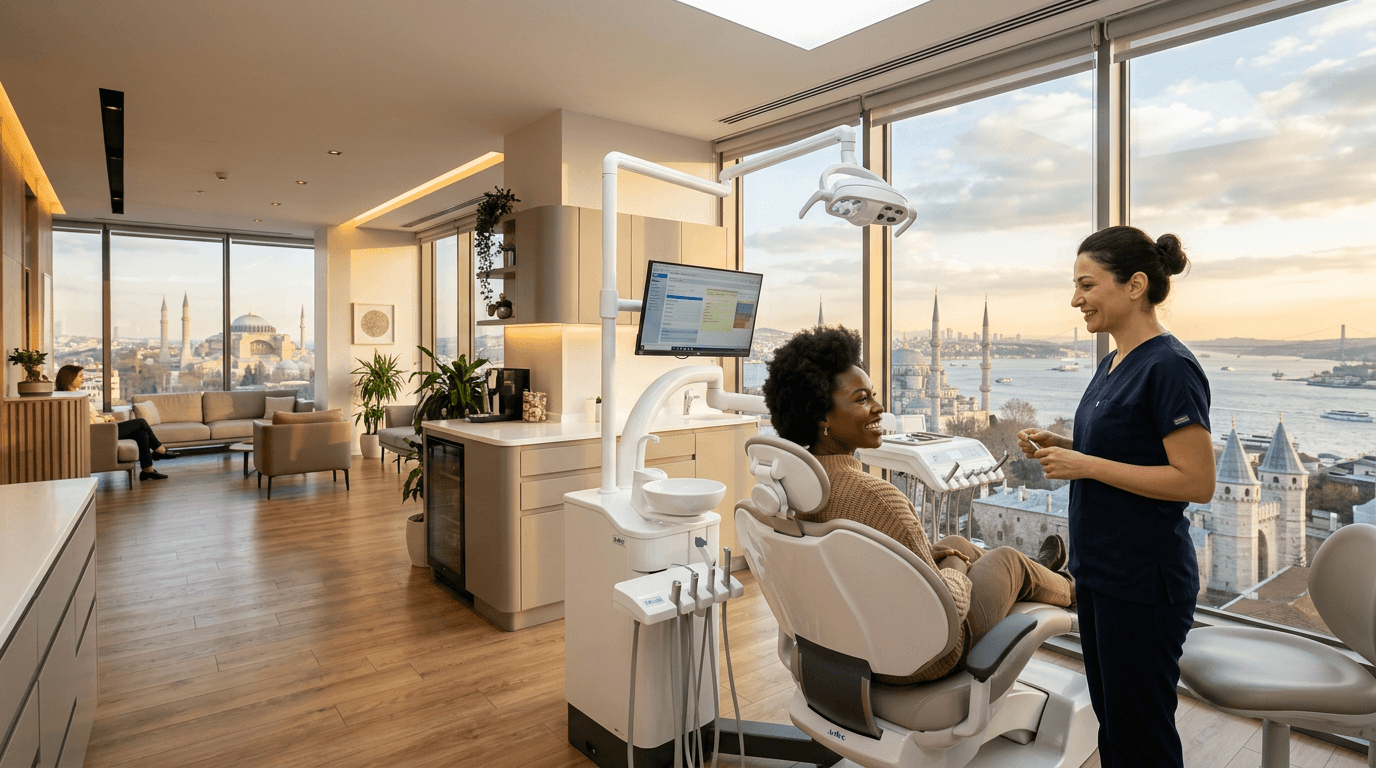
Dental Implant Cost Turkey: Comprehensive Price Guide
Discover the true dental implant cost in Turkey. Our guide compares prices for single, All-on-4, and full mouth dental implants, helping you find affordable, quality treatment.
Welcome to Clyna, your trusted partner in navigating the world of medical tourism. This guide is meticulously crafted to provide you with an unparalleled understanding of dental implant costs in Turkey, offering a deep dive into every aspect of this life-changing procedure. If you're considering restoring your smile with high-quality, affordable dental implants, Turkey stands out as a premier destination. We'll explore not just the prices, but the value, quality, and comprehensive experience that awaits you.
Introduction: Why Turkey is the Smart Choice for Dental Implants
In an era where healthcare costs continue to skyrocket in many Western countries, the dream of a perfect, healthy smile often feels out of reach for countless individuals. Dental implants, the most advanced and durable solution for missing teeth, come with a hefty price tag in places like the UK, Germany, and the USA, making them an unattainable luxury for many. This financial barrier often leads to compromises on oral health, impacting not just aesthetics but also chewing function, speech, and overall quality of life.
However, a beacon of hope shines brightly in the form of medical tourism, with Turkey emerging as a global leader, particularly for dental treatments. For over a decade, Turkey has cultivated a reputation for delivering exceptional dental care at a fraction of the cost found elsewhere, without compromising on quality or safety. Patients from across the globe are discovering that the "dental implant cost Turkey" offers an unparalleled value proposition.
This comprehensive guide, meticulously prepared by Clyna, is designed to be your definitive resource for understanding everything about dental implants in Turkey. We aim to demystify the process, provide transparent cost comparisons, address common concerns, and empower you with the knowledge to make an informed decision. Whether you're seeking a single implant, an "all-on-4 cost Turkey" solution, or a complete "full mouth dental implants Turkey price" package, you'll find that Turkey combines cutting-edge technology, highly skilled professionals, and a warm, welcoming environment.
Prepare to embark on a journey that not only promises to restore your smile but also offers a unique cultural experience. Let's explore why Turkey is not just a destination for "cheap dental implants Turkey" but a hub for world-class dental excellence.
Understanding Dental Implants: The Gold Standard in Tooth Replacement
Dental implants represent the pinnacle of modern tooth replacement technology. Unlike dentures or bridges, which sit on the gums or rely on adjacent teeth for support, implants are surgically placed into the jawbone, acting as sturdy, long-lasting roots for artificial teeth. This integration with the bone provides unparalleled stability, functionality, and a natural appearance.
What Exactly is a Dental Implant?
At its core, a dental implant is a small, screw-shaped post, typically made of biocompatible titanium. This material is chosen for its ability to fuse directly with bone tissue, a process called osseointegration. Once integrated, the implant serves as a stable foundation for a custom-made crown, bridge, or denture, effectively replacing missing teeth and restoring both function and aesthetics.
Components of a Dental Implant System
A complete dental implant system consists of three main parts:
- The Implant Post (Fixture): This is the titanium screw that is surgically placed into the jawbone. It acts as the artificial tooth root.
- The Abutment: A small connector piece that screws into the implant post. It extends above the gum line and serves as the attachment point for the final prosthetic restoration.
- The Prosthesis (Crown, Bridge, or Denture): This is the visible part of the tooth replacement. It is custom-made to match the color, shape, and size of your natural teeth, ensuring a seamless blend with your existing smile.
Types of Dental Implants and Their Applications
The type of dental implant recommended depends on the patient's specific needs, the number of missing teeth, and the condition of their jawbone.
Single Dental Implants
- Application: Used to replace a single missing tooth without affecting adjacent healthy teeth.
- Process: A single implant post is placed, followed by an abutment and a custom-made crown.
- Benefits: Preserves bone structure, feels and functions like a natural tooth, and prevents shifting of surrounding teeth.
Multiple Dental Implants
- Application: When several adjacent teeth are missing, but not an entire arch.
- Process: Two or more implants are strategically placed to support a multi-unit bridge. For example, two implants can support a three or four-unit bridge.
- Benefits: Offers a stable and durable solution for multiple missing teeth without the need for individual implants for every tooth.
All-on-4® Dental Implants
- Application: A revolutionary technique for replacing an entire arch of missing teeth (upper or lower jaw) with just four implants.
- Process: Four implants are strategically placed in the jawbone, often at an angle, to maximize bone contact and support a full arch of prosthetic teeth. This often allows for immediate loading, meaning a temporary set of teeth can be attached on the same day as surgery.
- Benefits: Significant cost savings compared to individual implants for every tooth, faster treatment time, often avoids the need for extensive bone grafting, and provides a fixed, stable solution. The "all-on-4 cost Turkey" is particularly attractive due to these efficiencies.
All-on-6® Dental Implants
- Application: Similar to All-on-4, but uses six implants per arch for even greater stability and support, especially in cases with denser bone or for patients seeking maximum security.
- Process: Six implants are placed in the jawbone to support a full arch of prosthetic teeth.
- Benefits: Enhanced stability and distribution of chewing forces, potentially leading to greater longevity and comfort, particularly for patients with specific anatomical considerations.
Full Mouth Dental Implants
- Application: Replacing all teeth in both the upper and lower jaws. This can involve a combination of All-on-4, All-on-6, or a greater number of individual implants, depending on the patient's bone density and desired outcome.
- Process: A comprehensive treatment plan is developed, often involving multiple implants per arch (e.g., two All-on-4 systems, one for each jaw, or a combination of techniques).
- Benefits: A complete smile makeover, restoring full chewing function, aesthetics, and confidence. The "full mouth dental implants Turkey price" offers a life-changing transformation at an accessible cost.
Materials Used in Dental Implants and Prosthetics
The choice of materials significantly impacts the durability, aesthetics, and cost of your dental implants.
-
Implant Posts:
- Titanium: The most common material due to its biocompatibility, strength, and ability to osseointegrate with bone.
- Zirconia: A newer, ceramic-based option that is metal-free and offers excellent aesthetics, particularly for patients with metal sensitivities or those seeking a more natural look.
-
Prosthetics (Crowns, Bridges, Dentures):
- Porcelain-Fused-to-Metal (PFM): A traditional choice, offering a strong metal base covered with a layer of porcelain for aesthetics. Durable but can sometimes show a grey line at the gum line over time.
- Zirconia: Highly popular for its exceptional strength, durability, and natural, translucent appearance. It's metal-free, biocompatible, and resistant to chipping and staining. Often preferred for its superior aesthetics, especially for front teeth.
- E-max (Lithium Disilicate): A type of ceramic known for its excellent translucency and aesthetic qualities, making it ideal for anterior (front) teeth where appearance is paramount. It's strong but generally less so than zirconia.
- Acrylic: Often used for temporary prosthetics or for the full arch bridges in All-on-4/All-on-6 systems, especially during the initial healing phase. It's lighter and more cost-effective but less durable than zirconia or PFM for permanent solutions.
Understanding these options is crucial when discussing your treatment plan with your dentist, as they directly influence the outcome and the overall "dental implant cost Turkey."
The Dental Implant Journey: A Step-by-Step Process
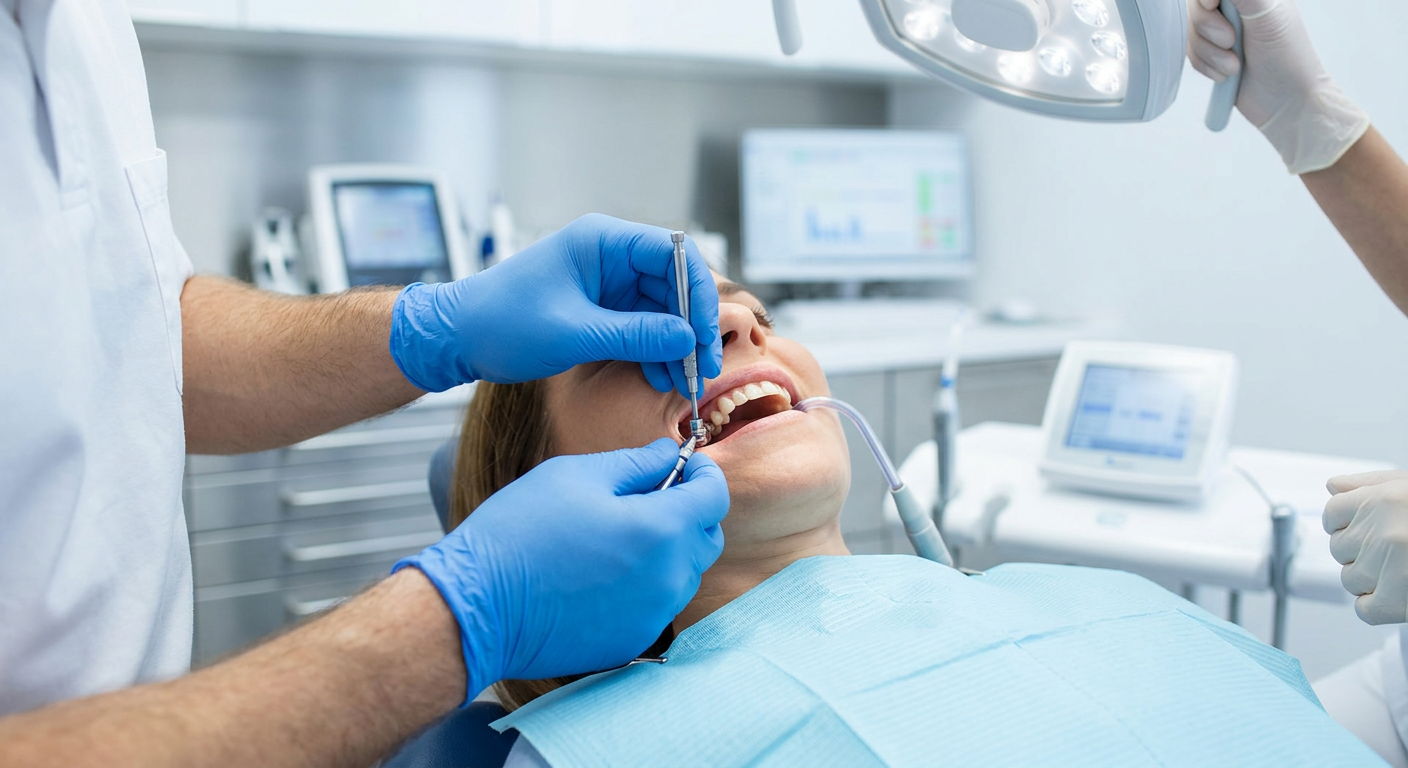
Undergoing dental implant treatment is a multi-stage process that requires precision, patience, and expert care. While the exact timeline can vary based on individual needs and the complexity of the case, here's a general step-by-step overview of what you can expect when getting dental implants in Turkey.
Step 1: Initial Consultation and Comprehensive Diagnosis
Your journey begins with a thorough evaluation. This crucial first step, often conducted remotely with your Turkish clinic via Clyna, involves:
- Medical History Review: Discussion of your general health, existing medical conditions, and medications.
- Oral Examination: A detailed assessment of your oral health, including gums, remaining teeth, and jaw structure.
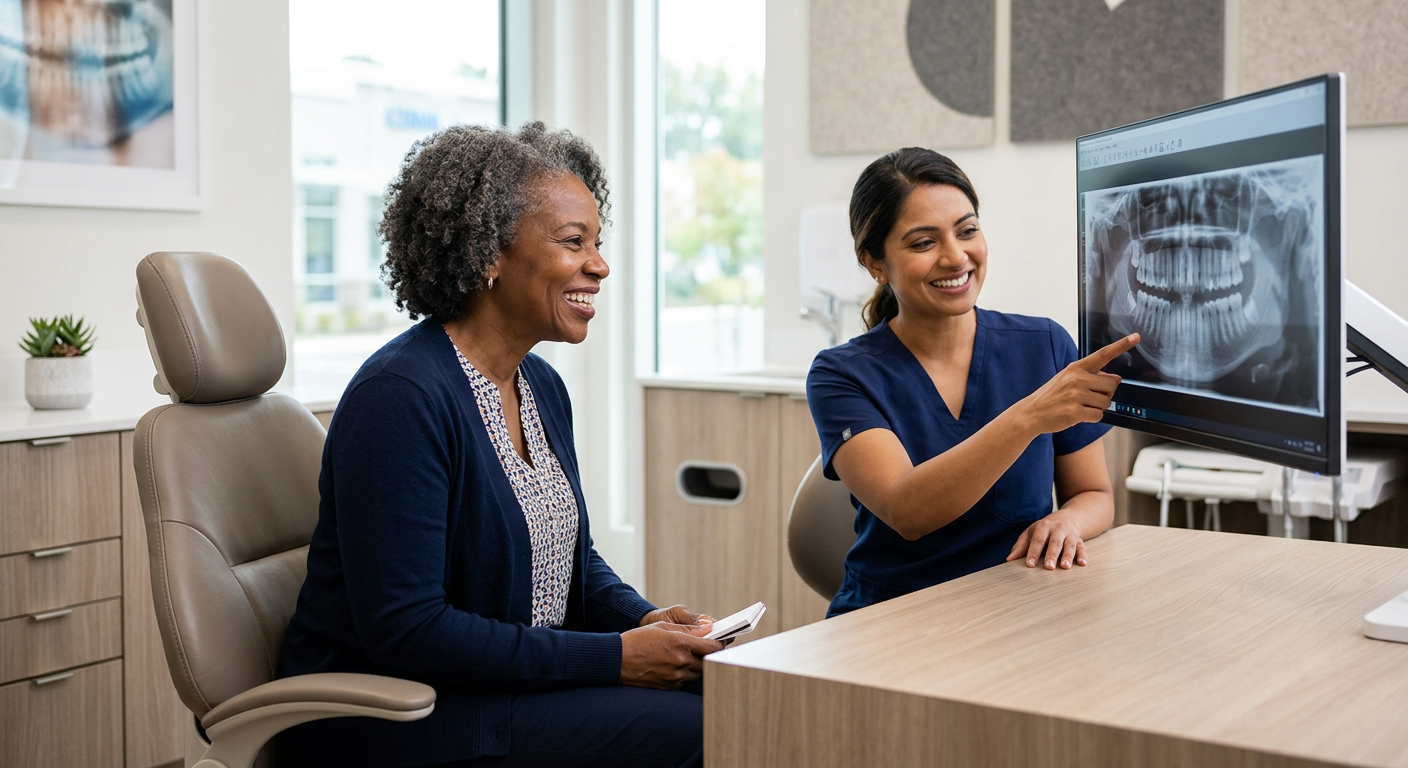
- Diagnostic Imaging: This is paramount. It typically includes:
- Panoramic X-rays: To get a broad view of your entire mouth, jawbones, and sinuses.
- 3D Cone Beam Computed Tomography (CBCT) Scan: Provides highly detailed, three-dimensional images of your jawbone, nerve pathways, and sinus cavities. This allows the dentist to precisely assess bone quantity and quality, identify vital structures to avoid, and plan the optimal implant placement with millimeter accuracy.
- Treatment Plan Development: Based on the diagnosis, your dentist will present a personalized treatment plan, outlining the number and type of implants, prosthetic options, any necessary preparatory procedures, the estimated timeline, and the "dental implant cost Turkey." This is also where digital smile design might be used to show you your potential new smile.
Step 2: Pre-Surgical Preparations (If Needed)
Not all patients require these, but they are common for those with insufficient bone density or other anatomical challenges.
Bone Grafting
- Purpose: To augment the jawbone when there isn't enough bone to securely support an implant. Bone loss can occur due to long-term tooth loss, gum disease, or trauma.
- Process: Bone material (from your own body, a donor, animal source, or synthetic) is added to the jawbone. This procedure often requires several months for the graft to integrate and heal before implant placement can proceed.
Sinus Lift (Sinus Augmentation)
- Purpose: Specifically for the upper jaw, where the maxillary sinuses can expand after tooth loss, leaving insufficient bone height for implants.
- Process: The sinus membrane is gently lifted, and bone graft material is placed into the space created. Like bone grafting, this typically requires a healing period of several months.
Tooth Extraction
- Purpose: If damaged or unrestorable teeth are still present in the implant site, they must be extracted first.
- Process: The tooth is carefully removed. Depending on the situation, immediate implant placement might be possible, or a healing period might be required before the implant surgery.
Step 3: Dental Implant Placement Surgery
This is the core surgical phase.
- Anesthesia: Local anesthesia is typically used to numb the area, ensuring you feel no pain during the procedure. Sedation options (oral, IV) are also available for anxious patients. General anesthesia might be considered for complex cases or full mouth procedures.
- Incision: A small incision is made in the gum tissue to expose the jawbone.
- Drilling: A precise series of drills are used to create a small, carefully sized socket in the bone where the implant will be placed.
- Implant Placement: The titanium implant post is gently screwed into the prepared socket.
- Gum Closure: The gum tissue is then closed over the implant with sutures, or a healing cap might be placed, leaving the top of the implant exposed.
- Duration: A single implant placement can take 30-60 minutes, while multiple implants or full arch procedures like All-on-4 will take longer, often several hours.
Step 4: Osseointegration – The Healing Phase
This is the most critical phase for long-term implant success.
- Process: Over several months (typically 3-6 months, but can be longer), the titanium implant post biologically fuses with the surrounding jawbone. This creates a strong, stable foundation, much like a natural tooth root.
- Temporary Solutions: During this period, you may be fitted with a temporary crown, bridge, or denture to maintain aesthetics and some chewing function. For All-on-4, a temporary fixed bridge is often placed immediately.
- Importance: Rushing this phase can lead to implant failure. Patience is key.
Step 5: Abutment Placement
Once osseointegration is complete, the abutment is attached.
- Process: If the implant was covered by gum tissue, a small incision is made to expose the top of the implant. A healing cap is placed for a week or two to shape the gum tissue, then the permanent abutment is screwed onto the implant post.
- Purpose: The abutment acts as the connector between the implant and the final prosthetic tooth.
Step 6: Crown, Bridge, or Denture Placement
This is when your new smile comes to life.
- Impressions: Once the gums have healed around the abutment, impressions (digital or traditional) are taken of your mouth.
- Fabrication: These impressions are sent to a dental lab where your custom-made crown, bridge, or denture is meticulously crafted to match your natural teeth in color, shape, and size.
- Placement: The final prosthetic is then securely attached to the abutment, either cemented or screwed into place. Your dentist will ensure a perfect fit, comfortable bite, and aesthetic harmony.
Step 7: Follow-up and Maintenance
Your journey doesn't end with the placement of your new teeth.
- Regular Check-ups: Routine dental check-ups and professional cleanings are essential to monitor the health of your implants and surrounding tissues.
- Oral Hygiene: Meticulous home oral hygiene, including brushing and flossing specifically designed for implants, is crucial for their long-term success.
- Longevity: With proper care, dental implants can last a lifetime, making them a truly worthwhile investment, especially when considering the accessible "dental implant cost Turkey."
This detailed process ensures that each step is carefully managed, leading to a successful and lasting restoration of your smile.
Why Choose Turkey for Your Dental Implants? Unmatched Advantages
Turkey has rapidly ascended to become one of the world's leading destinations for medical tourism, particularly in the field of dentistry. The compelling advantages offered by Turkish clinics, especially concerning "dental implant cost Turkey," extend far beyond mere affordability. It's a holistic package of quality, expertise, efficiency, and an enriching travel experience.
Significant Cost Savings: The Primary Driver
The most immediate and striking advantage of choosing Turkey for dental implants is the substantial cost reduction. Patients can expect to save anywhere from 50% to 70% compared to prices in Western Europe, the UK, or North America. This isn't due to lower quality but rather a combination of factors:
- Lower Operating Costs: Rent, labor, and utility costs are significantly lower in Turkey.
- Favorable Exchange Rates: The Turkish Lira's exchange rate against major currencies like EUR, GBP, and USD makes treatments more affordable for international patients.
- Government Support for Medical Tourism: The Turkish government actively promotes and invests in medical tourism, creating a competitive market that benefits patients.
This means that the "dental implant cost Turkey," "all-on-4 cost Turkey," and "full mouth dental implants Turkey price" are not just "cheap dental implants Turkey" but represent incredible value for money, allowing patients to access premium care that might otherwise be financially prohibitive.
World-Class Quality and Advanced Technology
Turkish dental clinics are anything but rudimentary. They are often equipped with the latest, state-of-the-art dental technology, rivaling and often surpassing facilities in many Western countries. This includes:
- 3D Cone Beam CT (CBCT) Scanners: For precise diagnostic imaging and treatment planning.
- CAD/CAM Technology: Computer-aided design and manufacturing for highly accurate and aesthetically pleasing crowns and bridges, often fabricated on-site for faster turnaround.
- Digital Smile Design: Advanced software to visualize and plan your perfect smile before treatment begins.
- Laser Dentistry: For minimally invasive procedures and faster healing.
- High-Quality Implant Brands: Clinics in Turkey use globally recognized and reputable implant brands such as Straumann, Nobel Biocare, Zimmer Biomet, Dentsply Sirona, and BioHorizons, alongside high-quality Turkish brands that meet international standards.
Highly Experienced and Internationally Trained Dentists
Turkey boasts a large pool of highly qualified and experienced dental professionals. Many Turkish dentists:
- Receive extensive training: Graduating from prestigious universities with rigorous dental programs.
- Pursue international education: Many undertake further specialization and training in Europe or the USA, bringing back global best practices.
- Are fluent in English: Facilitating seamless communication with international patients.
- Have vast experience: Due to the high volume of both local and international patients, Turkish dentists perform a significant number of implant procedures annually, honing their skills and expertise.
JCI-Accredited Facilities and Stringent Standards
Turkey is home to numerous hospitals and clinics accredited by the Joint Commission International (JCI), the gold standard for healthcare quality and patient safety worldwide. As of 2023, Turkey has one of the highest numbers of JCI-accredited facilities outside the United States. This accreditation signifies adherence to the most rigorous international standards in patient care, infection control, and facility management, providing immense reassurance to international patients. Beyond JCI, many clinics also hold ISO certifications.
Efficiency and Accessibility: No Waiting Lists
Unlike public healthcare systems in many countries where waiting lists for specialist dental procedures can stretch for months, Turkey offers immediate access to treatment. This efficiency is a major draw for patients who need timely interventions and prefer to complete their treatment within a specific travel window.
A Holistic Medical Tourism Experience
Choosing Turkey for dental implants isn't just about the treatment; it's about the entire experience.
- Seamless Travel: Many clinics offer comprehensive packages that include airport transfers, accommodation assistance, and even dedicated patient coordinators who speak multiple languages.
- Cultural Immersion: Patients can combine their dental treatment with a memorable holiday, exploring Turkey's rich history, vibrant culture, stunning landscapes, and delicious cuisine. This blend of treatment and tourism significantly enhances the overall value proposition.
- Hospitality: Turkish culture is renowned for its warmth and hospitality, making patients feel comfortable and cared for throughout their stay.

Prominent Dental Hubs: Istanbul and Antalya
While quality clinics are found across Turkey, two cities stand out as prime destinations for dental tourism:
- Istanbul: As a vibrant metropolis bridging two continents, Istanbul offers an unparalleled choice of world-class dental clinics, often equipped with the latest technology and staffed by highly specialized dentists. It's ideal for those seeking a bustling city experience combined with top-tier dental care. The sheer volume of clinics means competitive "dental implant price comparison Turkey" options.
- Antalya: Located on the stunning Mediterranean coast, Antalya is perfect for patients who wish to combine their dental treatment with a relaxing beach holiday. It boasts numerous modern dental facilities catering to international patients, offering a more serene environment.
In summary, Turkey presents a compelling case for dental implants: exceptional quality, advanced technology, experienced professionals, stringent safety standards, and unparalleled affordability, all wrapped up in an enriching travel experience. It's no wonder that "cheap dental implants Turkey" are attracting so much global attention.
Dental Implant Price Comparison Turkey vs. Europe & USA (in EUR)
Understanding the "dental implant cost Turkey" requires a clear comparison with prices in other developed nations. The savings are often substantial, making Turkey an incredibly attractive option for high-quality dental care.
Please note: These are average estimated ranges and can vary based on clinic, dentist's experience, implant brand, material choices, and specific patient needs. All prices are in Euros (EUR) for easier comparison.
| Procedure Type | Turkey (EUR) | Germany (EUR) | UK (EUR) | USA (EUR) |
|---|---|---|---|---|
| Single Dental Implant | €400 - €900 | €1,800 - €3,500 | €2,000 - €4,500 | €3,000 - €6,000 |
| (Includes implant, abutment, crown) | ||||
| All-on-4® Dental Implants (per arch) | €2,500 - €6,000 | €8,000 - €15,000 | €10,000 - €18,000 | €15,000 - €30,000 |
| (Includes 4 implants, temporary & permanent prosthesis) | ||||
| Full Mouth Dental Implants (both arches) | €5,000 - €12,000 | €16,000 - €30,000 | €20,000 - €36,000 | €30,000 - €60,000+ |
| (Often 2x All-on-4 or similar, incl. all components) | ||||
| Bone Grafting (per site) | €200 - €600 | €800 - €1,500 | €1,000 - €2,000 | €1,500 - €3,000 |
| Sinus Lift (per side) | €300 - €800 | €1,000 - €2,000 | €1,200 - €2,500 | €2,000 - €4,000 |
Please note: The "dental implant price comparison Turkey" clearly shows significant savings. These figures are for the core dental procedures and may not include travel, accommodation, or other related expenses, though many Turkish clinics offer comprehensive packages.
Factors Influencing Dental Implant Cost Turkey
While the overall "dental implant cost Turkey" is significantly lower, several factors still influence the final price within Turkey itself:
Number of Implants
Naturally, the more implants you need, the higher the total cost. A single implant will be less expensive than multiple implants, and a full mouth restoration will be the most significant investment. The "all-on-4 cost Turkey" is designed to be more economical for full arch replacement than individual implants.
Implant Brand and Quality
Just like cars, dental implants come in various brands with different reputations, research backing, and price points.
- Premium International Brands: Brands like Straumann (Switzerland), Nobel Biocare (Sweden/USA), Zimmer Biomet (USA), and Dentsply Sirona (USA/Germany) are globally recognized for their extensive research, high success rates, and long-term reliability. They typically come with a higher price tag.
- Mid-Range International Brands: Brands like BioHorizons (USA), Astra Tech (Sweden), and Osstem (South Korea) offer excellent quality at a slightly more accessible price point.
- Turkish Brands: High-quality Turkish implant brands (e.g., NucleOSS, Implance) are also available. These are often more affordable while still meeting international quality standards, making "cheap dental implants Turkey" a viable and safe option.
Your dentist will discuss the best brand choice for your specific case, balancing quality, longevity, and your budget.
Type of Prosthesis (Crown/Bridge Material)
The material used for your final crown, bridge, or denture significantly impacts both aesthetics and cost.
- Zirconia: The most popular choice for its strength, durability, and natural appearance. It's metal-free and offers superior aesthetics, making it a premium option.
- E-max: Excellent for highly aesthetic front teeth due to its translucency, but generally less strong than zirconia.
- Porcelain-Fused-to-Metal (PFM): A durable and more economical option, though aesthetics may not be as natural as full ceramic options.
- Acrylic: Often used for temporary prosthetics or for the initial fixed bridge in All-on-4/All-on-6 systems. It's the most affordable but less durable for long-term permanent solutions.
Additional Procedures (Bone Grafting, Sinus Lift, Extractions)
If you require preparatory procedures like bone grafting, a sinus lift, or tooth extractions before implant placement, these will add to the overall "dental implant cost Turkey." The complexity and extent of these procedures will dictate their price.
Clinic Location and Reputation
- Major Cities: Clinics in prime locations in Istanbul or Antalya might have slightly higher overheads than those in smaller towns, though competition keeps prices keen.
- Reputation: Highly renowned clinics with extensive experience and international accreditations might charge a premium for their expertise and facilities.
Dentist's Experience and Specialization
Highly experienced dentists, especially those with specialized training in implantology or oral surgery, may command higher fees due to their proven track record and advanced skills.
Included Services in the Package
Many Turkish clinics offer comprehensive packages for international patients. These can include:
- Consultation and X-rays: Often included.
- Airport Transfers: Pick-up and drop-off.
- Accommodation: Sometimes included or offered at a discounted rate.
- Medication: Post-operative antibiotics and pain relievers.
- Temporary Prosthetics: If needed during the healing phase.
- Aftercare and Follow-up: Initial post-operative checks.
- Warranty: On implants and prosthetics.
Always clarify what is included in your quoted "dental implant cost Turkey" to avoid any hidden surprises. Clyna helps ensure transparency in these packages.
How to Choose the Right Dental Clinic in Turkey
Selecting the right clinic for your dental implants in Turkey is paramount to a successful and satisfying experience. With numerous options available, it's essential to conduct thorough research and consider several key factors. Clyna is here to guide you through this process, connecting you with vetted, high-quality clinics.
Key Criteria for Evaluation
Dentist's Qualifications and Experience
- Specialization: Look for dentists who specialize in implantology or oral surgery. These specialists have undergone extensive additional training beyond general dentistry.
- Experience: Inquire about the number of implant procedures they perform annually and their success rates. A dentist with a decade or more of experience in implantology is highly desirable.
- International Training: Many top Turkish dentists have trained or worked abroad, bringing international best practices to their clinics.
- Before & After Cases: Ask to see examples of their previous work, particularly for cases similar to yours.
Clinic Accreditations and Certifications
- JCI Accreditation: As mentioned, Joint Commission International (JCI) accreditation is a strong indicator of world-class quality and patient safety standards.
- ISO Certification: ISO (International Organization for Standardization) certifications (e.g., ISO 9001 for quality management) demonstrate a commitment to consistent quality.
- Local Health Ministry Licenses: Ensure the clinic is fully licensed and regulated by the Turkish Ministry of Health.
- Professional Memberships: Check if the dentists are members of reputable national or international dental associations (e.g., Turkish Dental Association, ITI - International Team for Implantology).
Technology and Equipment
- Modern Diagnostics: Does the clinic utilize 3D CBCT scans for precise planning? This is non-negotiable for safe and effective implant placement.
- CAD/CAM Technology: In-house CAD/CAM labs can significantly speed up the fabrication of crowns and bridges, ensuring a perfect fit and aesthetic.
- Sterilization Protocols: Inquire about their sterilization procedures. Modern clinics adhere to strict international standards to prevent infections.
- Reputable Implant Brands: Confirm that the clinic uses well-known, high-quality implant brands with proven track records and warranties. Don't hesitate to ask for the brand names.
Patient Reviews and Testimonials
- Online Reviews: Check independent review platforms (Google Reviews, Trustpilot, dedicated medical tourism forums). Look for consistent positive feedback regarding treatment quality, patient care, communication, and aftercare.
- Video Testimonials: These can offer a more personal insight into other patients' experiences.
- Clyna's Vetting Process: Clyna thoroughly vets all partner clinics, taking into account patient feedback and quality standards, to ensure you connect with reliable providers.
Transparency in Pricing and Treatment Plans
- Detailed Quote: Insist on a comprehensive, itemized quote that clearly outlines the "dental implant cost Turkey," including all components (implant, abutment, crown), any additional procedures (bone graft, extractions), anesthesia, temporary prosthetics, and follow-up appointments.
- No Hidden Fees: Ensure there are no hidden costs. A reputable clinic will be transparent about all expenses.
- Written Treatment Plan: Request a written treatment plan detailing each step of the procedure, expected timeline, and materials to be used.
Communication and Language Support
- English Proficiency: Most clinics catering to international patients will have English-speaking staff, including dentists and patient coordinators.
- Responsiveness: Assess how quickly and thoroughly the clinic responds to your inquiries. Good communication before your arrival is a strong indicator of their patient care.
- Dedicated Patient Coordinator: A dedicated international patient coordinator can be invaluable for managing your appointments, transfers, and any concerns during your stay.
Aftercare and Warranty Policy
- Post-Operative Instructions: Ensure you receive clear, detailed instructions for aftercare and recovery.
- Follow-up Plan: Understand the follow-up schedule, especially if you're returning home after the initial phase.
- Warranty: Inquire about the warranty offered on the implants and prosthetics. Reputable clinics typically offer warranties on implant failure (often 5-10 years or lifetime for premium brands) and prosthetic work (1-5 years). Understand the terms and conditions.
Red Flags to Watch Out For
- Unrealistically Low Prices: While "cheap dental implants Turkey" are a reality, prices that are significantly lower than the market average (even for Turkey) should raise suspicion about quality or hidden costs.
- Pressure Sales Tactics: Avoid clinics that pressure you into making a quick decision or undergoing unnecessary procedures.
- Lack of Transparency: Vague pricing, unwillingness to provide a detailed treatment plan, or evasiveness about implant brands are major red flags.
- Poor Communication: Clinics that are slow to respond, provide unclear answers, or have staff with poor English skills can lead to misunderstandings and a stressful experience.
- No Diagnostic Imaging: If a clinic proposes implant placement without first conducting a 3D CBCT scan, it's a serious red flag. Precise planning is impossible without it.
- No Aftercare or Warranty: A clinic that doesn't offer clear aftercare instructions or a warranty on their work is not confident in their services.
By carefully evaluating these criteria and being aware of potential red flags, you can confidently choose a reputable Turkish clinic that will provide you with safe, high-quality, and affordable dental implant treatment. Clyna's network of trusted clinics already meets these stringent standards, simplifying your choice.
Before Treatment: Your Preparation Checklist
Thorough preparation is key to a smooth and stress-free dental implant journey in Turkey. This checklist covers both medical and logistical aspects to ensure you're ready for your treatment.
Medical Preparation
-
Comprehensive Medical History:
- Provide Full Disclosure: Be completely honest with your Turkish clinic about your medical history, including all past and present illnesses, surgeries, allergies, and any chronic conditions (e.g., diabetes, heart conditions, autoimmune disorders).
- Medication List: Provide a detailed list of all medications you are currently taking, including prescription drugs, over-the-counter medications, supplements, and herbal remedies.
- Dental History: Share your complete dental history, including previous extractions, gum disease, root canals, and any issues with anesthesia.
-
Medical Clearance (If Required):
- Consult Your GP: Your Turkish dentist may request a letter of medical clearance from your local general practitioner, especially if you have complex medical conditions. This confirms you are fit for surgery.
- Blood Tests: You might be asked to undergo routine blood tests (e.g., complete blood count, blood sugar levels, coagulation profile) before your trip.
-
Medication Management:
- Blood Thinners: If you are on blood thinners (e.g., aspirin, warfarin, clopidogrel), your dentist will provide specific instructions on when to stop taking them before surgery to minimize bleeding risks. Never stop medication without consulting your doctor.
- Antibiotics: You may be prescribed antibiotics to start a day or two before surgery to prevent infection.
- Pain Relievers: Have over-the-counter pain relievers (e.g., ibuprofen, paracetamol) on hand for post-operative discomfort, though your clinic will likely provide some.
-
Oral Hygiene:
- Intensify Routine: Ensure your mouth is as clean as possible before your trip. Brush and floss diligently.
- Address Existing Issues: If you have any active infections or severe gum disease, these should ideally be treated before implant surgery to improve success rates. Your Turkish dentist will advise on this.
-
Smoking and Alcohol:
- Reduce/Quit Smoking: Smoking significantly impairs healing and increases the risk of implant failure. Your dentist will strongly advise you to reduce or ideally quit smoking several weeks before and after surgery.
- Limit Alcohol: Avoid alcohol consumption in the days leading up to and immediately after your surgery, as it can interfere with medication and healing.
Travel and Logistics Preparation
-
Passport and Visa:
- Validity: Ensure your passport is valid for at least six months beyond your intended stay.
- Visa Requirements: Check if you need a visa for Turkey based on your nationality. E-visas are available for many countries.
-
Flights and Accommodation:
- Book in Advance: Secure your flights and accommodation well in advance, especially if traveling during peak season.
- Clinic Packages: If your clinic offers a package including accommodation and transfers, confirm all details. Clyna can assist with these arrangements.
- Location: Choose accommodation close to your clinic for ease of travel, especially after surgery.
-
Travel Insurance:
- Comprehensive Coverage: Purchase comprehensive travel insurance that covers medical emergencies, trip cancellations, and any potential complications related to your dental treatment. Read the policy carefully.
-
Communication:
- International Roaming/Local SIM: Arrange for international roaming on your phone or consider purchasing a local Turkish SIM card upon arrival to stay connected with your clinic and family.
- Chargers/Adapters: Don't forget necessary chargers and travel adapters (Turkey uses Type F and Type C plugs).
-
Clothing and Comfort:
- Comfortable Attire: Pack comfortable, loose-fitting clothing for your travel and recovery period.
- Essentials: Bring any personal comfort items, entertainment (books, tablet), and a good pair of sunglasses to protect sensitive eyes after surgery.
-
Financial Planning:
- Payment Method: Confirm the accepted payment methods with your clinic (cash, credit card, bank transfer).
- Currency: Have some local currency (Turkish Lira) for small expenses, although credit cards are widely accepted.
- Budget: Factor in the "dental implant cost Turkey," plus expenses for flights, accommodation, food, and any leisure activities.
-
Support System:
- Inform Loved Ones: Let family or friends know your travel plans and treatment schedule.
- Travel Companion: Consider traveling with a companion, especially if you are undergoing extensive procedures, for emotional support and practical assistance.
By diligently following this checklist, you can minimize potential anxieties and focus on your upcoming treatment and the exciting prospect of a renewed smile.
After Treatment: Your Recovery Timeline Day-by-Day
The recovery process after dental implant surgery is crucial for successful osseointegration and the long-term health of your implants. While individual experiences may vary, here’s a general day-by-day timeline of what to expect and how to manage your recovery.
Immediate Post-Surgery (First 24-48 Hours)
This is the most critical period for managing initial discomfort and preventing complications.
- Bleeding: You may experience slight bleeding or oozing from the surgical site. Keep gauze pads firmly in place and change them as directed by your dentist. Avoid rinsing vigorously, spitting, or using a straw, as this can dislodge the blood clot and cause dry socket.
- Swelling: Swelling is normal and usually peaks 24-48 hours after surgery. Apply ice packs to the outside of your face, 20 minutes on, 20 minutes off, for the first 24 hours to minimize swelling.
- Pain: Mild to moderate pain is expected. Take prescribed pain medication as directed by your dentist. Do not wait for the pain to become severe before taking medication.
- Diet: Stick to soft, cold foods and liquids (e.g., yogurt, smoothies, mashed potatoes, soup) for the first day. Avoid hot foods and drinks.
- Rest: Get plenty of rest. Avoid strenuous activity, bending, or lifting heavy objects. Keep your head elevated with pillows while sleeping.
- Oral Hygiene: Do NOT brush the surgical site. You may gently brush other areas of your mouth. Your dentist might prescribe an antiseptic mouthwash; use it gently, without vigorous swishing.
- Smoking/Alcohol: Absolutely avoid smoking and alcohol, as they severely impede healing and increase complication risks.
First Week Post-Surgery
You should start to feel more comfortable, but continued care is essential.
- Swelling & Bruising: Swelling should begin to subside, though some bruising may appear on your face or neck, which is normal and will fade.
- Pain Management: Continue taking pain medication as needed. You might be able to transition to over-the-counter pain relievers.
- Diet: Gradually introduce softer, lukewarm foods. Avoid anything crunchy, chewy, spicy, or acidic that could irritate the surgical site. Continue to chew on the opposite side of your mouth if possible.
- Oral Hygiene: Continue gentle brushing of non-surgical areas. Use the prescribed antiseptic mouthwash as directed. After 24-48 hours, you can gently rinse with warm salt water (1/2 teaspoon salt in 8 ounces warm water) several times a day to promote healing.
- Activity: Avoid strenuous exercise. Light activity is generally fine, but listen to your body.
- Suture Removal: If non-dissolvable sutures were used, they will typically be removed by your dentist around day 7-10.
Weeks 2-4 Post-Surgery
Healing progresses, and discomfort should significantly diminish.
- Discomfort: Most pain and swelling should be gone. You might feel some tenderness around the implant site.
- Diet: You can gradually return to a more normal diet, but continue to avoid extremely hard or sticky foods that could put undue pressure on the healing implant.
- Oral Hygiene: Resume normal, gentle brushing and flossing, being careful around the surgical area. Continue with any prescribed mouthwash.
- Activity: You can typically resume most normal activities, including light exercise.
Months 1-6 (Osseointegration Phase)
This is the crucial period where the implant fuses with your jawbone.
- No Symptoms: You generally won't feel anything happening during this phase, as the healing is internal.
- Temporary Solutions: If you have a temporary crown, bridge, or denture, continue to wear it carefully. Avoid putting excessive biting force on it.
- Regular Check-ups: Attend any scheduled follow-up appointments with your dentist to monitor the healing progress. X-rays may be taken to confirm osseointegration.
- Patience: This phase is vital for the long-term success of your implants. Do not rush the process.
Long-Term Care and Maintenance
Once your permanent crown, bridge, or denture is placed, the focus shifts to lifelong maintenance.
- Excellent Oral Hygiene: This is paramount. Brush twice daily with a soft-bristled toothbrush, floss daily (using special implant floss or interdental brushes if recommended), and use an antiseptic mouthwash. Implants cannot get cavities, but the surrounding gum tissue can still get infected (peri-implantitis), which can lead to implant failure.
- Regular Dental Check-ups: Visit your dentist every six months for professional cleanings and examinations. They will check the health of your implants, gums, and remaining teeth.
- Avoid Hard Foods: While implants are strong, avoid chewing on extremely hard items (e.g., ice, hard candy, popcorn kernels) that could damage your prosthetics or even the implant itself.
- Address Issues Promptly: If you notice any pain, swelling, looseness, or changes around your implant, contact your dentist immediately.
By diligently following these recovery guidelines and maintaining excellent oral hygiene, you can ensure the longevity and success of your dental implants, enjoying your new, confident smile for many years to come. The initial "dental implant cost Turkey" is an investment that pays dividends through proper aftercare.
Risks, Complications, and How to Minimize Them
While dental implant surgery boasts a high success rate (typically over 95%), like any surgical procedure, it carries potential risks and complications. Understanding these and knowing how to minimize them is crucial for a successful outcome, especially when considering treatment abroad. Reputable clinics in Turkey, facilitated by Clyna, prioritize patient safety and employ stringent measures to mitigate these risks.
Common Risks and How They Are Managed
Infection
- Risk: Infection at the implant site can occur during or after surgery, potentially leading to implant failure.
- Minimization:
- Sterile Environment: Reputable clinics adhere to strict sterilization protocols for instruments and surgical areas.
- Antibiotics: Dentists often prescribe prophylactic antibiotics before and after surgery.
- Patient Hygiene: Meticulous oral hygiene before and after surgery is vital.
- Smoking Cessation: Smoking significantly increases infection risk.
Nerve Damage
- Risk: Although rare, implant placement, especially in the lower jaw, can potentially damage nerves, leading to numbness, tingling, or pain in the lips, chin, gums, or tongue.
- Minimization:
- 3D CBCT Scans: Advanced imaging allows dentists to precisely map nerve pathways and plan implant placement to avoid them.
- Experienced Surgeons: Highly skilled and experienced oral surgeons are adept at navigating complex anatomical structures.
Sinus Problems
- Risk: If an implant in the upper jaw protrudes into the maxillary sinus cavity, it can cause sinusitis or other sinus complications.
- Minimization:
- Pre-operative Assessment: Detailed CBCT scans are used to measure bone height and proximity to the sinus.
- Sinus Lift Procedure: If bone height is insufficient, a sinus lift is performed to create adequate bone for implant placement, preventing sinus penetration.
Implant Failure (Osseointegration Failure)
- Risk: The implant may fail to fuse with the jawbone (osseointegration). This can happen due to poor bone quality, infection, excessive early pressure on the implant, or certain medical conditions.
- Minimization:
- Patient Selection: Careful assessment of bone density and overall health to ensure suitability for implants.
- Proper Surgical Technique: Precise implant placement and minimal trauma during surgery.
- Healing Period: Adherence to the recommended healing period before loading the implant with a crown.
- Patient Compliance: Following post-operative instructions, especially regarding diet, oral hygiene, and avoiding smoking.
- Quality Implants: Using high-quality, scientifically backed implant brands.
Peri-implantitis
- Risk: This is an inflammatory condition affecting the tissues surrounding a dental implant, similar to gum disease. If left untreated, it can lead to bone loss around the implant and eventual implant failure.
- Minimization:
- Excellent Oral Hygiene: Daily brushing and flossing are crucial.
- Regular Dental Check-ups: Professional cleanings and monitoring by a dentist are essential.
- Smoking Cessation: Smoking is a major risk factor for peri-implantitis.
Aesthetic Complications
- Risk: Poor aesthetic outcomes, such as crowns that don't match natural teeth, visible implant components, or uneven gum lines.
- Minimization:
- Skilled Prosthodontists: Choosing a dentist with a strong aesthetic eye and experience in restorative dentistry.
- Digital Smile Design: Utilizing technology to plan and visualize the final aesthetic outcome.
- High-Quality Lab Work: Partnering with dental labs that use premium materials and skilled technicians.
Minimizing Risks Through Informed Choices
- Choose a Reputable Clinic: This is the single most important factor. Partner with platforms like Clyna that vet clinics for their accreditations (JCI, ISO), dentist qualifications, technology, and patient safety records.
- Thorough Pre-operative Assessment: Ensure your clinic conducts a comprehensive medical history review and advanced imaging (CBCT scan) to accurately assess your suitability and plan the surgery.
- Open Communication: Be transparent with your dentist about your medical history and ask all your questions. Ensure you understand the treatment plan, potential risks, and aftercare instructions.
- Follow Instructions Diligently: Adhere strictly to all pre-operative and post-operative instructions, especially regarding medication, oral hygiene, diet, and activity restrictions.
- Commit to Aftercare: Understand that the long-term success of your implants depends heavily on your commitment to excellent oral hygiene and regular dental check-ups.
- Understand Warranty: Inquire about the clinic's warranty policy for implants and prosthetics. A clear warranty demonstrates the clinic's confidence in their work.
By taking these proactive steps and choosing a trusted provider, you can significantly reduce the likelihood of complications and ensure a safe, successful, and long-lasting outcome for your dental implants in Turkey. The "dental implant cost Turkey" includes access to professionals who are highly skilled in risk management.
Real Patient Journey Stories
Hearing from others who have successfully undergone dental implant treatment in Turkey can provide invaluable insight and reassurance. Here are three realistic patient scenarios, highlighting different needs and outcomes.
Patient Story 1: Sarah's Single Implant Success
Patient: Sarah, 42, Marketing Manager from London, UK. Problem: Lost a front incisor tooth due to a sports injury years ago. Had been using a removable partial denture, which she found uncomfortable and embarrassing. Wanted a permanent, natural-looking solution. Initial Concerns: Quality of care abroad, language barrier, and the overall "dental implant cost Turkey" being too good to be true. Clyna's Role: Sarah contacted Clyna, expressing her concerns. We connected her with a JCI-accredited clinic in Istanbul known for its aesthetic dentistry and English-speaking staff. We facilitated her initial remote consultation, where she shared her dental records and a 3D CBCT scan. Treatment Plan: A single titanium implant (Nobel Biocare brand) with a full zirconia crown. No bone grafting was needed. The plan involved two trips: one for implant placement (4 days) and another for crown placement after osseointegration (7 days). The Journey:
- Trip 1 (Istanbul, 4 days): Sarah was met at the airport by a clinic representative. Her initial in-person consultation confirmed the treatment plan. The implant surgery was performed under local anesthesia, taking about an hour. She experienced mild swelling and discomfort for a couple of days, managed with prescribed medication. She spent the remaining days exploring Istanbul's historical sites.
- Healing Phase (5 months): Back home, Sarah followed all aftercare instructions diligently. She wore a temporary flipper denture for aesthetics. The clinic's patient coordinator checked in periodically.
- Trip 2 (Istanbul, 7 days): After confirming successful osseointegration via a follow-up X-ray, Sarah returned. Impressions were taken, and her custom-made zirconia crown was fabricated in the clinic's in-house lab. The crown was fitted perfectly, matching her natural teeth seamlessly. She used the extra days to enjoy a short holiday. Outcome: Sarah was thrilled. Her new tooth looked and felt completely natural. The total "dental implant cost Turkey" was approximately €1,800, including the implant, abutment, zirconia crown, and transfers, saving her over €2,500 compared to UK quotes. She regained her confidence and now smiles freely.
Patient Story 2: David's All-on-4 Transformation
Patient: David, 60, Retired Engineer from Berlin, Germany. Problem: Struggled with failing teeth, extensive gum disease, and loose dentures in his upper jaw. He was tired of the discomfort and limitations of dentures and wanted a fixed solution. Initial Concerns: The complexity of "all-on-4 cost Turkey" and the idea of major surgery abroad. He worried about the quality of the prosthetics. Clyna's Role: David sought Clyna for a comprehensive "all-on-4 cost Turkey" solution. We connected him with a highly specialized oral surgeon in Antalya, known for full mouth rehabilitations and using premium implant brands. The clinic provided a detailed virtual consultation, including a video call with the surgeon. Treatment Plan: All-on-4 dental implants for the upper jaw, with immediate loading of a temporary acrylic bridge, followed by a permanent zirconia bridge after healing. This required two trips. The Journey:
- Trip 1 (Antalya, 7 days): David flew to Antalya, where he was picked up by the clinic. After a final examination and 3D imaging, his failing teeth were extracted, and four implants were strategically placed. A temporary acrylic bridge was fitted on the same day, allowing him to leave with a functional, albeit temporary, smile. He spent a few days recovering at his hotel, enjoying the quiet coastal atmosphere.
- Healing Phase (6 months): David returned to Germany. He followed a soft diet and maintained excellent oral hygiene. The temporary bridge allowed him to eat and speak comfortably.
- Trip 2 (Antalya, 10 days): David returned for the placement of his permanent zirconia bridge. Impressions were taken, and the bridge was meticulously crafted and fitted. The clinic also provided a night guard for protection. Outcome: David's transformation was remarkable. He could finally eat all his favorite foods without worry and his speech improved significantly. The "all-on-4 cost Turkey" for his upper arch, including premium implants, temporary and permanent bridges, and all clinic services, was around €5,500, a saving of over €7,000 compared to German prices. He often recommends Turkey to his friends.
Patient Story 3: Elena's Full Mouth Renewal
Patient: Elena, 55, Teacher from New York, USA. Problem: Severely worn-down teeth, multiple missing teeth, and chronic pain due to a lifetime of dental issues. She needed a complete "full mouth dental implants Turkey price" solution but found the US costs prohibitive. Initial Concerns: The sheer scale of the treatment, the duration of stay, and ensuring consistent quality for such a major investment. Clyna's Role: Elena approached Clyna looking for a comprehensive "full mouth dental implants Turkey price" package. We matched her with a top-tier dental hospital in Istanbul, renowned for complex full mouth rehabilitations and offering extensive patient support. Treatment Plan: Full mouth dental implants, involving All-on-6 for the upper jaw and All-on-4 for the lower jaw, with permanent zirconia bridges for both arches. This required two extended trips. The Journey:
- Trip 1 (Istanbul, 12 days): Elena had a detailed consultation, including full mouth CBCT scans and digital smile design. All remaining problematic teeth were extracted, and 10 implants (6 upper, 4 lower) were placed. Temporary fixed acrylic bridges were immediately loaded. She spent the initial days recovering, then explored Istanbul with her husband.
- Healing Phase (7 months): Elena returned to the US, managing her temporary bridges and following a soft diet. She had regular virtual check-ups with her Turkish dentist.
- Trip 2 (Istanbul, 14 days): Elena returned for the final phase. Impressions were taken, and her custom-designed zirconia bridges for both arches were fabricated. Multiple fitting sessions ensured perfect occlusion and aesthetics. The final bridges were cemented into place, and she received detailed aftercare instructions. Outcome: Elena's life was transformed. Her chronic pain was gone, she could eat anything she desired, and her new smile was radiant. The "full mouth dental implants Turkey price" for her extensive treatment, including all implants, temporary and permanent zirconia bridges, bone grafting in some areas, and VIP transfers, was approximately €11,000. This represented a staggering saving of over €30,000 compared to her US quotes. She now advocates for medical tourism in Turkey.
These stories illustrate the diverse needs and successful outcomes experienced by patients choosing Turkey for their dental implant treatments, facilitated by Clyna's expertise.
Frequently Asked Questions (FAQ)
Here are answers to some of the most common questions patients have about dental implants in Turkey.
1. Is getting dental implants in Turkey safe?
Yes, getting dental implants in Turkey is generally very safe, provided you choose a reputable and accredited clinic. Turkey has invested heavily in its medical infrastructure, boasting modern facilities, highly trained dentists, and adherence to international safety and hygiene standards. Many clinics are JCI-accredited, signifying world-class quality. Clyna partners exclusively with vetted clinics that meet stringent safety and quality criteria.
2. What is the average dental implant cost Turkey?
The average "dental implant cost Turkey" for a single implant (including the implant, abutment, and crown) typically ranges from €400 to €900. This is significantly lower than in countries like the UK, Germany, or the USA, where the same procedure can cost €2,000 to €6,000. The exact price depends on the implant brand, crown material, and any additional procedures needed.
3. How much does All-on-4 cost Turkey?
The "all-on-4 cost Turkey" for a full arch (upper or lower jaw) typically ranges from €2,500 to €6,000. This price usually includes the four implants, temporary prosthesis, and the final permanent bridge (often acrylic or zirconia). This represents a massive saving compared to Western countries where All-on-4 can cost €10,000 to €30,000 per arch.
4. What is the full mouth dental implants Turkey price?
For "full mouth dental implants Turkey price" (both upper and lower arches), you can expect a range of €5,000 to €12,000. This often involves two All-on-4 or All-on-6 systems. This comprehensive solution, including all implants and permanent prosthetics, offers incredible value compared to €20,000 to €60,000+ in other developed nations.
5. Are cheap dental implants Turkey of good quality?
The term "cheap dental implants Turkey" often refers to the affordability, not a compromise on quality. The lower costs are primarily due to favorable exchange rates, lower operating expenses, and government support for medical tourism, not inferior materials or expertise. Reputable Turkish clinics use internationally recognized, high-quality implant brands (e.g., Straumann, Nobel Biocare) and employ highly skilled, experienced dentists. Clyna ensures you connect with clinics that maintain excellent quality standards.
6. How long do I need to stay in Turkey for dental implants?
The duration depends on the treatment plan.
- Single-stage implant placement (if no bone graft needed): Often requires two trips. The first trip is typically 3-5 days for implant placement. After a 3-6 month healing period (osseointegration), a second trip of 5-10 days is needed for abutment and crown placement.
- All-on-4/All-on-6 (with immediate loading): The first trip for surgery and temporary bridge placement is usually 5-7 days. After 4-6 months of healing, a second trip of 7-12 days is required for the permanent bridge.
- If bone grafting or sinus lift is needed: This can add several months to the overall timeline, as these procedures require their own healing period before implant placement.
7. What brands of dental implants are used in Turkey?
Turkish clinics use a wide range of reputable implant brands, including premium international brands like Straumann, Nobel Biocare, Zimmer Biomet, Dentsply Sirona, and BioHorizons. They also utilize high-quality Turkish brands that meet international standards, offering patients choices based on their budget and preferences.
8. What is included in a dental implant package in Turkey?
Most comprehensive packages for international patients include:
- Initial consultation and diagnostic imaging (X-rays, CBCT scans).
- The dental implant(s), abutment(s), and final crown(s)/bridge(s).
- Anesthesia during the procedure.
- Post-operative medication (antibiotics, pain relievers).
- Follow-up appointments during your stay.
- Airport transfers.
- Sometimes, accommodation or assistance with booking.
- A warranty on the implants and prosthetic work. Always clarify the exact inclusions with your chosen clinic.
9. What if there are complications after I return home?
Reputable Turkish clinics offer warranties on their work. In the rare event of complications, contact your clinic immediately. They will guide you on the next steps, which may involve a virtual consultation, sending necessary medication, or, in some cases, arranging for you to return for remedial treatment under the warranty. Clyna also provides support in mediating such situations.
10. Do Turkish dentists speak English?
Yes, most dental clinics in Turkey that cater to international patients have English-speaking dentists, oral surgeons, and patient coordinators. Communication is rarely an issue, and many clinics offer multilingual support to ensure a comfortable experience.
11. Can I combine my dental treatment with a holiday?
Absolutely! This is one of the major appeals of medical tourism in Turkey. Cities like Istanbul and Antalya offer a rich blend of historical sites, cultural experiences, beautiful landscapes, and delicious cuisine. Many patients plan their trips to include recovery time for sightseeing and relaxation, making the "dental implant price comparison Turkey" even more attractive.
12. Is a dental implant price comparison Turkey difficult to navigate?
It can be, given the number of clinics and varying package details. This is where Clyna excels. We simplify the "dental implant price comparison Turkey" by providing transparent quotes from our vetted partner clinics, detailing what's included, and helping you understand the value proposition of each option. We ensure you get a clear and comprehensive understanding of costs.
13. What are the payment options for dental implants in Turkey?
Most clinics accept various payment methods, including cash (EUR, USD, GBP, TRY), major credit cards (Visa, Mastercard), and bank transfers. It's advisable to confirm the accepted payment methods and any associated fees with your clinic beforehand.
14. How do I get started with Clyna?
Getting started is easy! Simply visit our website, fill out a brief inquiry form, and upload any existing dental records or X-rays. Our patient coordinators will then connect you with suitable, vetted clinics in Turkey, provide personalized treatment plans, and offer transparent "dental implant cost Turkey" quotes, guiding you every step of the way.
15. What are the long-term success rates of dental implants?
Dental implants have a very high long-term success rate, typically over 95% over 10 years, and often lasting a lifetime with proper care. Factors influencing longevity include the patient's overall health, oral hygiene, implant brand quality, and the skill of the surgeon.
Conclusion: Your Journey to a Perfect Smile Starts with Clyna
The decision to invest in dental implants is a significant one, promising not just a restored smile but a renewed sense of confidence, improved oral health, and enhanced quality of life. While the "dental implant cost Turkey" offers an undeniable financial advantage, it's the combination of affordability, world-class quality, advanced technology, and highly experienced professionals that truly sets Turkey apart as the premier destination for dental tourism.
You no longer have to choose between quality and cost. In Turkey, you can have both. From a single implant to a complete "full mouth dental implants Turkey price" solution, the value proposition is unmatched. The journey, though involving multiple steps, is meticulously managed by expert teams in state-of-the-art facilities, many of which are JCI-accredited, ensuring your safety and comfort throughout.
At Clyna, we understand that embarking on a medical journey abroad can feel daunting. That's why we've dedicated ourselves to simplifying this process, connecting you with only the most reputable and trusted dental clinics in Turkey. We provide transparent "dental implant price comparison Turkey" options, comprehensive support, and peace of mind, allowing you to focus on what truly matters: achieving the healthy, beautiful smile you deserve.
Don't let high costs prevent you from experiencing the life-changing benefits of dental implants. Take the first step towards your new smile today.
Get Free Quote and discover how accessible world-class dental care can be. Browse Clinics to explore our network of esteemed dental partners in Turkey.
Related Guides

Ready to Start Your Medical Journey?
Get free personalized quotes from Turkey's top clinics.
Get Free Quote