
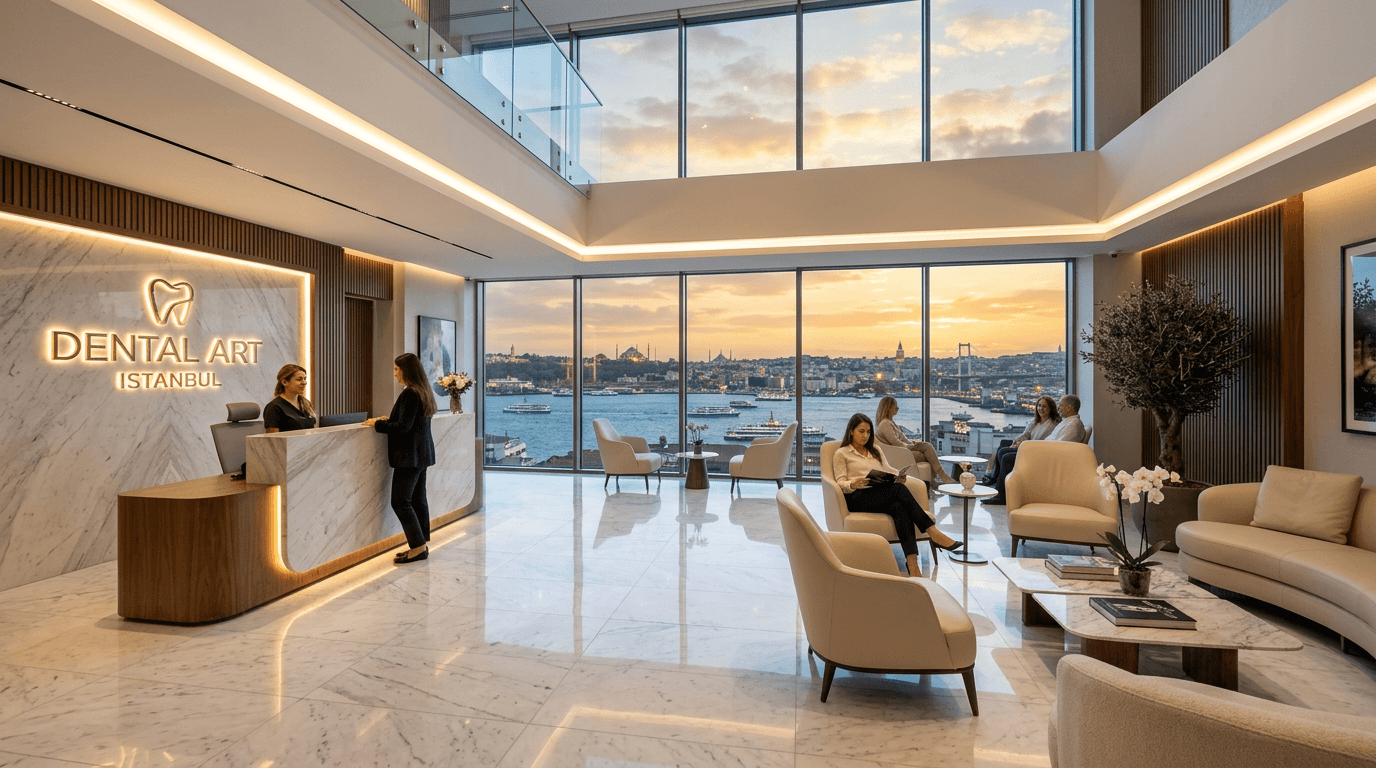
Dental Bone Graft Turkey: Sinus Lift Costs & FAQ Guide
Find answers about dental bone graft turkey procedures and sinus lift turkey costs. Learn why a dental implant bone graft is needed for surgery in Turkey.
Introduction
If you're considering dental implants but have been told you lack sufficient jawbone density, you're not alone. Bone loss in the jaw is extremely common after tooth loss, and two procedures—dental bone grafting and sinus lifts—are often necessary to rebuild that foundation. Turkey has emerged as a leading destination for these treatments, offering world-class care at a fraction of Western prices. This comprehensive FAQ answers every question you might have about the necessity, costs, and logistics of dental bone grafting and sinus lifts in Turkey, helping you make an informed decision. For broader context on the safety of dental work in Turkey, we recommend reviewing that guide as well.
General Questions
What is a dental bone graft and why might I need one in Turkey?
A dental bone graft is a procedure where bone material is added to your jaw to create a strong foundation for dental implants. You need one when your jawbone has deteriorated due to tooth loss, gum disease, or trauma, making it too thin or soft to support an implant. In Turkey, this procedure is performed routinely with high success rates, often as a prerequisite for implant placement.
Bone grafting is not optional if you want implants but lack adequate bone volume. Without it, implants would fail due to insufficient support. The graft material can come from your own body (autograft), a donor (allograft), animal sources (xenograft), or synthetic materials (alloplast). Turkish clinics commonly use high-quality synthetic or xenograft materials, which eliminate the need for a second surgical site. The graft acts as a scaffold, stimulating your body to regenerate new bone over 3-6 months.
What is a sinus lift and when is it necessary?
A sinus lift, also called sinus augmentation, is a surgical procedure that elevates the sinus membrane and adds bone graft material to the upper jaw's premolar and molar area. It's necessary when the maxillary sinuses are too close to the jawbone, leaving insufficient bone height for dental implants. This is common after upper molar tooth loss.
The sinus cavities naturally enlarge over time when teeth are missing, a process called pneumatization. A sinus lift creates space for bone graft material, typically adding 8-12mm of vertical bone height. The procedure can be performed via a lateral window approach (traditional) or a less invasive crestal approach (sinus lift without grafting in minor cases). In Turkey, sinus lifts are routinely combined with bone grafting for comprehensive upper jaw reconstruction.
Who is a candidate for dental bone grafting or sinus lifts?
You are a candidate if you have insufficient jawbone density or height for dental implants, as confirmed by a CBCT (cone beam computed tomography) scan. Ideal candidates are non-smokers or willing to quit, have good overall health, and have controlled systemic conditions like diabetes. Smokers have significantly higher failure rates—up to 20% higher—and may be advised to quit 2-4 weeks before and after surgery.
Your candidacy is determined during a comprehensive evaluation in Turkey, which includes a 3D scan, medical history review, and oral examination. Conditions like uncontrolled diabetes, active cancer treatment, heavy smoking, or severe gum disease may temporarily disqualify you. However, many Turkish clinics offer pre-operative consultations via video call to assess your suitability before you travel.
How do I know if I need a bone graft or sinus lift for dental implants?
Only a dental professional can determine this definitively, but common signs include: a history of missing teeth for over a year, a sunken appearance in your jaw or cheek area, or previous failed implants. Your Turkish dentist will use a CBCT scan to measure bone volume precisely. If the bone height is less than 10mm in the upper jaw or the width is less than 6mm, grafting is typically needed.
Many patients are unaware of their bone loss until they seek implants. A simple clinical exam and panoramic X-ray can suggest bone deficiency, but a CBCT is the gold standard. In Turkey, this scan is usually included in your initial consultation package. If you have been told you need a graft elsewhere, it's worth getting a second opinion in Turkey—some clinics offer advanced techniques like zygomatic implants that bypass the need for grafting entirely.
Is dental bone grafting painful?
No, dental bone grafting is not painful during the procedure because you are under local anesthesia or sedation. Post-operative discomfort is manageable with prescribed pain medication and typically peaks within 24-48 hours. Most patients describe it as moderate soreness, similar to a tooth extraction, rather than severe pain.
Turkish clinics prioritize patient comfort, often offering sedation options like IV sedation or oral anxiolytics for anxious patients. The actual surgery involves making an incision in the gum, placing the graft material, and suturing. You'll receive detailed post-op instructions, including ice packs, soft diet, and pain management. By day 3-4, most patients report significant improvement. The key is following your clinic's aftercare protocol to minimize discomfort and promote healing.
Cost & Financial Questions
How much does a dental bone graft cost in Turkey?
A dental bone graft in Turkey costs between €150 and €400 per graft site, depending on the type of material used and the complexity of the procedure. This is dramatically lower than in the US (€1,500-€3,000) or UK (€1,000-€2,500). Synthetic grafts are at the lower end, while autografts (using your own bone) are more expensive due to the additional surgical site.
The price typically includes the graft material, surgeon's fee, and local anesthesia. More complex cases, such as block grafts (using a solid piece of bone) or grafts requiring simultaneous implant placement, may cost €500-€800. Many Turkish clinics offer package deals combining bone grafting with implants, reducing the overall cost. For example, a single implant with bone graft might cost €500-€800 total, compared to €3,000-€5,000 in Western countries.
How much does a sinus lift cost in Turkey?
A sinus lift in Turkey costs between €400 and €900 per sinus, depending on whether it's a direct (open) or indirect (closed) technique. The open technique, which requires a larger incision, is more expensive at €600-€900. The closed technique, suitable for minor lifts, ranges from €400-€600. This is 70-80% less than costs in the US (€3,000-€6,000) or UK (€2,000-€4,000).
The price generally includes the surgical procedure, graft material, and follow-up appointments. Some clinics offer combined sinus lift and implant placement for €800-€1,200 per implant. If you need bilateral sinus lifts (both sides), expect a discount on the second sinus. Always confirm what's included—some clinics charge extra for sedation or CBCT scans, while others bundle everything.
Is dental bone grafting in Turkey cheaper than in the US or UK?
Yes, dental bone grafting in Turkey is 70-80% cheaper than in the US or UK. A single graft that costs €1,500-€3,000 in the US costs €150-€400 in Turkey. This price difference is due to lower overhead costs, favorable exchange rates, and a competitive medical tourism market. However, you must factor in travel and accommodation costs.
When comparing total costs, consider that a full treatment package (graft, implant, crown, plus travel) in Turkey often costs less than the graft alone in your home country. For example, a US patient might pay €4,000 for a graft and implant, while in Turkey, the same treatment plus flights and a week's hotel might total €1,500-€2,000. The savings are substantial even after travel expenses.
What's included in a typical dental bone graft package price in Turkey?
A typical package price includes the surgical procedure, graft material (synthetic or xenograft), local anesthesia, sutures, and one or two follow-up appointments. Many clinics also include a pre-operative CBCT scan, consultation, and post-operative medications. Some premium packages include airport transfers, hotel accommodation, and a patient coordinator.
However, not all packages are equal. Always ask for a detailed breakdown. Some clinics charge extra for sedation (€100-€300), antibiotics, or additional follow-up visits. A comprehensive package might cost €300-€600 but saves you from unexpected bills. For dental implant cost in Turkey, similar bundling applies—implants often include the abutment and crown.
Are there hidden costs I should know about?
Yes, potential hidden costs include: sedation fees (€100-€300), CBCT scan if not included (€50-€150), additional graft material if more is needed, antibiotics and painkillers (€20-€50), and emergency care if complications arise. Also, if you require a second surgery due to graft failure, that may incur additional costs, though reputable clinics often offer warranties.
Travel-related costs like flights, accommodation, and meals are separate. Some clinics offer all-inclusive dental holiday packages that bundle everything, but read the fine print. Always request a written quote listing every itemized cost before committing.
Can I get a discount for multiple bone grafts or sinus lifts?
Yes, most Turkish clinics offer significant discounts for multiple procedures. A single graft might cost €300, but two grafts could be €500 total. Bilateral sinus lifts (both sides) often cost €700-€1,200 instead of €800-€1,800. Full-mouth reconstruction packages, which may include 6-8 grafts and implants, can offer savings of 30-50% compared to individual pricing.
Negotiation is common in Turkish medical tourism. Don't hesitate to ask for a package deal. Clinics want your business and will often match or beat competitor prices. Just ensure quality isn't compromised—verify the clinic's credentials before focusing solely on price.
Does insurance cover dental bone grafting in Turkey?
Most international health insurance plans do not cover dental procedures abroad, including bone grafting. However, some specialized medical tourism insurance policies may cover complications. Always check with your provider. For EU patients, the European Health Insurance Card (EHIC) does not cover dental treatment in Turkey.
If you have dental insurance in your home country, it may reimburse a portion of the cost if the procedure is deemed medically necessary. You'll need to submit itemized receipts and possibly a pre-authorization. Turkey's low costs often mean you pay less out-of-pocket even without insurance.
Procedure & Medical Questions
How long does a dental bone graft procedure take?
The surgical procedure itself takes 45 minutes to 2 hours per graft site, depending on complexity. A simple socket graft (placed immediately after extraction) takes about 30-45 minutes, while a block graft requiring bone harvesting takes 1.5-2 hours. The entire appointment, including preparation and recovery, may last 2-3 hours.
Multiple grafts can be done in one session, extending the time. For example, grafting three sites might take 2-3 hours. Turkish clinics often schedule these procedures in the morning to allow for afternoon recovery. The actual surgery time is relatively short—most of your visit will be for consultation, scans, and post-op instructions.
How long does a sinus lift procedure take?
A sinus lift typically takes 1 to 2 hours per sinus. The direct (open) technique takes longer (1.5-2 hours) because it involves creating a window in the bone. The indirect (closed) technique, performed through the implant site, takes 45 minutes to 1 hour. Bilateral lifts (both sides) may take 2-3 hours total.
The procedure is performed under local anesthesia, often with sedation for anxious patients. You'll be awake but relaxed. The surgeon makes an incision, lifts the sinus membrane, places the graft material, and sutures. Most patients leave the clinic within an hour after the procedure.
Is a sinus lift a major surgery?
A sinus lift is considered a moderate oral surgery, not a major surgery like hip replacement, but it is more invasive than a simple extraction. It requires a skilled oral surgeon and carries risks like sinus membrane perforation (occurring in 5-10% of cases). However, with an experienced surgeon, it's a routine, predictable procedure.
Most patients tolerate it well. You'll be under local anesthesia or sedation, so you won't feel pain. Post-operative swelling and discomfort are common but manageable. The procedure is performed in a dental clinic, not a hospital, and you go home the same day. Turkish clinics perform hundreds of sinus lifts annually with high success rates.
What are the risks and complications of dental bone grafting?
Risks include infection (1-3% of cases), graft failure (2-5%), nerve damage (rare), and wound dehiscence (gum opening). Autograft sites (hip or chin) have additional risks like pain and scarring. However, with proper technique and aftercare, success rates exceed 95% in experienced hands.
Complications are minimized by choosing a qualified surgeon, following pre-op instructions (e.g., no smoking), and maintaining good oral hygiene. In Turkey, reputable clinics use sterile techniques and high-quality materials. If a graft fails, it can usually be repeated after 3-6 months of healing. Always ask about the clinic's complication rates and warranty policies.
What are the risks of a sinus lift?
Specific risks include sinus membrane perforation (5-10%), sinus infection (sinusitis, 2-5%), graft displacement into the sinus, and chronic sinus congestion. Membrane perforation, if small, can be repaired during surgery; larger tears may require aborting the procedure. Experienced surgeons have perforation rates below 5%.
Other risks include bleeding, swelling, and temporary numbness. Serious complications like orbital injury or blindness are extremely rare (less than 0.1%). To minimize risks, choose a surgeon who performs sinus lifts regularly. Turkish clinics often use advanced techniques like piezoelectric surgery to reduce membrane damage.
Can bone grafting and sinus lift be done at the same time as implants?
Yes, in many cases, immediate implant placement can be performed simultaneously with bone grafting or a sinus lift. This is called a "one-stage" procedure and saves time. However, it depends on your bone quality and the extent of grafting needed. If the graft is small and stable, simultaneous placement is possible.
Your surgeon will decide based on your CBCT scan. If bone is severely deficient, a staged approach (graft first, implant 4-6 months later) is safer. In Turkey, many clinics offer both options. Simultaneous procedures reduce overall treatment time by 3-6 months, which is appealing for medical tourists.
What type of bone graft material is used in Turkey?
Turkish clinics use xenografts (bovine or porcine bone), allografts (donor bone), alloplasts (synthetic), and occasionally autografts (your own bone). Xenografts (e.g., Bio-Oss) are most common because they are safe, effective, and avoid a second surgical site. Synthetic grafts (e.g., beta-tricalcium phosphate) are also popular.
All materials are CE-marked and sourced from reputable manufacturers. Autografts are reserved for complex cases or when patients prefer their own tissue. The choice depends on your surgeon's preference and the defect size. Discuss options during your consultation—some materials heal faster than others.
How successful are dental bone grafts and sinus lifts in Turkey?
Success rates for dental bone grafts and sinus lifts in Turkey are 95-98%, comparable to Western countries. Turkish oral surgeons are highly trained, often with international fellowships. Clinics use advanced technology like CBCT scans and piezoelectric surgery to enhance precision.
Success depends on patient factors too: non-smokers, good oral hygiene, and controlled health conditions have the best outcomes. Graft failure is usually due to infection, smoking, or premature loading. Reputable Turkish clinics offer warranties (e.g., 1-5 years) on their work, reflecting confidence in their results.
Travel & Logistics Questions
Do I need a visa for medical treatment in Turkey?
Most nationalities, including US, UK, EU, Canadian, and Australian citizens, can enter Turkey visa-free for up to 90 days for tourism or medical treatment. Some countries (e.g., India, South Africa) need an e-Visa, which is easily obtained online for about €50. Always check the latest requirements on the Turkish Ministry of Foreign Affairs website.
When traveling for medical treatment, carry your clinic's invitation letter, treatment plan, and proof of payment to show at immigration if asked. This is rarely required but good practice. Your clinic should provide these documents.
How long should I stay in Turkey for a dental bone graft?
For a single bone graft, plan to stay 3-5 days. This allows 1-2 days for consultation and scans, the procedure day, and 1-2 days for initial recovery. If you're combining grafting with implant placement, stay 5-7 days. For sinus lifts, a similar timeline applies.
Your surgeon will schedule follow-up appointments 1-2 days after surgery to check healing. After that, you can fly home. The graft needs months to integrate, but you don't need to be in Turkey for that. Most patients return home and continue healing normally.
How long should I stay in Turkey for a sinus lift?
Plan to stay 4-7 days for a sinus lift. This includes 1-2 days for pre-op evaluation, the procedure, and 2-3 days for initial recovery. If you're having bilateral sinus lifts or simultaneous implants, stay 7-10 days. Your clinic will schedule a follow-up before you leave.
During your stay, avoid strenuous activity, heavy lifting, and flying for at least 48 hours post-op (to prevent sinus pressure changes). Most patients feel well enough to fly after 3-5 days. Your clinic will provide a travel clearance letter.
Which city in Turkey is best for dental bone grafting and sinus lifts?
Istanbul is the most popular city, with the highest concentration of accredited clinics and English-speaking surgeons. Antalya is a close second, offering lower prices and a resort-like atmosphere. Ankara and Izmir also have excellent clinics but fewer medical tourism options.
Istanbul's advantages include international airport access, multilingual staff, and a wide range of clinics. Antalya is ideal if you want to combine treatment with a beach holiday. Both cities have clinics specializing in advanced bone grafting and sinus lifts. Your choice depends on personal preference and clinic reputation.
Can I combine my dental treatment with a holiday in Turkey?
Absolutely. Many patients combine treatment with a holiday, especially in Antalya or Istanbul. Your surgeon will advise on when it's safe to explore—typically after 3-5 days of recovery. You can enjoy sightseeing, beaches, or Turkish cuisine (soft foods initially).
However, avoid activities that could impact healing: no swimming for 2 weeks, no heavy exercise for 1 week, and no smoking. Plan your holiday for after the initial recovery period. Some clinics offer all-inclusive dental holiday packages that include hotel, transfers, and guided tours.
Do Turkish dentists speak English?
Yes, the vast majority of dentists in medical tourism clinics speak fluent English. Many have trained or worked abroad. Clinics also employ patient coordinators who speak multiple languages (German, Arabic, Russian, etc.). Communication is rarely a barrier.
During your consultation, you can discuss all aspects of treatment in English. Written materials, consent forms, and post-op instructions are typically provided in English. If you prefer another language, request an interpreter in advance.
Recovery & Aftercare Questions
What is the recovery time for a dental bone graft?
Initial recovery takes 3-7 days, during which you'll have swelling, bruising, and discomfort. Most patients return to work within 3-5 days. Complete bone integration (osseointegration) takes 3-6 months before implants can be placed. During this time, the graft fuses with your natural bone.
You'll need a soft diet for 2-4 weeks, avoiding hard or crunchy foods. Smoking delays healing significantly—ideally, quit for 2 weeks before and 2 months after surgery. Your Turkish clinic will provide a detailed recovery plan, including when to resume normal activities.
What is the recovery time for a sinus lift?
Recovery from a sinus lift takes 5-10 days for swelling and discomfort to subside. You may experience mild sinus congestion, nosebleeds, or a feeling of pressure. Avoid blowing your nose for 2 weeks, and sneeze with your mouth open to protect the graft. Complete healing takes 4-6 months.
Most patients return to work within a week. Strenuous activity, heavy lifting, and flying should be avoided for 1-2 weeks. Your surgeon will prescribe antibiotics and nasal decongestants. Follow all instructions to prevent sinus infection.
Can I fly after a dental bone graft or sinus lift?
You can fly 48-72 hours after a bone graft, but wait 5-7 days after a sinus lift. The concern is pressure changes in the sinus cavity, which could dislodge the graft or cause pain. For bone grafts in the lower jaw, flying is safe sooner.
Always get clearance from your surgeon before flying. They may recommend a decongestant before takeoff and landing. Most patients fly home comfortably within a week. If you experience severe pain or sinus pressure during the flight, inform the cabin crew and seek medical attention upon arrival.
What follow-up care is needed after returning home?
You'll need to maintain excellent oral hygiene, avoid smoking, and follow a soft diet for 2-4 weeks. Your Turkish clinic will provide written instructions and may schedule a virtual follow-up at 1-2 weeks. Some clinics have partner dentists in your home country for local follow-up.
If you had simultaneous implant placement, you'll need to return to Turkey in 3-6 months for the crown (or have it done locally). Discuss this timeline before traveling. Most clinics offer discounted rates for return visits. Keep your surgeon's contact information for any questions.
What can I eat after a bone graft or sinus lift?
Stick to a soft, lukewarm diet for 2-4 weeks. Safe options include: yogurt, smoothies, soups, mashed potatoes, scrambled eggs, oatmeal, and protein shakes. Avoid hot, spicy, or crunchy foods that could irritate the surgical site. No straws for 1 week (suction can dislodge the graft).
After a sinus lift, avoid dairy initially (it can thicken mucus) and opt for clear liquids. Gradually reintroduce solids as healing progresses. Your clinic will provide a detailed diet plan. Staying hydrated and nourished is crucial for healing.
When can I resume normal activities after surgery?
You can resume light activities (walking, desk work) after 3-5 days. Avoid strenuous exercise, heavy lifting, and swimming for 1-2 weeks. After a sinus lift, avoid bending over or straining for 1 week. Full return to sports and exercise is safe after 2-3 weeks.
Listen to your body—if you feel pain or swelling, rest more. Smoking and alcohol should be avoided for at least 2 weeks (ideally longer). Your surgeon will give specific timelines based on your procedure.
Choosing a Clinic Questions
How do I choose a clinic in Turkey for bone grafting or sinus lifts?
Research clinics with board-certified oral surgeons, modern technology (CBCT, 3D imaging), and positive patient reviews. Look for clinics accredited by JCI (Joint Commission International) or ISO. Verify the surgeon's experience—how many bone grafts or sinus lifts do they perform annually?
Ask for before-and-after photos, patient testimonials, and a detailed treatment plan. Avoid clinics that pressure you into decisions or offer prices that seem too good to be true. Use platforms like Clyna to compare verified clinics. A consultation video call is essential to assess communication and trust.
What certifications should I look for in a Turkish dental clinic?
Look for JCI accreditation (international gold standard), ISO 9001:2015 (quality management), and membership in organizations like the Turkish Dental Association or International Congress of Implant Dentistry. The surgeon should be a member of the Turkish Association of Oral and Maxillofacial Surgery.
Also check for specialist certifications—oral surgeons should have completed a 4-6 year residency in oral and maxillofacial surgery. General dentists performing complex grafts should have advanced training. Don't hesitate to ask for credentials; reputable clinics display them proudly.
Is it safe to get dental bone grafting or a sinus lift in Turkey?
Yes, it is safe when you choose a reputable, accredited clinic with an experienced surgeon. Turkey has a robust medical tourism industry with strict regulations. Complication rates are comparable to Western countries. However, risks exist with any surgery, so due diligence is crucial.
Safety concerns usually stem from unregulated clinics or "dental tourism factories" that prioritize volume over quality. Avoid clinics with no physical address, no surgeon credentials, or prices far below market average. Use Clyna to find verified clinics with proven track records. For more on this topic, read our guide on the safety of dental work in Turkey.
How do I verify a Turkish dental clinic's reputation?
Check online reviews on Google, Trustpilot, and medical tourism platforms. Look for consistent positive feedback, especially regarding bone grafting outcomes. Ask for patient references (with permission) and contact them directly. Verify the clinic's registration with the Turkish Ministry of Health.
You can also check if the clinic has any malpractice claims or disciplinary actions. Reputable clinics are transparent about their success rates and complication rates. A video tour of the clinic can help you assess cleanliness and technology.
What questions should I ask during a consultation?
Ask: How many bone grafts/sinus lifts do you perform annually? What is your success rate? What graft material do you recommend and why? What are the risks specific to my case? What is included in the price? What happens if the graft fails? Do you offer a warranty?
Also ask about the surgeon's training, the clinic's accreditation, and post-op support. Request a written treatment plan with timelines and costs. A thorough consultation should last 30-60 minutes and address all your concerns.
Can I get a second opinion from a Turkish clinic?
Yes, most reputable clinics offer free or low-cost virtual consultations. You can send your CBCT scan (if you have one) and medical history. They will provide a treatment plan and quote. Getting 2-3 opinions is wise to compare approaches and prices.
A second opinion can also confirm whether grafting is truly necessary. Some clinics may offer alternative solutions like zygomatic or pterygoid implants that avoid grafting. Don't commit to the first clinic you consult.
Conclusion
Dental bone grafting and sinus lifts are often essential steps toward successful dental implants, and Turkey offers world-class care at 70-80% less than Western prices. With success rates above 95%, experienced surgeons, and modern technology, Turkey is a safe and cost-effective choice. By understanding the procedures, costs, and logistics, you can plan your treatment with confidence.
Your journey starts with research. Use Clyna to browse verified clinics, compare packages, and read patient reviews. Whether you need a single graft or full-mouth reconstruction, Turkey's dental professionals are ready to help you restore your smile affordably. For a complete overview, see our comprehensive dental treatment in Turkey guide.
Ready to take the next step? Get a Free Quote from top-rated Turkish clinics today, or Browse Verified Clinics to compare options. Your new smile is closer than you think.
Related Guides

Ready to Start Your Medical Journey?
Get free personalized quotes from Turkey's top clinics.
Get Free Quote