
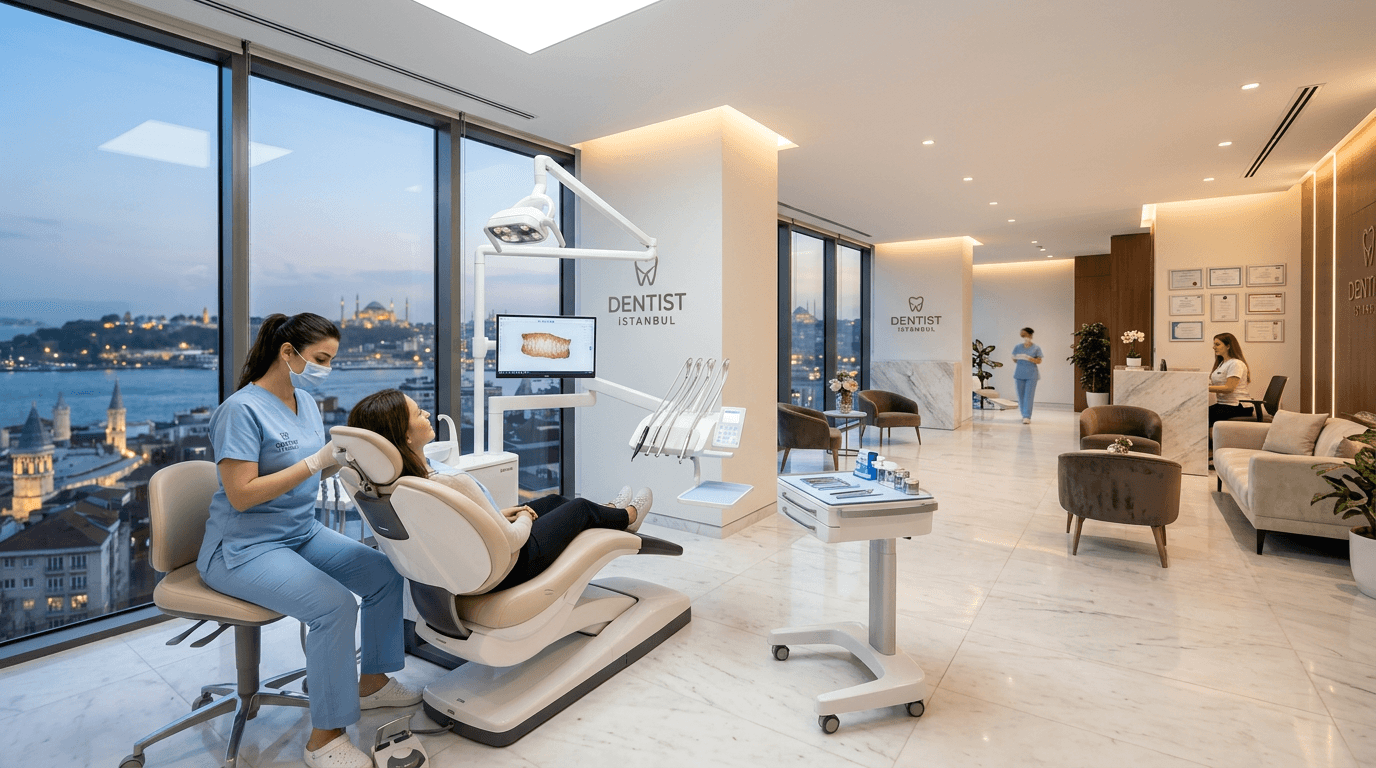
Dental Safety Turkey: Is it Safe? Risks & Regulations
Is dental work in Turkey safe? Discover the truth about turkey dental regulations, risks, and expert tips for choosing dental clinic turkey locations safely.
Introduction
Every year, hundreds of thousands of international patients travel to Turkey for dental care, drawn by the promise of significant cost savings and high-quality treatment. However, the question "Is dental work in Turkey safe?" is the most critical concern for anyone considering this option. The answer is nuanced: dental work in Turkey can be as safe—or safer—than in your home country, but only if you choose the right clinic and practitioner. This comprehensive FAQ addresses every aspect of safety, from regulations and risks to practical steps for selecting a trustworthy provider. For a complete overview, read our dental treatment in Turkey ultimate guide.
General Questions
Is it safe to get dental work in Turkey?
Yes, dental work in Turkey is safe when performed at a licensed, accredited clinic by a qualified dentist using approved materials. Turkey has a robust healthcare regulatory system, with the Ministry of Health (MoH) overseeing all medical and dental facilities. However, safety depends entirely on your choice of clinic. The key is to verify that the clinic meets international standards, such as ISO 9001 certification, Joint Commission International (JCI) accreditation, or Turkish MoH licensing. Avoid clinics that offer prices far below market average, as this often indicates substandard materials or unqualified staff.
What are the main risks of dental work in Turkey?
The primary risks include infection, improper treatment planning, use of low-quality materials, and lack of follow-up care. Infection can occur if sterilization protocols are not followed—though this is rare in accredited clinics. Poor treatment planning may lead to failed implants, nerve damage, or bite misalignment. Low-quality crowns or veneers can chip, stain, or cause gum irritation. Additionally, if you return home with complications, finding a local dentist to fix another's work can be challenging and expensive. These risks are minimized by choosing a clinic with transparent credentials, positive patient reviews, and a clear aftercare plan.
Is dental tourism in Turkey regulated?
Yes, dental tourism in Turkey is regulated by the Ministry of Health, which mandates that all dental clinics be licensed and inspected. The Turkish Ministry of Health requires clinics to meet strict hygiene and safety standards. Additionally, the Turkish Dental Association (TDA) sets ethical and professional guidelines. For international patients, many clinics also voluntarily obtain international accreditations like JCI or ISO. However, the rapid growth of dental tourism has led to some unregulated operators. Always verify that your chosen clinic is listed on the MoH's official registry and has valid certifications.
Why do people choose Turkey for dental work?
People choose Turkey for dental work primarily due to cost savings of 50–70% compared to the US, UK, or Australia, combined with high-quality care. For example, a full-mouth restoration costing €25,000 in the US may cost €7,000–€10,000 in Turkey. Other reasons include shorter wait times, access to advanced technology like CAD/CAM and 3D imaging, and the opportunity to combine treatment with a holiday. Clinics in major cities like Istanbul, Antalya, and Izmir often cater to international patients, offering English-speaking staff and all-inclusive packages.
How many dental tourists visit Turkey annually?
Turkey receives approximately 500,000 medical tourists annually, with dental tourism accounting for a significant portion, estimated at 150,000–200,000 patients per year. This number has grown steadily due to Turkey's competitive pricing and reputation for quality. The majority come from Europe (especially the UK, Germany, and the Netherlands), the Middle East, and North America. The Turkish government actively promotes health tourism, with initiatives to improve infrastructure and patient safety.
Is dental work in Turkey painful?
Dental work in Turkey is not more painful than in other countries, as modern anesthesia and sedation techniques are widely used. Local anesthesia is standard for procedures like fillings, crowns, and implants. For more extensive treatments, clinics offer sedation options, including nitrous oxide, oral sedatives, or IV sedation, to ensure patient comfort. Many patients report that the pain management in Turkish clinics is excellent, often surpassing their home country experiences. Always discuss pain control options with your dentist before the procedure.
Cost & Financial Questions
How much does dental work in Turkey cost compared to the US or UK?
Dental work in Turkey costs 50–70% less than in the US, UK, or Australia. Here are average price comparisons for common treatments (in EUR):
- Dental implant (single): Turkey: €400–€800 | US: €2,000–€4,000 | UK: €1,800–€3,500
- Porcelain veneer (per tooth): Turkey: €150–€350 | US: €800–€2,000 | UK: €700–€1,500
- Zirconia crown (per tooth): Turkey: €200–€400 | US: €1,000–€2,500 | UK: €900–€2,000
- Full mouth restoration (28 teeth): Turkey: €7,000–€12,000 | US: €25,000–€50,000 | UK: €20,000–€40,000
- Root canal (per tooth): Turkey: €100–€250 | US: €500–€1,200 | UK: €400–€1,000
These prices typically include all materials, lab fees, and follow-up appointments.
What's included in a typical dental treatment package in Turkey?
Most all-inclusive dental packages cover treatment costs, airport transfers, accommodation, and sometimes meals or city tours. A standard package from a reputable clinic includes:
- Free initial consultation (online or in-person)
- All dental procedures (e.g., implants, crowns, extractions)
- High-quality materials (e.g., Straumann or Nobel Biocare implants)
- Local anesthesia and sedation if needed
- Airport transfers (round-trip)
- 5–7 nights at a 4- or 5-star hotel
- English-speaking coordinator
- Post-treatment check-ups during your stay
- Emergency contact number
Some premium packages also include meals, a local SIM card, or a city tour. Always ask for a detailed breakdown to avoid hidden fees.
Are there hidden costs in dental tourism packages?
Yes, hidden costs can include extra fees for advanced materials, additional appointments, or emergency treatments. Common hidden costs are:
- Premium implant brands (e.g., Straumann vs. generic) may cost €200–€500 more per implant
- Bone grafting or sinus lifts (€300–€1,000 per procedure)
- Temporary crowns or bridges (€100–€300)
- Medications (antibiotics, painkillers)
- Follow-up visits after returning home
- Travel insurance or medical evacuation coverage
To avoid surprises, request a written quote with all potential costs itemized. Reputable clinics provide transparent pricing.
Is dental work in Turkey cheaper than in Mexico or Thailand?
Turkey is generally comparable to Mexico and Thailand in cost, but often offers better value due to higher quality standards and shorter travel times for European patients. For example:
- Single implant: Turkey: €400–€800 | Mexico: €300–€600 | Thailand: €350–€700
- Full mouth restoration: Turkey: €7,000–€12,000 | Mexico: €6,000–€10,000 | Thailand: €8,000–€15,000
Turkey's advantage lies in its strict regulations, modern clinics, and proximity to Europe. Many patients prefer Turkey for its combination of quality and affordability.
Can I get a refund if the dental work fails?
Refund policies vary by clinic, but most reputable clinics offer a warranty and will reimburse or redo work if it fails due to their error. Typical warranties include:
- 5–10 years on implants (e.g., Straumann offers a lifetime warranty on implants)
- 2–5 years on crowns and veneers
- 1–2 years on fillings and root canals
If a failure occurs due to poor workmanship or material defects, the clinic should cover the cost of re-treatment, including travel expenses in some cases. However, failures due to patient neglect (e.g., poor oral hygiene) are not covered. Always read the warranty terms carefully before signing.
Procedure & Medical Questions
How long does a dental implant procedure take in Turkey?
A single dental implant procedure typically takes 1–2 hours, but the entire process from consultation to final crown may take 3–6 months. The timeline includes:
- Consultation and planning: 1–2 days (including X-rays and 3D scans)
- Implant placement surgery: 1–2 hours per implant
- Osseointegration (healing): 3–6 months for the implant to fuse with the jawbone
- Abutment and crown placement: 1–2 hours, usually during a second visit
For immediate load implants (teeth in a day), the process can be completed in 3–5 days, but this is only suitable for patients with sufficient bone density.
Is it safe to get multiple implants at once in Turkey?
Yes, getting multiple implants at once is safe and common, provided you have adequate bone density and overall health. The procedure is often performed under sedation or general anesthesia for patient comfort. Risks include infection, nerve damage, and implant failure, but these are low (under 5%) in experienced hands. Your dentist will perform a CT scan to assess bone quality and plan the surgery. For full-mouth cases, the clinic may recommend a staged approach (e.g., implants in the lower jaw first, then upper) to reduce stress on the body.
What are the risks of dental implants in Turkey?
The risks of dental implants in Turkey are similar to those in other countries and include infection, implant failure, nerve damage, and sinus issues. Specific risks:
- Infection: Occurs in 2–5% of cases if sterilization protocols are not followed. Antibiotics are given prophylactically.
- Implant failure: 5–10% risk, higher in smokers or patients with uncontrolled diabetes. Success rates exceed 95% with proper planning.
- Nerve damage: Rare (under 1%) but can cause numbness in the lip, chin, or tongue.
- Sinus problems: For upper jaw implants, the sinus may be perforated, requiring a sinus lift.
Choose a clinic that uses advanced imaging (CBCT) and has a high success rate (published data).
How long do dental crowns from Turkey last?
Dental crowns from Turkey typically last 10–15 years with proper care, depending on the material and oral hygiene. Zirconia crowns are the most durable (15+ years), while porcelain-fused-to-metal crowns last 10–12 years. Emax (lithium disilicate) crowns are popular for aesthetics and last 10–15 years. To maximize longevity, maintain good oral hygiene, avoid chewing hard objects, and visit your local dentist for regular check-ups. Reputable Turkish clinics use high-quality materials from brands like Ivoclar, Dentsply, or 3M.
Is it safe to get veneers in Turkey?
Yes, veneers in Turkey are safe when applied by a qualified cosmetic dentist using high-quality porcelain or composite materials. The procedure involves minimal enamel removal (0.3–0.5 mm) and is performed under local anesthesia. Risks include tooth sensitivity, gum irritation, or veneer chipping, but these are uncommon (under 5%). Turkey is known for its expertise in cosmetic dentistry, with many clinics specializing in Hollywood-style smile makeovers. Ensure the dentist provides a digital smile design preview before treatment.
What materials are used for dental work in Turkey?
Turkish clinics use internationally recognized materials, including brands like Straumann, Nobel Biocare, Ivoclar, and Dentsply. Common materials:
- Implants: Titanium (most common) or zirconia. Brands: Straumann, Nobel Biocare, Zimmer, Megagen.
- Crowns: Zirconia, Emax, porcelain-fused-to-metal. Zirconia is preferred for strength and aesthetics.
- Veneers: Porcelain (Emax) or composite resin. Emax is the gold standard for natural appearance.
- Fillings: Composite resin (tooth-colored) or amalgam (rarely used).
Always ask for the brand and material used. Reputable clinics provide certificates of authenticity for implants.
Can I get a full mouth of dental implants in Turkey?
Yes, full-mouth dental implants (All-on-4 or All-on-6) are a common procedure in Turkey, costing €7,000–€12,000 per arch. This is significantly cheaper than in the US (€25,000+). The procedure involves placing 4–6 implants per jaw and attaching a fixed bridge. It is suitable for patients with extensive tooth loss or failing teeth. Success rates exceed 95% with proper planning. The process takes 3–5 days for the initial surgery, with the final bridge placed after 3–6 months of healing.
Travel & Logistics Questions
Do I need a visa for dental treatment in Turkey?
Citizens of many countries, including the UK, US, Canada, and most EU nations, can enter Turkey visa-free for up to 90 days for medical tourism. If your country requires a visa (e.g., India, South Africa), you can apply for an e-Visa online at www.evisa.gov.tr ↗, which is typically processed within 24 hours. For medical treatment, you do not need a special visa; a tourist visa is sufficient. However, carry a letter from the clinic confirming your appointment to present at immigration if asked.
How long should I stay in Turkey for dental treatment?
The recommended stay depends on the procedure: 3–7 days for simple treatments, 7–14 days for complex cases. Here's a breakdown:
- One or two crowns/veneers: 3–5 days (including consultation and final placement)
- Single implant (with healing cap): 5–7 days (surgery + follow-up)
- All-on-4 or full mouth restoration: 10–14 days (surgery + temporary bridge placement)
- Multiple implants with bone grafting: 10–14 days (staged procedures)
For treatments requiring osseointegration (e.g., implants), you may need a second trip after 3–6 months for final restoration. Some clinics offer "teeth in a day" options to minimize travel.
Which city in Turkey is best for dental work?
Istanbul is the most popular city for dental tourism, offering the highest concentration of accredited clinics and international patient services. Other top cities include:
- Antalya: Known for beach resorts and lower prices, ideal for combining treatment with a holiday.
- Izmir: A quieter option with high-quality clinics and lower costs than Istanbul.
- Ankara: The capital, with many university-affiliated hospitals.
Istanbul has over 100 dental clinics catering to international patients, with easy access to airports and hotels. Antalya is preferred for all-inclusive packages that include accommodation.
How do I get to my dental clinic from the airport?
Most reputable clinics offer free airport transfers as part of their package, with a driver meeting you at the arrivals hall. For clinics that do not provide transfers, taxis and ride-sharing services (e.g., Uber, BiTaksi) are widely available. Istanbul Airport (IST) is 40–60 minutes from the city center, while Sabiha Gökçen (SAW) is 30–45 minutes. Antalya Airport is 15–20 minutes from the city. Always confirm transfer details with the clinic before arrival.
Can I combine dental treatment with a holiday in Turkey?
Yes, many clinics offer all-inclusive packages that combine dental treatment with a holiday, including hotel stays, meals, and city tours. This is common in Antalya and Istanbul, where you can visit historical sites like Hagia Sophia or relax on Mediterranean beaches. However, avoid strenuous activities (e.g., scuba diving, heavy exercise) for at least 48 hours after surgery to prevent complications. Most patients schedule treatment at the start of their trip, leaving the last few days for sightseeing.
Recovery & Aftercare Questions
What is the recovery time for dental implants in Turkey?
Initial recovery from implant surgery takes 3–7 days, with full osseointegration requiring 3–6 months. Here's what to expect:
- Days 1–3: Swelling, bruising, and mild pain. Use ice packs and prescribed painkillers. Eat soft foods.
- Days 4–7: Swelling subsides; you can return to normal activities but avoid heavy chewing.
- Weeks 2–12: The implant fuses with the bone (osseointegration). Avoid hard or sticky foods.
- Months 3–6: Final crown or bridge is placed.
Smoking delays healing and increases failure risk. Most patients can fly home 2–3 days after surgery.
Can I fly after dental surgery in Turkey?
Yes, you can fly 24–48 hours after dental surgery, but avoid flying immediately after complex procedures like multiple extractions or bone grafting. The cabin pressure changes can cause pain or bleeding in fresh extraction sites. For simple procedures (e.g., single implant, crown), flying the next day is safe. For full-mouth cases, wait 2–3 days. Always get clearance from your dentist before booking your return flight. Chew gum or swallow during takeoff and landing to equalize ear pressure.
What follow-up care is needed after returning home?
You will need to see your local dentist for routine check-ups every 6–12 months, but no special follow-up is required unless complications arise. Turkish clinics typically provide a detailed treatment plan and X-rays for your local dentist. For implants, your local dentist can monitor gum health and check for loosening. If you experience pain, swelling, or implant mobility, contact your Turkish clinic immediately. Many offer remote consultations via video call. Some clinics also partner with dentists abroad for follow-up care.
How do I care for my dental work after returning home?
Maintain excellent oral hygiene: brush twice daily, floss, and use an antibacterial mouthwash. For implants, use a soft-bristled toothbrush and avoid abrasive toothpaste. For crowns and veneers, avoid chewing hard objects like ice or pens. Schedule regular dental cleanings every 6 months. If you smoke, consider quitting, as it increases the risk of gum disease and implant failure. For night grinding, use a custom mouthguard to protect your dental work.
What if I have a problem after I return home?
If you have a problem, contact your Turkish clinic immediately. Most offer remote consultations and may cover re-treatment costs under warranty. For emergencies (e.g., severe pain, swelling, or a broken crown), see your local dentist first to stabilize the issue. Then, inform your Turkish clinic and arrange for a follow-up visit if needed. Many clinics have a 24/7 hotline for international patients. Keep all treatment records and X-rays for your local dentist.
Choosing a Clinic Questions
How do I choose a safe dental clinic in Turkey?
To choose a safe clinic, verify accreditation (JCI, ISO), check dentist qualifications, read patient reviews, and request a virtual consultation. Follow these steps:
- Check accreditation: Look for JCI, ISO 9001, or Turkish Ministry of Health certification. These ensure strict safety standards.
- Verify dentist credentials: Ensure the dentist is a member of the Turkish Dental Association and has specialized training (e.g., oral surgery, prosthodontics).
- Read reviews: Use platforms like Google Reviews, Trustpilot, or WhatClinic. Look for consistent positive feedback and recent reviews.
- Request a virtual consultation: A reputable clinic will offer a free video call to discuss your case, show the clinic, and answer questions.
- Ask about materials: Confirm the brands of implants, crowns, and other materials used.
- Get a written quote: Ensure all costs are itemized, with no hidden fees.
Avoid clinics that pressure you to book immediately or offer prices far below market average.
What certifications should I look for in a Turkish dental clinic?
Look for Joint Commission International (JCI) accreditation, ISO 9001 certification, and Turkish Ministry of Health licensing. These certifications indicate the clinic meets international standards for safety, hygiene, and patient care. Additionally, check for:
- Turkish Dental Association membership (ensures ethical practice)
- ISO 13485 (for medical device quality)
- CE marking (for materials like implants and crowns)
- Specialist certifications (e.g., oral surgery, implantology)
You can verify JCI accreditation on the JCI website and MoH licensing on the Turkish Ministry of Health portal.
How can I verify a Turkish dentist's qualifications?
You can verify a dentist's qualifications by checking their profile on the Turkish Dental Association (TDA) website or asking for their diploma and certification numbers. Reputable clinics display their team's credentials on their website. Look for:
- Degree: DDS (Doctor of Dental Surgery) or equivalent from a recognized university
- Specialization: e.g., oral surgery, prosthodontics, periodontics
- Continuing education: Courses in implantology, cosmetic dentistry, etc.
- Membership: TDA, International Congress of Implant Dentistry (ICOD), or similar
You can also request a video call to meet the dentist and ask about their experience.
Should I choose a clinic that offers a warranty?
Yes, always choose a clinic that offers a written warranty on implants, crowns, and other work, typically 5–10 years for implants and 2–5 years for restorations. A warranty demonstrates the clinic's confidence in its work and protects you financially if something goes wrong. Ensure the warranty covers:
- Material defects
- Workmanship errors
- Re-treatment costs (including travel if specified)
- Exclusions (e.g., patient neglect, smoking)
Read the warranty terms carefully before signing. Some clinics also offer a "lifetime warranty" on implants from brands like Straumann.
How do I know if a clinic is a "dental mill"?
A "dental mill" is a clinic that prioritizes volume over quality, often using low-cost materials and unqualified staff. Red flags include extremely low prices, high-pressure sales, and lack of transparency. Warning signs:
- Prices 30–50% below market average (e.g., €200 per implant)
- No virtual consultation or detailed treatment plan
- Vague answers about materials or dentist qualifications
- Poor online reviews or many complaints about failed work
- No accreditation or certifications displayed
- Pushy sales tactics (e.g., "book now to save 50%")
Avoid these clinics by doing thorough research and choosing a clinic with a proven track record.
What questions should I ask a Turkish dental clinic before booking?
Ask about accreditation, dentist experience, materials used, warranty, and aftercare support. Here's a checklist:
- "Are you JCI or ISO accredited?"
- "What are the qualifications of the dentist performing my treatment?"
- "What brand of implants/crowns will you use? Can you provide certificates?"
- "What is your success rate for this procedure?"
- "Do you offer a warranty? What does it cover?"
- "What is included in the package? Are there any hidden costs?"
- "Do you provide airport transfers and accommodation?"
- "What is the aftercare plan? Can I contact you after I return home?"
- "Can I speak to a previous patient for a reference?"
- "What happens if I need a follow-up visit?"
A reputable clinic will answer all questions transparently.
Is it safe to get dental implants in Turkey as a diabetic patient?
Yes, it is safe for well-controlled diabetic patients, but you must provide medical clearance and ensure your blood sugar is stable. Uncontrolled diabetes increases the risk of infection and implant failure. Before treatment, your dentist will request:
- HbA1c levels (ideally below 7%)
- Recent blood sugar readings
- A letter from your doctor confirming fitness for surgery
During treatment, the clinic will monitor your blood sugar and adjust anesthesia accordingly. Choose a clinic experienced in treating diabetic patients.
What if I need bone grafting for dental implants in Turkey?
Bone grafting is a common procedure in Turkey, costing €300–€1,000 per site, and is safe when performed by an experienced oral surgeon. The graft material may be synthetic, bovine-derived, or from your own bone. The procedure adds 3–6 months to the treatment timeline for healing. Risks include infection and graft failure, but success rates exceed 90%. Ensure the clinic uses sterile techniques and high-quality graft materials.
How do I avoid dental scams in Turkey?
To avoid scams, research thoroughly, verify credentials, and never pay the full amount upfront. Steps to protect yourself:
- Use reputable platforms like Clyna to find dental implant cost in Turkey comparisons and verified clinics.
- Read independent reviews on Google, Trustpilot, or forums like Dental Phobia Forum.
- Request a virtual tour of the clinic and meet the dentist.
- Pay with a credit card for fraud protection; avoid wire transfers to personal accounts.
- Get a detailed contract with all terms, costs, and warranty.
- Trust your instincts—if something feels off, walk away.
Conclusion
Dental work in Turkey can be a safe, cost-effective, and life-changing experience—but only if you take the time to choose the right clinic. By verifying accreditations, asking the right questions, and understanding the risks, you can enjoy significant savings without compromising on quality. Remember: the cheapest option is rarely the best. Invest in research, prioritize safety, and you'll leave Turkey with a smile that lasts.
Ready to start your journey? Get a free quote from our verified clinics or browse our curated list of all-inclusive dental holiday packages. Your dream smile is just a consultation away.
Related Guides

Ready to Start Your Medical Journey?
Get free personalized quotes from Turkey's top clinics.
Get Free Quote