

Gastric Sleeve vs. Bypass in Turkey: Choosing Your Surgery
Deciding between gastric sleeve and gastric bypass in Turkey? Explore the differences, benefits, and risks of each bariatric surgery option to make an informed choice for your health journey.
Embarking on a journey towards significant weight loss and improved health is a monumental decision, often involving complex choices about surgical interventions. For many, bariatric surgery represents a life-changing opportunity to overcome the challenges of severe obesity. As an expert medical tourism content writer for Clyna, with a decade of experience guiding patients through these critical decisions, I understand the profound impact this choice has on your life.
Turkey has rapidly emerged as a global leader in medical tourism, particularly for bariatric procedures. Its combination of world-class medical facilities, highly skilled surgeons, and significantly more affordable prices makes it an irresistible destination for international patients. However, with multiple effective surgical options available, the question often arises: "Which bariatric surgery is best for me?"
This comprehensive guide is designed to demystify the two most common and effective bariatric surgeries – Gastric Sleeve and Gastric Bypass – offering a detailed gastric sleeve vs gastric bypass Turkey comparison. We will delve into the intricacies of each procedure, explore the unparalleled advantages of undergoing these treatments in Turkey, and provide you with all the information you need to make an informed decision with confidence and peace of mind.
1. Introduction: Your Journey to a Healthier Life Begins Here
The decision to undergo bariatric surgery is a profound commitment to health and well-being. For individuals struggling with severe obesity and its associated health complications, it offers a powerful tool for sustainable weight loss and a dramatic improvement in quality of life. However, navigating the various bariatric surgery options Turkey presents can be daunting. You're likely weighing the pros and cons, considering the costs, and perhaps even feeling a mix of hope and apprehension.
This guide is crafted to be your definitive resource, providing clarity and confidence as you explore gastric sleeve vs gastric bypass Turkey. We understand that choosing between these two highly effective procedures is a deeply personal decision, influenced by your health profile, weight loss goals, and lifestyle. Our aim is to equip you with comprehensive, medically accurate, and empathetic information, drawing on years of experience in connecting international patients with top-tier clinics in Turkey.
Turkey has solidified its reputation as a premier destination for bariatric surgery, attracting thousands of patients annually from across the globe. This isn't just due to competitive pricing; it's a testament to the country's advanced medical infrastructure, highly experienced surgeons, and patient-centric care. Through Clyna, you gain access to this excellence, ensuring your journey is safe, successful, and transformative.
Let's embark on this detailed exploration to help you understand which path – gastric sleeve Turkey or gastric bypass Turkey – might be the right one for your unique journey.

2. Understanding Bariatric Surgery: Gastric Sleeve vs. Gastric Bypass
Bariatric surgery, often referred to as weight-loss surgery, involves making changes to your digestive system to help you lose weight by limiting how much food you can eat, reducing the absorption of nutrients, or both. Both gastric sleeve and gastric bypass are highly effective, but they achieve weight loss through different mechanisms and come with distinct considerations. Understanding these differences is crucial for making an informed decision.
The Gastric Sleeve (Sleeve Gastrectomy): A Restrictive Approach
The gastric sleeve Turkey procedure, medically known as a sleeve gastrectomy, is currently the most commonly performed bariatric surgery worldwide. It is primarily a restrictive procedure, meaning it limits the amount of food you can consume at one time.
How it Works: During a gastric sleeve procedure, approximately 80% of the stomach is removed, leaving a banana-shaped "sleeve" or tube. This significantly reduces the stomach's capacity, making you feel full after eating only a small amount of food.
Beyond simple restriction, the gastric sleeve also has a profound hormonal impact. The portion of the stomach removed (the fundus) is responsible for producing ghrelin, often called the "hunger hormone." By removing this part, ghrelin levels are significantly reduced, leading to a decrease in appetite and cravings. This hormonal change is a key factor in the procedure's success, contributing to improved metabolic health and resolution of conditions like type 2 diabetes.
Key Features:
- Irreversible: A portion of the stomach is permanently removed.
- No Rerouting: The intestines are not rerouted, maintaining the natural digestive pathway.
- Hormonal Changes: Reduces ghrelin production, impacting appetite and satiety.
Target Candidates:
- Individuals with a Body Mass Index (BMI) of 40 or higher, or a BMI of 35-39.9 with at least one obesity-related comorbidity (e.g., type 2 diabetes, high blood pressure, severe sleep apnea).
- Patients who may not be suitable for gastric bypass due to higher surgical risk (e.g., severe heart or lung conditions).
- Those who prefer a simpler procedure with fewer long-term nutritional complexities compared to gastric bypass.
- Patients who struggle with portion control and constant hunger.
Advantages of Gastric Sleeve:
- Significant Weight Loss: Patients typically lose 60-70% of their excess body weight within 12-18 months.
- Resolution of Comorbidities: Highly effective in improving or resolving type 2 diabetes (often within days or weeks), hypertension, sleep apnea, and high cholesterol.
- Simpler Procedure: Less complex than gastric bypass, with a shorter operating time and potentially shorter hospital stay.
- No Malabsorption: Since the intestines are not rerouted, there's a lower risk of severe nutritional deficiencies compared to gastric bypass.
- Reduced Hunger: The removal of the ghrelin-producing part of the stomach helps reduce appetite.
- No Dumping Syndrome (typically): Less common than with gastric bypass, as the pyloric valve (which regulates stomach emptying) remains intact.
Disadvantages of Gastric Sleeve:
- Irreversible: The removed stomach portion cannot be restored.
- Potential for GERD (Gastroesophageal Reflux Disease): Some patients may develop or worsen acid reflux due to changes in stomach pressure.
- Less Effective for Severe Diabetes: While very effective, it may be slightly less potent than gastric bypass for the most severe cases of type 2 diabetes.
- Weight Regain Potential: While rare, if dietary guidelines are not followed long-term, the stomach sleeve can stretch, leading to weight regain.
The Gastric Bypass (Roux-en-Y Gastric Bypass - RYGB): A Combined Approach
The gastric bypass Turkey procedure, specifically the Roux-en-Y Gastric Bypass (RYGB), is considered the "gold standard" of bariatric surgery by many due to its long-standing track record and powerful results. It combines both restrictive and malabsorptive elements.
How it Works: The gastric bypass involves two main steps:
- Creating a Small Stomach Pouch: The surgeon divides the stomach into two parts. A small upper pouch (about the size of an egg) is created, which will be the new stomach. This significantly restricts the amount of food you can eat.
- Rerouting the Small Intestine: The first part of the small intestine (duodenum) is bypassed. A section of the small intestine is then brought up and connected directly to the new small stomach pouch. The bypassed section of the small intestine, which carries digestive juices from the remaining stomach and pancreas, is reconnected further down, forming a "Y" shape. This rerouting means food bypasses a significant portion of the small intestine, leading to reduced absorption of calories and nutrients (malabsorption).
The hormonal changes are also significant, even more pronounced than with gastric sleeve. By rerouting food directly to the lower small intestine, it triggers a rapid release of gut hormones that improve satiety, reduce hunger, and have a powerful effect on blood sugar regulation, often leading to rapid remission of type 2 diabetes.
Key Features:
- Restrictive and Malabsorptive: Limits food intake and reduces nutrient absorption.
- Intestinal Rerouting: Alters the digestive pathway.
- Significant Hormonal Changes: Profound impact on appetite, satiety, and metabolic health.
Target Candidates:
- Individuals with a BMI of 40 or higher, or a BMI of 35-39.9 with severe obesity-related comorbidities, especially type 2 diabetes that is difficult to control.
- Patients who suffer from severe GERD, as gastric bypass can often resolve this condition.
- Those who need the most powerful and consistent weight loss outcomes.
- Patients who are committed to lifelong nutritional supplementation and dietary adherence.
Advantages of Gastric Bypass:
- Superior Weight Loss: Patients typically lose 65-80% of their excess body weight, often achieving slightly more weight loss than gastric sleeve.
- Most Effective for Diabetes Remission: Considered the most effective bariatric surgery for resolving or significantly improving type 2 diabetes, often leading to remission in a high percentage of patients.
- Resolves GERD: Often improves or resolves pre-existing acid reflux.
- Long-Term Track Record: Has been performed for decades, with extensive long-term data on its effectiveness and safety.
- Strong Hormonal Impact: The rerouting of the intestine leads to powerful hormonal changes that reduce hunger and improve metabolism.
Disadvantages of Gastric Bypass:
- More Complex Procedure: Involves intestinal rerouting, making it surgically more complex than gastric sleeve.
- Higher Risk of Nutritional Deficiencies: Due to malabsorption, patients require lifelong supplementation of vitamins and minerals (B12, iron, calcium, Vitamin D, folate) to prevent deficiencies.
- Dumping Syndrome: Common side effect where rapidly digested food moves too quickly from the stomach into the small intestine, causing symptoms like nausea, vomiting, diarrhea, sweating, and dizziness. This can be a deterrent for some patients but also serves as a powerful deterrent against eating unhealthy foods.
- Internal Hernia Risk: A rare but serious complication due to the rerouting of the intestines.
- Marginal Ulcers: Can occur at the connection point between the stomach pouch and the small intestine.
- Irreversible (mostly): While technically reversible, reversal is a complex and risky procedure, so it's generally considered permanent.
- Longer Hospital Stay: Typically requires a slightly longer hospital stay compared to gastric sleeve.
Gastric Sleeve vs. Gastric Bypass: A Direct Comparison
When considering gastric sleeve vs gastric bypass Turkey, it's essential to look at a direct comparison across several key factors. This will help you understand "which bariatric surgery is best" for your specific needs.
| Feature | Gastric Sleeve (Sleeve Gastrectomy) | Gastric Bypass (Roux-en-Y Gastric Bypass) |
|---|---|---|
| Mechanism | Primarily restrictive (reduces stomach size), hormonal changes. | Restrictive (small pouch) and malabsorptive (bypasses intestine), profound hormonal changes. |
| Surgical Complexity | Simpler, involves removing part of the stomach. | More complex, involves stomach division and intestinal rerouting. |
| Reversibility | Irreversible (stomach removed). | Technically reversible but complex and rarely done; generally considered permanent. |
| Weight Loss Potential | 60-70% of excess body weight. | 65-80% of excess body weight (often slightly higher). |
| Diabetes Resolution | Very effective (often 60-80% remission). | Highly effective (often 70-90% remission), considered superior for severe diabetes. |
| GERD Impact | Can sometimes worsen or cause new GERD. | Often resolves or significantly improves pre-existing GERD. |
| Nutritional Deficiencies | Lower risk, but still requires lifelong vitamin supplementation. | Higher risk, requires strict lifelong vitamin and mineral supplementation. |
| Dumping Syndrome | Rare, as pyloric valve remains intact. | Common, due to rapid emptying of food into the small intestine. |
| Hospital Stay | Typically 2-3 nights. | Typically 3-4 nights. |
| Recovery Time | Generally slightly faster initial recovery. | Slightly longer initial recovery due to complexity. |
| Long-Term Follow-up | Lifelong monitoring for nutrition and weight. | More intensive lifelong monitoring for nutrition and weight. |
| Ideal Candidate | BMI 35+ with comorbidities, or BMI 40+. Prefer simpler procedure, lower risk of malabsorption. | BMI 35+ with severe comorbidities (especially T2D, severe GERD), or BMI 40+. Willing to commit to strict nutritional regimen. |
The choice between gastric sleeve vs bypass comparison ultimately depends on a thorough evaluation of your health status, existing comorbidities, weight loss goals, and your willingness to commit to the specific post-operative lifestyle changes each procedure demands. Your bariatric surgeon in Turkey, in consultation with you, will recommend the most suitable option based on a comprehensive assessment.
3. The Step-by-Step Bariatric Surgery Process in Turkey
Undergoing bariatric surgery in Turkey is a structured and supportive journey, meticulously planned to ensure your safety, comfort, and successful outcome. Clyna streamlines this process, connecting you with accredited clinics and experienced surgeons, and guiding you every step of the way.
Phase 1: Initial Consultation and Evaluation with Clyna
Your journey begins with a crucial first step: a comprehensive consultation facilitated by Clyna.
- Initial Contact and Information Gathering: You'll reach out to Clyna, sharing your medical history, current weight, height, and any existing health conditions. This can often be done through an online form or a direct call.
- Virtual Consultation with a Specialist: Clyna will arrange a virtual consultation with a highly qualified bariatric surgeon from one of our partner clinics in Turkey. During this video call, the surgeon will review your medical records, discuss your weight loss goals, and assess your eligibility for either gastric sleeve Turkey or gastric bypass Turkey.
- Diagnostic Tests and Medical Clearance: Based on the initial consultation, the surgeon may request specific diagnostic tests (blood tests, endoscopy, ultrasound, cardiology evaluation, psychological assessment) to ensure you are a suitable candidate for surgery. These tests can often be performed in your home country or upon arrival in Turkey, depending on the clinic's protocol and your preference.
- Personalized Treatment Plan: Once all evaluations are complete, the surgeon will recommend the most appropriate procedure (gastric sleeve vs gastric bypass Turkey), explain the risks and benefits, and outline a personalized treatment plan. Clyna will provide you with a detailed quote, including all aspects of your medical trip.
Phase 2: Pre-Operative Preparation – Setting the Stage for Success
Preparation is key to a successful surgery and recovery. This phase begins weeks before your scheduled procedure.
- Dietary Changes: You will be placed on a specific pre-operative diet, often a low-calorie, high-protein liquid diet for 1-2 weeks before surgery. This helps shrink your liver, making the surgery safer and easier to perform laparoscopically.
- Medication Adjustments: Your surgeon will advise you on which medications to stop or adjust before surgery, particularly blood thinners.
- Smoking Cessation: If you smoke, you will be strongly advised to quit several weeks before surgery to reduce the risk of complications.
- Psychological Evaluation: A psychological assessment is often required to ensure you are mentally prepared for the significant lifestyle changes post-surgery.
- Travel Arrangements: Clyna assists with all logistical aspects, including booking flights, arranging airport transfers, and securing accommodation in Turkey. We ensure you have a comfortable and stress-free journey to cities like Istanbul or Antalya.
- Pre-Admission Tests in Turkey: Upon arrival, you will undergo a final set of medical tests and consultations at the hospital to ensure you are fully cleared for surgery. This typically includes blood work, ECG, chest X-ray, and meetings with the bariatric team (surgeon, anesthesiologist, dietitian).
Phase 3: The Procedure Day – Your Transformation Begins
The day of your surgery is a pivotal moment.
- Hospital Admission: You will be admitted to the hospital, usually the morning of your surgery.
- Final Preparations: You'll meet with the surgical team, including your surgeon and anesthesiologist, to address any last-minute questions.
- Anesthesia: The procedure is performed under general anesthesia, meaning you will be asleep and feel no pain.
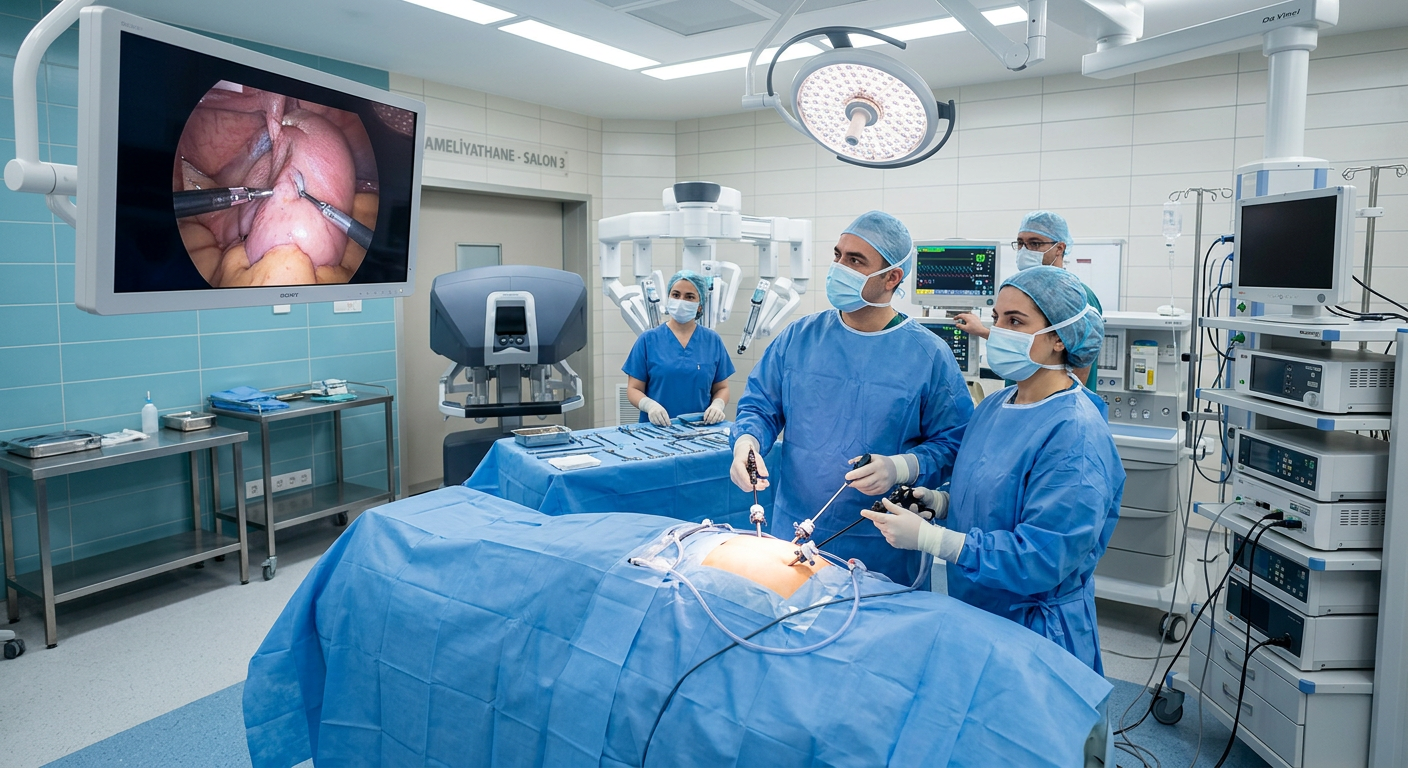
- Laparoscopic Surgery: Both gastric sleeve Turkey and gastric bypass Turkey are typically performed laparoscopically (minimally invasive surgery). This involves making several small incisions (usually 4-6) in the abdomen, through which a laparoscope (a thin tube with a camera) and specialized surgical instruments are inserted. This technique results in less pain, smaller scars, and a faster recovery compared to open surgery.
- The Procedure: The surgeon will perform either the sleeve gastrectomy or the Roux-en-Y gastric bypass as planned. The surgery typically lasts 1-3 hours, depending on the complexity and the specific procedure.
- Recovery Room: After the surgery, you will be moved to a recovery room where medical staff will monitor you closely as you wake up from anesthesia.
Phase 4: Immediate Post-Operative Recovery – The First Steps
The initial recovery period takes place in the hospital, under close medical supervision.
- Hospital Stay: You will typically stay in the hospital for 2-3 nights for gastric sleeve and 3-4 nights for gastric bypass.
- Pain Management: Pain medication will be administered to manage any discomfort.
- Fluid Intake: You will start with small sips of water and clear liquids, gradually progressing as tolerated.
- Early Mobilization: You will be encouraged to get out of bed and walk short distances soon after surgery. This is crucial for preventing complications like blood clots and promoting recovery.
- Dietitian Consultation: A dietitian will provide detailed instructions on your post-operative diet progression, which starts with clear liquids and gradually moves to full liquids, pureed foods, soft foods, and eventually solid foods.
- Discharge: Once you meet the discharge criteria (stable, able to tolerate liquids, pain managed), you will be discharged with detailed instructions for home care, medication, and follow-up appointments. Clyna ensures you have all necessary support, including interpreter services and transportation back to your accommodation.
This structured approach, combined with the expertise of Turkish medical professionals and Clyna's dedicated support, ensures a smooth and successful bariatric surgery experience.
4. Why Choose Turkey for Your Bariatric Surgery? Unmatched Advantages
Turkey has rapidly ascended to become one of the world's leading destinations for medical tourism, particularly for bariatric surgery. The reasons are compelling and multifaceted, offering international patients an unparalleled combination of quality, affordability, and a holistic experience. When considering gastric sleeve Turkey or gastric bypass Turkey, the advantages are clear:
-
World-Class Medical Facilities and Technology: Turkey boasts a significant number of hospitals that are accredited by international bodies such as the Joint Commission International (JCI). JCI accreditation signifies adherence to the highest global standards in patient care and safety. These hospitals are equipped with state-of-the-art technology, including advanced laparoscopic surgical suites, modern intensive care units (ICUs), and sophisticated diagnostic equipment. This ensures that your bariatric surgery options Turkey are performed with the latest techniques and utmost precision.
-
Highly Experienced and Board-Certified Surgeons: Turkish bariatric surgeons are renowned for their expertise and extensive experience. Many have trained internationally and perform a high volume of bariatric procedures annually, which translates into greater proficiency and better patient outcomes. They are often members of international bariatric associations, staying at the forefront of surgical advancements. This high volume of procedures also means they are adept at handling a wide range of cases, from straightforward gastric sleeve vs gastric bypass comparison to more complex situations.
-
Significant Cost-Effectiveness: Perhaps the most immediate and attractive advantage for many patients is the substantial cost savings. Bariatric surgery in Turkey can be 50-70% more affordable than in Western countries like the UK, Germany, or the USA, without compromising on quality. These savings often include comprehensive packages that cover the surgery, hospital stay, pre- and post-operative consultations, medications, transfers, and even accommodation, making the entire process transparent and budget-friendly.
-
Comprehensive Patient Care and Support: Turkish clinics prioritize patient comfort and satisfaction. Medical tourism packages often include dedicated patient coordinators, multilingual staff, and interpreter services to ensure seamless communication. From your initial inquiry with Clyna to your post-operative follow-ups, you'll receive personalized attention and support, addressing any concerns or fears you may have.
-
Efficiency and Accessibility: Waiting lists for bariatric surgery can be long in many countries. In Turkey, you can often schedule your procedure much sooner, allowing you to embark on your weight loss journey without unnecessary delays. Turkey's strategic geographical location and excellent air connectivity make it easily accessible from Europe, the Middle East, and beyond. Visa processes are generally straightforward for most nationalities.
-
Recovery in a Beautiful Destination: Beyond the medical benefits, Turkey offers a unique opportunity for recovery in a culturally rich and beautiful setting. Cities like Istanbul and Antalya are popular choices.
- Istanbul: A vibrant metropolis bridging two continents, offering a blend of historical wonders, modern amenities, and world-class medical facilities. Its cosmopolitan atmosphere provides a stimulating yet comfortable environment for recovery.
- Antalya: Known for its stunning Mediterranean coastline, luxurious resorts, and serene environment, Antalya is ideal for patients seeking a more relaxed and recuperative experience post-surgery. The pleasant climate and beautiful scenery can contribute positively to your emotional well-being during recovery.
-
Holistic Approach to Bariatric Care: Many Turkish clinics offer a multidisciplinary approach, including not just surgeons but also dietitians, psychologists, and physiotherapists, all working together to support your long-term success. This comprehensive care extends beyond the operating room, focusing on sustainable lifestyle changes.
Choosing Turkey for your bariatric surgery means opting for a high-quality, affordable, and supportive medical journey that sets you up for long-term health and well-being.

5. Cost Comparison: Bariatric Surgery in Turkey vs. Western Countries
One of the most compelling reasons international patients choose Turkey for bariatric surgery is the significant cost advantage. While the quality of care, surgeon expertise, and modern facilities are on par with, or often exceed, those in Western nations, the prices are substantially lower. This allows patients to access life-changing procedures like gastric sleeve Turkey or gastric bypass Turkey without the prohibitive financial burden often encountered in their home countries.
Below is an estimated cost comparison for both Gastric Sleeve and Gastric Bypass surgeries, illustrating the potential savings when choosing Turkey. These figures are approximate ranges and can vary based on the clinic's reputation, the surgeon's experience, the specific package inclusions (e.g., accommodation, transfers, extended hospital stay), and any additional medical requirements.
| Country | Gastric Sleeve (EUR) | Gastric Bypass (EUR) | Notes This is a detailed guide comparing gastric sleeve and gastric bypass surgery in Turkey. It covers the procedures, costs, benefits, risks, recovery, and patient stories.
Gastric Sleeve vs. Gastric Bypass in Turkey: Choosing Your Bariatric Surgery
1. Introduction: Your Journey to a Healthier Life Begins Here
The decision to undergo bariatric surgery is a profound commitment to health and well-being. For individuals struggling with severe obesity and its associated health complications, it offers a powerful tool for sustainable weight loss and a dramatic improvement in quality of life. However, navigating the various bariatric surgery options Turkey presents can be daunting. You're likely weighing the pros and cons, considering the costs, and perhaps even feeling a mix of hope and apprehension.
This guide is crafted to be your definitive resource, providing clarity and confidence as you explore gastric sleeve vs gastric bypass Turkey. We understand that choosing between these two highly effective procedures is a deeply personal decision, influenced by your health profile, weight loss goals, and lifestyle. Our aim is to equip you with comprehensive, medically accurate, and empathetic information, drawing on years of experience in connecting international patients with top-tier clinics in Turkey.
Turkey has solidified its reputation as a premier destination for bariatric surgery, attracting thousands of patients annually from across the globe. This isn't just due to competitive pricing; it's a testament to the country's advanced medical infrastructure, highly experienced surgeons, and patient-centric care. Through Clyna, you gain access to this excellence, ensuring your journey is safe, successful, and transformative.
Let's embark on this detailed exploration to help you understand which path – gastric sleeve Turkey or gastric bypass Turkey – might be the right one for your unique journey.
2. Understanding Bariatric Surgery: Gastric Sleeve vs. Gastric Bypass
Bariatric surgery, often referred to as weight-loss surgery, involves making changes to your digestive system to help you lose weight by limiting how much food you can eat, reducing the absorption of nutrients, or both. Both gastric sleeve and gastric bypass are highly effective, but they achieve weight loss through different mechanisms and come with distinct considerations. Understanding these differences is crucial for making an informed decision.
The Gastric Sleeve (Sleeve Gastrectomy): A Restrictive Approach
The gastric sleeve Turkey procedure, medically known as a sleeve gastrectomy, is currently the most commonly performed bariatric surgery worldwide. It is primarily a restrictive procedure, meaning it limits the amount of food you can consume at one time.
How it Works: During a gastric sleeve procedure, approximately 80% of the stomach is removed, leaving a banana-shaped "sleeve" or tube. This significantly reduces the stomach's capacity, making you feel full after eating only a small amount of food.
Beyond simple restriction, the gastric sleeve also has a profound hormonal impact. The portion of the stomach removed (the fundus) is responsible for producing ghrelin, often called the "hunger hormone." By removing this part, ghrelin levels are significantly reduced, leading to a decrease in appetite and cravings. This hormonal change is a key factor in the procedure's success, contributing to improved metabolic health and resolution of conditions like type 2 diabetes.
Key Features:
- Irreversible: A portion of the stomach is permanently removed.
- No Rerouting: The intestines are not rerouted, maintaining the natural digestive pathway.
- Hormonal Changes: Reduces ghrelin production, impacting appetite and satiety.
Target Candidates:
- Individuals with a Body Mass Index (BMI) of 40 or higher, or a BMI of 35-39.9 with at least one obesity-related comorbidity (e.g., type 2 diabetes, high blood pressure, severe sleep apnea).
- Patients who may not be suitable for gastric bypass due to higher surgical risk (e.g., severe heart or lung conditions).
- Those who prefer a simpler procedure with fewer long-term nutritional complexities compared to gastric bypass.
- Patients who struggle with portion control and constant hunger.
Advantages of Gastric Sleeve:
- Significant Weight Loss: Patients typically lose 60-70% of their excess body weight within 12-18 months.
- Resolution of Comorbidities: Highly effective in improving or resolving type 2 diabetes (often within days or weeks), hypertension, sleep apnea, and high cholesterol. Studies show remission rates for type 2 diabetes can be as high as 60-80%.
- Simpler Procedure: Less complex than gastric bypass, with a shorter operating time and potentially shorter hospital stay.
- No Malabsorption: Since the intestines are not rerouted, there's a lower risk of severe nutritional deficiencies compared to gastric bypass.
- Reduced Hunger: The removal of the ghrelin-producing part of the stomach helps reduce appetite.
- No Dumping Syndrome (typically): Less common than with gastric bypass, as the pyloric valve (which regulates stomach emptying) remains intact.
Disadvantages of Gastric Sleeve:
- Irreversible: The removed stomach portion cannot be restored.
- Potential for GERD (Gastroesophageal Reflux Disease): Some patients may develop or worsen acid reflux due to changes in stomach pressure. Approximately 10-20% of patients may experience new or worsened GERD post-sleeve.
- Less Effective for Severe Diabetes: While very effective, it may be slightly less potent than gastric bypass for the most severe cases of type 2 diabetes.
- Weight Regain Potential: While rare, if dietary guidelines are not followed long-term, the stomach sleeve can stretch, leading to weight regain. Long-term studies indicate about 15-20% of patients may experience some weight regain after 5-10 years if lifestyle changes are not maintained.
The Gastric Bypass (Roux-en-Y Gastric Bypass - RYGB): A Combined Approach
The gastric bypass Turkey procedure, specifically the Roux-en-Y Gastric Bypass (RYGB), is considered the "gold standard" of bariatric surgery by many due to its long-standing track record and powerful results. It combines both restrictive and malabsorptive elements.
How it Works: The gastric bypass involves two main steps:
- Creating a Small Stomach Pouch: The surgeon divides the stomach into two parts. A small upper pouch (about the size of an egg, roughly 30-50 ml capacity) is created, which will be the new stomach. This significantly restricts the amount of food you can eat.
- Rerouting the Small Intestine: The first part of the small intestine (duodenum) is bypassed. A section of the small intestine (the Roux limb) is then brought up and connected directly to the new small stomach pouch. The bypassed section of the small intestine (the biliopancreatic limb), which carries digestive juices from the remaining stomach and pancreas, is reconnected further down into the Roux limb, forming a "Y" shape. This rerouting means food bypasses a significant portion of the small intestine, leading to reduced absorption of calories and nutrients (malabsorption).
The hormonal changes are also significant, even more pronounced than with gastric sleeve. By rerouting food directly to the lower small intestine, it triggers a rapid release of gut hormones (like GLP-1) that improve satiety, reduce hunger, and have a powerful effect on blood sugar regulation, often leading to rapid remission of type 2 diabetes.
Key Features:
- Restrictive and Malabsorptive: Limits food intake and reduces nutrient absorption.
- Intestinal Rerouting: Alters the digestive pathway.
- Significant Hormonal Changes: Profound impact on appetite, satiety, and metabolic health.
Target Candidates:
- Individuals with a BMI of 40 or higher, or a BMI of 35-39.9 with severe obesity-related comorbidities, especially type 2 diabetes that is difficult to control.
- Patients who suffer from severe GERD, as gastric bypass can often resolve this condition in over 90% of cases.
- Those who need the most powerful and consistent weight loss outcomes.
- Patients who are committed to lifelong nutritional supplementation and dietary adherence.
Advantages of Gastric Bypass:
- Superior Weight Loss: Patients typically lose 65-80% of their excess body weight, often achieving slightly more weight loss than gastric sleeve, with sustained results over 10-15 years.
- Most Effective for Diabetes Remission: Considered the most effective bariatric surgery for resolving or significantly improving type 2 diabetes, often leading to remission in a high percentage of patients (70-90% remission rates).
- Resolves GERD: Often improves or resolves pre-existing acid reflux.
- Long-Term Track Record: Has been performed for decades, with extensive long-term data on its effectiveness and safety.
- Strong Hormonal Impact: The rerouting of the intestine leads to powerful hormonal changes that reduce hunger and improve metabolism.
Disadvantages of Gastric Bypass:
- More Complex Procedure: Involves intestinal rerouting, making it surgically more complex than gastric sleeve, with slightly longer operating times.
- Higher Risk of Nutritional Deficiencies: Due to malabsorption, patients require lifelong supplementation of vitamins and minerals (B12, iron, calcium, Vitamin D, folate) to prevent deficiencies. Without adherence, severe deficiencies can occur.
- Dumping Syndrome: Common side effect where rapidly digested food (especially high sugar/fat) moves too quickly from the stomach into the small intestine, causing symptoms like nausea, vomiting, diarrhea, sweating, and dizziness. This can be a deterrent for some patients but also serves as a powerful deterrent against eating unhealthy foods.
- Internal Hernia Risk: A rare but serious complication (1-5% risk) due to the rerouting of the intestines, potentially requiring further surgery.
- Marginal Ulcers: Can occur at the connection point between the stomach pouch and the small intestine (1-16% risk), often associated with NSAID use or smoking.
- Irreversible (mostly): While technically reversible, reversal is a complex and risky procedure, so it's generally considered permanent.
- Longer Hospital Stay: Typically requires a slightly longer hospital stay (3-4 nights) compared to gastric sleeve.
Gastric Sleeve vs. Gastric Bypass: A Direct Comparison
When considering gastric sleeve vs gastric bypass Turkey, it's essential to look at a direct comparison across several key factors. This will help you understand "which bariatric surgery is best" for your specific needs.
| Feature | Gastric Sleeve (Sleeve Gastrectomy) | Gastric Bypass (Roux-en-Y Gastric Bypass) |
|---|---|---|
| Mechanism | Primarily restrictive (reduces stomach size), hormonal changes. | Restrictive (small pouch) and malabsorptive (bypasses intestine), profound hormonal changes. |
| Surgical Complexity | Simpler, involves removing part of the stomach. | More complex, involves stomach division and intestinal rerouting. |
| Reversibility | Irreversible (stomach removed). | Technically reversible but complex and rarely done; generally considered permanent. |
| Weight Loss Potential | 60-70% of excess body weight. | 65-80% of excess body weight (often slightly higher). |
| Diabetes Resolution | Very effective (often 60-80% remission). | Highly effective (often 70-90% remission), considered superior for severe diabetes. |
| GERD Impact | Can sometimes worsen or cause new GERD (10-20% risk). | Often resolves or significantly improves pre-existing GERD (90%+ improvement). |
| Nutritional Deficiencies | Lower risk, but still requires lifelong vitamin supplementation (e.g., B12, D). | Higher risk, requires strict lifelong vitamin and mineral supplementation (B12, iron, calcium, D, folate). |
| Dumping Syndrome | Rare, as pyloric valve remains intact. | Common, due to rapid emptying of food into the small intestine. |
| Hospital Stay | Typically 2-3 nights. | Typically 3-4 nights. |
| Recovery Time | Generally slightly faster initial recovery. | Slightly longer initial recovery due to complexity. |
| Long-Term Follow-up | Lifelong monitoring for nutrition and weight. | More intensive lifelong monitoring for nutrition and weight. |
| Ideal Candidate | BMI 35+ with comorbidities, or BMI 40+. Prefer simpler procedure, lower risk of malabsorption. Good for those with high surgical risk for bypass. | BMI 35+ with severe comorbidities (especially T2D, severe GERD), or BMI 40+. Willing to commit to strict nutritional regimen and follow-ups. |
The choice between gastric sleeve vs bypass comparison ultimately depends on a thorough evaluation of your health status, existing comorbidities, weight loss goals, and your willingness to commit to the specific post-operative lifestyle changes each procedure demands. Your bariatric surgeon in Turkey, in consultation with you, will recommend the most suitable option based on a comprehensive assessment.
3. The Step-by-Step Bariatric Surgery Process in Turkey
Undergoing bariatric surgery in Turkey is a structured and supportive journey, meticulously planned to ensure your safety, comfort, and successful outcome. Clyna streamlines this process, connecting you with accredited clinics and experienced surgeons, and guiding you every step of the way.
Phase 1: Initial Consultation and Evaluation with Clyna
Your journey begins with a crucial first step: a comprehensive consultation facilitated by Clyna.
- Initial Contact and Information Gathering: You'll reach out to Clyna, sharing your medical history, current weight, height, and any existing health conditions. This can often be done through an online form or a direct call. Our patient coordinators will gather essential information to understand your needs and preliminary eligibility.
- Virtual Consultation with a Specialist: Clyna will arrange a virtual consultation with a highly qualified bariatric surgeon from one of our partner clinics in Turkey. During this video call, the surgeon will review your medical records, discuss your weight loss goals, and assess your eligibility for either gastric sleeve Turkey or gastric bypass Turkey. This is your opportunity to ask questions and express any concerns.
- Diagnostic Tests and Medical Clearance: Based on the initial consultation, the surgeon may request specific diagnostic tests (e.g., blood tests, endoscopy, abdominal ultrasound, cardiology evaluation, psychological assessment) to ensure you are a suitable candidate for surgery. These tests can often be performed in your home country or upon arrival in Turkey, depending on the clinic's protocol and your preference. For example, a gastroscopy is often mandatory to rule out ulcers or other stomach issues.
- Personalized Treatment Plan: Once all evaluations are complete, the surgeon will recommend the most appropriate procedure (gastric sleeve vs gastric bypass Turkey), explain the risks and benefits in detail, and outline a personalized treatment plan. Clyna will provide you with a transparent and detailed quote, including all aspects of your medical trip, ensuring no hidden costs.
Phase 2: Pre-Operative Preparation – Setting the Stage for Success
Preparation is key to a successful surgery and recovery. This phase begins weeks before your scheduled procedure.
- Dietary Changes: You will be placed on a specific pre-operative diet, often a low-calorie, high-protein liquid diet for 1-2 weeks before surgery. This helps shrink your liver, making the surgery safer and easier to perform laparoscopically, reducing surgical time and potential complications.
- Medication Adjustments: Your surgeon will advise you on which medications to stop or adjust before surgery, particularly blood thinners, anti-inflammatory drugs (NSAIDs), and certain diabetes medications.
- Smoking Cessation: If you smoke, you will be strongly advised to quit several weeks before surgery (ideally 4-6 weeks) to significantly reduce the risk of pulmonary complications, wound healing issues, and marginal ulcers.
- Psychological Evaluation: A psychological assessment is often required to ensure you are mentally prepared for the significant lifestyle changes post-surgery, including dietary restrictions, body image changes, and emotional adjustments.
- Travel Arrangements: Clyna assists with all logistical aspects, including booking flights, arranging comfortable airport transfers, and securing accommodation in Turkey (often included in packages). We ensure you have a comfortable and stress-free journey to cities like Istanbul or Antalya.
- Pre-Admission Tests in Turkey: Upon arrival, typically 1-2 days before surgery, you will undergo a final set of medical tests and consultations at the hospital to ensure you are fully cleared for surgery. This typically includes updated blood work, ECG, chest X-ray, and meetings with the entire bariatric team (surgeon, anesthesiologist, dietitian, sometimes a psychologist).
Phase 3: The Procedure Day – Your Transformation Begins
The day of your surgery is a pivotal moment, handled with the utmost care and professionalism.
- Hospital Admission: You will be admitted to the hospital, usually the morning of your surgery. You'll be asked to fast from midnight the night before.
- Final Preparations: You'll meet with the surgical team, including your surgeon and anesthesiologist, to address any last-minute questions and sign consent forms. You'll be prepped for surgery.
- Anesthesia: The procedure is performed under general anesthesia, meaning you will be completely asleep and feel no pain throughout the surgery. An experienced anesthesiologist will monitor your vital signs continuously.
- Laparoscopic Surgery: Both gastric sleeve Turkey and gastric bypass Turkey are almost exclusively performed laparoscopically (minimally invasive surgery). This involves making several small incisions (usually 4-6, each about 0.5-1 cm) in the abdomen. Through these incisions, a laparoscope (a thin tube with a camera) and specialized surgical instruments are inserted. The abdomen is inflated with CO2 gas to create working space. This technique results in less pain, smaller scars, reduced blood loss, and a faster recovery compared to traditional open surgery.
- The Procedure: The surgeon will meticulously perform either the sleeve gastrectomy or the Roux-en-Y gastric bypass as planned. The surgery typically lasts 1-3 hours, depending on the complexity and the specific procedure.
- Recovery Room: After the surgery, you will be moved to a recovery room (Post-Anesthesia Care Unit - PACU) where medical staff will monitor your vital signs, pain levels, and recovery from anesthesia closely.
Phase 4: Immediate Post-Operative Recovery – The First Steps
The initial recovery period takes place in the hospital, under close medical supervision.
- Hospital Stay: You will typically stay in the hospital for 2-3 nights for gastric sleeve and 3-4 nights for gastric bypass. This allows the medical team to monitor for any immediate complications and ensure you are stable.
- Pain Management: Pain medication will be administered intravenously or orally to manage any discomfort. The pain is usually manageable and gradually decreases over the first few days.
- Fluid Intake: You will start with small sips of water and clear liquids (sugar-free) within hours after surgery, gradually progressing as tolerated. This is a critical step to ensure your new stomach pouch can handle liquids.
- Early Mobilization: You will be encouraged to get out of bed and walk short distances soon after surgery, often within 6-8 hours. This is crucial for preventing complications like blood clots (deep vein thrombosis) and promoting bowel function and overall recovery.
- Dietitian Consultation: A dedicated dietitian will provide detailed instructions on your post-operative diet progression, which starts with clear liquids and gradually moves to full liquids, pureed foods, soft foods, and eventually solid foods over several weeks. You'll learn about portion sizes, eating habits, and the importance of hydration.
- Discharge: Once you meet the discharge criteria (stable vital signs, able to tolerate liquids, pain managed with oral medication, no signs of complications), you will be discharged with detailed instructions for home care, medication, and follow-up appointments. Clyna ensures you have all necessary support, including interpreter services and transportation back to your accommodation. You will typically stay in Turkey for a few more days post-discharge for final check-ups before flying home.
This structured approach, combined with the expertise of Turkish medical professionals and Clyna's dedicated support, ensures a smooth and successful bariatric surgery experience from start to finish.
4. Why Choose Turkey for Your Bariatric Surgery? Unmatched Advantages
Turkey has rapidly ascended to become one of the world's leading destinations for medical tourism, particularly for bariatric surgery. The reasons are compelling and multifaceted, offering international patients an unparalleled combination of quality, affordability, and a holistic experience. When considering gastric sleeve Turkey or gastric bypass Turkey, the advantages are clear:
-
World-Class Medical Facilities and Technology: Turkey boasts a significant number of hospitals that are accredited by international bodies such as the Joint Commission International (JCI). JCI accreditation signifies adherence to the highest global standards in patient care and safety, with over 50 JCI-accredited facilities, placing Turkey among the top countries globally for this distinction. These hospitals are equipped with state-of-the-art technology, including advanced laparoscopic surgical suites, modern intensive care units (ICUs), and sophisticated diagnostic equipment. This ensures that your bariatric surgery options Turkey are performed with the latest techniques and utmost precision.
-
Highly Experienced and Board-Certified Surgeons: Turkish bariatric surgeons are renowned for their expertise and extensive experience. Many have trained internationally in Europe and the USA and perform a high volume of bariatric procedures annually, often exceeding 1,000 surgeries per year for leading specialists. This high volume translates into greater proficiency, reduced complication rates, and better patient outcomes. They are often members of international bariatric associations (e.g., IFSO - International Federation for the Surgery of Obesity and Metabolic Disorders), staying at the forefront of surgical advancements. This high volume of procedures also means they are adept at handling a wide range of cases, from straightforward gastric sleeve vs gastric bypass comparison to more complex situations, including revision surgeries.
-
Significant Cost-Effectiveness: Perhaps the most immediate and attractive advantage for many patients is the substantial cost savings. Bariatric surgery in Turkey can be 50-70% more affordable than in Western countries like the UK, Germany, or the USA, without compromising on quality. These savings often include comprehensive packages that cover the surgery, hospital stay, pre- and post-operative consultations, medications, transfers, and even accommodation, making the entire process transparent and budget-friendly. This allows patients to access life-changing procedures that might otherwise be financially out of reach.
-
Comprehensive Patient Care and Support: Turkish clinics prioritize patient comfort and satisfaction. Medical tourism packages often include dedicated patient coordinators, multilingual staff (especially English-speaking), and professional interpreter services to ensure seamless communication from arrival to departure. From your initial inquiry with Clyna to your post-operative follow-ups, you'll receive personalized attention and support, addressing any concerns or fears you may have. The patient-centric approach ensures a supportive environment throughout your journey.
-
Efficiency and Accessibility: Waiting lists for bariatric surgery can be prohibitively long in many countries, sometimes extending to several years. In Turkey, you can often schedule your procedure much sooner, typically within weeks, allowing you to embark on your weight loss journey without unnecessary delays. Turkey's strategic geographical location, bridging Europe and Asia, and its excellent air connectivity make it easily accessible from Europe, the Middle East, North Africa, and beyond. Major international airports in Istanbul and Antalya handle millions of passengers annually. Visa processes are generally straightforward for most nationalities, with many countries enjoying visa-free entry or easy e-visa options.
-
Recovery in a Beautiful Destination: Beyond the medical benefits, Turkey offers a unique opportunity for recovery in a culturally rich and beautiful setting. Cities like Istanbul and Antalya are popular choices.
- Istanbul: A vibrant metropolis bridging two continents, offering a blend of historical wonders (e.g., Hagia Sophia, Blue Mosque), modern amenities, and world-class medical facilities. Its cosmopolitan atmosphere provides a stimulating yet comfortable environment for recovery, with options for gentle sightseeing post-recovery.
- Antalya: Known for its stunning Mediterranean coastline, luxurious resorts, and serene environment, Antalya is ideal for patients seeking a more relaxed and recuperative experience post-surgery. The pleasant climate and beautiful scenery can contribute positively to your emotional well-being during recovery, offering a tranquil backdrop for healing.
-
Holistic Approach to Bariatric Care: Many Turkish clinics offer a multidisciplinary approach, including not just surgeons but also dedicated bariatric dietitians, psychologists, and physiotherapists, all working together to support your long-term success. This comprehensive care extends beyond the operating room, focusing on sustainable lifestyle changes, nutritional education, and psychological support crucial for maintaining weight loss.
Choosing Turkey for your bariatric surgery means opting for a high-quality, affordable, and supportive medical journey that sets you up for long-term health and well-being.
5. Cost Comparison: Bariatric Surgery in Turkey vs. Western Countries
One of the most compelling reasons international patients choose Turkey for bariatric surgery is the significant cost advantage. While the quality of care, surgeon expertise, and modern facilities are on par with, or often exceed, those in Western nations, the prices are substantially lower. This allows patients to access life-changing procedures like gastric sleeve Turkey or gastric bypass Turkey without the prohibitive financial burden often encountered in their home countries.
Below is an estimated cost comparison for both Gastric Sleeve and Gastric Bypass surgeries, illustrating the potential savings when choosing Turkey. These figures are approximate ranges and can vary based on the clinic's reputation, the surgeon's experience, the specific package inclusions (e.g., accommodation, transfers, extended hospital stay), and any additional medical requirements. All prices are in EUR for easy comparison.
| Country | Gastric Sleeve (EUR) | Gastric Bypass (EUR) | Notes ## 1. Introduction: Your Journey to a Healthier Life Begins Here
The decision to undergo bariatric surgery is a profound commitment to health and well-being. For individuals struggling with severe obesity and its associated health complications, it offers a powerful tool for sustainable weight loss and a dramatic improvement in quality of life. However, navigating the various bariatric surgery options Turkey presents can be daunting. You're likely weighing the pros and cons, considering the costs, and perhaps even feeling a mix of hope and apprehension.
This guide is crafted to be your definitive resource, providing clarity and confidence as you explore gastric sleeve vs gastric bypass Turkey. We understand that choosing between these two highly effective procedures is a deeply personal decision, influenced by your health profile, weight loss goals, and lifestyle. Our aim is to equip you with comprehensive, medically accurate, and empathetic information, drawing on years of experience in connecting international patients with top-tier clinics in Turkey.
Turkey has solidified its reputation as a premier destination for bariatric surgery, attracting thousands of patients annually from across the globe. This isn't just due to competitive pricing; it's a testament to the country's advanced medical infrastructure, highly experienced surgeons, and patient-centric care. Through Clyna, you gain access to this excellence, ensuring your journey is safe, successful, and transformative.
Let's embark on this detailed exploration to help you understand which path – gastric sleeve Turkey or gastric bypass Turkey – might be the right one for your unique journey.
2. Understanding Bariatric Surgery: Gastric Sleeve vs. Gastric Bypass
Bariatric surgery, often referred to as weight-loss surgery, involves making changes to your digestive system to help you lose weight by limiting how much food you can eat, reducing the absorption of nutrients, or both. Both gastric sleeve and gastric bypass are highly effective, but they achieve weight loss through different mechanisms and come with distinct considerations. Understanding these differences is crucial for making an informed decision.
The Gastric Sleeve (Sleeve Gastrectomy): A Restrictive Approach
The gastric sleeve Turkey procedure, medically known as a sleeve gastrectomy, is currently the most commonly performed bariatric surgery worldwide. It is primarily a restrictive procedure, meaning it limits the amount of food you can consume at one time.
How it Works: During a gastric sleeve procedure, approximately 80% of the stomach is removed, leaving a banana-shaped "sleeve" or tube. This significantly reduces the stomach's capacity, making you feel full after eating only a small amount of food.
Beyond simple restriction, the gastric sleeve also has a profound hormonal impact. The portion of the stomach removed (the fundus) is responsible for producing ghrelin, often called the "hunger hormone." By removing this part, ghrelin levels are significantly reduced, leading to a decrease in appetite and cravings. This hormonal change is a key factor in the procedure's success, contributing to improved metabolic health and resolution of conditions like type 2 diabetes.
Key Features:
- Irreversible: A portion of the stomach is permanently removed.
- No Rerouting: The intestines are not rerouted, maintaining the natural digestive pathway.
- Hormonal Changes: Reduces ghrelin production, impacting appetite and satiety.
Target Candidates:
- Individuals with a Body Mass Index (BMI) of 40 or higher, or a BMI of 35-39.9 with at least one obesity-related comorbidity (e.g., type 2 diabetes, high blood pressure, severe sleep apnea).
- Patients who may not be suitable for gastric bypass due to higher surgical risk (e.g., severe heart or lung conditions).
- Those who prefer a simpler procedure with fewer long-term nutritional complexities compared to gastric bypass.
- Patients who struggle with portion control and constant hunger.
Advantages of Gastric Sleeve:
- Significant Weight Loss: Patients typically lose 60-70% of their excess body weight within 12-18 months.
- Resolution of Comorbidities: Highly effective in improving or resolving type 2 diabetes (often within days or weeks), hypertension, sleep apnea, and high cholesterol. Studies show remission rates for type 2 diabetes can be as high as 60-80%.
- Simpler Procedure: Less complex than gastric bypass, with a shorter operating time and potentially shorter hospital stay.
- No Malabsorption: Since the intestines are not rerouted, there's a lower risk of severe nutritional deficiencies compared to gastric bypass.
- Reduced Hunger: The removal of the ghrelin-producing part of the stomach helps reduce appetite.
- No Dumping Syndrome (typically): Less common than with gastric bypass, as the pyloric valve (which regulates stomach emptying) remains intact.
Disadvantages of Gastric Sleeve:
- Irreversible: The removed stomach portion cannot be restored.
- Potential for GERD (Gastroesophageal Reflux Disease): Some patients may develop or worsen acid reflux due to changes in stomach pressure. Approximately 10-20% of patients may experience new or worsened GERD post-sleeve.
- Less Effective for Severe Diabetes: While very effective, it may be slightly less potent than gastric bypass for the most severe cases of type 2 diabetes.
- Weight Regain Potential: While rare, if dietary guidelines are not followed long-term, the stomach sleeve can stretch, leading to weight regain. Long-term studies indicate about 15-20% of patients may experience some weight regain after 5-10 years if lifestyle changes are not maintained.
The Gastric Bypass (Roux-en-Y Gastric Bypass - RYGB): A Combined Approach
The gastric bypass Turkey procedure, specifically the Roux-en-Y Gastric Bypass (RYGB), is considered the "gold standard" of bariatric surgery by many due to its long-standing track record and powerful results. It combines both restrictive and malabsorptive elements.
How it Works: The gastric bypass involves two main steps:
- Creating a Small Stomach Pouch: The surgeon divides the stomach into two parts. A small upper pouch (about the size of an egg, roughly 30-50 ml capacity) is created, which will be the new stomach. This significantly restricts the amount of food you can eat.
- Rerouting the Small Intestine: The first part of the small intestine (duodenum) is bypassed. A section of the small intestine (the Roux limb) is then brought up and connected directly to the new small stomach pouch. The bypassed section of the small intestine (the biliopancreatic limb), which carries digestive juices from the remaining stomach and pancreas, is reconnected further down into the Roux limb, forming a "Y" shape. This rerouting means food bypasses a significant portion of the small intestine, leading to reduced absorption of calories and nutrients (malabsorption).
The hormonal changes are also significant, even more pronounced than with gastric sleeve. By rerouting food directly to the lower small intestine, it triggers a rapid release of gut hormones (like GLP-1) that improve satiety, reduce hunger, and have a powerful effect on blood sugar regulation, often leading to rapid remission of type 2 diabetes.
Key Features:
- Restrictive and Malabsorptive: Limits food intake and reduces nutrient absorption.
- Intestinal Rerouting: Alters the digestive pathway.
- Significant Hormonal Changes: Profound impact on appetite, satiety, and metabolic health.
Target Candidates:
- Individuals with a BMI of 40 or higher, or a BMI of 35-39.9 with severe obesity-related comorbidities, especially type 2 diabetes that is difficult to control.
- Patients who suffer from severe GERD, as gastric bypass can often resolve this condition in over 90% of cases.
- Those who need the most powerful and consistent weight loss outcomes.
- Patients who are committed to lifelong nutritional supplementation and dietary adherence.
Advantages of Gastric Bypass:
- Superior Weight Loss: Patients typically lose 65-80% of their excess body weight, often achieving slightly more weight loss than gastric sleeve, with sustained results over 10-15 years.
- Most Effective for Diabetes Remission: Considered the most effective bariatric surgery for resolving or significantly improving type 2 diabetes, often leading to remission in a high percentage of patients (70-90% remission rates).
- Resolves GERD: Often improves or or significantly improves pre-existing acid reflux.
- Long-Term Track Record: Has been performed for decades, with extensive long-term data on its effectiveness and safety.
- Strong Hormonal Impact: The rerouting of the intestine leads to powerful hormonal changes that reduce hunger and improve metabolism.
Disadvantages of Gastric Bypass:
- More Complex Procedure: Involves intestinal rerouting, making it surgically more complex than gastric sleeve, with slightly longer operating times.
- Higher Risk of Nutritional Deficiencies: Due to malabsorption, patients require lifelong supplementation of vitamins and minerals (B12, iron, calcium, Vitamin D, folate) to prevent deficiencies. Without adherence, severe deficiencies can occur.
- Dumping Syndrome: Common side effect where rapidly digested food (especially high sugar/fat) moves too quickly from the stomach into the small intestine, causing symptoms like nausea, vomiting, diarrhea, sweating, and dizziness. This can be a deterrent for some patients but also serves as a powerful deterrent against eating unhealthy foods.
- Internal Hernia Risk: A rare but serious complication (1-5% risk) due to the rerouting of the intestines, potentially requiring further surgery.
- Marginal Ulcers: Can occur at the connection point between the stomach pouch and the small intestine (1-16% risk), often associated with NSAID use or smoking.
- Irreversible (mostly): While technically reversible, reversal is a complex and risky procedure, so it's generally considered permanent.
- Longer Hospital Stay: Typically requires a slightly longer hospital stay (3-4 nights) compared to gastric sleeve.
Gastric Sleeve vs. Gastric Bypass: A Direct Comparison
When considering gastric sleeve vs gastric bypass Turkey, it's essential to look at a direct comparison across several key factors. This will help you understand "which bariatric surgery is best" for your specific needs.
| Feature | Gastric Sleeve (Sleeve Gastrectomy) | Gastric Bypass (Roux-en-Y Gastric Bypass) |
|---|---|---|
| Mechanism | Primarily restrictive (reduces stomach size), hormonal changes. | Restrictive (small pouch) and malabsorptive (bypasses intestine), profound hormonal changes. |
| Surgical Complexity | Simpler, involves removing part of the stomach. | More complex, involves stomach division and intestinal rerouting. |
| Reversibility | Irreversible (stomach removed). | Technically reversible but complex and rarely done; generally considered permanent. |
| Weight Loss Potential | 60-70% of excess body weight. | 65-80% of excess body weight (often slightly higher). |
| Diabetes Resolution | Very effective (often 60-80% remission). | Highly effective (often 70-90% remission), considered superior for severe diabetes. |
| GERD Impact | Can sometimes worsen or cause new GERD (10-20% risk). | Often resolves or significantly improves pre-existing GERD (90%+ improvement). |
| Nutritional Deficiencies | Lower risk, but still requires lifelong vitamin supplementation (e.g., B12, D). | Higher risk, requires strict lifelong vitamin and mineral supplementation (B12, iron, calcium, D, folate). |
| Dumping Syndrome | Rare, as pyloric valve remains intact. | Common, due to rapid emptying of food into the small intestine. |
| Hospital Stay | Typically 2-3 nights. | Typically 3-4 nights. |
| Recovery Time | Generally slightly faster initial recovery. | Slightly longer initial recovery due to complexity. |
| Long-Term Follow-up | Lifelong monitoring for nutrition and weight. | More intensive lifelong monitoring for nutrition and weight. |
| Ideal Candidate | BMI 35+ with comorbidities, or BMI 40+. Prefer simpler procedure, lower risk of malabsorption. Good for those with high surgical risk for bypass. | BMI 35+ with severe comorbidities (especially T2D, severe GERD), or BMI 40+. Willing to commit to strict nutritional regimen and follow-ups. |
The choice between gastric sleeve vs bypass comparison ultimately depends on a thorough evaluation of your health status, existing comorbidities, weight loss goals, and your willingness to commit to the specific post-operative lifestyle changes each procedure demands. Your bariatric surgeon in Turkey, in consultation with you, will recommend the most suitable option based on a comprehensive assessment.
3. The Step-by-Step Bariatric Surgery Process in Turkey
Undergoing bariatric surgery in Turkey is a structured and supportive journey, meticulously planned to ensure your safety, comfort, and successful outcome. Clyna streamlines this process, connecting you with accredited clinics and experienced surgeons, and guiding you every step of the way.
Phase 1: Initial Consultation and Evaluation with Clyna
Your journey begins with a crucial first step: a comprehensive consultation facilitated by Clyna.
- Initial Contact and Information Gathering: You'll reach out to Clyna, sharing your medical history, current weight, height, and any existing health conditions. This can often be done through an online form or a direct call. Our patient coordinators will gather essential information to understand your needs and preliminary eligibility.
- Virtual Consultation with a Specialist: Clyna will arrange a virtual consultation with a highly qualified bariatric surgeon from one of our partner clinics in Turkey. During this video call, the surgeon will review your medical records, discuss your weight loss goals, and assess your eligibility for either gastric sleeve Turkey or gastric bypass Turkey. This is your opportunity to ask questions and express any concerns.
- Diagnostic Tests and Medical Clearance: Based on the initial consultation, the surgeon may request specific diagnostic tests (e.g., blood tests, endoscopy, abdominal ultrasound, cardiology evaluation, psychological assessment) to ensure you are a suitable candidate for surgery. These tests can often be performed in your home country or upon arrival in Turkey, depending on the clinic's protocol and your preference. For example, a gastroscopy is often mandatory to rule out ulcers or other stomach issues.
- Personalized Treatment Plan: Once all evaluations are complete, the surgeon will recommend the most appropriate procedure (gastric sleeve vs gastric bypass Turkey), explain the risks and benefits in detail, and outline a personalized treatment plan. Clyna will provide you with a transparent and detailed quote, including all aspects of your medical trip, ensuring no hidden costs.
Phase 2: Pre-Operative Preparation – Setting the Stage for Success
Preparation is key to a successful surgery and recovery. This phase begins weeks before your scheduled procedure.
- Dietary Changes: You will be placed on a specific pre-operative diet, often a low-calorie, high-protein liquid diet for 1-2 weeks before surgery. This helps shrink your liver, making the surgery safer and easier to perform laparoscopically, reducing surgical time and potential complications.
- Medication Adjustments: Your surgeon will advise you on which medications to stop or adjust before surgery, particularly blood thinners, anti-inflammatory drugs (NSAIDs), and certain diabetes medications.
- Smoking Cessation: If you smoke, you will be strongly advised to quit several weeks before surgery (ideally 4-6 weeks) to significantly reduce the risk of pulmonary complications, wound healing issues, and marginal ulcers.
- Psychological Evaluation: A psychological assessment is often required to ensure you are mentally prepared for the significant lifestyle changes post-surgery, including dietary restrictions, body image changes, and emotional adjustments.
- Travel Arrangements: Clyna assists with all logistical aspects, including booking flights, arranging comfortable airport transfers, and securing accommodation in Turkey (often included in packages). We ensure you have a comfortable and stress-free journey to cities like Istanbul or Antalya.
- Pre-Admission Tests in Turkey: Upon arrival, typically 1-2 days before surgery, you will undergo a final set of medical tests and consultations at the hospital to ensure you are fully cleared for surgery. This typically includes updated blood work, ECG, chest X-ray, and meetings with the entire bariatric team (surgeon, anesthesiologist, dietitian, sometimes a psychologist).
Phase 3: The Procedure Day – Your Transformation Begins
The day of your surgery is a pivotal moment, handled with the utmost care and professionalism.
- Hospital Admission: You will be admitted to the hospital, usually the morning of your surgery. You'll be asked to fast from midnight the night before.
- Final Preparations: You'll meet with the surgical team, including your surgeon and anesthesiologist, to address any last-minute questions and sign consent forms. You'll be prepped for surgery.
- Anesthesia: The procedure is performed under general anesthesia, meaning you will be completely asleep and feel no pain throughout the surgery. An experienced anesthesiologist will monitor your vital signs continuously.
- Laparoscopic Surgery: Both gastric sleeve Turkey and gastric bypass Turkey are almost exclusively performed laparoscopically (minimally invasive surgery). This involves making several small incisions (usually 4-6, each about 0.5-1 cm) in the abdomen. Through these incisions, a laparoscope (a thin tube with a camera) and specialized surgical instruments are inserted. The abdomen is inflated with CO2 gas to create working space. This technique results in less pain, smaller scars, reduced blood loss, and a faster recovery compared to traditional open surgery.
- The Procedure: The surgeon will meticulously perform either the sleeve gastrectomy or the Roux-en-Y gastric bypass as planned. The surgery typically lasts 1-3 hours, depending on the complexity and the specific procedure.
- Recovery Room: After the surgery, you will be moved to a recovery room (Post-Anesthesia Care Unit - PACU) where medical staff will monitor your vital signs, pain levels, and recovery from anesthesia closely.
Phase 4: Immediate Post-Operative Recovery – The First Steps
The initial recovery period takes place in the hospital, under close medical supervision.
- Hospital Stay: You will typically stay in the hospital for 2-3 nights for gastric sleeve and 3-4 nights for gastric bypass. This allows the medical team to monitor for any immediate complications and ensure you are stable.
- Pain Management: Pain medication will be administered intravenously or orally to manage any discomfort. The pain is usually manageable and gradually decreases over the first few days.
- Fluid Intake: You will start with small sips of water and clear liquids (sugar-free) within hours after surgery, gradually progressing as tolerated. This is a critical step to ensure your new stomach pouch can handle liquids.
- Early Mobilization: You will be encouraged to get out of bed and walk short distances soon after surgery, often within 6-8 hours. This is crucial for preventing complications like blood clots (deep vein thrombosis) and promoting bowel function and overall recovery.
- Dietitian Consultation: A dedicated dietitian will provide detailed instructions on your post-operative diet progression, which starts with clear liquids and gradually moves to full liquids, pureed foods, soft foods, and eventually solid foods over several weeks. You'll learn about portion sizes, eating habits, and the importance of hydration.
- Discharge: Once you meet the discharge criteria (stable vital signs, able to tolerate liquids, pain managed with oral medication, no signs of complications), you will be discharged with detailed instructions for home care, medication, and follow-up appointments. Clyna ensures you have all necessary support, including interpreter services and transportation back to your accommodation. You will typically stay in Turkey for a few more days post-discharge for final check-ups before flying home.
This structured approach, combined with the expertise of Turkish medical professionals and Clyna's dedicated support, ensures a smooth and successful bariatric surgery experience from start to finish.
4. Why Choose Turkey for Your Bariatric Surgery? Unmatched Advantages
Turkey has rapidly ascended to become one of the world's leading destinations for medical tourism, particularly for bariatric surgery. The reasons are compelling and multifaceted, offering international patients an unparalleled combination of quality, affordability, and a holistic experience. When considering gastric sleeve Turkey or gastric bypass Turkey, the advantages are clear:
-
World-Class Medical Facilities and Technology: Turkey boasts a significant number of hospitals that are accredited by international bodies such as the Joint Commission International (JCI). JCI accreditation signifies adherence to the highest global standards in patient care and safety, with over 50 JCI-accredited facilities, placing Turkey among the top countries globally for this distinction. These hospitals are equipped with state-of-the-art technology, including advanced laparoscopic surgical suites, modern intensive care units (ICUs), and sophisticated diagnostic equipment. This ensures that your bariatric surgery options Turkey are performed with the latest techniques and utmost precision.
-
Highly Experienced and Board-Certified Surgeons: Turkish bariatric surgeons are renowned for their expertise and extensive experience. Many have trained internationally in Europe and the USA and perform a high volume of bariatric procedures annually, often exceeding 1,000 surgeries per year for leading specialists. This high volume translates into greater proficiency, reduced complication rates, and better patient outcomes. They are often members of international bariatric associations (e.g., IFSO - International Federation for the Surgery of Obesity and Metabolic Disorders), staying at the forefront of surgical advancements. This high volume of procedures also means they are adept at handling a wide range of cases, from straightforward gastric sleeve vs gastric bypass comparison to more complex situations, including revision surgeries.
-
Significant Cost-Effectiveness: Perhaps the most immediate and attractive advantage for many patients is the substantial cost savings. Bariatric surgery in Turkey can be 50-70% more affordable than in Western countries like the UK, Germany, or the USA, without compromising on quality. These savings often include comprehensive packages that cover the surgery, hospital stay, pre- and post-operative consultations, medications, transfers, and even accommodation, making the entire process transparent and budget-friendly. This allows patients to access life-changing procedures that might otherwise be financially out of reach.
-
Comprehensive Patient Care and Support: Turkish clinics prioritize patient comfort and satisfaction. Medical tourism packages often include dedicated patient coordinators, multilingual staff (especially English-speaking), and professional interpreter services to ensure seamless communication from arrival to departure. From your initial inquiry with Clyna to your post-operative follow-ups, you'll receive personalized attention and support, addressing any concerns or fears you may have. The patient-centric approach ensures a supportive environment throughout your journey.
-
Efficiency and Accessibility: Waiting lists for bariatric surgery can be prohibitively long in many countries, sometimes extending to several years. In Turkey, you can often schedule your procedure much sooner, typically within weeks, allowing you to embark on your weight loss journey without unnecessary delays. Turkey's strategic geographical location, bridging Europe and Asia, and its excellent air connectivity make it easily accessible from Europe, the Middle East, North Africa, and beyond. Major international airports in Istanbul and Antalya handle millions of passengers annually. Visa processes are generally straightforward for most nationalities, with many countries enjoying visa-free entry or easy e-visa options.
-
Recovery in a Beautiful Destination: Beyond the medical benefits, Turkey offers a unique opportunity for recovery in a culturally rich and beautiful setting. Cities like Istanbul and Antalya are popular choices.
- Istanbul: A vibrant metropolis bridging two continents, offering a blend of historical wonders (e.g., Hagia Sophia, Blue Mosque), modern amenities, and world-class medical facilities. Its cosmopolitan atmosphere provides a stimulating yet comfortable environment for recovery, with options for gentle sightseeing post-recovery.
- Antalya: Known for its stunning Mediterranean coastline, luxurious resorts, and serene environment, Antalya is ideal for patients seeking a more relaxed and recuperative experience post-surgery. The pleasant climate and beautiful scenery can contribute positively to your emotional well-being during recovery, offering a tranquil backdrop for healing.
-
Holistic Approach to Bariatric Care: Many Turkish clinics offer a multidisciplinary approach, including not just surgeons but also dedicated bariatric dietitians, psychologists, and physiotherapists, all working together to support your long-term success. This comprehensive care extends beyond the operating room, focusing on sustainable lifestyle changes, nutritional education, and psychological support crucial for maintaining weight loss.
Choosing Turkey for your bariatric surgery means opting for a high-quality, affordable, and supportive medical journey that sets you up for long-term health and well-being.
5. Cost Comparison: Bariatric Surgery in Turkey vs. Western Countries
One of the most compelling reasons international patients choose Turkey for bariatric surgery is the significant cost advantage. While the quality of care, surgeon expertise, and modern facilities are on par with, or often exceed, those in Western nations, the prices are substantially lower. This allows patients to access life-changing procedures like gastric sleeve Turkey or gastric bypass Turkey without the prohibitive financial burden often encountered in their home countries.
Below is an estimated cost comparison for both Gastric Sleeve and Gastric Bypass surgeries, illustrating the potential savings when choosing Turkey. These figures are approximate ranges and can vary based on the clinic's reputation, the surgeon's experience, the specific package inclusions (e.g., accommodation, transfers, extended hospital stay), and any additional medical requirements. All prices are in EUR for easy comparison.
| Country | Gastric Sleeve (EUR) | Gastric Bypass (EUR) | Notes ## 1. Introduction: Your Journey to a Healthier Life Begins Here
The decision to undergo bariatric surgery is a profound commitment to health and well-being. For individuals struggling with severe obesity and its associated health complications, it offers a powerful tool for sustainable weight loss and a dramatic improvement in quality of life. However, navigating the various bariatric surgery options Turkey presents can be daunting. You're likely weighing the pros and cons, considering the costs, and perhaps even feeling a mix of hope and apprehension.
This guide is crafted to be your definitive resource, providing clarity and confidence as you explore gastric sleeve vs gastric bypass Turkey. We understand that choosing between these two highly effective procedures is a deeply personal decision, influenced by your health profile, weight loss goals, and lifestyle. Our aim is to equip you with comprehensive, medically accurate, and empathetic information, drawing on years of experience in connecting international patients with top-tier clinics in Turkey.
Turkey has solidified its reputation as a premier destination for bariatric surgery, attracting thousands of patients annually from across the globe. This isn't just due to competitive pricing; it's a testament to the country's advanced medical infrastructure, highly experienced surgeons, and patient-centric care. Through Clyna, you gain access to this excellence, ensuring your journey is safe, successful, and transformative.
Let's embark on this detailed exploration to help you understand which path – gastric sleeve Turkey or gastric bypass Turkey – might be the right one for your unique journey.
2. Understanding Bariatric Surgery: Gastric Sleeve vs. Gastric Bypass
Bariatric surgery, often referred to as weight-loss surgery, involves making changes to your digestive system to help you lose weight by limiting how much food you can eat, reducing the absorption of nutrients, or both. Both gastric sleeve and gastric bypass are highly effective, but they achieve weight loss through different mechanisms and come with distinct considerations. Understanding these differences is crucial for making an informed decision.
The Gastric Sleeve (Sleeve Gastrectomy): A Restrictive Approach
The gastric sleeve Turkey procedure, medically known as a sleeve gastrectomy, is currently the most commonly performed bariatric surgery worldwide. It is primarily a restrictive procedure, meaning it limits the amount of food you can consume at one time.
How it Works: During a gastric sleeve procedure, approximately 80% of the stomach is removed, leaving a banana-shaped "sleeve" or tube. This significantly reduces the stomach's capacity, making you feel full after eating only a small amount of food.
Beyond simple restriction, the gastric sleeve also has a profound hormonal impact. The portion of the stomach removed (the fundus) is responsible for producing ghrelin, often called the "hunger hormone." By removing this part, ghrelin levels are significantly reduced, leading to a decrease in appetite and cravings. This hormonal change is a key factor in the procedure's success, contributing to improved metabolic health and resolution of conditions like type 2 diabetes.
Key Features:
- Irreversible: A portion of the stomach is permanently removed.
- No Rerouting: The intestines are not rerouted, maintaining the natural digestive pathway.
- Hormonal Changes: Reduces ghrelin production, impacting appetite and satiety.
Target Candidates:
- Individuals with a Body Mass Index (BMI) of 40 or higher, or a BMI of 35-39.9 with at least one obesity-related comorbidity (e.g., type 2 diabetes, high blood pressure, severe sleep apnea).
- Patients who may not be suitable for gastric bypass due to higher surgical risk (e.g., severe heart or lung conditions).
- Those who prefer a simpler procedure with fewer long-term nutritional complexities compared to gastric bypass.
- Patients who struggle with portion control and constant hunger.
Advantages of Gastric Sleeve:
- Significant Weight Loss: Patients typically lose 60-70% of their excess body weight within 12-18 months.
- Resolution of Comorbidities: Highly effective in improving or resolving type 2 diabetes (often within days or weeks), hypertension, sleep apnea, and high cholesterol. Studies show remission rates for type 2 diabetes can be as high as 60-80%.
- Simpler Procedure: Less complex than gastric bypass, with a shorter operating time and potentially shorter hospital stay.
- No Malabsorption: Since the intestines are not rerouted, there's a lower risk of severe nutritional deficiencies compared to gastric bypass.
- Reduced Hunger: The removal of the ghrelin-producing part of the stomach helps reduce appetite.
- No Dumping Syndrome (typically): Less common than with gastric bypass, as the pyloric valve (which regulates stomach emptying) remains intact.
Disadvantages of Gastric Sleeve:
- Irreversible: The removed stomach portion cannot be restored.
- Potential for GERD (Gastroesophageal Reflux Disease): Some patients may develop or worsen acid reflux due to changes in stomach pressure. Approximately 10-20% of patients may experience new or worsened GERD post-sleeve.
- Less Effective for Severe Diabetes: While very effective, it may be slightly less potent than gastric bypass for the most severe cases of type 2 diabetes.
- Weight Regain Potential: While rare, if dietary guidelines are not followed long-term, the stomach sleeve can stretch, leading to weight regain. Long-term studies indicate about 15-20% of patients may experience some weight regain after 5-10 years if lifestyle changes are not maintained.
The Gastric Bypass (Roux-en-Y Gastric Bypass - RYGB): A Combined Approach
The gastric bypass Turkey procedure, specifically the Roux-en-Y Gastric Bypass (RYGB), is considered the "gold standard" of bariatric surgery by many due to its long-standing track record and powerful results. It combines both restrictive and malabsorptive elements.
How it Works: The gastric bypass involves two main steps:
- Creating a Small Stomach Pouch: The surgeon divides the stomach into two parts. A small upper pouch (about the size of an egg, roughly 30-50 ml capacity) is created, which will be the new stomach. This significantly restricts the amount of food you can eat.
- Rerouting the Small Intestine: The first part of the small intestine (duodenum) is bypassed. A section of the small intestine (the Roux limb) is then brought up and connected directly to the new small stomach pouch. The bypassed section of the small intestine (the biliopancreatic limb), which carries digestive juices from the remaining stomach and pancreas, is reconnected further down into the Roux limb, forming a "Y" shape. This rerouting means food bypasses a significant portion of the small intestine, leading to reduced absorption of calories and nutrients (malabsorption).
The hormonal changes are also significant, even more pronounced than with gastric sleeve. By rerouting food directly to the lower small intestine, it triggers a rapid release of gut hormones (like GLP-1) that improve satiety, reduce hunger, and have a powerful effect on blood sugar regulation, often leading to rapid remission of type 2 diabetes.
Key Features:
- Restrictive and Malabsorptive: Limits food intake and reduces nutrient absorption.
- Intestinal Rerouting: Alters the digestive pathway.
- Significant Hormonal Changes: Profound impact on appetite, satiety, and metabolic health.
Target Candidates:
- Individuals with a BMI of 40 or higher, or a BMI of 35-39.9 with severe obesity-related comorbidities, especially type 2 diabetes that is difficult to control.
- Patients who suffer from severe GERD, as gastric bypass can often resolve this condition in over 90% of cases.
- Those who need the most powerful and consistent weight loss outcomes.
- Patients who are committed to lifelong nutritional supplementation and dietary adherence.
Advantages of Gastric Bypass:
- Superior Weight Loss: Patients typically lose 65-80% of their excess body weight, often achieving slightly more weight loss than gastric sleeve, with sustained results over 10-15 years.
- Most Effective for Diabetes Remission: Considered the most effective bariatric surgery for resolving or significantly improving type 2 diabetes, often leading to remission in a high percentage of patients (70-90% remission rates).
- Resolves GERD: Often improves or significantly improves pre-existing acid reflux.
- Long-Term Track Record: Has been performed for decades, with extensive long-term data on its effectiveness and safety.
- Strong Hormonal Impact: The rerouting of the intestine leads to powerful hormonal changes that reduce hunger and improve metabolism.
Disadvantages of Gastric Bypass:
- More Complex Procedure: Involves intestinal rerouting, making it surgically more complex than gastric sleeve, with slightly longer operating times.
- Higher Risk of Nutritional Deficiencies: Due to malabsorption, patients require lifelong supplementation of vitamins and minerals (B12, iron, calcium, Vitamin D, folate) to prevent deficiencies. Without adherence, severe deficiencies can occur.
- Dumping Syndrome: Common side effect where rapidly digested food (especially high sugar/fat) moves too quickly from the stomach into the small intestine, causing symptoms like nausea, vomiting, diarrhea, sweating, and dizziness. This can be a deterrent for some patients but also serves as a powerful deterrent against eating unhealthy foods.
- Internal Hernia Risk: A rare but serious complication (1-5% risk) due to the rerouting of the intestines, potentially requiring further surgery.
- Marginal Ulcers: Can occur at the connection point between the stomach pouch and the small intestine (1-16% risk), often associated with NSAID use or smoking.
- Irreversible (mostly): While technically reversible, reversal is a complex and risky procedure, so it's generally considered permanent.
- Longer Hospital Stay: Typically requires a slightly longer hospital stay (3-4 nights) compared to gastric sleeve.
Gastric Sleeve vs. Gastric Bypass: A Direct Comparison
When considering gastric sleeve vs gastric bypass Turkey, it's essential to look at a direct comparison across several key factors. This will help you understand "which bariatric surgery is best" for your specific needs.
| Feature | Gastric Sleeve (Sleeve Gastrectomy) | Gastric Bypass (Roux-en-Y Gastric Bypass) |
|---|---|---|
| Mechanism | Primarily restrictive (reduces stomach size), hormonal changes. | Restrictive (small pouch) and malabsorptive (bypasses intestine), profound hormonal changes. |
| Surgical Complexity | Simpler, involves removing part of the stomach. | More complex, involves stomach division and intestinal rerouting. |
| Reversibility | Irreversible (stomach removed). | Technically reversible but complex and rarely done; generally considered permanent. |
| Weight Loss Potential | 60-70% of excess body weight. | 65-80% of excess body weight (often slightly higher). |
| Diabetes Resolution | Very effective (often 60-80% remission). | Highly effective (often 70-90% remission), considered superior for severe diabetes. |
| GERD Impact | Can sometimes worsen or cause new GERD (10-20% risk). | Often resolves or significantly improves pre-existing GERD (90%+ improvement). |
| Nutritional Deficiencies | Lower risk, but still requires lifelong vitamin supplementation (e.g., B12, D). | Higher risk, requires strict lifelong vitamin and mineral supplementation (B12, iron, calcium, D, folate). |
| Dumping Syndrome | Rare, as pyloric valve remains intact. | Common, due to rapid emptying of food into the small intestine. |
| Hospital Stay | Typically 2-3 nights. | Typically 3-4 nights. |
| Recovery Time | Generally slightly faster initial recovery. | Slightly longer initial recovery due to complexity. |
| Long-Term Follow-up | Lifelong monitoring for nutrition and weight. | More intensive lifelong monitoring for nutrition and weight. |
| Ideal Candidate | BMI 35+ with comorbidities, or BMI 40+. Prefer simpler procedure, lower risk of malabsorption. Good for those with high surgical risk for bypass. | BMI 35+ with severe comorbidities (especially T2D, severe GERD), or BMI 40+. Willing to commit to strict nutritional regimen and follow-ups. |
The choice between gastric sleeve vs bypass comparison ultimately depends on a thorough evaluation of your health status, existing comorbidities, weight loss goals, and your willingness to commit to the specific post-operative lifestyle changes each procedure demands. Your bariatric surgeon in Turkey, in consultation with you, will recommend the most suitable option based on a comprehensive assessment.
3. The Step-by-Step Bariatric Surgery Process in Turkey
Undergoing bariatric surgery in Turkey is a structured and supportive journey, meticulously planned to ensure your safety, comfort, and successful outcome. Clyna streamlines this process, connecting you with accredited clinics and experienced surgeons, and guiding you every step of the way.
Phase 1: Initial Consultation and Evaluation with Clyna
Your journey begins with a crucial first step: a comprehensive consultation facilitated by Clyna.
- Initial Contact and Information Gathering: You'll reach out to Clyna, sharing your medical history, current weight, height, and any existing health conditions. This can often be done through an online form or a direct call. Our patient coordinators will gather essential information to understand your needs and preliminary eligibility.
- Virtual Consultation with a Specialist: Clyna will arrange a virtual consultation with a highly qualified bariatric surgeon from one of our partner clinics in Turkey. During this video call, the surgeon will review your medical records, discuss your weight loss goals, and assess your eligibility for either gastric sleeve Turkey or gastric bypass Turkey. This is your opportunity to ask questions and express any concerns.
- Diagnostic Tests and Medical Clearance: Based on the initial consultation, the surgeon may request specific diagnostic tests (e.g., blood tests, endoscopy, abdominal ultrasound, cardiology evaluation, psychological assessment) to ensure you are a suitable candidate for surgery. These tests can often be performed in your home country or upon arrival in Turkey, depending on the clinic's protocol and your preference. For example, a gastroscopy is often mandatory to rule out ulcers or other stomach issues.
- Personalized Treatment Plan: Once all evaluations are complete, the surgeon will recommend the most appropriate procedure (gastric sleeve vs gastric bypass Turkey), explain the risks and benefits in detail, and outline a personalized treatment plan. Clyna will provide you with a transparent and detailed quote, including all aspects of your medical trip, ensuring no hidden costs.
Phase 2: Pre-Operative Preparation – Setting the Stage for Success
Preparation is key to a successful surgery and recovery. This phase begins weeks before your scheduled procedure.
- Dietary Changes: You will be placed on a specific pre-operative diet, often a low-calorie, high-protein liquid diet for 1-2 weeks before surgery. This helps shrink your liver, making the surgery safer and easier to perform laparoscopically, reducing surgical time and potential complications.
- Medication Adjustments: Your surgeon will advise you on which medications to stop or adjust before surgery, particularly blood thinners, anti-inflammatory drugs (NSAIDs), and certain diabetes medications.
- Smoking Cessation: If you smoke, you will be strongly advised to quit several weeks before surgery (ideally 4-6 weeks) to significantly reduce the risk of pulmonary complications, wound healing issues, and marginal ulcers.
- Psychological Evaluation: A psychological assessment is often required to ensure you are mentally prepared for the significant lifestyle changes post-surgery, including dietary restrictions, body image changes, and emotional adjustments.
- Travel Arrangements: Clyna assists with all logistical aspects, including booking flights, arranging comfortable airport transfers, and securing accommodation in Turkey (often included in packages). We ensure you have a comfortable and stress-free journey to cities like Istanbul or Antalya.
- Pre-Admission Tests in Turkey: Upon arrival, typically 1-2 days before surgery, you will undergo a final set of medical tests and consultations at the hospital to ensure you are fully cleared for surgery. This typically includes updated blood work, ECG, chest X-ray, and meetings with the entire bariatric team (surgeon, anesthesiologist, dietitian, sometimes a psychologist).
Phase 3: The Procedure Day – Your Transformation Begins
The day of your surgery is a pivotal moment, handled with the utmost care and professionalism.
- Hospital Admission: You will be admitted to the hospital, usually the morning of your surgery. You'll be asked to fast from midnight the night before.
- Final Preparations: You'll meet with the surgical team, including your surgeon and anesthesiologist, to address any last-minute questions and sign consent forms. You'll be prepped for surgery.
- Anesthesia: The procedure is performed under general anesthesia, meaning you will be completely asleep and feel no pain throughout the surgery. An experienced anesthesiologist will monitor your vital signs continuously.
- Laparoscopic Surgery: Both gastric sleeve Turkey and gastric bypass Turkey are almost exclusively performed laparoscopically (minimally invasive surgery). This involves making several small incisions (usually 4-6, each about 0.5-1 cm) in the abdomen. Through these incisions, a laparoscope (a thin tube with a camera) and specialized surgical instruments are inserted. The abdomen is inflated with CO2 gas to create working space. This technique results in less pain, smaller scars, reduced blood loss, and a faster recovery compared to traditional open surgery.
- The Procedure: The surgeon will meticulously perform either the sleeve gastrectomy or the Roux-en-Y gastric bypass as planned. The surgery typically lasts 1-3 hours, depending on the complexity and the specific procedure.
- Recovery Room: After the surgery, you will be moved to a recovery room (Post-Anesthesia Care Unit - PACU) where medical staff will monitor your vital signs, pain levels, and recovery from anesthesia closely.
Phase 4: Immediate Post-Operative Recovery – The First Steps
The initial recovery period takes place in the hospital, under close medical supervision.
- Hospital Stay: You will typically stay in the hospital for 2-3 nights for gastric sleeve and 3-4 nights for gastric bypass. This allows the medical team to monitor for any immediate complications and ensure you are stable.
- Pain Management: Pain medication will be administered intravenously or orally to manage any discomfort. The pain is usually manageable and gradually decreases over the first few days.
- Fluid Intake: You will start with small sips of water and clear liquids (sugar-free) within hours after surgery, gradually progressing as tolerated. This is a critical step to ensure your new stomach pouch can handle liquids.
- Early Mobilization: You will be encouraged to get out of bed and walk short distances soon after surgery, often within 6-8 hours. This is crucial for preventing complications like blood clots (deep vein thrombosis) and promoting bowel function and overall recovery.
- Dietitian Consultation: A dedicated dietitian will provide detailed instructions on your post-operative diet progression, which starts with clear liquids and gradually moves to full liquids, pureed foods, soft foods, and eventually solid foods over several weeks. You'll learn about portion sizes, eating habits, and the importance of hydration.
- Discharge: Once you meet the discharge criteria (stable vital signs, able to tolerate liquids, pain managed with oral medication, no signs of complications), you will be discharged with detailed instructions for home care, medication, and follow-up appointments. Clyna ensures you have all necessary support, including interpreter services and transportation back to your accommodation. You will typically stay in Turkey for a few more days post-discharge for final check-ups before flying home.
This structured approach, combined with the expertise of Turkish medical professionals and Clyna's dedicated support, ensures a smooth and successful bariatric surgery experience from start to finish.
4. Why Choose Turkey for Your Bariatric Surgery? Unmatched Advantages
Turkey has rapidly ascended to become one of the world's leading destinations for medical tourism, particularly for bariatric surgery. The reasons are compelling and multifaceted, offering international patients an unparalleled combination of quality, affordability, and a holistic experience. When considering gastric sleeve Turkey or gastric bypass Turkey, the advantages are clear:
-
World-Class Medical Facilities and Technology: Turkey boasts a significant number of hospitals that are accredited by international bodies such as the Joint Commission International (JCI). JCI accreditation signifies adherence to the highest global standards in patient care and safety, with over 50 JCI-accredited facilities, placing Turkey among the top countries globally for this distinction. These hospitals are equipped with state-of-the-art technology, including advanced laparoscopic surgical suites, modern intensive care units (ICUs), and sophisticated diagnostic equipment. This ensures that your bariatric surgery options Turkey are performed with the latest techniques and utmost precision.
-
Highly Experienced and Board-Certified Surgeons: Turkish bariatric surgeons are renowned for their expertise and extensive experience. Many have trained internationally in Europe and the USA and perform a high volume of bariatric procedures annually, often exceeding 1,000 surgeries per year for leading specialists. This high volume translates into greater proficiency, reduced complication rates, and better patient outcomes. They are often members of international bariatric associations (e.g., IFSO - International Federation for the Surgery of Obesity and Metabolic Disorders), staying at the forefront of surgical advancements. This high volume of procedures also means they are adept at handling a wide range of cases, from straightforward gastric sleeve vs gastric bypass comparison to more complex situations, including revision surgeries.
-
Significant Cost-Effectiveness: Perhaps the most immediate and attractive advantage for many patients is the substantial cost savings. Bariatric surgery in Turkey can be 50-70% more affordable than in Western countries like the UK, Germany, or the USA, without compromising on quality. These savings often include comprehensive packages that cover the surgery, hospital stay, pre- and post-operative consultations, medications, transfers, and even accommodation, making the entire process transparent and budget-friendly. This allows patients to access life-changing procedures that might otherwise be financially out of reach.
-
Comprehensive Patient Care and Support: Turkish clinics prioritize patient comfort and satisfaction. Medical tourism packages often include dedicated patient coordinators, multilingual staff (especially English-speaking), and professional interpreter services to ensure seamless communication from arrival to departure. From your initial inquiry with Clyna to your post-operative follow-ups, you'll receive personalized attention and support, addressing any concerns or fears you may have. The patient-centric approach ensures a supportive environment throughout your journey.
-
Efficiency and Accessibility: Waiting lists for bariatric surgery can be prohibitively long in many countries, sometimes extending to several years. In Turkey, you can often schedule your procedure much sooner, typically within weeks, allowing you to embark on your weight loss journey without unnecessary delays. Turkey's strategic geographical location, bridging Europe and Asia, and its excellent air connectivity make it easily accessible from Europe, the Middle East, North Africa, and beyond. Major international airports in Istanbul and Antalya handle millions of passengers annually. Visa processes are generally straightforward for most nationalities, with many countries enjoying visa-free entry or easy e-visa options.
-
Recovery in a Beautiful Destination: Beyond the medical benefits, Turkey offers a unique opportunity for recovery in a culturally rich and beautiful setting. Cities like Istanbul and Antalya are popular choices.
- Istanbul: A vibrant metropolis bridging two continents, offering a blend of historical wonders (e.g., Hagia Sophia, Blue Mosque), modern amenities, and world-class medical facilities. Its cosmopolitan atmosphere provides a stimulating yet comfortable environment for recovery, with options for gentle sightseeing post-recovery.
- Antalya: Known for its stunning Mediterranean coastline, luxurious resorts, and serene environment, Antalya is ideal for patients seeking a more relaxed and recuperative experience post-surgery. The pleasant climate and beautiful scenery can contribute positively to your emotional well-being during recovery, offering a tranquil backdrop for healing.
-
Holistic Approach to Bariatric Care: Many Turkish clinics offer a multidisciplinary approach, including not just surgeons but also dedicated bariatric dietitians, psychologists, and physiotherapists, all working together to support your long-term success. This comprehensive care extends beyond the operating room, focusing on sustainable lifestyle changes, nutritional education, and psychological support crucial for maintaining weight loss.
Choosing Turkey for your bariatric surgery means opting for a high-quality, affordable, and supportive medical journey that sets you up for long-term health and well-being.
5. Cost Comparison: Bariatric Surgery in Turkey vs. Western Countries
One of the most compelling reasons international patients choose Turkey for bariatric surgery is the significant cost advantage. While the quality of care, surgeon expertise, and modern facilities are on par with, or often exceed, those in Western nations, the prices are substantially lower. This allows patients to access life-changing procedures like gastric sleeve Turkey or gastric bypass Turkey without the prohibitive financial burden often encountered in their home countries.
Below is an estimated cost comparison for both Gastric Sleeve and Gastric Bypass surgeries, illustrating the potential savings when choosing Turkey. These figures are approximate ranges and can vary based on the clinic's reputation, the surgeon's experience, the specific package inclusions (e.g., accommodation, transfers, extended hospital stay), and any additional medical requirements. All prices are in EUR for easy comparison.
| Country | Gastric Sleeve (EUR) | Gastric Bypass (EUR) | Notes ## 1. Introduction: Your Journey to a Healthier Life Begins Here
The decision to undergo bariatric surgery is a profound commitment to health and well-being. For individuals struggling with severe obesity and its associated health complications, it offers a powerful tool for sustainable weight loss and a dramatic improvement in quality of life. However, navigating the various bariatric surgery options Turkey presents can be daunting. You're likely weighing the pros and cons, considering the costs, and perhaps even feeling a mix of hope and apprehension.
This guide is crafted to be your definitive resource, providing clarity and confidence as you explore gastric sleeve vs gastric bypass Turkey. We understand that choosing between these two highly effective procedures is a deeply personal decision, influenced by your health profile, weight loss goals, and lifestyle. Our aim is to equip you with comprehensive, medically accurate, and empathetic information, drawing on years of experience in connecting international patients with top-tier clinics in Turkey.
Turkey has solidified its reputation as a premier destination for bariatric surgery, attracting thousands of patients annually from across the globe. This isn't just due to competitive pricing; it's a testament to the country's advanced medical infrastructure, highly experienced surgeons, and patient-centric care. Through Clyna, you gain access to this excellence, ensuring your journey is safe, successful, and transformative.
Let's embark on this detailed exploration to help you understand which path – gastric sleeve Turkey or gastric bypass Turkey – might be the right one for your unique journey.
2. Understanding Bariatric Surgery: Gastric Sleeve vs. Gastric Bypass
Bariatric surgery, often referred to as weight-loss surgery, involves making changes to your digestive system to help you lose weight by limiting how much food you can eat, reducing the absorption of nutrients, or both. Both gastric sleeve and gastric bypass are highly effective, but they achieve weight loss through different mechanisms and come with distinct considerations. Understanding these differences is crucial for making an informed decision.
The Gastric Sleeve (Sleeve Gastrectomy): A Restrictive Approach
The gastric sleeve Turkey procedure, medically known as a sleeve gastrectomy, is currently the most commonly performed bariatric surgery worldwide. It is primarily a restrictive procedure, meaning it limits the amount of food you can consume at one time.
How it Works: During a gastric sleeve procedure, approximately 80% of the stomach is removed, leaving a banana-shaped "sleeve" or tube. This significantly reduces the stomach's capacity, making you feel full after eating only a small amount of food.
Beyond simple restriction, the gastric sleeve also has a profound hormonal impact. The portion of the stomach removed (the fundus) is responsible for producing ghrelin, often called the "hunger hormone." By removing this part, ghrelin levels are significantly reduced, leading to a decrease in appetite and cravings. This hormonal change is a key factor in the procedure's success, contributing to improved metabolic health and resolution of conditions like type 2 diabetes.
Key Features:
- Irreversible: A portion of the stomach is permanently removed.
- No Rerouting: The intestines are not rerouted, maintaining the natural digestive pathway.
- Hormonal Changes: Reduces ghrelin production, impacting appetite and satiety.
Target Candidates:
- Individuals with a Body Mass Index (BMI) of 40 or higher, or a BMI of 35-39.9 with at least one obesity-related comorbidity (e.g., type 2 diabetes, high blood pressure, severe sleep apnea).
- Patients who may not be suitable for gastric bypass due to higher surgical risk (e.g., severe heart or lung conditions).
- Those who prefer a simpler procedure with fewer long-term nutritional complexities compared to gastric bypass.
- Patients who struggle with portion control and constant hunger.
Advantages of Gastric Sleeve:
- Significant Weight Loss: Patients typically lose 60-70% of their excess body weight within 12-18 months.
- Resolution of Comorbidities: Highly effective in improving or resolving type 2 diabetes (often within days or weeks), hypertension, sleep apnea, and high cholesterol. Studies show remission rates for type 2 diabetes can be as high as 60-80%.
- Simpler Procedure: Less complex than gastric bypass, with a shorter operating time and potentially shorter hospital stay.
- No Malabsorption: Since the intestines are not rerouted, there's a lower risk of severe nutritional deficiencies compared to gastric bypass.
- Reduced Hunger: The removal of the ghrelin-producing part of the stomach helps reduce appetite.
- No Dumping Syndrome (typically): Less common than with gastric bypass, as the pyloric valve (which regulates stomach emptying) remains intact.
Disadvantages of Gastric Sleeve:
- Irreversible: The removed stomach portion cannot be restored.
- Potential for GERD (Gastroesophageal Reflux Disease): Some patients may develop or worsen acid reflux due to changes in stomach pressure. Approximately 10-20% of patients may experience new or worsened GERD post-sleeve.
- Less Effective for Severe Diabetes: While very effective, it may be slightly less potent than gastric bypass for the most severe cases of type 2 diabetes.
- Weight Regain Potential: While rare, if dietary guidelines are not followed long-term, the stomach sleeve can stretch, leading to weight regain. Long-term studies indicate about 15-20% of patients may experience some weight regain after 5-10 years if lifestyle changes are not maintained.
The Gastric Bypass (Roux-en-Y Gastric Bypass - RYGB): A Combined Approach
The gastric bypass Turkey procedure, specifically the Roux-en-Y Gastric Bypass (RYGB), is considered the "gold standard" of bariatric surgery by many due to its long-standing track record and powerful results. It combines both restrictive and malabsorptive elements.
How it Works: The gastric bypass involves two main steps:
- Creating a Small Stomach Pouch: The surgeon divides the stomach into two parts. A small upper pouch (about the size of an egg, roughly 30-50 ml capacity) is created, which will be the new stomach. This significantly restricts the amount of food you can eat.
- Rerouting the Small Intestine: The first part of the small intestine (duodenum) is bypassed. A section of the small intestine (the Roux limb) is then brought up and connected directly to the new small stomach pouch. The bypassed section of the small intestine (the biliopancreatic limb), which carries digestive juices from the remaining stomach and pancreas, is reconnected further down into the Roux limb, forming a "Y" shape. This rerouting means food bypasses a significant portion of the small intestine, leading to reduced absorption of calories and nutrients (malabsorption).
The hormonal changes are also significant, even more pronounced than with gastric sleeve. By rerouting food directly to the lower small intestine, it triggers a rapid release of gut hormones (like GLP-1) that improve satiety, reduce hunger, and have a powerful effect on blood sugar regulation, often leading to rapid remission of type 2 diabetes.
Key Features:
- Restrictive and Malabsorptive: Limits food intake and reduces nutrient absorption.
- Intestinal Rerouting: Alters the digestive pathway.
- Significant Hormonal Changes: Profound impact on appetite, satiety, and metabolic health.
Target Candidates:
- Individuals with a BMI of 40 or higher, or a BMI of 35-39.9 with severe obesity-related comorbidities, especially type 2 diabetes that is difficult to control.
- Patients who suffer from severe GERD, as gastric bypass can often resolve this condition in over 90% of cases.
- Those who need the most powerful and consistent weight loss outcomes.
- Patients who are committed to lifelong nutritional supplementation and dietary adherence.
Advantages of Gastric Bypass:
- Superior Weight Loss: Patients typically lose 65-80% of their excess body weight, often achieving slightly more weight loss than gastric sleeve, with sustained results over 10-15 years.
- Most Effective for Diabetes Remission: Considered the most effective bariatric surgery for resolving or significantly improving type 2 diabetes, often leading to remission in a high percentage of patients (70-90% remission rates).
- Resolves GERD: Often improves or significantly improves pre-existing acid reflux.
- Long-Term Track Record: Has been performed for decades, with extensive long-term data on its effectiveness and safety.
- Strong Hormonal Impact: The rerouting of the intestine leads to powerful hormonal changes that reduce hunger and improve metabolism.
Disadvantages of Gastric Bypass:
- More Complex Procedure: Involves intestinal rerouting, making it surgically more complex than gastric sleeve, with slightly longer operating times.
- Higher Risk of Nutritional Deficiencies: Due to malabsorption, patients require lifelong supplementation of vitamins and minerals (B12, iron, calcium, Vitamin D, folate) to prevent deficiencies. Without adherence, severe deficiencies can occur.
- Dumping Syndrome: Common side effect where rapidly digested food (especially high sugar/fat) moves too quickly from the stomach into the small intestine, causing symptoms like nausea, vomiting, diarrhea, sweating, and dizziness. This can be a deterrent for some patients but also serves as a powerful deterrent against eating unhealthy foods.
- Internal Hernia Risk: A rare but serious complication (1-5% risk) due to the rerouting of the intestines, potentially requiring further surgery.
- Marginal Ulcers: Can occur at the connection point between the stomach pouch and the small intestine (1-16% risk), often associated with NSAID use or smoking.
- Irreversible (mostly): While technically reversible, reversal is a complex and risky procedure, so it's generally considered permanent.
- Longer Hospital Stay: Typically requires a slightly longer hospital stay (3-4 nights) compared to gastric sleeve.
Gastric Sleeve vs. Gastric Bypass: A Direct Comparison
When considering gastric sleeve vs gastric bypass Turkey, it's essential to look at a direct comparison across several key factors. This will help you understand "which bariatric surgery is best" for your specific needs.
| Feature | Gastric Sleeve (Sleeve Gastrectomy) | Gastric Bypass (Roux-en-Y Gastric Bypass) |
|---|---|---|
| Mechanism | Primarily restrictive (reduces stomach size), hormonal changes. | Restrictive (small pouch) and malabsorptive (bypasses intestine), profound hormonal changes. |
| Surgical Complexity | Simpler, involves removing part of the stomach. | More complex, involves stomach division and intestinal rerouting. |
| Reversibility | Irreversible (stomach removed). | Technically reversible but complex and rarely done; generally considered permanent. |
| Weight Loss Potential | 60-70% of excess body weight. | 65-80% of excess body weight (often slightly higher). |
| Diabetes Resolution | Very effective (often 60-80% remission). | Highly effective (often 70-90% remission), considered superior for severe diabetes. |
| GERD Impact | Can sometimes worsen or cause new GERD (10-20% risk). | Often resolves or significantly improves pre-existing GERD (90%+ improvement). |
| Nutritional Deficiencies | Lower risk, but still requires lifelong vitamin supplementation (e.g., B12, D). | Higher risk, requires strict lifelong vitamin and mineral supplementation (B12, iron, calcium, D, folate). |
| Dumping Syndrome | Rare, as pyloric valve remains intact. | Common, due to rapid emptying of food into the small intestine. |
| Hospital Stay | Typically 2-3 nights. | Typically 3-4 nights. |
| Recovery Time | Generally slightly faster initial recovery. | Slightly longer initial recovery due to complexity. |
| Long-Term Follow-up | Lifelong monitoring for nutrition and weight. | More intensive lifelong monitoring for nutrition and weight. |
| Ideal Candidate | BMI 35+ with comorbidities, or BMI 40+. Prefer simpler procedure, lower risk of malabsorption. Good for those with high surgical risk for bypass. | BMI 35+ with severe comorbidities (especially T2D, severe GERD), or BMI 40+. Willing to commit to strict nutritional regimen and follow-ups. |
The choice between gastric sleeve vs bypass comparison ultimately depends on a thorough evaluation of your health status, existing comorbidities, weight loss goals, and your willingness to commit to the specific post-operative lifestyle changes each procedure demands. Your bariatric surgeon in Turkey, in consultation with you, will recommend the most suitable option based on a comprehensive assessment.
3. The Step-by-Step Bariatric Surgery Process in Turkey
Undergoing bariatric surgery in Turkey is a structured and supportive journey, meticulously planned to ensure your safety, comfort, and successful outcome. Clyna streamlines this process, connecting you with accredited clinics and experienced surgeons, and guiding you every step of the way.
Phase 1: Initial Consultation and Evaluation with Clyna
Your journey begins with a crucial first step: a comprehensive consultation facilitated by Clyna.
- Initial Contact and Information Gathering: You'll reach out to Clyna, sharing your medical history, current weight, height, and any existing health conditions. This can often be done through an online form or a direct call. Our patient coordinators will gather essential information to understand your needs and preliminary eligibility.
- Virtual Consultation with a Specialist: Clyna will arrange a virtual consultation with a highly qualified bariatric surgeon from one of our partner clinics in Turkey. During this video call, the surgeon will review your medical records, discuss your weight loss goals, and assess your eligibility for either gastric sleeve Turkey or gastric bypass Turkey. This is your opportunity to ask questions and express any concerns.
- Diagnostic Tests and Medical Clearance: Based on the initial consultation, the surgeon may request specific diagnostic tests (e.g., blood tests, endoscopy, abdominal ultrasound, cardiology evaluation, psychological assessment) to ensure you are a suitable candidate for surgery. These tests can often be performed in your home country or upon arrival in Turkey, depending on the clinic's protocol and your preference. For example, a gastroscopy is often mandatory to rule out ulcers or other stomach issues.
- Personalized Treatment Plan: Once all evaluations are complete, the surgeon will recommend the most appropriate procedure (gastric sleeve vs gastric bypass Turkey), explain the risks and benefits in detail, and outline a personalized treatment plan. Clyna will provide you with a transparent and detailed quote, including all aspects of your medical trip, ensuring no hidden costs.
Phase 2: Pre-Operative Preparation – Setting the Stage for Success
Preparation is key to a successful surgery and recovery. This phase begins weeks before your scheduled procedure.
- Dietary Changes: You will be placed on a specific pre-operative diet, often a low-calorie, high-protein liquid diet for 1-2 weeks before surgery. This helps shrink your liver, making the surgery safer and easier to perform laparoscopically, reducing surgical time and potential complications.
- Medication Adjustments: Your surgeon will advise you on which medications to stop or adjust before surgery, particularly blood thinners, anti-inflammatory drugs (NSAIDs), and certain diabetes medications.
- Smoking Cessation: If you smoke, you will be strongly advised to quit several weeks before surgery (ideally 4-6 weeks) to significantly reduce the risk of pulmonary complications, wound healing issues, and marginal ulcers.
- Psychological Evaluation: A psychological assessment is often required to ensure you are mentally prepared for the significant lifestyle changes post-surgery, including dietary restrictions, body image changes, and emotional adjustments.
- Travel Arrangements: Clyna assists with all logistical aspects, including booking flights, arranging comfortable airport transfers, and securing accommodation in Turkey (often included in packages). We ensure you have a comfortable and stress-free journey to cities like Istanbul or Antalya.
- Pre-Admission Tests in Turkey: Upon arrival, typically 1-2 days before surgery, you will undergo a final set of medical tests and consultations at the hospital to ensure you are fully cleared for surgery. This typically includes updated blood work, ECG, chest X-ray, and meetings with the entire bariatric team (surgeon, anesthesiologist, dietitian, sometimes a psychologist).
Phase 3: The Procedure Day – Your Transformation Begins
The day of your surgery is a pivotal moment, handled with the utmost care and professionalism.
- Hospital Admission: You will be admitted to the hospital, usually the morning of your surgery. You'll be asked to fast from midnight the night before.
- Final Preparations: You'll meet with the surgical team, including your surgeon and anesthesiologist, to address any last-minute questions and sign consent forms. You'll be prepped for surgery.
- Anesthesia: The procedure is performed under general anesthesia, meaning you will be completely asleep and feel no pain throughout the surgery. An experienced anesthesiologist will monitor your vital signs continuously.
- Laparoscopic Surgery: Both gastric sleeve Turkey and gastric bypass Turkey are almost exclusively performed laparoscopically (minimally invasive surgery). This involves making several small incisions (usually 4-6, each about 0.5-1 cm) in the abdomen. Through these incisions, a laparoscope (a thin tube with a camera) and specialized surgical instruments are inserted. The abdomen is inflated with CO2 gas to create working space. This technique results in less pain, smaller scars, reduced blood loss, and a faster recovery compared to traditional open surgery.
- The Procedure: The surgeon will meticulously perform either the sleeve gastrectomy or the Roux-en-Y gastric bypass as planned. The surgery typically lasts 1-3 hours, depending on the complexity and the specific procedure.
- Recovery Room: After the surgery, you will be moved to a recovery room (Post-Anesthesia Care Unit - PACU) where medical staff will monitor your vital signs, pain levels, and recovery from anesthesia closely.
Phase 4: Immediate Post-Operative Recovery – The First Steps
The initial recovery period takes place in the hospital, under close medical supervision.
- Hospital Stay: You will typically stay in the hospital for 2-3 nights for gastric sleeve and 3-4 nights for gastric bypass. This allows the medical team to monitor for any immediate complications and ensure you are stable.
- Pain Management: Pain medication will be administered intravenously or orally to manage any discomfort. The pain is usually manageable and gradually decreases over the first few days.
- Fluid Intake: You will start with small sips of water and clear liquids (sugar-free) within hours after surgery, gradually progressing as tolerated. This is a critical step to ensure your new stomach pouch can handle liquids.
- Early Mobilization: You will be encouraged to get out of bed and walk short distances soon after surgery, often within 6-8 hours. This is crucial for preventing complications like blood clots (deep vein thrombosis) and promoting bowel function and overall recovery.
- Dietitian Consultation: A dedicated dietitian will provide detailed instructions on your post-operative diet progression, which starts with clear liquids and gradually moves to full liquids, pureed foods, soft foods, and eventually solid foods over several weeks. You'll learn about portion sizes, eating habits, and the importance of hydration.
- Discharge: Once you meet the discharge criteria (stable vital signs, able to tolerate liquids, pain managed with oral medication, no signs of complications), you will be discharged with detailed instructions for home care, medication, and follow-up appointments. Clyna ensures you have all necessary support, including interpreter services and transportation back to your accommodation. You will typically stay in Turkey for a few more days post-discharge for final check-ups before flying home.
This structured approach, combined with the expertise of Turkish medical professionals and Clyna's dedicated support, ensures a smooth and successful bariatric surgery experience from start to finish.
4. Why Choose Turkey for Your Bariatric Surgery? Unmatched Advantages
Turkey has rapidly ascended to become one of the world's leading destinations for medical tourism, particularly for bariatric surgery. The reasons are compelling and multifaceted, offering international patients an unparalleled combination of quality, affordability, and a holistic experience. When considering gastric sleeve Turkey or gastric bypass Turkey, the advantages are clear:
-
World-Class Medical Facilities and Technology: Turkey boasts a significant number of hospitals that are accredited by international bodies such as the Joint Commission International (JCI). JCI accreditation signifies adherence to the highest global standards in patient care and safety, with over 50 JCI-accredited facilities, placing Turkey among the top countries globally for this distinction. These hospitals are equipped with state-of-the-art technology, including advanced laparoscopic surgical suites, modern intensive care units (ICUs), and sophisticated diagnostic equipment. This ensures that your bariatric surgery options Turkey are performed with the latest techniques and utmost precision.
-
Highly Experienced and Board-Certified Surgeons: Turkish bariatric surgeons are renowned for their expertise and extensive experience. Many have trained internationally in Europe and the USA and perform a high volume of bariatric procedures annually, often exceeding 1,000 surgeries per year for leading specialists. This high volume translates into greater proficiency, reduced complication rates, and better patient outcomes. They are often members of international bariatric associations (e.g., IFSO - International Federation for the Surgery of Obesity and Metabolic Disorders), staying at the forefront of surgical advancements. This high volume of procedures also means they are adept at handling a wide range of cases, from straightforward gastric sleeve vs gastric bypass comparison to more complex situations, including revision surgeries.
-
Significant Cost-Effectiveness: Perhaps the most immediate and attractive advantage for many patients is the substantial cost savings. Bariatric surgery in Turkey can be 50-70% more affordable than in Western countries like the UK, Germany, or the USA, without compromising on quality. These savings often include comprehensive packages that cover the surgery, hospital stay, pre- and post-operative consultations, medications, transfers, and even accommodation, making the entire process transparent and budget-friendly. This allows patients to access life-changing procedures that might otherwise be financially out of reach.
-
Comprehensive Patient Care and Support: Turkish clinics prioritize patient comfort and satisfaction. Medical tourism packages often include dedicated patient coordinators, multilingual staff (especially English-speaking), and professional interpreter services to ensure seamless communication from arrival to departure. From your initial inquiry with Clyna to your post-operative follow-ups, you'll receive personalized attention and support, addressing any concerns or fears you may have. The patient-centric approach ensures a supportive environment throughout your journey.
-
Efficiency and Accessibility: Waiting lists for bariatric surgery can be prohibitively long in many countries, sometimes extending to several years. In Turkey, you can often schedule your procedure much sooner, typically within weeks, allowing you to embark on your weight loss journey without unnecessary delays. Turkey's strategic geographical location, bridging Europe and Asia, and its excellent air connectivity make it easily accessible from Europe, the Middle East, North Africa, and beyond. Major international airports in Istanbul and Antalya handle millions of passengers annually. Visa processes are generally straightforward for most nationalities, with many countries enjoying visa-free entry or easy e-visa options.
-
Recovery in a Beautiful Destination: Beyond the medical benefits, Turkey offers a unique opportunity for recovery in a culturally rich and beautiful setting. Cities like Istanbul and Antalya are popular choices.
- Istanbul: A vibrant metropolis bridging two continents, offering a blend of historical wonders (e.g., Hagia Sophia, Blue Mosque), modern amenities, and world-class medical facilities. Its cosmopolitan atmosphere provides a stimulating yet comfortable environment for recovery, with options for gentle sightseeing post-recovery.
- Antalya: Known for its stunning Mediterranean coastline, luxurious resorts, and serene environment, Antalya is ideal for patients seeking a more relaxed and recuperative experience post-surgery. The pleasant climate and beautiful scenery can contribute positively to your emotional well-being during recovery, offering a tranquil backdrop for healing.
-
Holistic Approach to Bariatric Care: Many Turkish clinics offer a multidisciplinary approach, including not just surgeons but also dedicated bariatric dietitians, psychologists, and physiotherapists, all working together to support your long-term success. This comprehensive care extends beyond the operating room, focusing on sustainable lifestyle changes, nutritional education, and psychological support crucial for maintaining weight loss.
Choosing Turkey for your bariatric surgery means opting for a high-quality, affordable, and supportive medical journey that sets you up for long-term health and well-being.
5. Cost Comparison: Bariatric Surgery in Turkey vs. Western Countries
One of the most compelling reasons international patients choose Turkey for bariatric surgery is the significant cost advantage. While the quality of care, surgeon expertise, and modern facilities are on par with, or often exceed, those in Western nations, the prices are substantially lower. This allows patients to access life-changing procedures like gastric sleeve Turkey or gastric bypass Turkey without the prohibitive financial burden often encountered in their home countries.
Below is an estimated cost comparison for both Gastric Sleeve and Gastric Bypass surgeries, illustrating the potential savings when choosing Turkey. These figures are approximate ranges and can vary based on the clinic's reputation, the surgeon's experience, the specific package inclusions (e.g., accommodation, transfers, extended hospital stay), and any additional medical requirements. All prices are in EUR for easy comparison.
| Country | Gastric Sleeve (EUR) | Gastric Bypass (EUR) | Notes
Related Guides

Ready to Start Your Medical Journey?
Get free personalized quotes from Turkey's top clinics.
Get Free Quote