

Eye Surgery Turkey: LASIK, PRK, Lens Replacement & Costs
Discover the ultimate guide to eye surgery in Turkey, covering LASIK, PRK, and lens replacement. Learn about costs, top clinics, and why Turkey is a leading destination for vision correction.
Welcome to Clyna, your trusted partner in navigating the world of international medical care. As a seasoned medical tourism consultant with over a decade of experience, I understand the profound impact that clear vision can have on one's life. The prospect of achieving freedom from glasses and contact lenses through advanced eye surgery is exciting, but the journey to finding the right treatment, clinic, and destination can feel overwhelming.
This comprehensive guide is meticulously crafted to demystify eye surgery in Turkey, a global leader in medical tourism. Whether you're considering LASIK, PRK, or lens replacement, we'll delve into every aspect, from the intricate details of the procedures to the cost benefits, recovery process, and how to choose an accredited clinic. Our goal is to empower you with knowledge, address your concerns, and provide a clear pathway to regaining your vision with confidence and peace of mind.
Turkey has emerged as a premier destination for high-quality, affordable eye care, attracting thousands of international patients annually. With state-of-the-art facilities, world-renowned surgeons, and a patient-centric approach, it offers an unparalleled combination of medical excellence and cultural richness. Let's embark on this journey together towards a brighter, clearer future.
Introduction
The desire for clear, unassisted vision is universal. For millions, glasses and contact lenses are daily necessities, but they come with their own set of inconveniences, costs, and limitations. Modern ophthalmology offers life-changing solutions through advanced vision correction procedures, empowering individuals to see the world with newfound clarity.
Turkey has rapidly ascended as a global hub for medical tourism, particularly for specialized treatments like eye surgery. Patients from Europe, the UK, the US, and beyond are increasingly choosing Turkey for its blend of cutting-edge technology, highly skilled surgeons, and significantly more affordable prices. The phrase "eye surgery Turkey" has become synonymous with quality and value.
This guide is your definitive resource for understanding the landscape of eye surgery in Turkey. We will explore popular procedures such as LASIK Turkey, PRK Turkey, and lens replacement Turkey, detailing their mechanisms, benefits, and the entire patient journey. We'll also provide crucial insights into eye surgery cost Turkey, how to select the best eye clinics Turkey, and what to expect before, during, and after your treatment. Our aim is to equip you with all the information you need to make an informed decision and embark on your vision correction journey with confidence.

Understanding Eye Surgery: Procedures Explained
Vision correction surgery encompasses a range of procedures designed to correct refractive errors like myopia (nearsightedness), hyperopia (farsightedness), and astigmatism. These errors occur when the eye doesn't bend (refract) light properly, causing blurred vision. The primary goal of these surgeries is to reshape the cornea or replace the eye's natural lens to improve its focusing power.
LASIK (Laser-Assisted In Situ Keratomileusis)
LASIK is the most widely known and performed laser eye surgery globally. It's a highly effective procedure for correcting a broad range of refractive errors, offering rapid visual recovery and minimal discomfort. Many patients seeking "göz çizdirme Türkiye" are referring to LASIK.
How LASIK Works
LASIK involves two main steps, both performed with precision lasers:
- Creating a Corneal Flap: A thin, hinged flap is created on the surface of the cornea. Traditionally, this was done with a microkeratome blade, but modern LASIK predominantly uses a femtosecond laser (Femto-LASIK) for greater precision and safety. This flap is then gently lifted.
- Reshaping the Cornea: An excimer laser is used to precisely remove microscopic amounts of corneal tissue underneath the flap. This reshaping corrects the refractive error. For myopia, the center of the cornea is flattened; for hyperopia, the periphery is steepened; and for astigmatism, the cornea is made more spherical.
- Repositioning the Flap: The corneal flap is then carefully repositioned, where it adheres naturally without stitches. The flap acts as a natural bandage, facilitating quick healing.
Types of LASIK
- Standard LASIK: Uses a microkeratome blade to create the flap.
- Femto-LASIK (All-Laser LASIK or iLASIK): Utilizes a femtosecond laser for flap creation, offering enhanced precision, safety, and suitability for a wider range of patients. This is the gold standard for LASIK Turkey.
- Wavefront-Optimized LASIK: Uses advanced diagnostic technology (wavefront analysis) to create a highly personalized treatment plan, correcting not just standard refractive errors but also higher-order aberrations that can affect night vision and contrast sensitivity.
- Topography-Guided LASIK: Similar to wavefront, but uses corneal topography maps to guide the laser, particularly beneficial for patients with irregular corneas or previous corneal surgeries.
Who is a Candidate for LASIK?
Ideal candidates are typically:
- At least 18 years old (preferably 21+ for stable vision).
- Have a stable prescription for at least one year.
- Have healthy eyes with no active infections or conditions like severe dry eye, keratoconus, or glaucoma.
- Have corneas thick enough for flap creation and reshaping.
- Not pregnant or breastfeeding.
- Have realistic expectations about the outcomes.
PRK (Photorefractive Keratectomy)
PRK was the first type of laser eye surgery for vision correction and remains a vital option, especially for patients who are not suitable for LASIK due to thinner corneas or certain lifestyle factors.
How PRK Works
Unlike LASIK, PRK does not involve creating a corneal flap:
- Epithelial Removal: The outermost layer of the cornea, called the epithelium, is gently removed. This can be done mechanically (brushing), with an alcohol solution, or with a laser.
- Corneal Reshaping: An excimer laser is then used to reshape the underlying corneal tissue, similar to LASIK, correcting the refractive error.
- Healing: A protective bandage contact lens is placed on the eye to aid healing of the epithelial layer, which regenerates naturally over 3-7 days.
Who is a Candidate for PRK?
PRK is often recommended for:
- Individuals with thinner corneas who may not have enough tissue for a LASIK flap.
- Patients with certain occupations or hobbies that put them at risk of eye trauma (e.g., contact sports, military personnel), as there is no flap to dislodge.
- Those with minor corneal irregularities.
- Patients with moderate to high refractive errors.
While PRK recovery is typically longer and involves more initial discomfort than LASIK, the final visual outcomes are comparable. Many clinics offering "göz çizdirme Türkiye" provide both options.
Lens Replacement Surgery (Refractive Lens Exchange - RLE/CLE & Cataract Surgery)
Lens replacement surgery, also known as Refractive Lens Exchange (RLE) or Clear Lens Extraction (CLE), is a procedure that replaces the eye's natural lens with an artificial intraocular lens (IOL). It's essentially the same surgical technique as cataract surgery but performed on a clear lens to correct refractive errors, particularly presbyopia (age-related farsightedness) and high degrees of myopia or hyperopia.
How Lens Replacement Works
- Anesthesia: The eye is numbed with topical or local anesthesia.
- Small Incision: A tiny incision (typically 2-3 mm) is made in the cornea.
- Lens Removal: A small probe is inserted through the incision to break up and remove the natural lens using ultrasound (phacoemulsification).
- IOL Insertion: A folded artificial intraocular lens (IOL) is inserted through the same incision and carefully positioned within the lens capsule.
- Healing: The incision is self-sealing and usually requires no stitches. The procedure is typically quick, lasting about 15-30 minutes per eye.
Types of Intraocular Lenses (IOLs)
The choice of IOL is critical and depends on the patient's visual needs and lifestyle.
- Monofocal IOLs: Provide clear vision at a single distance (usually far). Patients typically still need glasses for reading or intermediate vision.
- Multifocal IOLs: Designed to provide clear vision at multiple distances (near, intermediate, and far), reducing or eliminating the need for glasses.
- Trifocal IOLs: An advanced type of multifocal IOL that offers even better intermediate vision, ideal for computer work. These are highly popular for lens replacement Turkey.
- Toric IOLs: Correct astigmatism in addition to distance vision. They can be monofocal, multifocal, or trifocal.
- Extended Depth of Focus (EDOF) IOLs: Offer a continuous range of vision, primarily for distance and intermediate, with functional near vision.
Who is a Candidate for Lens Replacement?
- Individuals typically over 45-50 years old experiencing presbyopia.
- Patients with high refractive errors (myopia, hyperopia, astigmatism) unsuitable for laser surgery.
- Those who want to avoid or treat cataracts in the future, as the artificial lens cannot develop a cataract.
- Patients seeking complete freedom from glasses for all distances, especially with multifocal or trifocal IOLs.
Lens replacement surgery offers a permanent solution to vision correction and is a significant option for "vision correction Turkey" for older demographics.
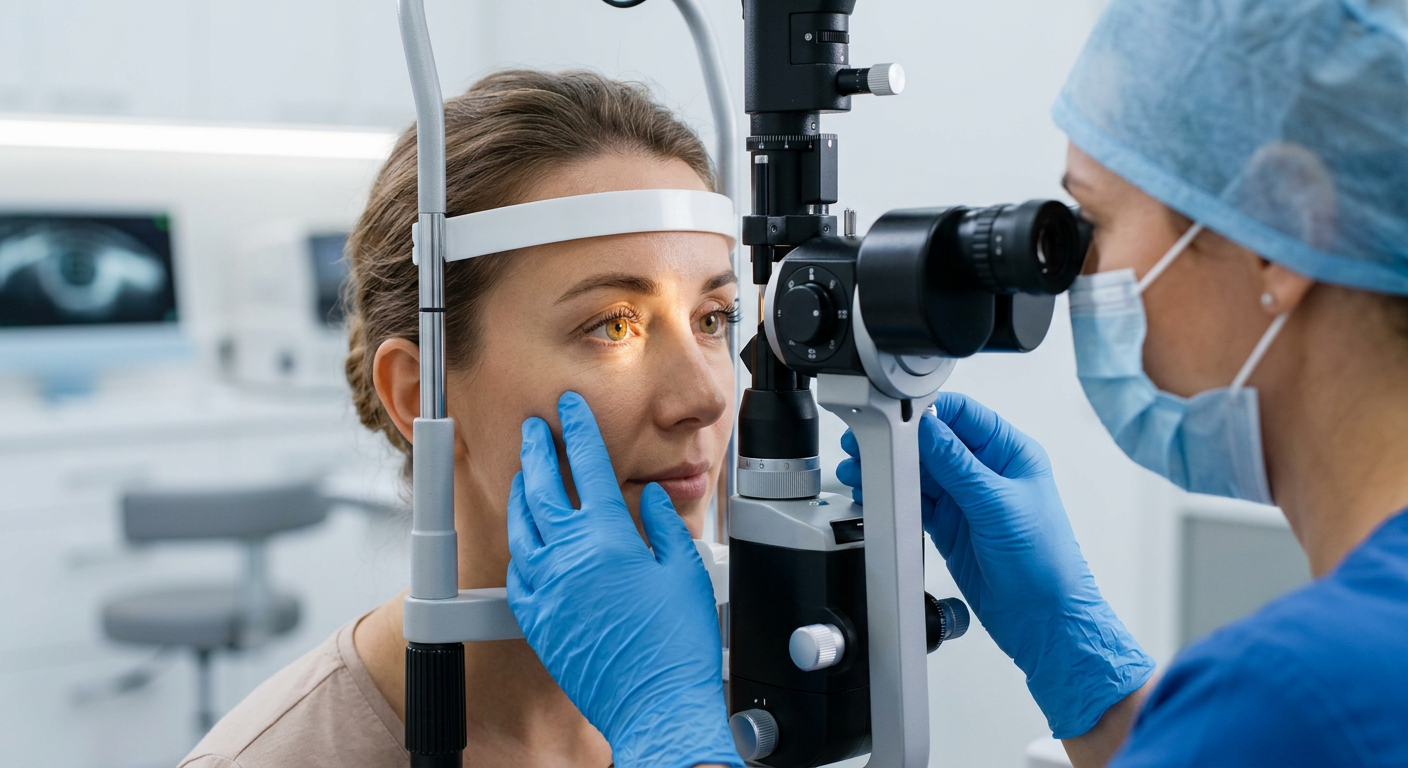
Other Advanced Vision Correction Procedures
While LASIK, PRK, and lens replacement are the most common, other procedures are available for specific cases:
- Implantable Collamer Lens (ICL): A small, thin lens is surgically implanted inside the eye, in front of the natural lens, without removing any corneal tissue. Ideal for patients with very high refractive errors, thin corneas, or severe dry eyes who are not candidates for LASIK or PRK.
- Corneal Cross-Linking (CXL): A procedure used to strengthen the cornea, primarily for patients with keratoconus (a progressive thinning and bulging of the cornea). It can sometimes be combined with PRK.
Your initial consultation will determine which procedure is best suited for your eyes and visual goals.
The Patient Journey: Step-by-Step Process for Eye Surgery in Turkey
Embarking on a medical journey abroad can seem daunting, but with Clyna, the process is streamlined and supportive. Here's a typical step-by-step guide for patients considering eye surgery in Turkey:
Step 1: Initial Consultation & Pre-Assessment (Remote)
Your journey begins long before you set foot in Turkey.
- Contact Clyna: Reach out to us through our website or contact form. We'll connect you with a dedicated patient coordinator.
- Medical History & Records Submission: You'll be asked to provide your detailed medical history, current and past eye prescriptions, any existing eye conditions, and general health information. Recent eye exam results are very helpful.
- Remote Consultation: Based on your submitted information, our partner clinics in Turkey will conduct a preliminary assessment. You may have a video consultation with an ophthalmologist to discuss your eligibility, recommended procedures (LASIK, PRK, or lens replacement), expected outcomes, and address initial questions. This is a crucial step to determine if "eye surgery Turkey" is right for you.
- Personalized Treatment Plan & Quote: You'll receive a personalized treatment plan outlining the recommended procedure, the surgeon, the clinic, and a transparent breakdown of the eye surgery cost Turkey.
Step 2: Travel Planning & Arrival in Turkey
Once you've decided to proceed, Clyna assists with all logistical arrangements.
- Booking & Confirmation: Confirm your treatment dates and finalize your travel itinerary.
- Visa & Travel Documents: Ensure your passport is valid and check if you require a visa for Turkey. Clyna can provide guidance.
- Accommodation & Transfers: We can help arrange comfortable accommodation near your chosen clinic in cities like Istanbul or Antalya, as well as airport transfers and local transportation. Many packages include these services.
- Arrival: You'll be met at the airport by a clinic representative or driver and transferred to your accommodation.
Step 3: In-Person Comprehensive Eye Examination
This is the most critical diagnostic phase upon your arrival.
- Detailed Diagnostics: At the clinic, you'll undergo a thorough series of advanced eye tests, including corneal topography, pachymetry (corneal thickness measurement), wavefront analysis, pupil dilation, intraocular pressure measurement, and a comprehensive retinal exam. These tests confirm your eligibility and help the surgeon finalize the precise treatment plan.
- Surgeon Consultation: You'll have an in-depth consultation with your ophthalmologist. They will review all test results, explain the chosen procedure (e.g., LASIK Turkey or lens replacement Turkey) in detail, discuss potential risks and benefits, and answer any remaining questions. This is your opportunity to build trust and feel completely comfortable.
- Pre-Operative Instructions: You'll receive specific instructions for the day of surgery, such as avoiding makeup, perfumes, and certain medications.
Step 4: The Procedure Day
The day of your vision correction.
- Arrival at Clinic: You'll arrive at the clinic, usually with a companion or clinic assistant.
- Final Checks: Your eyes will be re-examined, and your identity and procedure confirmed.
- Preparation: You'll receive numbing eye drops, and your eyes will be cleaned around the surgical area. You might be offered a mild sedative to help you relax.
- The Procedure: You'll be guided into the laser suite or operating room. The procedure itself is quick, typically lasting 10-30 minutes for both eyes, depending on the type of surgery. You'll be asked to focus on a light. The surgeon will provide instructions throughout.
- Post-Procedure: Immediately after, you might experience some mild discomfort, watery eyes, or a gritty sensation. You'll be given protective eye shields or sunglasses and post-operative eye drops.
Step 5: Immediate Post-Operative Care & Follow-up
Crucial for proper healing and monitoring.
- Rest: You'll be advised to rest immediately after the procedure, often returning to your accommodation to sleep.
- First Follow-up (Day 1): The very next day, you'll have your first post-operative check-up with your surgeon. They will assess your healing, check your vision, and provide detailed instructions on using eye drops, activities to avoid, and general eye care.
- Subsequent Follow-ups: Depending on the procedure (LASIK usually requires fewer, PRK and lens replacement might require more), you'll have additional check-ups before you're cleared to travel back home. Typically, a stay of 3-7 days in Turkey is recommended.
Step 6: Return Home & Long-Term Care
Continuing your recovery and enjoying your new vision.
- Travel Home: Once cleared by your surgeon, you can travel back home.
- Continued Eye Drop Regimen: It's vital to continue using prescribed eye drops as instructed for several weeks or months.
- Follow-up with Local Optometrist: We recommend scheduling a follow-up with your local optometrist or ophthalmologist a few weeks or months after your return to monitor your progress. Clyna can provide your local doctor with your treatment records.
- Enjoy Your New Vision: Embrace the freedom and clarity that your successful eye surgery in Turkey has provided!
This structured approach ensures that every aspect of your "vision correction Turkey" journey is managed professionally and with your well-being as the top priority.
Why Choose Turkey for Your Eye Surgery? Unbeatable Advantages
Turkey has solidified its reputation as a global leader in medical tourism, particularly for ophthalmic procedures. The advantages of choosing Turkey for your eye surgery are compelling and multifaceted, making it an increasingly popular choice for patients worldwide.
Exceptional Quality & Advanced Technology
- JCI Accreditation: Turkey boasts over 30 Joint Commission International (JCI) accredited hospitals, the highest number outside the United States. This accreditation signifies adherence to the most rigorous international standards for patient safety and quality of care. Many of the best eye clinics Turkey are JCI-accredited.
- State-of-the-Art Facilities: Turkish clinics and hospitals are equipped with the latest generation of diagnostic and surgical technology. This includes advanced femtosecond lasers for all-laser LASIK (Femto-LASIK), sophisticated excimer lasers for precise corneal reshaping, and a wide array of premium intraocular lenses (IOLs) for lens replacement Turkey, including multifocal and trifocal options.
- Commitment to Innovation: Turkish ophthalmology stays at the forefront of medical advancements, regularly adopting new techniques and technologies to ensure optimal patient outcomes.
World-Renowned Surgeons & High Volume of Procedures
- Highly Experienced Surgeons: Turkish ophthalmologists are internationally recognized for their expertise, often trained in leading global institutions. They perform a high volume of eye surgeries annually, leading to extensive experience and refined skills. This high volume contributes to excellent success rates for procedures like LASIK Turkey and PRK Turkey.
- Specialization: Many surgeons specialize in specific areas, such as refractive surgery or cataract/lens replacement, ensuring you receive care from a true expert in your chosen procedure.
- Multilingual Teams: Clinics catering to international patients employ multilingual staff and offer translation services, ensuring clear communication throughout your journey.
Remarkable Cost-Effectiveness
- Affordable Prices: This is one of the most significant draws. The eye surgery cost Turkey is often 50-70% less than comparable procedures in Western Europe, the UK, or the US, without compromising on quality. This affordability makes advanced vision correction accessible to a wider demographic. The "LASIK fiyatları Türkiye" are particularly attractive.
- Transparent Pricing: Reputable clinics provide comprehensive packages that often include the surgery, pre-operative tests, post-operative care, medication, and sometimes even accommodation and transfers, offering excellent value.
Seamless Medical Tourism Experience
- Established Infrastructure: Turkey has a well-developed medical tourism infrastructure. From dedicated international patient departments to concierge services, everything is designed to make your journey smooth and stress-free.
- Ease of Access: Turkey is strategically located, with excellent flight connections from major cities worldwide. Istanbul, in particular, serves as a major international aviation hub.
- Patient-Centric Approach: Turkish healthcare providers are known for their warm hospitality and patient-focused care, ensuring comfort and support throughout your treatment.
A Destination of Beauty and Culture
- Combine Treatment with Tourism: Many patients choose to combine their eye surgery with a relaxing holiday. Cities like Istanbul offer a rich tapestry of history, culture, and vibrant city life, while Antalya provides stunning Mediterranean beaches and resorts. This unique blend allows patients to recover in a beautiful environment.
- Cultural Experience: Exploring Turkey's historical sites, enjoying its delicious cuisine, and experiencing its renowned hospitality can significantly enhance the overall medical tourism experience.

Choosing Turkey for your "göz ameliyatı Türkiye" means opting for a world-class medical experience that is both high in quality and value, set against the backdrop of a fascinating and welcoming country.
Eye Surgery Cost Turkey: A Detailed Comparison
One of the most compelling reasons patients choose Turkey for eye surgery is the significant cost savings. While quality and safety remain paramount, the affordability of procedures like LASIK, PRK, and lens replacement in Turkey makes them accessible to a broader range of individuals.
Factors Influencing Eye Surgery Cost in Turkey
The exact "eye surgery cost Turkey" can vary based on several factors:
- Type of Procedure: LASIK is generally less expensive than PRK (due to longer recovery/follow-up for PRK) or lens replacement surgery, which involves the cost of the premium IOLs.
- Technology Used: Advanced techniques like Femto-LASIK or Wavefront-optimized LASIK may be slightly more expensive than standard LASIK. Similarly, the type of IOL (monofocal, multifocal, trifocal, toric) significantly impacts the cost of lens replacement Turkey.
- Clinic Reputation and Location: Highly renowned clinics, especially those in prime locations like Istanbul, might have slightly higher prices, reflecting their advanced facilities, experienced surgeons, and comprehensive service packages.
- Surgeon's Experience: Surgeons with extensive experience and international acclaim may command higher fees.
- Package Inclusions: Some clinics offer all-inclusive packages covering pre-operative tests, the surgery itself, post-operative medications, follow-up appointments, airport transfers, and even accommodation. These packages often provide excellent value.
- Currency Exchange Rates: Fluctuations in the Turkish Lira (TRY) against major currencies like EUR, GBP, or USD can influence the final cost.
Cost Comparison Table (Estimated EUR Ranges)
To illustrate the cost advantage, here's an estimated comparison of eye surgery costs in Turkey versus other popular medical tourism destinations and Western countries. These are approximate ranges and can vary based on the factors mentioned above.
| Procedure (Per Eye) | Turkey (EUR) | Germany (EUR) | UK (EUR) | USA (EUR) |
|---|---|---|---|---|
| LASIK | 800 - 1,500 | 1,800 - 3,000 | 1,500 - 3,000 | 2,000 - 4,000 |
| PRK | 700 - 1,300 | 1,500 - 2,800 | 1,200 - 2,500 | 1,800 - 3,500 |
| Lens Replacement (RLE/CLE) with Premium IOL | 2,000 - 4,000 | 4,000 - 7,000 | 3,500 - 6,500 | 5,000 - 9,000 |
Please note:
- These figures are estimates and can vary significantly.
- The costs for lens replacement typically refer to premium IOLs (multifocal, trifocal, toric) which are most commonly sought by medical tourists for complete vision correction. Monofocal IOLs are generally less expensive.
- The "LASIK fiyatları Türkiye" and "göz çizdirme Türkiye" are notably competitive.
As you can see, the cost savings in Turkey are substantial, often allowing patients to afford advanced procedures and premium lenses that might be financially out of reach in their home countries. This affordability, combined with high standards of care, makes "vision correction Turkey" an incredibly attractive option.
How to Choose the Best Eye Clinics Turkey
Selecting the right clinic and surgeon is paramount to a successful eye surgery experience. With numerous options available, especially in major cities like Istanbul and Antalya, knowing what criteria to prioritize is essential. Clyna partners only with reputable clinics, but understanding these factors will empower your decision-making.
Accreditation and Certifications
- JCI Accreditation: Look for clinics and hospitals accredited by Joint Commission International (JCI). This is a globally recognized gold standard for patient safety and quality of care. JCI-accredited facilities adhere to stringent international protocols.
- Local Health Ministry Approvals: Ensure the clinic is fully licensed and regulated by the Turkish Ministry of Health.
- ISO Certifications: ISO (International Organization for Standardization) certifications, particularly ISO 9001, indicate a commitment to quality management systems.
Surgeon's Qualifications and Experience
- Board Certification: Verify that the ophthalmologist is board-certified in ophthalmology.
- Specialization: Choose a surgeon who specializes in the specific procedure you need (e.g., refractive surgery for LASIK/PRK, or cataract/lens surgery for RLE).
- Experience and Volume: Inquire about the surgeon's experience, including the number of procedures they perform annually and their success rates. A high volume of procedures often correlates with greater expertise.
- International Training/Affiliations: Many top Turkish surgeons have trained or worked internationally, bringing global best practices to their clinics.
- Patient Testimonials: Look for reviews and testimonials specifically mentioning the surgeon's skill, bedside manner, and patient outcomes.
Technology and Equipment
- Latest Generation Lasers: For LASIK and PRK, ensure the clinic uses modern, FDA-approved excimer and femtosecond lasers (e.g., Alcon Wavelight EX500, Schwind Amaris, Zeiss VisuMax).
- Advanced Diagnostics: The clinic should have comprehensive diagnostic equipment for detailed pre-operative assessments (e.g., corneal topographers, wavefront analyzers, OCT scans).
- Premium IOLs: For lens replacement, confirm they offer a wide range of premium intraocular lenses (multifocal, trifocal, toric) from reputable manufacturers.
- Maintenance and Calibration: Inquire about the clinic's protocols for equipment maintenance and calibration to ensure accuracy and safety.
Patient Reviews and Testimonials
- Independent Review Platforms: Check reviews on platforms like Google, Trustpilot, and medical tourism forums.
- Before & After Stories: Look for patient stories that detail their journey, from initial consultation to recovery and final vision.
- Clyna's Vetting Process: Remember, Clyna rigorously vets all partner clinics, ensuring they meet high standards of quality and patient satisfaction.
Comprehensive Aftercare and Support
- Post-Operative Appointments: Confirm the number and schedule of post-operative check-ups included in the package.
- Emergency Contact: Ensure you have an emergency contact number for the clinic during your stay.
- Remote Follow-up: Ask about options for remote follow-up or assistance with local optometrist referrals once you return home.
- Medication and Eye Drops: Clarify what post-operative medications and eye drops are included and how they will be provided.
Transparency in Pricing and Services
- All-Inclusive Packages: Look for clear, all-inclusive pricing that covers all aspects of your treatment, avoiding hidden costs.
- Detailed Breakdown: Request a detailed breakdown of what is included in your quote (e.g., surgery, consultations, tests, medications, transfers, accommodation).
Language Support and International Patient Services
- Multilingual Staff: Ensure the clinic has staff who can communicate effectively in your language, especially English.
- Dedicated Patient Coordinator: A dedicated international patient coordinator can significantly ease the process, assisting with appointments, logistics, and communication.
Red Flags to Watch Out For
- Unrealistically Low Prices: If a price seems too good to be true, it often is. Be wary of clinics offering significantly lower prices than the market average, as this might indicate compromises in technology, surgeon experience, or aftercare.
- Lack of Transparency: Avoid clinics that are vague about pricing, procedures, or surgeon qualifications.
- High-Pressure Sales Tactics: A reputable clinic will provide information and allow you time to make an informed decision without pressure.
- Poor Communication: Difficulty getting clear, timely answers to your questions before booking can be a sign of future communication issues.
By considering these factors, you can confidently choose among the best eye clinics Turkey has to offer, ensuring a safe and successful "vision correction Turkey" experience. Clyna is here to guide you to clinics that excel in all these areas.
Before Treatment: Your Preparation Checklist
Thorough preparation is key to a smooth and successful eye surgery experience. This checklist covers essential medical, logistical, and personal steps to take before your trip to Turkey.
Medical Preparation
- Stop Wearing Contact Lenses:
- Soft Lenses: Stop wearing soft contact lenses at least 1-2 weeks before your initial comprehensive eye exam in Turkey.
- Hard/Rigid Gas Permeable (RGP) Lenses: Stop wearing RGP lenses for at least 3-4 weeks (or even longer, as advised by your surgeon) before your initial eye exam.
- Reason: Contact lenses can temporarily alter the shape of your cornea, which can lead to inaccurate measurements during your pre-operative assessment.
- Provide Comprehensive Medical History: Ensure Clyna and your chosen clinic have your complete medical history, including any existing health conditions (diabetes, autoimmune diseases), allergies, and a list of all medications (prescription, over-the-counter, supplements) you are currently taking.
- Arrange for Medical Records Transfer: If you have recent eye exam results, corneal topography, or other relevant ophthalmic records, send them to Clyna for preliminary assessment.
- Discuss Medications: Your surgeon will advise if you need to stop or adjust any medications before surgery. Do not stop any prescribed medication without consulting your doctor.
- Avoid Eye Makeup: Do not wear any eye makeup (mascara, eyeliner, eyeshadow) for at least 24-48 hours before your surgery appointment. This minimizes the risk of infection.
- Arrange for a Companion: While not strictly mandatory for all procedures, having a friend or family member accompany you is highly recommended, especially for the first 24-48 hours post-surgery. They can assist with transportation, eye drop administration, and general support.
- Quit Smoking (if applicable): Smoking can impair healing. If you smoke, try to quit or reduce significantly well in advance of your surgery.
Travel and Logistics Preparation
- Passport and Visa: Ensure your passport is valid for at least 6 months beyond your intended stay. Check if you require a visa for Turkey and apply well in advance if necessary.
- Flight and Accommodation Bookings: Finalize your travel dates and book your flights and accommodation. Clyna can assist with this, often including it in your package.
- Travel Insurance: Purchase comprehensive travel insurance that covers medical emergencies and trip cancellations. While your surgery is planned, unforeseen circumstances can arise.
- Financial Planning: Ensure you have sufficient funds for the procedure, any incidental expenses, and your stay. Inform your bank of your travel plans to avoid issues with card usage abroad.
- Local Transportation: Understand how you will get to and from the clinic for your appointments. Many clinics offer complimentary transfers.
- Emergency Contacts: Keep a list of emergency contacts, both at home and in Turkey (clinic, Clyna coordinator).
Personal Preparation
- Comfortable Clothing: Pack loose, comfortable clothing, especially for the day of surgery and immediate recovery.
- Sunglasses: Bring a good pair of UV-protective sunglasses. You will need them immediately after surgery to protect your sensitive eyes from light.
- Eye Drops: If you use any specific lubricating eye drops regularly, bring them, but be prepared to switch to the clinic's prescribed drops post-surgery.
- Entertainment: Pack books, audiobooks, or podcasts. You'll need to avoid screens and reading for a short period after surgery, but these can be helpful during travel and initial recovery.
- Hydration and Snacks: Keep yourself well-hydrated. Pack some light, non-perishable snacks for your travel and initial recovery period.
- Manage Expectations: Have realistic expectations about the recovery process and the final outcome. While success rates are high, individual results can vary.
- Rest: Ensure you get plenty of rest before your surgery. Being well-rested can contribute to a smoother experience.
By diligently following this checklist, you can minimize stress and ensure you are fully prepared for your "vision correction Turkey" journey, allowing you to focus on achieving your desired visual outcome.
After Treatment: Recovery Timeline Day-by-Day
Understanding the recovery process is crucial for managing expectations and ensuring optimal healing after eye surgery. While individual experiences vary, this timeline provides a general guide for what to expect after LASIK, PRK, and lens replacement surgery in Turkey.
Immediately After Surgery (Day 0)
- Vision: Your vision will likely be blurry, hazy, or smoky. It's common to feel a gritty sensation, mild discomfort, or a foreign body sensation.
- Discomfort: LASIK typically involves minimal discomfort. PRK can have more significant pain/discomfort for the first 24-72 hours. Lens replacement usually has mild discomfort.
- Light Sensitivity: Your eyes will be very sensitive to light.
- Eye Protection: You will be given protective eye shields or sunglasses to wear, especially while sleeping, to prevent accidental rubbing or pressure on the eyes.
- Rest: It is crucial to go home and rest, preferably sleep, for several hours. This helps the eyes begin the healing process.
- Eye Drops: Start your prescribed regimen of antibiotic and anti-inflammatory eye drops.
Day 1 Post-Surgery
- First Follow-up: You will have your first post-operative check-up with your surgeon. They will examine your eyes, check your vision, and provide further instructions.
- Vision Improvement: For LASIK and lens replacement, many patients experience a dramatic improvement in vision, often achieving functional vision (e.g., 20/40 or better) by this point. For PRK, vision will still be blurry as the epithelium heals.
- Discomfort: Discomfort should be minimal for LASIK/lens replacement. PRK patients will still experience discomfort, which can be managed with prescribed pain medication.
- Activities: Avoid rubbing your eyes, strenuous activities, heavy lifting, and getting water directly into your eyes. You can usually shower carefully.
Days 2-3 Post-Surgery
- Vision: LASIK and lens replacement patients continue to see significant improvement, often reaching near-final vision. PRK patients will notice gradual improvement as the epithelial layer regenerates, but vision will still be hazy.
- Discomfort: Should continue to decrease. PRK patients will likely have their bandage contact lens removed around day 3-5.
- Eye Drops: Continue the prescribed regimen diligently.
- Activities: You can typically resume light, non-strenuous activities. Avoid dusty environments, swimming, and eye makeup.
Week 1 Post-Surgery
- Vision: LASIK and lens replacement patients usually have excellent functional vision. PRK vision continues to improve, though it may still fluctuate.
- Symptoms: Dryness, mild halos, or glare around lights at night are common and usually temporary.
- Eye Drops: Continue as instructed. Some drops may be tapered off.
- Activities: Most normal daily activities can be resumed, but continue to avoid swimming, hot tubs, saunas, and contact sports. Avoid eye makeup.
Weeks 2-4 Post-Surgery
- Vision: Vision stabilizes further. For PRK, visual acuity often catches up to LASIK outcomes by this point, though full clarity may take longer.
- Symptoms: Dryness may persist but can be managed with lubricating eye drops. Halos and glare typically diminish.
- Eye Drops: Your surgeon will advise on tapering off or stopping certain drops.
- Activities: Most restrictions are lifted, but caution is still advised for contact sports. You can typically resume wearing eye makeup after 2-4 weeks.
Months 1-6 Post-Surgery
- Vision: Vision continues to refine and stabilize. For PRK, this is the period where final visual acuity is often achieved.
- Symptoms: Dry eyes are the most common lingering symptom but usually improve significantly over time.
- Follow-ups: Your surgeon may recommend further follow-up appointments, either in Turkey or with a local optometrist, to monitor your long-term progress.
- Long-term Care: Continue to protect your eyes from UV light with sunglasses outdoors.
Long-Term Recovery
- Stable Vision: For most patients, the results of LASIK, PRK, and lens replacement are permanent and stable.
- Annual Eye Exams: Regular annual eye exams are still recommended to monitor overall eye health.
- Presbyopia: For LASIK/PRK patients, presbyopia (age-related farsightedness) will still occur naturally around age 40-50, potentially requiring reading glasses. Lens replacement with multifocal/trifocal IOLs addresses presbyopia.
This detailed recovery timeline should provide a clear picture of what to expect after your "vision correction Turkey" procedure, allowing you to plan your post-operative care and return to daily life confidently.
Risks, Complications, and How to Minimize Them
While eye surgery procedures like LASIK, PRK, and lens replacement are highly safe and effective, like any surgical intervention, they carry potential risks and complications. It's crucial to be aware of these and understand how to minimize them. Clyna is committed to ensuring you are fully informed.
Common and Minor Side Effects (Usually Temporary)
These are generally mild and resolve within weeks to months:
- Dry Eyes: This is the most common side effect after laser eye surgery. It can range from mild irritation to significant discomfort. It's usually temporary and managed with lubricating eye drops, but can persist for several months.
- Halos and Glare: You might see rings (halos) around lights or experience increased sensitivity to bright lights (glare), especially at night. This is more common in the initial weeks/months and typically diminishes as the eyes heal.
- Starbursts: Light sources may appear to have rays or streaks emanating from them.
- Fluctuating Vision: Vision may be blurry or fluctuate during the initial healing period, especially with PRK.
- Foreign Body Sensation/Grittiness: A feeling like something is in your eye, particularly common in the first few days.
- Under- or Overcorrection: The laser may remove slightly too little or too much tissue, resulting in residual refractive error. This can often be corrected with an enhancement procedure (touch-up) if the cornea is thick enough.
- Sensitivity to Light: Increased light sensitivity is common initially.
Rare and More Serious Complications
These are uncommon but important to be aware of:
- Infection: Any surgical procedure carries a risk of infection. This is why strict hygiene and antibiotic eye drops are crucial.
- Corneal Flap Complications (LASIK): Issues with the flap, such as irregular cuts, displacement, or epithelial ingrowth (cells growing under the flap), are rare, especially with modern femtosecond laser techniques.
- Ectasia: A very rare but serious complication where the cornea weakens and bulges forward, leading to vision distortion. Proper pre-operative screening (especially corneal thickness and topography) significantly minimizes this risk.
- Retinal Detachment (Lens Replacement): While rare, there is a slightly increased risk of retinal detachment after lens replacement surgery, particularly in highly myopic individuals.
- Posterior Capsule Opacification (PCO) (Lens Replacement): Also known as "secondary cataract," this is when the capsule holding the IOL becomes cloudy. It's common and easily treated with a quick, painless YAG laser procedure.
- IOL Dislocation (Lens Replacement): The artificial lens can rarely shift out of position, requiring surgical repositioning.
- Increased Intraocular Pressure (IOP): Can be a temporary side effect of steroid eye drops, requiring monitoring and management.
- Permanent Vision Loss: Extremely rare, but a theoretical risk with any eye surgery.
Minimizing Risks
Choosing "eye surgery Turkey" from a reputable provider significantly minimizes these risks:
- Thorough Pre-Operative Screening: This is the most critical step. A comprehensive eye exam with advanced diagnostics ensures you are a suitable candidate and helps identify any contraindications. Reputable clinics will not proceed if there's any doubt about your safety.
- Choosing an Experienced Surgeon: Opt for a board-certified ophthalmologist with extensive experience in your specific procedure and a proven track record of successful outcomes.
- Advanced Technology: Clinics utilizing the latest generation of FDA-approved lasers and diagnostic equipment reduce the risk of complications and improve precision.
- Strict Adherence to Post-Operative Instructions: Following your surgeon's instructions precisely, especially regarding eye drop usage, activity restrictions, and protective eyewear, is vital for proper healing and preventing infection.
- Open Communication: Discuss all your concerns and medical history openly with your surgeon and the clinic staff. Don't hesitate to ask questions.
- Avoid Rubbing Eyes: This is critical, especially in the initial weeks, to prevent flap complications (LASIK) or dislodging the IOL (lens replacement).
- Attend All Follow-up Appointments: These appointments allow your surgeon to monitor your healing and address any potential issues promptly.
- Protect Your Eyes: Wear UV-protective sunglasses outdoors, even after full recovery, to maintain long-term eye health.
By partnering with Clyna, you are connected with clinics and surgeons in Turkey who prioritize patient safety and employ stringent protocols to minimize risks, ensuring your "göz ameliyatı Türkiye" experience is as safe and effective as possible.
Real Patient Journey Stories
Hearing about the experiences of others can provide valuable insights and reassurance. Here are three realistic patient journey scenarios, highlighting different procedures and motivations for choosing eye surgery in Turkey.
Patient Story 1: Sarah, 32, Marketing Manager (LASIK)
Sarah, a marketing manager from London, had been wearing glasses since she was 10. Her -4.50 prescription meant she was heavily reliant on them, and contact lenses often caused dry eye discomfort during long workdays. She loved to travel and swim, but her vision aids were always a hassle. After researching "LASIK Turkey" online and seeing the impressive "LASIK fiyatları Türkiye," she decided to explore options through Clyna.
The Journey: "Clyna connected me with a JCI-accredited clinic in Istanbul. The initial remote consultation was thorough, and I sent over my recent eye exam results. They confirmed I was a good candidate for Femto-LASIK. The package included my surgery, all consultations, post-op drops, and even airport transfers. I flew to Istanbul on a Sunday, had my comprehensive eye exam and surgeon consultation on Monday, and the surgery on Tuesday morning. The procedure itself was quick, maybe 15 minutes for both eyes. I felt a bit of pressure but no pain. After a good sleep, my vision on Wednesday morning was incredible! I had my first check-up, and the surgeon confirmed everything looked perfect. I spent the next few days exploring some of Istanbul's historical sites, wearing my sunglasses, of course. The clinic staff were so supportive and spoke excellent English."
Outcome: "Returning to London, my vision was 20/20. The dry eyes I had with contacts were gone, and I only needed lubricating drops for a few weeks. The cost was less than half of what I would have paid in the UK, even including flights and accommodation. It's been a year, and I still wake up amazed I can see clearly. It was truly life-changing, and I highly recommend 'vision correction Turkey' through Clyna."
Patient Story 2: David, 58, Retired Engineer (Lens Replacement)
David, a retired engineer from Germany, was frustrated with his progressive presbyopia and the early signs of cataracts. He needed different glasses for reading, computer work, and driving, and his night vision was deteriorating. He was keen on a permanent solution that would free him from glasses entirely. His research led him to "lens replacement Turkey" and the advanced trifocal IOLs offered.
The Journey: "My local ophthalmologist in Germany suggested lens replacement but the cost was prohibitive. I found Clyna and was impressed by their detailed information on 'eye surgery Turkey.' They matched me with a specialist clinic in Antalya, known for its expertise in premium IOLs. The remote consultation was very informative, and they recommended trifocal IOLs. I decided to make it a medical holiday. I flew to Antalya with my wife, and we enjoyed a few days by the Mediterranean before my appointments. The clinic was modern, and the staff were incredibly professional. The surgeon explained the procedure for both eyes, scheduled a day apart. The operations were painless, just a bit of pressure. Recovery was quick; I could see much clearer the very next day after each eye."
Outcome: "Within a week, my vision was fantastic at all distances. No more fumbling for reading glasses! My night vision also improved dramatically. The cost, even with the premium trifocal lenses and a lovely holiday, was significantly less than just the surgery alone in Germany. The follow-up care was excellent, and I felt completely supported. For anyone considering 'göz ameliyatı Türkiye' for presbyopia or cataracts, I can't recommend it enough. It gave me back my independence."
Patient Story 3: Elena, 25, Student (PRK)
Elena, a university student from Sweden, had a high myopia prescription (-7.00 in both eyes) and relatively thin corneas, making her a borderline candidate for LASIK. She was active and played volleyball, making her concerned about potential flap complications with LASIK. Her local ophthalmologist suggested PRK, but the wait times and cost were a barrier. She looked into "PRK Turkey" for a more accessible option.
The Journey: "I contacted Clyna, explaining my situation and my preference for PRK due to my thinner corneas and active lifestyle. They found a clinic in Istanbul that specialized in PRK and had excellent success rates for high prescriptions. The pre-assessment was very thorough, confirming PRK was the safest option for me. I appreciated that they didn't push LASIK. I traveled to Istanbul, had my surgery, and stayed for about 8 days. The first few days after PRK were definitely uncomfortable, with a burning sensation and light sensitivity, but the pain medication helped a lot. I just rested in my hotel room. By day 4, the bandage contact lens was removed, and my vision started to slowly clear. The clinic checked on me daily."
Outcome: "It took a few weeks for my vision to stabilize, but by the end of the first month, I was seeing clearly without glasses for the first time in my life. Now, six months later, my vision is 20/20, and I have no issues playing volleyball or swimming. The initial discomfort was absolutely worth it for the long-term freedom. The 'eye surgery cost Turkey' for PRK was very reasonable, making it possible for me as a student. Clyna's support throughout was invaluable."

These stories highlight the diverse reasons patients choose Turkey for eye surgery and the positive outcomes they experience, underscoring the quality and value of "vision correction Turkey."
Frequently Asked Questions (FAQ)
Here are answers to common questions patients have about eye surgery in Turkey.
1. Am I a suitable candidate for eye surgery in Turkey?
Suitability depends on several factors, including your age, prescription stability, corneal thickness, overall eye health, and absence of certain medical conditions. A comprehensive eye examination is essential to determine your eligibility for LASIK, PRK, or lens replacement. Clyna's initial remote assessment helps determine preliminary suitability, but a final decision is made after in-person diagnostics in Turkey.
2. Is eye surgery painful?
During the procedure, your eyes will be numbed with anesthetic eye drops, so you should not feel any pain. You might experience some pressure or a strange sensation. After LASIK and lens replacement, most patients report only mild discomfort or a gritty feeling for a few hours. PRK recovery involves more significant discomfort (burning, tearing, light sensitivity) for the first 2-3 days, managed with prescribed pain medication.
3. How long does the procedure take?
The actual laser treatment for LASIK or PRK typically takes less than a minute per eye. The entire process, including preparation, takes about 15-30 minutes for both eyes. Lens replacement surgery usually takes 15-30 minutes per eye.
4. How long do I need to stay in Turkey for eye surgery?
For LASIK, a stay of 3-4 days is usually sufficient (arrival, pre-op, surgery, day-1 post-op, departure). For PRK and lens replacement, a slightly longer stay of 5-7 days is often recommended to allow for more initial healing and additional follow-up appointments.
5. What is the success rate of eye surgery in Turkey?
Success rates for vision correction procedures in reputable Turkish clinics are very high, comparable to leading clinics worldwide. For LASIK and PRK, over 90-95% of patients achieve 20/20 or 20/40 vision or better. Lens replacement with premium IOLs also boasts high success rates in achieving spectacle independence.
6. Can I combine my eye surgery with a holiday?
Absolutely! Many patients choose to combine their "eye surgery Turkey" with a vacation. Cities like Istanbul and Antalya offer rich cultural experiences and beautiful scenery. However, it's crucial to prioritize your recovery, especially in the first few days, and follow all post-operative restrictions regarding activities like swimming, sun exposure, and strenuous exercise.
7. What if I need a follow-up after returning home?
Clyna and our partner clinics provide comprehensive aftercare instructions. We recommend scheduling a follow-up with your local optometrist or ophthalmologist a few weeks or months after your return. We can provide your local doctor with your treatment records. For any urgent concerns, the Turkish clinic's international patient department will be available for remote consultation.
8. Is there a language barrier?
Reputable clinics catering to international patients in Turkey employ multilingual staff, especially English speakers, and often provide dedicated patient coordinators or translators. Clyna ensures you are connected with clinics that offer excellent language support.
9. What is the difference between LASIK and PRK?
The main difference lies in how the cornea is accessed. LASIK involves creating a thin flap on the corneal surface, lifting it to reshape the underlying tissue, and then repositioning it. PRK involves removing the outermost layer of the cornea (epithelium), which then regenerates naturally. LASIK offers faster visual recovery and less discomfort, while PRK is often preferred for thinner corneas or active lifestyles due to no flap complications. Both offer excellent long-term visual outcomes.
10. What are multifocal IOLs?
Multifocal Intraocular Lenses (IOLs) are advanced artificial lenses used in lens replacement surgery. Unlike traditional monofocal IOLs that provide clear vision at only one distance, multifocal IOLs (including trifocal and EDOF lenses) are designed to provide clear vision at multiple distances (near, intermediate, and far), significantly reducing or eliminating the need for glasses after surgery.
11. Can I drive after eye surgery?
You will not be able to drive immediately after surgery. For LASIK and lens replacement, most patients can resume driving within 1-3 days, once their vision meets legal driving standards and their surgeon approves. For PRK, it may take 1-2 weeks for vision to stabilize enough for safe driving. Always follow your surgeon's specific advice.
12. Is eye surgery covered by insurance?
Most private health insurance plans in Western countries do not cover elective refractive surgeries like LASIK, PRK, or RLE, as they are considered cosmetic. However, if lens replacement is performed due to a cataract (cataract surgery), it is typically covered, though premium IOLs might incur out-of-pocket costs. It's best to check with your specific insurance provider. The "eye surgery cost Turkey" is often so competitive that it's more affordable than the out-of-pocket cost in your home country.
13. What should I avoid before surgery?
Avoid wearing contact lenses for 1-4 weeks (depending on type) before your pre-operative exam. Do not wear eye makeup, perfume, or lotions around your eyes on the day of surgery. Avoid alcohol and caffeine on the day before and day of surgery. Follow all specific instructions provided by your clinic.
14. How safe is eye surgery in Turkey?
Eye surgery in Turkey is very safe when performed in accredited clinics by experienced surgeons using modern technology. Turkey's high number of JCI-accredited hospitals and its robust medical tourism infrastructure ensure high standards of care, patient safety, and quality outcomes. Clyna partners exclusively with such reputable providers.
15. What are the long-term results of eye surgery?
For most patients, the results of LASIK, PRK, and lens replacement are permanent and stable. While vision can naturally change with age (e.g., presbyopia for LASIK/PRK patients, which can be addressed with reading glasses or a secondary procedure), the initial correction of myopia, hyperopia, and astigmatism is generally long-lasting. Regular eye check-ups are always recommended.
Conclusion: Your Clear Vision Awaits with Clyna
The journey to clear vision is a profound one, offering a newfound sense of freedom, convenience, and an enhanced quality of life. As this comprehensive guide has detailed, Turkey stands out as an exceptional destination for advanced eye surgery, combining world-class medical expertise, cutting-edge technology, and unparalleled affordability.
From the precision of LASIK and PRK to the transformative power of lens replacement with premium IOLs, Turkish ophthalmology offers solutions tailored to a wide range of visual needs. The "eye surgery cost Turkey" provides remarkable value, making these life-changing procedures accessible without compromising on safety or quality. With JCI-accredited hospitals, highly experienced surgeons, and a patient-centric approach, your "vision correction Turkey" journey promises to be both effective and reassuring.
At Clyna, we are dedicated to connecting you with the best eye clinics Turkey has to offer, guiding you through every step of the process with expertise and empathy. We understand your concerns and are here to ensure a seamless, safe, and successful experience. Imagine waking up each day to a world seen in perfect clarity, free from the constraints of glasses or contact lenses. This vision can become your reality.
Take the first step towards a brighter, clearer future.
Get Free Quote and discover how affordable and accessible world-class eye surgery in Turkey can be.
Browse Clinics to explore our carefully vetted network of top eye clinics in Istanbul, Antalya, and beyond.
Related Guides

Ready to Start Your Medical Journey?
Get free personalized quotes from Turkey's top clinics.
Get Free Quote