

LASIK vs PRK Turkey: Which Eye Surgery is Right for You?
Considering LASIK or PRK in Turkey? Compare these popular laser eye surgeries, understand costs, recovery, and candidacy to make an informed decision for your vision.
Embarking on the journey to clearer vision is a life-changing decision, and for many, it involves choosing between two highly effective laser eye surgeries: LASIK and PRK. As an international patient considering medical tourism, understanding the nuances of these procedures, their benefits, and where to get the best care is paramount. Turkey has emerged as a global leader in ophthalmic surgery, offering world-class treatment at a fraction of the cost found in many Western countries.
This comprehensive guide from Clyna is designed to demystify LASIK and PRK, providing you with the deeply researched information you need to make an informed choice. We'll explore the technical aspects, recovery timelines, cost comparisons, and the unparalleled advantages of choosing Turkey for your vision correction journey. Whether you're grappling with the "LASIK vs PRK Turkey" dilemma or simply wondering "LASIK or PRK which is better" for your unique eyes, this guide will illuminate your path to a glasses-free future.
Introduction
The quest for perfect vision, free from the constraints of glasses or contact lenses, has led millions worldwide to consider laser eye surgery. While the desire for clear sight is universal, the path to achieving it often involves a crucial decision: LASIK vs. PRK. Both procedures are highly effective in correcting common refractive errors, but they differ significantly in their methodology, recovery, and ideal candidacy. For international patients, this decision is further complicated by the choice of destination.
Turkey has rapidly ascended as a premier global hub for medical tourism, particularly in ophthalmology. Its blend of cutting-edge technology, highly skilled surgeons, stringent quality standards, and remarkably competitive pricing makes it an irresistible option for those seeking top-tier eye care. At Clyna, we understand the importance of making an informed decision, especially when it involves your precious eyesight and international travel.
This guide aims to be your definitive resource, meticulously detailing every aspect of LASIK and PRK. We will delve into the technicalities of each procedure, compare their respective recovery timelines, explore the critical factors determining "PRK vs LASIK candidacy," and provide a transparent look at the "LASIK vs PRK cost Turkey" offers compared to other countries. By the end, you'll have a clear understanding of which "laser eye surgery comparison Turkey" offers might be best for you, empowering you to confidently take the next step towards a life of visual freedom.

Understanding Refractive Errors and Laser Eye Surgery
Before diving into the specifics of LASIK and PRK, it's essential to understand why these surgeries are performed. Our eyes work by focusing light onto the retina at the back of the eye. Refractive errors occur when the eye cannot properly focus light, leading to blurred vision. The most common refractive errors corrected by LASIK and PRK include:
- Myopia (Nearsightedness): Distant objects appear blurry because light focuses in front of the retina.
- Hyperopia (Farsightedness): Near objects appear blurry because light focuses behind the retina.
- Astigmatism: Blurred vision at all distances due to an irregularly shaped cornea or lens, causing light to focus at multiple points.
Both LASIK and PRK aim to correct these errors by precisely reshaping the cornea – the transparent front part of your eye – using an excimer laser. This reshaping changes how light passes through the cornea, allowing it to focus correctly on the retina. The primary difference lies in how the excimer laser accesses the corneal tissue.
What is LASIK?
LASIK, an acronym for Laser-Assisted In Situ Keratomileusis, is the most widely known and performed laser vision correction procedure globally. It revolutionized eye surgery due to its rapid visual recovery and minimal discomfort.
The Procedure: LASIK involves two main steps:
- Flap Creation: The surgeon first creates a thin, hinged flap on the surface of the cornea. This flap can be created using either a mechanical oscillating blade called a microkeratome or, more commonly and precisely today, with a femtosecond laser (creating what's known as "all-laser LASIK" or "bladeless LASIK"). The femtosecond laser creates microscopic bubbles just beneath the corneal surface, allowing the surgeon to gently lift the flap.
- Corneal Reshaping: Once the flap is lifted, it exposes the underlying corneal tissue (stroma). An excimer laser is then used to precisely remove microscopic amounts of tissue, reshaping the cornea according to the patient's specific refractive error. This process is guided by sophisticated computer software, often incorporating wavefront technology for highly customized corrections.
- Flap Repositioning: After the reshaping is complete, the corneal flap is carefully repositioned back into its original place. It adheres naturally without stitches, acting as a natural bandage.
Advantages of LASIK:
- Rapid Vision Improvement: Most patients experience significantly improved vision within 24-48 hours.
- Minimal Discomfort: Post-operative pain is typically mild and short-lived, often described as a gritty sensation.
- Quick Recovery Time: Patients can often return to normal activities, including work, within a day or two.
- High Predictability: Excellent long-term results and high patient satisfaction rates.
Disadvantages of LASIK:
- Flap-Related Complications: While rare, potential issues include flap displacement, irregular flap, or epithelial ingrowth.
- Not Suitable for All Corneas: Patients with very thin corneas, severe dry eyes, or certain corneal diseases may not be candidates.
- Risk of Dry Eyes: Temporary or, in some cases, persistent dry eye syndrome is a common side effect.
- Impact on Corneal Nerves: The flap creation severs corneal nerves, which can contribute to post-operative dry eye.
What is PRK (PhotoRefractive Keratectomy)?
PRK was the first type of laser eye surgery for vision correction and predates LASIK. While its recovery is longer, it remains a vital option for many patients, particularly those unsuitable for LASIK.
The Procedure: PRK differs from LASIK primarily in the initial step:
- Epithelial Removal: Instead of creating a flap, the surgeon gently removes the outermost layer of the cornea, called the epithelium. This can be done mechanically (using a brush or blunt instrument), with an alcohol solution, or even with the excimer laser itself (trans-PRK). The epithelium is a rapidly regenerating layer of cells.
- Corneal Reshaping: Once the epithelial layer is removed, the excimer laser reshapes the underlying corneal stroma, similar to LASIK, to correct the refractive error.
- Bandage Contact Lens: After the laser treatment, a soft, protective bandage contact lens is placed on the eye. This lens stays in place for approximately 3-5 days, allowing the new epithelial cells to grow back underneath it.
Advantages of PRK:
- No Flap Complications: Eliminates all risks associated with corneal flap creation.
- Suitable for Thin Corneas: Because no flap is created, PRK preserves more corneal tissue, making it a safer option for patients with thinner corneas who might not qualify for LASIK.
- Safer for Active Lifestyles/Contact Sports: Without a flap, there's no risk of flap dislocation from trauma, making it preferred for athletes, military personnel, or those in professions with a risk of eye injury.
- Potentially Less Risk of Long-Term Dry Eye: While initial dry eye can be significant, the long-term incidence of chronic dry eye may be lower compared to LASIK, as corneal nerves are not severed as deeply.
- Better for Certain Corneal Irregularities: Can be advantageous for patients with mild corneal surface irregularities.
Disadvantages of PRK:
- Longer, More Uncomfortable Recovery: The most significant drawback. Patients experience more pain, light sensitivity, and blurry vision for several days as the epithelium heals.
- Slower Vision Stabilization: While initial vision improvement occurs, it can take several weeks to months for vision to fully stabilize and reach its optimal clarity.
- Risk of Corneal Haze: Though rare with modern techniques and post-operative care (like mitomycin-C application), there's a slight risk of corneal haze, especially in higher corrections.
- More Intensive Post-Operative Eye Drop Regimen: Requires a longer course of steroid eye drops.
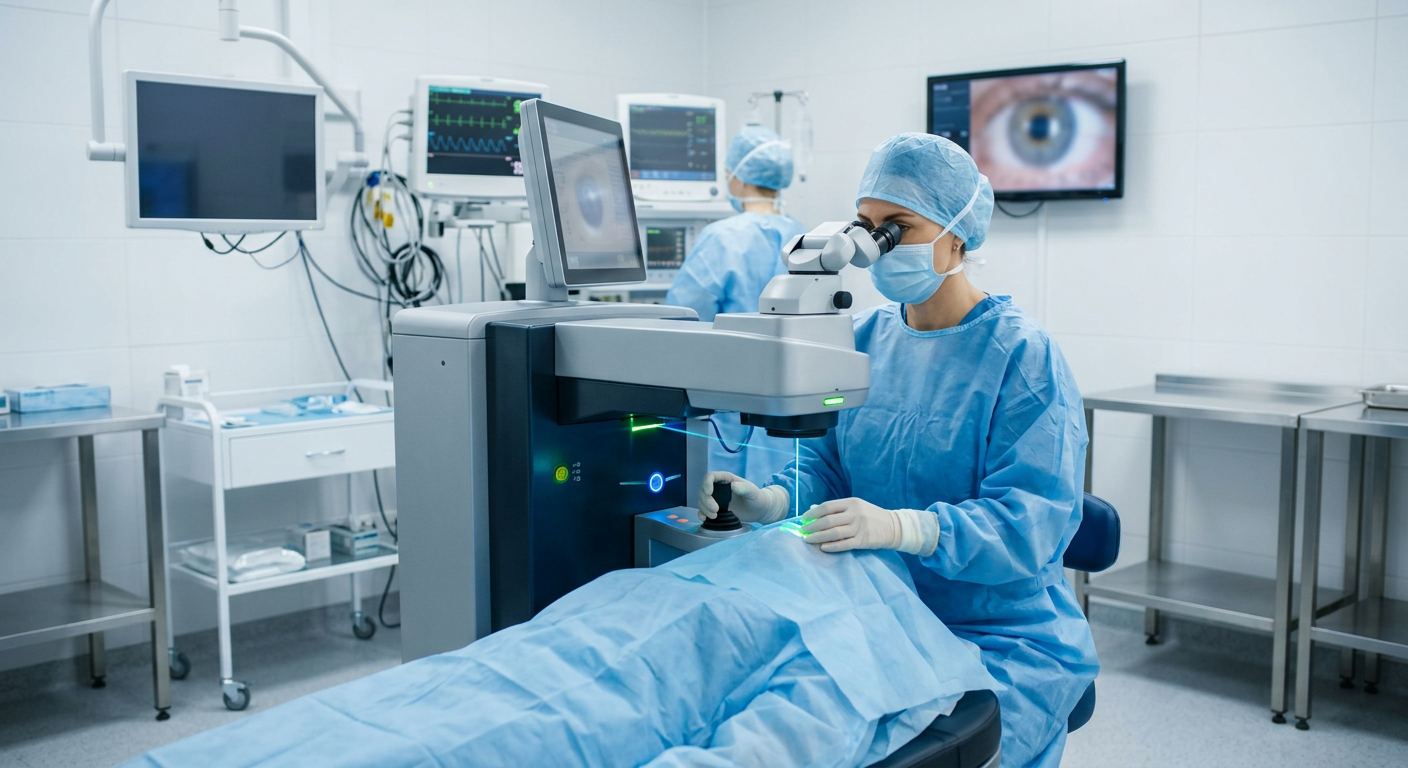
Key Differences: LASIK vs. PRK
Understanding the fundamental differences is crucial when considering "LASIK vs PRK Turkey" and determining "LASIK or PRK which is better" for your specific needs.
| Feature | LASIK | PRK |
|---|---|---|
| Methodology | Creates a corneal flap, reshapes underlying stroma, repositions flap. | Removes epithelial layer, reshapes stroma, epithelium regrows under bandage lens. |
| Corneal Tissue | Preserves more superficial corneal tissue but creates a flap. | Removes epithelial layer, preserves more stromal tissue (no flap). |
| Recovery Time | Fast: Significant vision improvement in 24-48 hours; return to most activities in 1-2 days. | Slow: Significant discomfort and blurry vision for 3-7 days; full vision stabilization in weeks-months. |
| Discomfort | Minimal: Mild grittiness, foreign body sensation for a few hours. | Moderate to Significant: Pain, burning, tearing, light sensitivity for several days. |
| Candidacy | Requires sufficient corneal thickness, stable prescription, healthy eyes. | Preferred for thin corneas, active lifestyles, certain corneal surface issues. |
| Flap Complications | Possible (though rare) flap-related issues. | None (no flap created). |
| Dry Eye Risk | Higher initial risk of dry eye due to nerve severance. | Lower long-term risk of chronic dry eye, though initial dry eye can be intense. |
| Long-Term Stability | Excellent and stable results for both. | Excellent and stable results for both. |
| Post-Op Care | Shorter course of eye drops. | Longer course of eye drops, especially steroids, for several weeks/months. |
This "laser eye surgery comparison Turkey" highlights that the choice often comes down to individual eye characteristics, lifestyle, and tolerance for recovery.
Evolution of Laser Eye Surgery Technology
The field of refractive surgery has seen incredible advancements, making both LASIK and PRK safer, more precise, and more predictable than ever. Modern clinics in Turkey utilize the latest generations of lasers and diagnostic equipment:
- Femtosecond Lasers: For LASIK, these lasers create the corneal flap with unparalleled precision, reducing complications associated with mechanical microkeratomes. This leads to "bladeless LASIK" or "all-laser LASIK."
- Wavefront-Guided LASIK/PRK: This technology creates a highly individualized "map" of your eye's unique imperfections (aberrations), allowing the laser to correct not just your prescription but also higher-order aberrations that can affect night vision and contrast sensitivity.
- Topography-Guided LASIK/PRK (e.g., Contoura Vision): This advanced technique uses a detailed topographical map of your cornea's surface to guide the laser, correcting subtle irregularities that standard treatments might miss. It's particularly beneficial for patients with irregular astigmatism or those seeking the highest possible visual quality.
- Eye-Tracking Systems: Modern lasers incorporate sophisticated eye-tracking technology that follows the slightest eye movements during surgery, ensuring precise laser application even if the patient's eye moves.
These technological leaps mean that whether you choose LASIK or PRK, you are benefiting from decades of innovation aimed at maximizing safety and visual outcomes.
The Step-by-Step Patient Journey in Turkey
Undergoing laser eye surgery in a foreign country might seem daunting, but with Clyna, the process is streamlined and supportive. Here's what a typical patient journey for "LASIK vs PRK Turkey" entails:
Initial Consultation and Candidacy Assessment
This is the most critical stage, determining "PRK vs LASIK candidacy." Your journey begins long before you arrive in Turkey.
- Online Inquiry with Clyna: You'll start by contacting Clyna, providing basic information about your vision, medical history, and desired treatment. Our patient coordinators will guide you through the initial steps.
- Remote Medical History Review: You'll be asked to provide your most recent eye prescription, general health information, and any relevant medical conditions. This allows the Turkish clinics to perform a preliminary assessment.
- Comprehensive Eye Examination (In-Clinic in Turkey): Upon arrival in Turkey, you will undergo a thorough series of diagnostic tests at your chosen clinic. This is far more extensive than a routine eye exam and typically includes:
- Refraction Test: To determine your exact prescription.
- Corneal Topography/Tomography: Detailed mapping of your corneal shape and elevation, crucial for detecting irregularities and measuring thickness. This is vital for "PRK vs LASIK candidacy."
- Pachymetry: Precise measurement of corneal thickness. This is a key differentiator for LASIK vs. PRK.
- Pupil Dilation: To assess the health of your retina and optic nerve.
- Dry Eye Assessment: Evaluation of tear film quality and quantity, as dry eyes can impact post-operative comfort and healing.
- Intraocular Pressure Measurement: To check for glaucoma.
- Wavefront Analysis: To detect higher-order aberrations for custom treatments.
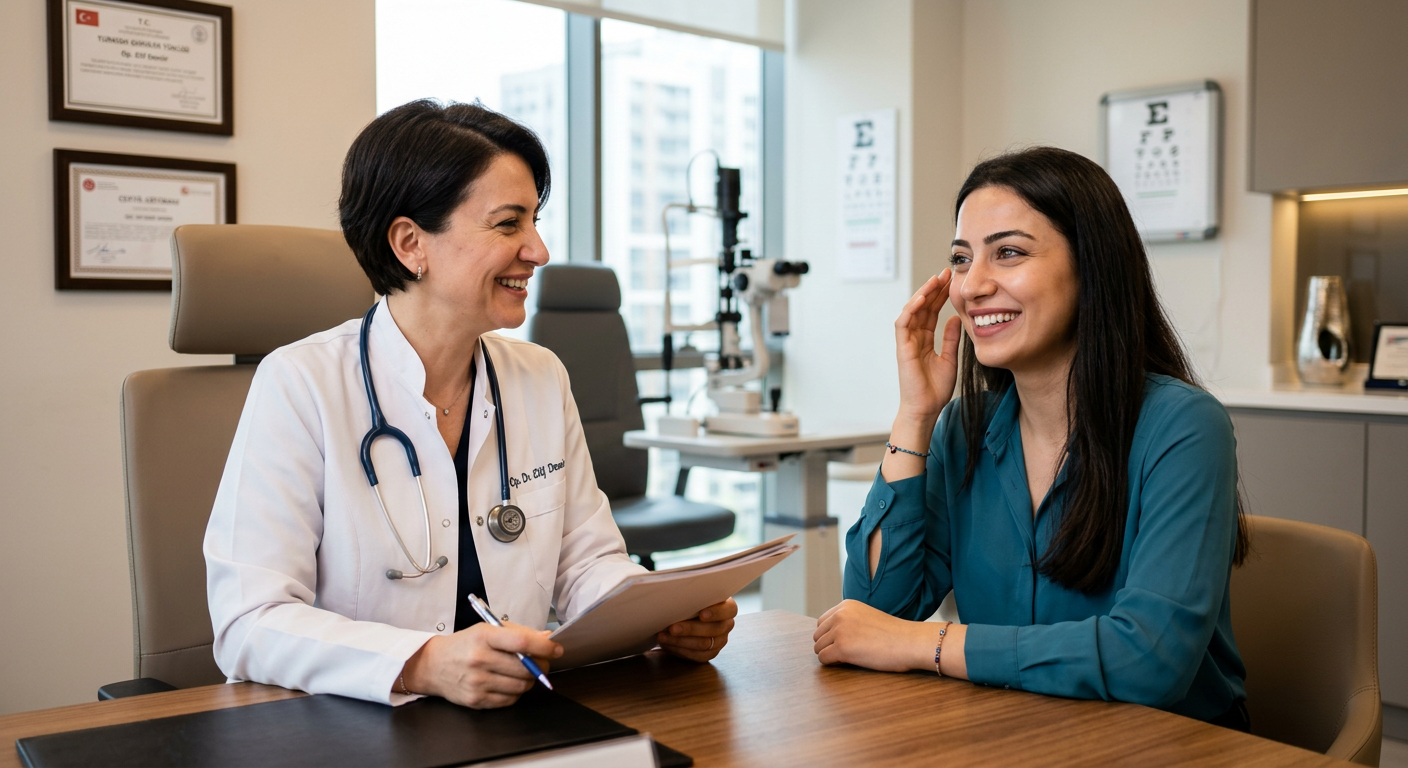
- Surgeon Consultation: Based on the test results, an experienced ophthalmologist will discuss your options, explaining whether you are a better candidate for LASIK or PRK. They will address your concerns, explain the risks and benefits, and set realistic expectations for your visual outcome. This is where you get personalized advice on "LASIK or PRK which is better" for your eyes.
Pre-Procedure Preparation
Once candidacy is confirmed and you've decided on LASIK or PRK, you'll receive specific instructions:
- Discontinue Contact Lenses: You'll need to stop wearing soft contact lenses for at least 1-2 weeks (and rigid gas permeable lenses for 3-4 weeks) before your comprehensive eye exam and surgery. This allows your cornea to return to its natural shape, ensuring accurate measurements.
- Avoid Eye Makeup and Lotions: On the day before and the day of surgery, avoid using any eye makeup, perfumes, or lotions around your eyes to minimize the risk of infection.
- Arrange for a Companion: While the procedure is quick, you will not be able to drive immediately afterward. It's highly recommended to have a friend, family member, or a Clyna-arranged assistant accompany you to and from the clinic.
- Rest and Hydrate: Get a good night's sleep before surgery and stay well-hydrated.
- Financial Arrangements: Ensure all payment arrangements are clear and settled with the clinic or through Clyna.
The Procedure Day
The day of your surgery is typically straightforward and efficient.
- Arrival at Clinic: You'll arrive at the clinic, often accompanied by your patient coordinator or a companion.
- Final Checks: Your vision will be checked one last time, and the surgeon will confirm the treatment plan.
- Numbing Eye Drops: Anesthetic eye drops will be administered to completely numb your eyes, ensuring you feel no pain during the procedure. You may also be offered a mild oral sedative to help you relax.
- Positioning: You'll lie comfortably on a reclining chair under the laser. A speculum will be used to gently hold your eyelids open, preventing blinking.
- The Surgery:
- For LASIK: The femtosecond laser (or microkeratome) creates the flap, which is then gently lifted. The excimer laser reshapes the cornea, and the flap is repositioned.
- For PRK: The epithelial layer is gently removed. The excimer laser reshapes the cornea. A bandage contact lens is then placed on the eye.
- The entire laser treatment for both eyes usually takes less than 10-15 minutes, with the actual laser application lasting only seconds per eye. You'll be asked to focus on a target light.
- Post-Procedure Instructions: Immediately after the procedure, you'll receive detailed instructions on post-operative care, including how to use eye drops, when to wear protective shields, and what activities to avoid.
Immediate Post-Procedure Care
- Rest: You'll be advised to go home and rest your eyes immediately. Many patients find it helpful to sleep for a few hours.
- Eye Shields: You'll be given protective eye shields to wear, especially while sleeping, to prevent accidental rubbing or pressure on your eyes.
- Eye Drops: You'll start a regimen of antibiotic and anti-inflammatory eye drops to prevent infection and aid healing.
- Follow-up Appointment: A crucial follow-up appointment is typically scheduled for the very next day to check your eyes and vision.
Why Choose Turkey for Your Laser Eye Surgery?
Turkey's rise as a global medical tourism destination is no accident. It's a strategic blend of investment in healthcare infrastructure, highly skilled professionals, and a commitment to patient satisfaction. When considering "laser eye surgery comparison Turkey," the advantages are compelling.
World-Class Medical Excellence
Turkey boasts a significant number of hospitals accredited by the Joint Commission International (JCI), the gold standard for healthcare quality and patient safety worldwide. This accreditation signifies that Turkish clinics adhere to rigorous international standards, ensuring patient safety, quality of care, and ethical practices comparable to top facilities in the US or Europe. Many of these JCI-accredited institutions specialize in ophthalmology, offering dedicated eye centers with comprehensive services.
Highly Experienced Surgeons
Turkish ophthalmologists are renowned for their expertise and extensive experience. Many have trained internationally, are board-certified, and perform a high volume of laser eye surgeries annually. This high volume translates into a wealth of practical experience, which is a critical factor in achieving optimal surgical outcomes. It's not uncommon to find surgeons in Turkey who have performed tens of thousands of procedures, making them exceptionally adept at handling various cases and potential complications.
State-of-the-Art Technology
Turkish eye clinics are equipped with the latest generation of diagnostic and laser technology. This includes:
- Femtosecond lasers for bladeless LASIK (e.g., VisuMax, Intralase).
- Advanced excimer lasers capable of wavefront-guided and topography-guided treatments (e.g., Schwind Amaris, Alcon Wavelight EX500, Zeiss MEL 90).
- Sophisticated diagnostic equipment for precise corneal mapping, pachymetry, and dry eye assessment.
This commitment to technological advancement ensures that patients receive the most precise and effective treatment available, often surpassing the technology found in some Western clinics.
Unbeatable Affordability: LASIK vs PRK Cost Turkey
One of the most significant draws for international patients is the remarkable affordability of "LASIK vs PRK cost Turkey." Patients can expect to save anywhere from 50% to 70% compared to equivalent procedures in countries like the UK, Germany, or the USA, without compromising on quality. This cost-effectiveness is due to several factors:
- Lower Operating Costs: General overheads, labor costs, and medical malpractice insurance are significantly lower in Turkey.
- Favorable Exchange Rates: The Turkish Lira's exchange rate against major currencies like EUR, GBP, and USD makes medical services more accessible.
- Government Support for Medical Tourism: The Turkish government actively promotes medical tourism, offering incentives and support that help keep prices competitive.
- Package Deals: Many clinics offer comprehensive packages that include airport transfers, accommodation, and post-operative care, further enhancing value.
This means that the "LASIK vs PRK cost Turkey" offers often allows patients to combine their treatment with a short holiday, making the overall experience even more appealing.
Seamless Medical Tourism Experience
Clyna and its partner clinics in Turkey provide a holistic patient experience designed to minimize stress for international visitors. This often includes:
- Multilingual Staff: English-speaking doctors, nurses, and patient coordinators are standard.
- Airport Transfers: Arranged pick-up and drop-off services.
- Accommodation Assistance: Help with booking hotels or apartments near the clinic.
- Visa Support: Guidance on visa requirements.
- Dedicated Patient Coordinators: A single point of contact to assist with all aspects of your journey, from initial inquiry to post-operative follow-up.
Istanbul and Antalya: Premier Destinations
While quality clinics can be found across Turkey, Istanbul and Antalya stand out as major hubs for ophthalmic surgery:
- Istanbul: As a bustling metropolis and a bridge between continents, Istanbul offers a vast array of JCI-accredited hospitals and specialized eye clinics. It's a city where ancient history meets modern innovation, allowing patients to combine their treatment with an enriching cultural experience. Clinics in Istanbul are often at the forefront of adopting the newest laser technologies and surgical techniques.
- Antalya: Located on Turkey's stunning Mediterranean coast, Antalya is ideal for patients who wish to combine their recovery with a relaxing holiday. Its beautiful beaches, resorts, and warm climate provide a tranquil environment conducive to healing. Many clinics here cater specifically to international patients, offering comprehensive packages that integrate medical care with leisure.

Cost Comparison: LASIK vs PRK Cost Turkey vs. The World
Understanding the financial aspect is a major factor in deciding on "laser eye surgery comparison Turkey." Here's an estimated cost comparison for bilateral (both eyes) LASIK or PRK procedures, highlighting the significant savings available in Turkey. Please note these are approximate ranges and can vary based on the clinic, surgeon's experience, technology used (e.g., standard vs. wavefront-guided), and included services.
| Country | Estimated Price Range (EUR) for Bilateral LASIK/PRK | Notes | Turkey is a leading destination for medical tourism, offering advanced eye care, including LASIK and PRK. The choice between LASIK and PRK depends on individual eye health, lifestyle, and the surgeon's recommendation. This guide will help you understand the "laser eye surgery comparison Turkey" offers and make an informed decision. | Turkey | 1,500 - 3,000 EUR | Highly competitive prices, often including transfers and initial consultations. Excellent value for money given the quality of care and technology. This range directly addresses "LASIK vs PRK cost Turkey." | | Germany | 3,000 - 5,500 EUR | High quality, but significantly higher costs due to higher labor and operating expenses. | | United Kingdom | 4,000 - 6,500 EUR | High quality, but costs reflect higher operational expenses and surgeon fees. | | United States | 5,000 - 8,000 EUR | Highest costs, reflecting higher operational costs, insurance, and surgeon fees. |
What's usually included in the package in Turkey?
- Comprehensive pre-operative eye examination and consultation.
- The LASIK or PRK procedure for both eyes.
- Post-operative check-ups (typically 1-3 days after surgery).
- All necessary post-operative eye drops.
- Airport transfers (pick-up and drop-off).
- Sometimes, accommodation for a few nights is included or offered at a discounted rate.
When comparing "LASIK vs PRK cost Turkey," it's important to remember that PRK may sometimes be slightly less expensive than LASIK due to the absence of the femtosecond laser step for flap creation, though the difference is often marginal in the overall package price. The value proposition in Turkey is not just about the lower initial price, but the comprehensive care and advanced technology you receive for that price.
How to Choose the Right Clinic and Surgeon in Turkey
Selecting the right clinic and surgeon is paramount for a successful outcome, especially when traveling for medical treatment. Clyna partners with only the most reputable and high-quality clinics in Turkey, but it's essential for you to understand the criteria.
Accreditation and Certifications
- JCI Accreditation: Look for clinics that are JCI-accredited. This is a strong indicator of international standards in patient safety and quality of care. Turkey has the second-highest number of JCI-accredited hospitals globally.
- ISO Certification: ISO (International Organization for Standardization) certifications, particularly ISO 9001, indicate a commitment to quality management systems.
- Local Health Ministry Approvals: Ensure the clinic is fully licensed and regulated by the Turkish Ministry of Health.
Surgeon's Experience and Specialization
- Board Certification: Confirm the surgeon is board-certified in ophthalmology.
- Experience Level: Inquire about the surgeon's experience with LASIK and PRK specifically. How many procedures have they performed? How long have they been practicing refractive surgery? A high volume of procedures indicates expertise.
- Specialization: Some surgeons specialize in refractive surgery, which can be an advantage.
- Patient Testimonials and Reviews: Look for independent patient reviews and success stories. Clyna provides verified patient feedback to help you make this decision.
Technology and Equipment
- Latest Laser Generations: Ask about the specific models of femtosecond and excimer lasers used. Modern lasers offer better precision, faster treatment times, and advanced features like wavefront or topography guidance.
- Diagnostic Equipment: Ensure the clinic uses state-of-the-art diagnostic tools for pre-operative assessments, as accurate measurements are crucial for optimal results.
- Maintenance and Calibration: Confirm that the equipment is regularly maintained and calibrated according to manufacturer guidelines.
Patient Care and Support Services
- Pre-operative Communication: How responsive and thorough is the clinic in answering your questions before you arrive? Do they offer virtual consultations?
- Language Support: Ensure there are English-speaking staff, including doctors, nurses, and patient coordinators, to facilitate clear communication.
- Post-operative Care: What is the follow-up schedule? What support is available once you return home? Clyna ensures continuous support even after you leave Turkey.
- Emergency Protocols: Understand the clinic's procedures for handling any unforeseen complications or emergencies.
- Accommodation and Logistics: Does the clinic or Clyna assist with travel arrangements, airport transfers, and accommodation?
Transparency and Communication
- Clear Pricing: Ensure the quoted price is comprehensive and includes all necessary pre-operative tests, the surgery itself, post-operative check-ups, and medication. Avoid clinics with hidden fees.
- Realistic Expectations: A good surgeon will provide a realistic assessment of potential outcomes and discuss any limitations or risks openly. Be wary of clinics that promise "perfect vision" without qualification.
- Informed Consent: You should receive detailed information about the procedure, risks, and alternatives, and have ample opportunity to ask questions before signing any consent forms.
Red Flags to Watch Out For
- Unrealistically Low Prices: While Turkey offers affordability, prices that are significantly lower than the average range should raise a red flag about quality or hidden costs.
- Lack of Detailed Information: If a clinic is unwilling to provide specific details about their surgeons, technology, or accreditation, proceed with caution.
- High-Pressure Sales Tactics: Avoid clinics that pressure you into making a quick decision or undergoing a procedure you're unsure about.
- No Comprehensive Pre-screening: A reputable clinic will insist on a thorough eye examination before confirming candidacy. Be wary if they seem to bypass this critical step.
- Poor Communication: Difficulty communicating with staff or receiving unclear answers can indicate potential issues with patient care.
By carefully evaluating these factors, you can confidently choose a clinic and surgeon in Turkey that aligns with your expectations for quality, safety, and patient experience. Clyna's network of vetted clinics already meets these high standards, simplifying your choice.
Before Treatment: Your Preparation Checklist
Once you've chosen your clinic and confirmed your surgery date, a little preparation goes a long way in ensuring a smooth experience.
- Stop Contact Lenses: This is crucial.
- Soft Contact Lenses: Discontinue use for at least 1-2 weeks prior to your initial comprehensive eye exam and surgery.
- Toric Soft Lenses or Rigid Gas Permeable (RGP) Lenses: Stop wearing these for at least 3-4 weeks (or even longer, as advised by your surgeon) before your appointment.
- Why? Contact lenses can temporarily alter the shape of your cornea, leading to inaccurate measurements and potentially suboptimal surgical outcomes.
- Arrange Travel and Accommodation:
- Book your flights and ensure your arrival allows sufficient time for pre-operative consultations (typically 1-2 days before surgery).
- Confirm your accommodation, ideally close to the clinic for convenience during post-operative visits. Clyna can assist with these arrangements.
- Inform Clinic of Medical History: Ensure the clinic has your complete medical history, including any allergies, medications you are taking (prescription or over-the-counter), and pre-existing health conditions (e.g., diabetes, autoimmune diseases).
- Arrange for a Companion: It is highly recommended to have a friend, family member, or a Clyna-arranged assistant with you, especially on the day of surgery and for the initial recovery days. You will not be able to drive immediately after the procedure.
- Avoid Eye Makeup and Lotions: For 24-48 hours before your surgery, refrain from using any eye makeup, creams, lotions, or perfumes around your eyes. This minimizes the risk of infection.
- Avoid Alcohol and Caffeine: It's generally advised to avoid alcohol and excessive caffeine for at least 24 hours before your surgery, as they can contribute to dehydration and anxiety.
- Dress Comfortably: Wear loose, comfortable clothing on the day of your surgery.
- Eat a Light Meal: Have a light meal before coming to the clinic, unless otherwise instructed.
- Ask All Questions: Don't hesitate to ask your surgeon or patient coordinator any remaining questions or concerns you have before the procedure. Clarity reduces anxiety.
- Financial Planning: Confirm all payment details and ensure you have access to funds for any incidental expenses.
After Treatment: Recovery Timeline Day-by-Day
The "LASIK vs PRK recovery time" is a primary differentiator between the two procedures. Understanding what to expect day-by-day is crucial for managing expectations and adhering to post-operative care instructions.
LASIK Recovery Timeline
LASIK is known for its rapid recovery, making it a popular choice for those with busy schedules.
- Day 0 (Surgery Day):
- Immediately After: You'll likely experience some blurry vision, mild discomfort (grittiness, tearing, light sensitivity), and possibly a feeling of having an eyelash in your eye.
- First Few Hours: Your vision will begin to improve rapidly. Most patients can see well enough to navigate their surroundings.
- Rest: Go home and rest your eyes, ideally sleeping for a few hours. Keep your eyes closed as much as possible.
- Eye Shields: Wear protective eye shields, especially when sleeping, to prevent rubbing.
- Eye Drops: Begin your prescribed regimen of antibiotic and anti-inflammatory eye drops.
- Day 1:
- Significant Improvement: Vision is usually dramatically clearer. Many patients achieve 20/20 vision or very close to it.
- Follow-up Appointment: You'll have your first post-operative check-up with the surgeon to ensure proper healing and flap position.
- Discomfort: Mild dryness or grittiness may persist.
- Activities: You can typically resume light activities, reading, and screen time in moderation. Avoid rubbing eyes, strenuous exercise, swimming, and eye makeup.
- Week 1:
- Vision Stabilization: Vision continues to stabilize, though minor fluctuations are normal.
- Eye Drops: Continue prescribed eye drops. Artificial tears are essential for managing dryness.
- Return to Work: Most patients can return to work within 1-3 days, depending on their profession.
- Restrictions: Continue to avoid swimming, hot tubs, saunas, strenuous exercise, and direct water in the eyes. Wear sunglasses outdoors.
- Month 1-3:
- Full Stabilization: Vision typically reaches its final clarity. Dry eye symptoms usually subside.
- Follow-ups: Scheduled follow-up appointments to monitor healing.
- Resumption of Activities: Most restrictions are lifted, but always consult your surgeon.
- Month 6-12:
- Long-Term Stability: Vision should be stable. Occasional dry eye may persist for some, requiring continued use of artificial tears.
PRK Recovery Timeline
PRK involves a longer and more uncomfortable initial recovery period due to the epithelial healing process. This is a key aspect of "LASIK vs PRK recovery time."
- Day 0 (Surgery Day):
- Immediately After: Vision will be blurry, and you'll likely experience significant discomfort (burning, stinging, tearing, light sensitivity).
- Bandage Contact Lens: A therapeutic bandage contact lens is placed on your eye(s).
- Rest: Go home, rest, and keep your eyes closed. Pain medication will be prescribed.
- Eye Shields: Wear protective eye shields.
- Eye Drops: Begin antibiotic and anti-inflammatory eye drops.
- Days 1-3:
- Peak Discomfort: This is generally the most uncomfortable period. Vision remains very blurry, and light sensitivity can be intense.
- Pain Management: Use prescribed pain medication as needed.
- Rest: Continue to rest your eyes as much as possible. Avoid any activities that strain your eyes.
- Days 4-7:
- Bandage Lens Removal: The bandage contact lens is typically removed by the surgeon during a follow-up appointment, once the epithelium has largely healed.
- Gradual Improvement: Discomfort significantly decreases, and vision starts to improve, though it will still be blurry and fluctuate.
- Activities: You can usually resume light activities, but avoid strenuous ones. Continue eye drops.
- Week 2-4:
- Vision Improving: Vision continues to get clearer, but it may still fluctuate throughout the day. Glare and halos, especially at night, are common.
- Eye Drops: Continue the prescribed regimen, particularly steroid drops, which are crucial for preventing corneal haze.
- Return to Work: Many patients can return to work, but those with visually demanding jobs may need more time.
- Month 1-3:
- Significant Clarity: Vision approaches its final clarity, though minor improvements can still occur.
- Follow-ups: Regular check-ups to monitor healing and adjust eye drop regimen.
- Restrictions: Most physical restrictions are lifted, but continue to protect your eyes from sun and trauma.
- Month 6-12:
- Full Vision Stabilization: Vision should be fully stable and optimal. The long-term benefits of PRK become fully apparent.
General Post-Operative Care for Both Procedures
- Eye Drops are Essential: Diligently follow your eye drop schedule. They prevent infection, reduce inflammation, and aid healing.
- Avoid Rubbing Eyes: This is critical to prevent complications, especially for LASIK (flap displacement) and PRK (disrupting epithelial healing).
- Wear Sunglasses: Protect your eyes from bright light and UV rays, which can cause discomfort and potentially affect healing.
- Avoid Water in Eyes: For at least 1-2 weeks, avoid swimming, hot tubs, saunas, and getting tap water directly in your eyes during showers.
- No Eye Makeup: Avoid eye makeup for at least 1-2 weeks to prevent infection.
- Limit Screen Time: Initially, limit prolonged screen use to prevent eye strain and dryness.
- Attend Follow-up Appointments: These are vital for monitoring your healing and ensuring the best possible outcome.
Risks, Complications, and How to Minimize Them
While LASIK and PRK are highly successful and safe procedures, like any surgery, they carry potential risks and complications. Being aware of these and understanding how to minimize them is part of making an informed decision about "laser eye surgery comparison Turkey."
Common and Usually Temporary Side Effects
- Dry Eyes: This is the most common side effect for both procedures, often more pronounced with LASIK initially. Symptoms include grittiness, burning, and fluctuating vision. It's usually temporary and managed with artificial tears, often resolving within 3-6 months.
- Glare, Halos, and Starbursts: These visual disturbances, especially at night, are common in the initial weeks or months. They typically diminish as the eyes heal, but some patients may experience mild residual symptoms, particularly those with large pupils or high corrections.
- Light Sensitivity: More common and prolonged with PRK, but also occurs with LASIK. Wearing sunglasses helps manage this.
- Fluctuating Vision: Vision may be blurry or fluctuate throughout the day, especially in the early recovery period. This is normal as the eyes heal and stabilize.
- Under- or Overcorrection: The laser may not remove the exact amount of tissue needed, leading to residual refractive error. This is usually mild and can often be corrected with an enhancement procedure if necessary, typically after vision has fully stabilized (6-12 months).
Less Common but More Serious Complications
- Infection: A rare but serious complication. It's why antibiotic eye drops are prescribed. Strict adherence to post-operative hygiene and eye drop regimen is crucial.
- Flap Complications (LASIK only):
- Displacement: The flap can move out of position, especially if rubbed or traumatized. This requires immediate repositioning by the surgeon.
- Epithelial Ingrowth: Cells from the outer layer of the cornea grow under the flap. This is usually mild and asymptomatic but can sometimes affect vision and require removal.
- Diffuse Lamellar Keratitis (DLK) / Sands of Sahara: Inflammation under the flap, typically treated with steroid eye drops.
- Corneal Haze (PRK only): A clouding of the cornea, more common in higher corrections, but significantly reduced with modern techniques like intraoperative Mitomycin-C and diligent post-operative steroid use. It can usually be treated with further steroid drops or, in rare cases, an enhancement.
- Ectasia: A very rare but severe complication where the cornea weakens and bulges forward, causing irregular astigmatism and vision loss. This risk is minimized by thorough pre-operative screening for corneal thickness and underlying corneal conditions (e.g., keratoconus). This is a key reason why "PRK vs LASIK candidacy" is so rigorously assessed.
- Regression: The eye gradually returns to its pre-operative refractive error. This is more common in high corrections and can be treated with an enhancement.
- Vision Loss: Extremely rare, but possible if severe complications occur.
Minimizing Risks
The vast majority of patients experience excellent outcomes with minimal to no complications. You can significantly minimize risks by:
- Choosing an Experienced and Reputable Surgeon/Clinic: This is the single most important factor. A highly skilled surgeon using modern technology in an accredited facility drastically reduces the likelihood of complications. Clyna's rigorous vetting process ensures you connect with such professionals.
- Thorough Pre-operative Screening: Ensure you undergo a comprehensive eye examination to confirm you are a suitable candidate for the chosen procedure. This includes detailed corneal mapping and thickness measurements to rule out conditions like keratoconus. This directly addresses "PRK vs LASIK candidacy."
- Following Pre-operative Instructions: Adhering to guidelines like discontinuing contact lens wear is critical for accurate measurements.
- Strict Adherence to Post-operative Care: Diligently use your prescribed eye drops, wear protective shields/sunglasses, and avoid activities that could compromise healing (rubbing eyes, swimming, makeup, strenuous exercise).
- Attending All Follow-up Appointments: These check-ups allow your surgeon to monitor your healing and address any potential issues early.
- Realistic Expectations: Understand that while vision correction is highly successful, it may not result in "perfect" 20/20 vision for everyone, and some minor side effects like mild dry eye or night glare might persist.
By partnering with Clyna, you are already taking a significant step towards minimizing risks, as we connect you with clinics that prioritize patient safety and adhere to the highest international standards.
Real Patient Journey Stories
Hearing from others who have gone through the experience can provide valuable insight and reassurance. Here are a few realistic scenarios of patients who chose Turkey for their laser eye surgery.
Patient Story 1: Sarah's LASIK Journey in Istanbul
Sarah, a 32-year-old marketing professional from London, had been wearing glasses since she was 10. Her -4.50 prescription made contact lenses a daily hassle, and she dreamed of waking up with clear vision. After researching "LASIK vs PRK Turkey" and the "LASIK vs PRK cost Turkey" offered, she decided Istanbul was the perfect blend of quality and affordability.
"Clyna made the whole process incredibly smooth," Sarah recounts. "From the initial virtual consultation to arranging my airport transfers and hotel, I felt completely supported."
Upon arrival in Istanbul, Sarah underwent a thorough pre-operative examination. Her corneas were healthy and thick enough for LASIK. The surgeon, Dr. Ayşe, explained the bladeless LASIK procedure in detail, addressing Sarah's anxieties about the flap.
"The surgery itself was surprisingly quick and painless," she says. "I felt a bit of pressure, but no pain. The nurses were so kind, holding my hand."
The next morning, Sarah's vision was already dramatically improved. "It was like a miracle! I could see the intricate patterns on the hotel ceiling without my glasses. My first follow-up confirmed everything was perfect."
Sarah spent the next few days exploring Istanbul's historical sites, wearing sunglasses and diligently applying her eye drops. "The initial dry eye was manageable with the drops, and by day three, I was comfortable enough to enjoy the Grand Bazaar. I saved so much money compared to getting it done in the UK, and I got a fantastic holiday out of it too. Best decision ever!"
Patient Story 2: Mark's PRK Experience in Antalya
Mark, a 28-year-old semi-professional football player from Dublin, had moderate myopia (-6.00) and astigmatism. Due to the high-impact nature of his sport, his local ophthalmologist advised against LASIK because of the potential for flap complications. PRK was recommended, but the cost in Ireland was prohibitive. He turned to Clyna to explore "PRK vs LASIK candidacy" options in Turkey.
"I knew PRK meant a tougher recovery, but my surgeon in Antalya, Dr. Can, assured me it was the safest option for my lifestyle," Mark explains. "My corneas were a bit on the thinner side, which also pointed to PRK."
Mark flew to Antalya, where Clyna had arranged his stay at a comfortable recovery-focused hotel near the clinic. The pre-op checks were meticulous.
"The surgery was fine, just a bit of pressure. But the next few days were rough," Mark admits. "My eyes burned, teared up a lot, and I was very sensitive to light. I just stayed in my room, listened to audiobooks, and took the prescribed pain meds. The bandage contact lenses were a bit weird, but I knew they were helping."
On day five, the bandage lenses were removed. "That's when things started to turn around. My vision was still blurry, but the discomfort was almost gone. Each day after that, it got a little clearer."
Mark stayed in Antalya for two weeks, enjoying the gentle Mediterranean sun (with strong sunglasses) and taking slow walks. "It took about a month for my vision to be consistently good, and three months until it felt truly sharp. But now, I'm back on the pitch, no glasses, no worries about contact lenses falling out. It was worth every bit of the recovery. The care from the clinic and Clyna was exceptional throughout, especially with the regular check-ins."
Patient Story 3: The Johnson Family's Combined Treatment and Holiday
The Johnson family, a couple in their late 40s from Manchester, both needed vision correction. David (48) was a candidate for LASIK, while Susan (46), with slightly drier eyes and a preference for a flap-free procedure, opted for PRK. They saw this as an opportunity to combine their "laser eye surgery comparison Turkey" with a much-needed family holiday.
"We decided on Istanbul because of the excellent reputation of the clinics and the chance to explore such a vibrant city," says Susan. "Clyna helped us find a clinic that could accommodate both our different procedures and coordinate our appointments perfectly."
David's LASIK recovery was swift. "I was seeing clearly the very next day," he beams. "I could immediately help Susan, whose PRK recovery was, as expected, more challenging."
Susan experienced the typical PRK discomfort for the first few days, but with David's support and the clinic's attentive aftercare, she managed. "The clinic staff were fantastic. They checked on me constantly, and the pain medication really helped. David was my eyes for the first few days, reading menus and guiding me."
By the end of their first week, Susan's vision was improving, and they could both enjoy some of Istanbul's less visually demanding attractions. "We took a Bosphorus cruise, visited some quieter museums, and enjoyed the incredible food," David recounts. "It was a different kind of holiday, but incredibly rewarding. We both have fantastic vision now, and the total cost for both of us, including our flights and accommodation, was still less than what one of us would have paid in the UK."
These stories highlight the diverse experiences and successful outcomes that patients can achieve by choosing Turkey for their laser eye surgery, whether it's the quick "LASIK vs PRK recovery time" of LASIK or the more gradual but equally rewarding journey of PRK.
Frequently Asked Questions (FAQ)
Here are answers to some of the most common questions international patients have about LASIK and PRK in Turkey.
1. Is LASIK or PRK painful?
During the procedure, both LASIK and PRK are generally painless due to numbing eye drops. You might feel some pressure or a sensation of the laser working, but no sharp pain.
- LASIK: Post-operatively, discomfort is usually mild, described as a gritty or foreign body sensation, lasting a few hours to a day.
- PRK: Post-operatively, PRK involves more significant discomfort, including burning, stinging, tearing, and light sensitivity, for 3-5 days as the epithelial layer heals. Pain medication is usually prescribed to manage this.
2. How long does the surgery take?
The actual laser treatment for both eyes typically takes less than 10-15 minutes. The time you spend in the laser room is usually under 30 minutes. However, you should expect to be at the clinic for several hours on the day of surgery for preparation, final checks, and post-operative instructions.
3. Can both eyes be treated at once?
Yes, for both LASIK and PRK, it is standard practice to treat both eyes on the same day. This allows for a single recovery period.
4. What are the age limits for LASIK and PRK?
Generally, candidates must be at least 18 years old, with some clinics preferring 21. The upper age limit is less strict and depends on overall eye health. The most important factor is having a stable prescription for at least one year.
5. What if I move during surgery?
Modern laser systems are equipped with advanced eye-tracking technology that follows your eye's smallest movements, ensuring the laser remains precisely targeted. If you move too much, the laser will automatically pause and resume when your eye is back in position, ensuring safety and accuracy.
6. How long do I need to stay in Turkey for the treatment?
For most patients, a stay of 5-7 days in Turkey is recommended. This allows for:
- Day 1: Arrival and initial rest.
- Day 2: Comprehensive eye examination and surgeon consultation.
- Day 3: Surgery day.
- Day 4: First post-operative check-up.
- Day 5-7: Further recovery and follow-up (especially for PRK, where the bandage lens is removed around day 4-5). This duration also allows for some relaxation and light tourism.
7. Will I need glasses after surgery?
The goal of LASIK and PRK is to reduce or eliminate your dependence on glasses or contact lenses. Most patients achieve 20/20 vision or better. However, some individuals, especially those with very high prescriptions, might still need mild prescription glasses for specific tasks (e.g., night driving) or reading glasses as they age (presbyopia, which is a natural age-related condition not corrected by LASIK/PRK).
8. Is it safe to fly after laser eye surgery?
Generally, it is safe to fly 1-2 days after LASIK and 5-7 days after PRK (after the bandage contact lens is removed). The dry cabin air can exacerbate dry eye symptoms, so it's crucial to use artificial tears frequently during the flight. Always confirm with your surgeon.
9. What's the success rate of LASIK and PRK?
Both procedures have very high success rates. Over 95% of patients achieve 20/40 vision or better, and a significant majority (often 85-90%) achieve 20/20 vision or better. The success rate is highly dependent on proper patient selection and the skill of the surgeon.
10. Can I have LASIK/PRK if I have astigmatism?
Yes, both LASIK and PRK are highly effective at correcting astigmatism, often in combination with myopia or hyperopia. The laser reshapes the irregular curvature of the cornea to create a more spherical surface.
11. What about enhancement surgeries?
In a small percentage of cases, an enhancement (or "touch-up") procedure may be needed if there's a residual refractive error after the initial surgery. This is typically performed once vision has fully stabilized, usually 6-12 months post-initial surgery. Most clinics offer enhancement within a certain period at no additional cost if deemed medically necessary.
12. How do I know if I'm a candidate for LASIK or PRK? (PRK vs LASIK Candidacy)
Candidacy is determined by a comprehensive eye examination. Key factors include:
- Age: 18+ (preferably 21+).
- Stable Prescription: No significant changes in prescription for at least one year.
- Corneal Thickness: Crucial for LASIK. Thinner corneas often make PRK a safer choice.
- Overall Eye Health: No active eye diseases (e.g., severe dry eye, glaucoma, cataracts, keratoconus).
- General Health: No autoimmune diseases or other conditions that impair healing.
- Pupil Size: Large pupils can sometimes increase the risk of night vision issues. Your surgeon will evaluate all these factors to recommend whether you are a candidate for LASIK, PRK, or neither.
13. What's the difference between standard and custom LASIK/PRK?
- Standard (Conventional) LASIK/PRK: Corrects basic refractive errors (myopia, hyperopia, astigmatism) based on your glasses prescription.
- Custom (Wavefront-Guided or Topography-Guided) LASIK/PRK: Uses advanced mapping technology to create a highly individualized treatment plan that corrects not only your basic prescription but also unique "higher-order aberrations" in your eye. This can lead to sharper vision, better contrast sensitivity, and reduced night vision issues. Most modern clinics in Turkey offer custom treatments.
14. Why is Turkey so much cheaper for laser eye surgery?
The lower cost in Turkey does not reflect lower quality. It's primarily due to:
- Lower operational costs (labor, utilities, rent).
- Favorable exchange rates.
- Government support for medical tourism.
- High volume of procedures, allowing clinics to offer competitive pricing. These factors combine to provide world-class care at significantly more affordable prices.
15. What aftercare is provided for international patients?
Clyna and its partner clinics ensure comprehensive aftercare:
- Immediate Post-Op Check-ups: Scheduled follow-ups in Turkey (typically 1-3 days after surgery).
- Eye Drops and Instructions: Detailed guidance on medication and eye care.
- Remote Follow-up: Many clinics offer remote consultations or communication channels for questions once you return home.
- Clyna Support: Our patient coordinators remain available to assist with any post-operative queries or concerns, liaising with your clinic as needed.
Conclusion: Your Clear Vision Awaits with Clyna
Choosing between LASIK and PRK is a deeply personal decision, influenced by your unique eye characteristics, lifestyle, and recovery preferences. While LASIK offers a rapid return to clear vision with minimal discomfort, PRK provides a flap-free alternative, often preferred for those with thinner corneas or active lifestyles, despite its longer initial recovery. Both procedures, when performed by experienced surgeons using advanced technology, offer life-changing results.
Turkey stands out as an exceptional destination for laser eye surgery, providing a compelling combination of:
- Unrivaled Quality: JCI-accredited facilities and highly skilled, experienced surgeons.
- Cutting-Edge Technology: Access to the latest femtosecond and excimer lasers for precise, customized treatments.
- Remarkable Affordability: Significant cost savings compared to Western countries, without compromising on standards.
- Holistic Patient Experience: Comprehensive support from initial consultation to post-operative care, often including travel logistics.
At Clyna, we are dedicated to connecting you with the best eye clinics and surgeons in Turkey, ensuring a safe, comfortable, and successful journey to visual freedom. We understand the anxieties that can accompany medical travel, and our expert team is here to guide you every step of the way, addressing your concerns about "LASIK vs PRK Turkey," "LASIK or PRK which is better," "LASIK vs PRK cost Turkey," "LASIK vs PRK recovery time," "PRK vs LASIK candidacy," and every other aspect of your "laser eye surgery comparison Turkey."
Don't let blurry vision hold you back any longer. Take the first step towards a brighter, clearer future.
Get Free Quote from Clyna today and discover the perfect vision correction solution for you in Turkey.
Browse Clinics to explore our network of world-class ophthalmic centers.
Related Guides

Ready to Start Your Medical Journey?
Get free personalized quotes from Turkey's top clinics.
Get Free Quote