

Eye Surgery Recovery Guide: LASIK, PRK & Lens Replacement in Turkey
Understand your eye surgery recovery process after LASIK, PRK, or lens replacement in Turkey. Get expert tips on what to expect and post-op care for a smooth healing journey.
Embarking on a journey to clearer vision is a life-changing decision, and for many, Turkey has emerged as a premier destination for world-class eye surgery. Whether you're considering LASIK, PRK, or a lens replacement procedure, understanding the eye surgery recovery process is just as crucial as choosing the right clinic. This comprehensive guide, brought to you by Clyna, is designed to demystify the eye surgery healing process, providing you with detailed insights into what to expect after eye surgery in Turkey, ensuring a smooth and successful path to optimal vision.
From the immediate post-op eye care Turkey clinics provide to the long-term LASIK recovery time, PRK recovery process, and lens replacement aftercare, we'll cover every aspect of your journey. Our aim is to equip you with the knowledge to make informed decisions, manage your expectations, and achieve the best possible outcomes, all while experiencing the renowned hospitality and medical excellence that Turkey offers.
1. Introduction: Your Journey to Clearer Vision Begins Here
For individuals seeking freedom from glasses and contact lenses, or those looking to restore youthful vision, eye surgery offers a transformative solution. As a leading medical tourism destination, Turkey has gained an exceptional reputation for delivering high-quality, affordable, and technologically advanced eye care. Patients from across the globe flock to cities like Istanbul and Antalya, drawn by the promise of expert surgeons, state-of-the-art facilities, and a seamless patient experience.
However, the journey to perfect vision doesn't end when you leave the operating room. The eye surgery recovery period is a critical phase, directly influencing the final outcome and your long-term visual comfort. Understanding what to expect after eye surgery — whether it's the rapid LASIK recovery time, the more gradual PRK recovery process, or the nuanced lens replacement aftercare — is paramount. This guide will serve as your trusted companion, detailing every aspect of post-op eye care Turkey clinics provide, ensuring you're well-prepared for a successful and comfortable eye surgery healing process.
We'll address common concerns, outline day-by-day recovery timelines, and provide practical advice to help you navigate this important period with confidence. With Clyna, you're not just choosing a clinic; you're choosing a partner dedicated to your vision and well-being, every step of the way.

2. Understanding the Procedures: LASIK, PRK, and Lens Replacement
Before diving into recovery, it's essential to have a clear understanding of the procedures themselves. While all aim to improve vision, they achieve this through different mechanisms and thus entail distinct recovery profiles.
LASIK (Laser-Assisted In Situ Keratomileusis)
LASIK is the most commonly performed refractive surgery worldwide, known for its rapid visual recovery. It corrects vision problems like myopia (nearsightedness), hyperopia (farsightedness), and astigmatism by reshaping the cornea.
How it Works: During LASIK, a thin, hinged flap is created on the surface of the cornea, usually with a femtosecond laser (Femto-LASIK) or a microkeratome. This flap is gently lifted, and an excimer laser is used to precisely remove microscopic amounts of corneal tissue underneath, reshaping the cornea to correct the refractive error. The flap is then carefully repositioned, where it adheres naturally without stitches.
Ideal Candidates:
- Generally aged 18 or older with stable vision for at least one year.
- Healthy eyes with no active infections, severe dry eye, or other eye diseases.
- Sufficient corneal thickness.
- Not pregnant or nursing.
- Realistic expectations about the outcome.
PRK (Photorefractive Keratectomy)
PRK was the first type of laser eye surgery for vision correction and is still a preferred option for many, especially those not suitable for LASIK due to thinner corneas or certain lifestyle factors.
How it Works: Unlike LASIK, PRK does not involve creating a corneal flap. Instead, the outermost layer of the cornea, called the epithelium, is gently removed. Then, an excimer laser is used to reshape the underlying corneal tissue. A special bandage contact lens is placed on the eye to protect it while the epithelial cells naturally regenerate, which typically takes 3-5 days.
Ideal Candidates:
- Individuals with thinner corneas who may not be suitable for LASIK.
- Those involved in professions or sports where there's a higher risk of eye trauma (e.g., contact sports, military personnel), as there's no flap to dislodge.
- Patients with certain corneal conditions that preclude LASIK.
- Similar age and stable vision requirements as LASIK.
Lens Replacement (Refractive Lens Exchange - RLE or Cataract Surgery with Premium IOLs)
Lens replacement surgery is a procedure where the eye's natural lens is removed and replaced with an artificial intraocular lens (IOL). While often associated with cataract treatment, it's increasingly used as a refractive procedure (RLE) to correct presbyopia (age-related farsightedness) and high refractive errors, even without cataracts.
How it Works: The surgeon makes a tiny incision in the cornea. A small probe is inserted to gently break up and remove the natural lens using ultrasound (phacoemulsification). Once the natural lens is removed, a folded artificial IOL is inserted through the same incision and carefully positioned. The IOL unfolds and remains permanently in place. The incision is self-sealing and usually requires no stitches.
Types of IOLs:
- Monofocal IOLs: Provide clear vision at one distance (usually far). Glasses may still be needed for reading or intermediate vision.
- Multifocal IOLs: Designed to provide clear vision at multiple distances (near, intermediate, and far), reducing or eliminating the need for glasses.
- Toric IOLs: Correct astigmatism in addition to nearsightedness or farsightedness.
- Extended Depth of Focus (EDOF) IOLs: Offer a continuous range of vision, typically from intermediate to distance, with good functional near vision.
Ideal Candidates:
- Individuals typically over 45-50 years old experiencing presbyopia or significant refractive errors.
- Those with early cataracts who wish to address both cataracts and refractive errors simultaneously.
- Patients with high myopia or hyperopia unsuitable for LASIK/PRK.
- Healthy eyes with no other significant eye diseases.
3. The Clyna Patient Journey: Step-by-Step to Vision Correction in Turkey
At Clyna, we understand that undergoing eye surgery in a foreign country can seem daunting. That's why we've streamlined the entire process, providing comprehensive support from your initial inquiry to your safe return home. Here's a step-by-step overview of your patient journey with Clyna in Turkey:
Initial Consultation & Pre-Assessment
Your journey begins with a free, no-obligation online consultation. You'll provide us with your medical history, current prescriptions, and any relevant eye examination results. Our expert medical advisors will review your case and connect you with leading ophthalmologists in Turkey who specialize in your specific needs. This initial assessment helps determine your suitability for LASIK, PRK, or lens replacement and provides preliminary treatment options and cost estimates.
Pre-Travel Preparations
Once you decide to proceed, Clyna assists with all necessary arrangements:
- Medical Records: We help you gather and transmit all required medical documents to your chosen clinic in Turkey.
- Travel Logistics: Our team can assist with flight bookings, airport transfers, and arranging comfortable accommodation near your clinic. Many clinics offer all-inclusive packages that cover these aspects.
- Visa Assistance: We provide guidance on visa requirements for your nationality, if applicable.
- Detailed Itinerary: You'll receive a clear schedule of your appointments, procedure day, and post-op check-ups.
Arrival in Turkey & Clinic Welcome
Upon your arrival at Istanbul or Antalya airport, you'll be met by a dedicated transfer service arranged by your clinic, ensuring a smooth journey to your hotel or accommodation. The next day, you'll be welcomed at the clinic, where you'll meet your patient coordinator, who will be your point of contact throughout your stay.
Comprehensive Pre-Operative Examinations
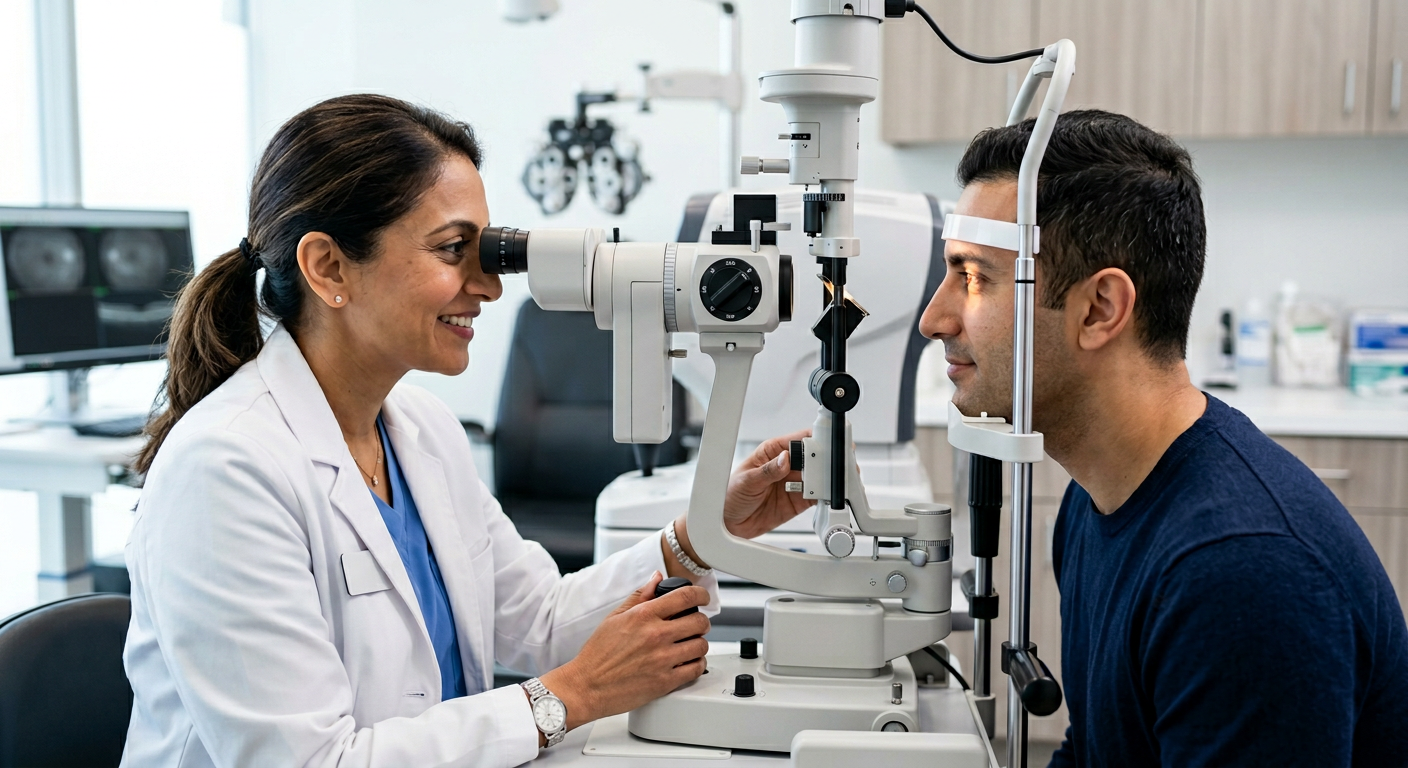
This is a crucial step. On your first day at the clinic, you'll undergo a series of thorough eye examinations and diagnostic tests. These may include:
- Corneal topography and pachymetry (mapping and thickness measurement)
- Pupil dilation and retinal examination
- Refraction tests
- Intraocular pressure measurement
- Dry eye assessment
- Detailed discussion with your surgeon to confirm your suitability, explain the procedure, and answer all your questions. This is your opportunity to voice any concerns about what to expect after eye surgery.
The Procedure Day
On the day of your surgery, you'll be prepared for the procedure. This typically involves:
- Final checks and measurements.
- Application of anesthetic eye drops to numb your eyes (no injections are usually needed).
- Your surgeon will walk you through each step, ensuring you feel comfortable and informed.
- The procedure itself is relatively quick, often lasting only 10-20 minutes for both eyes, depending on the type of surgery.
- After the procedure, you'll rest for a short period before being discharged with protective eyewear and detailed instructions for immediate post-op eye care Turkey.
Immediate Post-Operative Care & First Check-up
You'll be advised to rest your eyes immediately after surgery. The first follow-up appointment is typically scheduled for the very next day. During this check-up, the surgeon will:
- Assess your vision.
- Check the healing process of your eyes (e.g., flap position for LASIK, epithelial regrowth for PRK, IOL position for lens replacement).
- Provide personalized instructions for your eye surgery aftercare Turkey, including eye drop schedules and activity restrictions.
Follow-up Appointments & Recovery Monitoring
Depending on the procedure, you'll have additional follow-up appointments during your stay in Turkey (e.g., 3-5 days after PRK for bandage contact lens removal, or a week after lens replacement). These appointments are vital to monitor your eye surgery healing process and ensure optimal recovery. Your patient coordinator will facilitate all these visits.
Departure & Continued Support
Once your surgeon confirms your eyes are healing well and it's safe for you to travel, you can depart for home. Clyna's support doesn't end there. We provide guidelines for continued eye surgery aftercare Turkey style, including remote follow-up options with your surgeon and access to our patient support team for any questions or concerns that may arise during your long-term eye surgery recovery.
4. Why Choose Turkey for Your Eye Surgery? Unmatched Advantages
Turkey has solidified its position as a global leader in medical tourism, particularly for ophthalmology. The advantages of choosing Turkey for your eye surgery are compelling and multifaceted.
World-Class Medical Excellence
Turkey boasts a significant number of JCI (Joint Commission International) accredited hospitals, a gold standard for patient safety and quality of care. These accreditations ensure that clinics adhere to the highest international medical standards, offering peace of mind to international patients. Many Turkish eye clinics are equipped with infrastructure comparable to, or even surpassing, those in Western Europe or North America.
Experienced & Highly Qualified Surgeons
Turkish ophthalmologists are renowned for their expertise and extensive experience. Many have received international training, are board-certified, and perform a high volume of procedures annually. This high volume translates into exceptional skill and precision, which is critical for delicate eye surgeries. In major cities like Istanbul and Antalya, you'll find specialists who are pioneers in their fields, regularly attending and presenting at international conferences.
Cutting-Edge Technology & Facilities
Turkish eye clinics invest heavily in the latest ophthalmic technology. Patients benefit from:
- Femto-LASIK: Utilizes femtosecond lasers for flap creation, offering greater precision and safety compared to traditional microkeratomes.
- Advanced Excimer Lasers: Equipped with eye-tracking systems for accurate tissue removal, even with slight eye movements.
- Premium Intraocular Lenses (IOLs): Access to the newest generation of multifocal, toric, and EDOF IOLs for lens replacement, offering superior visual outcomes.
- Advanced Diagnostic Equipment: Comprehensive pre-operative assessments using sophisticated imaging and measurement tools.
Significant Cost Savings Without Compromise
One of the most attractive aspects of medical tourism in Turkey is the affordability. Eye surgeries, including LASIK, PRK, and lens replacement, can be up to 50-70% less expensive than in countries like the UK, Germany, or the USA, without compromising on quality or technology. These savings allow patients to access premium care that might otherwise be financially out of reach.
Comprehensive Patient Support & Medical Tourism Infrastructure
Turkey's medical tourism sector is highly developed, offering an all-encompassing experience for international patients:
- Dedicated International Patient Departments: Clinics often have multilingual staff, including English-speaking patient coordinators, who assist with every aspect of your journey.
- All-Inclusive Packages: Many clinics offer packages that include airport transfers, accommodation, pre-operative tests, the surgery itself, post-operative check-ups, and sometimes even a city tour.
- Seamless Communication: Clyna ensures clear communication channels between you, your medical advisor, and the clinic staff.
A Unique Blend of Recovery and Tourism
Turkey offers a unique opportunity to combine your medical treatment with a memorable travel experience. While your initial eye surgery recovery requires rest, once your vision stabilizes, you can explore the rich history, vibrant culture, and stunning landscapes of Istanbul or the beautiful Mediterranean beaches of Antalya. This blend can significantly enhance your overall well-being and recovery experience.

5. Cost Comparison: Eye Surgery in Turkey vs. Other Countries
The cost-effectiveness of eye surgery in Turkey is a major draw for international patients. While prices can vary based on the specific procedure, technology used, and clinic, the savings are consistently substantial. Below is an estimated cost comparison (in EUR) for common eye surgeries.
| Procedure Type | Turkey (EUR) | Germany (EUR) | UK (EUR) | USA (EUR) |
|---|---|---|---|---|
| LASIK (Both Eyes) | €1,500 - €3,000 | €3,000 - €5,500 | €3,500 - €6,000 | €4,000 - €7,500 |
| PRK (Both Eyes) | €1,200 - €2,500 | €2,800 - €5,000 | €3,000 - €5,500 | €3,500 - €7,000 |
| Lens Replacement (Per Eye) | €2,500 - €5,000 (Monofocal) | €5,000 - €8,000 (Monofocal) | €4,500 - €8,500 (Monofocal) | €6,000 - €10,000 (Monofocal) |
| €3,500 - €7,000 (Premium IOL) | €7,000 - €12,000 (Premium IOL) | €6,000 - €11,000 (Premium IOL) | €8,000 - €15,000 (Premium IOL) |
Note: These are approximate ranges and can vary based on clinic reputation, surgeon experience, specific technology (e.g., Femto-LASIK vs. standard LASIK), and included services (e.g., accommodation, transfers). Clyna provides transparent, all-inclusive quotes tailored to your needs.
As you can see, patients can save anywhere from 50% to 70% on eye surgery costs by choosing Turkey, making advanced vision correction accessible to a wider demographic.
6. How to Choose the Right Eye Clinic in Turkey
Selecting the right clinic is the cornerstone of a successful eye surgery recovery and optimal visual outcomes. With Clyna, you gain access to a curated network of top-tier clinics, but it's still important to understand the criteria for making an informed choice.
Accreditation and Certifications
Look for clinics with international accreditations, primarily JCI (Joint Commission International). This signifies adherence to rigorous international standards for patient safety and quality of care. Other local certifications and quality management systems (like ISO) are also positive indicators.
Surgeon's Qualifications and Experience
This is paramount. Inquire about:
- Board Certification: Ensure the ophthalmologist is board-certified in Turkey and ideally has international affiliations.
- Specialization: Does the surgeon specialize in refractive surgery (LASIK/PRK) or lens replacement?
- Experience Level: How many procedures of your specific type has the surgeon performed? A high volume indicates extensive experience.
- Training and Education: Where did the surgeon receive their medical education and specialized training?
Technology and Equipment
A reputable clinic will invest in the latest technology. For laser eye surgery, ask about:
- Laser Platforms: Are they using advanced excimer lasers with eye-tracking capabilities?
- Flap Creation Technology: Do they offer Femto-LASIK (all-laser LASIK) for flap creation?
- Diagnostic Equipment: Do they have comprehensive diagnostic tools for precise pre-operative measurements? For lens replacement, inquire about the range of premium IOLs available and the surgical techniques used.
Patient Testimonials and Reviews
Genuine patient reviews and testimonials offer invaluable insights into the clinic's service quality, the surgeon's skill, and the overall patient experience, including eye surgery recovery. Clyna provides access to verified patient feedback to help you make your decision.
Post-Operative Care and Follow-up Support
A good clinic prioritizes post-op eye care Turkey. Ensure they offer:
- Clear, detailed post-operative instructions.
- Scheduled follow-up appointments during your stay.
- Support for remote follow-ups or communication after you return home.
- Emergency contact information.
Transparency in Pricing and Services
Beware of hidden costs. A reputable clinic, facilitated by Clyna, will provide a transparent, all-inclusive quote that clearly outlines what is covered (surgery, tests, medication, transfers, accommodation, etc.).
Language Support and International Patient Services
For medical tourists, multilingual staff and dedicated international patient coordinators are essential for seamless communication and a stress-free experience. Ensure the clinic offers support in your native language or English.
Red Flags to Watch Out For
- Unrealistically Low Prices: While Turkey is affordable, extremely low prices might indicate compromises in quality, technology, or surgeon experience.
- Lack of Transparency: Vague pricing, unwillingness to share surgeon credentials, or unclear post-op care plans.
- High-Pressure Sales Tactics: A reputable clinic will prioritize your safety and suitability over pushing for a sale.
- Poor Communication: Difficulty getting clear answers or slow response times during the inquiry phase.
By considering these factors, you can confidently choose a clinic through Clyna that aligns with your expectations for quality, safety, and a successful eye surgery healing process.
7. Before Treatment: Your Preparation Checklist for Eye Surgery
Proper preparation is key to a smooth surgical experience and an optimal eye surgery recovery. Here's a comprehensive checklist to guide you before your trip to Turkey:
Medical Evaluation and History
- Share Comprehensive Records: Provide Clyna and your chosen clinic with your complete medical history, including any existing health conditions (e.g., diabetes, autoimmune diseases), allergies, and previous surgeries.
- Current Eye Prescriptions: Submit your most recent eye examination results and current contact lens/glasses prescriptions.
- Discuss Expectations: Have an open discussion with your Clyna medical advisor and the Turkish surgeon about your visual goals and expectations.
Medication Review
- List All Medications: Inform your surgeon about all prescription medications, over-the-counter drugs, supplements, and herbal remedies you are taking.
- Blood Thinners: If you are on blood thinners (e.g., aspirin, warfarin), your surgeon will advise if and when to stop them before surgery. Do NOT stop any prescribed medication without your doctor's explicit instruction.
- Eye Drops: If you use any regular eye drops, mention them.
Contact Lens Holiday
This is crucial for accurate measurements:
- Soft Contact Lenses: Stop wearing soft contact lenses for at least 1-2 weeks before your initial pre-operative examination in Turkey.
- Hard/Rigid Gas Permeable (RGP) Lenses: Stop wearing RGP lenses for at least 3-4 weeks (or longer, as advised by your surgeon) before your examination.
- Why? Contact lenses can temporarily alter the shape of your cornea, leading to inaccurate measurements and potentially suboptimal surgical outcomes.
Travel and Accommodation Arrangements
- Book Flights: Arrange your flights to Istanbul (IST or SAW) or Antalya (AYT).
- Confirm Accommodation: Ensure your hotel or clinic-provided accommodation is booked for the duration of your stay (typically 5-7 days for LASIK/PRK, 7-10 days for lens replacement, allowing for check-ups).
- Airport Transfers: Confirm your airport transfer details with your clinic.
Financial Planning
- Payment: Understand the payment schedule and accepted methods.
- Travel Insurance: Consider purchasing comprehensive travel insurance that covers medical emergencies abroad.
- Local Currency: Have some local currency (Turkish Lira) for small expenses, though credit cards are widely accepted.
Arrange for a Support Person
While not strictly necessary for all procedures, having a friend or family member accompany you can be incredibly helpful, especially immediately after surgery when your vision may be blurry. They can assist with navigation, communication, and general support during your eye surgery recovery.
What to Pack
- Comfortable Clothing: Loose, comfortable clothes are ideal for recovery.
- Sunglasses: Bring high-quality, UV-protective sunglasses. You'll need them immediately after surgery and for several weeks during your eye surgery healing process.
- Hat: A wide-brimmed hat can provide additional sun protection.
- Personal Toiletries: Avoid scented lotions or perfumes on the day of surgery.
- Entertainment: Books (audiobooks might be better initially), podcasts, or music for resting.
- Important Documents: Passport, visa, flight details, clinic confirmation, medical records.
Mental and Emotional Preparation
- Educate Yourself: Reading guides like this one helps you understand what to expect after eye surgery.
- Ask Questions: Don't hesitate to ask your Clyna advisor or the clinic staff any questions you have.
- Relax: Trust in the expertise of your chosen surgeon and clinic. A calm mindset contributes to a smoother experience.
By diligently following this checklist, you'll set yourself up for a successful procedure and a comfortable eye surgery recovery in Turkey.
8. After Treatment: Your Detailed Eye Surgery Recovery Timeline
The eye surgery recovery period is unique for each procedure, but certain general principles apply. It's crucial to follow your surgeon's specific instructions meticulously to ensure the best possible outcome and minimize complications.
General Post-Operative Care Principles for All Eye Surgeries
- Eye Drops: This is the most critical part of post-op eye care Turkey. You will be prescribed antibiotic and anti-inflammatory eye drops, and often lubricating drops. Adhere strictly to the schedule and dosage. Wash your hands thoroughly before applying drops.
- Protective Eyewear: You'll be given protective shields or goggles to wear, especially while sleeping, for the first few nights to prevent accidental rubbing or pressure on your eyes. Sunglasses are essential during the day, even indoors initially, to protect against light sensitivity and dust.
- Avoid Rubbing Eyes: This is paramount. Rubbing can dislodge a LASIK flap, disrupt PRK healing, or cause complications after lens replacement.
- Rest: Allow your eyes ample rest, especially in the first 24-48 hours. Avoid strenuous activities.
- Hydration & Diet: Stay well-hydrated and maintain a healthy diet to support overall healing.
- Avoid Water in Eyes: Do not let tap water, soap, or shampoo get into your eyes for at least a week. Use a clean, damp cloth to gently clean around your eyes.
- No Makeup: Avoid eye makeup for at least 1-2 weeks to prevent infection.
LASIK Recovery Timeline
LASIK is known for its rapid visual recovery. The LASIK recovery time is generally swift, with significant improvement seen within hours.
- Day 1 (Procedure Day):
- Immediately After: Your eyes will feel gritty, watery, and light-sensitive. Vision will be very blurry, like looking through water. You'll be advised to go home and rest, keeping your eyes closed as much as possible.
- First Few Hours: Most discomfort subsides within a few hours.
- Night: Wear protective eye shields while sleeping.
- Day 2 (First Post-Op Check-up):
- Vision: Often dramatically improved. Many patients achieve 20/20 vision or close to it.
- Discomfort: Minimal to none.
- Activities: You can usually resume light, non-strenuous activities. Your surgeon will confirm your eye drop schedule.
- Days 3-7 (First Week):
- Vision: Continues to stabilize. Some fluctuations (slight blurriness, glare, halos) are normal, especially in low light.
- Activities: Most patients can return to work (non-strenuous), light exercise, and driving (if cleared by the surgeon). Continue eye drops and protective measures.
- Weeks 2-4 (First Month):
- Vision: Should be consistently clear for most activities. Dry eye symptoms are common and managed with lubricating drops.
- Restrictions: Most restrictions are lifted, but avoid swimming, hot tubs, and contact sports for at least a month.
- Months 1-3:
- Vision: Final visual acuity stabilizes. Any remaining dry eye or minor visual disturbances typically resolve.
- Follow-up: Your surgeon might recommend a final check-up around 3 months.
- Long-Term: Annual eye check-ups are recommended to monitor eye health.
PRK Recovery Process Timeline
The PRK recovery process is generally slower and involves more initial discomfort than LASIK, as the surface layer of the cornea needs to regenerate.
- Day 1 (Procedure Day):
- Immediately After: Mild to moderate pain, burning, foreign body sensation, and significant light sensitivity. Vision will be very blurry. A bandage contact lens is placed on the eye.
- Pain Management: Your surgeon will prescribe pain medication and possibly oral anti-inflammatory drugs.
- Rest: Crucial to rest with eyes closed.
- Days 2-4:
- Discomfort: Peak discomfort often occurs during these days. Continue pain medication and eye drops.
- Vision: Remains very blurry.
- Epithelial Healing: The corneal surface cells are regenerating under the bandage contact lens.
- Days 5-7 (Bandage Lens Removal):
- Check-up: The bandage contact lens is typically removed around day 5-7 during a follow-up appointment.
- Vision: Improves noticeably after lens removal, but still fluctuating and not yet sharp.
- Discomfort: Significantly reduced.
- Activities: You can usually return to light, non-strenuous work, but vision may not be sufficient for driving.
- Weeks 2-4 (First Month):
- Vision: Continues to improve steadily. Glare and halos may still be present, especially at night.
- Eye Drops: Continue prescribed drops, especially steroids, which are crucial for preventing corneal haze.
- Restrictions: Avoid swimming, hot tubs, and contact sports for at least a month.
- Months 1-6:
- Vision: Gradually sharpens and stabilizes. Full visual recovery can take 3-6 months.
- Follow-up: Regular follow-ups are important to monitor healing and adjust steroid drops.
- Long-Term: Annual eye check-ups.
Lens Replacement Aftercare Timeline
The lens replacement aftercare is generally comfortable, with rapid visual improvement, similar to LASIK. If both eyes are done, they are typically done a week or two apart.
- Day 1 (Procedure Day):
- Immediately After: Vision may be blurry or hazy due to dilation and eye drops. Mild irritation, gritty sensation, or feeling of pressure is common.
- Rest: Go home and rest. Avoid rubbing or pressing on the eye.
- Protective Eyewear: Wear eye shield at night.
- Day 2 (First Post-Op Check-up):
- Vision: Often significantly improved. Colors may appear brighter, and vision sharper.
- Discomfort: Minimal.
- Activities: You can resume light activities like reading or watching TV for short periods. Follow eye drop schedule diligently.
- Days 3-7 (First Week):
- Vision: Continues to improve. Some fluctuations, glare, or halos are normal, especially with multifocal IOLs as your brain adapts.
- Activities: Most patients can return to non-strenuous work. Avoid heavy lifting, bending, or straining.
- Restrictions: No swimming, hot tubs, saunas, or strenuous exercise for at least 2-4 weeks. Avoid eye makeup.
- Weeks 2-4 (First Month):
- Vision: Should be largely stable and clear. Your brain continues to adapt to the new lens, especially with multifocal IOLs.
- Eye Drops: Gradually tapered off as per surgeon's instructions.
- Follow-up: A final post-op check-up is usually scheduled around 1 month.
- Long-Term: Annual eye check-ups are recommended. If the second eye needs surgery, it's typically performed after the first eye has fully recovered.
Common Post-Operative Symptoms and Management
- Dry Eyes: Very common after all types of eye surgery. Use prescribed lubricating eye drops frequently. Avoid dry environments, use a humidifier.
- Glare and Halos: Especially noticeable at night. These usually diminish over weeks or months as your eyes heal and brain adapts.
- Light Sensitivity (Photophobia): Wear sunglasses outdoors and indoors if needed.
- Foreign Body Sensation/Grittiness: Common in the first few days. It usually resolves as the surface heals.
- Fluctuating Vision: Normal during the healing process. Vision may be clearer at some times than others.
Restrictions and Precautions During Recovery
- Driving: Do not drive until your surgeon explicitly clears you, which is usually after your first post-op check-up for LASIK/Lens Replacement, and later for PRK.
- Swimming/Hot Tubs: Avoid for at least 2-4 weeks to prevent infection.
- Makeup: No eye makeup for 1-2 weeks.
- Exercise: No strenuous exercise, heavy lifting, or bending for 1-2 weeks. Avoid contact sports for 1 month.
- Screen Time/Reading: Limit initially to avoid eye strain. Take frequent breaks.
- Alcohol: Avoid for at least 24-48 hours after surgery.
- Smoking: Avoid smoking as it can impair healing.
Following these guidelines for eye surgery aftercare Turkey clinics provide is crucial for a successful eye surgery healing process and achieving your best possible vision.
9. Risks, Complications, and How to Minimize Them
While eye surgeries are generally safe and highly successful, like any medical procedure, they carry potential risks and complications. Understanding these and knowing how to minimize them is an important part of your eye surgery recovery plan.
Common, Temporary Side Effects
These are generally mild and resolve within weeks or months:
- Dry Eyes: The most common side effect, affecting up to 50% of patients after LASIK. It's usually temporary and managed with lubricating eye drops.
- Glare, Halos, Starbursts: Especially at night or in low light. These are more common initially and typically decrease as the eyes heal and the brain adapts. More pronounced with multifocal IOLs initially.
- Light Sensitivity (Photophobia): Common in the first few days/weeks.
- Fluctuating Vision: Normal during the healing period, particularly with PRK.
- Foreign Body Sensation/Grittiness: Feeling like something is in your eye, especially after PRK.
- Under- or Over-correction: The eye may not be perfectly corrected, requiring glasses for some activities or, rarely, an enhancement procedure.
Rare, More Serious Complications
These are uncommon but important to be aware of:
- Infection: A serious but rare complication (less than 1 in 1,000 cases). It can lead to vision loss if not treated promptly. This is why strict adherence to antibiotic eye drops is crucial.
- LASIK Flap Complications: (Specific to LASIK) Issues such as irregular flaps, dislodged flaps, or epithelial ingrowth (cells growing under the flap). Modern Femto-LASIK techniques have significantly reduced these risks.
- Corneal Haze: (More common with PRK) A clouding of the cornea. It's largely prevented with post-operative steroid eye drops and UV protection.
- Ectasia: A very rare weakening and bulging of the cornea. Thorough pre-operative screening (corneal topography, pachymetry) is critical to identify at-risk patients.
- IOL Dislocation: (Specific to Lens Replacement) The artificial lens can shift out of position, requiring surgical repositioning.
- Retinal Detachment: A rare complication, slightly increased risk after lens replacement, especially in highly myopic individuals.
- Posterior Capsule Opacification (PCO): (Specific to Lens Replacement) Sometimes called "secondary cataract," where the membrane behind the IOL becomes cloudy. This is easily treated with a quick, painless YAG laser procedure.
Minimizing Risks: Your Role in a Safe Recovery
- Choose the Right Clinic and Surgeon: This is your most important step. Opt for JCI-accredited clinics with experienced, board-certified surgeons who use advanced technology. Clyna helps you connect with such reputable providers.
- Thorough Pre-Operative Screening: Ensure you undergo comprehensive diagnostic tests to confirm your suitability and identify any potential risk factors.
- Honest Medical History: Provide your surgeon with a complete and accurate medical history, including all medications and health conditions.
- Strict Adherence to Post-Op Instructions: Follow all instructions regarding eye drops, protective eyewear, activity restrictions, and follow-up appointments. This is paramount for successful eye surgery aftercare Turkey.
- Avoid Eye Rubbing: This cannot be stressed enough.
- Protect from UV Light: Wear UV-protective sunglasses outdoors for several weeks/months.
- Report Concerns Immediately: If you experience sudden pain, significant vision loss, or any unusual symptoms, contact your clinic or surgeon immediately.
By taking these proactive steps and entrusting your care to experienced professionals in Turkey, you significantly enhance the safety and success of your eye surgery and eye surgery healing process.
10. Real Patient Journeys: Stories of Vision Restored in Turkey
Hearing from others who have gone through the experience can provide comfort and realistic expectations for your own eye surgery recovery. Here are a few realistic scenarios of patients who chose Turkey for their vision correction.

Sarah's Swift LASIK Recovery from the UK
Sarah, a 32-year-old marketing professional from London, had been wearing glasses since she was 10. She was tired of the hassle and the cost of contact lenses. After researching options, she found Clyna and was impressed by the quality and affordability of clinics in Istanbul.
"The whole process was incredibly smooth," Sarah recounts. "From the moment I landed in Istanbul, I felt completely taken care of. The clinic was modern, and the staff spoke perfect English. My surgeon, Dr. Demir, was so reassuring."
Sarah underwent Femto-LASIK. "Immediately after, my eyes felt a bit gritty, but honestly, it was more like having an eyelash in my eye than actual pain. I went back to the hotel and slept for hours. The next morning, when I opened my eyes, it was like a miracle! Everything was so clear. I had my first check-up, and the surgeon confirmed everything looked perfect."
Her LASIK recovery time was remarkably quick. "Within two days, I was exploring some of Istanbul's historical sites, wearing my sunglasses, of course. I was back at work a week later, completely glasses-free. The dry eyes were the only minor issue, but the drops helped a lot. It's been six months, and my vision is still 20/20. Choosing Turkey was the best decision I ever made."
Mark's Patient PRK Journey from Germany
Mark, a 45-year-old architect from Munich, had high myopia and thinner corneas, making him unsuitable for LASIK. His ophthalmologist in Germany recommended PRK, but the cost was prohibitive. He turned to Clyna to find a solution in Antalya.
"I knew PRK had a longer PRK recovery process, and I was prepared for it," Mark explains. "The clinic in Antalya was fantastic. They explained everything in detail, and the surgeon, Dr. Yilmaz, was very thorough. The procedure itself was quick, but the first few days were definitely challenging."
Mark experienced significant discomfort, light sensitivity, and blurry vision for the first 3-4 days. "The pain medication helped, and I just focused on resting. The bandage contact lens was a bit strange, but it protected my eyes. When they removed it on day five, I could already see a noticeable improvement, though it was still hazy."
His vision gradually improved over the next few weeks. "It wasn't instant like LASIK, but by the end of the first month, I could drive and work comfortably. The clinic kept in close contact, and I had several follow-up calls after returning to Germany. Now, three months later, my vision is excellent, and I'm so glad I went through with it. The support from Clyna and the clinic made a huge difference during my eye surgery healing process."
Elena's Life-Changing Lens Replacement from the USA
Elena, a 62-year-old retired teacher from California, was struggling with cataracts and presbyopia, making both reading and distance vision difficult. She opted for lens replacement with multifocal IOLs in Istanbul through Clyna.
"I was nervous about traveling for surgery, but Clyna's team made it so easy," Elena shares. "The clinic was state-of-the-art, and my surgeon, Professor Kaya, was incredibly experienced. We decided to do one eye first, then the second a week later, which gave me time to adjust."
Elena's lens replacement aftercare was surprisingly comfortable. "After the first eye, my vision was blurry for a few hours, but by the next morning, it was already much clearer. Colors were so vibrant! I had some mild irritation, but no pain. The multifocal lenses took a bit of getting used to – some halos around lights at night – but my brain adapted quickly."
"After both eyes were done, I felt like I had my youth back," she beams. "I could read menus without glasses, see street signs clearly, and enjoy the beautiful sights of Istanbul. The clinic staff were like family, ensuring I had all my eye drops and understood every instruction. This surgery has truly transformed my quality of life, and the cost savings compared to the US were phenomenal."
These stories highlight the diverse experiences and successful outcomes patients achieve through eye surgery in Turkey, supported by Clyna's dedicated service.
11. Frequently Asked Questions (FAQ)
Here are answers to common questions about eye surgery recovery in Turkey:
1. Is eye surgery painful? No, eye surgery itself is not painful. Anesthetic eye drops are used to numb the eyes, so you'll feel pressure or a sensation of touch, but no pain. During eye surgery recovery, LASIK and lens replacement patients typically experience minimal discomfort, like a gritty sensation. PRK patients may experience moderate pain, burning, and foreign body sensation for the first 3-5 days, which is managed with prescribed pain medication.
2. How long do I need to stay in Turkey for eye surgery? The recommended stay varies by procedure:
- LASIK: Typically 4-5 days (including arrival, pre-op, surgery, and 1-2 post-op check-ups).
- PRK: Typically 6-8 days (to allow for bandage contact lens removal and initial healing).
- Lens Replacement: If both eyes are done a week apart, you might stay 10-14 days. If only one eye, or both eyes on consecutive days (less common), then 5-7 days. Clyna will provide a detailed itinerary based on your chosen procedure and clinic.
3. Can I combine my trip with tourism? Yes, absolutely! Many patients choose Turkey for this very reason. While immediate eye surgery recovery requires rest, once your surgeon clears you (usually after the first 24-48 hours for LASIK/Lens Replacement, and after bandage lens removal for PRK), you can enjoy light sightseeing in Istanbul or Antalya, always wearing your protective sunglasses.
4. When can I return to work/drive/exercise?
- Driving: Not until your surgeon explicitly clears you (usually 1-2 days post-LASIK/Lens Replacement, 1-2 weeks post-PRK).
- Work: Light, non-strenuous work can often be resumed 1-3 days post-LASIK/Lens Replacement. For PRK, it might be 1-2 weeks.
- Exercise: Light exercise (walking) can resume after a few days. Strenuous exercise, heavy lifting, swimming, and contact sports should be avoided for 2-4 weeks. Always follow your surgeon's specific advice for your eye surgery aftercare Turkey.
5. What if I have an emergency after returning home? Your Turkish clinic will provide emergency contact information and instructions. Clyna also offers continued support and can help facilitate communication with your surgeon. In rare cases of severe complications, you should seek immediate attention from a local ophthalmologist and inform your Turkish clinic.
6. Are the results permanent? For LASIK and PRK, the corneal reshaping is permanent. However, your eyes can still undergo natural age-related changes, such as presbyopia (age-related farsightedness) or cataracts, which may require reading glasses or further procedures later in life. Lens replacement results are generally permanent, as the artificial lens does not degrade.
7. What are the age limits for these surgeries?
- LASIK/PRK: Generally 18 years or older with stable vision for at least one year. There's no strict upper age limit, but suitability depends on eye health.
- Lens Replacement: Typically for patients over 45-50 years old, especially those experiencing presbyopia or cataracts.
8. Can I have both eyes done at once? For LASIK and PRK, both eyes are almost always treated on the same day. For lens replacement, surgeons often prefer to operate on one eye first, allowing it to heal and stabilize for a week or two before operating on the second eye. This approach minimizes risk and allows for fine-tuning of the second eye's IOL power.
9. What about dry eyes after surgery? Dry eyes are a common temporary side effect, especially after LASIK. It's managed with lubricating eye drops, which you'll use frequently for several weeks or months. The symptoms typically improve as the eyes heal.
10. Do I need to bring someone with me? While not mandatory, having a companion can be very helpful, especially immediately after surgery when your vision is blurry. They can assist with navigation, communication, and general support during your eye surgery recovery.
11. What kind of eye drops will I use? You'll typically be prescribed antibiotic drops (to prevent infection), anti-inflammatory drops (to reduce swelling and aid healing), and lubricating drops (for dry eyes). For PRK, steroid drops are crucial to prevent corneal haze. For lens replacement, similar drops are used. Your surgeon will provide a detailed schedule.
12. Is Turkey safe for medical tourists? Yes, Turkey is a very safe and welcoming destination for medical tourists. The medical tourism infrastructure is highly developed, with dedicated international patient departments, secure transfers, and English-speaking staff. Major cities like Istanbul and Antalya are accustomed to international visitors.
13. What is the success rate of these surgeries? All three procedures have very high success rates:
- LASIK/PRK: Over 95% of patients achieve 20/40 vision or better, and a high percentage achieve 20/20.
- Lens Replacement: Success rates for visual improvement are over 98%, with excellent outcomes for cataract removal and refractive correction. Success largely depends on proper patient selection and adherence to post-op eye care Turkey instructions.
14. How do I start the process with Clyna? It's simple! Visit our website, fill out our inquiry form, and our medical advisors will contact you for a free consultation. We'll guide you through every step, from initial assessment to connecting you with the best clinics in Turkey.
12. Conclusion: Your Clearer Future Awaits with Clyna
Embarking on the journey to clearer vision is a profound decision, and choosing Turkey for your eye surgery offers an unparalleled blend of medical excellence, advanced technology, and significant affordability. With this comprehensive guide, we hope to have demystified the eye surgery recovery process for LASIK, PRK, and lens replacement, empowering you with the knowledge and confidence to take the next step.
At Clyna, we are committed to connecting you with the finest JCI-accredited clinics and most experienced surgeons in Istanbul and Antalya, ensuring a safe, comfortable, and successful eye surgery healing process. From your initial consultation to your final eye surgery aftercare Turkey check-up, our dedicated team will be with you every step of the way, addressing your fears and celebrating your new vision.
Don't let blurry vision hold you back any longer. Your clearer future, free from the constraints of glasses and contact lenses, is within reach.
Get Free Quote and discover how Clyna can transform your vision and your life. Browse Clinics to explore our network of world-class ophthalmology centers in Turkey.
Related Guides

Ready to Start Your Medical Journey?
Get free personalized quotes from Turkey's top clinics.
Get Free Quote