

Hair Transplant Candidacy in Turkey: Are You a Good Fit?
Considering a hair transplant in Turkey? Discover if you're a good candidate. Learn about eligibility criteria, hair loss patterns, donor area quality, and contraindications.
Introduction: Unlocking Your Hair Restoration Journey in Turkey
Hair loss is a deeply personal and often distressing experience, impacting self-esteem, confidence, and even how we interact with the world. For millions worldwide, the search for a permanent solution leads to hair transplantation – a remarkable medical procedure that can restore not just hair, but a sense of self. However, the journey to a successful hair transplant begins long before the procedure itself: it starts with understanding hair transplant candidacy Turkey.
As a leading destination for medical tourism, Turkey has earned its reputation as the global capital for hair restoration. Patients from every corner of the globe flock to cities like Istanbul and Antalya, drawn by the promise of world-class expertise, cutting-edge technology, and unparalleled affordability. Yet, the question remains: Are you a good candidate for hair transplant Turkey?
This comprehensive guide, crafted by experts at Clyna, is designed to be your definitive resource. We will delve into every facet of hair transplant eligibility criteria, demystifying the medical, aesthetic, and practical considerations that determine if this life-changing procedure is right for you. We understand the anxieties, the hopes, and the myriad questions that come with contemplating such a significant decision. Our goal is to provide you with deeply researched, medically accurate, and empathetic insights, empowering you to make an informed choice.
From understanding your unique hair loss pattern for transplant to assessing your donor area quality hair transplant, and exploring the nuances of age limit for hair transplant and potential contraindications hair transplant Turkey, we will cover it all. You'll learn what makes an ideal candidate hair transplant and gain clarity on who is a candidate for hair transplant.
Embark on this journey with us as we uncover the path to a fuller, more confident you, guided by the expertise and care that Turkey's renowned clinics offer.

Understanding Hair Transplant Candidacy: More Than Just Wanting Hair
The desire for a full head of hair is universal for those experiencing hair loss. However, a successful hair transplant isn't simply about wanting the procedure; it's about being a suitable candidate. Hair transplant candidacy Turkey is a multifaceted assessment that considers various physiological, medical, and psychological factors to ensure the best possible outcome. This section will break down the intricate details of what makes someone an eligible candidate, moving beyond superficial desires to the core medical realities.
The Science Behind Hair Loss and Restoration
Before diving into candidacy, it's crucial to understand the basics of hair loss and how a transplant works. The most common form of hair loss, affecting both men and women, is Androgenetic Alopecia (AGA), also known as male or female pattern baldness. This condition is primarily genetic and hormonal, where hair follicles in certain areas of the scalp (typically the crown, temples, and hairline) become sensitive to dihydrotestosterone (DHT), a derivative of testosterone. This sensitivity leads to miniaturization of the follicles, causing them to produce progressively thinner, shorter hairs until they eventually stop producing hair altogether.
Crucially, the hair follicles on the back and sides of the head (the "donor area") are genetically resistant to DHT. This resistance is the cornerstone of hair transplantation. When these resistant follicles are moved to balding areas, they retain their genetic programming and continue to grow robustly, providing a permanent solution to hair loss.
Key Factors Determining Hair Transplant Candidacy
Determining who is a candidate for hair transplant involves a thorough evaluation by a qualified hair restoration specialist. This evaluation focuses on several critical areas, each playing a vital role in predicting the success and naturalness of the results.
Type and Pattern of Hair Loss
The type and pattern of your hair loss are perhaps the most fundamental aspects of hair transplant eligibility criteria.
- Androgenetic Alopecia (Male/Female Pattern Baldness): This is the ideal scenario for a hair transplant.
- Male Pattern Baldness: Typically follows a predictable pattern, often categorized by the Norwood Scale, ranging from a receding hairline and temple loss to crown thinning and eventually extensive baldness. Patients with stable Norwood 3 to 6 patterns are generally excellent candidates.
- Female Pattern Hair Loss: Often presents as diffuse thinning across the top of the scalp, with the frontal hairline usually preserved. The Ludwig Scale is often used. While more complex than male pattern baldness, many women with stable female pattern hair loss can be good candidates, especially if the thinning is localized and a strong donor area exists.
- Other Types of Hair Loss:
- Traction Alopecia: Caused by prolonged tension on hair follicles (e.g., tight hairstyles). If caught early, it can be reversible. If scarring has occurred, a transplant might be an option, but the underlying cause must be addressed.
- Scarring Alopecia (Cicatricial Alopecia): This involves inflammation that destroys hair follicles and replaces them with scar tissue. Hair transplantation is generally not recommended for active scarring alopecia, as the transplanted follicles may also be destroyed. It might be considered for stable, inactive scarring alopecia, but with caution.
- Alopecia Areata: An autoimmune condition causing patchy hair loss. This is a significant contraindication hair transplant Turkey during active phases, as the condition can affect transplanted hair. Transplants are only considered in very rare, stable, and localized cases, and even then, with a high risk of recurrence.
- Diffuse Unpatterned Alopecia (DUPA): Characterized by thinning across the entire scalp, including the donor area. This is a major contraindication as there is no stable donor supply.
- Trauma or Burns: Hair loss due to physical injury or burns can often be effectively treated with a transplant once the area has fully healed and scar tissue is stable.
The stability of your hair loss is paramount. If your hair loss is still rapidly progressing, a surgeon might recommend waiting until it stabilizes or combining the transplant with medical therapies (like Finasteride or Minoxidil) to prevent further loss in non-transplanted areas. This ensures that the transplanted hair remains surrounded by healthy, native hair, leading to a more natural and lasting result.
Donor Area Quality and Quantity
The donor area, typically the back and sides of your head, is the "bank" from which grafts are harvested. Its quality and quantity are arguably the most critical factors in determining hair transplant candidacy Turkey.
- Density: The number of hair follicles per square centimeter in the donor area. A high density means more grafts can be harvested without causing visible thinning in the donor region.
- Hair Caliber (Thickness): Thicker hair strands provide better coverage and density in the recipient area, requiring fewer grafts for a visually full result.
- Hair Texture: Wavy or curly hair can offer superior coverage compared to straight hair, as it occupies more visual space.
- Scalp Laxity (for FUT): While FUE is dominant, for FUT (Strip method), the elasticity of the scalp determines how wide a strip can be removed without excessive tension.
- Overall Health of Donor Hair: The hair should be healthy, free from conditions like folliculitis or excessive scarring.
A limited or poor-quality donor area significantly restricts the number of grafts that can be transplanted, potentially limiting the achievable density or coverage. An experienced surgeon will carefully assess your donor capacity to set realistic expectations and plan the procedure effectively. This is a key aspect of being a good candidate for hair transplant Turkey.
Recipient Area Health and Characteristics
The recipient area is where the new hair grafts will be implanted. Its condition is vital for graft survival and natural growth.
- Scalp Health: The scalp should be healthy, free from active infections, severe inflammation, or dermatological conditions (e.g., severe psoriasis, eczema) that could hinder graft survival.
- Blood Supply: Adequate blood supply to the recipient area is crucial for nourishing the newly transplanted follicles.
- Existing Hair: The presence of existing miniaturized hairs in the recipient area can sometimes be a positive, as transplanted hairs can grow alongside them, enhancing density. However, care must be taken to avoid damaging existing follicles during implantation.
- Scarring: While transplants can cover some scars, heavily scarred recipient areas may have reduced blood supply, impacting graft survival.
Age and Hair Loss Stability
While there isn't a strict age limit for hair transplant, age plays a significant role in candidacy.
- Younger Patients (Under 25-30): Generally, surgeons are cautious with very young patients. Hair loss patterns can be unpredictable and progressive at this age. A transplant too early might result in an unnatural "island" of transplanted hair if surrounding native hair continues to fall out. It's often recommended to stabilize hair loss with medical treatments (Finasteride, Minoxidil) for a period before considering surgery. This ensures a more stable and predictable long-term outcome.
- Middle-Aged and Older Patients: These individuals often have more stable hair loss patterns and a clearer understanding of their future balding progression, making them excellent candidates. The primary concern here would be overall health and any existing medical conditions.
The key is stability of hair loss, not just chronological age. A 40-year-old with rapidly progressing hair loss might be a less suitable candidate than a 30-year-old whose hair loss has been stable for several years.
Overall Health and Medical History
Your general health is paramount for any surgical procedure, including hair transplantation. A comprehensive medical history review is a critical part of hair transplant eligibility criteria.
- Chronic Conditions: Conditions like uncontrolled diabetes, severe heart disease, uncontrolled hypertension, or significant autoimmune disorders can increase surgical risks and impair healing. Well-managed conditions might not be absolute contraindications but require careful assessment and clearance from your primary physician.
- Bleeding Disorders: Conditions like hemophilia or those requiring regular anticoagulant medication (blood thinners) pose a significant risk of excessive bleeding during and after the procedure.
- Infections: Active infections, especially on the scalp, must be treated before surgery.
- Allergies: Allergies to local anesthetics or other medications used during the procedure must be disclosed.
- Medications: A detailed list of all current medications, supplements, and herbal remedies is required. Some, like blood thinners (e.g., Aspirin, Warfarin), must be temporarily discontinued under medical supervision before surgery.
- Smoking and Alcohol: Heavy smoking and excessive alcohol consumption can impair healing, reduce blood flow to the scalp, and negatively impact graft survival. Patients are typically advised to cease smoking and reduce alcohol intake weeks before and after the procedure.
Certain severe medical conditions or active infections can be absolute contraindications hair transplant Turkey, prioritizing patient safety above all else.
Realistic Expectations and Psychological Readiness
A successful hair transplant not only restores hair but also boosts confidence. However, it's crucial for patients to have realistic expectations about the results.
- Understanding Limitations: A hair transplant can redistribute existing hair, but it cannot create new hair follicles. The density achieved is limited by the available donor supply. It's about making the most of what you have.
- Naturalness: The goal is a natural-looking result, not necessarily the density you had in your teenage years.
- Patience: Hair growth is a slow process, taking 12-18 months to see full results.
- Psychological Impact: Patients should be mentally prepared for the journey, including the recovery phase and the waiting period for results. Those with body dysmorphic disorder or unrealistic expectations may not be suitable candidates, as they may never be satisfied with the outcome.
An experienced surgeon will spend time discussing these aspects, ensuring you have a clear understanding of what can realistically be achieved. This psychological readiness is a key component of being an ideal candidate hair transplant.
Hair Characteristics: Color, Texture, and Caliber
While not absolute disqualifiers, certain hair characteristics can influence the visual outcome and the number of grafts required.
- Hair Color: A lower contrast between hair color and scalp color (e.g., light hair on a light scalp) can create an illusion of greater density, requiring fewer grafts. High contrast (e.g., dark hair on a pale scalp) might require more grafts for the same visual density.
- Hair Texture: Wavy or curly hair provides better coverage than straight hair because it occupies more space.
- Hair Caliber: Thicker hair strands (high caliber) offer more coverage than fine hair, contributing to a denser appearance with fewer grafts.
In summary, being a good candidate for hair transplant Turkey involves a harmonious combination of stable hair loss, a robust donor area, a healthy recipient scalp, good general health, and, crucially, realistic expectations. A thorough consultation with a qualified specialist is the only way to definitively determine your candidacy.
The Hair Transplant Procedure: A Detailed Step-by-Step Journey
Understanding the hair transplant process is crucial for any prospective patient. While the specific techniques (FUE, DHI) may vary, the overarching journey from initial consultation to recovery follows a well-defined path. This section provides a technical yet accessible overview of what to expect.
Step 1: The Initial Consultation and Assessment
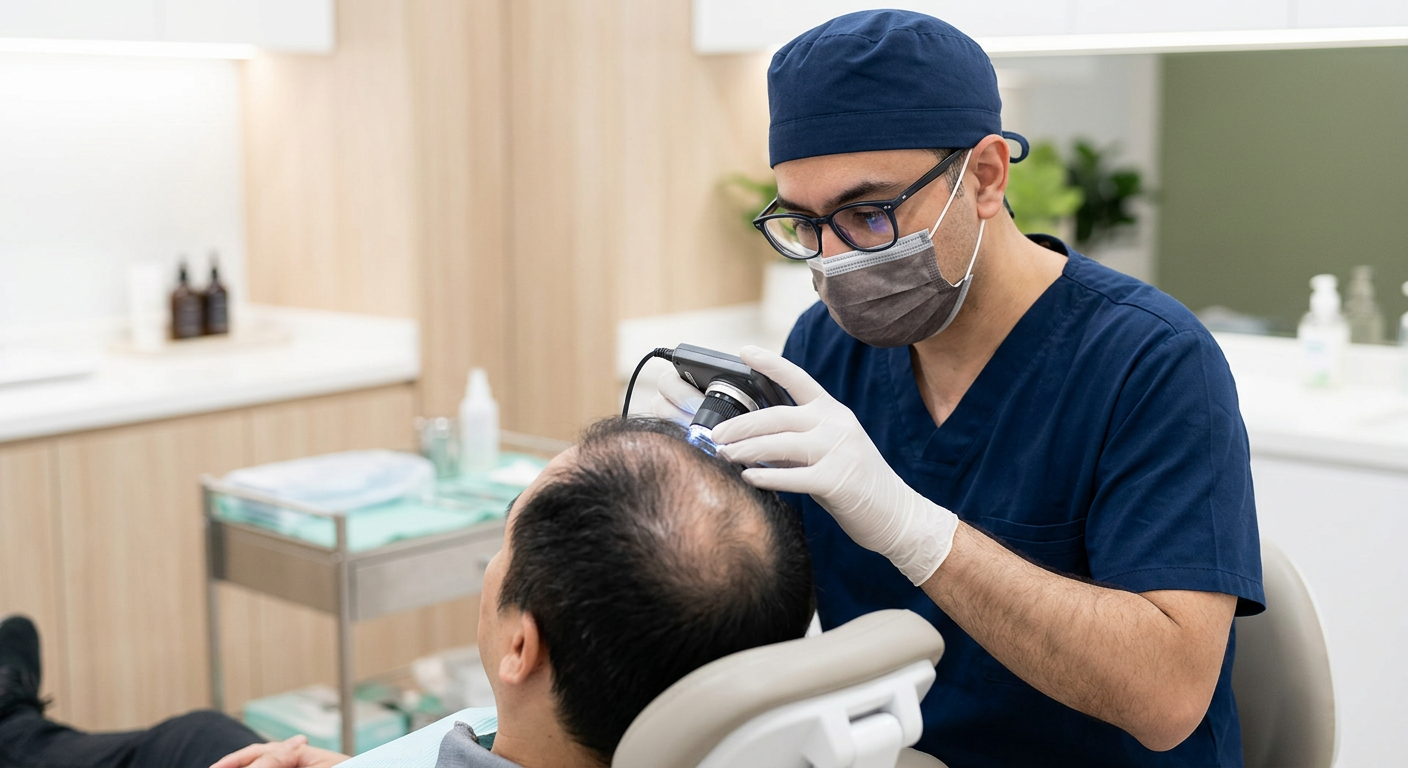
Your journey begins with a comprehensive consultation, often conducted remotely if you're an international patient. This is where your hair transplant candidacy Turkey is thoroughly evaluated.
- Medical History Review: The specialist will inquire about your general health, any pre-existing conditions (e.g., diabetes, heart disease), allergies, and current medications. This helps identify any contraindications hair transplant Turkey.
- Hair Loss Analysis: You'll be asked about the history of your hair loss, including when it started, its progression, and any family history. The surgeon will physically examine your scalp (or analyze high-resolution photos/videos for remote consultations) to assess your hair loss pattern for transplant, density in balding areas, and the extent of miniaturization.
- Donor Area Assessment: A critical step is evaluating your donor area quality hair transplant. The surgeon will check the density, caliber, and texture of the hair on the back and sides of your head to estimate the number of grafts that can be safely harvested.
- Recipient Area Planning: Based on your desired outcome and the available donor grafts, the surgeon will design your new hairline and determine the areas requiring transplantation. This involves artistic skill to create a natural-looking result that complements your facial features.
- Expectation Management: The surgeon will discuss what results are realistically achievable, considering your donor supply and hair characteristics. This is vital for setting realistic expectations and ensuring you understand the limitations and potential outcomes.
- Technique Recommendation: Based on your specific case, the surgeon will recommend the most suitable technique (FUE, DHI, or a variation).
Step 2: Pre-Procedure Preparation
Once candidacy is confirmed and the procedure is scheduled, you'll receive detailed pre-operative instructions. Adhering to these is crucial for a smooth procedure and optimal results.
- Medication Adjustments: You may be advised to stop certain medications, especially blood thinners (e.g., aspirin, ibuprofen, certain herbal supplements) for 7-10 days prior, to minimize bleeding risk. Always consult your doctor before discontinuing any prescribed medication.
- Smoking and Alcohol: You'll be asked to cease smoking and avoid alcohol for at least a week before the procedure. Both can impair healing and blood flow.
- Hair Washing: Specific instructions for washing your hair will be provided, often involving a special shampoo to ensure the scalp is clean and free of products.
- Caffeine: Reduce or avoid caffeine intake on the day of the surgery.
- Comfortable Clothing: Wear loose, button-down or zippered shirts on the day of the procedure to avoid pulling clothing over your head after the grafts are implanted.
- Travel Arrangements: If traveling to Turkey, ensure all your travel, accommodation, and transfer logistics are handled, often facilitated by Clyna or the clinic directly.
Step 3: The Day of the Procedure
The hair transplant procedure typically takes 6-8 hours, depending on the number of grafts. It's performed under local anesthesia, meaning you'll be awake but won't feel pain.
Anesthesia
Upon arrival, the team will prepare you. Local anesthesia is administered to both the donor and recipient areas. This involves a series of injections that numb the scalp, ensuring a pain-free experience during the harvesting and implantation phases. Some clinics may offer sedation to help you relax.
Graft Harvesting (FUE vs. FUT)
The vast majority of clinics in Turkey primarily utilize the Follicular Unit Extraction (FUE) method, or its advanced variants like Sapphire FUE or DHI.
- FUE (Follicular Unit Extraction): This is the most popular method. Individual follicular units (groups of 1-4 hairs) are extracted directly from the donor area using a micro-punch tool (0.6-1.0 mm in diameter). This leaves tiny, almost invisible dot scars that heal quickly. The donor area is typically shaved for this method.
- FUT (Follicular Unit Transplantation) / Strip Method: Less common in Turkey for primary procedures, this involves surgically removing a strip of skin from the donor area, from which follicular units are then dissected under a microscope. The incision is closed with sutures, leaving a linear scar. This method is sometimes preferred for very large graft numbers or specific donor characteristics.
Recipient Site Creation
Once the grafts are harvested, the surgeon meticulously creates tiny incisions or channels in the recipient area. The angle, direction, and depth of these channels are critical for achieving a natural-looking hair growth pattern.
- Traditional FUE: Uses fine steel blades to create the channels.
- Sapphire FUE: Utilizes sapphire blades, which are sharper and allow for even finer, more precise incisions, potentially leading to less trauma, faster healing, and higher graft density.
- DHI (Direct Hair Implantation): In this technique, a specialized implanter pen (Choi pen) is used to create the recipient site and implant the graft simultaneously, without pre-made channels. This allows for very precise control over angle and depth and can be beneficial for maximizing density, especially in areas with existing hair.
Graft Implantation
The harvested follicular units are carefully implanted into the created channels using fine forceps or the DHI implanter pen. This is a highly skilled and time-consuming part of the procedure, requiring precision to ensure each graft is placed at the correct angle and depth for natural growth.
Step 4: Immediate Post-Procedure Care
After the implantation, the scalp will be cleaned, and a light dressing may be applied to the donor area. You'll receive detailed post-operative instructions, including:
- Medications: Painkillers, antibiotics, and anti-inflammatory drugs.
- Sleeping Position: How to sleep to protect the newly implanted grafts (often on your back with an elevated head).
- Washing Instructions: Specific protocols for the first hair wash, usually performed by the clinic a day or two after the procedure.
- Activity Restrictions: Avoiding strenuous activities, direct sun exposure, and touching the grafts.
The clinic staff will be available to answer any questions and provide support during this crucial immediate recovery phase.
Why Turkey Excels: Unparalleled Advantages for Hair Transplants
Turkey has solidified its position as the undisputed global leader in hair transplantation, attracting hundreds of thousands of international patients annually. The reasons for this prominence are multifaceted, offering a compelling blend of quality, affordability, and a patient-centric approach. For those considering hair transplant candidacy Turkey, understanding these advantages is key.

Cost-Effectiveness Without Compromise
Perhaps the most significant draw for medical tourists is the remarkable affordability of hair transplants in Turkey. Patients can expect to pay a fraction of the cost compared to equivalent procedures in Western Europe or North America, often saving 50-70%. This is not due to lower quality, but rather a combination of lower operational costs, a favorable exchange rate, and a highly competitive market that drives prices down while maintaining high standards. This cost-effectiveness makes a hair transplant accessible to a much broader demographic, allowing more individuals to become a good candidate for hair transplant Turkey.
World-Class Expertise and Advanced Technology
Turkey boasts an impressive concentration of highly skilled and experienced hair transplant surgeons. Many of these specialists have performed thousands of procedures, developing unparalleled expertise in various techniques, including FUE, Sapphire FUE, and DHI.
- Experienced Surgeons: Clinics in major cities like Istanbul and Antalya are home to internationally recognized surgeons who are pioneers in hair restoration. Their extensive experience ensures meticulous graft placement, natural-looking hairlines, and optimal graft survival rates.
- JCI-Accredited Hospitals: A significant number of Turkish hospitals and clinics hold Joint Commission International (JCI) accreditation. This prestigious international standard signifies a commitment to the highest levels of patient safety and quality of care, comparable to top medical facilities worldwide.
- Modern Technology: Turkish clinics are at the forefront of adopting the latest hair transplant technologies. From advanced micro-punch tools and Sapphire blades for precise incisions to sophisticated DHI implanter pens, patients benefit from cutting-edge equipment that minimizes trauma, enhances graft survival, and improves aesthetic outcomes.
Comprehensive Treatment Packages
Turkish clinics, often facilitated by platforms like Clyna, understand the needs of international patients. They typically offer all-inclusive packages that go beyond just the surgery itself. These packages frequently include:
- Airport Transfers: Seamless transportation from the airport to the hotel and clinic.
- Accommodation: Stays in comfortable, often luxurious, hotels.
- Interpreter Services: Ensuring clear communication throughout your journey.
- Post-Operative Care Kits: Essential medications, shampoos, and lotions.
- Follow-up Consultations: Both in-person and remote follow-up to monitor progress.
These comprehensive services remove much of the logistical stress, allowing patients to focus solely on their recovery.
Robust Medical Tourism Infrastructure
Turkey has invested heavily in developing a robust medical tourism infrastructure. This means:
- Ease of Travel: Excellent flight connections from around the world.
- English-Speaking Staff: A high prevalence of English-speaking medical professionals and support staff, ensuring clear communication.
- Patient Support: Dedicated international patient departments and agencies (like Clyna) that assist with every step of the journey, from initial inquiry to post-treatment care.
This well-oiled machine makes the entire experience smooth and reassuring for international visitors.
Privacy, Discretion, and a Healing Environment
For many, undergoing a hair transplant is a private matter. Traveling to a new country offers a degree of anonymity and discretion, allowing patients to recover away from their usual social circles. The serene environments of Turkish cities, combined with the professional and respectful approach of clinics, create a conducive atmosphere for healing and rejuvenation.
A Cultural and Travel Experience
Beyond the medical benefits, choosing Turkey for your hair transplant offers the unique opportunity to combine your treatment with a memorable travel experience. Istanbul, with its rich history, vibrant culture, and stunning architecture, or Antalya, with its beautiful Mediterranean beaches, provide a perfect backdrop for recovery. Many patients extend their stay to explore these fascinating destinations, turning a medical trip into an enriching holiday.
In essence, Turkey's blend of affordability, medical excellence, advanced technology, and comprehensive patient support creates an irresistible proposition for anyone considering hair restoration. It's a destination where the answer to "Am I a good candidate for hair transplant Turkey?" often comes with the added benefit of an exceptional overall experience.
Cost Comparison: Hair Transplant Prices Across the Globe (EUR)
The cost of a hair transplant is a significant factor for many patients. While prices can vary widely based on the number of grafts, the technique used (FUE, DHI, Sapphire FUE), the surgeon's experience, and the clinic's reputation, Turkey consistently offers the most competitive rates without compromising on quality. The following table provides estimated price ranges in Euros for a typical hair transplant (e.g., 2000-4000 grafts) in various popular medical tourism destinations.
| Country | Estimated Price Range (EUR) |
|---|---|
| Turkey | €2,000 - €5,000 |
| Germany | €6,000 - €12,000 |
| United Kingdom (UK) | €7,000 - €15,000 |
| United States (US) | €8,000 - €20,000 |
Important Considerations:
- All-Inclusive Packages: Turkish clinics often provide comprehensive packages that include accommodation, airport transfers, post-operative care kits, and interpreter services, which are typically extra costs in other countries. This further enhances their value proposition.
- Graft Count: The number of grafts needed is a primary determinant of cost. Larger areas of baldness requiring more grafts will naturally be more expensive.
- Technique: While FUE is standard, advanced techniques like Sapphire FUE or DHI might incur slightly higher costs due to specialized tools and increased precision.
- Surgeon's Reputation: Highly renowned surgeons or clinics may command higher fees, regardless of location.
- Currency Fluctuations: Exchange rates can impact the final cost for international patients.
This table clearly illustrates why Turkey remains the top choice for those seeking high-quality hair restoration at an accessible price point, making it easier for more individuals to meet the financial criteria for hair transplant candidacy Turkey.
Choosing the Right Clinic in Turkey: Your Guide to Quality and Safety
With the abundance of hair transplant clinics in Turkey, particularly in bustling cities like Istanbul and Antalya, selecting the right one can feel overwhelming. This decision is paramount to ensuring a safe procedure, natural results, and a positive overall experience. As a medical tourism consultant, I emphasize that not all clinics are created equal. Here's a detailed guide on how to choose wisely, focusing on hair transplant eligibility criteria for clinics themselves.
Accreditation and Certifications
This is your first and most crucial filter.
- JCI Accreditation (Joint Commission International): Look for clinics or hospitals that are JCI-accredited. This is a globally recognized gold standard for patient safety and quality of care, indicating that the facility meets rigorous international benchmarks. Turkey has a significant number of JCI-accredited institutions, a testament to its commitment to medical excellence.
- ISO Certifications: ISO (International Organization for Standardization) certifications, particularly ISO 9001 (Quality Management) and ISO 13485 (Medical Devices), demonstrate a clinic's adherence to quality management systems and regulatory requirements.
- Ministry of Health Approval: Ensure the clinic is officially licensed and regulated by the Turkish Ministry of Health.
Surgeon's Expertise and Team Qualifications
The surgeon performing your procedure is the most critical factor for a successful outcome.
- Board Certification: Verify that the primary surgeon is board-certified in plastic surgery, dermatology, or a related field, with specialized training in hair restoration.
- Experience: Inquire about the surgeon's experience specifically in hair transplantation. How many procedures have they performed? How long have they been specializing in this field? A surgeon with thousands of successful cases is preferable.
- Specialization: Does the surgeon specialize exclusively in hair transplantation, or is it one of many procedures they perform? Specialization often indicates deeper expertise.
- Team Qualifications: Hair transplantation is a team effort. Inquire about the qualifications and experience of the technicians and nurses assisting the surgeon. Are they certified and well-trained?
- Direct Surgeon Involvement: Ensure the surgeon is directly involved in key stages of the procedure, such as hairline design, donor area assessment, and recipient site creation, not just supervising technicians. This is a common concern and a critical differentiator for quality.
Technology and Techniques Offered
Modern technology enhances precision, comfort, and results.
- FUE, Sapphire FUE, DHI: Reputable clinics should offer advanced techniques like Sapphire FUE (using sapphire blades for finer incisions) and DHI (Direct Hair Implantation with Choi pens) in addition to standard FUE. These techniques offer distinct advantages for different patient needs.
- Advanced Equipment: Inquire about the quality of their micro-punches, microscopes for graft dissection (if applicable), and other surgical instruments.
- Sterilization Protocols: Ensure the clinic adheres to strict sterilization and hygiene protocols to prevent infections.
Patient Reviews, Testimonials, and Before/After Galleries
Social proof and visual evidence are powerful indicators of quality.
- Online Reviews: Check independent review platforms (Google Reviews, Trustpilot, specialized medical tourism forums) for patient feedback. Look for consistent positive experiences, especially regarding results, patient care, and communication.
- Before/After Photos: Request to see a comprehensive portfolio of the clinic's own before and after photos. Pay attention to the naturalness of hairlines, density achieved, and consistency across different patients. Be wary of generic stock photos.
- Video Testimonials: Video testimonials can offer a more authentic glimpse into patient experiences.
Clinic Facilities and Hygiene Standards
A modern, clean, and well-equipped facility is non-negotiable.
- Cleanliness: The clinic should be impeccably clean and sterile.
- Modern Infrastructure: Look for clinics with modern operating rooms, comfortable waiting areas, and recovery rooms.
- Privacy: Ensure patient privacy is respected throughout the process.
Comprehensive Aftercare and Follow-up Protocols
The journey doesn't end after the procedure.
- Detailed Aftercare Instructions: The clinic should provide clear, written instructions for post-operative care, including medication schedules, washing protocols, and activity restrictions.
- Post-Op Kit: A comprehensive kit with special shampoos, lotions, and medications is standard.
- Follow-up Schedule: Inquire about the follow-up schedule, both immediate (e.g., first wash at the clinic) and long-term (e.g., virtual check-ups at 3, 6, 12 months).
- Emergency Contact: Ensure you have an emergency contact number for any concerns post-procedure.
Transparency in Pricing and Communication
Honesty and clarity are vital.
- All-Inclusive Pricing: Reputable clinics offer transparent, all-inclusive packages with no hidden costs. Understand exactly what is covered (surgery, accommodation, transfers, medications, follow-ups).
- Clear Communication: The clinic should have English-speaking staff who communicate clearly and promptly, addressing all your questions and concerns before, during, and after your visit.
- Informed Consent: Ensure you receive and understand all informed consent documents, outlining the procedure, risks, and expected outcomes.
Red Flags to Watch Out For
Be vigilant for these warning signs:
- Prices That Are Too Good to Be True: Extremely low prices often indicate compromises in quality, surgeon experience, hygiene, or graft count.
- Lack of Detailed Consultation: A clinic that offers a quick quote without a thorough assessment of your hair loss pattern for transplant and donor area quality hair transplant is a major red flag.
- No Visible Surgeon: If you're primarily interacting with sales agents and don't get to consult directly with the surgeon who will perform your procedure, reconsider.
- High-Pressure Sales Tactics: Avoid clinics that pressure you into booking quickly or offer aggressive discounts for immediate commitment.
- Unrealistic Promises: Be wary of clinics promising perfect density or results that seem too good to be true, especially if your donor area is limited.
- Lack of Accreditation or Poor Reviews: These are non-negotiable.
By carefully evaluating these criteria, you can significantly increase your chances of choosing a reputable and high-quality clinic in Turkey, ensuring you are a good candidate for hair transplant Turkey and receive the best possible care. Clyna partners exclusively with clinics that meet these stringent standards, simplifying your search for excellence.
Before Treatment: Your Essential Preparation Checklist
Once you've determined your hair transplant candidacy Turkey and chosen your clinic, thorough preparation is key to a smooth procedure and optimal results. This checklist covers the essential steps you need to take in the weeks and days leading up to your hair transplant.
Medical Consultation and Health Checks
- Full Medical Disclosure: Be completely honest with your surgeon about your medical history, including all past and present conditions, surgeries, and allergies.
- Pre-Operative Tests: Your clinic will likely request blood tests (e.g., for blood count, clotting factors, infectious diseases like HIV, Hepatitis B/C) and possibly an ECG. Ensure these are completed and reviewed by your medical team.
- Physician Clearance: If you have any chronic medical conditions (e.g., diabetes, heart disease, high blood pressure), obtain clearance from your primary care physician or specialist, confirming you are fit for surgery.
Medication Review and Adjustments
- Blood Thinners: Discontinue blood-thinning medications and supplements (e.g., Aspirin, Ibuprofen, Naproxen, Vitamin E, fish oil, ginkgo biloba, green tea supplements) at least 7-10 days before the procedure, only after consulting your prescribing doctor.
- Minoxidil (Rogaine): Stop using topical Minoxidil at least 1-2 weeks prior to surgery, as it can increase bleeding.
- Finasteride (Propecia): You can generally continue Finasteride, but confirm with your surgeon.
- Other Medications: Provide a full list of all prescription and over-the-counter medications, as well as herbal supplements, to your surgeon for review. They will advise which ones to stop or adjust.
Lifestyle Modifications
- Smoking Cessation: Stop smoking at least 2-4 weeks before surgery. Smoking severely impairs blood flow to the scalp, which is critical for graft survival and healing, and increases the risk of complications.
- Alcohol Reduction: Avoid alcohol consumption for at least one week before the procedure, as it can thin the blood and interfere with anesthesia.
- Caffeine: Reduce or avoid caffeine intake on the day of the surgery.
- Healthy Diet: Maintain a balanced, nutritious diet to support your body's healing capabilities.
- Hydration: Drink plenty of water in the days leading up to your procedure.
Hair Care Routine
- Hair Washing: Follow your clinic's specific instructions for washing your hair before the procedure. This often involves using a special antiseptic shampoo for a few days prior to ensure the scalp is clean.
- Avoid Hair Products: Do not apply any hair gels, sprays, oils, or styling products for at least 24-48 hours before surgery.
- Haircut: You might be advised to get a specific haircut (e.g., shaving the donor area) a few days before, or the clinic will do it on the day of the procedure.
Travel and Logistics Planning
- Travel Documents: Ensure your passport is valid and you have any necessary visas for Turkey.
- Flight and Accommodation: Confirm all flight details, airport transfers, and hotel bookings. Clyna often assists with these arrangements.
- Comfortable Clothing: Pack loose-fitting, button-down or zippered shirts/jackets that do not need to be pulled over your head. This prevents accidental dislodgement of grafts after the procedure.
- Headwear: Bring a loose-fitting hat (e.g., a wide-brimmed hat or a soft beanie) to protect your scalp from sun and dust after the surgery, but ensure it doesn't touch the grafts. Avoid tight caps.
- Cash/Credit Cards: Have sufficient funds for any personal expenses.
Mental and Emotional Preparation
- Realistic Expectations: Reconfirm your understanding of the expected results, the recovery process, and the timeline for hair growth. Remember, patience is key.
- Ask Questions: Don't hesitate to ask your medical team any lingering questions or express concerns. Clear communication reduces anxiety.
- Rest: Get plenty of rest in the days leading up to your surgery.
By diligently following this preparation checklist, you'll optimize your body's readiness for the hair transplant, significantly contributing to a successful outcome and a smoother recovery. This proactive approach is a hallmark of an ideal candidate hair transplant.
After Treatment: A Detailed Recovery Timeline Day-by-Day
The hair transplant procedure is just the beginning; the recovery phase is equally crucial for the success and longevity of your results. Understanding what to expect day-by-day and month-by-month will help you manage expectations and ensure proper care. This timeline provides a general guide for patients who have undergone FUE or DHI procedures, which are dominant in Turkey.
Day 1: The Immediate Post-Op Period
- Appearance: Your scalp will likely have small red dots in the recipient area and a bandaged donor area (or small scabs if no bandage). Swelling may begin to appear on the forehead.
- Sensations: You might feel some numbness from the local anesthesia, mild soreness, or a tight sensation in the donor area.
- Care: The clinic will provide initial post-op instructions, including how to sleep (elevated, on your back, to protect grafts), medication schedule (painkillers, antibiotics, anti-inflammatories), and how to avoid touching the grafts.
Days 2-7: Initial Healing and First Wash
- Swelling: Forehead and facial swelling typically peaks around day 3-4 and then gradually subsides. It can sometimes extend to the eyes.
- Scabbing: Small scabs will form around each transplanted graft in the recipient area, and in the donor area. These are normal and protect the healing follicles.
- Itching: Mild itching is common as the scalp heals. Avoid scratching.
- First Wash: Most clinics perform the first gentle hair wash 24-48 hours after the procedure. They will demonstrate the correct technique using special shampoo and lotion to soften and remove scabs without dislodging grafts. You'll continue this gentle washing routine at home.
- Activity: Avoid strenuous activities, heavy lifting, and direct sun exposure.
Weeks 2-4: The "Shock Loss" Phase
- Scab Removal: By the end of the second week, most of the scabs should have fallen off with gentle washing.
- Shock Loss: This is a normal and expected phase. The transplanted hairs, along with some native hairs, will shed. This is a temporary process as the follicles enter a resting phase before new growth begins. It can be alarming but is a sign that the follicles are preparing for new, healthy hair.
- Donor Area: The donor area should be largely healed, with tiny red dots fading.
- Activity: You can gradually resume light exercise, but still avoid direct sun exposure and swimming.
Months 2-3: The First Signs of Growth
- Dormancy: The scalp may appear relatively unchanged, or even thinner due to shock loss. This is a waiting period.
- New Growth: Around the 2-3 month mark, tiny, fine hairs will begin to emerge from the transplanted follicles. This growth is often uneven and may appear patchy at first.
- Texture: The initial new hairs might be fine, curly, or different in texture. This is temporary.
Months 4-6: Significant Growth and Density Increase
- Accelerated Growth: Hair growth accelerates significantly during this period. The new hairs become thicker, longer, and more robust.
- Density: You'll start to notice a visible increase in density in the transplanted areas.
- Naturalness: The hairline will begin to take on a more natural appearance.
- Activity: Most normal activities, including more strenuous exercise, can be resumed.
Months 6-12: Maturation and Emerging Results
- Continued Maturation: The transplanted hairs continue to thicken and mature, blending more seamlessly with your existing hair.
- Fuller Appearance: The overall density and coverage will improve considerably.
- Styling: You can typically style your hair as desired.
- Final Results Approaching: By 10-12 months, you will have a very good indication of your final results, with most of the transplanted hair having grown out.
Month 12+: Full Results and Long-Term Care
- Full Results: The final results are typically visible around 12-18 months post-procedure, as all transplanted hairs have fully grown and matured.
- Ongoing Care: Continue to follow any long-term advice from your surgeon, which may include using medical therapies (e.g., Finasteride, Minoxidil) to maintain existing native hair and prevent further loss.
- Enjoy Your New Hair: This is the time to fully appreciate the transformative effects of your hair transplant.
Essential Post-Op Care Instructions
- Protect Grafts: Avoid touching, rubbing, or scratching the transplanted area, especially for the first 10-14 days.
- Sun Protection: Protect your scalp from direct sunlight for several months using a loose hat or sunscreen.
- Hydration: Continue to drink plenty of water.
- Healthy Lifestyle: Maintain a healthy diet and avoid smoking/excessive alcohol to support long-term hair health.
- Follow-ups: Attend all scheduled follow-up appointments, whether in-person or virtual, with your clinic.
Patience is truly a virtue during the hair transplant recovery process. While the initial weeks can be challenging, the gradual emergence of new, healthy hair is a rewarding journey that culminates in a natural and lasting improvement.
Risks, Complications, and How to Minimize Them
While hair transplantation is generally a safe procedure with a high success rate, it is still a surgical intervention and carries potential risks and complications. Understanding these, and knowing how to minimize them, is crucial for anyone considering hair transplant candidacy Turkey. Addressing these concerns directly helps manage patient fears and ensures informed consent.
Common and Minor Side Effects
These are generally temporary and resolve on their own within a few days to weeks.
- Swelling (Edema): Common in the forehead and around the eyes, usually peaking on day 3-4 and subsiding within a week. It's caused by the local anesthetic and fluid used during the procedure.
- Minimization: Sleeping with your head elevated, applying cold compresses (as advised by the clinic), and following post-op instructions can help.
- Bruising: Minor bruising around the eyes or in the donor/recipient areas is possible but typically resolves within 1-2 weeks.
- Numbness/Tingling: The scalp may feel numb or tingly in both the donor and recipient areas due to temporary nerve irritation. This usually resolves within a few weeks to several months.
- Itching: A common sensation during the healing process, especially as scabs form and fall off.
- Minimization: Use the prescribed post-op lotions and shampoos, and avoid scratching, which can dislodge grafts or cause infection.
- Tenderness/Soreness: Mild discomfort in the donor and recipient areas, easily managed with prescribed painkillers.
- Temporary Shock Loss: As detailed in the recovery section, transplanted hairs (and sometimes surrounding native hairs) may shed within 2-4 weeks post-op. This is normal and temporary, making way for new growth.
- Folliculitis: Small pimple-like bumps can appear in the recipient area as new hairs try to emerge. This is usually mild and resolves with warm compresses or topical antibiotics.
Less Common and More Serious Complications
These are rare, especially when choosing a reputable clinic with experienced surgeons, but it's important to be aware of them.
- Infection: Although rare due to sterile techniques and prophylactic antibiotics, any surgical procedure carries a risk of infection.
- Minimization: Choose a JCI-accredited clinic with strict hygiene protocols, follow all post-op care instructions, and take prescribed antibiotics.
- Poor Growth/Low Graft Survival: If grafts are handled improperly, not kept viable, or if the recipient area lacks adequate blood supply, some grafts may not grow.
- Minimization: Select an experienced surgeon and team, ensure proper graft handling, and follow pre/post-op instructions (e.g., avoiding smoking).
- Unnatural Appearance: Poor hairline design, incorrect graft placement (angle, direction), or insufficient density can lead to an unnatural or "pluggy" look.
- Minimization: This is where the surgeon's artistic skill and experience are paramount. Review their before/after photos extensively.
- Scarring:
- Donor Area: FUE leaves tiny, dot-like scars, usually imperceptible. FUT leaves a linear scar, which can be visible if hair is cut very short.
- Recipient Area: While rare, excessive scarring in the recipient area can occur in individuals prone to keloids or with poor healing.
- Minimization: Discuss your scarring history with your surgeon. FUE generally minimizes visible scarring.
- Nerve Damage: Very rare, but persistent numbness or altered sensation can occur if nerves are damaged during the procedure.
- Cysts: Small cysts can form in the recipient area if a follicular unit is implanted too deeply. These are usually harmless and resolve on their own.
- Persistent Pain: Chronic pain is extremely rare but can occur.
- Allergic Reaction: To anesthesia or other medications. Always disclose all allergies during your consultation.
Minimizing Risks: Your Role and the Clinic's Responsibility
Minimizing risks is a shared responsibility between you and your chosen clinic.
Your Role:
- Honest Disclosure: Provide a complete and accurate medical history.
- Adherence to Instructions: Strictly follow all pre-operative and post-operative instructions from your surgeon, especially regarding medications, smoking, alcohol, and scalp care.
- Realistic Expectations: Understand the limitations of the procedure and have realistic goals.
- Patience: Allow your body to heal and the hair to grow naturally over time.
The Clinic's Responsibility:
- Thorough Candidacy Assessment: A reputable clinic will conduct a comprehensive evaluation to ensure you are a suitable candidate, identifying any potential contraindications hair transplant Turkey.
- Experienced Surgeon & Team: Employ highly qualified, board-certified surgeons with extensive experience in hair restoration.
- Sterile Environment: Maintain strict hygiene and sterilization protocols in all facilities.
- Advanced Techniques: Utilize modern, proven techniques (e.g., Sapphire FUE, DHI) that minimize trauma and maximize graft survival.
- Transparent Communication: Clearly explain the procedure, potential risks, and expected outcomes.
- Comprehensive Aftercare: Provide detailed post-operative instructions, necessary medications, and accessible follow-up support.
By being an informed and compliant patient, and by selecting a top-tier clinic in Turkey, you significantly reduce the likelihood of complications and enhance the probability of a successful, natural-looking hair transplant.
Real Patient Journey Stories: From Doubt to Confidence
Hearing about real experiences can provide invaluable insight and reassurance for those considering a hair transplant. These realistic scenarios highlight diverse motivations, challenges, and the transformative power of the procedure, especially when undertaken in Turkey.

Patient Story 1: Ahmed, The Young Professional Seeking Early Intervention
Ahmed, a 28-year-old marketing professional from Dubai, noticed his hairline receding rapidly in his early twenties. By 28, he had a distinct Norwood Scale 3 pattern, with significant temple recession and early thinning at the crown. He felt self-conscious, especially in client meetings, and found himself constantly trying to style his hair to cover the thinning areas.
His Candidacy: Ahmed was an excellent candidate. His hair loss had stabilized over the past two years, he had a dense and healthy donor area on the back of his scalp, and he was in good overall health. His primary concern was restoring his hairline and adding density to the temples. He had realistic expectations, understanding that while his hairline would be restored, he might need to continue medical therapy to maintain his existing native hair.
His Journey with Clyna: Ahmed contacted Clyna, expressing his interest in a hair transplant in Turkey. After an initial online consultation where he submitted photos and medical history, Clyna connected him with a JCI-accredited clinic in Istanbul renowned for natural hairline design. The clinic's surgeon confirmed his hair transplant candidacy Turkey and recommended a 3000-graft FUE procedure focusing on the frontal hairline and temples.
The Experience: Ahmed flew to Istanbul. His package included airport transfers, a 3-night stay in a 5-star hotel, and an English-speaking coordinator. The procedure itself was comfortable, performed under local anesthesia. He spent the recovery days exploring Istanbul's historical sites, wearing a loose hat, and discreetly following his post-op instructions.
The Outcome: Within 6 months, Ahmed saw significant growth. By 12 months, his hairline was completely restored, looking natural and dense. "It's not just about the hair," Ahmed shared, "it's about the confidence. I feel like myself again, more professional, more outgoing. The quality in Turkey was exceptional, and the cost was a fraction of what I would have paid back home." Ahmed continues to use Finasteride as advised to maintain his results.
Patient Story 2: Maria, Addressing Female Pattern Hair Loss
Maria, a 45-year-old teacher from the UK, had been struggling with diffuse thinning across her scalp for over a decade, a common presentation of female pattern hair loss (Ludwig Scale II). While her hairline remained largely intact, the overall lack of density made her feel less feminine and self-conscious about her appearance. She had tried various topical treatments with limited success.
Her Candidacy: Female hair loss can be more complex to treat, but Maria was a good candidate because her thinning was stable, and she had a relatively strong donor area, especially at the back of her head. Her overall health was excellent, and she understood that the goal was to increase overall density rather than create a dramatically new hairline. The clinic confirmed her hair transplant eligibility criteria after a detailed analysis.
Her Journey with Clyna: Maria reached out to Clyna, seeking a solution that offered both quality and discretion. She was connected with a specialist clinic in Antalya known for its expertise in female hair transplants and DHI technique. The surgeon recommended a 2500-graft DHI procedure to carefully implant grafts between her existing hairs, maximizing density without damaging native follicles.
The Experience: Maria appreciated the personalized care in Antalya. The DHI technique allowed for minimal shaving, which was important for her. The clinic staff were incredibly supportive, guiding her through each step. She enjoyed the peaceful recovery environment, taking short walks along the coast.
The Outcome: Maria's results were gradual but transformative. By 9 months, her hair felt noticeably thicker, and the diffuse thinning was significantly less apparent. "I never thought I'd feel this good about my hair again," Maria exclaimed. "The DHI technique was perfect for me, and the team in Antalya was so understanding. I can tie my hair up without feeling self-conscious. It's truly life-changing."
Patient Story 3: David, Restoring a Receding Hairline and Crown
David, a 55-year-old retired engineer from Germany, had extensive hair loss, reaching a Norwood Scale 6. He had a significantly receding hairline and a large bald spot on his crown. He had always wanted to do something about it but was put off by the high costs in Germany.
His Candidacy: Despite the extensive baldness, David had a surprisingly robust donor area with good density and hair caliber, making him a strong candidate for a large number of grafts. His hair loss had been stable for many years, and his health was good. He had realistic expectations, understanding that while full density might not be achievable across the entire scalp, a significant improvement in coverage and a natural hairline were possible. He was a prime example of an ideal candidate hair transplant for extensive restoration.
His Journey with Clyna: David used Clyna to find a clinic in Istanbul that specialized in mega-sessions (procedures involving 4000+ grafts). He was connected with a highly experienced surgeon who proposed a 4500-graft Sapphire FUE procedure to restore his frontal hairline and provide substantial coverage to his crown.
The Experience: David's procedure was meticulously planned. The Sapphire FUE technique was used for precise channel creation. The clinic provided excellent post-operative care, including daily check-ups and washes. David found the experience comfortable and professional, appreciating the detailed attention from the medical team.
The Outcome: David's transformation was remarkable. At 12 months, he had a strong, natural-looking hairline and significantly improved density on his crown. "I look 10 years younger!" David laughed. "I was skeptical at first, given the price difference, but the quality in Turkey is outstanding. I'm so glad I made this decision. Clyna made the whole process so easy." David now enjoys his retirement with renewed confidence, often receiving compliments on his hair.
These stories underscore the diverse range of individuals who can benefit from hair transplantation in Turkey, provided they meet the essential hair transplant eligibility criteria and choose a reputable clinic.
Frequently Asked Questions (FAQ) About Hair Transplant Candidacy in Turkey
Navigating the world of hair transplantation can bring up many questions. Here, we address some of the most common inquiries regarding hair transplant candidacy Turkey, providing detailed and medically accurate answers to help you make informed decisions.
1. What is the minimum age for a hair transplant in Turkey?
While there's no strict legal age limit for hair transplant, most reputable surgeons in Turkey prefer patients to be at least 25-30 years old. This is because hair loss patterns, especially androgenetic alopecia, can be unpredictable and progressive in younger individuals. Performing a transplant too early might lead to an unnatural appearance as surrounding native hair continues to fall out. Stability of hair loss is more important than chronological age.
2. Can women get hair transplants in Turkey? Are they good candidates?
Yes, women can absolutely get hair transplants in Turkey, and many are good candidate for hair transplant Turkey. However, female pattern hair loss (FPHL) often presents as diffuse thinning rather than distinct bald patches, making the assessment more complex. Women with stable FPHL, good donor density, and realistic expectations are suitable. Conditions like diffuse unpatterned alopecia (DUPA) or active alopecia areata are generally contraindications. A thorough consultation is essential to determine hair transplant eligibility criteria for women.
3. What is the most important factor for hair transplant candidacy?
The most important factor is the donor area quality hair transplant and quantity. A healthy, dense, and stable donor area (usually the back and sides of the head) is crucial because it provides the follicles for transplantation. Without sufficient high-quality donor hair, achieving a natural and dense result is impossible. The stability of your hair loss pattern for transplant is also paramount.
4. What if I have very little donor hair? Am I still a candidate?
If you have very limited donor hair on your scalp, your hair transplant candidacy Turkey may be compromised. While some clinics explore body hair transplantation (BHT) using hair from the beard or chest, it's generally considered a secondary option due to differences in hair characteristics and lower graft survival rates compared to scalp hair. A thorough evaluation of your remaining scalp donor area is always the first step.
5. What medical conditions are contraindications hair transplant Turkey?
Several medical conditions can be contraindications:
- Uncontrolled chronic diseases (e.g., severe diabetes, heart disease, hypertension).
- Active autoimmune diseases (e.g., active alopecia areata, lupus, lichen planopilaris).
- Bleeding disorders or use of blood thinners that cannot be safely discontinued.
- Severe allergies to local anesthetics.
- Active scalp infections or dermatological conditions.
- Body dysmorphic disorder or unrealistic expectations. It's crucial to disclose your full medical history during your consultation.
6. How many grafts can be transplanted in one session?
The number of grafts that can be transplanted in a single session depends on your donor area capacity and the surgeon's technique. In Turkey, it's common for clinics to perform sessions ranging from 2000 to 5000 grafts, and sometimes even "mega-sessions" of 6000+ grafts if the donor area allows. The goal is always to harvest grafts safely without over-harvesting the donor area.
7. Is a hair transplant painful?
The procedure itself is performed under local anesthesia, so you should not feel pain during the graft harvesting or implantation. You might feel some pressure or minor discomfort during the anesthetic injections. Post-operatively, mild soreness or tenderness is common, which can be managed with prescribed painkillers.
8. How long does it take to see the final results of a hair transplant?
Hair growth is a slow process. You'll typically experience "shock loss" (shedding of transplanted hairs) within 2-4 weeks. New growth usually begins around 3-4 months, with significant density appearing between 6-9 months. The final, mature results are generally visible at 12-18 months post-procedure. Patience is key!
9. Will the transplanted hair fall out again?
No, the transplanted hair is permanent. Since the follicles are taken from the donor area (back and sides of the head), which are genetically resistant to the hormone DHT that causes pattern baldness, they retain this resistance even after being moved to the recipient area. They will continue to grow for a lifetime. However, your native (non-transplanted) hair may continue to thin or fall out if you don't use medical therapies to maintain it.
10. Do I need to take medication after a hair transplant?
Your surgeon might recommend continuing or starting medical therapies like Finasteride or Minoxidil after your transplant. These medications help to strengthen existing native hair and slow down or prevent further hair loss in non-transplanted areas, thereby preserving the overall density and naturalness of your results. This is often part of a long-term strategy for an ideal candidate hair transplant.
11. What is the success rate of hair transplants in Turkey?
When performed by experienced surgeons in reputable clinics, hair transplants in Turkey have a very high success rate, typically ranging from 90-95% for graft survival. This means that 90-95% of the transplanted follicles will successfully grow new hair. The overall aesthetic success also depends on natural hairline design and proper density.
12. Can I get a hair transplant if I have diffuse thinning?
Diffuse thinning can be challenging. If it's diffuse unpatterned alopecia (DUPA), where the donor area itself is thinning, you are likely not a good candidate. However, if it's diffuse thinning in the recipient area with a stable and dense donor area, a transplant (often using DHI) can be effective in increasing overall density, especially for women. A thorough assessment of your hair loss pattern for transplant is crucial.
13. How do I know if I have realistic expectations?
Realistic expectations mean understanding that a hair transplant redistributes existing hair, it doesn't create new hair. The goal is a natural improvement in density and hairline, not necessarily the full head of hair you had as a teenager. You should also understand the slow growth timeline and potential need for ongoing medical therapy. A good surgeon will help you set these expectations during the consultation, which is a key part of determining who is a candidate for hair transplant.
14. What should I look for in a clinic in Turkey?
Look for clinics with JCI accreditation, board-certified and experienced surgeons, transparent pricing, excellent patient reviews, comprehensive aftercare, and modern technology (e.g., Sapphire FUE, DHI). Clyna partners with clinics that meet these stringent standards, making your choice easier.
15. Is it safe to travel to Turkey for a hair transplant?
Yes, millions of medical tourists safely travel to Turkey each year. Major cities like Istanbul and Antalya have well-developed medical tourism infrastructures. Reputable clinics prioritize patient safety and provide comprehensive support for international patients, including transfers and accommodation. Always research your chosen clinic and travel with a trusted platform like Clyna.
Conclusion: Your Path to a Fuller Head of Hair Starts Here
Deciding to undergo a hair transplant is a significant step, and understanding your hair transplant candidacy Turkey is the cornerstone of a successful outcome. We've explored the intricate factors that determine if you're a good fit – from your specific hair loss pattern for transplant and the crucial donor area quality hair transplant, to your age, overall health, and the all-important aspect of realistic expectations. We've also highlighted why Turkey stands out as the premier destination, offering an unparalleled blend of expertise, advanced technology, and affordability.
The journey to a fuller head of hair is a personal one, often marked by initial doubts and questions. But with the right information and guidance, it can lead to profound improvements in confidence and quality of life. Turkey's world-class clinics, experienced surgeons, and patient-centric approach make it an ideal choice for those seeking high-quality hair restoration.
At Clyna, we are committed to connecting you with the best medical professionals in Turkey, ensuring your journey is safe, transparent, and successful. We understand the nuances of hair transplant eligibility criteria and work tirelessly to match you with clinics that meet the highest international standards.
Don't let uncertainty hold you back from exploring your options. Take the first step towards regaining your confidence and restoring your hair.
Ready to find out if you're a good candidate for a hair transplant in Turkey?
Get a Free Quote from Clyna Today!
Or, if you're ready to explore your options:
Related Guides

Ready to Start Your Medical Journey?
Get free personalized quotes from Turkey's top clinics.
Get Free Quote