

How to Choose the Best Bariatric Surgeon in Turkey
Navigate your weight loss journey with confidence. Learn how to choose the best bariatric surgeon in Turkey, focusing on qualifications, experience, and patient reviews.
Embarking on a journey towards significant weight loss through bariatric surgery is a life-altering decision. For many, Turkey has emerged as a leading destination, offering world-class medical care, experienced surgeons, and state-of-the-art facilities at a fraction of the cost found in Western countries. This comprehensive guide, crafted by a 10-year medical tourism consultant, is designed to empower you with the knowledge and confidence to choose the best bariatric surgeon Turkey has to offer, ensuring a successful and safe weight loss journey.
1. Introduction: Your Path to a Healthier Future Begins Here
For millions worldwide, obesity is more than just a cosmetic concern; it's a complex chronic disease that significantly impacts health, quality of life, and longevity. It's a battle fought daily, often with limited success through traditional diets and exercise alone. If you've reached a point where medical intervention feels like the most viable path to reclaiming your health, bariatric surgery offers a powerful, evidence-based solution.
The decision to undergo bariatric surgery is profound, marking the beginning of a transformative journey. Choosing the right surgeon and clinic is paramount to its success. This is where Turkey shines as a beacon for international patients. Renowned for its advanced medical infrastructure, highly skilled specialists, and significantly more affordable treatment costs, Turkey has become a global hub for bariatric procedures.
However, with a multitude of options, the question arises: how to choose bariatric surgeon Turkey that aligns with your specific needs and ensures the highest standards of safety and care? This guide will meticulously walk you through every aspect, from understanding the procedures to vetting clinics and surgeons, preparing for your trip, and navigating your recovery. Our goal at Clyna is to empower you with the insights of a seasoned medical tourism expert, helping you identify the best bariatric surgeon Turkey has to offer for your successful weight loss journey.

2. Understanding Bariatric Surgery: Types, Mechanisms, and Who Qualifies
Bariatric surgery, often referred to as weight loss surgery, encompasses several procedures performed on people who are obese. The primary goal is to help patients achieve significant, long-term weight loss and improve or resolve obesity-related health conditions. It's a powerful tool, but it's crucial to understand that it's not a quick fix; it requires a lifelong commitment to dietary and lifestyle changes.
What is Obesity and When is Surgery Considered?
Obesity is defined as having an excessive amount of body fat. It's typically measured using the Body Mass Index (BMI), a calculation based on a person's weight and height.
- Overweight: BMI of 25 to 29.9
- Obesity Class I: BMI of 30 to 34.9
- Obesity Class II: BMI of 35 to 39.9
- Obesity Class III (Morbid Obesity): BMI of 40 or higher
Bariatric surgery is generally recommended for individuals who meet specific criteria established by medical guidelines:
- A BMI of 40 or higher (morbid obesity).
- A BMI of 35 to 39.9 (obesity class II) with at least one significant obesity-related comorbidity, such as type 2 diabetes, high blood pressure, severe sleep apnea, non-alcoholic fatty liver disease, osteoarthritis, or high cholesterol.
- In some cases, a BMI of 30-34.9 with uncontrolled type 2 diabetes or metabolic syndrome may also qualify for certain procedures.
Beyond BMI, candidates must demonstrate a history of failed attempts at weight loss through diet and exercise, be psychologically prepared for the significant lifestyle changes required, and be free of contraindications for major surgery. A thorough medical and psychological evaluation is always part of the pre-operative process.
Common Types of Bariatric Procedures
Bariatric surgeries work by either restricting the amount of food the stomach can hold, causing malabsorption of nutrients, or a combination of both. They also often induce hormonal changes that affect appetite and metabolism.
Gastric Sleeve (Sleeve Gastrectomy)
- Mechanism: This is the most commonly performed bariatric procedure globally. Approximately 80% of the stomach is removed, creating a smaller, tube-shaped "sleeve." This significantly reduces the stomach's capacity, leading to earlier satiety. Crucially, it also removes the part of the stomach that produces ghrelin, the "hunger hormone," which helps reduce appetite.
- How it works: Food passes through the digestive tract in the usual order, but the smaller stomach capacity means less food is consumed. The hormonal changes contribute to reduced hunger and improved blood sugar control.
- Benefits: Significant weight loss (typically 60-70% of excess weight), improvement or resolution of obesity-related conditions, relatively simpler procedure compared to bypass, no foreign objects implanted, no intestinal rerouting.
- Considerations: Irreversible, potential for nutrient deficiencies (though less severe than bypass), requires lifelong vitamin supplementation.
Roux-en-Y Gastric Bypass
- Mechanism: Considered the "gold standard" for bariatric surgery, this procedure involves creating a small stomach pouch (about the size of an egg) and then connecting it directly to a section of the small intestine, bypassing a large portion of the stomach and the first part of the small intestine (duodenum and jejunum).
- How it works: It combines restriction (small pouch) with malabsorption (bypassing part of the intestine). Food bypasses the areas where most calorie and nutrient absorption occurs, leading to fewer calories absorbed. It also causes significant hormonal changes that improve satiety and metabolic health.
- Benefits: Excellent long-term weight loss (typically 70-80% of excess weight), often the most effective for resolving type 2 diabetes and other metabolic conditions.
- Considerations: More complex procedure, higher risk of nutrient deficiencies (requiring strict lifelong supplementation), potential for "dumping syndrome" (unpleasant symptoms after eating high-sugar/fat foods), irreversible.
Mini Gastric Bypass (One-Anastomosis Gastric Bypass)
- Mechanism: A simpler version of the traditional gastric bypass, the mini gastric bypass creates a longer, narrower stomach pouch and connects it to the small intestine with only one connection (anastomosis), rather than two. This bypasses a larger section of the small intestine than the Roux-en-Y.
- How it works: Primarily a malabsorptive procedure with some restriction. The longer bypass leads to significant weight loss and metabolic improvements.
- Benefits: Similar weight loss to Roux-en-Y, potentially simpler and quicker to perform, good for resolving type 2 diabetes.
- Considerations: Higher risk of bile reflux (though often manageable), higher risk of nutrient deficiencies due to greater malabsorption, requires lifelong supplementation.
Gastric Balloon (Non-Surgical Option)
- Mechanism: Unlike the surgical options, a gastric balloon is a temporary, non-surgical procedure. A soft, inflatable silicone balloon is inserted into the stomach endoscopically (through the mouth) and then filled with saline solution.
- How it works: The balloon partially fills the stomach, creating a feeling of fullness and reducing the amount of food that can be consumed. It's typically left in place for 6-12 months and then removed.
- Benefits: Non-surgical, reversible, lower risk profile, good for patients who are not candidates for surgery or need to lose weight before surgery.
- Considerations: Less weight loss than surgical options (typically 10-15% of total body weight), temporary, potential for nausea/vomiting initially, requires commitment to diet and lifestyle changes to maintain weight loss after removal.
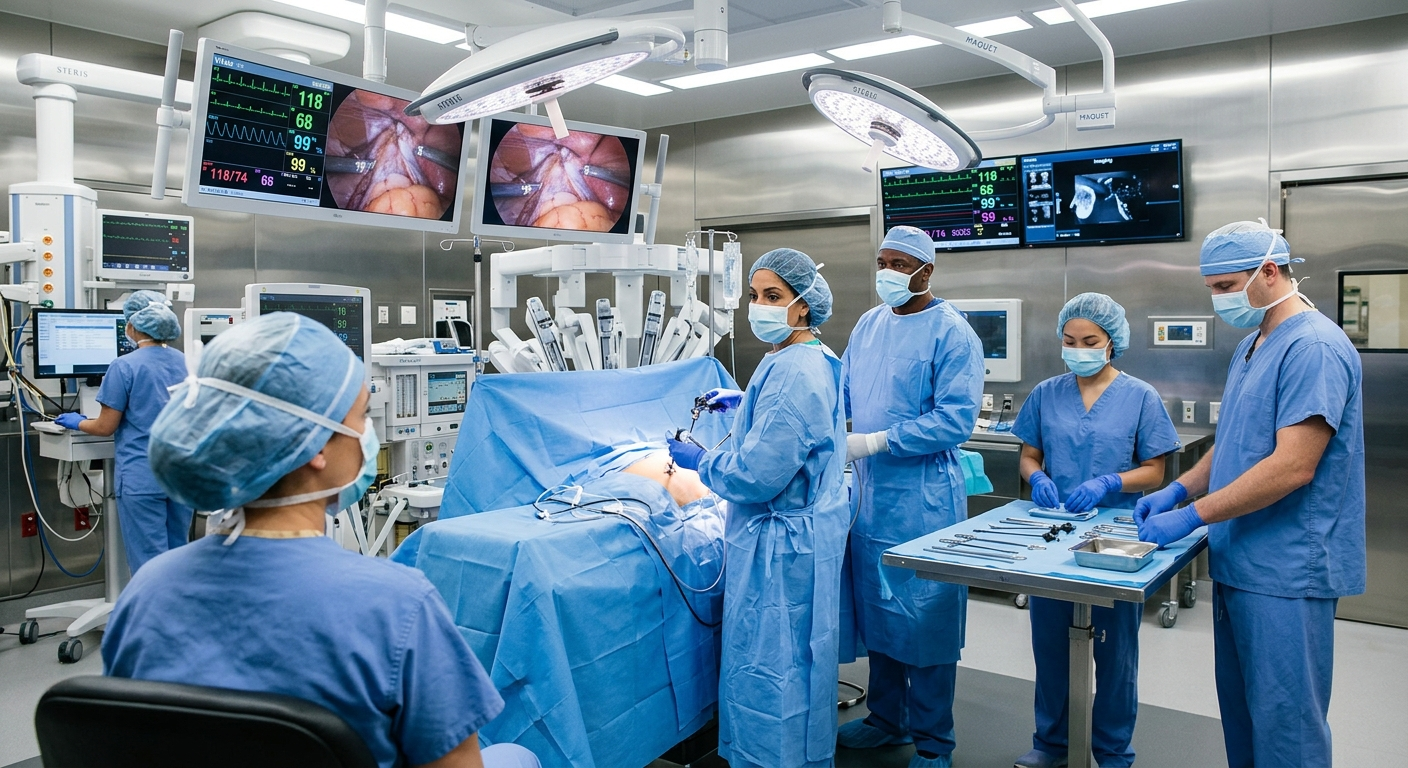
The Role of Bariatric Surgery in Long-Term Weight Management
It's vital to reiterate that bariatric surgery is a tool, not a cure. It provides a powerful physiological advantage, but sustained success hinges on a profound commitment to lifestyle changes. This includes:
- Adherence to a strict post-operative diet: Gradually progressing from liquids to pureed, soft, and then solid foods, focusing on protein and nutrient-dense options.
- Lifelong vitamin and mineral supplementation: To prevent deficiencies common after these procedures.
- Regular physical activity: Essential for maintaining muscle mass, improving metabolism, and overall well-being.
- Behavioral and psychological support: Addressing eating habits, emotional triggers, and developing healthy coping mechanisms.
- Regular follow-up with your medical team: To monitor progress, address concerns, and ensure long-term health.
When combined with these commitments, bariatric surgery can lead to dramatic and lasting improvements in health, often resolving or significantly improving conditions like type 2 diabetes, hypertension, sleep apnea, and joint pain, thereby enhancing quality of life and extending lifespan.
3. Your Bariatric Journey in Turkey: A Step-by-Step Process
Embarking on bariatric surgery in Turkey involves a structured, well-supported process designed to ensure your safety, comfort, and successful outcome. Here’s a typical step-by-step overview of what you can expect with Clyna's guidance:
Step 1: Initial Consultation and Eligibility Assessment
Your journey begins long before you step foot in Turkey.
- Online Inquiry: You'll typically start by contacting Clyna, expressing your interest and providing basic information about your health and weight loss goals.
- Medical Questionnaire & Photo Submission: You'll be asked to complete a detailed medical questionnaire, including your medical history, current medications, and any existing health conditions. You may also be asked to provide recent photos for an initial assessment.
- Virtual Consultation: Based on this information, Clyna will connect you with a qualified bariatric surgeon in Turkey for a virtual consultation (video call). During this call, the surgeon will review your case, discuss your eligibility, explain the suitable procedure options (e.g., Gastric Sleeve, Gastric Bypass), and answer your preliminary questions. This is a crucial step to determine if you are a good candidate for bariatric surgery.
- Personalized Treatment Plan & Quote: Following the consultation, you'll receive a personalized treatment plan outlining the recommended procedure, estimated costs, and what's included in the package. This is where you start to understand the value proposition of the best bariatric surgeon Turkey can offer.
Step 2: Pre-Operative Preparations and Medical Evaluations
Once you decide to proceed, the preparation phase begins.
- Detailed Medical Tests: You will undergo a series of medical tests in your home country (e.g., blood tests, ECG, chest X-ray, endoscopy, ultrasound) as requested by your Turkish surgeon. These results will be sent to the surgical team in Turkey for thorough review. This ensures you are medically fit for surgery and helps identify any potential risks.
- Dietary Counseling: You’ll receive guidance on a pre-operative diet, typically a low-calorie, high-protein liquid diet for 1-2 weeks before surgery. This helps shrink the liver, making the surgery safer and easier.
- Psychological Evaluation: Many clinics require a psychological assessment to ensure you are mentally prepared for the significant lifestyle changes post-surgery.
- Lifestyle Adjustments: You'll be advised to stop smoking, reduce alcohol consumption, and adjust certain medications as directed by your surgeon.
Step 3: Travel, Arrival, and Pre-Surgery Appointments
Clyna and the clinic team will assist with all logistics.
- Travel Arrangements: Clyna can help you arrange flights and accommodations. Many clinics offer all-inclusive packages that cover airport transfers, hotel stays, and hospital accommodation.
- Arrival in Turkey: Upon arrival at the airport (often Istanbul or Antalya), you'll typically be met by a dedicated driver who will transfer you to your hotel or directly to the clinic/hospital.
- Pre-Operative Appointments: The day before surgery, you'll have in-person consultations with your surgeon, anesthesiologist, and other members of the medical team. This is an opportunity to ask any remaining questions, undergo final medical checks, and sign consent forms. You'll also meet your patient coordinator and interpreter, who will be your main points of contact throughout your stay.
Step 4: The Procedure Day
This is the day of your surgery.
- Hospital Admission: You'll be admitted to the hospital, typically on the morning of your surgery.
- Final Preparations: You'll change into a hospital gown, and the nursing staff will prepare you for the operating room.
- Anesthesia: You'll meet the anesthesiologist again, who will administer general anesthesia.
- The Surgery: The bariatric procedure (e.g., Gastric Sleeve, Gastric Bypass) will be performed, usually laparoscopically (minimally invasive), which involves small incisions, less pain, and quicker recovery. The surgery typically lasts 1-3 hours.
- Recovery Room: After the surgery, you'll spend a few hours in a recovery room where medical staff will monitor your vital signs as you wake up from anesthesia.
Step 5: Post-Operative Hospital Stay and Initial Recovery
Your immediate recovery will be closely monitored.
- Hospital Ward: You'll be moved to a private hospital room. The typical hospital stay for bariatric surgery in Turkey is 3-4 nights.
- Pain Management: Pain medication will be administered to keep you comfortable.
- Early Mobilization: Nurses will encourage you to get up and walk short distances soon after surgery. This is crucial for preventing complications like blood clots and promoting healing.
- Liquid Diet: You'll start with sips of water, progressing to clear liquids as tolerated, under the strict guidance of the medical team.
- Medical Monitoring: The medical team will continuously monitor your progress, check for any signs of complications, and provide necessary care.
Step 6: Discharge, Follow-up, and Return Home
Preparing for your journey back and long-term success.
- Discharge from Hospital: Once deemed medically stable, you'll be discharged from the hospital. You'll receive detailed instructions on diet progression, medication, wound care, and activity restrictions.
- Hotel Recovery: You'll typically spend an additional 2-3 days recovering at your hotel before flying home. During this time, you may have a final check-up with your surgeon.
- Return Home: You'll be transferred back to the airport for your flight home.
- Post-Operative Support: Clyna and your chosen clinic will provide ongoing remote support, including dietary advice, psychological counseling, and medical guidance for your long-term recovery. Regular virtual follow-ups are standard to monitor your progress and address any concerns. This commitment to aftercare is a hallmark of an experienced bariatric surgeon Turkey provides.
This structured approach ensures that every aspect of your bariatric journey in Turkey is meticulously planned and executed, offering peace of mind and the best possible foundation for your new, healthier life.
4. Why Choose Turkey for Your Bariatric Surgery? Unparalleled Advantages
Turkey has rapidly ascended to become a global leader in medical tourism, particularly for complex procedures like bariatric surgery. Its appeal lies in a compelling combination of factors that make it an attractive and reliable choice for international patients seeking high-quality, affordable healthcare.
Exceptional Cost-Effectiveness
One of the most significant draws for medical tourists is the substantial cost savings. Bariatric surgery in Turkey can be 50-70% less expensive than in countries like the UK, USA, Germany, or Canada, without compromising on quality. This affordability stems from lower operational costs, favorable exchange rates, and a competitive healthcare market, making life-changing surgery accessible to a broader range of patients.
World-Class Healthcare Infrastructure
Turkey boasts a modern and rapidly developing healthcare sector. Many hospitals, especially in major cities like Istanbul and Antalya, are equipped with cutting-edge technology, state-of-the-art operating theaters, and advanced diagnostic tools.
- JCI-Accredited Hospitals: A significant number of Turkish hospitals hold Joint Commission International (JCI) accreditation. JCI is the gold standard for healthcare quality and patient safety, signifying that these facilities meet rigorous international benchmarks. This accreditation provides immense reassurance to international patients regarding the quality of care they will receive.
- Modern Technology: Turkish clinics invest heavily in the latest medical equipment, ensuring that patients benefit from advanced surgical techniques, such as minimally invasive (laparoscopic) surgery, which leads to quicker recovery times and reduced scarring.
Highly Experienced and Specialized Surgeons
Turkish bariatric surgeons are globally recognized for their expertise and experience.
- High Volume of Procedures: Due to the popularity of medical tourism and a large domestic patient base, Turkish surgeons perform a high volume of bariatric surgeries annually. This extensive practical experience translates into refined skills, better outcomes, and a deeper understanding of complex cases.
- International Training and Affiliations: Many leading Turkish bariatric surgeons have received training in Europe and the USA and maintain affiliations with international medical associations, ensuring they are up-to-date with the latest surgical techniques and best practices. When searching for the best bariatric surgeon Turkey, you'll find many with impressive credentials.
Comprehensive, All-Inclusive Packages
Turkish clinics excel in providing seamless medical tourism experiences. Many offer all-inclusive packages that typically cover:
- Medical Fees: Surgeon's fees, anesthesia, hospital stay, and operating room costs.
- Pre- and Post-Operative Care: Initial consultations, necessary tests, and follow-up appointments.
- Accommodation: Hotel stay for pre- and post-operative recovery.
- Transfers: Airport transfers and transportation between the hotel and hospital.
- Interpreter Services: Ensuring clear communication between the patient and medical staff.
- Dedicated Patient Coordinator: A single point of contact to assist with all aspects of the journey.
These packages simplify the process, reduce stress, and provide transparency in pricing.
Strategic Geographic Location and Accessibility
Turkey's unique geographical position, bridging Europe and Asia, makes it easily accessible from a vast number of countries. Short flight times from Europe, the UK, and the Middle East, coupled with excellent air connectivity to major cities like Istanbul and Antalya, make travel convenient and less taxing for patients.
A Unique Medical Tourism Experience
Beyond the medical advantages, Turkey offers a rich cultural experience. Patients can recover in a beautiful and welcoming environment, often combining their medical trip with a relaxing stay.
- Istanbul: A vibrant metropolis, offering world-class hospitals, historical sites, bustling markets, and exquisite cuisine. It's a major hub for medical tourism, with numerous clinics boasting an experienced bariatric surgeon Turkey has to offer.
- Antalya: Known for its stunning Mediterranean coastline, luxurious resorts, and a more relaxed atmosphere. It's an excellent choice for those seeking recovery in a tranquil, resort-like setting, while still having access to top-tier medical facilities.
This blend of high-quality, affordable care, experienced professionals, and a pleasant recovery environment makes Turkey an unparalleled choice for your bariatric surgery journey.

5. Cost Comparison: Bariatric Surgery in Turkey vs. Other Countries
The cost of bariatric surgery is a significant factor for many patients. While the exact price can vary based on the specific procedure, the clinic's reputation, the surgeon's experience, and the comprehensiveness of the package, Turkey consistently offers a highly competitive and affordable option without compromising on quality.
Here's a general cost comparison for common bariatric procedures (Gastric Sleeve and Gastric Bypass) across different regions, presented in EUR ranges:
| Country/Region | Gastric Sleeve (EUR) | Gastric Bypass (EUR) | Notes on Cost |
|---|---|---|---|
| Turkey | €3,500 - €6,500 | €4,500 - €8,000 | Often includes all-inclusive packages (surgery, hospital stay, transfers, accommodation, interpreter, initial follow-ups). |
| Germany | €10,000 - €18,000 | €12,000 - €22,000 | High-quality healthcare, but significantly higher labor and operational costs. |
| United Kingdom | €9,000 - €15,000 | €11,000 - €20,000 | Private healthcare costs are substantial; NHS waiting lists can be very long. |
| United States | €15,000 - €25,000+ | €18,000 - €30,000+ | Highest costs due to complex insurance systems, high labor costs, and medical malpractice premiums. |
Why the Significant Price Difference in Turkey?
Several factors contribute to Turkey's ability to offer such competitive pricing:
- Lower Operational Costs: The general cost of living, labor, and overheads for medical facilities in Turkey are considerably lower than in Western European countries or the USA.
- Favorable Exchange Rates: The Turkish Lira's exchange rate against major currencies like the Euro, Pound, and Dollar makes medical services more affordable for international patients.
- Government Support for Medical Tourism: The Turkish government actively promotes medical tourism, which encourages clinics to offer competitive pricing and high-quality services to attract international patients.
- High Volume of Procedures: As a popular medical tourism destination, Turkish surgeons perform a high volume of procedures, which can lead to economies of scale and more efficient processes, contributing to lower costs per procedure.
- Package Deals: Turkish clinics often bundle services into comprehensive packages, which can be more cost-effective than paying for individual components separately.
It's important to note that while the price difference is substantial, it does not reflect a compromise in quality. Turkish hospitals and surgeons maintain high international standards, as evidenced by numerous JCI accreditations and the strong reputation of an experienced bariatric surgeon Turkey can provide. When comparing costs, always ensure you understand what is included in the package to avoid hidden fees. Clyna helps provide transparent quotes from vetted clinics, ensuring you get the best value for your investment in health.
6. How to Choose the Right Bariatric Surgeon and Clinic in Turkey
Selecting the right bariatric surgeon and clinic is the most critical decision you'll make on your weight loss journey. It directly impacts your safety, the success of your surgery, and your overall experience. This section will guide you on how to choose bariatric surgeon Turkey by outlining essential criteria, certifications, and red flags to consider.
Crucial Criteria for Selecting Your Surgeon
When searching for the best bariatric surgeon Turkey has to offer, a thorough evaluation of their credentials and experience is non-negotiable.
Board Certification and Specialization
- Verify Credentials: Ensure the surgeon is board-certified in general surgery and, ideally, has specialized training and certification in bariatric or metabolic surgery. This indicates they have met rigorous standards of education, training, and expertise.
- Membership in Professional Organizations: Look for membership in reputable international and national bariatric surgery associations (e.g., IFSO - International Federation for the Surgery of Obesity and Metabolic Disorders, Turkish Surgical Association). These memberships often signify a commitment to ongoing education and adherence to best practices.
Experience and Volume of Procedures
- Years in Practice: While not the sole indicator, a surgeon with many years of experience in bariatric surgery is generally preferable.
- Volume of Bariatric Procedures: Ask about the number of bariatric surgeries the surgeon performs annually. High-volume surgeons tend to have lower complication rates and better outcomes. An experienced bariatric surgeon Turkey will typically perform hundreds of bariatric procedures each year.
- Specific Procedure Experience: Confirm their expertise in the specific procedure you are considering (e.g., Gastric Sleeve, Gastric Bypass, revision surgery).
Continuous Education and Advanced Techniques
- Up-to-Date Knowledge: A good surgeon stays abreast of the latest advancements in bariatric surgery techniques, research, and technology. Inquire about their participation in conferences, workshops, and ongoing training.
- Minimally Invasive Techniques: Confirm their proficiency in laparoscopic (keyhole) surgery, which is the standard for bariatric procedures due to its benefits for recovery.
Team Approach and Multidisciplinary Support
- Comprehensive Team: Bariatric surgery is a team effort. The surgeon should be part of a multidisciplinary team that includes an anesthesiologist, dietitian, psychologist, nurses, and patient coordinators. This holistic approach ensures all aspects of your care are covered.
- Aftercare Plan: A reputable surgeon and clinic will have a clear and robust aftercare plan, including dietary guidance, vitamin supplementation protocols, and long-term follow-up.
Communication and Empathy
- Clear Communication: The surgeon should be able to explain the procedure, risks, and benefits clearly and answer all your questions thoroughly, even through an interpreter.
- Empathetic Approach: A good surgeon understands the emotional journey of weight loss and approaches patients with empathy and support.
Evaluating the Clinic or Hospital
The facility where your surgery takes place is just as important as the surgeon.
Accreditation and Certifications (JCI, ISO)
- JCI Accreditation: Prioritize hospitals with Joint Commission International (JCI) accreditation. This is a globally recognized gold standard for patient safety and quality of care. Turkey has one of the highest numbers of JCI-accredited hospitals outside the US, particularly in Istanbul and Antalya. This is a strong indicator of a high-quality facility.
- ISO Certification: ISO (International Organization for Standardization) certifications, particularly ISO 9001 for quality management, also demonstrate a commitment to international standards.
Modern Technology and Facilities
- State-of-the-Art Equipment: Ensure the hospital has modern operating rooms, advanced laparoscopic equipment, and a well-equipped Intensive Care Unit (ICU) in case of emergencies.
- Cleanliness and Hygiene: While you might not see it directly, a JCI-accredited facility will adhere to stringent hygiene protocols. Online tours or photos can offer some insight.
Patient Support Services
- Dedicated Patient Coordinator: A dedicated coordinator who speaks your language and assists with all logistics (travel, accommodation, appointments) is invaluable.
- Interpreter Services: Essential for clear communication with all medical staff.
- Post-Operative Support: Inquire about the extent of post-operative support, including remote consultations, dietary advice, and access to the medical team after you return home.
Location: Istanbul vs. Antalya
Both Istanbul and Antalya offer excellent bariatric surgery options, but they cater to slightly different preferences:
- Istanbul: As Turkey's largest city and economic hub, Istanbul boasts a higher concentration of large, internationally accredited hospitals and a wider selection of highly specialized surgeons. It's ideal for those who prefer a bustling city environment with extensive cultural attractions and direct access to a vast network of medical professionals. Many of the best bariatric surgeon Turkey options are found here.
- Antalya: Located on the Mediterranean coast, Antalya offers a more relaxed, resort-like atmosphere. It's popular for patients who wish to combine their medical trip with a recovery period in a beautiful, tranquil setting. Antalya also has excellent, modern hospitals and experienced bariatric surgeons, often catering specifically to international patients seeking a more vacation-like recovery.
The Power of Patient Reviews and Testimonials
- Read Bariatric Surgery Turkey Reviews: Patient experiences offer invaluable insights. Look for detailed reviews on independent platforms, forums, and the clinic's website. Pay attention to consistency in positive feedback regarding the surgeon's skill, the team's support, and the overall patient experience.
- Look for Before & After Photos: These can demonstrate the surgeon's results and the clinic's commitment to patient success.
- Engage with Support Groups: Online bariatric surgery support groups often have members who have traveled to Turkey and can share firsthand experiences and recommendations.
Red Flags to Watch Out For
Be cautious of clinics or surgeons that:
- Offer Unrealistically Low Prices: While affordability is a draw, prices significantly lower than the average might indicate compromised quality, hidden fees, or inexperienced staff.
- Lack Transparency: Are unwilling to provide detailed information about the surgeon's credentials, the hospital's accreditations, or the full breakdown of costs.
- Promise Guaranteed Weight Loss: No surgeon can guarantee specific weight loss results. This is a red flag for unrealistic expectations.
- Pressure You into a Decision: A reputable clinic will allow you ample time to make an informed decision.
- Poor Communication: Difficulty getting clear answers, slow response times, or language barriers that aren't adequately addressed.
How Clyna Simplifies Your Choice
Clyna acts as your trusted partner in this critical decision-making process. We meticulously vet clinics and surgeons in Turkey based on all the criteria mentioned above. When you connect with Clyna, you gain access to:
- Pre-Vetted, Top-Tier Surgeons and Clinics: We partner only with JCI-accredited hospitals and highly qualified, experienced bariatric surgeon Turkey specialists.
- Transparent Information: We provide detailed profiles of surgeons, including their qualifications, experience, and patient testimonials.
- Personalized Matching: Based on your medical needs and preferences, we connect you with the most suitable surgeon and clinic.
- Seamless Coordination: We assist with virtual consultations, treatment plans, quotes, and all logistical arrangements, ensuring a smooth and stress-free journey.
- Ongoing Support: Our team is there for you from your initial inquiry through your recovery, ensuring you feel supported every step of the way.
By leveraging Clyna's expertise, you can confidently navigate the options and choose the best bariatric surgeon Turkey has to offer, setting the stage for a successful and life-changing experience.
7. Before Treatment: Your Comprehensive Preparation Checklist
Thorough preparation is key to a safe and successful bariatric surgery experience. This checklist covers essential steps to take before you travel to Turkey for your procedure.
Medical and Psychological Readiness
- Complete All Required Medical Tests: Your Turkish surgeon will provide a list of necessary pre-operative tests (e.g., blood tests, ECG, chest X-ray, abdominal ultrasound, endoscopy). Ensure these are completed well in advance and results are sent to your medical team in Turkey for review.
- Consult Your Local Doctor: Discuss your decision to have bariatric surgery abroad with your primary care physician. Inform them of your plans and ensure they are aware of your medical history and current health status. They can provide valuable insights and help manage any existing conditions.
- Psychological Evaluation: If required, complete your psychological assessment. This helps ensure you are mentally prepared for the significant lifestyle changes post-surgery and can cope with the emotional aspects of weight loss.
- Dental Check-up: Address any dental issues before surgery, as poor oral health can sometimes increase the risk of infection.
Dietary Adjustments: The Pre-Operative Diet
- Follow Your Surgeon's Diet Plan: You will receive specific instructions for a pre-operative diet, typically a low-calorie, high-protein liquid diet, for 1-2 weeks before surgery. This diet is crucial for shrinking your liver, making the surgery safer and easier to perform. Adhere to it strictly.
- Hydration: Increase your water intake.
- Avoid Sugary Drinks and Processed Foods: Begin to eliminate these from your diet.
Lifestyle Modifications
- Smoking Cessation: If you smoke, you must stop several weeks before surgery. Smoking significantly increases the risk of complications, including blood clots, pneumonia, and impaired wound healing. Your surgeon will likely require you to be smoke-free for a specified period.
- Alcohol Reduction/Cessation: Reduce or eliminate alcohol consumption in the weeks leading up to surgery, as it can interfere with anesthesia and recovery.
- Increase Physical Activity (if possible): Even light walking can improve your cardiovascular health and aid in post-operative recovery. Discuss appropriate activity levels with your local doctor.
Medication Review
- List All Medications: Provide your surgeon with a comprehensive list of all prescription medications, over-the-counter drugs, supplements, and herbal remedies you are taking.
- Adjust Medications: Your surgeon will advise you on which medications to stop, continue, or adjust before surgery (e.g., blood thinners, diabetes medications). Do NOT stop any prescribed medication without your doctor's explicit instruction.
- Vitamin Supplements: Discuss starting specific vitamin supplements pre-emptively, as you will need them lifelong post-surgery.
Travel and Logistics Planning
- Passport and Visa: Ensure your passport is valid for at least 6 months beyond your planned return date. Check if you need a visa for Turkey based on your nationality and apply well in advance if necessary.
- Travel Insurance: Purchase comprehensive travel insurance that specifically covers medical emergencies and, ideally, medical tourism. Read the policy carefully to understand what is covered.
- Flights and Accommodation: Confirm your flight details and hotel bookings. If you have an all-inclusive package, ensure all transfers are arranged.
- Financial Planning: Ensure you have sufficient funds for the procedure, any unforeseen expenses, and personal spending. Inform your bank of your travel plans to avoid issues with card usage abroad.
- Inform Loved Ones: Let family or friends know your travel itinerary and who to contact in case of an emergency.
What to Pack
- Comfortable Clothing: Loose-fitting, comfortable clothes are essential for your hospital stay and recovery. Think pajamas, sweatpants, and soft t-shirts.
- Slip-on Shoes: Easy to put on and take off, especially when you're recovering.
- Personal Toiletries: Your preferred shampoo, soap, toothbrush, etc.
- Entertainment: Books, e-reader, tablet, headphones to help pass the time during your hospital stay and recovery.
- Important Documents: Passport, visa (if applicable), flight tickets, hotel booking confirmations, medical test results, medication list, and contact details for your clinic and Clyna.
- Chargers: For all your electronic devices.
- Small Pillow: For comfort during travel and in the hospital, especially for protecting your abdomen when coughing or moving.
- Cash (local currency): For small purchases or tips.
By meticulously following this preparation checklist, you'll significantly reduce stress, enhance your safety, and set yourself up for the most successful bariatric surgery experience in Turkey.
8. After Treatment: Your Recovery Timeline Day-by-Day and Beyond
The recovery period after bariatric surgery is a crucial phase that requires patience, discipline, and adherence to medical advice. While individual experiences may vary, here’s a general timeline of what to expect during your recovery in Turkey and upon your return home.
Immediate Post-Operative Hospital Stay (Day 0-4)
- Day 0 (Surgery Day): You'll wake up in the recovery room, feeling groggy from anesthesia. Pain medication will be administered. You'll be moved to your hospital room, where nurses will monitor your vital signs closely. You'll likely have an IV for fluids and medication. No food or drink is allowed initially.
- Day 1: The medical team will encourage you to start walking short distances to prevent blood clots and aid recovery. You might be allowed small sips of water or ice chips. Pain management continues. You may feel some discomfort, nausea, or gas pain.
- Day 2: You'll continue to mobilize more frequently. You'll typically start a clear liquid diet (water, clear broth, sugar-free gelatin). Nurses will monitor your ability to tolerate liquids. The surgical drains (if any) might be removed.
- Day 3-4: If you're tolerating liquids well and your recovery is progressing, you'll likely be discharged from the hospital. Before discharge, you'll receive detailed instructions on your diet, medications, wound care, and activity restrictions. You'll typically transfer to your hotel for further recovery.
First Week Post-Discharge (Days 5-7)
- Hotel Recovery: You'll spend these days resting and recovering at your hotel. Continue to walk regularly, but avoid strenuous activity.
- Diet Progression: You'll remain on a clear liquid or full liquid diet, as instructed by your surgeon. Focus on hydration.
- Medication: Take prescribed pain relievers, anti-nausea medication, and any other supplements as directed.
- Final Check-up: You'll usually have a final check-up with your surgeon before flying home to ensure everything is healing correctly and to address any last-minute questions.
- Travel Home: You should be well enough to fly home, but ensure you move around frequently on the plane to prevent blood clots.
Weeks 2-4: Advancing Your Diet
- Full Liquid Diet: Continue with a full liquid diet (protein shakes, thin soups, yogurt, milk) for the first two weeks post-surgery. Protein intake is crucial for healing.
- Pureed Foods: Around week 3-4, you'll gradually transition to pureed foods. These should be smooth, lump-free, and high in protein (e.g., pureed chicken, fish, soft scrambled eggs, cottage cheese, pureed vegetables).
- Hydration: Continue to prioritize hydration between meals, not with meals.
- Activity: You can gradually increase your activity level, but avoid heavy lifting or intense exercise. Light walking is still recommended.
- Vitamin Supplements: Begin taking your lifelong vitamin and mineral supplements as prescribed by your surgeon.
Months 2-6: Embracing Solid Foods and Exercise
- Soft Foods: Around month 2, you'll progress to soft, easily chewable solid foods. Focus on lean proteins, cooked vegetables, and soft fruits. Chew thoroughly and eat slowly.
- Solid Foods: By month 3-4, most patients can reintroduce a wider variety of solid foods. Continue to prioritize protein, non-starchy vegetables, and healthy fats. Avoid sugary, fatty, and highly processed foods.
- Exercise Routine: Gradually incorporate a regular exercise routine. Start with brisk walking, then move to light cardio and strength training as tolerated. Consult your doctor for guidance on safe exercise.
- Weight Loss: This period often sees the most significant and rapid weight loss.
- Follow-up: Regular virtual follow-up appointments with your clinic and dietitian are essential to monitor your progress, address any concerns, and adjust your diet or supplements as needed.
Long-Term Recovery and Lifestyle Integration
- Lifelong Commitment: Bariatric surgery is a tool, not a cure. Long-term success depends on a lifelong commitment to dietary guidelines, vitamin supplementation, regular exercise, and behavioral changes.
- Nutritional Monitoring: Continue lifelong vitamin and mineral supplementation and regular blood tests to check for deficiencies.
- Support Groups: Consider joining local or online support groups. Sharing experiences with others who understand your journey can be incredibly beneficial.
- Addressing Excess Skin: As you lose significant weight, you may develop excess skin. Discuss options for body contouring surgery with your surgeon, typically after your weight has stabilized (12-18 months post-op).
- Psychological Well-being: Continue to monitor your mental health. Adjusting to a new body and lifestyle can be challenging, and professional support may be beneficial.
Your recovery is a journey of transformation. By diligently following your medical team's advice, especially from your experienced bariatric surgeon Turkey, you can maximize your weight loss, improve your health, and embrace a vibrant new chapter in your life.
9. Risks, Complications, and How to Minimize Them
While bariatric surgery is generally safe and highly effective, like any major surgical procedure, it carries potential risks and complications. It's crucial to be fully informed about these possibilities and understand how to minimize them.
General Surgical Risks
These risks are common to any major surgery, regardless of the specific procedure:
- Anesthesia Complications: Reactions to anesthesia, including respiratory problems, heart issues, or allergic reactions.
- Infection: At the surgical site or internally.
- Bleeding: Internal or external bleeding.
- Blood Clots: Deep vein thrombosis (DVT) in the legs or pulmonary embolism (PE) if a clot travels to the lungs.
- Heart Attack or Stroke: Rare but possible, especially in patients with pre-existing cardiovascular conditions.
- Hernia: Development of a hernia at the incision site.
- Death: A very rare but possible outcome, with mortality rates for bariatric surgery being very low (around 0.1-0.3%).
Specific Bariatric Surgery Risks
These complications are unique to bariatric procedures:
- Leakage: A leak from the staple line or anastomosis (connection points) in the stomach or intestines. This is a serious complication requiring immediate medical attention.
- Stricture/Stenosis: Narrowing of the stomach pouch or the connection between the stomach and small intestine, which can cause difficulty eating and vomiting.
- Ulcers: Development of ulcers in the stomach pouch or at the connection points.
- Dumping Syndrome: More common after gastric bypass, this occurs when food, especially high-sugar or high-fat items, moves too quickly from the stomach into the small intestine, causing symptoms like nausea, vomiting, diarrhea, sweating, and dizziness.
- Nutritional Deficiencies: Due to reduced food intake and/or malabsorption, patients are at risk for deficiencies in vitamins (e.g., B12, D, A, E, K), minerals (e.g., iron, calcium, zinc), and protein.
- Gallstones: Rapid weight loss can increase the risk of developing gallstones.
- Bowel Obstruction: Blockage of the small intestine, often due to adhesions or internal hernias (more common with gastric bypass).
- Excess Skin: While not a medical complication, significant weight loss often results in loose, sagging skin, which may require further cosmetic surgery.
- Regain Weight: If patients do not adhere to lifestyle changes, it is possible to regain some or all of the lost weight.
- Psychological Issues: Depression, anxiety, or body image issues can arise as patients adjust to their new body and lifestyle.
Strategies to Minimize Risks
Choosing the best bariatric surgeon Turkey and adhering to all medical advice are your most powerful tools for minimizing risks.
- Choose an Experienced and Qualified Surgeon: This is paramount. An experienced bariatric surgeon Turkey will have a proven track record, perform a high volume of procedures, and be adept at managing potential complications. Verify their board certification, specialization, and hospital affiliations.
- Select an Accredited Hospital: Opt for a JCI-accredited hospital with modern facilities, including a well-equipped ICU. This ensures high standards of patient safety and quality care.
- Thorough Pre-Operative Evaluation: Complete all recommended medical tests and psychological assessments. Be honest and transparent about your medical history. This helps the medical team identify and mitigate individual risks.
- Strict Adherence to Pre-Operative Instructions: Follow the pre-operative diet, stop smoking, and adjust medications exactly as instructed. These steps significantly reduce surgical risks.
- Active Participation in Post-Operative Care:
- Follow Dietary Guidelines: Adhere strictly to the progressive diet plan provided by your dietitian.
- Take Supplements Lifelong: Consistent intake of prescribed vitamin and mineral supplements is critical to prevent deficiencies.
- Stay Hydrated: Drink plenty of fluids between meals.
- Mobilize Early: Get up and walk as soon as medically cleared to prevent blood clots and promote healing.
- Attend Follow-up Appointments: Regular check-ups with your surgeon and dietitian are vital for monitoring your health and addressing any issues promptly.
- Open Communication: Maintain open communication with your medical team. Report any unusual symptoms, pain, or concerns immediately, both during your stay in Turkey and after returning home.
- Lifestyle Commitment: Understand that surgery is a tool. Long-term success and minimization of complications like weight regain depend on a lifelong commitment to healthy eating, regular exercise, and behavioral changes.
By taking these proactive steps and making informed choices, you can significantly enhance the safety and success of your bariatric surgery journey in Turkey.
10. Real Patient Journey Stories: Inspiring Transformations
Hearing about the experiences of others can provide invaluable insights and reassurance. Here are three realistic patient journey scenarios, highlighting different motivations, procedures, and successful outcomes with an experienced bariatric surgeon Turkey.

Patient Story 1: Sarah from the UK – A New Lease on Life with Gastric Sleeve
Background: Sarah, a 38-year-old from Manchester, UK, had struggled with her weight since her early twenties. At 120 kg (265 lbs) with a BMI of 42, she suffered from type 2 diabetes, severe knee pain, and sleep apnea. Despite numerous diets and gym memberships, she found herself in a cycle of temporary weight loss followed by regain. Frustrated by long NHS waiting lists and prohibitive private costs in the UK, she started researching bariatric surgery abroad.
Choosing Turkey: Sarah discovered Clyna and was impressed by the detailed information on bariatric surgery Turkey reviews and the profiles of experienced bariatric surgeon Turkey specialists. She had a virtual consultation with Dr. Demir, a highly-rated surgeon in Istanbul, who explained the Gastric Sleeve procedure and its benefits for her comorbidities. The all-inclusive package, covering flights, a 5-star hotel, transfers, and comprehensive aftercare, sealed her decision.
The Journey: Sarah flew to Istanbul, where she was met by a patient coordinator and an English-speaking interpreter. Her pre-op tests and consultations were smooth. The surgery itself was laparoscopic and lasted about 90 minutes. She spent 3 nights in a JCI-accredited hospital, receiving excellent care and pain management. She started walking on day 1 and was on a clear liquid diet. After discharge, she spent 4 days recovering in her hotel, enjoying light walks in a nearby park, before flying home.
Outcome: Within 12 months, Sarah lost 55 kg (121 lbs), reaching a healthy BMI. Her type 2 diabetes went into remission, her knee pain significantly improved, and her sleep apnea resolved. She continues to follow her dietary guidelines and exercises regularly. "Choosing Turkey was the best decision I ever made," Sarah shares. "The care was exceptional, Dr. Demir was fantastic, and Clyna made everything so easy. I have my life back."
Patient Story 2: Michael from Germany – Overcoming Comorbidities with Gastric Bypass
Background: Michael, a 52-year-old from Berlin, Germany, had a BMI of 48 and suffered from severe hypertension, high cholesterol, and debilitating acid reflux (GERD) in addition to his obesity. His local doctors recommended Gastric Bypass due to his complex health profile, but the cost in Germany was a major barrier.
Choosing Turkey: Michael meticulously researched how to choose bariatric surgeon Turkey and found Dr. Yılmaz, a renowned surgeon in Antalya, through Clyna. Dr. Yılmaz had extensive experience with complex cases and a high success rate for Gastric Bypass, specifically for patients with severe GERD. The clinic in Antalya was also JCI-accredited and known for its serene recovery environment.
The Journey: Michael appreciated the detailed pre-operative instructions and the virtual support from Dr. Yılmaz's team. He flew to Antalya, where he was welcomed and transferred to his hotel. His in-person consultations confirmed his suitability for the Roux-en-Y Gastric Bypass. The surgery was successful, and he spent 4 nights in the hospital. The nursing staff were attentive, and the dietitian provided clear instructions for his post-op liquid diet. He spent an additional 5 days recovering at a beachfront hotel, enjoying the peaceful surroundings before his flight back to Germany.
Outcome: Michael's recovery was steady. He experienced rapid improvement in his GERD symptoms and, within 6 months, his blood pressure and cholesterol levels normalized, allowing him to significantly reduce his medications. He lost 70 kg (154 lbs) over 18 months. "The professionalism of Dr. Yılmaz and his team was outstanding," Michael recounts. "They addressed all my concerns, and the follow-up care has been excellent. I feel healthier and more energetic than I have in decades."
Patient Story 3: Emily from the USA – Seeking Expertise for a Revision Surgery
Background: Emily, a 45-year-old from Texas, USA, had undergone a gastric band procedure 10 years prior. While initially successful, she had experienced complications, including band erosion and insufficient weight loss, and was now seeking a revision to a Mini Gastric Bypass. Finding a surgeon with specific expertise in revision surgery at an affordable price in the US proved challenging.
Choosing Turkey: Emily turned to Clyna, specifically looking for an experienced bariatric surgeon Turkey known for revision procedures. She was connected with Professor Kaya, a leading bariatric surgeon in Istanbul with a strong reputation for complex and revision surgeries. Professor Kaya's clinic offered advanced diagnostic tools and a specialized team for such cases. Emily reviewed numerous bariatric surgery Turkey reviews praising Professor Kaya's skill in challenging situations.
The Journey: Emily's pre-operative assessment was more extensive due to her previous surgery. Professor Kaya's team meticulously reviewed her old medical records and performed a comprehensive endoscopy. The revision surgery was more complex than a primary procedure but was performed successfully. Emily's hospital stay was 5 nights, given the nature of the revision. She received personalized care and detailed instructions for her recovery, which was slightly longer than a primary surgery.
Outcome: Emily's revision surgery was a success. The problematic gastric band was removed, and she transitioned smoothly to the Mini Gastric Bypass. She began losing weight steadily and, more importantly, her previous complications resolved. She lost an additional 40 kg (88 lbs) and felt significantly healthier and more comfortable. "Professor Kaya's expertise in revision surgery was exactly what I needed," Emily states. "I felt completely safe and understood throughout the entire process. Clyna helped me find the perfect surgeon for my unique situation, and I'm so grateful."
These stories underscore the high quality of care, expertise, and positive outcomes that patients experience when choosing bariatric surgery in Turkey through platforms like Clyna.
11. Frequently Asked Questions (FAQ)
Here are detailed answers to common questions about choosing the best bariatric surgeon Turkey and undergoing bariatric surgery.
Am I a candidate for bariatric surgery?
Generally, you are a candidate if you have a Body Mass Index (BMI) of 40 or higher, or a BMI of 35-39.9 with at least one obesity-related health condition (like type 2 diabetes, high blood pressure, severe sleep apnea). In some cases, a BMI of 30-34.9 with uncontrolled type 2 diabetes may also qualify. You must also have a history of failed weight loss attempts through diet and exercise and be committed to lifelong lifestyle changes. A thorough medical and psychological evaluation by a specialist is required to confirm your eligibility.
How much weight can I expect to lose?
Weight loss varies by procedure and individual adherence to lifestyle changes.
- Gastric Sleeve: Typically 60-70% of your excess weight within 12-18 months.
- Gastric Bypass (Roux-en-Y & Mini): Often 70-80% of your excess weight within 12-24 months.
- Gastric Balloon: Generally 10-15% of your total body weight over the 6-12 months the balloon is in place. It's crucial to remember that these are averages, and consistent effort post-surgery is key to maximizing and maintaining weight loss.
Is bariatric surgery painful?
Modern bariatric surgery is typically performed laparoscopically (minimally invasive), which means smaller incisions, less scarring, and generally less pain compared to open surgery. You will experience some discomfort and soreness after the procedure, but this is usually well-managed with prescribed pain medication during your hospital stay and initial recovery. Most patients report manageable pain levels.
How long is the recovery period?
- Hospital Stay: Typically 3-4 nights for Gastric Sleeve/Bypass.
- Initial Recovery in Turkey: An additional 2-5 days at your hotel before flying home.
- Return to Light Activities: Most patients can return to light, non-strenuous activities within 1-2 weeks.
- Return to Work: Depending on your job, you may need 2-4 weeks off work.
- Full Recovery & Strenuous Exercise: Full recovery and the ability to resume strenuous exercise usually take 6-8 weeks. The recovery is a gradual process, with dietary progression and increasing activity over several months.
What dietary changes will I need to make?
Dietary changes are significant and lifelong. You will follow a strict progressive diet:
- Clear Liquids: Immediately after surgery.
- Full Liquids: For the first 1-2 weeks (protein shakes, thin soups).
- Pureed Foods: For weeks 3-4 (smooth, high-protein foods).
- Soft Foods: For weeks 5-8 (easily chewable proteins, cooked vegetables).
- Solid Foods: Gradually reintroduced from month 2-3 onwards. You will need to eat small portions, chew thoroughly, eat slowly, prioritize protein, avoid sugary and fatty foods, and drink fluids between meals, not with them. Lifelong vitamin and mineral supplementation is also essential.
Will I have excess skin after weight loss?
Significant weight loss often results in loose, sagging skin, especially around the abdomen, arms, thighs, and breasts. The extent varies based on age, genetics, skin elasticity, and the amount of weight lost. While not a medical complication, it can be a cosmetic concern. Many patients consider body contouring or plastic surgery (e.g., abdominoplasty, arm lift) after their weight has stabilized, typically 12-18 months post-bariatric surgery.
What kind of follow-up care is provided?
Reputable clinics in Turkey, especially those partnered with Clyna, offer comprehensive post-operative support. This typically includes:
- In-person check-ups before you leave Turkey.
- Remote (virtual) follow-up consultations with your surgeon and dietitian for several months or even years.
- Access to a patient coordinator for questions and support.
- Guidance on diet, exercise, and vitamin supplementation. It's also crucial to establish follow-up care with your local doctor and a dietitian in your home country for long-term monitoring.
Do I need a visa to travel to Turkey for medical treatment?
Visa requirements depend on your nationality. Many countries, including most of Europe, the UK, and the USA, do not require a visa for short tourist stays (typically up to 90 days within a 180-day period). However, it's essential to check the latest visa regulations for your specific country of origin on the official Turkish Ministry of Foreign Affairs website or consult with Clyna for up-to-date information.
Is there a language barrier?
Most leading medical tourism clinics and hospitals in Turkey are well-equipped to handle international patients. They employ English-speaking medical staff, patient coordinators, and professional interpreters who will accompany you to all important appointments. Clyna ensures that language will not be a barrier to your care.
Can I travel alone for bariatric surgery?
While many patients travel alone, it is often recommended to have a companion, especially for the initial recovery period. A companion can provide emotional support, help with logistics, and assist if you feel unwell. If you travel alone, ensure you have strong support from your clinic's patient coordinator and a reliable way to communicate with loved ones back home.
What if I have complications after returning home?
This is a common concern. Reputable clinics and surgeons in Turkey provide clear instructions on what to do if you experience complications. They offer remote support and guidance, and in severe cases, may advise you to seek immediate medical attention from your local emergency services while keeping them informed. Choosing an experienced bariatric surgeon Turkey through Clyna ensures you have a reliable team committed to your long-term well-being.
How do I ensure the quality of the clinic and surgeon?
When searching for the best bariatric surgeon Turkey, look for:
- JCI Accreditation: For hospitals, this is a global benchmark for quality and safety.
- Surgeon's Qualifications: Board certification, specialization in bariatric surgery, and membership in international professional organizations (e.g., IFSO).
- Experience: High volume of procedures performed by the surgeon.
- Patient Reviews: Check bariatric surgery Turkey reviews on independent platforms.
- Transparency: The clinic should be open about costs, procedures, and aftercare. Clyna pre-vets all its partner clinics and surgeons based on these rigorous criteria, simplifying your choice.
Are there any age restrictions for bariatric surgery?
Generally, bariatric surgery is performed on adults aged 18 to 65. However, in specific cases, it may be considered for adolescents with severe obesity and comorbidities, or for older adults who are otherwise healthy and have a good life expectancy. Each case is evaluated individually based on overall health, not just age.
Can I get bariatric surgery if I have other health conditions?
Many patients seeking bariatric surgery have co-existing health conditions (comorbidities) such as type 2 diabetes, hypertension, sleep apnea, and joint problems. In fact, these conditions often strengthen the indication for surgery. However, all conditions must be thoroughly evaluated and managed before surgery to ensure it is safe. Your surgeon will assess your overall health during the pre-operative evaluations.
How does Clyna help me find the right surgeon?
Clyna acts as your trusted guide. We partner with only the most reputable, JCI-accredited clinics and highly experienced, board-certified bariatric surgeons in Turkey. We facilitate virtual consultations, provide transparent quotes, assist with travel logistics, and offer continuous support throughout your journey. Our goal is to connect you with the best bariatric surgeon Turkey for your specific needs, ensuring a safe, successful, and stress-free experience.
12. Conclusion: Your Successful Weight Loss Journey Starts with Clyna
The decision to undergo bariatric surgery is a monumental step towards a healthier, more fulfilling life. It's a journey that demands courage, commitment, and, most importantly, the right support system. Turkey has firmly established itself as a premier global destination for bariatric surgery, offering an unparalleled combination of advanced medical technology, highly skilled and experienced bariatric surgeon Turkey specialists, JCI-accredited hospitals, and significantly more affordable prices.
Navigating the choices and ensuring you find the best bariatric surgeon Turkey has to offer can feel daunting. This is where Clyna becomes your invaluable partner. We understand the hopes, fears, and questions that accompany such a life-changing decision. Our mission is to simplify this process, providing you with transparent information, connecting you with meticulously vetted clinics and surgeons, and offering comprehensive support every step of the way.
By choosing Clyna, you are not just selecting a medical tourism platform; you are choosing a dedicated team committed to your safety, comfort, and successful outcome. We empower you to make an informed decision, confident that you are receiving world-class care from an experienced bariatric surgeon Turkey is proud to host.
Your path to a healthier future is within reach. Let Clyna guide you to the expertise and care you deserve.
Ready to take the first step towards a new you?
Get Free Quote from top bariatric surgeons in Turkey today, or Browse Clinics to explore your options.
Related Guides

Ready to Start Your Medical Journey?
Get free personalized quotes from Turkey's top clinics.
Get Free Quote