
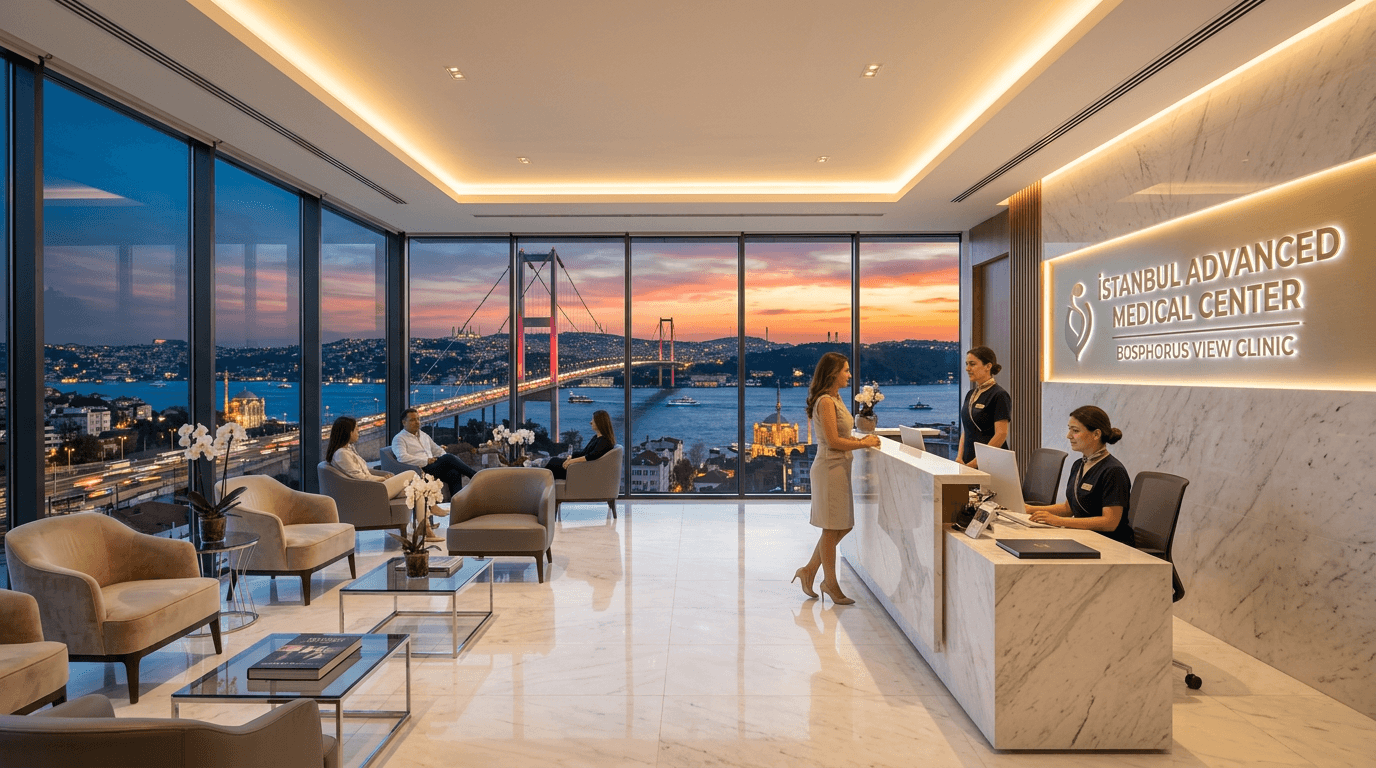
Plastic Surgery in Turkey: Costs, Surgeons & Safety Guide
Discover everything about plastic surgery in Turkey. From costs and top surgeons to all-inclusive packages, our guide ensures a safe, high-quality journey.
Discover why Turkey has become the world's premier destination for plastic surgery, with world-class surgeons, state-of-the-art facilities, and savings of 50-70% compared to Western countries.
Introduction: Why Turkey Leads the Global Plastic Surgery Market <a name="introduction"></a>
Turkey has emerged as the undisputed global leader in plastic surgery, attracting over 1 million medical tourists annually for cosmetic procedures. The country's strategic position at the crossroads of Europe and Asia, combined with its rich medical heritage dating back to the Ottoman Empire, has created a unique ecosystem where world-class surgical expertise meets exceptional value.
What makes Turkey truly exceptional is not just the cost savings—though they are substantial—but the comprehensive package that includes:
- Board-certified surgeons trained at prestigious institutions worldwide
- JCI-accredited hospitals meeting international standards
- All-inclusive packages covering surgery, accommodation, transfers, and aftercare
- Rich cultural experiences in historic cities like Istanbul and Antalya
The Turkish healthcare system has invested heavily in medical tourism infrastructure, with the government actively supporting the sector through tax incentives, streamlined visa processes, and quality certifications. This has created a competitive environment where clinics constantly innovate to offer better outcomes and experiences.
Did you know? Turkey performs over 500,000 cosmetic procedures annually, ranking among the top 5 countries globally for plastic surgery volume.
Overview of Plastic Surgery in Turkey <a name="overview"></a>
Types of Treatments Available
Turkish plastic surgeons offer the full spectrum of cosmetic and reconstructive procedures, from minimally invasive treatments to complex multi-procedure surgeries. The most popular categories include:
- Facial Procedures: Rhinoplasty, facelifts, blepharoplasty (eyelid surgery), otoplasty (ear surgery)
- Body Contouring: Liposuction, tummy tuck (abdominoplasty), Brazilian butt lift (BBL), arm lift
- Breast Surgery: Breast augmentation, breast lift, breast reduction, gynecomastia (male breast reduction)
- Reconstructive Surgery: Post-cancer reconstruction, burn scar revision, hand surgery
- Minimally Invasive: Botox, dermal fillers, chemical peels, laser treatments
Who is a Good Candidate?
Plastic surgery in Turkey is suitable for:
- Healthy individuals with realistic expectations about outcomes
- Patients seeking significant cost savings without compromising quality
- Those willing to travel and commit to a recovery period abroad
- People with specific aesthetic goals that align with Turkish surgeons' expertise
- Patients who have done thorough research and understand the process
However, candidates should be in good general health, non-smokers (or willing to quit), and have a stable body weight. Patients with uncontrolled chronic conditions like diabetes or hypertension may need additional clearance from their primary physician.
Latest Advances & Technologies
Turkish clinics are at the forefront of plastic surgery innovation, offering:
- 3D Imaging & Simulation: Advanced Vectra and Crisalix systems allow patients to preview results before surgery
- Minimally Invasive Techniques: Endoscopic facelifts, laser-assisted liposuction, and thread lifts
- Fat Grafting & Stem Cell Therapy: Using the patient's own fat and stem cells for natural-looking augmentation
- Robotic-Assisted Surgery: Precision tools for complex procedures
- Enhanced Recovery Protocols: ERAS (Enhanced Recovery After Surgery) programs reduce recovery time
Why Turkey for Plastic Surgery? <a name="why-turkey"></a>
Medical Infrastructure & Certifications
Turkey's healthcare system is regulated by the Ministry of Health and follows strict international standards. Key certifications include:
- JCI (Joint Commission International): Over 50 Turkish hospitals hold this gold standard accreditation
- ISO 9001: Quality management certification for clinics
- Turkish Ministry of Health: All clinics must obtain operating permits and undergo regular inspections
Major hospitals in Istanbul and Antalya rival those in Europe and the US, with state-of-the-art operating theaters, intensive care units, and diagnostic equipment.
Surgeon Expertise & Training
Turkish plastic surgeons undergo rigorous training:
- Medical School: 6 years of general medical education
- Specialization: 5-6 years in plastic, reconstructive, and aesthetic surgery
- Fellowships: Many complete additional training in the US, UK, or Germany
- Board Certification: Must pass national examinations and maintain continuing education
Many Turkish surgeons are members of international organizations like ISAPS (International Society of Aesthetic Plastic Surgery) and present at global conferences.
Cost Advantages: Comprehensive EUR Comparison
This is where Turkey truly shines. Here's a realistic comparison of average costs (in EUR):
| Procedure | Turkey | UK | USA | Germany |
|---|---|---|---|---|
| Rhinoplasty | €2,500-4,000 | €6,000-9,000 | €8,000-15,000 | €5,000-8,000 |
| Breast Augmentation | €3,000-5,000 | €6,000-9,000 | €7,000-12,000 | €5,500-8,500 |
| Tummy Tuck | €3,500-5,500 | €7,000-11,000 | €9,000-15,000 | €6,000-10,000 |
| Liposuction (3 areas) | €2,000-3,500 | €4,000-7,000 | €5,000-10,000 | €3,500-6,000 |
| Facelift | €4,000-7,000 | €8,000-14,000 | €12,000-20,000 | €7,000-12,000 |
| Brazilian Butt Lift | €3,500-5,500 | €7,000-11,000 | €10,000-18,000 | €6,000-10,000 |
| Breast Lift | €3,000-5,000 | €6,000-10,000 | €8,000-14,000 | €5,500-9,000 |
Total savings including flights and accommodation: 50-70% compared to Western countries.
Patient Experience & Support
Turkish clinics excel in patient care:
- Dedicated patient coordinators who speak multiple languages (English, Arabic, German, Russian)
- VIP transfer services from airport to hotel and clinic
- Luxury accommodation in 4-5 star hotels with nursing support
- 24/7 aftercare via WhatsApp or phone
- Post-operative follow-up including remote consultations
Many clinics offer "all-inclusive packages" that cover:
- Surgery fees (surgeon, anesthesia, hospital)
- Pre-operative tests and consultations
- 3-7 nights in a hospital or hotel
- Airport transfers
- Post-operative medications and garments
- Follow-up appointments
Treatment Options <a name="procedures"></a>
Rhinoplasty (Nose Job)
Rhinoplasty is the most popular plastic surgery procedure in Turkey, with surgeons performing over 100,000 nose jobs annually. Turkish surgeons are renowned for their expertise in both aesthetic and functional rhinoplasty, using advanced techniques that preserve nasal structure while achieving natural-looking results.
Key techniques: Open vs. closed rhinoplasty, ultrasonic rhinoplasty, preservation rhinoplasty
Read our complete guide to Rhinoplasty in Turkey →
Breast Augmentation
Breast augmentation using implants or fat transfer is the second most common procedure. Turkish clinics offer a wide range of implant options from leading manufacturers like Mentor, Allergan, and Motiva, with surgeons skilled in various incision and placement techniques.
Key considerations: Implant type (silicone vs. saline), placement (submuscular vs. subglandular), incision location (inframammary, periareolar, transaxillary)
Read our complete guide to Breast Augmentation in Turkey →
Liposuction
Liposuction procedures in Turkey use the latest technologies including VASER, laser-assisted (SmartLipo), and power-assisted techniques. Surgeons often combine liposuction with fat transfer procedures like BBL for comprehensive body contouring.
Target areas: Abdomen, thighs, arms, back, chin, love handles
Read our complete guide to Liposuction in Turkey →
Tummy Tuck (Abdominoplasty)
Abdominoplasty is ideal for patients with excess skin and weakened abdominal muscles after pregnancy or significant weight loss. Turkish surgeons offer full, mini, and extended tummy tucks, often combined with liposuction for optimal results.
Recovery: 2-4 weeks before returning to normal activities, with compression garments worn for 6-8 weeks
Read our complete guide to Tummy Tuck in Turkey →
Brazilian Butt Lift (BBL)
The BBL procedure involves liposuction from areas with excess fat (abdomen, thighs, back) followed by purification and injection into the buttocks. Turkish surgeons are known for their artistic approach to creating natural, proportionate curves.
Safety note: Reputable Turkish clinics follow strict safety protocols to minimize risks of fat embolism
Read our complete guide to BBL in Turkey →
Facelift & Neck Lift
Facelift procedures in Turkey range from minimally invasive thread lifts to full facelifts with neck contouring. Surgeons use advanced techniques like SMAS (Superficial Musculoaponeurotic System) lifts for long-lasting, natural results.
Complementary procedures: Often combined with blepharoplasty (eyelid surgery), brow lift, or fat grafting
Read our complete guide to Facelift in Turkey →
Breast Lift (Mastopexy)
Breast lift surgery addresses sagging breasts due to aging, pregnancy, breastfeeding, or weight loss. Turkish surgeons offer various techniques including crescent, vertical, and anchor lifts, with or without implant placement.
Ideal candidates: Women with good breast volume but drooping, or those wanting to combine lift with augmentation
Read our complete guide to Breast Lift in Turkey →
Gynecomastia Surgery
Male breast reduction is increasingly popular in Turkey, with surgeons using liposuction and glandular excision techniques. The country's expertise in this area attracts patients from across Europe and the Middle East.
Results: Permanent reduction of male breast tissue with minimal scarring
Read our complete guide to Gynecomastia Surgery in Turkey →
Cost Guide: Comprehensive Price Comparison <a name="cost-guide"></a>
Below is a detailed cost comparison table showing average prices in EUR across different countries. Note that these are base surgical fees and do not include travel or accommodation unless specified.
| Procedure | Turkey (EUR) | UK (EUR) | USA (EUR) | Germany (EUR) | Savings |
|---|---|---|---|---|---|
| Rhinoplasty | €2,500-4,000 | €6,000-9,000 | €8,000-15,000 | €5,000-8,000 | 55-70% |
| Breast Augmentation | €3,000-5,000 | €6,000-9,000 | €7,000-12,000 | €5,500-8,500 | 50-65% |
| Tummy Tuck | €3,500-5,500 | €7,000-11,000 | €9,000-15,000 | €6,000-10,000 | 50-65% |
| Liposuction (3 areas) | €2,000-3,500 | €4,000-7,000 | €5,000-10,000 | €3,500-6,000 | 50-65% |
| Facelift | €4,000-7,000 | €8,000-14,000 | €12,000-20,000 | €7,000-12,000 | 50-65% |
| Brazilian Butt Lift | €3,500-5,500 | €7,000-11,000 | €10,000-18,000 | €6,000-10,000 | 55-70% |
| Breast Lift | €3,000-5,000 | €6,000-10,000 | €8,000-14,000 | €5,500-9,000 | 50-65% |
| Eyelid Surgery | €1,500-2,500 | €3,000-5,000 | €4,000-7,000 | €3,000-5,000 | 50-65% |
| Otoplasty | €1,500-2,500 | €3,000-5,000 | €4,000-7,000 | €3,000-5,000 | 50-65% |
| Gynecomastia | €2,000-3,500 | €4,000-6,000 | €5,000-8,000 | €3,500-5,500 | 50-60% |
Package inclusions typically cover:
- Pre-operative consultation (virtual or in-person)
- Surgery and anesthesia fees
- 1-3 nights hospital stay (depending on procedure)
- Post-operative medications
- Compression garments
- Airport transfers
- 4-7 nights hotel accommodation with nursing support
- Follow-up appointments
Additional costs to budget for:
- Flights: €100-500 (depending on origin)
- Travel insurance: €30-100
- Extra hotel nights: €50-150/night
- Post-operative garments (if not included): €50-200
- Visa fees (if applicable): €20-80
How to Choose the Right Procedure and Clinic <a name="how-to-choose"></a>
Step 1: Define Your Goals
Start by clarifying what you want to achieve. Create a vision board with "before" photos and "desired outcome" images. Be realistic—no surgeon can make you look like someone else, but they can enhance your natural features.
Step 2: Research Procedures Thoroughly
Use our detailed guides to understand:
- What each procedure involves
- Recovery timelines
- Potential risks and complications
- Realistic outcomes
Step 3: Evaluate Clinics and Surgeons
When researching clinics in Turkey, look for:
Surgeon Credentials:
- Board certification in plastic surgery (Turkish Ministry of Health)
- Membership in ISAPS or national plastic surgery societies
- Years of experience and number of procedures performed
- Before-and-after photo galleries (request unedited photos)
Clinic Standards:
- JCI or ISO accreditation
- Hospital affiliation (not just a small clinic)
- Positive patient reviews on independent platforms
- Transparent pricing with no hidden fees
Step 4: Schedule Virtual Consultations
Most reputable Turkish clinics offer free virtual consultations. Prepare questions about:
- Surgical technique and approach
- Anesthesia type and qualifications of anesthesiologist
- Hospital facilities and emergency protocols
- Post-operative care and follow-up
- Total package cost and what's included
Step 5: Compare Packages
Use our clinic comparison tool to evaluate different packages side by side. Look beyond price—consider the surgeon's experience, hospital quality, and included services.
Red Flags to Avoid:
- Prices significantly lower than market average
- High-pressure sales tactics or limited-time offers
- Refusal to provide surgeon credentials
- No physical clinic address or hospital affiliation
- Negative reviews mentioning safety concerns
Top Cities for Plastic Surgery in Turkey <a name="top-cities"></a>
Istanbul
Istanbul is the epicenter of plastic surgery in Turkey, hosting the country's most renowned surgeons and best-equipped hospitals. The city's unique position straddling Europe and Asia means it attracts a diverse international patient base.
Why choose Istanbul:
- Concentration of expertise: Over 200 board-certified plastic surgeons practice here
- World-class hospitals: Acibadem, Memorial, Florence Nightingale, and many JCI-accredited facilities
- Cultural experience: Combine surgery with a visit to historic sites like Hagia Sophia, Blue Mosque, and Grand Bazaar
- International airport: Istanbul Airport serves 300+ destinations worldwide
Popular areas for medical tourism:
- Nisantasi: Upscale district with luxury clinics and hotels
- Levent: Business district with major hospitals
- Kadikoy: Asian side with more affordable options
Antalya
Antalya, on Turkey's Mediterranean coast, has emerged as a major medical tourism hub, particularly for patients seeking a combination of surgery and beachside recovery.
Why choose Antalya:
- Resort-like recovery: Many clinics partner with 5-star beachfront hotels
- Lower costs: Generally 10-15% cheaper than Istanbul
- Less crowded: More personalized attention and shorter wait times
- Climate: Warm weather year-round ideal for recovery
Popular areas:
- Lara: Beach district with luxury hotels
- Kemer: Resort town with excellent clinics
- City center: More affordable options with good hospitals
Other Notable Cities
- Ankara: The capital offers excellent hospitals and slightly lower costs
- Izmir: Western coastal city with growing medical tourism sector
- Bursa: Near Istanbul, known for thermal springs and lower prices
The Patient Journey: From Consultation to Recovery <a name="patient-journey"></a>
Phase 1: Research & Decision (4-8 weeks before surgery)
- Initial research: Browse our guides and clinic listings
- Virtual consultations: Speak with 2-3 shortlisted clinics
- Medical evaluation: Submit health questionnaire and photos
- Choose clinic & package: Compare and book
- Arrange travel: Book flights and confirm accommodation
Phase 2: Pre-Travel Preparation (2-4 weeks before)
- Medical tests: Complete blood work, ECG, and any required tests
- Stop smoking: Ideally 4-6 weeks before surgery
- Arrange time off: Plan 2-4 weeks of recovery leave
- Pack essentials: Compression garments, loose clothing, medications
- Arrange local support: Have someone accompany you if possible
Phase 3: Arrival & Surgery (Days 1-3)
Day 1: Arrival
- Airport pickup by clinic driver
- Check into hospital or hotel
- Final consultation with surgeon
- Pre-operative tests
Day 2: Surgery Day
- Arrive at hospital 2 hours before surgery
- Meet anesthesiologist
- Procedure (2-6 hours depending on complexity)
- Recovery room monitoring
- Transfer to room
Day 3: Post-Op Care
- Surgeon visit to check progress
- Pain management and wound care
- First dressing change
- Begin light walking (if applicable)
Phase 4: Recovery in Turkey (Days 4-10)
- Days 4-7: Hospital discharge to hotel with nursing support
- Days 7-10: Follow-up appointments, suture removal (if non-dissolvable)
- Ongoing: Pain management, swelling reduction, light activity
Phase 5: Return Home & Long-Term Recovery
- Week 2-4: Return to work (desk jobs), avoid heavy lifting
- Week 4-6: Gradual return to exercise
- Month 3: Significant swelling reduction, visible results
- Month 6-12: Final results visible
Remote follow-up: Most clinics offer virtual check-ins at 1, 3, 6, and 12 months post-surgery.
Safety & Quality Standards <a name="safety"></a>
Regulatory Framework
Turkey's Ministry of Health regulates all medical facilities through:
- Health Tourism Authorization Certificate: Required for clinics treating international patients
- Regular inspections: Unannounced visits to ensure compliance
- Quality indicators: Monitoring of infection rates, complication rates, and patient satisfaction
Hospital Accreditation
Look for these certifications:
- JCI (Joint Commission International): The gold standard for patient safety
- ISO 9001: Quality management systems
- Turkish Standards Institute (TSE): National quality certification
Surgeon Qualifications
Ensure your surgeon:
- Is board-certified by the Turkish Society of Plastic, Reconstructive and Aesthetic Surgery
- Has completed a minimum 5-year residency in plastic surgery
- Performs surgeries in accredited hospitals (not just small clinics)
- Has transparent complication rates and revision policies
Patient Safety Protocols
Reputable Turkish clinics follow strict protocols:
- Pre-operative screening: Comprehensive health assessment including blood tests, ECG, and specialist consultations
- Anesthesia safety: Board-certified anesthesiologists present for all surgeries
- Infection control: Sterile operating theaters with HEPA filtration
- Emergency preparedness: On-site ICU and transfer agreements with major hospitals
- Medication safety: Use of genuine, approved pharmaceuticals
Common Risks & How They're Managed
| Risk | Prevention | Management |
|---|---|---|
| Infection | Sterile technique, prophylactic antibiotics | Prompt treatment with culture-guided therapy |
| Blood clots | Early mobilization, compression stockings | Anticoagulation therapy |
| Anesthesia complications | Pre-op assessment, monitoring | Immediate intervention by anesthesiologist |
| Unsatisfactory results | Clear communication, 3D simulation | Revision surgery (often at reduced cost) |
| Scarring | Minimally invasive techniques, scar management | Laser therapy, silicone sheets |
Patient Rights & Recourse
- Informed consent: Detailed explanation of risks and benefits
- Complaint procedures: Formal process through Ministry of Health
- Legal recourse: Access to Turkish courts for malpractice claims
- Insurance: Many clinics carry malpractice insurance
Frequently Asked Questions <a name="faq"></a>
1. Is plastic surgery in Turkey safe?
Yes, when performed by board-certified surgeons in accredited facilities. Turkey has strict regulations, and many hospitals hold international JCI accreditation. The key is choosing a reputable clinic with transparent credentials and positive patient reviews.
2. How much can I save compared to my home country?
Patients typically save 50-70% on surgical fees compared to the UK, USA, or Western Europe. Even after including flights, accommodation, and travel expenses, total costs are significantly lower.
3. How long should I stay in Turkey?
Most patients stay 7-14 days, depending on the procedure. Minimally invasive treatments may require only 5-7 days, while major surgeries like facelifts or tummy tucks may need 10-14 days for initial recovery and follow-up.
4. Will I have a language barrier?
No. Major clinics employ multilingual patient coordinators who speak English, Arabic, German, Russian, and other languages. Most surgeons also speak English, and translation services are available if needed.
5. Can I combine multiple procedures?
Yes, many patients opt for combination surgeries (e.g., tummy tuck + liposuction, or breast augmentation + lift). This can save money and reduce overall recovery time. However, your surgeon will assess safety limits based on your health and the complexity of procedures.
6. What if I have complications after returning home?
Reputable clinics offer remote follow-up via video calls and WhatsApp. Most will cover the cost of revision surgery if needed (within a specified timeframe). Some clinics have partnerships with local doctors for post-operative care.
7. Do I need a visa for Turkey?
Many nationalities can enter Turkey visa-free for up to 90 days. Citizens of some countries (e.g., USA, UK, Canada) can obtain an e-Visa online before travel. Check the Turkish Ministry of Foreign Affairs website for your specific requirements.
8. How do I choose the right surgeon?
Look for board certification, years of experience, before-and-after photos (preferably unedited), hospital affiliation, and patient reviews. Schedule virtual consultations with at least 2-3 surgeons to compare approaches and personalities.
9. What should I pack for my surgery trip?
- Loose, comfortable clothing (front-opening shirts, elastic waist pants)
- Compression garments (if not provided by clinic)
- Slip-on shoes (no bending to tie laces)
- Medications (pain relievers, antibiotics as prescribed)
- Entertainment (books, tablet, headphones)
- Important documents (passport, visa, medical records)
10. How long until I see final results?
Initial results are visible after swelling subsides (2-4 weeks), but final results can take 6-12 months depending on the procedure. Rhinoplasty and facelift results continue to refine over 12 months, while breast augmentation results are more apparent at 3-6 months.
Start Your Journey <a name="cta"></a>
You've now gained a comprehensive understanding of plastic surgery in Turkey—the world-class expertise, the significant cost savings, and the safety standards that make this destination so popular.
Your next steps are simple:
- Browse our curated list of top-rated clinics — Each clinic has been vetted for quality, safety, and patient satisfaction
- Compare packages side by side — Use our comparison tool to find the best value for your specific needs
- Schedule free virtual consultations — Speak directly with surgeons to discuss your goals and get personalized quotes
- Read detailed procedure guides — Deepen your knowledge with our comprehensive articles on each treatment
Why Choose Clyna?
- Verified clinics: We only list clinics with proper accreditation and positive patient outcomes
- Transparent pricing: No hidden fees, no markups
- Expert guidance: Our content is reviewed by board-certified plastic surgeons
- Patient support: We help you navigate every step of your journey
Get Free Quote — Receive personalized quotes from top clinics within 24 hours
Browse Clinics — Explore our database of verified plastic surgery clinics in Turkey
Read Full Guide — Bookmark this page and return as you research
Disclaimer: This guide provides general information and should not replace professional medical advice. Always consult with a board-certified plastic surgeon about your specific health situation and treatment options.
Related Guides

Ready to Start Your Medical Journey?
Get free personalized quotes from Turkey's top clinics.
Get Free Quote