

Cataract Surgery in Turkey: Costs, IOL Types & Top Clinics
Considering cataract surgery in Turkey? Discover affordable costs, various IOL types like multifocal, and find the best clinics for your vision treatment.
Cataracts, a common age-related eye condition, can significantly diminish your quality of life, blurring your vision, dulling colors, and making everyday tasks challenging. While the prospect of surgery can be daunting, it is a highly effective and routine procedure that can restore clear vision and dramatically improve your independence. For many in Western countries, however, the path to clear sight is often obstructed by long waiting lists, prohibitive costs, or limited access to advanced technologies and premium lens options.
This is where Turkey emerges as a beacon of hope for international patients seeking world-class ophthalmic care. Renowned for its cutting-edge medical facilities, highly skilled surgeons, and remarkably affordable prices, cataract surgery in Turkey has become a top choice for medical tourists worldwide. Clyna.io is your trusted partner in navigating this journey, connecting you with Turkey's leading ophthalmology clinics that offer state-of-the-art cataract treatment in Turkey, including the latest IOL types for cataract surgery and advanced techniques like femtosecond laser cataract surgery Turkey.
This comprehensive guide will delve deep into everything you need to know about undergoing katarakt ameliyatı Türkiye. From understanding the procedure and exploring diverse katarakt lens çeşitleri to comparing cataract surgery cost Turkey and identifying the best cataract clinics Turkey, we aim to equip you with all the information necessary to make an informed decision. We'll address your concerns, demystify the process, and highlight why Turkey offers an unparalleled combination of quality, affordability, and a unique recovery experience.
Let's embark on a journey to rediscover the world through clear eyes.

1. Introduction
Imagine a world where colors are vibrant, details are crisp, and every face is clearly defined. For millions suffering from cataracts, this vision becomes increasingly clouded, literally. Cataracts, a natural part of aging for many, cause the eye's clear lens to become opaque, leading to blurry vision, glare, and difficulty seeing at night. While glasses can temporarily help, the only effective and lasting solution is cataract surgery – a procedure that replaces the cloudy lens with a clear artificial one.
However, the pursuit of clear vision often comes with significant hurdles in many countries. Extended waiting lists, particularly within public healthcare systems, can mean months or even years of living with impaired sight. Private treatment, while quicker, often carries a hefty price tag, making advanced lens options inaccessible for many. This disparity has fueled the rise of medical tourism, with Turkey emerging as a leading destination for high-quality, affordable, and immediate ophthalmic care.
Turkey offers a compelling proposition: state-of-the-art clinics equipped with the latest technology, highly experienced surgeons, and a patient-centric approach, all at a fraction of the cost found in the UK, Germany, or the USA. For those seeking cataract surgery in Turkey, the opportunity to combine a life-changing medical procedure with a culturally enriching travel experience is an irresistible draw.
At Clyna.io, we understand the anxieties and aspirations that come with seeking medical treatment abroad. Our mission is to simplify this journey, providing a seamless and trustworthy connection between international patients and the best cataract clinics Turkey has to offer. We meticulously vet clinics, ensuring they meet the highest international standards, employ expert ophthalmologists, and utilize cutting-edge techniques like femtosecond laser cataract surgery Turkey.
This guide is designed to be your ultimate resource, offering a deep dive into every aspect of katarakt ameliyatı Türkiye. We will explore the intricacies of the procedure, detail the various IOL types for cataract surgery (including advanced multifocal IOL Turkey options and katarakt lens çeşitleri), provide transparent information on cataract surgery cost Turkey (or katarakt ameliyatı fiyatları Türkiye), outline the step-by-step patient journey, and address common concerns. By the end of this guide, you will have a clear understanding of why Turkey is an excellent choice for your cataract treatment Turkey and how Clyna can facilitate your path to restored vision.
2. Detailed Explanation of Cataract Surgery
Cataract surgery is one of the most common and successful surgical procedures performed worldwide. Understanding what cataracts are, why surgery is needed, and the options available is crucial for any patient considering this life-changing treatment.
What are Cataracts?
A cataract is a clouding of the eye's natural lens, which lies behind the iris and the pupil. The lens works much like a camera lens, focusing light onto the retina at the back of the eye, where an image is recorded. It also adjusts the eye's focus, letting us see things clearly both up close and far away.
When the lens becomes cloudy due to a cataract, it scatters light rather than focusing it sharply, leading to blurred vision. This clouding typically develops slowly and painlessly, often affecting both eyes, though one may be more advanced than the other.
Common Symptoms of Cataracts:
- Cloudy, blurry, or dim vision: This is often the most noticeable symptom, making it feel like you're looking through a frosty or dirty window.
- Increasing difficulty with night vision: Driving at night can become hazardous due to reduced clarity and increased glare from headlights.
- Sensitivity to light and glare: Bright lights, sunlight, or even indoor lighting can cause discomfort.
- Halos around lights: You might see rings or halos around light sources.
- Fading or yellowing of colors: Colors may appear less vibrant or have a yellowish tint.
- Frequent changes in eyeglass or contact lens prescription: As the cataract progresses, your vision changes more rapidly.
- Double vision in one eye: Though less common, a cataract can sometimes cause double vision.
Causes of Cataracts: The most common cause is aging. As we age, the proteins in the lens can clump together, forming cloudy areas. Other factors can contribute to cataract development:
- Age: The vast majority of cataracts are age-related.
- Diabetes: People with diabetes are at a higher risk.
- Eye injury or inflammation: Trauma to the eye can cause cataracts.
- Previous eye surgery: Some eye surgeries can increase the risk.
- Prolonged use of corticosteroids: Certain medications can accelerate cataract formation.
- Excessive exposure to sunlight (UV radiation): UV light is believed to contribute to cataract development.
- Smoking and excessive alcohol consumption: These lifestyle factors can also increase risk.
Types of Cataracts:
- Nuclear Cataracts: Affect the center of the lens, causing the nucleus to become dense and yellow or brown. This can initially cause temporary improvement in near vision ("second sight") before worsening.
- Cortical Cataracts: Wedge-shaped opacities that begin at the edge of the lens and work their way to the center.
- Posterior Subcapsular Cataracts: Develop at the back of the lens, just under the lens capsule. These often progress more quickly and significantly impact reading vision, vision in bright light, and cause glare.
When is Cataract Surgery Necessary?
Cataracts are not removed until they begin to significantly interfere with your daily life, such as reading, driving, working, or pursuing hobbies. There is no medication, eye drop, or exercise that can make cataracts disappear once they have formed. Surgery is the only effective treatment.
Your ophthalmologist will recommend surgery based on:
- Your symptoms: How much your vision impairment affects your quality of life.
- Visual acuity tests: Measuring your vision with an eye chart.
- Impact on daily activities: If you can no longer safely drive, read, or perform essential tasks.
It's important to note that waiting too long for surgery can make the cataract harder to remove, potentially increasing surgical risks. However, modern techniques allow for safe removal even when cataracts are relatively mild, as long as they are impacting vision.
The Goal of Cataract Surgery
The primary goal of cataract treatment in Turkey is to restore clear vision by removing the cloudy natural lens and replacing it with a clear artificial intraocular lens (IOL). Beyond simply removing the cataract, modern cataract surgery also offers the opportunity to correct existing refractive errors like nearsightedness, farsightedness, and astigmatism, potentially reducing or eliminating the need for glasses or contact lenses after surgery.
Intraocular Lenses (IOLs): The Heart of Cataract Surgery
The choice of Intraocular Lens (IOL) is perhaps the most critical decision in cataract surgery in Turkey, as it will determine your vision quality for the rest of your life. IOLs are tiny, artificial lenses made of biocompatible materials that are implanted into the eye to replace the natural lens. Advances in IOL technology have been revolutionary, offering a wide range of options to suit different visual needs and lifestyles. These are often referred to as katarakt lens çeşitleri in Turkish.
Let's explore the main IOL types for cataract surgery:
Monofocal IOLs
- Description: These are the most common and traditional type of IOL. They have a single focal point, typically set for excellent distance vision.
- Benefits: Provide clear vision at one distance (usually far), are generally covered by insurance in many countries, and have a long track record of safety and effectiveness.
- Limitations: Patients will still need reading glasses or bifocals for near and intermediate vision (e.g., reading, computer work).
- Ideal for: Patients who don't mind wearing glasses for certain tasks or those with budget constraints.
Multifocal IOLs
- Description: Designed to provide clear vision at multiple distances – far, intermediate, and near. They achieve this by having different zones of power within the lens.
- Benefits: Significantly reduce or eliminate the need for glasses for most activities. Offer a good range of vision.
- Limitations: Some patients may experience halos or glare around lights, especially at night, during the initial adaptation period. This usually diminishes over time. A small percentage of patients may find their vision not as crisp at all distances compared to monofocal lenses at their specific focal point.
- Ideal for: Active individuals who desire greater independence from glasses for most daily activities. Multifocal IOL Turkey options are very popular due to their advanced technology and competitive pricing.
Trifocal IOLs
- Description: An advanced type of multifocal IOL, trifocal lenses provide distinct focal points for distance, intermediate (e.g., computer screen), and near vision (e.g., reading a book). They are designed to offer a more seamless transition between these distances.
- Benefits: Offer the broadest range of vision correction among premium IOLs, providing excellent clarity at all three key distances. Further reduces dependence on glasses.
- Limitations: Similar to multifocal IOLs, there can be an initial period of adaptation to halos and glare, though often less pronounced than earlier multifocal designs.
- Ideal for: Patients seeking the highest level of spectacle independence across all visual ranges.
Extended Depth of Focus (EDOF) IOLs
- Description: EDOF IOLs create a single elongated focal point to enhance a continuous range of vision, primarily from distance to intermediate. They achieve this without creating multiple distinct images, unlike multifocal lenses.
- Benefits: Provide excellent distance and intermediate vision with good functional near vision. They typically cause fewer visual disturbances (like halos and glare) compared to multifocal or trifocal IOLs, making them a good option for those sensitive to such effects.
- Limitations: While they offer functional near vision, it may not be as sharp as the dedicated near focus of a trifocal IOL, and some patients might still need reading glasses for very fine print.
- Ideal for: Patients who prioritize excellent distance and intermediate vision and want to minimize visual disturbances, accepting a slight compromise on very close-up vision.
Toric IOLs
- Description: Toric IOLs are specifically designed to correct astigmatism, a common refractive error caused by an irregularly shaped cornea. They have different powers in different meridians of the lens to compensate for the corneal irregularity.
- Benefits: Correct both the cataract and astigmatism in a single procedure, significantly improving uncorrected vision. Can be combined with monofocal, multifocal, or EDOF designs.
- Limitations: Requires precise alignment during surgery.
- Ideal for: Patients with significant astigmatism who want to reduce their dependence on glasses for distance vision.
Accommodative IOLs
- Description: These IOLs are designed to mimic the eye's natural ability to change focus by shifting position within the eye in response to the ciliary muscle.
- Benefits: Aims to provide a continuous range of vision, similar to the natural lens.
- Limitations: The degree of accommodation achieved can vary among individuals, and they may not provide as wide a range of vision as multifocal or trifocal IOLs. Less commonly used than other premium IOLs.
- Ideal for: A niche group of patients seeking a more natural focusing mechanism.
Premium IOLs: A Category of Advanced Vision Correction
Multifocal, Trifocal, EDOF, and Toric IOLs are often grouped under the umbrella term "Premium IOLs." They are considered premium because they offer advanced vision correction beyond just treating the cataract, aiming to reduce or eliminate the need for glasses. While they come at a higher cost, the investment can significantly enhance quality of life and visual freedom. Turkish clinics offer a wide array of these advanced katarakt lens çeşitleri at highly competitive prices.
The choice of IOL will be made in close consultation with your ophthalmologist, considering your lifestyle, visual needs, and eye health.
Femtosecond Laser-Assisted Cataract Surgery (FLACS) vs. Traditional Phacoemulsification
Beyond the choice of IOL, patients also have options regarding the surgical technique. Both traditional phacoemulsification and femtosecond laser cataract surgery Turkey are highly effective, but they differ in how certain steps of the procedure are performed.
Traditional Phacoemulsification
- Description: This is the most common and widely performed cataract surgery technique globally. It involves making a tiny incision in the cornea (the clear front surface of the eye) with a surgical blade. A small probe is then inserted, which emits ultrasound waves to break up (emulsify) the cloudy lens into tiny fragments. These fragments are then suctioned out of the eye. Finally, the artificial IOL is inserted through the same incision and unfolded into place.
- Benefits: Highly successful, safe, and efficient procedure with a long track record. It's less invasive than older methods and typically results in a quick recovery.
- Limitations: Relies on the surgeon's manual skill for incisions and capsulorhexis (opening the lens capsule). The amount of ultrasound energy used can vary.
Femtosecond Laser-Assisted Cataract Surgery (FLACS)
- Description: FLACS utilizes a high-precision femtosecond laser to perform several critical steps of the cataract procedure that are traditionally done manually. These steps include:
- Corneal Incisions: The laser creates precise, self-sealing incisions in the cornea, which can be customized in size and location.
- Anterior Capsulotomy: The laser creates a perfectly circular and centered opening in the lens capsule (capsulorhexis), which is crucial for stable IOL placement and optimal visual outcomes, especially with premium IOLs.
- Lens Fragmentation: The laser pre-softens and fragments the cataractous lens into smaller pieces. This reduces the amount of ultrasound energy needed during the phacoemulsification step, potentially leading to less trauma to the eye and a faster recovery.
- Benefits:
- Enhanced Precision: The laser offers unparalleled accuracy, particularly for the capsulotomy and incisions.
- Reduced Ultrasound Energy: Less ultrasound energy means less stress on the eye's delicate internal structures, potentially leading to a gentler procedure and quicker visual recovery.
- Improved IOL Centration: A perfectly circular and centered capsulorhexis helps ensure the IOL is perfectly positioned, which is especially important for multifocal and toric IOLs to achieve their full visual potential.
- Astigmatism Correction: The laser can also be used to create precise arcuate incisions in the cornea to correct mild astigmatism at the time of surgery.
- Limitations: Generally more expensive than traditional phacoemulsification due to the advanced technology involved. Not all cataracts are suitable for FLACS, and the surgeon's skill remains paramount.
Which Method is Right for You?
The choice between traditional phacoemulsification and FLACS depends on several factors, including the characteristics of your cataract, your eye health, the type of IOL chosen, and your budget. Your ophthalmologist in Turkey will discuss both options with you, explaining the pros and cons based on your individual case. Many of the best cataract clinics Turkey offers are equipped with femtosecond laser technology, providing patients with access to this advanced option.
3. Step-by-Step Process of Cataract Surgery in Turkey
Embarking on a medical journey abroad might seem complex, but with Clyna.io, the process for cataract surgery in Turkey is streamlined and patient-friendly. Here's a detailed breakdown of what you can expect, from your initial inquiry to your post-operative care.
Step 1: Initial Consultation & Pre-operative Assessment (Remote & On-site)
Your journey begins even before you set foot in Turkey.
- Clyna's Role: You start by contacting Clyna.io. Our patient coordinators will gather your initial medical information, including your current eye condition, medical history, and any previous diagnoses. We will then connect you with suitable, pre-vetted clinics and surgeons in Turkey.
- Remote Consultation: Many clinics offer remote consultations (via video call) with the ophthalmologist. You'll discuss your symptoms, expectations, and any concerns. The surgeon will review your submitted medical records and provide a preliminary assessment and treatment plan, including potential IOL options and an estimated cataract surgery cost Turkey.
- On-site Comprehensive Eye Examination: Once you arrive in Turkey, a thorough in-person examination is conducted. This is crucial for precise diagnosis and surgical planning. It typically includes:
- Visual Acuity Test: To measure your current vision.
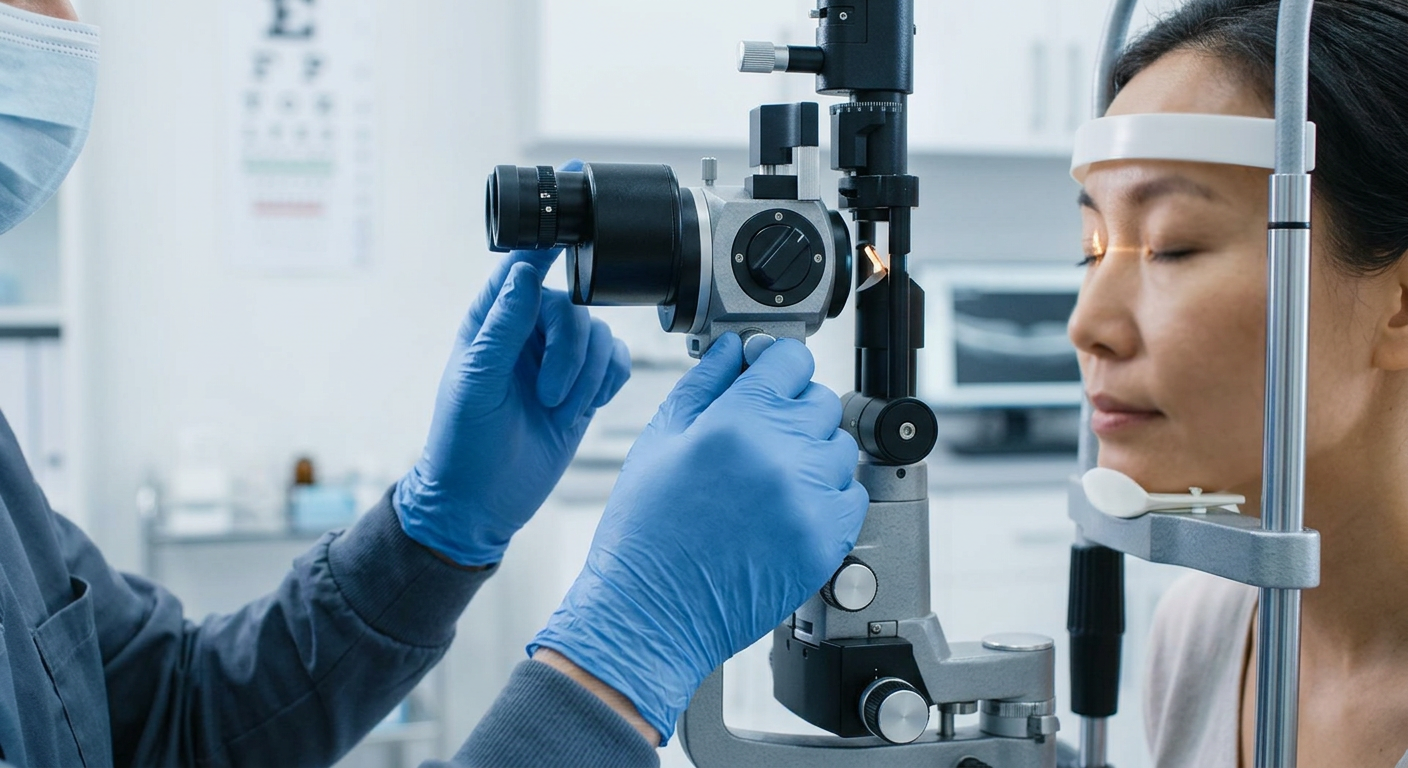
- Slit Lamp Examination: To examine the structures of your eye in detail, including the cataract.
- Tonometry: To measure your eye pressure.
- Pupil Dilation: To allow for a better view of the retina and optic nerve.
- Biometry: This is a critical measurement that precisely calculates the power of the Intraocular Lens (IOL) needed for your eye. It uses advanced technology to measure the length of your eye and the curvature of your cornea.
- Corneal Topography/Tomography: To map the curvature of your cornea, especially important if you have astigmatism and are considering toric IOLs.
- Optical Coherence Tomography (OCT): To assess the health of your retina and optic nerve.
- Discussion of IOL Options: Based on these detailed measurements and your lifestyle, the surgeon will finalize the recommended IOL types for cataract surgery (e.g., monofocal, multifocal IOL Turkey, trifocal, toric) and explain the benefits and potential trade-offs of each.
- General Health Check: You will also undergo a general health check, including blood tests and possibly an ECG, to ensure you are fit for surgery. This is a standard safety protocol for any surgical procedure.
Step 2: Preparation for Surgery
Once the pre-operative assessments are complete and you've decided on the treatment plan, the clinic staff will provide detailed instructions for the day of surgery.
- Medication Review: You'll be asked to provide a list of all medications you are currently taking. You may need to temporarily stop certain medications, such as blood thinners, a few days before surgery, under your doctor's guidance.
- Eye Drops: You might be prescribed antibiotic or anti-inflammatory eye drops to start a few days before surgery to prepare your eye and prevent infection.
- Fasting: You will typically be instructed not to eat or drink anything for several hours before the procedure.
- Logistics: For international patients, Clyna.io assists with arranging accommodation, airport transfers, and interpreter services to ensure a smooth and stress-free experience. It's advisable to have a companion with you, especially for the day of surgery and immediate recovery.
- Mental Preparation: It's natural to feel a little anxious. The clinic staff and Clyna's team are there to answer any last-minute questions and reassure you.
Step 3: The Cataract Surgery Procedure
Cataract surgery is typically an outpatient procedure, meaning you go home the same day. It's remarkably quick and usually takes only 15-30 minutes per eye.
- Arrival at Clinic: You'll arrive at the clinic, check-in, and be guided to a preparation area.
- Pre-op Drops: Eye drops will be administered to dilate your pupil and numb your eye.
- Anesthesia: Most cataract surgery in Turkey is performed under local anesthesia (topical eye drops or an injection around the eye) to numb the eye completely, so you won't feel any pain. Sometimes, a mild sedative is given to help you relax. You will be awake but comfortable.
- Positioning: You'll lie on your back under a surgical microscope. A sterile drape will be placed over your face, with an opening for the eye being operated on. An eyelid speculum will gently hold your eyelids open to prevent blinking.
- The Surgical Steps (Phacoemulsification):
- Incision: The surgeon makes a tiny incision (usually 2-3 mm) at the edge of the cornea.
- Capsulorhexis: A circular opening is created in the anterior capsule of the lens, which holds the cataract.
- Phacoemulsification: A small ultrasonic probe is inserted through the incision. The probe emits high-frequency sound waves that break up the cloudy lens into tiny fragments.
- Aspiration: These fragments are then gently suctioned out of the eye.
- IOL Insertion: A folded Intraocular Lens (IOL) is inserted through the same small incision. Once inside the eye, the IOL unfolds and is carefully positioned within the natural lens capsule.
- Wound Sealing: The tiny incision is usually self-sealing and often requires no stitches.
- The Surgical Steps (Femtosecond Laser-Assisted Cataract Surgery - FLACS): If you opt for femtosecond laser cataract surgery Turkey, the initial steps (corneal incisions, capsulotomy, and lens fragmentation) are performed by the laser before the surgeon completes the phacoemulsification and IOL insertion manually. This adds a layer of precision and gentleness to the procedure.
- Immediate Post-op: After the surgery, your eye will be covered with a protective shield or patch. You'll rest for a short period in a recovery area.
Step 4: Immediate Post-operative Care & Discharge
- Instructions: Before discharge, the medical team will provide detailed instructions on how to care for your eye, including the schedule for eye drops (antibiotics and anti-inflammatory), activity restrictions, and what symptoms to expect.
- Eye Protection: You'll be advised to wear the protective eye shield, especially while sleeping, for a few days to prevent accidental rubbing or pressure on the eye.
- Follow-up: Your first post-operative check-up is usually scheduled for the very next day. This is crucial for the surgeon to assess your healing and vision.
- Going Home: You will need someone to drive you back to your accommodation, as your vision may be blurry, and you may still feel the effects of any sedative.
The entire process, from consultation to discharge, is designed for your comfort and safety, ensuring a smooth experience for your katarakt ameliyatı Türkiye.
4. Benefits and Advantages of Getting Cataract Surgery in Turkey
Turkey has rapidly ascended as a global leader in medical tourism, particularly for ophthalmic procedures like cataract surgery in Turkey. The country offers a unique blend of high-quality care, advanced technology, experienced professionals, and significant cost savings, making it an incredibly attractive option for international patients. Here's why choosing Turkey for your cataract treatment Turkey is an advantageous decision:
World-Class Medical Infrastructure
- JCI-Accredited Hospitals: A significant number of hospitals and clinics in Turkey, especially in major cities like Istanbul and Antalya, hold Joint Commission International (JCI) accreditation. JCI is the gold standard for patient safety and quality of care in healthcare globally. This accreditation signifies that these facilities meet rigorous international standards, ensuring you receive care comparable to or exceeding that in Western Europe or North America.
- State-of-the-Art Technology: Turkish clinics invest heavily in the latest diagnostic and surgical equipment. This includes advanced biometry devices for precise IOL calculations, sophisticated operating microscopes, and cutting-edge laser systems for femtosecond laser cataract surgery Turkey. Patients have access to the full spectrum of IOL types for cataract surgery, including the most advanced multifocal IOL Turkey and trifocal lenses, ensuring optimal visual outcomes.
Highly Experienced and Qualified Surgeons
- International Training and Expertise: Many Turkish ophthalmologists have received training and fellowships in leading institutions in Europe and the USA. They are often members of prestigious international ophthalmic societies like the European Society of Cataract and Refractive Surgeons (ESCRS).
- High Volume of Procedures: Due to a robust local demand and a thriving medical tourism sector, Turkish surgeons perform a high volume of cataract surgeries annually. This extensive experience translates into refined surgical skills and a deep understanding of complex cases, contributing to excellent success rates.
- English-Speaking Staff: To cater to international patients, most reputable clinics employ English-speaking surgeons, nurses, and patient coordinators, ensuring clear communication throughout your journey.
Significant Cost Savings
- Affordability Without Compromise: This is arguably one of the most compelling reasons for choosing cataract surgery in Turkey. The cataract surgery cost Turkey (or katarakt ameliyatı fiyatları Türkiye) can be anywhere from 50% to 70% less than in countries like the UK, Germany, or the USA, even when including travel and accommodation. This affordability does not come at the expense of quality; rather, it's a result of lower operational costs, favorable exchange rates, and a different economic structure.
- Access to Premium IOLs: The cost savings often mean that patients can afford premium katarakt lens çeşitleri (like multifocal or trifocal IOLs) that might be prohibitively expensive in their home countries, allowing for greater spectacle independence.
No Waiting Lists
- Immediate Access to Treatment: Unlike many public healthcare systems where patients might wait months or even years for cataract surgery, Turkey offers immediate access to appointments and procedures. This is a crucial advantage for those whose vision impairment significantly impacts their quality of life.
Comprehensive Medical Tourism Packages
- All-Inclusive Services: Many Turkish clinics, often facilitated by platforms like Clyna.io, offer comprehensive medical tourism packages. These can include airport transfers, comfortable accommodation, interpreter services, and dedicated patient coordinators who assist you every step of the way. This holistic approach minimizes stress and allows you to focus solely on your recovery.
A Unique Recovery Experience
- Combine Treatment with Travel: Undergoing cataract surgery in Turkey offers the unique opportunity to combine your medical treatment with a memorable travel experience. Cities like Istanbul and Antalya are not just medical hubs but also vibrant cultural and historical destinations.
- Istanbul: A city where East meets West, offering a rich tapestry of history, stunning architecture (Hagia Sophia, Blue Mosque), bustling bazaars, and exquisite cuisine. It's a major hub for advanced medical facilities.
- Antalya: Known for its beautiful Mediterranean coastline, ancient ruins, and luxurious resorts, Antalya provides a more relaxed and recuperative environment, ideal for a peaceful recovery.
- Cultural Immersion: Patients can enjoy the warm hospitality, delicious food, and rich history of Turkey during their recovery period, turning a necessary medical procedure into an enriching personal journey.

By choosing Turkey, facilitated by Clyna.io, you're not just opting for a medical procedure; you're choosing an experience that prioritizes your health, comfort, and overall well-being.
5. Cost Comparison: Cataract Surgery in Turkey vs. Other Countries
One of the most compelling reasons for the growing popularity of cataract surgery in Turkey is its exceptional affordability without compromising on quality. The cataract surgery cost Turkey (or katarakt ameliyatı fiyatları Türkiye) is significantly lower than in many Western countries, making advanced procedures and premium IOLs accessible to a wider range of patients.
The prices below are approximate ranges in Euros (€) and can vary based on the clinic's reputation, the surgeon's experience, the specific IOL brand chosen, the technology used (e.g., traditional vs. femtosecond laser), and whether the package includes accommodation and transfers. These figures typically represent the cost for one eye.
| Country | Monofocal IOL (per eye) | Multifocal/Trifocal/EDOF IOL (per eye) | Toric IOL (Monofocal) (per eye) | Toric IOL (Multifocal/Trifocal/EDOF) (per eye) |
|---|---|---|---|---|
| Turkey | €1,500 - €2,500 | €2,500 - €4,500 | €2,000 - €3,000 | €3,000 - €5,500 |
| Germany | €2,500 - €4,500 | €4,500 - €7,000 | €3,000 - €5,000 | €5,000 - €8,000 |
| UK | €2,800 - €5,000 | €5,000 - €8,500 | €3,500 - €5,500 | €5,500 - €9,500 |
| USA | €3,500 - €6,000 | €6,000 - €10,000+ | €4,000 - €7,000 | €7,000 - €12,000+ |
Important Considerations for Cost:
- What's Included: Always clarify what is included in the quoted price. Turkish clinics often offer packages that cover the surgery, IOLs, pre-operative tests, post-operative check-ups, medication, and sometimes even transfers and accommodation. In other countries, these might be separate costs.
- Technology: Femtosecond laser cataract surgery Turkey (FLACS) is generally more expensive than traditional phacoemulsification due to the advanced equipment involved.
- IOL Brands: The cost can vary depending on the specific brand and model of the IOL chosen. Premium IOLs from reputable manufacturers are widely available in Turkey.
- Surgeon's Fees: Highly experienced and renowned surgeons may have slightly higher fees, reflecting their expertise.
- Currency Fluctuations: As prices are often quoted in Euros or Turkish Lira, exchange rate fluctuations can impact the final cost for patients paying in other currencies.
As you can see, the cataract surgery cost Turkey offers a significant financial advantage, making advanced katarakt lens çeşitleri and cutting-edge procedures like femtosecond laser cataract surgery Turkey much more accessible. This allows patients to choose the best possible visual outcome for their needs without the burden of exorbitant prices.
6. How to Choose the Right Clinic for Cataract Surgery in Turkey
Selecting the right clinic and surgeon for your cataract surgery in Turkey is paramount to ensuring a safe, successful, and satisfying experience. With numerous options available, it's essential to know what criteria to prioritize. Clyna.io simplifies this process by pre-vetting clinics, but understanding these factors empowers you to make an informed decision.
Essential Criteria for Clinic Selection
-
Accreditation and Certifications:
- JCI (Joint Commission International) Accreditation: This is the gold standard for international healthcare quality and patient safety. A JCI-accredited hospital or clinic signifies adherence to the highest global standards in patient care, infection control, and facility management. Always look for this.
- ISO Certifications: ISO (International Organization for Standardization) certifications, particularly ISO 9001 for quality management, indicate a commitment to consistent quality and patient satisfaction.
-
Surgeon's Experience and Qualifications:
- Board Certification: Ensure your surgeon is board-certified in ophthalmology.
- Specialization: Look for surgeons with extensive experience specifically in cataract and refractive surgery.
- Number of Procedures: Inquire about the surgeon's volume of cataract surgeries performed annually. High volume often correlates with greater expertise and lower complication rates.
- International Training/Affiliations: Surgeons with training from reputable international institutions or affiliations with global ophthalmic societies (e.g., ESCRS) often bring a broader perspective and advanced techniques.
- Patient Reviews and Testimonials: Look for independent reviews and testimonials from previous patients, paying attention to comments about the surgeon's skill, communication, and bedside manner.
-
Technology and Equipment:
- Advanced Diagnostic Tools: The clinic should have state-of-the-art equipment for pre-operative assessments, including advanced biometry (e.g., IOLMaster, Lenstar) for precise IOL calculations, corneal topography, and OCT.
- Surgical Technology: Inquire about the surgical techniques offered. Does the clinic provide femtosecond laser cataract surgery Turkey (FLACS) in addition to traditional phacoemulsification? What brands of IOLs are available (e.g., leading brands for multifocal IOL Turkey, trifocal, EDOF, toric lenses)?
- Sterilization Protocols: Ensure the clinic adheres to stringent sterilization and hygiene protocols to minimize infection risks.
-
Patient Support and Communication:
- English-Speaking Staff: For international patients, clear communication is vital. Ensure the clinic has English-speaking surgeons, nurses, and dedicated international patient coordinators.
- Dedicated Patient Coordinator: A dedicated coordinator who assists with all aspects of your journey (appointments, transfers, accommodation, translation) can significantly enhance your experience.
- Transparency: The clinic should be transparent about the treatment plan, potential risks, expected outcomes, and the cataract surgery cost Turkey with a clear breakdown of all inclusions.
- Post-operative Care Plan: A clear and detailed post-operative care plan, including follow-up schedules and emergency contact information, is essential.
-
Location and Accessibility:
- Consider clinics in major medical tourism hubs like Istanbul and Antalya, which offer excellent infrastructure, easy international access, and a wide range of accommodation options. Istanbul is particularly known for its high concentration of advanced medical facilities.
Certifications to Look For
- JCI (Joint Commission International): The most important international accreditation.
- ISO 9001: For quality management systems.
- Turkish Ministry of Health Licensing: Ensures the clinic meets national healthcare standards.
- Surgeon's Professional Memberships: Look for membership in organizations like the Turkish Ophthalmological Association (TOD) or the European Society of Cataract and Refractive Surgeons (ESCRS).
Red Flags to Watch Out For
- Unrealistically Low Prices: While affordability is a key advantage in Turkey, be wary of prices that seem too good to be true, as they might indicate hidden costs, outdated technology, or less experienced staff.
- Lack of Transparency: If a clinic is vague about pricing, treatment plans, or surgeon qualifications, proceed with caution.
- Poor Communication: Difficulty getting clear answers, slow response times, or language barriers can be indicators of potential issues.
- No Clear Post-Operative Plan: A reputable clinic will always provide detailed post-operative instructions and follow-up care.
- Pressure to Book: Avoid clinics that use aggressive sales tactics or pressure you into making a quick decision.
- Absence of Accreditation: If a clinic cannot provide evidence of reputable international accreditations like JCI, it's a significant red flag.
Clyna.io meticulously vets clinics and surgeons based on these criteria, ensuring that when you search for the best cataract clinics Turkey has to offer, you are presented with only the most reputable and high-quality options. Our goal is to provide you with peace of mind and confidence in your choice.
7. Before Treatment: Preparation Checklist
Preparing for cataract surgery in Turkey involves both medical and logistical considerations. A well-prepared patient is a confident patient. Here’s a comprehensive checklist to guide you:
Medical Preparation:
- Gather Medical Records:
- Previous eye exam results, including any cataract diagnoses.
- List of all current medications (prescription, over-the-counter, supplements).
- Information about any allergies you have.
- Details of any pre-existing medical conditions (e.g., diabetes, heart conditions).
- Recent blood test results or general health check-ups.
- Clyna can assist in collating and translating these for the Turkish clinic.
- Consult Your Local Doctor: Discuss your plans for international surgery with your general practitioner. They can advise on any necessary health checks or medication adjustments.
- Medication Adjustments: Follow your Turkish ophthalmologist's instructions regarding medications. You may need to stop blood thinners (e.g., aspirin, warfarin) several days before surgery. Do NOT stop any medication without explicit medical advice.
- Pre-operative Eye Drops: If prescribed, start using any antibiotic or anti-inflammatory eye drops a few days before your surgery as instructed.
- Fasting Instructions: Adhere strictly to the fasting guidelines provided by the clinic (typically no food or drink for 6-8 hours before surgery).
- Arrange for a Companion: It's highly recommended to have a friend or family member accompany you, especially on the day of surgery and for the initial recovery period. They can assist with transfers, communication, and support.
Travel and Logistics Preparation:
- Passport and Visa:
- Ensure your passport is valid for at least six months beyond your intended stay.
- Check if you need a visa for Turkey based on your nationality. Obtain it well in advance if required.
- Travel Insurance: Purchase comprehensive travel insurance that includes medical coverage for emergencies, trip cancellations, and any unforeseen circumstances. While your surgery is planned, general travel medical insurance is crucial.
- Flights and Accommodation:
- Book your flights to Istanbul or Antalya, depending on your chosen clinic.
- Arrange accommodation for your stay (typically 5-7 days for one eye, or 7-10 days if both eyes are done a few days apart). Clyna often includes accommodation in its packages or can assist with recommendations.
- Transfers: Confirm airport transfers to and from your accommodation and the clinic. Many Clyna packages include this.
- Financial Planning:
- Understand the total cataract surgery cost Turkey and payment methods.
- Inform your bank about your travel plans to avoid issues with credit/debit card usage abroad.
- Have some local currency (Turkish Lira) for small expenses.
- Communication:
- Ensure your phone works internationally or consider purchasing a local SIM card upon arrival.
- Download translation apps if you anticipate needing them, though English-speaking staff are common in medical tourism clinics.
Personal Items and Comfort:
- Comfortable Clothing: Pack loose, comfortable clothing that is easy to put on and take off.
- Sunglasses: Bring a good pair of UV-protective sunglasses. Your eyes will be sensitive to light after surgery.
- Personal Hygiene Items: Pack your usual toiletries.
- Entertainment: Books, e-readers, headphones, or other forms of entertainment for your recovery period.
- Snacks and Drinks: Non-perishable snacks and bottled water for your accommodation.
- Emergency Contact Information: Keep a list of emergency contacts, including the clinic's number and Clyna's contact details.
Mental Preparation:
- Educate Yourself: Reading guides like this one helps demystify the process and reduce anxiety.
- Ask Questions: Don't hesitate to ask your surgeon, the clinic staff, or Clyna's patient coordinators any questions you have, no matter how small.
- Manage Expectations: Understand that vision improvement is gradual, and complete healing takes time. Discuss realistic outcomes with your surgeon, especially regarding your chosen IOL types for cataract surgery.
By diligently following this checklist, you can approach your katarakt ameliyatı Türkiye with confidence and peace of mind, knowing you've taken all necessary steps for a smooth and successful experience.
8. After Treatment: Recovery Timeline Day-by-Day
The recovery process after cataract surgery in Turkey is generally quick and comfortable, but it's crucial to follow your surgeon's post-operative instructions diligently to ensure optimal healing and the best possible visual outcome. Here's a typical day-by-day recovery timeline:
Day 0 (Surgery Day)
- Immediate Post-Op: Your eye will likely be covered with a protective shield or patch. You might feel a mild scratchy sensation, itching, or slight discomfort, but significant pain is rare.
- Vision: Vision in the operated eye will be blurry due to dilation, the patch, and residual effects of the anesthetic.
- Activity: You'll be advised to rest and avoid any strenuous activity. Do not rub or press on your eye.
- Discharge: You'll be discharged a few hours after surgery with detailed instructions for eye drops and care. You must have someone drive you home.
Day 1 (First Post-Op Check-up)
- Clinic Visit: You will have your first follow-up appointment with your surgeon. The eye shield will be removed, and your vision will be checked.
- Vision: You will likely notice a significant improvement in vision, though it might still be a bit blurry, hazy, or sensitive to light. Colors may appear brighter and clearer.
- Eye Drops: You will begin your regimen of prescribed eye drops (antibiotics to prevent infection and anti-inflammatory drops to reduce swelling). It's critical to follow the schedule precisely.
- Restrictions: Continue to avoid strenuous activities, bending over, lifting heavy objects, and rubbing your eye. You'll likely wear the eye shield at night for the first week.
Week 1 (Initial Healing Phase)
- Vision: Vision will continue to improve daily, though minor fluctuations, light sensitivity, or a feeling of grittiness are normal. If you received premium IOLs (e.g., multifocal IOL Turkey), you might experience halos or glare around lights, especially at night. This is part of the adaptation process and usually diminishes over time.
- Eye Drops: Continue using your eye drops as prescribed.
- Activity:
- You can resume light activities like walking, reading, and watching TV.
- Avoid swimming, hot tubs, saunas, and dusty environments.
- Do not wear eye makeup.
- Avoid getting water directly into your eye when showering or washing your hair (tilt your head back).
- Refrain from driving until your surgeon confirms your vision meets legal requirements.
- Follow-up: A second follow-up appointment might be scheduled towards the end of the first week.
Weeks 2-4 (Continued Improvement)
- Vision: Your vision should become progressively clearer and more stable. Most of the initial blurriness and discomfort should subside.
- Eye Drops: Your surgeon will gradually reduce the frequency of your eye drops, eventually discontinuing them.
- Activity: Most restrictions are lifted. You can typically resume light exercise, driving (if cleared by your surgeon), and wearing eye makeup.
- Adaptation: If you have premium IOLs, your brain will continue to adapt to the new way of seeing at multiple distances, and any halos/glare should become less noticeable.
Month 1-3 (Full Stabilization)
- Vision: Your eye should be fully healed, and your vision will have stabilized. This is when the full benefits of your chosen IOL types for cataract surgery become apparent.
- Final Assessment: Your surgeon will conduct a final comprehensive eye exam to assess your vision and overall eye health. If needed, a prescription for glasses (e.g., reading glasses for monofocal IOLs, or minor correction for premium IOLs) can be finalized.
- Return to Normal: You can typically resume all normal activities without restriction.
Important Recovery Notes:
- Adherence to Eye Drops: This is the most critical aspect of post-operative care. Missing doses can lead to complications.
- Protection: Continue to protect your eye from direct trauma, dust, and irritants. Wear sunglasses outdoors.
- Report Concerns: If you experience sudden severe pain, significant vision loss, flashes of light, new floaters, or discharge from the eye, contact your clinic immediately.
- Second Eye: If you are having both eyes done, the second eye surgery is usually scheduled a few days to a week or two after the first, allowing the first eye to begin healing and stabilize.
By following these guidelines and your surgeon's specific instructions, your recovery from katarakt ameliyatı Türkiye will be smooth, leading to the clear vision you desire.
9. Risks, Complications, and How to Minimize Them
While cataract surgery in Turkey is one of the safest and most successful surgical procedures performed globally, like any surgery, it carries a small risk of complications. It's important for patients to be aware of these potential issues, understand how rare they are, and know how to minimize their occurrence. Your ophthalmologist in Turkey will discuss these risks with you in detail during your consultation.
Common and Minor Risks (Usually Temporary)
These are generally mild and resolve on their own or with simple treatment:
- Dry Eyes: A common temporary side effect, often managed with lubricating eye drops.
- Temporary Blurry Vision: Normal immediately after surgery and gradually improves.
- Light Sensitivity: Common in the first few days or weeks, wearing sunglasses helps.
- Mild Discomfort/Grittiness: A feeling like something is in your eye, usually manageable with over-the-counter pain relievers.
- Halos and Glare: Particularly with premium IOL types for cataract surgery (like multifocal or trifocal IOLs), some patients may notice halos or glare around lights. This typically diminishes as the brain adapts to the new lens, usually within a few weeks to months.
- Inflammation: Mild inflammation is expected and managed with anti-inflammatory eye drops.
Rare but Serious Complications
These complications are very rare (occurring in less than 1% of cases) but require immediate medical attention:
- Infection (Endophthalmitis): This is the most serious complication, potentially leading to significant vision loss. It is extremely rare due to sterile surgical techniques and prophylactic antibiotic eye drops.
- Retinal Detachment: The retina separates from the back of the eye. Symptoms include sudden flashes of light, new floaters, or a curtain-like shadow in your vision.
- Posterior Capsular Opacification (PCO): Often called a "secondary cataract," this is the most common long-term complication (occurring in 20-30% of patients within 5 years). It's not a return of the cataract but a clouding of the membrane behind the IOL. It causes blurry vision similar to cataracts but is easily and painlessly treated with a quick outpatient YAG laser procedure.
- IOL Dislocation: The artificial lens shifts out of its proper position. This can cause blurry or double vision and may require further surgery to reposition or replace the IOL.
- Bleeding: Internal bleeding in the eye, which can range from minor to severe.
- Cystoid Macular Edema (CME): Swelling of the central retina (macula), which can cause blurry or distorted vision. It's treatable with eye drops or injections.
- Increased Eye Pressure (Glaucoma): Temporary pressure spikes are common and managed with drops. Persistent high pressure is rare.
- Vision Loss: In very rare cases, severe complications can lead to permanent vision loss.
Minimizing Risks: Your Role and the Clinic's Responsibility
While no surgery is 100% risk-free, you can significantly minimize potential complications by:
-
Choosing an Experienced Surgeon and Accredited Clinic:
- Clyna's Vetting Process: Clyna.io rigorously vets clinics and surgeons for cataract surgery in Turkey, ensuring they meet international standards (e.g., JCI accreditation) and have a proven track record of successful outcomes. This is your first and most crucial step in minimizing risk.
- Surgeon's Expertise: Opt for a surgeon with extensive experience in cataract treatment Turkey, a high volume of procedures, and specialized training.
- Advanced Technology: Clinics equipped with modern diagnostic tools and surgical technology (like femtosecond laser cataract surgery Turkey) can enhance precision and safety.
-
Thorough Pre-operative Assessment:
- Ensure you undergo a comprehensive eye examination and general health check. Be completely honest about your medical history, medications, and any pre-existing conditions. This allows the surgeon to identify and manage any potential risk factors.
-
Strict Adherence to Pre- and Post-operative Instructions:
- Medication: Follow all instructions regarding stopping or starting medications before surgery. Use your prescribed eye drops exactly as directed after surgery. This is vital for preventing infection and controlling inflammation.
- Activity Restrictions: Avoid strenuous activities, heavy lifting, bending, rubbing your eye, and exposure to water (swimming, hot tubs) during the initial recovery period.
- Protective Eyewear: Wear your eye shield at night and sunglasses during the day as advised.
-
Prompt Reporting of Symptoms:
- Do not hesitate to contact your clinic immediately if you experience any unusual or concerning symptoms after surgery, such as sudden severe pain, significant vision loss, flashes of light, new floaters, or discharge. Early intervention can prevent minor issues from becoming serious complications.
By partnering with Clyna.io, you gain access to a network of the best cataract clinics Turkey has to offer, where patient safety and excellent outcomes are paramount. While risks exist, they are exceedingly rare, and the benefits of restored vision far outweigh them for the vast majority of patients.
10. Real Patient Journey Stories
Hearing from those who have walked the path before you can provide immense comfort and insight. These are realistic scenarios of patients who chose cataract surgery in Turkey through Clyna.io, highlighting different needs and outcomes.
Sarah from the UK: A New Lease on Life with Monofocal IOLs
Sarah, a 68-year-old retired teacher from Manchester, had been struggling with cataracts for several years. Her vision had deteriorated to the point where reading her beloved books and driving at dusk had become impossible. "The world just felt dull and fuzzy," she recalled. "My optician said I needed surgery, but the NHS waiting list was over a year, and private clinics in the UK quoted me upwards of £3,000 per eye for basic monofocal lenses. I just couldn't justify that."
Sarah's daughter, an avid traveler, suggested looking into medical tourism. They found Clyna.io and were impressed by the detailed information and the promise of high-quality care at a fraction of the cost. "I was nervous about going abroad for surgery, but Clyna's team was incredibly reassuring," Sarah explained. "They connected me with a JCI-accredited clinic in Istanbul and a surgeon who had fantastic reviews."
After a remote consultation, Sarah flew to Istanbul. The clinic arranged her airport transfers and a comfortable hotel near the facility. "The pre-op tests were so thorough, more so than I'd experienced at home," she said. "The surgeon, Dr. Demir, explained everything clearly, confirming that monofocal IOLs set for distance vision would be perfect for my lifestyle, as I enjoy reading with glasses anyway."
The cataract surgery in Turkey itself was quick and painless. "I was a bit anxious, but the nurses were so kind, and the local anesthetic meant I felt nothing," Sarah recounted. "The next day, when they removed the patch, it was like someone had turned on the lights! Colors were vibrant, and I could see the details on buildings across the street. It was truly miraculous."
Sarah stayed in Istanbul for a week, enjoying gentle walks and exploring some of the city's historical sites with her daughter, wearing her protective sunglasses. The total cataract surgery cost Turkey for both eyes, including her monofocal IOLs, transfers, and a week's accommodation, was less than the cost of one eye privately in the UK. "I not only got my vision back but also had an incredible cultural experience," Sarah beamed. "Clyna made it all so easy. I highly recommend katarakt ameliyatı Türkiye."
Michael from Germany: Embracing Advanced Vision with Trifocal IOLs and FLACS
Michael, a 55-year-old architect from Berlin, led an active life, constantly switching between designing on his computer, reviewing blueprints up close, and enjoying outdoor sports. When cataracts began to impair his vision, he knew he needed a solution that would offer complete spectacle independence. "I wanted the best – trifocal IOLs and femtosecond laser surgery," Michael stated. "But the cost in Germany was astronomical, over €7,000 per eye, and my insurance wouldn't cover the premium lenses."
Through Clyna.io, Michael discovered a highly reputable clinic in Antalya that specialized in femtosecond laser cataract surgery Turkey and offered a wide range of premium katarakt lens çeşitleri, including advanced trifocal IOLs. "Clyna's patient coordinator was instrumental," Michael noted. "They provided detailed profiles of surgeons, clinic accreditations, and transparent pricing for the entire package."
Michael chose Dr. Yılmaz, a surgeon with extensive experience in laser-assisted procedures and a strong focus on refractive outcomes. "The clinic in Antalya was incredibly modern, like something out of a sci-fi movie," Michael described. "The pre-op diagnostics were incredibly precise, and Dr. Yılmaz spent a lot of time explaining how the trifocal IOLs would work and what to expect with the laser surgery."
His cataract treatment Turkey involved FLACS for both eyes, performed a few days apart. "The laser part was fascinating – completely painless and incredibly quick," he said. "The recovery was smooth. I did experience some halos at night initially, as Dr. Yılmaz had explained, but they became much less noticeable within a few weeks."
Within a month, Michael was back to work, no longer needing glasses for his computer, reading, or driving. He even found his golf game improved. "The clarity at all distances is phenomenal," he enthused. "The cataract surgery cost Turkey for my premium trifocal IOLs and laser surgery was still significantly less than just monofocal lenses in Germany. I combined my recovery with a relaxing stay by the Mediterranean. It was the perfect blend of cutting-edge medicine and a much-needed break. Clyna truly delivered on its promise of connecting me with the best cataract clinics Turkey has."
Elena from the USA: Correcting Astigmatism and Cataracts with Toric IOLs
Elena, a 72-year-old retired artist from California, had been living with both cataracts and significant astigmatism for years. Her vision was not only cloudy but also distorted, making her passion for painting increasingly difficult. "I needed a solution that would address both problems," Elena explained. "In the US, the cost for toric IOLs, especially premium ones, was simply out of reach, often exceeding $7,000 per eye even with some insurance."
Searching for alternatives, Elena found Clyna.io and learned about the specialized ophthalmic care available for cataract treatment Turkey. She was particularly interested in clinics offering toric IOLs combined with premium features. Clyna connected her with a highly specialized clinic in Izmir, known for its expertise in complex refractive cataract cases.
"My surgeon, Dr. Can, was exceptional," Elena recalled. "He reviewed my detailed eye scans and recommended a toric EDOF IOL, which would correct my astigmatism and give me a continuous range of vision for distance and intermediate, which is perfect for painting and everyday tasks."
Elena appreciated the thoroughness of the pre-operative process and the clear communication from the clinic's international patient team. "They made sure I understood every step, and the interpreter was always available," she said. The katarakt ameliyatı Türkiye procedure was successful, with the toric IOL precisely aligned to correct her astigmatism.
"The difference was immediate and profound," Elena shared. "Not only was the cloudiness gone, but the distortion from my astigmatism was also corrected. I could see the fine lines and true colors in my art again. It was incredibly liberating."
Elena spent ten days recovering in Izmir, enjoying the coastal city's charm and the warm Turkish hospitality. The total cataract surgery cost Turkey for her specialized toric EDOF IOLs, including all medical fees and a comfortable recovery period, was less than half of what she would have paid in the US for a similar procedure. "Clyna opened up a world of possibilities for me," Elena concluded. "I got the advanced treatment I needed, at a price I could afford, and rediscovered my passion. It was an experience I'll never forget."

11. Frequently Asked Questions (FAQ)
Here are detailed answers to common questions about cataract surgery in Turkey:
1. Is cataract surgery painful?
No, cataract surgery in Turkey is typically not painful. It is performed under local anesthesia (usually eye drops or an injection around the eye) to numb the eye completely. You might feel some pressure or a mild sensation during the procedure, but no pain. A mild sedative may also be given to help you relax. After the surgery, you might experience mild discomfort, grittiness, or a scratchy sensation, but severe pain is rare and should be reported to your surgeon immediately.
2. How long does recovery take?
Initial recovery is quite quick. Most patients notice significant vision improvement within 24-48 hours. However, full visual stabilization and complete healing can take anywhere from 1 to 3 months. You'll have restrictions on activities like heavy lifting, bending, rubbing your eye, and swimming for the first few weeks. Your surgeon will provide a detailed post-operative care plan.
3. Can both eyes be operated on at the same time?
Generally, no. For safety reasons, surgeons typically operate on one eye at a time. This allows the first eye to begin healing and reduces the risk of complications affecting both eyes simultaneously. The second eye is usually operated on a few days to a week or two after the first, depending on your healing progress and the surgeon's recommendation.
4. What is the success rate of cataract surgery?
Cataract surgery in Turkey boasts an exceptionally high success rate, typically over 98%, in restoring vision. Complications are rare, and most patients experience a dramatic improvement in their vision and quality of life. The success rate is even higher in JCI-accredited clinics with experienced surgeons using advanced technology.
5. Will I still need glasses after surgery?
It depends on the type of Intraocular Lens (IOL) you choose.
- Monofocal IOLs: These are set for a single focal point (usually distance vision). You will likely need reading glasses for near tasks and possibly glasses for intermediate vision.
- Premium IOLs (Multifocal, Trifocal, EDOF, Toric): These IOL types for cataract surgery are designed to reduce or eliminate the need for glasses for most activities. Multifocal IOL Turkey and trifocal options offer vision at multiple distances. While many achieve complete spectacle independence, some may still need glasses for very fine print or in certain lighting conditions. Your surgeon will discuss realistic expectations based on your chosen IOL.
6. How long do I need to stay in Turkey?
For cataract surgery in Turkey, a typical stay is 5-7 days if you are having one eye done, or 7-10 days if both eyes are done a few days apart. This allows for pre-operative assessments, the surgery itself, and at least one or two crucial post-operative check-ups before you return home.
7. What is the difference between standard and premium IOLs?
- Standard IOLs (Monofocal): Provide clear vision at one distance (usually far) and are the most basic option. Patients will need glasses for other distances.
- Premium IOLs: Include multifocal IOL Turkey, trifocal, EDOF, and toric IOLs. They offer advanced vision correction, such as correcting astigmatism (Toric IOLs) or providing vision at multiple distances (Multifocal, Trifocal, EDOF IOLs), significantly reducing or eliminating the need for glasses. They come at a higher cataract surgery cost Turkey but offer greater visual freedom.
8. Is Turkey safe for medical tourism?
Yes, Turkey is a very safe and popular destination for medical tourism. The country has invested heavily in its healthcare infrastructure, with many JCI-accredited hospitals and clinics adhering to international safety and quality standards. Major cities like Istanbul and Antalya are accustomed to international visitors, and clinics prioritize patient safety and comfort. Clyna.io only partners with reputable and accredited facilities.
9. What if I have astigmatism?
If you have astigmatism, you can still undergo cataract surgery in Turkey. Your surgeon may recommend a Toric IOL, which is specifically designed to correct astigmatism along with removing the cataract. This can significantly improve your uncorrected vision. Femtosecond laser cataract surgery Turkey can also be used to create precise incisions to correct mild astigmatism.
10. Can cataracts return?
No, a cataract cannot return once it has been surgically removed and replaced with an artificial IOL. However, a common condition called Posterior Capsular Opacification (PCO), sometimes referred to as a "secondary cataract," can occur in 20-30% of patients months or years after surgery. This is a clouding of the membrane behind the IOL, causing blurry vision similar to a cataract. It is easily and painlessly treated with a quick, outpatient YAG laser procedure.
11. What is the role of Clyna.io?
Clyna.io acts as your trusted guide and facilitator for cataract treatment Turkey. We connect international patients with pre-vetted, high-quality clinics and experienced surgeons. Our services include:
- Providing detailed information and transparent pricing.
- Facilitating remote consultations.
- Assisting with travel logistics (transfers, accommodation).
- Offering dedicated patient coordination and support throughout your journey.
- Ensuring you have access to the best cataract clinics Turkey has to offer.
12. How do I get started with katarakt ameliyatı Türkiye?
Getting started is easy! Simply visit Clyna.io and fill out our inquiry form or contact our patient coordinators directly. Provide us with some basic information about your condition and what you're looking for, and we'll guide you through the initial steps, including connecting you with suitable clinics for a free consultation and quote.
13. Are the clinics in Turkey accredited?
Many of the best cataract clinics Turkey has, particularly those partnered with Clyna.io, hold prestigious international accreditations such as JCI (Joint Commission International). This ensures they adhere to the highest global standards for patient safety and quality of care. We prioritize clinics with these certifications.
14. What about language barriers?
Reputable clinics catering to international patients in Turkey employ English-speaking medical staff, including surgeons, nurses, and patient coordinators. Many also offer professional interpreter services as part of their medical tourism packages. Clyna.io ensures that communication will not be a barrier to your care.
15. What if there's a complication after I return home?
While rare, if you experience any complications or concerns after returning home, you should first contact your Turkish clinic and surgeon immediately. They will advise you on the best course of action. In most cases, minor issues can be managed with local follow-up care. For serious concerns, the clinic will guide you on next steps, which may include remote consultation or, in very rare circumstances, a return visit. This is why choosing an accredited clinic and having comprehensive travel insurance is crucial.
12. Conclusion: Your Journey to Clear Vision Starts with Clyna
The decision to undergo cataract surgery in Turkey is more than just a medical choice; it's an investment in your future quality of life, offering a return to clear, vibrant vision. As this comprehensive guide has detailed, Turkey stands out as an exceptional destination for cataract treatment Turkey, combining world-class medical expertise, state-of-the-art technology (including femtosecond laser cataract surgery Turkey and a full spectrum of IOL types for cataract surgery like multifocal IOL Turkey and other advanced katarakt lens çeşitleri), and unparalleled affordability.
You no longer have to endure long waiting lists or compromise on the quality of your care due to prohibitive costs. The opportunity to access highly experienced surgeons in JCI-accredited facilities, all while experiencing the rich culture and hospitality of cities like Istanbul and Antalya, makes katarakt ameliyatı Türkiye an increasingly popular and wise choice for international patients.
At Clyna.io, we are dedicated to making your journey to restored vision as seamless, safe, and stress-free as possible. We meticulously vet and partner with the best cataract clinics Turkey has to offer, ensuring you receive exceptional care and transparent pricing for your cataract surgery cost Turkey (or katarakt ameliyatı fiyatları Türkiye). We understand your concerns and are here to guide you every step of the way, from your initial inquiry to your post-operative recovery.
Don't let blurry vision dim your world any longer. Take the first step towards a brighter, clearer future.
Your journey to clear vision begins now.
Get Free Quote and discover how affordable and accessible world-class cataract surgery in Turkey can be.
Alternatively, Browse Clinics to explore our network of top-tier ophthalmology centers in Turkey.
Related Guides

Ready to Start Your Medical Journey?
Get free personalized quotes from Turkey's top clinics.
Get Free Quote