

Dental Veneers Turkey: Types, Procedure, & Cost Guide
Explore dental veneers in Turkey! Learn about porcelain, composite, and E-max types, the procedure, and costs for a perfect smile transformation.
Introduction
In today's world, a radiant, confident smile is more than just an aesthetic asset; it's a powerful tool for personal and professional success, reflecting health, happiness, and self-assurance. For many, achieving that perfect smile can feel out of reach due to various dental imperfections – from discoloration and chips to gaps and misalignment. This is where dental veneers come into play, offering a transformative solution to dramatically enhance the appearance of your teeth.
As a leading destination for medical tourism, Turkey has emerged as a global hotspot for high-quality, affordable dental treatments, particularly dental veneers Turkey. Patients from across Europe, the UK, the US, and beyond are increasingly choosing Turkey for their smile makeovers, drawn by the promise of exceptional care, experienced specialists, and significant cost savings. The phrase "diş kaplama türkiye" (dental veneers Turkey) has become synonymous with excellence and value in the international dental community.
This comprehensive guide, meticulously crafted by Clyna's team of medical tourism experts with over a decade of experience, is designed to be your ultimate resource. We will delve deep into everything you need to know about dental veneers Turkey, from understanding the different types like porcelain veneers Turkey, e-max veneers Turkey, and composite veneers Turkey, to the intricate details of the dental veneer procedure Turkey, and a transparent look at veneer costs Turkey. Our goal is to equip you with the knowledge and confidence to make an informed decision about embarking on your smile transformation journey in Turkey.
Whether you're exploring options for a subtle enhancement or a complete smile overhaul, Turkey offers a compelling combination of advanced dental technology, highly skilled practitioners, and an inviting cultural experience. Let Clyna be your trusted partner in navigating this exciting path to your dream smile.

Understanding Dental Veneers: A Deep Dive
Dental veneers are one of the most popular and effective cosmetic dental treatments available today, renowned for their ability to create a stunning, natural-looking smile. But what exactly are they, and who can benefit from them?
What Are Dental Veneers?
Dental veneers are custom-made, wafer-thin shells of tooth-colored material designed to cover the front surface of teeth. They are permanently bonded to your natural teeth, effectively changing their color, shape, size, or length. Think of them as a new, perfect façade for your existing teeth.
The primary purpose of veneers is cosmetic enhancement, addressing a wide range of aesthetic concerns:
- Severe Discoloration: Teeth that are deeply stained and unresponsive to traditional whitening treatments can be dramatically brightened with veneers.
- Chipped or Broken Teeth: Veneers can restore the natural appearance of teeth that have suffered minor damage.
- Gaps Between Teeth (Diastema): Veneers can effectively close small to moderate gaps, creating a more uniform smile.
- Misaligned or Uneven Teeth: For minor orthodontic issues, veneers can provide an instant "straightening" effect without the need for braces.
- Irregularly Shaped Teeth: Teeth that are too small, oddly shaped, or have craters or bulges can be reshaped for a harmonious look.
- Worn-Down Teeth: Veneers can restore the length and appearance of teeth that have been shortened due to grinding or erosion.
Veneers are a minimally invasive solution compared to crowns, as they typically require less removal of the natural tooth structure. They offer a durable, long-lasting, and highly aesthetic solution for achieving a Hollywood-level smile.
Who Is a Candidate for Dental Veneers?
While veneers are a versatile solution, they are not suitable for everyone. A thorough consultation with a qualified dentist is essential to determine your candidacy. Generally, good candidates for dental veneers Turkey possess the following characteristics:
- Good Overall Oral Health: Candidates should have healthy teeth and gums, free from active decay, gum disease, or severe infections. Any underlying dental issues must be addressed before veneer placement.
- Sufficient Tooth Enamel: For traditional veneers, a small amount of enamel needs to be removed to ensure proper bonding and a natural fit. Patients with insufficient enamel due to erosion or trauma may not be ideal candidates.
- Realistic Expectations: While veneers can dramatically improve your smile, it's important to have a clear understanding of what can be achieved. A good dentist will discuss the potential outcomes and limitations.
- Commitment to Oral Hygiene: Veneers require diligent oral hygiene, including regular brushing, flossing, and dental check-ups, to maintain their longevity and prevent issues like decay underneath.
- Absence of Severe Bruxism (Teeth Grinding): Chronic teeth grinding can put excessive pressure on veneers, leading to chipping or cracking. Patients with bruxism may need to wear a nightguard to protect their veneers.
- Minor to Moderate Cosmetic Concerns: Veneers are best for addressing aesthetic issues. For severe misalignment, extensive decay, or significant structural damage, other treatments like orthodontics or dental crowns might be more appropriate.
Contraindications for veneers include severe gum disease, extensive tooth decay, large existing fillings, severe teeth grinding, or insufficient tooth structure. Your dentist in Turkey will conduct a comprehensive examination, including X-rays and possibly 3D scans, to assess your oral health and determine the most suitable treatment plan.
Types of Dental Veneers Available in Turkey
Turkey's advanced dental clinics offer a wide array of veneer types, each with unique characteristics regarding material, durability, aesthetics, and cost. Understanding these options is key to choosing the best dental veneers Turkey for your specific needs. The most common types include porcelain, E-max, zirconium, and composite veneers.
Porcelain Veneers Turkey
Porcelain veneers Turkey are the gold standard in cosmetic dentistry, renowned for their exceptional aesthetics and durability. They are custom-fabricated in a dental laboratory from high-quality dental porcelain, a ceramic material that closely mimics the translucent quality of natural tooth enamel.
Advantages of Porcelain Veneers:
- Superior Aesthetics: Porcelain veneers offer unparalleled natural beauty. The material's translucency allows light to pass through and reflect off the natural tooth structure, creating a lifelike appearance that is virtually indistinguishable from real teeth. They can be custom-shaded to match existing teeth or to achieve a brighter, whiter smile.
- Durability and Longevity: With proper care, porcelain veneers can last 10-15 years, or even longer. They are highly resistant to wear and tear.
- Stain Resistance: Porcelain is a non-porous material, making it highly resistant to staining from coffee, tea, red wine, and tobacco. Your bright new smile will stay bright for years.
- Biocompatibility: Porcelain is well-tolerated by gum tissues, reducing the risk of allergic reactions or irritation.
- Strength: Once bonded to the tooth, porcelain veneers become incredibly strong, reinforcing the underlying tooth structure.
Disadvantages of Porcelain Veneers:
- Irreversible Procedure: The tooth preparation (enamel removal) is permanent, meaning the teeth will always require a veneer or crown.
- Cost: Generally more expensive than composite veneers, though still highly affordable in Turkey.
- Fragility Before Bonding: Porcelain veneers are delicate before they are bonded to the tooth.
- Repair Difficulty: If a porcelain veneer chips or cracks, it usually needs to be replaced, not repaired.
Within porcelain veneers, there are further distinctions:
Traditional Porcelain Veneers
These are typically made from feldspathic porcelain, which is built up in layers and then fired. They offer excellent aesthetics but may be slightly less strong than newer pressed ceramic options.
Pressed Ceramic Veneers
These are made from a block of ceramic material that is pressed under high heat and pressure, resulting in a denser, stronger, and more uniform restoration. They offer improved strength while maintaining excellent aesthetics.
E-max Veneers Turkey
E-max veneers Turkey are a specific type of all-ceramic veneer made from lithium disilicate glass-ceramic. This material is celebrated for its exceptional strength, durability, and outstanding aesthetic properties, often considered an upgrade from traditional porcelain.
Advantages of E-max Veneers:
- Exceptional Strength and Durability: E-max is significantly stronger than traditional porcelain, making it highly resistant to chipping and cracking. This translates to a longer lifespan, often exceeding 15-20 years with proper care.
- Superior Aesthetics: E-max boasts excellent translucency and light-diffusing properties, mimicking natural tooth enamel even more closely than some traditional porcelains. This allows for a very natural and vibrant appearance.
- Minimal Tooth Reduction: Due to its inherent strength, E-max veneers can be fabricated thinner than traditional porcelain veneers, often requiring less tooth preparation. This is a significant advantage for patients who want to preserve as much natural tooth structure as possible.
- Versatility: E-max is suitable for a wide range of cosmetic corrections, from minor shape adjustments to full smile makeovers.
- Biocompatibility: Like other ceramics, E-max is highly biocompatible and gentle on gum tissues.
Disadvantages of E-max Veneers:
- Cost: Generally more expensive than traditional porcelain or composite veneers, reflecting its superior material properties. However, e-max kaplama türkiye remains significantly more affordable than in Western countries.
- Irreversible: Still requires some tooth preparation, making the procedure irreversible.
E-max veneers are an excellent choice for patients seeking the highest level of aesthetics and durability with minimal tooth reduction.
Zirconium Veneers Turkey
While often used for full crowns, zirconium veneers Turkey are also available, particularly for cases requiring maximum strength or masking severe discoloration. Zirconium dioxide is an extremely strong ceramic material.
Advantages of Zirconium Veneers:
- Exceptional Strength: Zirconium is one of the strongest dental materials available, making it highly resistant to fractures and wear. This is particularly beneficial for posterior teeth or patients with strong bites.
- Durability: Zirconium veneers can last a very long time, often comparable to or exceeding E-max in terms of longevity.
- Biocompatibility: Zirconium is highly biocompatible and well-tolerated by the body.
- Masking Power: Due to its opacity, zirconium is excellent at masking severely discolored underlying teeth, providing a uniform, bright appearance.
Disadvantages of Zirconium Veneers:
- Aesthetics (Historically): Older generations of zirconium could appear more opaque and less translucent than porcelain or E-max, sometimes resulting in a less natural look. However, newer translucent zirconium formulations have significantly improved aesthetics.
- More Tooth Reduction: Often requires slightly more tooth reduction than E-max or traditional porcelain due to its inherent opacity needing more space for aesthetic layering.
- Cost: Can be comparable to or slightly higher than E-max, depending on the specific type of zirconium and fabrication process.
Zirconium veneers are often chosen when maximum strength is paramount, or when dealing with very dark underlying tooth structures that need complete masking.
Composite Veneers Turkey
Composite veneers Turkey, also known as direct bonding or resin veneers, are made from a tooth-colored composite resin material. Unlike porcelain or E-max veneers, which are fabricated in a lab, composite veneers are typically applied directly to the teeth by the dentist in a single visit.
Advantages of Composite Veneers:
- Cost-Effective: Kompozit kaplama türkiye is significantly more affordable than porcelain or E-max veneers, making them an accessible option for many patients.
- Single-Visit Procedure: Often completed in one appointment, as there's no need for laboratory fabrication.
- Minimal Tooth Preparation: Usually requires very little to no removal of tooth enamel, making it a more conservative and potentially reversible procedure.
- Repairable: If a composite veneer chips or cracks, it can often be repaired directly by the dentist, rather than needing full replacement.
Disadvantages of Composite Veneers:
- Durability and Longevity: Generally last 5-7 years, which is shorter than porcelain or E-max veneers. They are more prone to chipping and wear.
- Stain Susceptibility: Composite resin is more porous than porcelain, making it more susceptible to staining over time from foods, drinks, and tobacco.
- Aesthetics: While good, the aesthetics of composite veneers may not match the superior translucency and lifelike appearance of high-quality porcelain or E-max.
- Skill-Dependent: The final aesthetic outcome heavily relies on the artistic skill and experience of the dentist applying them.
Composite veneers are an excellent choice for patients seeking a quick, affordable, and minimally invasive smile enhancement, especially for minor cosmetic issues or as a temporary solution.
Lumineers (No-Prep Veneers)
Lumineers are a specific brand of ultra-thin porcelain veneers that typically require little to no tooth preparation (enamel removal). They are known as "no-prep" or "minimal-prep" veneers.
Advantages of Lumineers:
- No or Minimal Tooth Preparation: The biggest advantage is the preservation of natural tooth structure, making the procedure potentially reversible.
- No Anesthesia Required: Often, no local anesthetic is needed due to the lack of drilling.
- Comfortable Procedure: Patients generally experience less discomfort during placement.
- Reversible: Because little to no enamel is removed, Lumineers can theoretically be removed without permanently altering the natural teeth.
Disadvantages of Lumineers:
- Limited Applicability: Not suitable for all cases, especially those requiring significant changes in tooth shape, size, or alignment, or for severely discolored teeth that need masking.
- Potential for Bulkiness: If no enamel is removed, the veneers can sometimes appear slightly bulky or "thicker" than traditional veneers, especially if the original teeth are already large.
- Cost: Can be more expensive than traditional porcelain veneers due to the specific brand and patented material.
- Aesthetics: While good, the ultra-thin nature can sometimes limit the ability to completely mask very dark stains or achieve certain aesthetic effects.
Lumineers are a viable option for patients with minor cosmetic concerns who wish to avoid any tooth reduction and prefer a reversible solution.
Comparison of Veneer Types
To help you decide, here's a quick comparison of the most popular dental veneers Turkey:
| Feature | Porcelain Veneers (Traditional) | E-max Veneers | Zirconium Veneers | Composite Veneers | Lumineers (No-Prep) |
|---|---|---|---|---|---|
| Material | Feldspathic or pressed ceramic porcelain | Lithium Disilicate Glass-Ceramic | Zirconium Dioxide | Composite Resin | Ultra-thin Porcelain |
| Aesthetics | Excellent, natural translucency | Superior, highly natural, vibrant | Good to Excellent (newer translucent types) | Good, can be natural but less translucent | Good, but can appear slightly bulky if no prep |
| Durability | Very Good (10-15 years) | Excellent (15-20+ years), highly resistant to chipping | Exceptional (15-20+ years), strongest | Moderate (5-7 years), prone to chipping/staining | Good (10-15 years), but very thin |
| Stain Resist. | High | Very High | Very High | Moderate (prone to staining over time) | High |
| Tooth Prep | Moderate (0.5-0.7 mm enamel removal) | Minimal to Moderate (0.3-0.5 mm enamel removal) | Moderate to Significant (0.5-1.0 mm) | Minimal to None | Minimal to None |
| Cost (Turkey) | Mid-range | Higher-end | Higher-end | Lower-end | Higher-end |
| Procedure | 2-3 visits (lab fabrication) | 2-3 visits (lab fabrication) | 2-3 visits (lab fabrication) | 1 visit (direct application) | 2-3 visits (lab fabrication) |
| Repairability | Not easily repairable, usually requires replacement | Not easily repairable, usually requires replacement | Not easily repairable, usually requires replacement | Easily repairable | Not easily repairable, usually requires replacement |
| Ideal For | General cosmetic enhancement, good balance of aesthetics/cost | Premium aesthetics, maximum durability, minimal tooth prep | Maximum strength, masking severe discoloration | Budget-friendly, quick fix, minor issues, reversible | Minor cosmetic issues, aversion to tooth prep, reversible |
Your dentist in Turkey will guide you through these options, considering your aesthetic goals, budget, oral health, and desired longevity, to help you select the best dental veneers Turkey for your unique smile.
The Dental Veneer Procedure in Turkey: A Step-by-Step Journey
Undergoing a dental veneer procedure Turkey is a meticulously planned process, typically requiring two to three visits over a period of 5-7 days, depending on the type of veneers and the clinic's workflow. Here's a detailed breakdown of what you can expect:
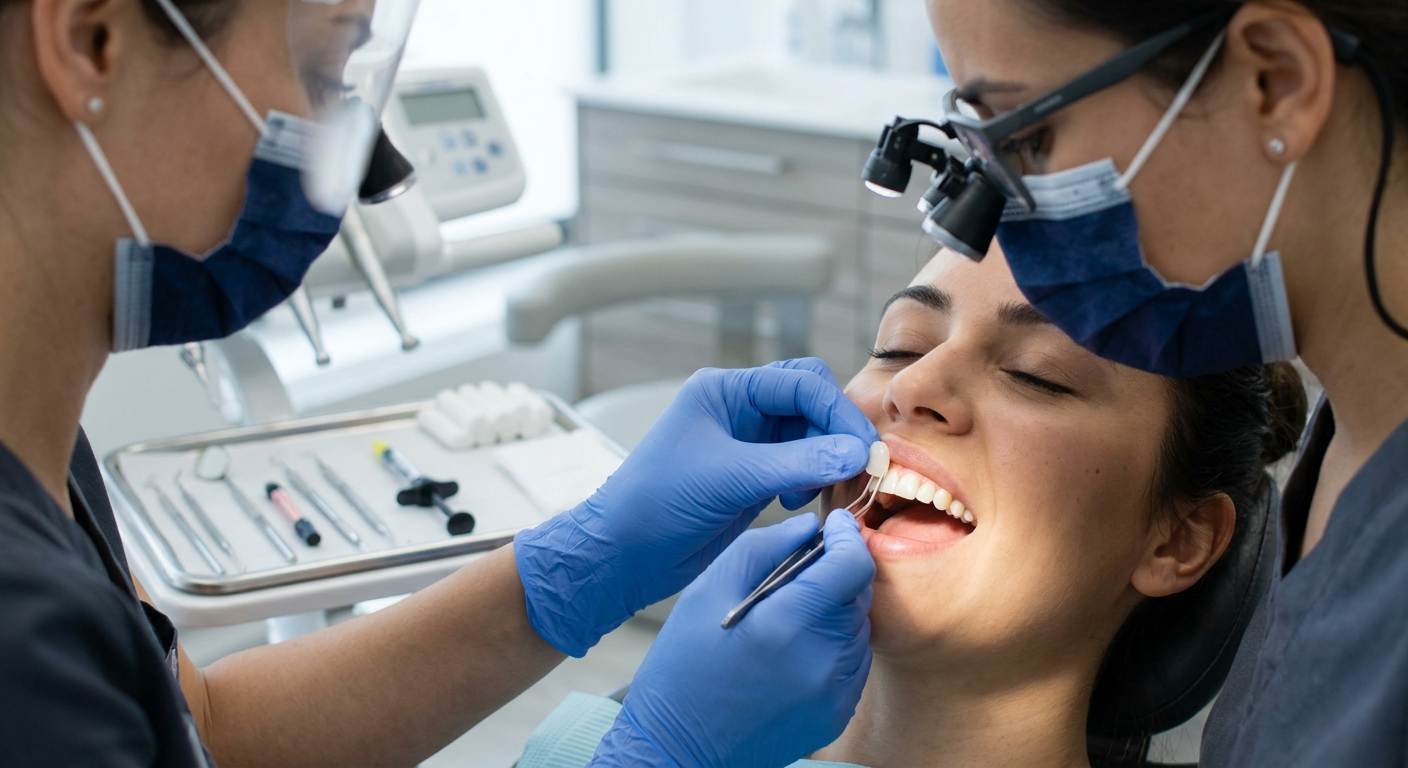
Step 1: Initial Consultation and Digital Smile Design
Your journey begins with a comprehensive initial consultation. This is a crucial step where your dentist will:
- Assess Your Oral Health: A thorough examination of your teeth, gums, and bite will be performed. This includes taking X-rays, intraoral photographs, and possibly 3D scans (e.g., using a CBCT scanner) to check for any underlying issues like decay, gum disease, or root canal problems that need to be addressed before veneers can be placed.
- Discuss Your Aesthetic Goals: This is your opportunity to articulate what you envision for your new smile. Do you want a subtle enhancement or a dramatic transformation? What shade, shape, and size of teeth do you prefer? Bring photos of smiles you admire if you have them.
- Digital Smile Design (DSD): Many modern Turkish clinics utilize advanced DSD technology. This involves taking digital impressions and photographs, which are then processed by specialized software. The dentist can digitally design your new smile, allowing you to visualize the potential outcome on a screen. This interactive process ensures your input is incorporated, and you have a clear understanding of the proposed changes.
- Diagnostic Wax-Up and Mock-Up: Based on the DSD, the dental lab may create a physical wax model (wax-up) of your proposed new teeth. In some cases, a temporary resin material can be placed directly on your existing teeth (mock-up) without any preparation, allowing you to "try on" your new smile and see how it looks and feels in your mouth before any irreversible steps are taken. This is invaluable for refining the design.
- Treatment Plan and Material Selection: Your dentist will present a detailed treatment plan, outlining the number of veneers, the type of material (e.g., porcelain veneers Turkey, e-max veneers Turkey, composite veneers Turkey), the timeline, and the total veneer costs Turkey. This is your chance to ask any questions and clarify concerns.
Step 2: Tooth Preparation
Once you've approved the treatment plan and smile design, the next step involves preparing your teeth for the veneers.
- Anesthesia: Local anesthesia will be administered to numb the teeth and surrounding gums, ensuring a comfortable and pain-free experience.
- Enamel Reshaping (Reduction): For most porcelain and E-max veneers, a very thin layer of enamel (typically 0.3 to 0.7 millimeters, roughly the thickness of a fingernail) is carefully removed from the front and sides of the teeth. This creates space for the veneer, preventing it from looking bulky and ensuring a natural fit and seamless transition with your gums. The amount of reduction depends on the veneer type and the desired aesthetic change. For "no-prep" veneers like Lumineers or some composite veneers, this step may be minimal or entirely skipped.
- Shaping: The dentist will meticulously shape the teeth to ensure the veneers bond securely and achieve the desired aesthetic outcome.
Step 3: Impressions and Temporary Veneers
After tooth preparation:
- Taking Impressions: Highly accurate impressions (molds) of your prepared teeth are taken. Modern clinics often use digital impression scanners (intraoral scanners) for superior precision and comfort, eliminating the need for traditional gooey impression materials. These impressions are then sent to a specialized dental laboratory in Turkey, where skilled ceramists will custom-fabricate your permanent veneers. This process typically takes 3-5 business days.
- Temporary Veneers: To protect your prepared teeth and maintain aesthetics while your permanent veneers are being made, temporary veneers will be placed. These are usually made of a composite resin material and are designed to be easily removable. They also give you a preview of your new smile and allow for any minor adjustments to be communicated to the lab. You'll be given instructions on how to care for your temporary veneers.
Step 4: Veneer Placement (Bonding)
This is the exciting appointment where your new smile comes to life!
- Removal of Temporaries: The temporary veneers are carefully removed, and your prepared teeth are thoroughly cleaned.
- Try-In: Each permanent veneer is individually placed on its corresponding tooth without bonding cement. This allows both you and the dentist to assess the fit, shade, shape, and overall aesthetics. This is a critical moment for final approval. If any minor adjustments are needed to the shape or length, they can often be made at this stage. The shade can also be subtly adjusted by using different shades of bonding cement.
- Cleaning and Etching: Once approved, the teeth are thoroughly cleaned and polished. A special acidic gel (etchant) is applied to the tooth surface for a few seconds. This creates microscopic pores in the enamel, enhancing the bond strength between the tooth and the veneer. The veneers themselves are also prepared with a bonding agent.
- Bonding: A high-strength dental adhesive (bonding cement) is applied to the back of each veneer. The veneer is then carefully positioned onto the prepared tooth.
- Light Curing: A special curing light is used to activate the bonding cement, causing it to harden rapidly and permanently bond the veneer to your tooth. This creates an incredibly strong and durable bond.
Step 5: Final Adjustments and Polishing
- Excess Cement Removal: Any excess bonding cement is meticulously removed from around the edges of the veneers.
- Bite Check and Adjustments: Your bite will be carefully checked to ensure that the veneers do not interfere with your natural occlusion. Any necessary adjustments are made to ensure comfort and proper function.
- Polishing: The veneers are polished to a high shine, giving them a natural, lustrous appearance.
- Final Review: The dentist will review your new smile with you, ensuring you are completely satisfied with the results. You'll also receive detailed aftercare instructions.
The entire process for dental veneers Turkey is designed to be comfortable, efficient, and yield stunning, long-lasting results. Turkish clinics prioritize patient comfort and utilize advanced techniques to ensure a smooth and successful smile transformation.
Why Choose Turkey for Your Dental Veneers? Unmatched Advantages
Turkey has solidified its position as a global leader in medical tourism, and nowhere is this more evident than in its booming dental sector. When considering dental veneers Turkey, patients discover a multitude of compelling advantages that make it an irresistible choice for their smile makeover.

Exceptional Cost-Effectiveness
One of the most significant drivers for patients seeking diş kaplama türkiye is the remarkable affordability. You can expect to save anywhere from 50% to 70% on the cost of dental veneers compared to prices in Western Europe, the UK, or the USA, without any compromise on quality. This substantial saving means that a full smile makeover, which might be prohibitively expensive in your home country, becomes an attainable dream in Turkey. For example, porselen kaplama türkiye or e-max kaplama türkiye can be obtained at a fraction of the cost, making high-end aesthetic dentistry accessible. These savings often cover the cost of travel, accommodation, and even a holiday, making the overall value proposition truly unbeatable.
World-Class Quality and Accreditation
The notion that lower prices equate to lower quality is a misconception when it comes to Turkish dental clinics. Many clinics in major cities like Istanbul and Antalya boast international accreditations, such as Joint Commission International (JCI). JCI accreditation is a global benchmark for quality and patient safety, signifying that a clinic adheres to the highest international standards in healthcare. This commitment to excellence ensures that patients receive care that is on par with, or often surpasses, what they would find in their home countries.
Highly Experienced and Specialized Dentists
Turkish dentists, particularly those specializing in cosmetic dentistry, are highly trained and experienced. The high volume of international patients seeking treatments like dental veneers Turkey means that these dentists perform these procedures frequently, honing their skills and expertise. Many have received their education from prestigious universities globally and regularly attend international conferences and workshops to stay abreast of the latest techniques and technologies. This wealth of experience translates into superior aesthetic outcomes and meticulous attention to detail.
State-of-the-Art Technology and Facilities
Turkish dental clinics are equipped with the latest advancements in dental technology. This includes:
- Digital Smile Design (DSD): Allowing patients to visualize their new smile before treatment.
- CAD/CAM Technology: Enabling in-house fabrication of veneers (for certain types) for faster turnaround times and precise fit.
- Intraoral Scanners: Replacing traditional, uncomfortable impressions with highly accurate digital scans.
- 3D Imaging (CBCT): For comprehensive diagnostic assessment.
- Advanced Sterilization Protocols: Ensuring the highest standards of hygiene and patient safety.
These modern facilities and technologies contribute to efficient, comfortable, and predictable treatment outcomes, ensuring you receive the best dental veneers Turkey has to offer.
Combining Treatment with a Memorable Holiday
One of the unique appeals of dental veneers Turkey is the opportunity to combine your dental treatment with a fantastic holiday experience. Turkey is a country rich in history, culture, and natural beauty.
- Istanbul: A vibrant metropolis bridging two continents, offering historical sites like the Hagia Sophia and Blue Mosque, bustling bazaars, and world-class dining.
- Antalya: A stunning Mediterranean resort city known for its beautiful beaches, ancient ruins, and luxurious hotels, perfect for a relaxing recovery.
Patients can enjoy a rejuvenating vacation before or after their procedure, making the entire experience more pleasant and less clinical. Many clinics offer comprehensive packages that include airport transfers, accommodation, and even guided tours, simplifying the travel logistics.
Accessibility and Patient Support
Turkey is easily accessible from most major cities worldwide, with numerous direct flights. The visa process is often straightforward for many nationalities, and clinics are well-versed in assisting international patients. Crucially, many clinics provide multilingual staff, including English-speaking dentists and patient coordinators, ensuring clear communication throughout your journey. Clyna further enhances this by providing dedicated support, from initial consultation to aftercare, making your experience seamless and stress-free.
Leading Dental Tourism Hubs: Istanbul and Antalya
While quality clinics can be found across Turkey, Istanbul and Antalya stand out as the primary hubs for dental veneers Turkey.
- Istanbul: As a global city, Istanbul hosts a vast number of high-end dental clinics, offering a wide range of specialists and technologies. It's ideal for those seeking a bustling urban experience alongside their treatment. The sheer competition among clinics often drives up quality and keeps diş kaplama fiyatları türkiye competitive.
- Antalya: Known for its stunning coastline and resort atmosphere, Antalya is perfect for patients who prefer a more relaxed environment. Many clinics here are integrated with wellness tourism, offering a tranquil setting for recovery.
Both cities offer excellent infrastructure, diverse accommodation options, and a warm, welcoming culture, ensuring a comfortable and enjoyable stay while you achieve your dream smile.
Choosing Turkey for your dental veneers means opting for a blend of affordability, quality, expertise, and an unforgettable travel experience. It's a decision that promises not just a new smile, but a renewed sense of confidence and well-being.
Dental Veneer Costs Turkey: A Comprehensive Comparison
Understanding the veneer costs Turkey is a primary concern for international patients, and it's where Turkey truly shines as a medical tourism destination. While the exact cost can vary based on several factors, the overall affordability compared to Western countries is undeniable.
Factors Influencing Dental Veneer Costs
The price of dental veneers Turkey is not a fixed figure. Several key factors contribute to the final cost:
- Type of Veneer Material: This is the most significant determinant.
- Composite veneers Turkey are the most budget-friendly option.
- Porcelain veneers Turkey (traditional) are moderately priced.
- E-max veneers Turkey and Zirconium veneers are typically at the higher end due to their superior strength, aesthetics, and advanced material properties. Lumineers also tend to be more expensive due to brand and specific fabrication.
- Number of Veneers: Naturally, the more veneers you need, the higher the total cost. A full smile makeover typically involves 8-10 veneers per arch (upper or lower), or even 16-20 for a complete transformation.
- Clinic Location and Reputation: Clinics in prime locations (e.g., central Istanbul or Antalya) or those with a stellar international reputation and advanced technology might have slightly higher prices. However, even these are significantly more affordable than comparable clinics in other countries.
- Dentist's Experience and Expertise: Highly experienced cosmetic dentists with a strong portfolio and specialized training may charge slightly more for their services, reflecting their skill and the quality of their work.
- Additional Treatments: Any preliminary treatments required, such as gum disease treatment, fillings, root canals, or teeth whitening (for natural teeth not getting veneers), will add to the overall cost.
- Included Services: Some clinics offer all-inclusive packages that cover airport transfers, accommodation, and even post-treatment follow-ups, which might be factored into the per-veneer price. Always clarify what is included in your quote.
- Laboratory Fees: The quality and technology of the dental laboratory used for fabricating porcelain and E-max veneers can also influence the cost. High-end labs using advanced CAD/CAM technology might have higher fees.
Cost Comparison Table: Turkey vs. Europe vs. USA
To illustrate the significant savings, here's an estimated cost comparison per veneer (in EUR) across different regions. Please note these are ranges and actual prices may vary. These figures typically represent the cost per single veneer.
| Veneer Type | Turkey (EUR per veneer) | Germany (EUR per veneer) | UK (EUR per veneer) | USA (EUR per veneer) |
|---|---|---|---|---|
| Composite Veneer | €100 - €250 | €300 - €600 | €250 - €500 | €400 - €800 |
| Porcelain Veneer | €250 - €450 | €600 - €1,200 | €500 - €1,000 | €800 - €1,500 |
| E-max Veneer | €300 - €600 | €700 - €1,400 | €600 - €1,200 | €1,000 - €2,000 |
| Zirconium Veneer | €350 - €650 | €750 - €1,500 | €650 - €1,300 | €1,100 - €2,200 |
| Lumineer | €400 - €700 | €800 - €1,600 | €700 - €1,400 | €1,200 - €2,500 |
Disclaimer: These are approximate ranges and can vary significantly based on the specific clinic, city, dentist's experience, and complexity of the case. They are provided for illustrative purposes only.
As you can see, the diş kaplama fiyatları türkiye are dramatically lower, often allowing patients to get a full set of high-quality e-max kaplama türkiye or porselen kaplama türkiye for the price of just a few veneers in their home country. This cost-effectiveness, combined with the high standards of care, makes Turkey an unparalleled choice for a smile transformation.
When requesting a quote through Clyna, you will receive a transparent breakdown of costs, ensuring there are no hidden fees and you have a clear understanding of your investment.
How to Choose the Right Dental Clinic in Turkey
Selecting the right dental clinic is paramount to ensuring a successful and satisfying experience for your dental veneers Turkey. With numerous options available, particularly in popular destinations like Istanbul and Antalya, it's essential to know what criteria to consider. Clyna partners with only the most reputable clinics, but understanding these factors empowers you to make an informed decision.
Accreditation and Certifications
- International Accreditations: Look for clinics that hold international accreditations, such as Joint Commission International (JCI). JCI is a globally recognized standard for healthcare quality and patient safety. A JCI-accredited clinic signifies adherence to rigorous protocols in patient care, infection control, and facility management.
- Local Certifications: Ensure the clinic is licensed and regulated by the Turkish Ministry of Health.
- ISO Certifications: ISO (International Organization for Standardization) certifications, particularly ISO 9001 (Quality Management) and ISO 13485 (Medical Devices), indicate a commitment to quality and safety standards.
Dentist's Experience and Specialization
- Qualifications and Education: Verify the dentist's educational background, including where they graduated and any postgraduate specializations in cosmetic dentistry or prosthodontics. Many top Turkish dentists have international training.
- Years of Experience: Inquire about the dentist's experience specifically with dental veneers Turkey. A dentist who performs hundreds of veneer procedures annually will have a higher level of skill and artistry.
- Portfolio/Before & After Photos: Ask to see a portfolio of their previous veneer cases. This allows you to assess the quality of their work, their aesthetic style, and whether it aligns with your vision. Look for natural-looking results, proper tooth proportions, and harmonious gum lines.
- Team Expertise: For complex cases, ensure the clinic has a multidisciplinary team, including dental technicians who are experts in veneer fabrication.
Technology and Facilities
- Modern Equipment: A reputable clinic will invest in state-of-the-art technology. Look for:
- Digital Smile Design (DSD) software: For precise planning and visualization.
- Intraoral scanners: For accurate digital impressions, eliminating messy traditional molds.
- CAD/CAM technology: For efficient and precise in-house fabrication of veneers (if applicable).
- 3D X-rays (CBCT): For comprehensive diagnostic imaging.
- Laser dentistry: For precise gum contouring if needed.
- Hygiene and Sterilization: Observe the clinic's cleanliness. Ensure they follow strict sterilization protocols, using autoclaves for instruments and maintaining a sterile environment. This is non-negotiable for patient safety.
- Comfort and Amenities: A modern, comfortable clinic environment contributes positively to your overall experience.
Patient Reviews and Testimonials
- Independent Review Platforms: Check reviews on independent platforms like Google Reviews, Trustpilot, or dedicated medical tourism forums. Look for consistent positive feedback regarding the quality of treatment, patient care, communication, and overall experience.
- Video Testimonials: Video testimonials can offer a more authentic insight into other patients' experiences.
- Before & After Galleries: Beyond the clinic's own website, search for patient-shared results to get a broader perspective.
Transparency in Pricing and Treatment Plans
- Detailed Quote: The clinic should provide a clear, itemized quote that breaks down all costs, including the price per veneer, any preliminary treatments, temporary veneers, and lab fees. Ensure there are no hidden charges.
- Comprehensive Treatment Plan: You should receive a written treatment plan outlining each step of the dental veneer procedure Turkey, the materials to be used, the timeline, and expected outcomes.
- Warranty: Inquire about any warranty offered on the veneers. Reputable clinics often provide a warranty against manufacturing defects or debonding for a certain period.
Communication and Language Support
- Multilingual Staff: Ensure the clinic has English-speaking dentists and patient coordinators. Clear communication is vital for discussing your needs, understanding the procedure, and addressing any concerns.
- Responsiveness: Assess how quickly and thoroughly the clinic responds to your inquiries. This indicates their level of patient care and organization.
- Dedicated Patient Coordinator: Many clinics assign a dedicated coordinator to international patients to assist with logistics, appointments, and communication.
Red Flags to Watch Out For
- Unrealistically Low Prices: While affordability is a key advantage of diş kaplama fiyatları türkiye, prices that seem too good to be true often are. Be wary of clinics offering significantly lower prices than the average, as this might indicate compromises in material quality, technology, or dentist expertise.
- Lack of Transparency: Avoid clinics that are vague about pricing, treatment steps, or material brands.
- High-Pressure Sales Tactics: A reputable clinic will prioritize your understanding and comfort, not pressure you into a decision.
- No Portfolio or Limited Information: If a clinic cannot provide examples of their work or detailed information about their dentists, proceed with caution.
- Poor Hygiene: Any signs of unsanitary conditions are an immediate red flag.
By diligently researching and evaluating clinics based on these criteria, you can confidently choose a reputable and high-quality provider for your dental veneers Turkey through Clyna, ensuring a safe and successful smile transformation. Browse Clinics to see our vetted partners.
Before Treatment: Your Preparation Checklist for Dental Veneers Turkey
Embarking on your journey for dental veneers Turkey requires careful preparation to ensure a smooth, stress-free, and successful experience. This checklist covers essential steps to take before you even leave your home country.
Medical and Dental History
- Gather Dental Records: Collect any relevant dental records, including recent X-rays, treatment history, and notes from your local dentist. This information can be valuable for your Turkish dentist to get a complete picture of your oral health.
- Compile Medical History: Prepare a detailed medical history, including any chronic conditions, allergies (especially to medications or anesthetics), and a list of all current medications (prescription and over-the-counter).
- Discuss Expectations: Clearly articulate your aesthetic goals and concerns with your Clyna patient coordinator and the Turkish clinic. Share photos of smiles you admire and discuss any specific preferences regarding shade, shape, and size.
Travel and Accommodation Arrangements
- Passport and Visa: Ensure your passport is valid for at least six months beyond your planned return date. Check if you require a visa for Turkey and apply well in advance if necessary. Many nationalities can obtain an e-visa online.
- Flights: Book your flights to the nearest international airport (e.g., Istanbul Airport (IST), Sabiha Gökçen Airport (SAW) for Istanbul, or Antalya Airport (AYT) for Antalya). Consider flexible tickets in case of unforeseen changes.
- Accommodation: Arrange your accommodation. Many clinics offer assistance with hotel bookings or have partner hotels with special rates. Clyna can also help you find suitable options close to your clinic.
- Airport Transfers: Confirm if your clinic provides complimentary airport transfers. If not, arrange reliable transportation from the airport to your hotel and clinic.
- Travel Insurance: Purchase comprehensive travel insurance that covers medical emergencies, trip cancellations, and any potential dental complications (though rare, it's always wise to be prepared).
- Local Currency: Familiarize yourself with the Turkish Lira (TRY) and consider exchanging some currency or planning how you'll access funds (credit cards are widely accepted).
Communication with Your Clinic
- Initial Consultations: Utilize Clyna to facilitate initial online consultations with your chosen Turkish dentist. This allows for preliminary assessments, discussion of your case, and a personalized treatment plan and quote.
- Ask Questions: Don't hesitate to ask any questions you have about the dental veneer procedure Turkey, recovery, aftercare, or logistics. A good clinic will be transparent and responsive.
- Confirm Appointments: Double-check all appointment dates and times before you travel.
- Emergency Contact: Ensure you have the clinic's emergency contact information readily available.
Oral Health Optimization
- Pre-Treatment Check-up: Have a general check-up with your local dentist before traveling to ensure there are no active dental issues (like cavities or gum inflammation) that could delay or complicate your veneer procedure. Address any minor issues beforehand.
- Professional Cleaning: Get a professional dental cleaning (scaling and polishing) a few weeks before your trip. This ensures your gums are healthy and your teeth are free of plaque and tartar, providing a clean canvas for your new veneers.
- Address Existing Issues: If you have any significant dental problems, discuss them with your Turkish dentist. They will need to be resolved before veneer placement.
Dietary Considerations
- Avoid Staining Foods/Drinks: If you are having any teeth whitened prior to veneers, avoid highly staining foods and drinks (coffee, tea, red wine, berries) in the weeks leading up to your treatment.
- Plan for Soft Foods: After the temporary veneers are placed and especially after the permanent veneers are bonded, you'll need to stick to a soft diet for a few days. Plan accordingly for your meals during your stay.
Financial Planning
- Budgeting: Ensure you have a clear understanding of the total veneer costs Turkey, including the procedure, travel, accommodation, and any incidental expenses.
- Payment Methods: Confirm the accepted payment methods at the clinic (cash, credit card, bank transfer) and any payment schedule.
By meticulously going through this preparation checklist, you can approach your dental veneers Turkey journey with confidence and peace of mind, knowing you've taken all necessary steps for a successful smile transformation.
After Treatment: Recovery and Aftercare for Your New Smile
Congratulations! You've just received your dazzling new dental veneers Turkey. While the immediate results are often stunning, proper recovery and diligent aftercare are crucial to ensure the longevity and beauty of your investment. Here's a detailed timeline and guide for what to expect and how to care for your new smile.
Immediate Post-Procedure (Day 1-3)
- Anesthesia Wearing Off: The local anesthesia will typically wear off within a few hours. You might experience some mild soreness or tenderness in your gums or around the treated teeth. This is normal and usually subsides quickly.
- Sensitivity: It's common to experience some temporary sensitivity to hot and cold temperatures, especially in the first few days. This is because a small amount of enamel was removed, exposing the underlying dentin. This sensitivity usually diminishes over time as your teeth adjust.
- Diet: Stick to soft foods for the first 24-48 hours. Avoid anything hard, crunchy, sticky, or excessively hot or cold. Opt for soups, yogurt, mashed potatoes, smoothies, soft pasta, and cooked vegetables.
- Pain Management: Over-the-counter pain relievers (like ibuprofen or paracetamol) are usually sufficient to manage any discomfort. Your dentist may prescribe stronger medication if needed.
- Oral Hygiene: You can brush your teeth gently with a soft-bristled toothbrush immediately after the procedure. Be careful around the gum line. Avoid flossing vigorously for the first day or two to allow the bonding agent to fully set. Your dentist will provide specific instructions.
- Avoid Staining: For the first 48 hours, it's advisable to avoid highly staining foods and drinks (coffee, tea, red wine, dark berries, tobacco) as the bonding cement is still fully curing and can be more susceptible to staining.
- Check Your Bite: Pay attention to your bite. If it feels uneven or uncomfortable, contact your clinic immediately. Minor adjustments can often be made.
First Week After Veneer Placement
- Continued Adjustment: Your mouth and tongue will continue to adjust to the new shape and feel of your veneers. This might feel slightly unusual at first, but it will quickly become your new normal.
- Sensitivity Improvement: Sensitivity should gradually decrease throughout the week. If it persists or worsens, consult your dentist.
- Gradual Diet Reintroduction: You can slowly reintroduce more solid foods, but continue to exercise caution. Avoid biting directly into very hard foods (e.g., apples, crusty bread) with your front teeth. Cut them into smaller pieces.
- Normal Oral Hygiene: Resume your regular oral hygiene routine: brush twice daily with a non-abrasive fluoride toothpaste and a soft-bristled brush, and floss daily. Pay special attention to cleaning around the gum line of your veneers to prevent plaque buildup.
- Follow-up Appointment: Many clinics schedule a follow-up appointment within the first week to check your bite, gum health, and overall comfort with your new veneers. This is an important opportunity to address any lingering concerns.
Weeks 2-4: Adjusting to Your New Smile
- Sensitivity Subsides: By this point, most, if not all, post-procedure sensitivity should have subsided.
- Full Comfort: You should feel completely comfortable and natural with your new veneers, eating and speaking normally.
- Aesthetic Appreciation: This is when you truly start to appreciate the full aesthetic benefits of your dental veneers Turkey. Your smile will look natural, radiant, and perfectly aligned.
Long-Term Care and Maintenance
To maximize the lifespan of your porcelain veneers Turkey or e-max veneers Turkey and maintain their pristine appearance, adhere to these long-term care guidelines:
- Excellent Oral Hygiene: This is paramount. Brush twice a day and floss daily. Use a non-abrasive toothpaste to avoid scratching the veneer surface. Consider an electric toothbrush for enhanced cleaning.
- Regular Dental Check-ups: Continue with regular dental check-ups and professional cleanings (typically every six months). Inform your hygienist that you have veneers so they can use appropriate tools and techniques.
- Avoid Harmful Habits:
- Biting Hard Objects: Never use your teeth (or veneers) to open bottles, tear packages, or bite on ice, pens, or fingernails.
- Bruxism (Teeth Grinding): If you grind or clench your teeth, especially at night, discuss this with your dentist. They may recommend a custom-fitted nightguard to protect your veneers from excessive force.
- Excessive Force: Avoid putting undue pressure on your veneers, such as biting into very hard foods directly with your front teeth.
- Limit Staining Agents (for Composite Veneers): While porcelain and E-max veneers are highly stain-resistant, composite veneers are more susceptible. Limit consumption of coffee, tea, red wine, and tobacco, or rinse your mouth thoroughly after consuming them.
- Protect from Trauma: Be mindful during sports or activities where facial impact is possible. Wear a mouthguard to protect your veneers and natural teeth.
- Address Issues Promptly: If you notice any chipping, cracking, or if a veneer feels loose, contact your dentist immediately. Early intervention can often prevent further damage.
By following these recovery and aftercare instructions, your dental veneers Turkey will continue to provide you with a beautiful, confident smile for many years to come.
Risks, Complications, and How to Minimize Them
While the dental veneer procedure Turkey is generally safe and highly successful, like any medical treatment, it carries potential risks and complications. Being aware of these and understanding how to minimize them is crucial for a smooth experience and optimal outcome.
Post-Procedure Sensitivity
- Risk: It's very common to experience temporary sensitivity to hot and cold temperatures after veneers are placed. This occurs because a thin layer of enamel is removed, which is the protective outer layer of the tooth.
- Minimization:
- Minimal Tooth Reduction: Choosing a skilled dentist who practices conservative tooth preparation (removing only the necessary amount of enamel) can reduce sensitivity.
- Desensitizing Toothpaste: Using a toothpaste specifically designed for sensitive teeth before and after the procedure can help.
- Avoid Extreme Temperatures: For the first few days, avoid very hot or cold foods and drinks.
- Proper Bonding: Ensuring the veneers are perfectly bonded to the tooth surface seals off the underlying dentin, which helps reduce sensitivity over time.
Veneer Damage (Chipping, Cracking, Debonding)
- Risk: Although durable, veneers are not indestructible. They can chip, crack, or even debond (fall off) due due to trauma, excessive biting forces, or improper bonding.
- Minimization:
- Choose Strong Materials: Opting for stronger materials like E-max veneers Turkey or Zirconium veneers can significantly reduce the risk of chipping and cracking compared to traditional porcelain or composite.
- Avoid Harmful Habits: Refrain from biting on hard objects (ice, pens, fingernails), using your teeth as tools, or eating very hard, sticky foods directly with your front teeth.
- Nightguard for Bruxism: If you grind or clench your teeth (bruxism), wearing a custom-fitted nightguard is essential to protect your veneers from nocturnal forces.
- Expert Bonding Technique: A skilled dentist using high-quality bonding agents and meticulous technique ensures a strong, long-lasting bond.
- Immediate Repair/Replacement: If damage occurs, contact your clinic promptly. Small chips might be polished, but larger damage usually requires replacement.
Tooth Decay Underneath Veneers
- Risk: Veneers do not protect the underlying tooth from decay. If decay develops at the margin of the veneer or on an unprotected surface, it can compromise the veneer and the tooth.
- Minimization:
- Excellent Oral Hygiene: Diligent brushing twice a day and flossing daily are critical. Pay special attention to cleaning around the gum line where the veneer meets the natural tooth.
- Regular Dental Check-ups: Continue with routine dental check-ups and professional cleanings every six months. Your dentist can detect early signs of decay or gum issues.
- Proper Fit: Veneers must fit perfectly, with no gaps or overhangs, to prevent food traps and plaque accumulation.
Gum Irritation or Inflammation
- Risk: Improperly fitted veneers or poor oral hygiene can lead to gum irritation, inflammation (gingivitis), or even gum recession around the veneer margins.
- Minimization:
- Precise Fit: Ensure your veneers are custom-made to fit precisely at the gum line without impinging on gum tissue.
- Meticulous Polishing: The edges of the veneers should be perfectly smooth and polished to prevent irritation.
- Consistent Oral Hygiene: Regular and thorough cleaning around the gum line is essential to keep gums healthy.
Color Mismatch
- Risk: Achieving a perfect color match, especially when only a few veneers are placed alongside natural teeth, can be challenging. Once bonded, the color of porcelain or E-max veneers cannot be changed.
- Minimization:
- Digital Smile Design: Utilize DSD and mock-ups to visualize and approve the shade before fabrication.
- Patient Involvement: Be actively involved in the shade selection process with your dentist.
- Experienced Ceramists: Choose a clinic that works with highly skilled dental ceramists who have an artistic eye for color and translucency.
- Teeth Whitening: If you are only getting a few veneers, consider professional teeth whitening for your natural teeth before veneer shade selection to ensure a harmonious match.
Nerve Damage (Extremely Rare)
- Risk: In very rare cases, excessive tooth reduction during preparation can lead to trauma to the tooth's nerve, potentially requiring a root canal.
- Minimization:
- Conservative Preparation: A highly skilled and experienced dentist will always prioritize conservative tooth preparation, removing only the minimum amount of enamel necessary.
- Accurate Diagnostics: Comprehensive diagnostic imaging (X-rays, 3D scans) helps the dentist understand the tooth's internal structure and plan preparation meticulously.
Minimizing Risks
The overarching strategy to minimize all these risks when considering dental veneers Turkey is to:
- Choose a Reputable Clinic: Select a clinic with international accreditations (like JCI), state-of-the-art technology, and a strong track record of successful veneer cases. Clyna partners with such clinics.
- Select an Experienced Dentist: Opt for a dentist with extensive experience in cosmetic dentistry and a strong portfolio of veneer work.
- Follow Aftercare Instructions: Adhere strictly to all post-procedure and long-term care instructions provided by your dentist.
- Maintain Excellent Oral Hygiene: This is the foundation of long-term success for any dental restoration.
- Have Realistic Expectations: Understand that while veneers are transformative, they require care and are not indestructible.
By taking these proactive steps, you significantly enhance the safety, success, and longevity of your dental veneers Turkey, ensuring you enjoy your beautiful new smile for years to come.
Real Patient Journey Stories: Transforming Smiles in Turkey
Hearing about real-life experiences can provide invaluable insight and reassurance when considering dental veneers Turkey. Here are three realistic patient journey stories, illustrating different motivations and outcomes.
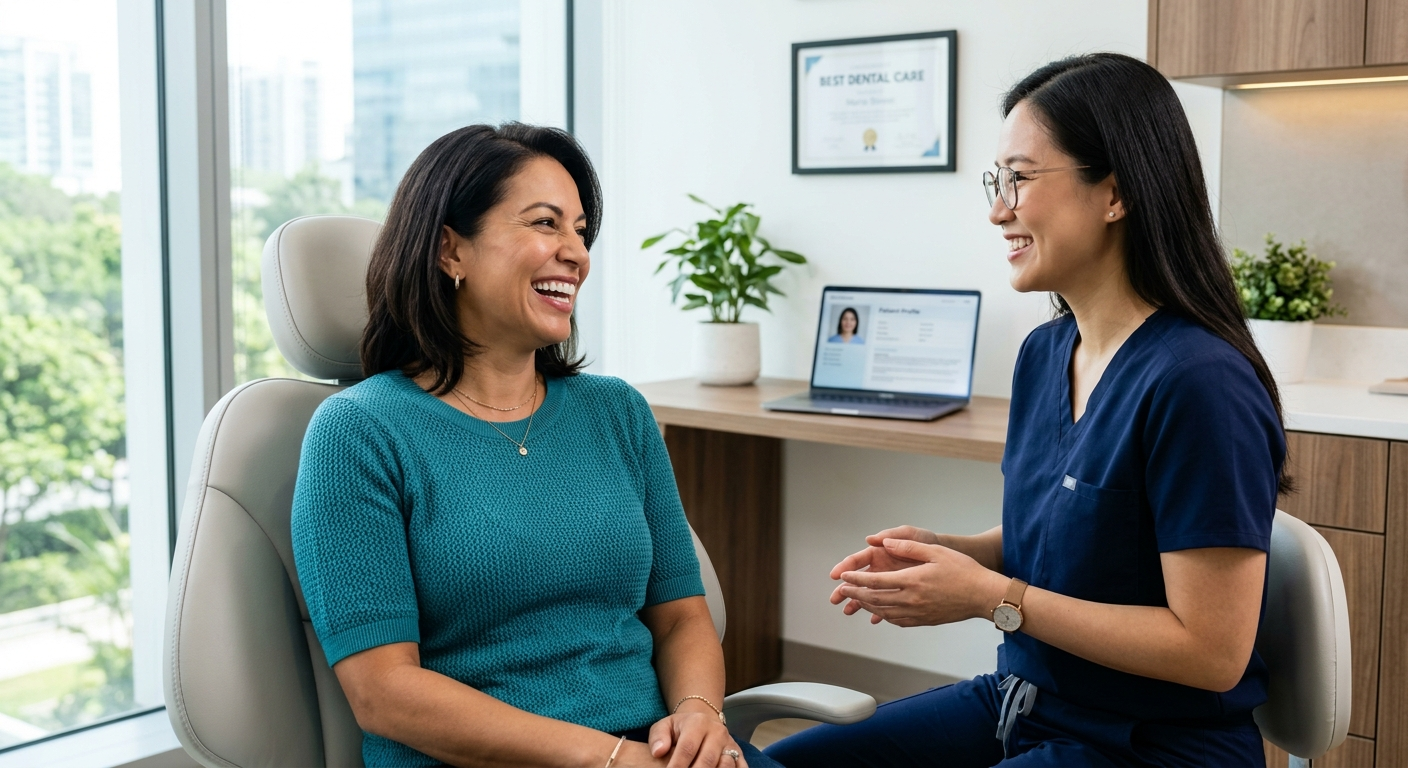
Patient Story 1: Sarah from the UK – A Full Smile Makeover
Sarah, a 34-year-old marketing professional from Manchester, UK, had always been self-conscious about her smile. Her teeth were slightly misaligned, had several old, discolored fillings, and a few minor chips. She dreamed of a bright, perfectly aligned smile but found the cost of a full smile makeover in the UK prohibitive, with quotes for porcelain veneers reaching upwards of £15,000-£20,000.
Her Journey: Sarah discovered Clyna while researching affordable cosmetic dentistry options. After an initial online consultation with a highly-rated clinic in Istanbul, facilitated by Clyna, she felt confident. The clinic's English-speaking coordinator provided a detailed treatment plan for 16 E-max veneers Turkey (8 upper, 8 lower) and a transparent quote of approximately €6,500, including transfers and 5-star hotel accommodation. This was less than half the UK price.
She flew to Istanbul for a 7-day trip.
- Day 1: Arrived, settled into her hotel, and had her first consultation. The dentist used Digital Smile Design to show her a preview of her new smile, which brought tears to her eyes.
- Day 2: Tooth preparation and impressions were taken. She felt a little nervous but the local anesthetic ensured no pain. Temporary veneers were fitted, giving her an immediate confidence boost.
- Day 3-5: While her custom e-max kaplama türkiye were being fabricated in the clinic's state-of-the-art lab, Sarah enjoyed exploring Istanbul's historical sites, including the Hagia Sophia and Grand Bazaar. She found the temporary veneers comfortable enough for light meals.
- Day 6: The big day! Her permanent E-max veneers were meticulously bonded. The dentist took great care to ensure the fit and shade were perfect. Sarah was overwhelmed by the transformation – her smile was radiant, natural, and exactly what she had envisioned.
- Day 7: A final check-up, aftercare instructions, and she flew back to the UK, feeling like a new person.
Outcome: Sarah's confidence soared. Her new smile not only enhanced her appearance but also positively impacted her professional and social life. She regularly receives compliments and often recommends dental veneers Turkey to friends, emphasizing the quality and affordability.
Patient Story 2: Mark from Germany – Correcting Discoloration and Gaps
Mark, a 48-year-old engineer from Berlin, had always been bothered by persistent discoloration on his front teeth that resisted whitening, along with small gaps between his upper incisors. He wanted a more uniform and brighter smile but was hesitant about extensive procedures.
His Journey: Through Clyna, Mark connected with a modern dental clinic in Antalya, known for its expertise in aesthetic dentistry and its beautiful resort location. He opted for 8 porcelain veneers Turkey for his upper front teeth. The clinic offered a package including airport pick-up and a stay at a beachfront hotel, costing around €3,200.
- Day 1: Mark arrived in Antalya, enjoyed the Mediterranean weather, and had his initial consultation. The dentist confirmed he was an excellent candidate for porcelain veneers and showed him various shade options.
- Day 2: Teeth were prepared under local anesthesia, and impressions were taken. Mark appreciated the dentist's gentle approach. Temporary veneers were placed.
- Day 3-4: Mark spent these days relaxing by the pool and exploring Antalya's Old Town (Kaleici), enjoying the local cuisine. He found the temporary veneers easy to manage.
- Day 5: His custom porselen kaplama türkiye were bonded. Mark was amazed at how natural they looked. The gaps were gone, and the discoloration was completely masked. The dentist made minor adjustments to ensure a perfect bite.
- Day 6: A quick follow-up to ensure everything was perfect, and Mark was ready to fly home.
Outcome: Mark returned to Germany with a renewed sense of self-esteem. His colleagues noticed the positive change immediately, commenting on his brighter, more confident demeanor. He found the entire experience in Antalya relaxing and efficient, proving that diş kaplama türkiye could be both high-quality and a pleasant holiday.
Patient Story 3: Emily from Ireland – Enhancing Natural Beauty with E-max
Emily, a 28-year-old graphic designer from Dublin, had generally healthy teeth but felt they lacked a certain "sparkle." She had minor imperfections – slightly uneven edges and a desire for a brighter, yet still natural, white shade. She was looking for a subtle enhancement rather than a dramatic change and was particularly interested in the durability and aesthetics of E-max veneers.
Her Journey: Emily used Clyna to find a clinic in Istanbul that specialized in natural-looking smile makeovers. She chose a clinic with an impressive portfolio of subtle transformations and a reputation for using premium materials. She decided on 10 E-max veneers Turkey for her upper teeth, costing approximately €5,000, which included her treatment and assistance with hotel bookings.
- Day 1: Emily had her detailed consultation. The dentist emphasized a conservative approach, ensuring minimal tooth reduction. They spent considerable time on shade selection, aiming for a bright but not artificial white.
- Day 2: Her teeth were minimally prepared, and digital impressions were taken. She was impressed by the clinic's use of advanced technology. Temporary veneers were placed.
- Day 3-5: Emily explored Istanbul's vibrant art scene, visited museums, and enjoyed the city's famous street food. She found her temporary veneers comfortable and barely noticeable.
- Day 6: The final e-max kaplama türkiye were bonded. Emily was thrilled with the result. Her teeth looked perfectly uniform, beautifully bright, and incredibly natural. The subtle translucency of E-max made them indistinguishable from perfect natural teeth.
- Day 7: A final check-up and she was ready to head back to Dublin.
Outcome: Emily's new smile perfectly complemented her features. She felt more confident in client meetings and social interactions. The durability of E-max gave her peace of mind, and she was delighted with the value she received for her diş kaplama fiyatları türkiye investment. She often shares her positive experience, highlighting how Turkey provided a top-tier aesthetic solution that was both affordable and enjoyable.
These stories underscore the diverse reasons patients choose dental veneers Turkey and the consistent satisfaction they find with the quality of care, advanced technology, and significant cost savings.
Frequently Asked Questions (FAQ) About Dental Veneers Turkey
Here are detailed answers to common questions international patients have about getting dental veneers Turkey.
1. Are dental veneers painful to get?
The dental veneer procedure Turkey is generally not painful. Local anesthesia is used to numb your teeth and gums during the tooth preparation and bonding phases, ensuring you remain comfortable throughout the process. You might feel some pressure or vibration during preparation, but no sharp pain. After the anesthesia wears off, some patients experience mild sensitivity to hot and cold or slight gum tenderness, which typically subsides within a few days and can be managed with over-the-counter pain relievers.
2. How long do dental veneers last?
The longevity of dental veneers depends on the material, your oral hygiene, and lifestyle habits.
- Composite veneers Turkey typically last 5-7 years.
- Porcelain veneers Turkey can last 10-15 years.
- E-max veneers Turkey and Zirconium veneers, known for their superior strength, often last 15-20 years or even longer. With proper care, regular dental check-ups, and avoiding habits like teeth grinding or biting hard objects, you can significantly extend their lifespan.
3. Can I choose the shade and shape of my veneers?
Absolutely! This is a crucial part of the dental veneer procedure Turkey. During your initial consultation and Digital Smile Design phase, you will actively participate in selecting the desired shade, shape, and size of your veneers. Your dentist will guide you, considering your facial features, skin tone, and personal preferences, to ensure a natural and harmonious result. You can bring photos of smiles you admire to help communicate your vision.
4. How many teeth typically get veneers?
The number of veneers needed varies by individual. For a subtle enhancement, some patients opt for 2-4 veneers on their most visible front teeth. For a comprehensive smile makeover, it's common to place 8-10 veneers on the upper arch, and sometimes 6-8 on the lower arch, totaling 16-20 veneers for a full transformation. The goal is to create a symmetrical and aesthetically pleasing smile line.
5. Is the dental veneer procedure reversible?
For traditional porcelain veneers Turkey and e-max veneers Turkey, the procedure is generally considered irreversible because a small amount of tooth enamel is permanently removed during preparation. This means that once prepared, the teeth will always require a veneer or a crown to protect them. However, "no-prep" veneers like Lumineers, which require minimal to no enamel removal, can be considered reversible in some cases.
6. What is the difference between veneers and crowns?
Both veneers and crowns improve tooth aesthetics and function, but they differ significantly:
- Veneers: Cover only the front surface of the tooth, primarily for cosmetic purposes. They require minimal tooth reduction.
- Crowns: Cover the entire tooth, encasing it completely. They are used for more extensive damage, decay, or to strengthen a weakened tooth. Crowns require more significant tooth reduction. Veneers are a more conservative option for cosmetic enhancements, while crowns are restorative solutions for structural integrity.
7. Can I eat normally with veneers?
Yes, once your permanent veneers are bonded and you've passed the initial recovery period (usually a few days), you can eat normally. However, it's always recommended to exercise caution:
- Avoid biting directly into very hard foods (e.g., apples, crusty bread, carrots) with your front veneered teeth. Cut them into smaller pieces.
- Do not use your teeth (or veneers) to open packages, crack nuts, or chew on ice, pens, or fingernails.
- If you have composite veneers Turkey, be mindful that they are more prone to staining, so limit consumption of highly pigmented foods and drinks.
8. Do veneers require special care?
Veneers do not require special care beyond what you should already be doing for your natural teeth. Maintain excellent oral hygiene:
- Brush twice daily with a soft-bristled toothbrush and non-abrasive fluoride toothpaste.
- Floss daily to clean between teeth and around the gum line of your veneers.
- Attend regular dental check-ups and professional cleanings every six months. If you grind your teeth, wear a nightguard to protect your veneers.
9. What if a veneer chips or falls off?
While durable, veneers can chip, crack, or debond (fall off) due to trauma or excessive force.
- If a veneer chips or cracks: Small chips might be polished by your dentist. Larger chips or cracks usually require the veneer to be replaced.
- If a veneer falls off: Keep the veneer if possible and contact your clinic immediately. Your dentist may be able to re-bond it if it's intact and the tooth is healthy. Otherwise, a new veneer will be needed. Many reputable clinics in Turkey offer a warranty on their veneers, so inquire about this during your consultation.
10. Are there any age restrictions for getting veneers?
There isn't a strict age limit, but veneers are generally recommended for adults whose permanent teeth have fully erupted and whose jaw and facial development are complete. This typically means late teens or early twenties onwards. For older adults, candidacy depends on overall oral health and gum condition. As long as your teeth and gums are healthy, age is not usually a barrier.
11. How many trips to Turkey are needed for veneers?
For most dental veneers Turkey (porcelain, E-max, zirconium), you will typically need one trip lasting approximately 5-7 days. This allows for the initial consultation, tooth preparation, impression taking, temporary veneer placement, fabrication of permanent veneers in the lab, and the final bonding appointment. Some clinics might offer faster turnaround times with in-house CAD/CAM technology. Composite veneers can often be completed in a single, longer appointment.
12. Is it safe to get dental treatment in Turkey?
Yes, getting dental treatment in Turkey is very safe, provided you choose a reputable and accredited clinic. Turkey has a well-developed medical tourism infrastructure, with many clinics adhering to international standards of hygiene, patient safety, and quality of care. Many clinics are JCI-accredited, employ highly qualified dentists, and use state-of-the-art technology. Clyna rigorously vets its partner clinics to ensure they meet these high standards, offering you peace of mind.
13. Do Turkish clinics offer warranties on veneers?
Many reputable clinics in Turkey do offer warranties on their dental veneers Turkey, typically covering manufacturing defects or debonding for a period ranging from 1 to 5 years. It's crucial to clarify the terms and conditions of any warranty with your chosen clinic during your consultation. Ensure you understand what is covered, for how long, and what actions might void the warranty (e.g., failure to attend follow-up appointments, not wearing a nightguard if prescribed).
14. Can veneers fix crooked teeth?
Veneers can effectively correct minor to moderate cases of crooked or misaligned teeth, creating the appearance of a straight smile without orthodontics. This is often referred to as "instant orthodontics." However, for severe misalignment or bite issues, traditional orthodontic treatment (braces or clear aligners) might be a more appropriate and healthier long-term solution before considering veneers. Your dentist will assess your specific case and recommend the best approach.
15. How do I start my journey with Clyna?
Starting your journey to a beautiful smile with Clyna is easy! Simply visit our website, fill out our Get Free Quote form with your details and what you're looking for. Our dedicated patient coordinators will then connect you with vetted, top-tier clinics in Turkey that match your needs, provide personalized treatment plans, transparent quotes, and assist you every step of the way, from initial consultation to travel arrangements and aftercare. You can also Browse Clinics directly on our platform.
Conclusion: Your Journey to a Dazzling Smile Starts Here
The dream of a perfect, radiant smile is closer than you think. Dental veneers Turkey offer an unparalleled opportunity to transform your smile, addressing a wide range of aesthetic concerns with precision, artistry, and remarkable affordability. From the superior aesthetics and durability of porcelain veneers Turkey and e-max veneers Turkey to the cost-effectiveness of composite veneers Turkey, the options are diverse and tailored to meet individual needs and budgets.
Turkey has firmly established itself as a premier destination for dental tourism, attracting thousands of international patients each year. The combination of highly experienced dentists, state-of-the-art clinics, adherence to international quality standards (including JCI accreditation), and significantly lower veneer costs Turkey makes it an unbeatable choice. Beyond the exceptional dental care, the chance to experience Turkey's rich culture and stunning landscapes in cities like Istanbul and Antalya adds an invaluable dimension to your treatment journey.
At Clyna, we understand that embarking on a medical journey abroad can feel daunting. That's why we are committed to making your experience seamless, safe, and stress-free. As your expert medical tourism content writer, I assure you that our platform connects you with only the most reputable and high-quality dental clinics in Turkey, ensuring you receive the best dental veneers Turkey has to offer. We provide transparent information, personalized support, and a pathway to achieving the smile you've always desired.
Don't let dental imperfections hold you back any longer. Take the first step towards a more confident, beautiful you.
Ready to transform your smile and experience the Clyna difference?
Get Free Quote today and let us connect you with the perfect clinic for your diş kaplama türkiye journey.
Alternatively, you can Browse Clinics directly on our platform to explore our carefully selected partners. Your dazzling new smile awaits!
Related Guides

Ready to Start Your Medical Journey?
Get free personalized quotes from Turkey's top clinics.
Get Free Quote