

Women Hair Transplant Turkey: Female Hair Restoration Guide
Explore the best options for women's hair transplant in Turkey. Our guide covers female hair loss treatments, unshaven techniques, and successful hair restoration for women.
1. Introduction
For many women, hair is more than just strands on their head; it's an integral part of their identity, confidence, and self-expression. Experiencing hair loss can be a deeply distressing and emotionally challenging journey, often leading to feelings of self-consciousness, anxiety, and a significant impact on quality of life. While male hair loss is openly discussed, female hair loss often remains a silent struggle, yet it affects millions worldwide. From diffuse thinning to receding hairlines, the causes are varied, and the emotional toll is profound.
The good news is that advancements in medical science have made effective female hair loss treatment Turkey a reality, offering hope and tangible solutions. Among the global destinations for hair restoration, Turkey has emerged as the undisputed leader, particularly for women hair transplant Turkey. It's not just about the procedure itself, but the entire patient experience – combining world-class medical expertise with unparalleled affordability and a supportive environment.
This comprehensive guide, crafted by a medical tourism consultant with over a decade of experience, is designed to be your ultimate resource. We will delve deep into every aspect of hair restoration for women Turkey, from understanding the unique challenges of female hair loss to the intricate details of the transplant process, recovery, and what makes Turkey the premier choice. Our aim is to demystify the process, address your concerns, and empower you with the knowledge needed to make an informed decision on your journey to renewed confidence and a fuller head of hair.

2. Understanding Female Hair Loss and Hair Transplant Principles
Hair loss in women is a complex issue, distinct from its male counterpart in terms of patterns, causes, and treatment approaches. A successful women hair transplant Turkey begins with a thorough understanding of these differences.
2.1. The Nuances of Female Hair Loss
Unlike men, who often experience a receding hairline and bald spots, women typically face diffuse thinning across the scalp, a widening part, or a general reduction in hair density. The most common types of female hair loss include:
- Female Pattern Hair Loss (FPHL) / Androgenetic Alopecia: This is the most prevalent form, affecting millions of women. It's hereditary and characterized by a progressive thinning of hair, primarily on the top and crown of the scalp, while the frontal hairline often remains intact. The Ludwig Scale is commonly used to classify the severity, ranging from Type I (minimal thinning) to Type III (extensive diffuse thinning). This is a primary target for female pattern baldness hair transplant Turkey.
- Telogen Effluvium: A temporary condition where excessive hair shedding occurs due to a disruption in the hair growth cycle. Triggers include severe stress, childbirth, major surgery, illness, certain medications, or significant weight loss.
- Traction Alopecia: Caused by constant pulling on hair follicles from tight hairstyles (e.g., braids, ponytails, extensions). This often results in hair loss along the hairline or temples.
- Alopecia Areata: An autoimmune condition where the immune system mistakenly attacks hair follicles, leading to patchy hair loss.
- Hormonal Imbalances: Conditions like Polycystic Ovary Syndrome (PCOS), thyroid disorders (hypothyroidism or hyperthyroidism), and menopause can significantly impact hair growth and lead to thinning.
- Nutritional Deficiencies: Lack of essential nutrients like iron, zinc, biotin, or protein can contribute to hair loss.
- Medications: Certain drugs, including some for blood pressure, depression, or chemotherapy, can cause hair shedding as a side effect.
Accurate diagnosis is paramount. Clinics in Turkey utilize advanced diagnostic tools such as trichoscopy (a magnified examination of the scalp and hair) and often recommend blood tests to rule out underlying medical conditions or nutritional deficiencies before proceeding with female hair loss treatment Turkey.
2.2. Core Principles of Hair Transplantation
The fundamental principle of hair transplantation, whether for men or women, is based on the concept of "donor dominance." This means that hair follicles harvested from a genetically resistant area (the donor area, typically the back and sides of the head) will retain their characteristics and continue to grow even when transplanted to a balding area (the recipient area).
For women, the donor area is usually the same as for men – the occipital (back) and temporal (sides) regions of the scalp. However, a key difference often lies in the quality and quantity of the donor hair. Women with diffuse thinning might have a less robust donor area compared to men with distinct bald patches. Therefore, careful assessment of donor hair density and stability is crucial for successful hair restoration for women Turkey. The goal is to redistribute existing healthy hair to areas of thinning, creating a natural-looking increase in density and coverage.
2.3. Advanced Hair Transplant Techniques for Women
Modern hair transplant techniques are minimally invasive and designed to deliver natural, long-lasting results. For women, the emphasis is often on preserving existing hair and achieving density without a noticeable "shaved" look.
2.3.1. Follicular Unit Extraction (FUE)
FUE is the most widely performed hair transplant method globally and is highly effective for women hair transplant Turkey.
- Process: Individual follicular units (natural groupings of 1-4 hairs) are extracted directly from the donor area using a micro-punch tool, typically 0.7-1.0 mm in diameter. These grafts are then meticulously implanted into tiny incisions made in the recipient area.
- Advantages for Women:
- Minimally Invasive: No linear scar, unlike older FUT methods.
- Faster Healing: Donor area heals quickly with tiny, almost invisible dots.
- Natural Results: Precise placement of individual grafts ensures a natural hair growth pattern and density.
- Considerations: Traditionally, the donor area needs to be shaved for efficient extraction, which can be a concern for women. However, specialized FUE techniques address this (see Unshaven FUE below).
2.3.2. Direct Hair Implantation (DHI)
DHI is an advanced modification of the FUE technique, offering even greater precision and often preferred for specific cases of hair restoration for women Turkey.
- Process: Similar to FUE, individual follicular units are extracted. However, instead of creating incisions separately, the grafts are loaded into a specialized tool called a Choi Implanter Pen. This pen allows the surgeon to create the recipient site and implant the graft simultaneously, controlling the depth, angle, and direction of each hair follicle with extreme accuracy.
- Advantages for Women:
- Enhanced Precision: The Choi pen allows for very dense packing and precise control over the angle and direction of hair growth, crucial for blending with existing hair and creating a natural look.
- Reduced Trauma: Grafts spend less time outside the body, potentially increasing their survival rate. The direct implantation also minimizes trauma to the scalp.
- Often Less Shaving: DHI can be performed with minimal or no shaving of the recipient area, making it ideal for women who want to maintain their current hair length and style.
2.3.3. Sapphire FUE
Sapphire FUE is another evolution of the FUE technique, focusing on the creation of recipient channels.
- Process: Instead of traditional steel blades, micro-channels in the recipient area are opened using blades made from a precious gemstone, sapphire. These sapphire blades are sharper, smoother, and allow for even finer, V-shaped incisions.
- Advantages for Women:
- Increased Density: The V-shaped channels allow for closer graft placement, leading to higher hair density.
- Reduced Tissue Trauma: Smoother incisions minimize damage to surrounding tissues, potentially leading to faster healing and less scarring.
- Natural Appearance: The precision of sapphire blades aids in creating a more natural hair growth direction and a denser, more aesthetically pleasing outcome.
2.3.4. Unshaven Hair Transplant for Women (U-FUE/Long Hair FUE)
This technique is a game-changer for women seeking hair restoration for women Turkey without the social downtime associated with shaving their head. It is specifically designed to maintain discretion.
- Process: In an unshaven hair transplant women Turkey, only the donor hair that will be extracted is trimmed, often in small, hidden sections, or individual long hairs are extracted without trimming the surrounding hair. The recipient area is typically not shaved at all. This allows existing longer hair to cover the treated areas immediately after the procedure.
- Advantages for Women:
- Maximum Discretion: The primary benefit is the ability to return to daily life almost immediately without anyone noticing a hair transplant has been performed. This is invaluable for professional women or those who simply prefer privacy.
- No Need to Shave: Avoids the significant aesthetic and emotional impact of shaving the entire head.
- Ideal for Smaller Areas: Best suited for women requiring fewer grafts (e.g., hairline restoration, temple filling, increasing density in specific thinning areas).
- Considerations:
- More Time-Consuming: Extracting and implanting long grafts is more intricate and takes longer.
- Higher Cost: Due to the increased time and skill required, unshaven hair transplant women Turkey can be more expensive than traditional FUE.
- Limited Graft Count: Generally suitable for up to 1500-2000 grafts in a single session, making it less ideal for extensive baldness.
Choosing the right technique depends on the individual's hair loss pattern, donor hair characteristics, desired outcome, and lifestyle. Expert clinics in Turkey offer all these advanced options, providing personalized recommendations after a thorough consultation.
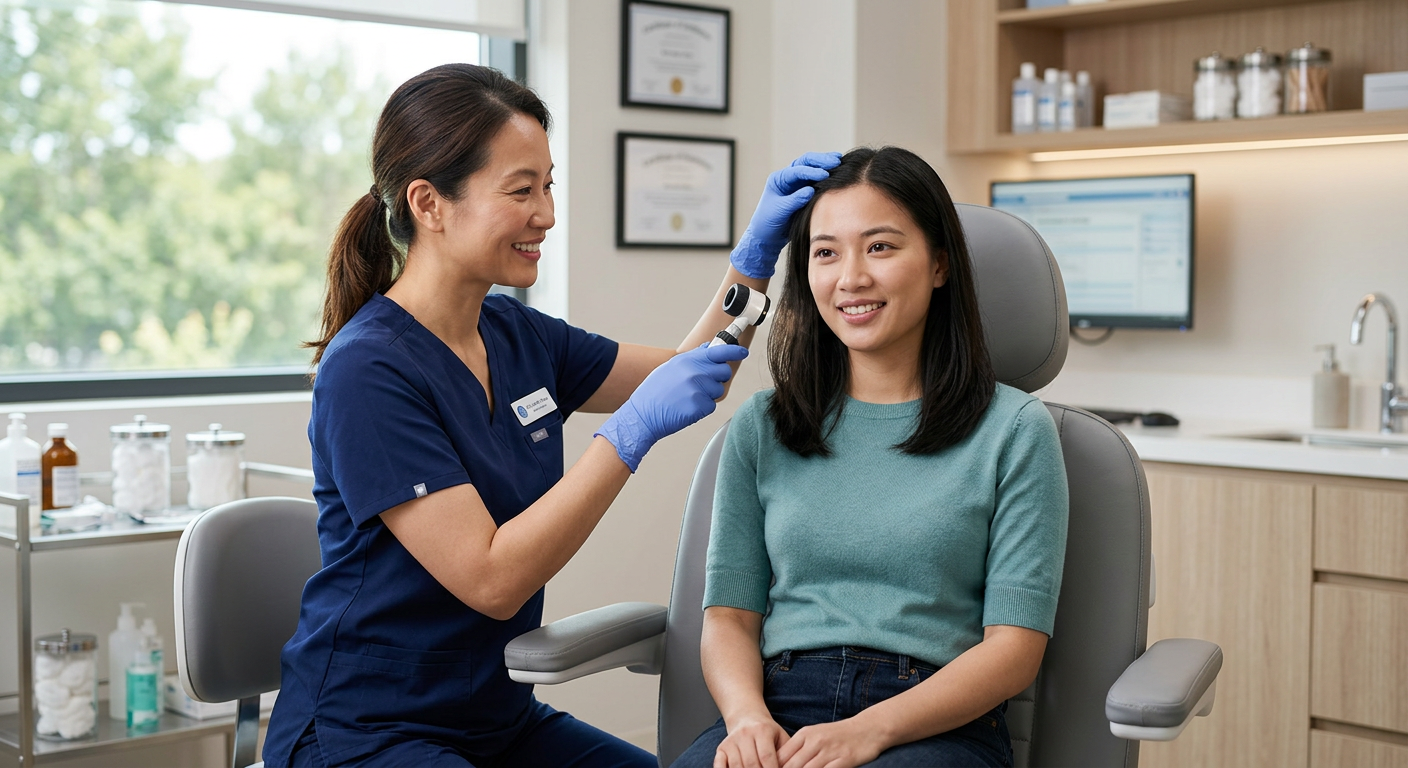
3. The Step-by-Step Journey: From Consultation to Recovery
Embarking on a women hair transplant Turkey journey with Clyna is a structured, supportive process designed to ensure comfort, clarity, and optimal results. Here's what you can expect:
3.1. Initial Consultation and Personalized Planning
Your journey begins with a comprehensive consultation, often initiated remotely through Clyna.
- Medical History & Hair Loss Assessment: You'll provide detailed information about your medical history, any existing conditions, medications, and a thorough history of your hair loss – when it started, its progression, and any previous treatments. You'll also share photos of your scalp from various angles.
- Expectation Management: This is a crucial step. The surgeon will discuss what results are realistically achievable, considering your donor hair quality and the extent of your thinning. They will address your aesthetic goals and ensure they align with what's medically possible.
- Scalp Analysis & Donor Area Assessment: Based on your photos and, eventually, an in-person examination, the surgeon will assess the density and health of your donor area (typically the back and sides of your head). For women, this is particularly important as diffuse thinning can sometimes affect the donor area's suitability.
- Personalized Treatment Plan: A tailored plan will be developed, outlining:
- Recommended Technique: FUE, DHI, Sapphire FUE, or unshaven hair transplant women Turkey, based on your specific needs and preferences.
- Estimated Graft Count: The number of follicular units required to achieve the desired density and coverage.
- Hairline Design: For women, a natural, soft hairline is paramount. The surgeon will meticulously design a hairline that complements your facial features and age.
- Cost Estimate: A transparent breakdown of the procedure cost, often bundled into a comprehensive package.
- Clyna's Role: Clyna facilitates this entire initial phase, connecting you with top-tier clinics, assisting with communication, and ensuring all your questions are answered before you even travel.
3.2. Pre-Procedure Preparation: Setting the Stage for Success
Once your treatment plan is confirmed, you'll receive detailed instructions to prepare for your procedure.
- Medication Review: You'll be advised to stop certain medications (e.g., blood thinners like aspirin, ibuprofen, certain vitamins, and herbal supplements) at least 7-10 days before the surgery to minimize bleeding. Always consult your doctor before discontinuing any prescribed medication.
- Alcohol & Smoking Cessation: Avoid alcohol for at least a week prior and smoking for at least two weeks before and after the procedure. Smoking can significantly impair healing and graft survival.
- Hair Care Instructions: You may be asked to wash your hair with a specific antiseptic shampoo for a few days leading up to the procedure. Avoid using hair sprays, gels, or other styling products on the day of surgery.
- Nutritional Support: Maintain a healthy diet and stay well-hydrated. Some clinics may recommend specific vitamins or supplements.
- Logistics: Clyna will assist with travel arrangements, including flights, airport transfers, and accommodation in partner hotels, ensuring a seamless experience upon your arrival in Turkey.
- Comfort: Plan to wear loose, comfortable clothing, preferably button-down shirts or zip-up tops, to avoid pulling anything over your head after the surgery.
3.3. The Procedure Day: Precision and Care
On the day of your women hair transplant Turkey, you'll be guided through each step by the clinic's professional team.
- Arrival & Final Checks: You'll arrive at the clinic, undergo a final medical check-up, and have a detailed discussion with your surgeon to confirm the hairline design and treatment plan.
- Anesthesia: Local anesthesia will be administered to both the donor and recipient areas. This ensures you feel no pain during the extraction and implantation phases. Some clinics may offer conscious sedation for patients who prefer to be more relaxed.
- Donor Area Preparation: For traditional FUE, the donor area will be shaved. For unshaven hair transplant women Turkey, only specific, hidden sections will be trimmed, or individual long hairs will be extracted.
- Graft Extraction: Using micro-punches (FUE) or Choi pens (DHI), individual follicular units are carefully extracted from the donor area. These grafts are then meticulously sorted and preserved in a special solution to maintain their viability.
- Recipient Site Creation (FUE/Sapphire FUE): Tiny incisions are made in the recipient area, determining the direction, angle, and density of the new hair growth. For Sapphire FUE, specialized sapphire blades are used for enhanced precision.
- Graft Implantation: The extracted grafts are carefully implanted into the recipient sites using fine forceps (FUE/Sapphire FUE) or directly with the Choi Implanter Pen (DHI). This is the most artistic and critical phase, requiring immense skill to ensure a natural appearance.
- Duration: The entire procedure can take anywhere from 6 to 10 hours, depending on the number of grafts and the chosen technique. Breaks are provided for your comfort.
3.4. Immediate Post-Procedure Care: The First Steps of Healing
After the procedure, you'll receive detailed instructions for the immediate post-operative period.
- Bandaging: The donor area will typically be bandaged, and you may have a headband to minimize swelling.
- Medications: You'll be provided with pain relievers, antibiotics, and anti-inflammatory medication to manage any discomfort and prevent infection.
- Sleeping Position: You'll be advised to sleep with your head elevated (at a 45-degree angle) for the first few nights to reduce swelling, often using a special neck pillow.
- First Wash: The first hair wash is usually performed at the clinic 24-48 hours after the procedure by trained professionals, who will also instruct you on how to wash your hair gently at home.
- Post-Op Check-up: A follow-up appointment will be scheduled before you depart Turkey to ensure everything is healing correctly and to answer any remaining questions.
This meticulous, step-by-step approach, coupled with the expertise of Turkish clinics, ensures that your female hair loss treatment Turkey journey is as smooth and successful as possible.
4. Why Turkey Excels in Female Hair Restoration
Turkey has cemented its reputation as the global capital for hair transplantation, and this distinction extends emphatically to hair restoration for women Turkey. Several compelling factors contribute to its unparalleled success and popularity among international patients.
4.1. Unrivaled Expertise and Experience
- High Volume of Procedures: Turkish clinics perform an extraordinary number of hair transplants annually, far exceeding most other countries. This high volume translates directly into extensive experience for surgeons and medical teams. They encounter a vast array of hair loss patterns, including the unique challenges of female hair loss, making them highly adept at tailoring solutions.
- Specialized Surgeons: Many Turkish surgeons are not just general practitioners but highly specialized in hair restoration, often with years of dedicated practice. They are experts in FUE, DHI, Sapphire FUE, and critically, unshaven hair transplant women Turkey, understanding the nuances required for natural results in female patients.
- Continuous Innovation: The competitive landscape in Turkey drives continuous investment in training, research, and adopting the latest techniques. Surgeons are often at the forefront of implementing new methods and refining existing ones.
4.2. State-of-the-Art Facilities and Technology
- Modern Clinics: Turkish hair transplant clinics are typically modern, purpose-built facilities equipped with the latest medical technology. They adhere to international standards of hygiene and patient safety.
- JCI Accreditation: A significant number of hospitals and clinics in Turkey hold Joint Commission International (JCI) accreditation. This is a globally recognized gold standard for patient safety and quality of care, indicating that these facilities meet rigorous international benchmarks. This provides immense reassurance for patients seeking female hair loss treatment Turkey.
- Advanced Equipment: Clinics utilize cutting-edge equipment, from high-precision micro-punches and sapphire blades to advanced imaging systems for scalp analysis and sophisticated implanter pens for DHI, ensuring optimal outcomes.
4.3. Exceptional Value and Affordability
- Cost-Effectiveness: Perhaps the most significant draw for international patients is the remarkable affordability. Hair transplant costs in Turkey are often 50-70% lower than in Western Europe or North America, without any compromise on quality. This makes high-quality women hair transplant Turkey accessible to a broader demographic.
- All-Inclusive Packages: Many clinics, facilitated by platforms like Clyna, offer comprehensive packages that include the procedure, accommodation in luxury hotels, airport transfers, post-operative care kits, and even translator services. This transparent pricing and bundled services eliminate hidden costs and simplify the travel experience.
4.4. Comprehensive Medical Tourism Infrastructure
- Seamless Patient Experience: Turkey has developed a highly efficient medical tourism ecosystem. From the moment you inquire, through your travel, treatment, and post-operative care, every step is designed to be smooth and stress-free.
- Multilingual Support: Clinics employ multilingual staff and provide dedicated patient coordinators and translators, ensuring clear communication throughout your journey.
- Travel Hub: Istanbul, in particular, is a major international travel hub, easily accessible from most parts of the world with frequent and affordable flights.
4.5. Privacy and Discretion
For many women, the decision to undergo a hair transplant is deeply personal, and discretion is a high priority. Turkey's clinics are highly attuned to this need. The availability and expertise in unshaven hair transplant women Turkey techniques mean that patients can often undergo the procedure without needing to shave their entire head, allowing them to return to their daily lives with minimal noticeable signs of surgery. This focus on patient privacy and aesthetic continuity is a major advantage.
4.6. Geographic Advantages: Istanbul and Antalya
- Istanbul: As the largest city and a major medical tourism hub, Istanbul boasts the highest concentration of specialized hair transplant clinics. It offers a vast choice of surgeons, techniques, and price points, catering to every need. Patients can combine their treatment with exploring the city's rich history, vibrant culture, and world-class shopping.
- Antalya: Located on Turkey's beautiful Mediterranean coast, Antalya offers a more relaxed, resort-like environment. It's an excellent choice for patients who wish to combine their female hair loss treatment Turkey with a recuperative holiday, enjoying the sun, sea, and serene surroundings during their recovery period.

The combination of expert surgeons, advanced technology, JCI-accredited facilities, exceptional affordability, and a patient-centric approach makes Turkey the undisputed global leader for hair restoration for women Turkey.
5. Cost Comparison: Hair Transplant for Women in Turkey vs. Other Countries
One of the most compelling reasons for choosing Turkey for women hair transplant Turkey is the significant cost advantage, without compromising on quality. The table below illustrates a general cost comparison for a typical hair transplant procedure (e.g., 2000-3000 grafts) across different regions. Please note that these are estimated ranges and can vary based on the number of grafts, the specific technique (FUE, DHI, Sapphire FUE, unshaven hair transplant women Turkey), the clinic's reputation, the surgeon's experience, and the inclusions in the package (e.g., accommodation, transfers).
| Country | Estimated Cost Range (EUR) | Key Factors Influencing Cost | Turkey (EUR) | Germany (EUR) | UK (EUR) | US (EUR) | |---|---|---|---|---| | Hair Transplant for Women (FUE/DHI/Sapphire FUE) | €2,000 - €4,500 | €5,000 - €10,000 | €4,000 - €9,000 | €8,000 - €15,000+ | | Unshaven Hair Transplant for Women (U-FUE) | €3,000 - €6,000 | €7,000 - €12,000 | €6,000 - €10,000 | €10,000 - €18,000+ | | Average Savings (vs. US/UK/Germany) | 50-70% | N/A | N/A | N/A |
Factors Contributing to Turkey's Affordability:
- Lower Operating Costs: The general cost of living and labor in Turkey is significantly lower than in many Western countries.
- High Competition: The sheer number of clinics in Turkey creates a competitive market, driving down prices while maintaining high standards to attract international patients.
- Government Support for Medical Tourism: The Turkish government actively promotes medical tourism, which indirectly contributes to a favorable economic environment for clinics.
- Package Deals: As mentioned, clinics often offer all-inclusive packages, which provide excellent value by bundling essential services like accommodation and transfers.
It's important to remember that while cost is a significant factor, it should not be the sole determinant. The quality of the surgeon, the clinic's reputation, and the comprehensiveness of the aftercare are equally, if not more, important. Turkey offers the unique advantage of combining affordability with world-class quality for female hair loss treatment Turkey.
6. How to Choose the Right Clinic for Your Hair Transplant in Turkey
Selecting the right clinic for your women hair transplant Turkey is the most critical decision you'll make. With numerous options available, especially in bustling cities like Istanbul and Antalya, knowing what to look for—and what to avoid—is essential. Clyna partners only with vetted, high-quality clinics, but understanding these criteria will empower you further.
6.1. Surgeon's Credentials and Specialization
- Board Certification: Ensure the surgeon is board-certified in plastic surgery, dermatology, or a related field, with a specific focus on hair restoration.
- Experience in Female Hair Transplants: Female hair transplants require a different artistic eye and technical approach than male transplants. Look for a surgeon with extensive experience and a proven track record specifically in hair restoration for women Turkey. Ask to see before-and-after photos of their female patients.
- Team Expertise: The surgeon is crucial, but the entire medical team (technicians, nurses) plays a vital role in graft handling and implantation. Inquire about the team's experience and training.
6.2. Clinic Accreditation and Quality Standards
- JCI Accreditation: As mentioned, JCI accreditation is a global benchmark for patient safety and quality of care. Choosing a JCI-accredited facility offers significant peace of mind.
- ISO Certification: ISO (International Organization for Standardization) certifications indicate adherence to international quality management standards.
- Local Health Authority Licensing: Verify that the clinic is fully licensed and regulated by the Turkish Ministry of Health.
- Hygiene and Sterilization: The clinic should maintain impeccable standards of hygiene and sterilization to prevent infections.
6.3. Advanced Technology and Techniques Offered
- Range of Techniques: A reputable clinic should offer a variety of modern techniques, including FUE, DHI, and Sapphire FUE, allowing them to tailor the best approach for your specific needs.
- Expertise in Unshaven FUE: If discretion is a priority, confirm their proficiency and experience in unshaven hair transplant women Turkey. Ask about their success rates and how many such procedures they perform.
- Diagnostic Tools: The clinic should utilize advanced diagnostic tools like trichoscopy for accurate assessment of your hair and scalp.
6.4. Transparent Pricing and Comprehensive Packages
- No Hidden Costs: The clinic should provide a clear, itemized quote that includes all aspects of the treatment, from consultation to post-operative care.
- All-Inclusive Packages: Many top Turkish clinics offer packages covering the procedure, accommodation, airport transfers, and translator services. Ensure you understand exactly what is included.
- Payment Terms: Clarify payment schedules, deposit requirements, and accepted payment methods.
6.5. Patient Reviews, Testimonials, and Before/After Photos
- Authentic Reviews: Look for reviews on independent platforms (Google, Trustpilot, dedicated medical tourism forums). Pay attention to feedback regarding the surgeon's skill, clinic staff, communication, and overall experience.
- Before-and-After Gallery: A comprehensive gallery of before-and-after photos, particularly of female patients, is invaluable. This demonstrates the surgeon's aesthetic eye and the quality of their results. Look for natural-looking hairlines and density.
6.6. Robust Aftercare and Follow-up Support
- Post-Operative Instructions: The clinic should provide clear, detailed written and verbal instructions for aftercare.
- Follow-up Schedule: Inquire about the follow-up process, both during your stay in Turkey and once you return home. Will there be remote consultations? How accessible will the medical team be for questions?
- Emergency Contact: Ensure you have a 24/7 emergency contact number.
6.7. Clear Communication and Dedicated Patient Support
- Multilingual Staff: Ensure there are staff members who can communicate fluently in your language, especially the patient coordinator.
- Responsiveness: How quickly and thoroughly do they answer your questions during the consultation phase? This is a good indicator of their patient care.
- Dedicated Coordinator: A dedicated patient coordinator who guides you through every step of the process, from initial inquiry to post-op, is a huge asset. This is a standard service offered by Clyna.
6.8. Red Flags to Watch Out For
- Unrealistically Low Prices: While Turkey is affordable, prices that are significantly lower than the average might indicate compromised quality, inexperienced staff, or hidden costs.
- Guaranteed Results: No ethical medical professional can guarantee specific results. Be wary of clinics making such promises.
- High-Pressure Sales Tactics: A reputable clinic will provide information and allow you time to make an informed decision, not pressure you into booking.
- Lack of Transparency: If a clinic is vague about costs, surgeon's credentials, or aftercare, proceed with caution.
- Overly Aggressive Marketing: While marketing is normal, an excessive focus on discounts or celebrity endorsements without substantial information on medical quality can be a warning sign.
By diligently applying these criteria, you can confidently choose a clinic in Turkey that will provide you with a safe, effective, and satisfying female hair loss treatment Turkey experience.
7. Before Treatment: Your Preparation Checklist
Proper preparation is key to a successful women hair transplant Turkey. Following these guidelines will help ensure a smooth procedure and optimal results.
7.1. Medical Preparations
- Comprehensive Medical Consultation: Discuss your full medical history, including any chronic conditions (e.g., diabetes, hypertension, thyroid issues), allergies, and previous surgeries, with your surgeon.
- Blood Tests: You will likely need to undergo blood tests (e.g., CBC, coagulation profile, viral markers like HIV, Hepatitis B/C) to ensure you are a suitable candidate and to rule out any underlying health issues. These can often be done in your home country or upon arrival in Turkey.
- Medication Review:
- Stop Blood Thinners: Discontinue aspirin, ibuprofen (Advil, Motrin), naproxen (Aleve), vitamin E, and herbal supplements (e.g., ginkgo biloba, ginseng) at least 7-10 days before surgery, as they can increase bleeding. Always consult your prescribing doctor before stopping any medication.
- Inform About All Medications: Provide a complete list of all prescription and over-the-counter medications, vitamins, and supplements you are taking.
- Antibiotics: You may be prescribed antibiotics to start a day or two before the procedure to prevent infection.
- Allergies: Clearly communicate any known allergies to medications (especially local anesthetics), latex, or other substances.
7.2. Hair Care Guidelines
- Wash Your Hair: Wash your hair thoroughly with your regular shampoo the night before or the morning of the procedure. Do not use any conditioners, styling products (gel, spray, mousse), or oils.
- Avoid Hair Dye: Refrain from coloring or chemically treating your hair for at least two weeks prior to the surgery.
- Hair Length: While not always necessary for unshaven hair transplant women Turkey, for other FUE methods, the donor area will need to be trimmed. Discuss this with your clinic. For the recipient area, no shaving is typically required for women.
7.3. Lifestyle Adjustments
- Stop Smoking: This is critical. Smoking significantly impairs blood flow to the scalp, which can compromise graft survival and slow down healing. Aim to stop at least two weeks before and continue for at least two weeks after the procedure.
- Avoid Alcohol: Refrain from consuming alcohol for at least one week before surgery, as it can thin the blood and interfere with anesthesia.
- Healthy Diet: Maintain a balanced, nutritious diet and stay well-hydrated in the days leading up to your surgery.
- Caffeine: Limit caffeine intake on the day of the surgery.
- Rest: Ensure you get adequate sleep the night before your procedure.
7.4. Travel and Logistics
- Passport and Visa: Ensure your passport is valid for at least six months beyond your intended stay and check if you require a visa for Turkey. Clyna can assist with visa information.
- Flights and Accommodation: Book your flights and confirm your accommodation. If you've chosen a Clyna package, these will be handled for you.
- Transfers: Confirm airport and clinic transfers.
- Comfortable Clothing: Pack loose-fitting, button-down shirts or zip-up tops that do not need to be pulled over your head. This prevents accidental dislodgement of grafts after the surgery.
- Local Currency: Have some Turkish Lira (TRY) for small expenses, although credit cards are widely accepted.
- Communication: Ensure your phone works internationally or consider purchasing a local SIM card.
- Companion: Consider traveling with a companion for support during your recovery, especially if you anticipate needing assistance.
7.5. Mental and Emotional Readiness
- Realistic Expectations: Understand that hair growth is a gradual process, and final results take 12-18 months. Manage your expectations regarding immediate density and the "shock loss" phase.
- Ask Questions: Don't hesitate to ask your Clyna coordinator or the clinic team any questions or express any concerns you have before your trip.
- Emotional Support: Talk to friends, family, or support groups if you feel anxious. A positive mindset can contribute to a smoother experience.
By diligently following this checklist, you'll be well-prepared for your female hair loss treatment Turkey and set yourself up for the best possible outcome.
8. After Treatment: Your Recovery Timeline Day-by-Day
The recovery phase is crucial for the success of your women hair transplant Turkey. Understanding what to expect day-by-day will help you manage the process and ensure optimal graft survival.
8.1. Immediate Post-Op (Days 1-3)
- Day 1 (Procedure Day):
- You will have a bandage on the donor area and possibly a headband to minimize swelling.
- Mild discomfort, numbness, and tightness in the donor area are normal. Pain medication will be provided.
- Tiny red dots will be visible in the recipient area, where the grafts were implanted.
- Sleep with your head elevated (45-degree angle) to reduce swelling, using a special neck pillow. Avoid touching the transplanted area.
- Day 2:
- You'll typically return to the clinic for your first post-operative check-up.
- The bandage will be removed, and the medical team will perform the first gentle hair wash, demonstrating how to do it yourself.
- Swelling might begin, often moving towards the forehead and eyes. This is normal and temporary.
- Day 3:
- Continue gentle washing as instructed.
- Swelling may peak and start to subside.
- You might notice small scabs forming around the transplanted grafts. Do NOT pick them.
8.2. Early Recovery (Days 4-14)
- Days 4-7:
- Swelling should significantly decrease.
- The scabs in the recipient area will become more prominent. Continue gentle washing to help them soften and fall off naturally.
- The donor area will be healing, with tiny red dots gradually fading.
- Avoid direct sun exposure, strenuous exercise, and swimming.
- Days 8-14:
- Most of the scabs in the recipient area should have fallen off by the end of this period, taking some of the transplanted hairs with them (this is normal and part of "shock loss").
- The donor area should be largely healed, with minimal redness.
- You can gradually resume light activities, but still avoid heavy sweating or direct impact to the head.
- Continue to protect your scalp from direct sunlight.
8.3. The Shedding Phase (Weeks 2-8)
- This is a crucial and often concerning phase for patients, but it is entirely normal.
- "Shock Loss": The transplanted hairs, along with some existing hairs, will shed. This is a natural reaction to the trauma of transplantation and makes way for new, stronger hair growth. It's important to understand that the follicle itself remains, ready to produce new hair.
- Emotional Management: Be prepared for this phase. It can be disheartening to see the newly transplanted hair fall out, but trust the process.
8.4. Initial Growth (Months 3-6)
- Month 3: New hair growth will begin. Initially, these hairs may be fine and sparse, resembling "peach fuzz."
- Month 4-6: The new hairs will start to thicken and become more noticeable. You'll observe a gradual increase in density.
- Post-Op Care: Continue to follow any prescribed topical treatments (e.g., Minoxidil for women, if recommended by your doctor) or PRP sessions, which can accelerate growth and improve hair quality.
8.5. Significant Growth (Months 6-12)
- Month 6: You should see a significant improvement in density and coverage. About 50-70% of the final growth will typically be visible.
- Hair Maturation: The newly grown hairs will continue to thicken, mature, and blend with your existing hair.
- Styling: You can start to style your hair more freely, enjoying the increasing density.
8.6. Final Results (Months 12-18)
- Month 12: Most patients will see close to their final results. The transplanted hair will have fully matured, and the density will be established.
- Month 18: For some individuals, particularly those with crown area transplants, the hair may continue to mature and thicken slightly up to 18 months.
- Long-Term Satisfaction: Enjoy your natural, permanent results of hair restoration for women Turkey.
8.7. Long-Term Aftercare and Maintenance
- Continued Care: Follow your surgeon's recommendations for long-term hair care, which may include specific shampoos, conditioners, or supplements.
- Medications: For female pattern baldness hair transplant Turkey, your surgeon might recommend continued use of medications like Minoxidil (topical solution) to maintain existing hair and support the transplanted grafts. Finasteride is generally not recommended for women of childbearing age due to potential risks.
- PRP Therapy: Platelet-Rich Plasma (PRP) therapy can be a beneficial adjunct treatment, stimulating hair growth and improving hair quality. Many clinics in Turkey offer this as part of their packages or as an additional service.
- Sun Protection: Protect your scalp from excessive sun exposure, especially in the first few months.
This detailed timeline provides a roadmap for your recovery, but remember that individual healing rates can vary. Open communication with your clinic and Clyna will ensure you receive continuous support throughout your female hair loss treatment Turkey journey.
9. Risks, Complications, and How to Minimize Them
While women hair transplant Turkey procedures are generally safe and highly successful, like any medical intervention, they carry potential risks and complications. Being aware of these and understanding how to minimize them is crucial for a confident journey.
9.1. Common and Minor Side Effects
These are typically temporary and resolve within a few days to weeks:
- Swelling (Edema): Most common, especially around the forehead and eyes, peaking around day 3-4 and subsiding within a week.
- Redness: Both the donor and recipient areas will appear red, which gradually fades over a few weeks to months, depending on skin type.
- Itching: A common part of the healing process, particularly in the donor area. Avoid scratching to prevent infection or dislodging grafts.
- Numbness/Tingling: Temporary numbness or altered sensation in the scalp is common due to nerve disruption during extraction and implantation. It usually resolves within a few weeks to several months.
- Mild Pain/Discomfort: Manageable with prescribed pain medication, typically subsiding within a few days.
- Scabbing: Small scabs will form around each transplanted graft. These are normal and will shed naturally within 1-2 weeks.
- Temporary Shock Loss: As discussed, shedding of transplanted and sometimes existing hairs is a normal physiological response, making way for new growth.
9.2. Less Common but More Serious Complications
These are rare, especially in reputable clinics, but important to be aware of:
- Infection: Although rare due to sterile techniques and prophylactic antibiotics, infection can occur. Symptoms include increased pain, redness, swelling, warmth, and pus.
- Folliculitis: Inflammation of hair follicles, appearing as small pimples, can occur in both donor and recipient areas. It's usually treatable with warm compresses or topical antibiotics.
- Poor Growth/Low Yield: If grafts are not handled correctly, or if post-operative care is neglected, some grafts may not survive or grow as expected.
- Unnatural Appearance: Poor hairline design, incorrect angle/direction of implantation, or insufficient density can lead to an unnatural-looking result. This is a significant concern, especially for hair restoration for women Turkey, where natural blending is paramount.
- Scarring: While FUE minimizes visible scarring, tiny white dots may be visible in the donor area if closely shaved. In rare cases, keloid or hypertrophic scarring can occur, particularly in individuals prone to them.
- Cysts: Small cysts can form at the recipient sites if the implanted grafts are pushed too deep. They are usually benign and resolve on their own.
- Persistent Numbness: Very rarely, nerve damage can lead to long-term or permanent numbness.
- Allergic Reaction: To anesthesia or medications.
9.3. How to Minimize Risks
The vast majority of risks can be significantly reduced by making informed choices and diligently following medical advice:
- Choose a Reputable, Accredited Clinic: This is the single most important step. Opt for clinics with JCI accreditation, experienced surgeons specializing in female hair loss treatment Turkey, and a strong track record of positive patient outcomes. Clyna vets all its partner clinics to ensure they meet these high standards.
- Select an Experienced Surgeon: A skilled surgeon with an artistic eye is crucial for natural-looking results, especially for hairline design and density in women.
- Undergo a Thorough Consultation: Ensure your medical history is fully disclosed and discussed. A good clinic will also perform comprehensive diagnostic tests to assess your suitability.
- Follow Pre-Operative Instructions: Adhere strictly to guidelines regarding medications, smoking, alcohol, and hair care to optimize your body's readiness for surgery.
- Adhere to Post-Operative Care Instructions: This is critical for graft survival and proper healing. Gentle washing, avoiding touching the grafts, sleeping elevated, and taking prescribed medications are non-negotiable.
- Maintain Open Communication: Don't hesitate to contact your clinic or Clyna coordinator if you experience any unusual symptoms or have concerns during your recovery.
- Realistic Expectations: Understand the limitations of the procedure and the natural timeline of hair growth. This prevents disappointment and helps you appreciate the gradual transformation.
By taking these proactive steps, you can significantly enhance the safety and success of your women hair transplant Turkey and achieve the beautiful, natural results you desire.
10. Real Patient Journey Stories: Transformations and Triumphs
Hearing about the experiences of others can provide invaluable insight and reassurance. Here are a few realistic scenarios of women who chose Turkey for their hair restoration journey.
10.1. Sarah's Story: Battling Female Pattern Baldness
Sarah, a 35-year-old marketing executive from London, had been struggling with female pattern baldness for nearly a decade. Her hair, once thick and lustrous, had become noticeably thin, particularly along her part line and crown. She tried various topical treatments and supplements with limited success, and the emotional toll was immense. "I felt like I was constantly trying to hide my scalp," she recalls. "It affected my confidence at work and in my social life."
After extensive research, Sarah discovered the reputation of Turkey for female hair loss treatment Turkey. She contacted Clyna, who connected her with a highly-rated clinic in Istanbul specializing in female hair restoration. During her virtual consultation, the surgeon confirmed she was a good candidate for FUE, estimating around 2500 grafts to increase density in her thinning areas.
Sarah flew to Istanbul, where she was met by a clinic representative and transferred to her hotel. The procedure itself was comfortable, thanks to local anesthesia. "The team was incredibly caring, constantly checking if I was okay," she says. She opted for a partial shave in the donor area, which was easily concealed by her longer hair. Her first wash at the clinic was gentle and reassuring.
Back in London, Sarah experienced the expected shock loss, which she had been prepared for. "It was tough to see, but I kept reminding myself it was part of the process." By month 6, she noticed significant new growth, and by month 12, her hair was dramatically fuller. "I can style my hair without worrying about my scalp showing. It's truly transformative. Choosing Turkey was the best decision I made, not just for the results, but for the entire supportive experience."
10.2. Emily's Story: Discreet Restoration with Unshaven FUE
Emily, a 28-year-old fashion blogger from Dublin, developed traction alopecia along her hairline due to years of tight ponytails and hair extensions. While the rest of her hair was healthy, the receding temples and sparse front hairline made her self-conscious. "As a blogger, my appearance is part of my brand," Emily explains. "I couldn't afford to shave my head, even partially."
Her search for a discreet solution led her to unshaven hair transplant women Turkey. Clyna helped her find a clinic in Antalya renowned for its expertise in this specialized technique. The surgeon explained that while it would take longer and be slightly more expensive, it was perfectly suited for her needs, requiring about 1200 grafts for her hairline and temples.
Emily's procedure was performed without shaving her head. The surgeon meticulously extracted individual long hairs from her donor area and implanted them into her hairline. "It was amazing," she recounts. "Right after the surgery, my existing hair covered the treated areas. No one could tell I'd had anything done unless they looked very closely." She enjoyed a few extra days in Antalya, recovering by the beach, before flying home.
The recovery was smooth, and Emily appreciated the minimal downtime. Her new hairline started to fill in around month 4, and by month 10, she had a natural, dense hairline. "The unshaven hair transplant women Turkey option was a lifesaver for me. I got my confidence back without any social disruption. It was worth every penny."
10.3. Maria's Story: Addressing Hormonal Thinning with a Comprehensive Approach
Maria, a 48-year-old teacher from Germany, noticed significant thinning across her scalp, particularly at the temples and crown, which she attributed to hormonal changes during perimenopause. She felt her hair loss made her look older and less vibrant. "I just wanted to feel like myself again," she shares.
Through Clyna, Maria connected with a clinic in Istanbul that offered a holistic approach to hair restoration for women Turkey. Her surgeon recommended a combination of FUE for density in the thinning areas (approximately 2800 grafts) and a series of PRP (Platelet-Rich Plasma) treatments to stimulate existing hair and enhance the growth of transplanted grafts.
Maria's procedure went smoothly. She appreciated the clinic's modern facilities and the professionalism of the staff. Post-surgery, she diligently followed all aftercare instructions and returned to Istanbul for her PRP sessions a few weeks later. "The PRP treatments were quick and painless, and I felt like they were really boosting my results," she says.
Her hair started growing back steadily, and by month 9, the difference was remarkable. "My hair feels thicker and healthier than it has in years. The combination of the transplant and PRP was incredibly effective for my hormonal thinning. I'm so grateful to the team in Turkey and Clyna for guiding me through this journey."

These stories highlight the diverse needs of women seeking hair transplants and the tailored solutions available in Turkey, emphasizing the expertise, care, and transformative results that await.
11. Frequently Asked Questions (FAQ)
Here are answers to common questions about hair transplant for women in Turkey:
1. Is hair transplant suitable for all women? No, not all women are ideal candidates. The best candidates typically have stable donor hair (usually at the back and sides of the head) that is resistant to balding and sufficient to cover thinning areas. Women with diffuse thinning across the entire scalp, including the donor area, or those with certain types of alopecia (e.g., active alopecia areata) may not be suitable. A thorough consultation with a specialist is essential to determine eligibility.
2. What's the difference between male and women hair transplant Turkey? The primary differences lie in the pattern of hair loss and the aesthetic goals. Men often have distinct bald patches and receding hairlines, while women typically experience diffuse thinning and a widening part, with the frontal hairline often remaining intact. For women, the focus is more on increasing density and creating a soft, natural hairline that blends seamlessly with existing hair, often without shaving the entire head (e.g., unshaven hair transplant women Turkey).
3. Will my hair look natural after a transplant? Yes, when performed by an experienced surgeon, the results are designed to look completely natural. Skilled surgeons pay meticulous attention to hairline design, the angle, direction, and density of implanted grafts to mimic natural hair growth patterns. This is a hallmark of quality hair restoration for women Turkey.
4. How long does the procedure take? A hair transplant procedure typically takes 6 to 10 hours, depending on the number of grafts being transplanted and the technique used. Unshaven hair transplant women Turkey can sometimes take longer due to the intricate nature of extracting and implanting longer grafts.
5. Is the hair transplant procedure painful? The procedure itself is not painful. Local anesthesia is administered to both the donor and recipient areas, numbing the scalp completely. You might feel some pressure or minor discomfort during the injections, but no pain during the extraction and implantation. Mild discomfort or soreness may be experienced in the days following the surgery, which can be managed with prescribed pain medication.
6. What is "shock loss," and should I be worried about it? "Shock loss" is a temporary shedding of transplanted hairs, and sometimes existing hairs, that occurs a few weeks after the procedure. It's a normal and expected part of the healing process, making way for new, permanent hair growth. It is not a sign of failure, and you should not be worried. New hair typically starts to grow around 3-4 months post-op.
7. When can I return to work and normal activities? Most patients can return to light work within 2-5 days, especially if they opt for an unshaven hair transplant women Turkey which offers maximum discretion. Strenuous exercise, heavy lifting, and activities that cause excessive sweating or direct impact to the head should be avoided for at least 2-4 weeks. Your clinic will provide specific guidelines.
8. Are there any non-surgical alternatives for female hair loss treatment Turkey? Yes, several non-surgical options can help manage female hair loss, often used in conjunction with or as an alternative to hair transplants:
- Minoxidil (Rogaine): A topical solution that can stimulate hair growth and slow hair loss.
- Platelet-Rich Plasma (PRP) Therapy: Involves injecting concentrated platelets from your own blood into the scalp to stimulate hair follicles.
- Low-Level Laser Therapy (LLLT): Uses red light to stimulate cellular activity in hair follicles.
- Nutritional Supplements: Addressing deficiencies in iron, biotin, zinc, etc. These can be part of a comprehensive female hair loss treatment Turkey plan.
9. How long do the results of a hair transplant last? The results of a hair transplant are permanent. The transplanted hair follicles are genetically resistant to the balding process, meaning they will continue to grow naturally for a lifetime. However, it's important to note that a transplant does not prevent future thinning of your existing native hair. Your surgeon may recommend ongoing treatments to maintain the health of your non-transplanted hair.
10. Can I combine my treatment with a holiday in Turkey? Absolutely! Many patients choose to combine their women hair transplant Turkey with a short vacation. Turkey offers rich cultural experiences, historical sites, beautiful coastlines (like Antalya), and vibrant cities (like Istanbul). Clinics often include hotel stays and transfers in their packages, making it easy to enjoy the country while recovering.
11. What if I have very little donor hair? The availability and quality of donor hair are critical for a successful transplant. If your donor area is very sparse or shows signs of thinning, you might not be an ideal candidate for a hair transplant. In such cases, your surgeon will discuss alternative solutions or manage expectations regarding achievable density.
12. What is the success rate of hair restoration for women Turkey? With modern techniques and experienced surgeons, the success rate for hair restoration for women Turkey is very high, typically ranging from 90-95% graft survival. This means that 90-95% of the transplanted follicles will successfully grow new hair.
13. Do I need to shave my head completely for a women hair transplant? Not necessarily. While traditional FUE often requires shaving the donor area, and sometimes the recipient area, techniques like unshaven hair transplant women Turkey (U-FUE or Long Hair FUE) are specifically designed to avoid shaving the entire head. This allows for maximum discretion and is a popular choice for women. Your surgeon will discuss the best approach based on your hair loss pattern and preferences.
14. What aftercare products should I use? Your clinic will provide a specific aftercare kit, which typically includes a special shampoo, lotion, and sometimes a spray. You'll be given detailed instructions on how and when to use these products. Avoid using harsh chemicals, regular shampoos, or styling products on your scalp for the first few weeks.
15. How do I book my hair transplant through Clyna? Booking through Clyna is simple. Start by visiting our website, clyna.io ↗, and filling out our inquiry form. You can also click on Get Free Quote. Our dedicated patient coordinators will then connect with you, understand your needs, provide personalized recommendations for top clinics in Turkey, facilitate virtual consultations, and assist with all travel and accommodation arrangements, ensuring a seamless and stress-free journey. You can also Browse Clinics directly on our platform.
12. Conclusion: Your Journey to Renewed Confidence Starts Here
The journey of hair restoration for women Turkey is more than just a medical procedure; it's a profound step towards reclaiming your confidence, enhancing your self-image, and embracing a fuller, more vibrant life. For too long, female hair loss has been a silent struggle, but with the advanced techniques and compassionate care available today, particularly in Turkey, a solution is within reach.
Turkey stands as the global beacon for hair transplantation, offering an unparalleled combination of highly experienced surgeons, JCI-accredited state-of-the-art clinics, the latest technologies including unshaven hair transplant women Turkey, and remarkably affordable prices. Whether you're battling female pattern baldness hair transplant Turkey, seeking to restore a receding hairline due to traction alopecia, or addressing diffuse thinning, the expertise found in Istanbul and Antalya is ready to meet your unique needs.
At Clyna, we understand the emotional weight of hair loss and the importance of finding a trusted partner for your medical journey. We are committed to connecting you with the best clinics and surgeons in Turkey, ensuring transparency, safety, and exceptional results. Our role is to make your experience seamless, from your initial consultation to your successful recovery, allowing you to focus on the exciting transformation ahead.
Don't let hair loss define you any longer. Take the first step towards a future with renewed confidence and a beautiful, natural head of hair.
Ready to explore your options for female hair loss treatment Turkey?
Get Free Quote and let Clyna guide you to the perfect clinic for your needs.
You can also Browse Clinics directly to discover our curated selection of top-tier hair restoration centers in Turkey.
Related Guides

Ready to Start Your Medical Journey?
Get free personalized quotes from Turkey's top clinics.
Get Free Quote